Alcohol has been a cornerstone of society for millennia. From emperors to prime ministers to literary icons, booze has long been used as a social lubricant, a masculinity marker, and, to many, as a staple.
Much of this is not to be lauded. Some of the characters’ lifestyles and anecdotes on this list would be received by today’s medical professions with a look of pure horror. db takes a look at some of those who indulged in the vice to a particularly alarming degree.
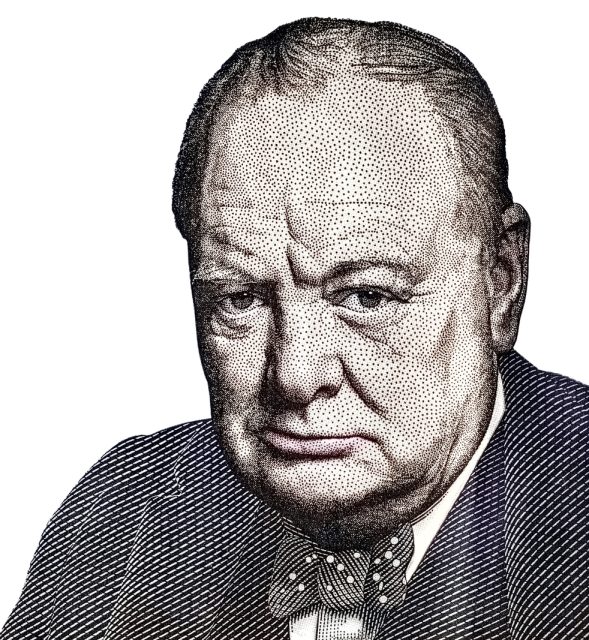
Winston Churchill
Great Britain’s Prime Minister for the vast majority of World War II is almost as famous for his drinking habits as his leadership.
The heavy drinking began early in life. As a 25-year-old correspondent covering the Boer War in 1899, he brought 36 bottles of wine, 18 bottles of scotch, and six bottles of brandy to the front line.
By the 1940s, Churchill’s drinking routine was pretty established. He would typically start the day off with a Johnny Walker and water, a habit he picked up in India where the water was almost unpalatable, and lunch and dinners featured large quantities of Champagne or wine followed by brandy.
His daily intake has been approximated at around 20 units of alcohol, 6 more than the recommended weekly limit.
Rasputin
Russia’s greatest love machine may have loved a drink even more than he loved women. His taste for alcohol is to be expected, given he grew up against the backdrop of late-19th century Siberian winters, where vodka was deemed the best cure for the extreme cold.
In the first decade of the 20th century he gained a reputation for himself as a supernatural enigma, who inexplicably wielded considerable power at the Tsar’s court. Here he was able to partake in lavish feasts where alcohol was plentiful.
His death epitomised all the debauchery and mysticism that surrounded him. In December 1916 he was invited by Russian aristocrats to a soiree where he was served wine laced with cyanide. It is said that a dose enough to kill five grown men didn’t harm him at all. He was then shot in the back. Still, supposedly survived. It was only after being shot twice more and thrown into the river Neva for good measure that the conspirators could be sure they got their man.
While this anecdote has been countlessly questioned and debated since, the mysterious monk’s penchant for revelry and many, many beverages cannot be denied.
Partner Content
Alexander the Great
Alexander the Great’s drinking habits were unique for his time. He drank his wine undiluted, against the grain of the common practice of mixing it with water. The result made him oftentimes erratic. One incident in which he murdered his close friend Cleitus over a dispute about military tactics. When he became sober he was so distraught with his actions and guilt-stricken that he isolated himself within his tent and refused to eat or drink for three days.
He was also very partial to a drinking game. Today they are a cornerstone of nightlife culture: Never Have I Ever, Beer Pong, Ring of Fire. Sometimes we’re known to take it too far, but they still pale in comparison to one Alexander played host to nearly 2,500 years ago.
After the funeral of his advisor, he proposed a drinking contest. The winner, Promachus, is said to have drank around 13 litres of wine, the equivalent to over 17 bottles. He died three days later, just one of an estimated 41 who perished due to alcohol poisoning, making it perhaps the deadliest drinking contest in history.
Ernest Hemingway
Hemingway was the poster boy of literary joie de vivre in the inter-war years, and a big part of that meant drinking lots.
Daiquiris in Havana, martinis in Paris, whiskey in the Alps – Hemingway made alcohol part of the mise‑en‑scène. Drinking was a fundamental part of the aesthetic. The polished, luxurious drink aficionado; the face of a new wave of masculinity.
The idea of him mixing drink with work is a false one. When asked in an interview if rumours of him taking a pitcher of martinis to work every morning were true, he answered, “Jeezus Christ! Have you ever heard of anyone who drank while he worked?”
Socrates
Surely one of the smartest blokes on the block had to keep his mind unsullied by alcohol? As a matter of fact, ancient Greek philosopher Socrates believed the wine at parties facilitated philosophical dialogue rather than hindering it.
To him, being able to engage fully with intoxicated peers while staying completely clear-headed proved that reason could conquer bodily appetites.
And Steven Bartlett would have you believe just a few glasses of wine could derail half a week’s work. I’d love to know what Socrates would say in response to that.
Related news
Top 10 spritzes to drink this summer
Top 10 drinks launches from June
Top 10 oldest gin and genever brands in the world