Every June, the same ritual begins. School holidays loom, temperatures climb and residents of the UAE, Saudi Arabia, Qatar, Bahrain and beyond begin plotting their annual escapes. My Whatsapp groups fill with plans for Tuscany, the Côte d’Azur, Australia and the UK. But this year is different. The conflict between the US, Israel and Iran has added uncertainty to summer travel planning. Rising fuel costs continue to affect airfares, routes are disrupted and would-be travellers are thinking twice about spending big on long-haul flights. For many Gulf residents, the answer has been surprisingly simple: stay closer to home.
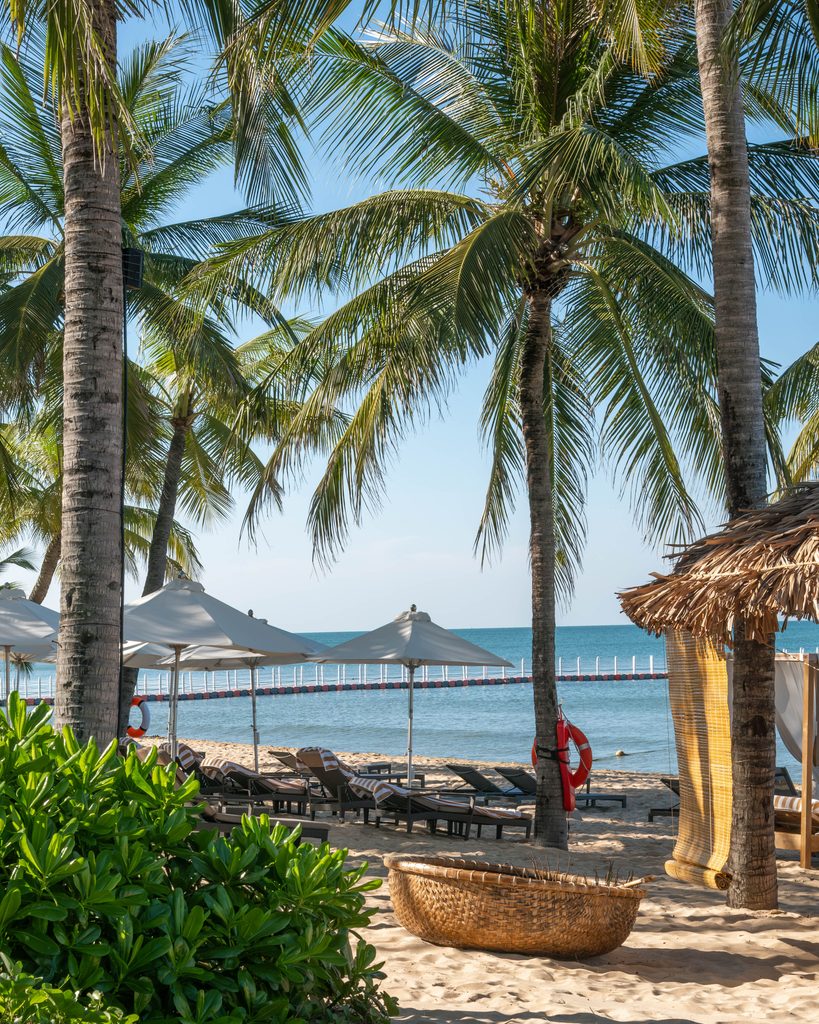
That doesn’t necessarily mean staying at home. Hotels across the UAE and the wider Gulf are aggressively rolling out summer offers, with five-star resorts suddenly available at prices that would have seemed unimaginable not so long ago. The result is that many of my friends who would ordinarily spend July and August in Europe are staying put. Some are booking weekends in Ras al-Khaimah, a few are escaping to Oman and others are treating themselves to luxury resorts in Dubai that are usually fully booked until winter.
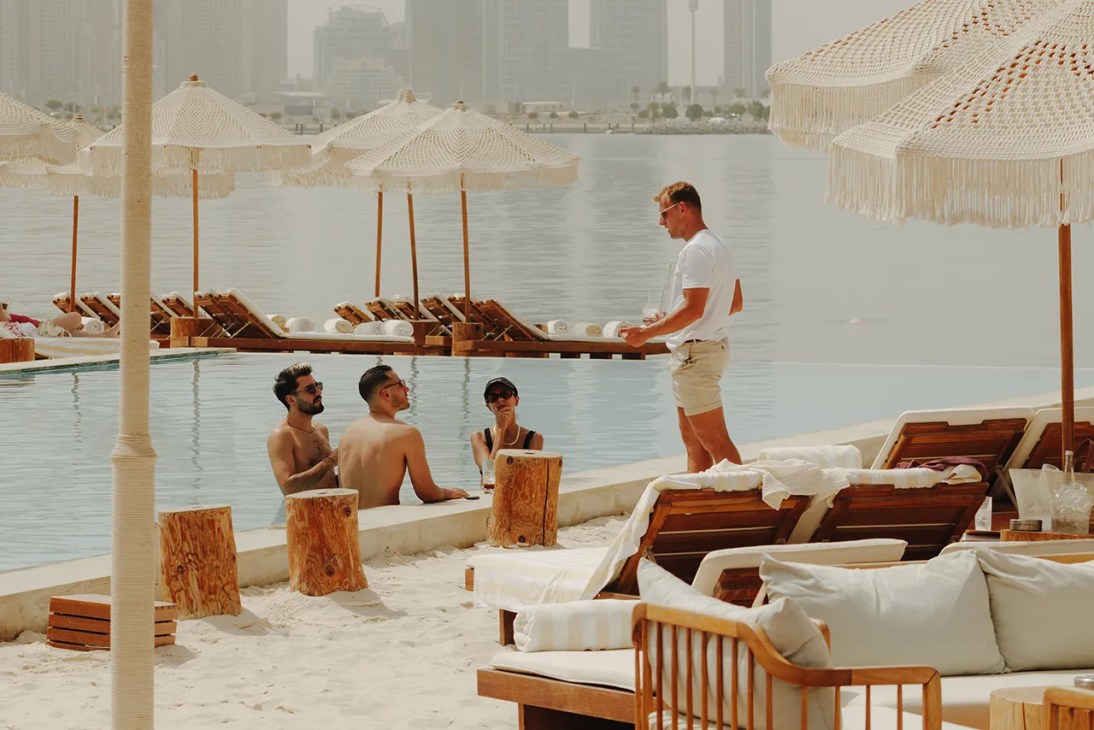
Last year I wrote about how summers in the UAE aren’t for everyone – but that’s part of the charm. The old assumption that the country empties out between June and September no longer holds true: since the war, the hospitality sector has become better at making the most of these quieter months. There’s also a growing recognition that the Gulf offers more variety than many residents previously appreciated. A weekend in Muscat will give you a different pace and atmosphere to a trip to Dubai. The mountains of northern Oman provide a refreshing alternative to the coast. Saudi Arabia’s tourism ambitions continue to expand. Even within the UAE, the range of hotel and resort experiences is broader than ever. What began as a travel compromise is increasingly becoming a choice.
Geopolitical uncertainty tends to make people cautious. Staying within the region offers a degree of reassurance. The longer-term question is whether this behavioural shift will permanently change travel habits. If more residents spend their summers exploring the Gulf, they might discover destinations that become part of annual traditions, rather than temporary substitutes.
What would accelerate this is better connectivity. The long-promised Etihad Rail network and the wider GCC railway project remain among the region’s most exciting infrastructure ambitions. The prospect of boarding a train in Abu Dhabi and arriving in Muscat, Riyadh or Doha a few hours later would further transform how locals think about holidays. For now, Gulf residents are making the best of the available options. They are trading Tuscany for the Palm Jumeirah, the Amalfi Coast for Muscat and Mediterranean beach clubs for shaded resort pools.