Credit: Goran Damnjanovic / How-To Geek
Wi-Fi extenders are marketed as a way to expand your Wi-Fi coverage, so it’s no wonder people think of them as a dead-zone fix. They’re inexpensive to buy, and once you plug one in, you’ll usually see an instant improvement in your signal strength. I totally get the appeal.
But whenever someone tells me they’re getting a Wi-Fi extender, I always say the same thing: it probably won’t fix that dead zone, and it might even drag down your whole network. Here’s how they really work, and what can go wrong.
It cuts your speed in half, guaranteed
The walkie-talkie problem nobody warns you about
-
 Credit: Goran Damnjanovic / How-To Geek
 -
 Credit: Corbin Davenport / How-To Geek
 -
 Credit: Ismar Hrnjicevic | Lucas Gouveia / How-To Geek | Best Buy | CoinUp / Shutterstock
 -
 Credit: Patrick Campanale / How-To Geek
 -
 Credit: Monica J. White / How-To Geek
-
 Credit: Goran Damnjanovic / How-To Geek
 -
 Credit: Corbin Davenport / How-To Geek
 -
 Credit: Ismar Hrnjicevic | Lucas Gouveia / How-To Geek | Best Buy | CoinUp / Shutterstock
 -
 Credit: Patrick Campanale / How-To Geek
 -
 Credit: Monica J. White / How-To Geek
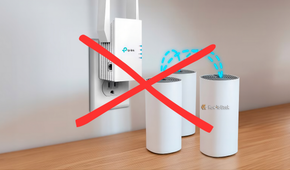
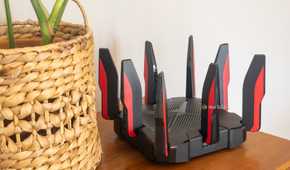
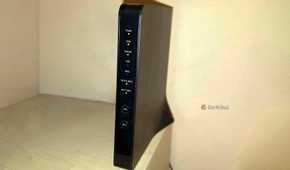
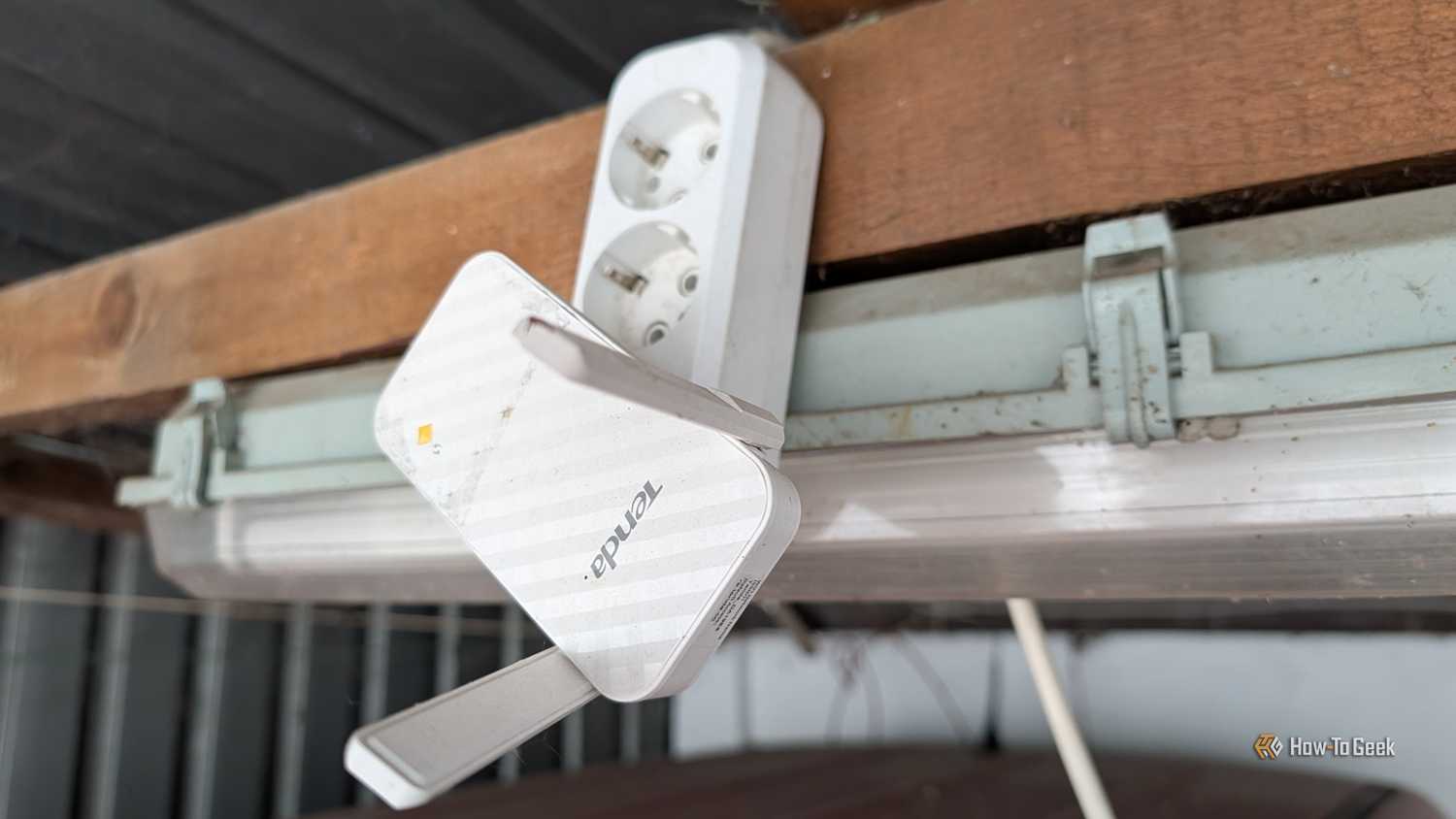
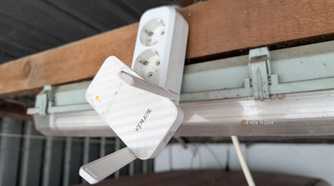
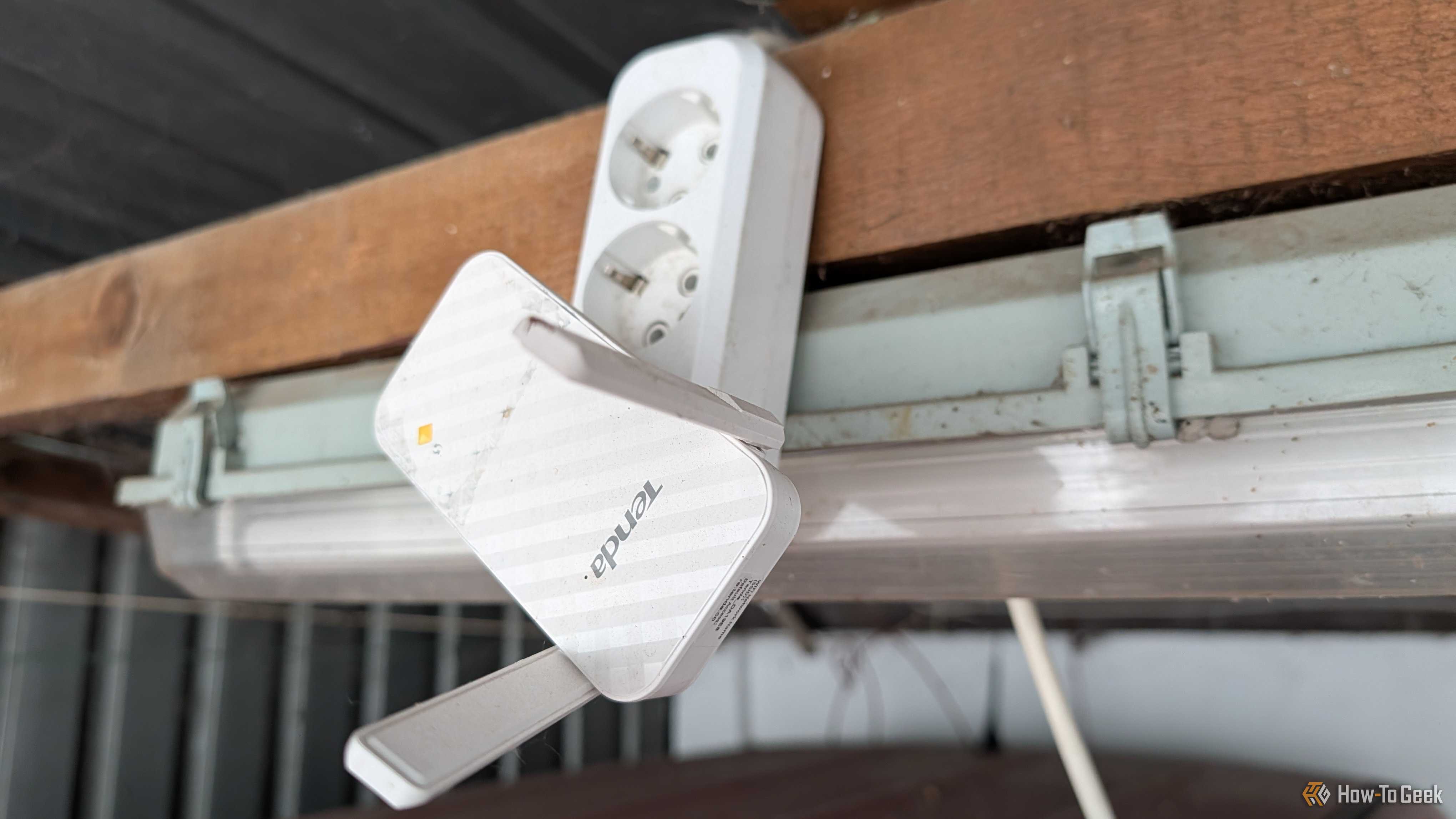
Unlike your dual-band or tri-band Wi-Fi router, most cheap extenders only have one radio, which they use to talk to both your router and your devices. These radios can only do one thing at a time, so the extender has to sit and listen to what your router says before switching to broadcast mode to talk to your devices.
This makes them about half as fast as multi-radio routers that can receive and broadcast at the same time — and that’s the best-case scenario, before you add in walls, distance, and everything else fighting for the air.
It piles lag onto everything you actually care about
Streaming survives it, your video calls do not
 Credit: Bertel King / How-To Geek
 It’s not just your speed that suffers. Every time data takes the scenic route through the extender, it picks up a slight delay. This isn’t noticeable for stuff like browsing or streaming, since videos buffer ahead of time. But for Zoom calls or online gaming, the added latency manifests as stutters and freezes that will totally ruin your experience.
An extender can be great for temporarily expanding coverage in a situation where any connection is better than none, but as a ‘permanent fix’ for a part of your house where you want a strong and stable connection, it’s really not up to the job.
If you put it in the wrong place, it will interfere with everything
Even your actual router
 Credit: Bertel King / How-To Geek
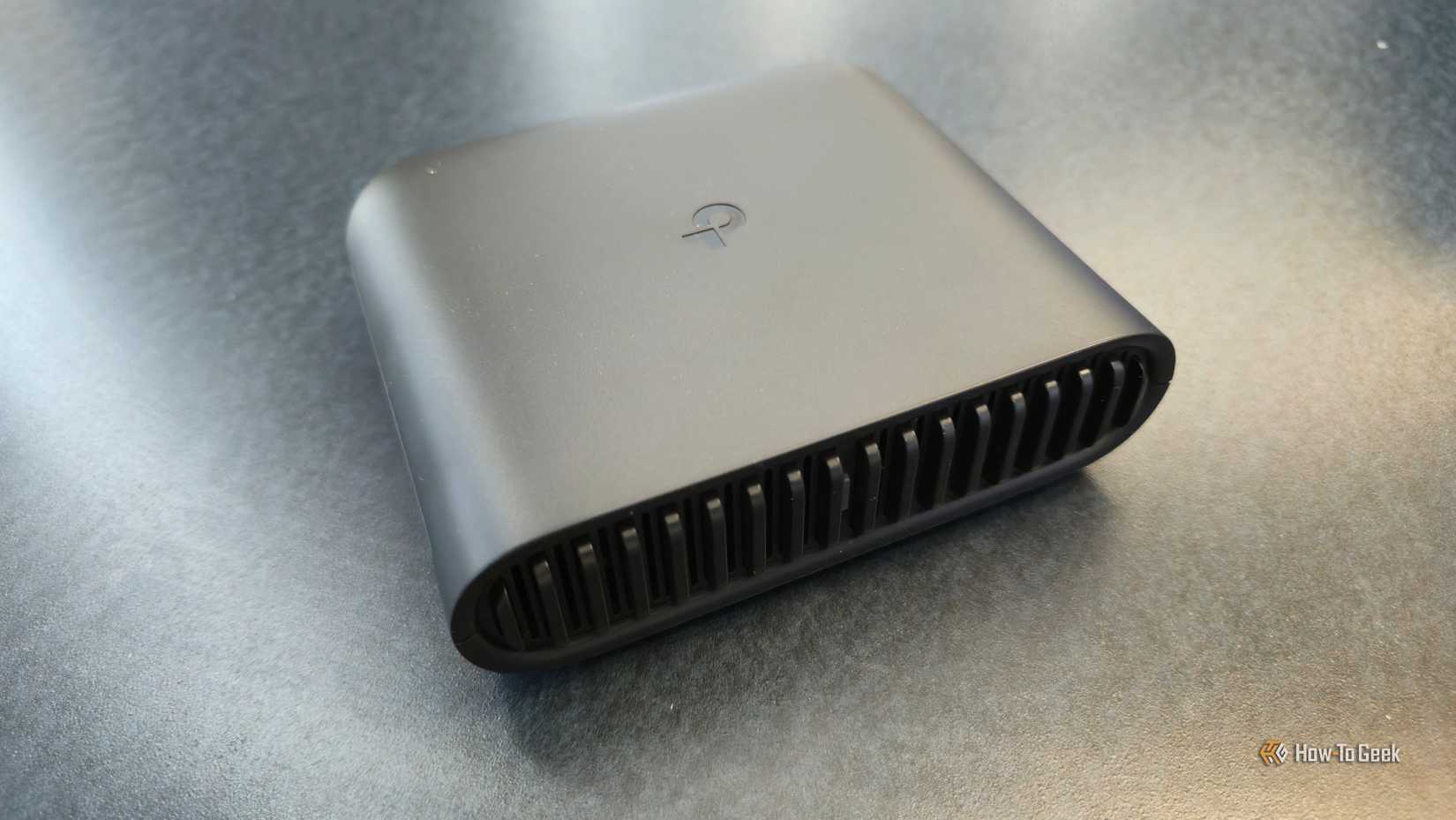
An extender isn’t smart; all it does is rebroadcast whatever it receives. If it’s a little too far from the router, it won’t be able to receive the signal well enough. But once you put it closer, all it does is contribute to an already overloaded network. All the devices already waiting their turn to transmit will just make the extender even slower.
The ‘sweet spot’ is about halfway between the router and the dead zone, but before you even buy an extender, it’s worth checking where your router is. Good router placement can make such a huge difference that you might not need the extender at all.
Your phone will keep jumping to the extender
This is called the “sticky client” problem
 Credit: Cory Gunther / How-To Geek
Phones have a habit of clinging to whatever network they connected to first, even if there are better options. So if you connected to the extender in the spare room and then moved downstairs, your phone (or tablet or laptop, actually) might stay clinging to the extender and totally trash your connection.
If all your gear is top-notch and configured in just the right way, you might be able to avoid this, but even when you do everything right, some devices just make really bad band choices. And I don’t mean the kind of “band choices” that involve listening to a band that likes to tell you to look at this photograph.

It won’t work well with the rest of your gear
An extra network can really throw things off
 Credit: Corbin Davenport / How-To Geek
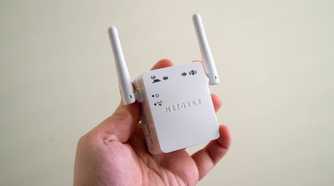
Most of the cheaper extenders work by creating a second network, and thanks to that sticky client tendency, you’ll end up needing to manually switch networks quite frequently. This is super annoying, because even when you know you need to do it, you will still forget, and it will still take you way too long to realize why your connection has deteriorated so badly.
It gets even worse with smart home setups. If your devices end up on the extender while the hub is connected to the router, they might not be able to see each other at all.
The extender is probably not good enough for the router it’s supposed to be ‘helping’
So it’s just dragging everything down instead
 Credit: Adam Davidson / How-To Geek
Grabbing an extender as a fix for a dead zone is basically someone reaching for the easy solution and hoping it works, so they don’t have to start properly investigating the issue. And when people do this, they usually also want to keep things cheap. The result: everyone ends up with cheap, old extenders that just aren’t good enough. Many will still be running Wi-Fi 5, while your router will likely be running Wi-Fi 6, 6E, or 7, which means you’re running your speedy modern connection through an outdated piece of tech that can’t keep up.
There are fancy ones that avoid most of the problems covered here, but let’s be honest, if you grabbed one in a rush, you more likely went cheap.
Try fixing the root of the problem instead of patching over it
In other words, turn your attention to your router
 Credit: Patrick Campanale / How-To Geek
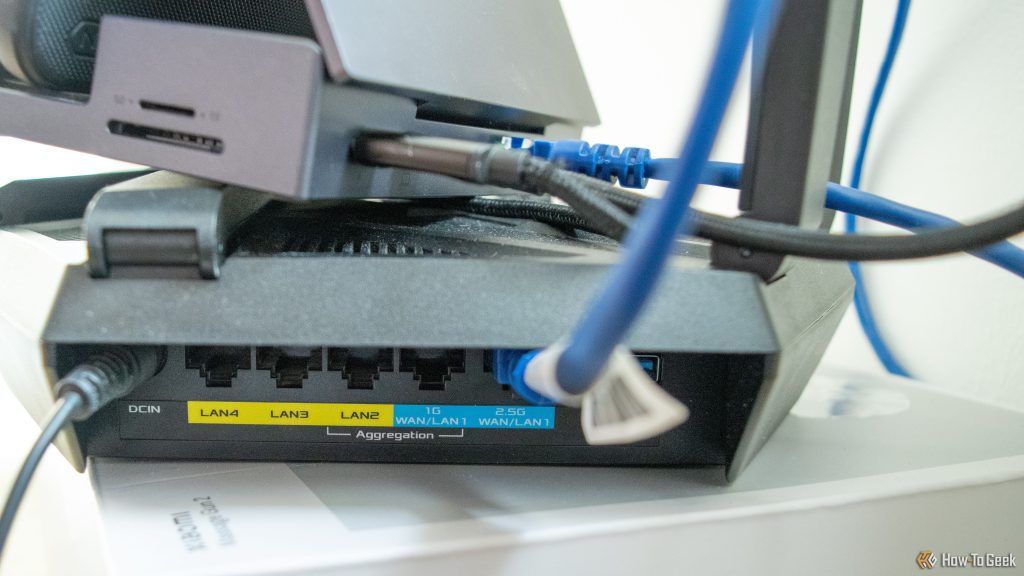
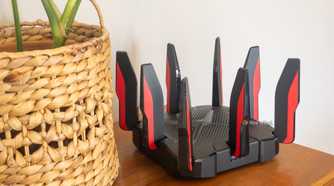
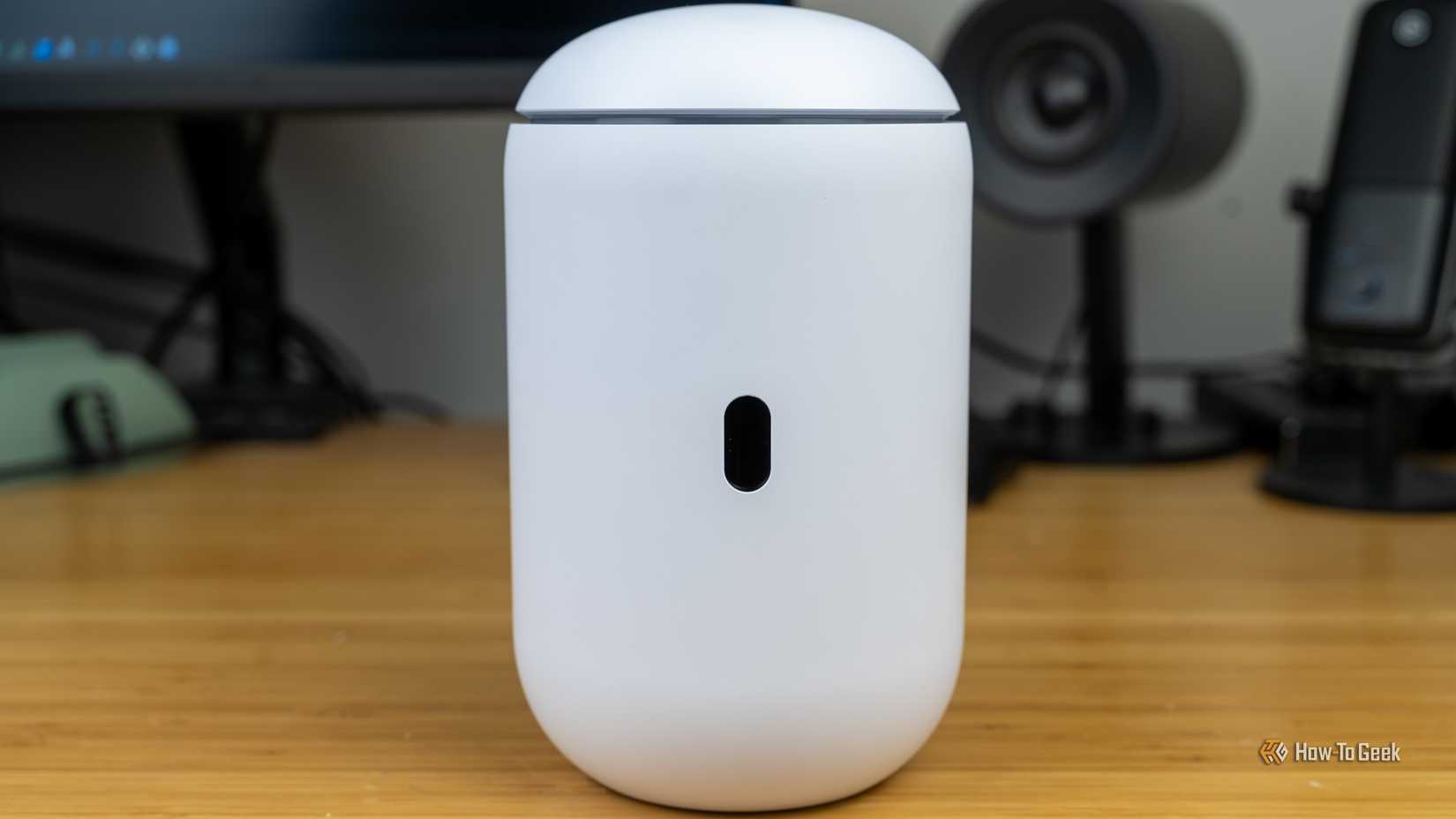
Whether you’ve already got a Wi-Fi extender plugged in or you’re just thinking of getting one, my advice is the same: check your router placement. It needs to be out in the open, off the floor, and away from metal shelving, mirrors, and microwaves. Placement really makes a huge difference, so it’s always worth adjusting and running some tests. If your ISP box also broadcasts its own Wi-Fi next to your router, shut it off so it doesn’t interfere. These are just small tweaks, but in the right situation, they’ll do a lot more than a cheap extender.
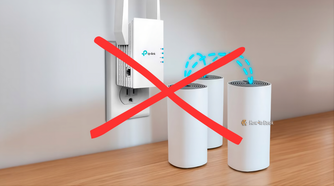
If you have a genuinely big house and need a special setup, you’ll be much better off with a proper mesh system (which will work best with each node wired up with Ethernet cables).
So, are extenders always a problem?
No, but a cheap extender is never going to give you a super strong connection, so if you’re looking for a way to permanently improve the signal in a part of your house, an extender probably isn’t what you want. If you’re willing to spend more money, you will get better results—but that money would probably be better spent elsewhere (like that mesh system I mentioned).
Either way, if there’s a chance that the extender is messing with the rest of the network, my advice is to get rid of it, check your router placement and other classic problems, and then start looking into more permanent solutions if you need them.
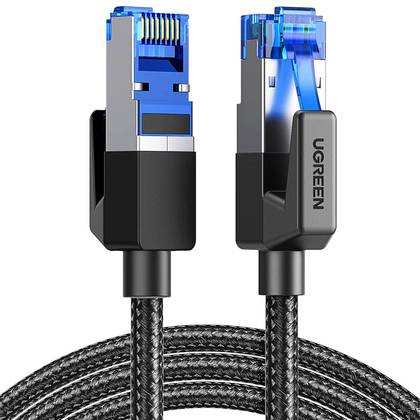
UGREEN Cat 8 Ethernet Cable
Brand
UGREEN
This high-speed Cat8 cable supports transfer speeds up to 40 Gbps and a bandwidth of 2000 MHz. Features shielded twisted pairs (F/FTP), pure copper, gold-plated connectors for anti-interference. Durable cotton-braided jacket withstands 10,000+ bends. PoE-supported (except 65ft).