How long should you spend in Nepal? For most first-time visitors, 10 days is enough to combine the Kathmandu Valley with a short Himalayan trek. With 14 days, you can add Chitwan National Park and leave more room for rest and travel delays.
The itineraries below use the four-day Ghorepani Poon Hill trek. It offers mountain views without requiring the time needed for a longer trek such as Everest Base Camp.
- Shortest practical trip: Around 7 days
- Recommended minimum: 10 days
- More comfortable trip: 14 days
- Trek: Ghorepani Poon Hill, with 4 days of walking
- Highest point: Poon Hill, 3,210 m
- Best trekking seasons: October to early December and March to April
Travel takes longer than the distances on a map might suggest. The journey from Kathmandu to Pokhara, for example, can take most of a day by road. Leave time for transfers, and aim to spend a night in Kathmandu before an international flight rather than returning from a trek on the day you depart.
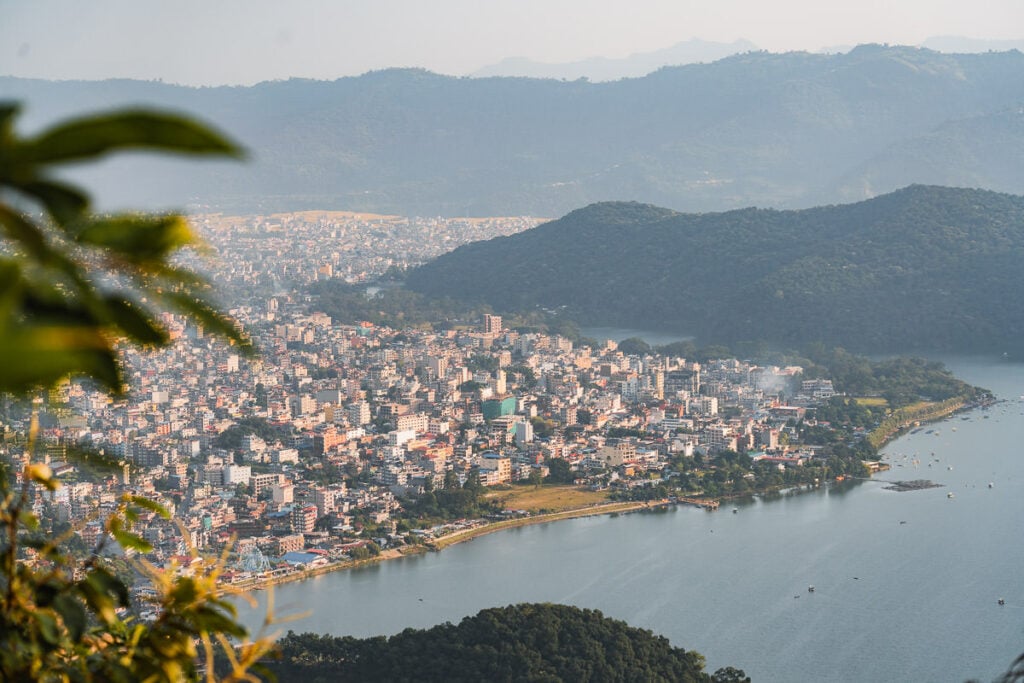
This itinerary combines three days in and around Kathmandu with a four-day trek near Pokhara.
| Day | Plan |
|---|---|
| 1 | Arrive in Kathmandu |
| 2 | Explore Kathmandu’s World Heritage sites |
| 3 | Visit Bhaktapur and Patan |
| 4 | Drive to Pokhara |
| 5 | Drive to the trek starting point and walk to Ulleri |
| 6 | Trek to Ghorepani |
| 7 | Watch sunrise from Poon Hill, then trek to Tadapani |
| 8 | Trek to Ghandruk and return to Pokhara |
| 9 | Fly to Kathmandu |
| 10 | Depart Nepal |
This is a good choice if you want both cultural sightseeing and time in the mountains but have limited leave. For the detailed route, accommodation and trip information, see Spade Himalaya’s 10-day Nepal itinerary with the Poon Hill trek.
It is a fairly full schedule and does not include Chitwan or much flexibility if travel is delayed.
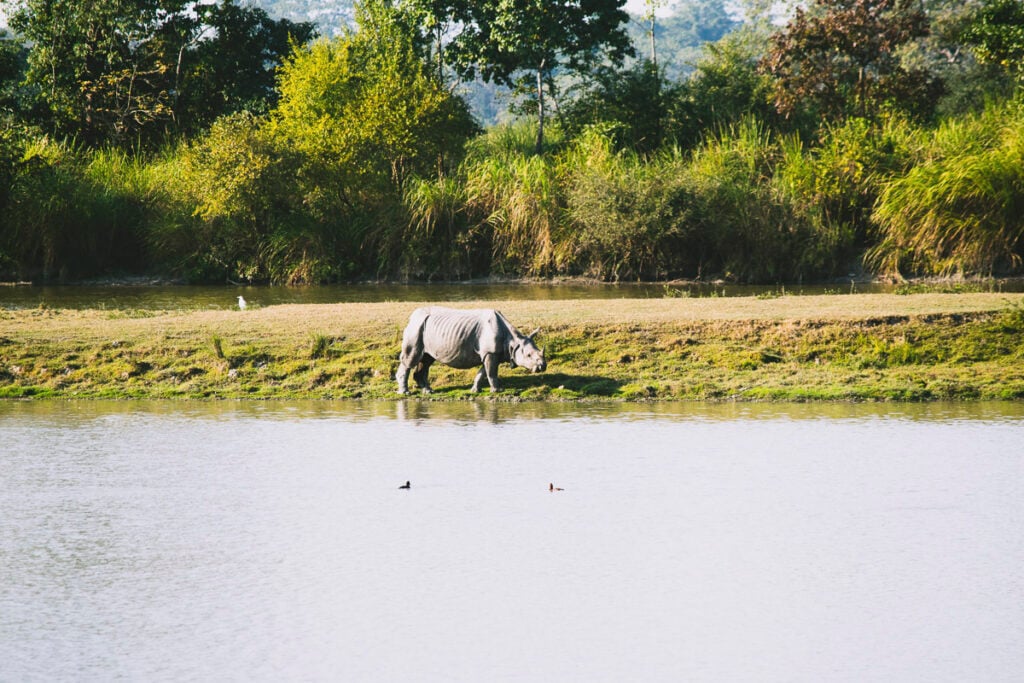
With four additional days, you can spend more time in Pokhara, visit the lowlands of Chitwan and keep a free day in Kathmandu before departure.
| Day | Plan |
|---|---|
| 1–8 | Follow the 10-day itinerary through the return to Pokhara |
| 9 | Free day in Pokhara |
| 10 | Drive to Chitwan |
| 11 | Explore Chitwan National Park |
| 12 | Morning activity in Chitwan, then drive to Kathmandu |
| 13 | Free day in Kathmandu |
| 14 | Depart Nepal |
Chitwan adds a different side of Nepal to the trip. After the cool mountain trails, the warmer Terai lowlands offer wildlife activities and a change of pace. You can see the complete route in Spade Himalaya’s 14-day Nepal itinerary with Chitwan and Pokhara.
The free days also make this itinerary more comfortable.
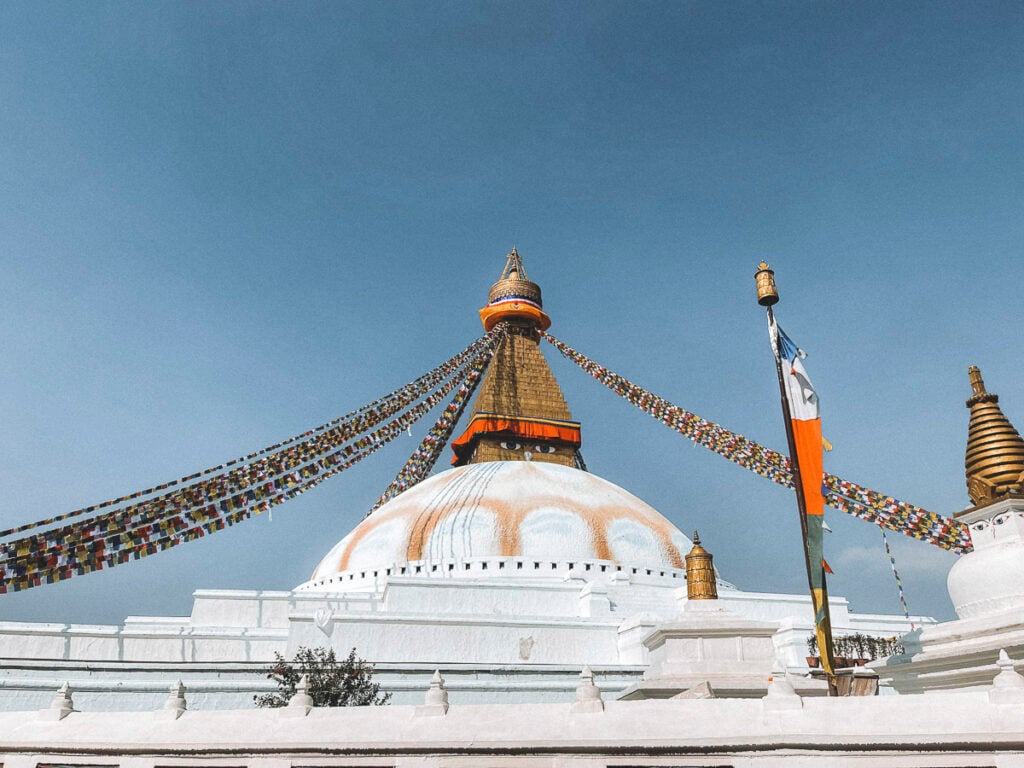
With seven days, focus on the Kathmandu Valley and either a short trek or Chitwan. Trying to fit all three into one week would leave too much of the trip for transfers.
If you have less than a week, choose one area and explore it properly. A few days in Kathmandu, Pokhara or Chitwan can still make a worthwhile trip.
October to early December is a popular period for trekking, with generally clearer mountain views and comfortable daytime temperatures. March and April are another good option, with warmer weather and rhododendrons flowering along parts of the Poon Hill route.
The monsoon season, particularly late June through August, brings more rain and cloud. Mountain views can be less reliable, and lower trails may be muddy.
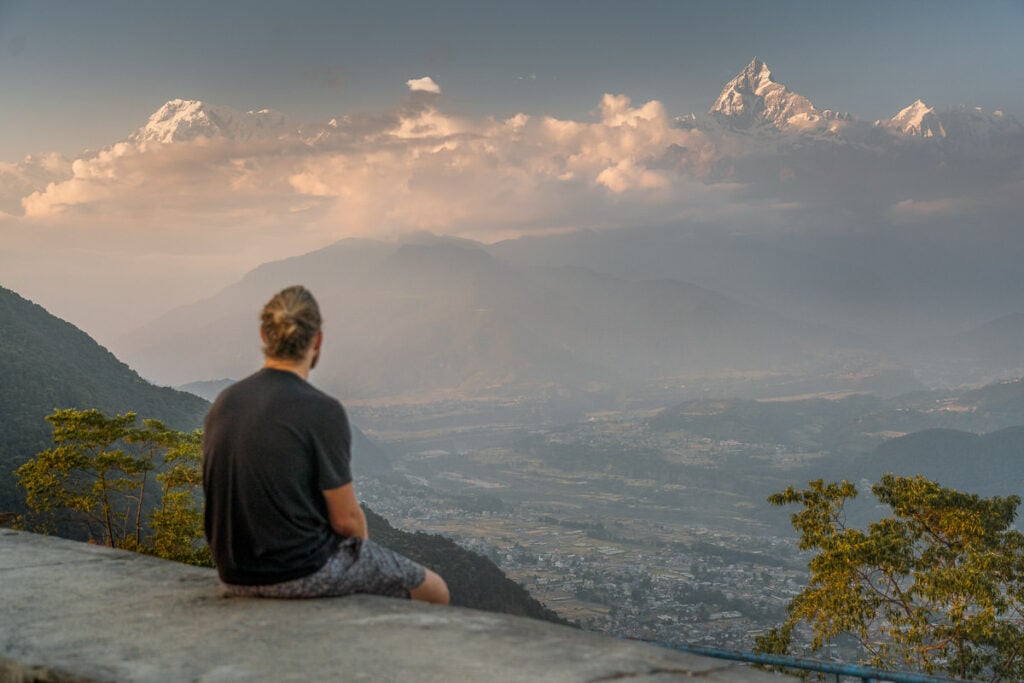
Allow most of a day for the road journey between Kathmandu and Pokhara. Flights are much quicker, but schedules can be disrupted by weather. For the itineraries above, travelling to Pokhara by road and returning to Kathmandu by air is one way to balance travel time and cost.
Build some flexibility into your plans, especially if you are connecting to an international flight.
Permit and guide requirements can vary by trekking region and may change. Before booking an independent trek, check the current rules for your specific route with the relevant Nepal tourism or conservation authorities.
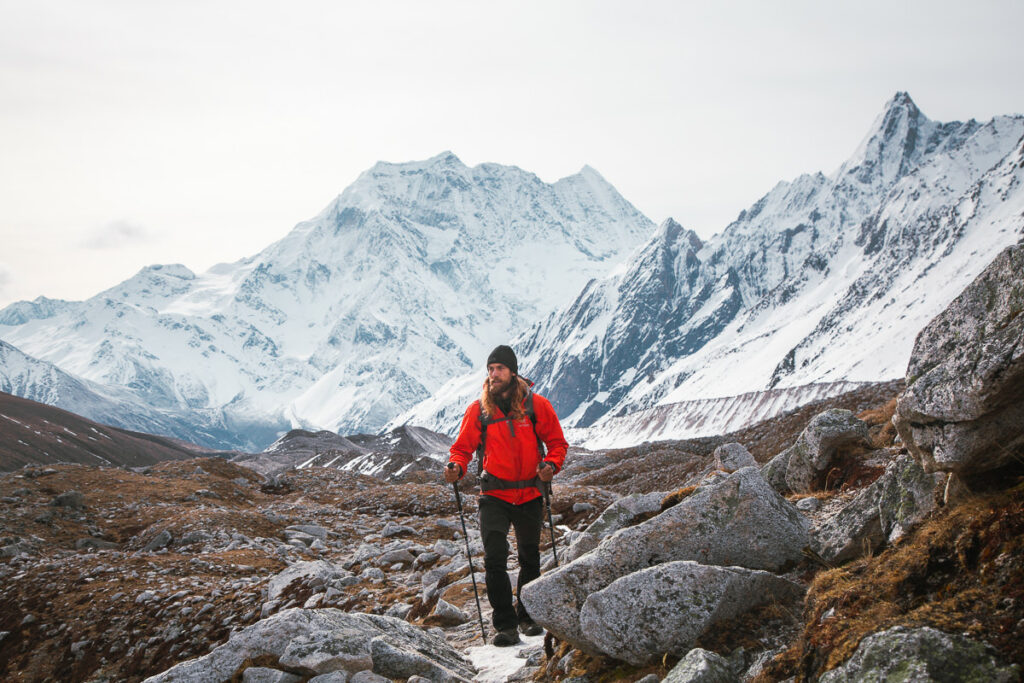
Choose 10 days if your priority is the Kathmandu Valley and a short Himalayan trek. Choose 14 days if you also want to visit Chitwan and prefer a less packed trip.
Either itinerary gives you a mix of Nepal’s culture and mountain scenery. The main difference is how much variety and breathing room you want along the way.