There’s a common truth that most are aware of: not all leather is the same. Not even close. The difference between a wallet that cracks and peels after two years and one that develops a deep, burnished patina after twenty isn’t just about the hide. It’s about what happened to that hide, in a process that takes weeks or months rather than hours, carried out by people who learned their craft from people who learned it from people who learned it before them.
And the world’s great craft tanneries are a surprisingly small club. Look at them together and a pattern emerges. They are almost always in specific places for specific reasons. Chicago, because the meatpacking industry put the hides there. Santa Croce, because the Arno River and the chestnut forests of Tuscany provided the water and the tannins. Himeji, because the castle city’s military traditions created a demand for armor leather.
And some of the great tanneries are almost always family businesses, or communities of practice, where knowledge is transmitted person to person over generations. The formulas for Chromexcel and Shell Cordovan are not published. The proprietary tannin blends of Wickett & Craig are not on a spec sheet. This knowledge lives in the hands and memories of the people who do the work — and it is, in the most literal sense, irreplaceable if lost.
In 1978, there were 250 tanneries in the United States. By 2013, there were fewer than a dozen. The same story has played out across Europe and Japan. So we thought it necessary to tell the stories of some of the oldest and most extraordinary tanneries that still remain, dedicated to their craft.
Horween Leather Company — Chicago, Illinois, USA (Est. 1905)
The Last Tannery in Chicago
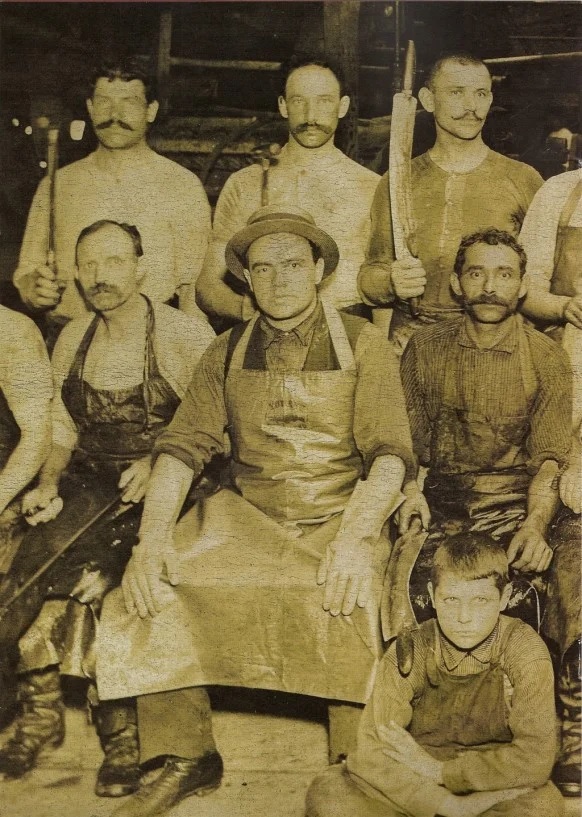
Isadore Horween arrived at the 1893 World’s Columbian Exposition in Chicago as an immigrant from Ukraine, where he had learned the leather trade. He left with a job contact at one of the city’s two dozen tanneries. Twelve years later, in 1905, he founded his own: I. Horween and Co., on Division Street, in a city that was then the meatpacking capital of the world. The hides came off the trains. The tanneries were built to receive them.
The company’s original business was razor strops — the leather belts used to hone straight razors before shaving. It was a good business, until 1912, when the safety razor arrived and made it obsolete overnight. The Horweens pivoted.
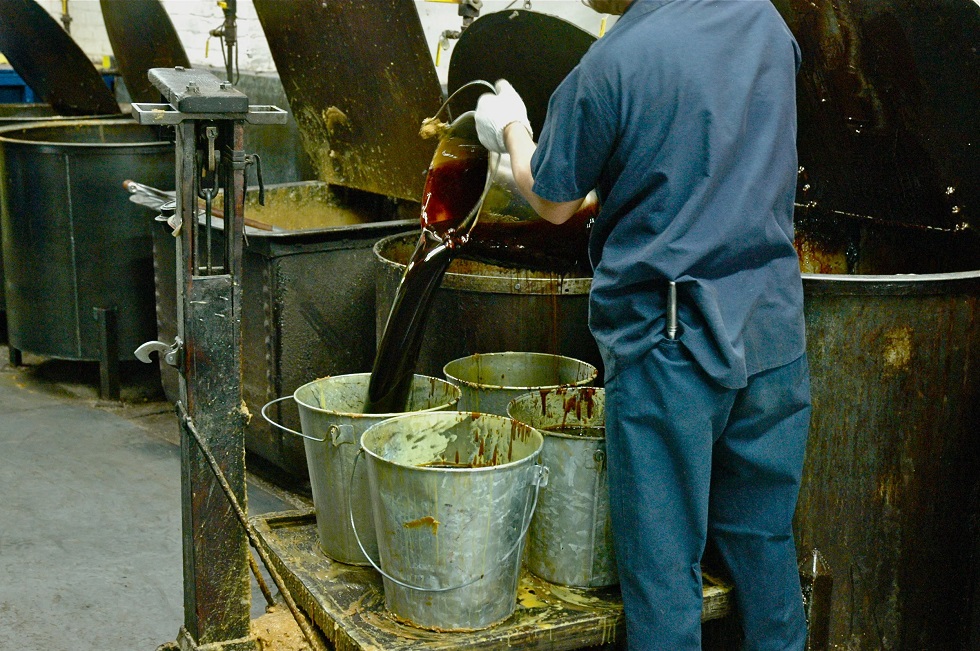
In 1911, Isadore developed Chromexcel — a leather tanned using a combination of chrome and vegetable processes, then hot-stuffed with a proprietary blend of oils, greases, and waxes that penetrate deep into the hide. The result is a leather with unusual depth: soft and supple from the start, but with a pull-up effect when flexed or scratched, revealing lighter tones beneath the surface. It is one of the most recognizable leathers in the carry world. If you’ve owned a bag, boot, or wallet that seemed to glow from the inside, there’s a reasonable chance it was Chromexcel.
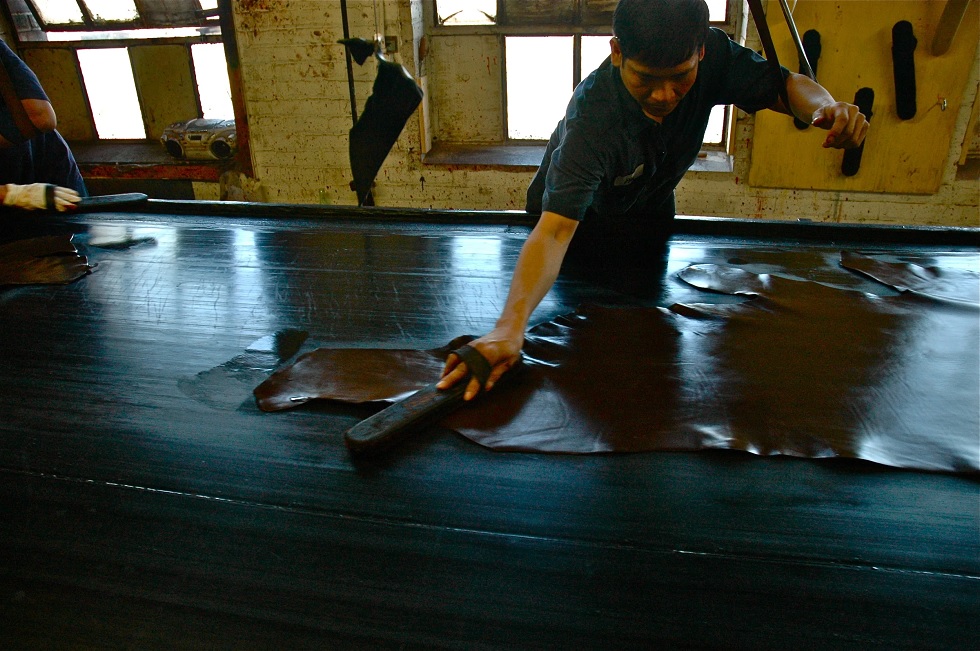
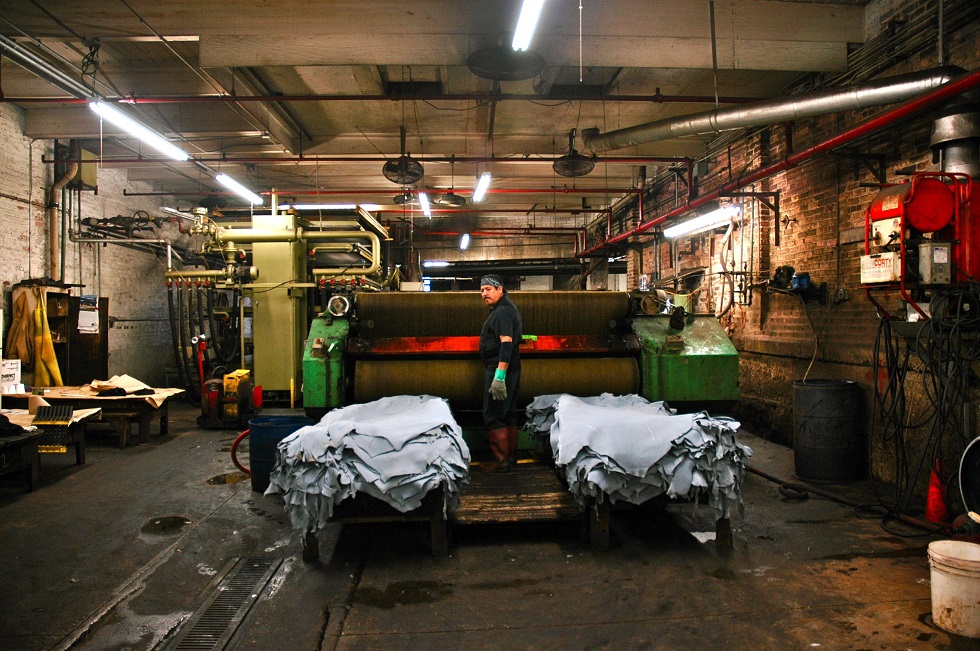
In 1920, the company moved to its current location: a five-story, block-long factory at 2015 North Elston Avenue, on the Chicago River. It has been there ever since.
What happened next is one of the stranger footnotes in American sports history. Isadore’s sons Arnold and Ralph — both All-American football players at Harvard, both NFL players and coaches — came into the business. Arnold ran it as chairman and president from 1949 to 1984. And it was Arnold, with his insider knowledge of professional football, who secured the contract that would define Horween’s public identity for the next eighty years: exclusive supplier of leather for NFL footballs.
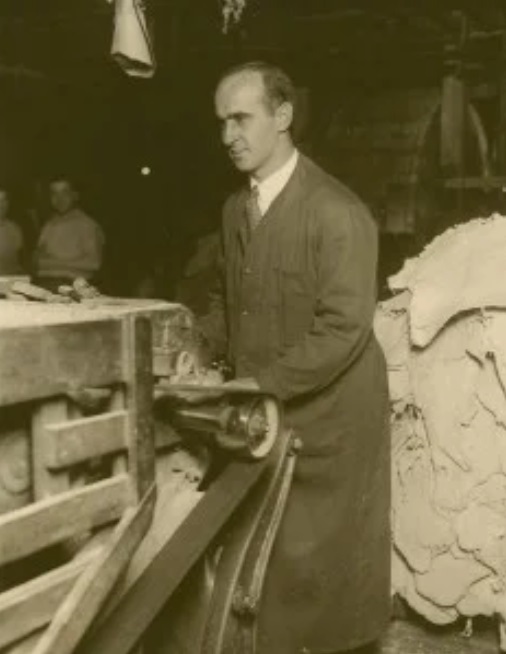
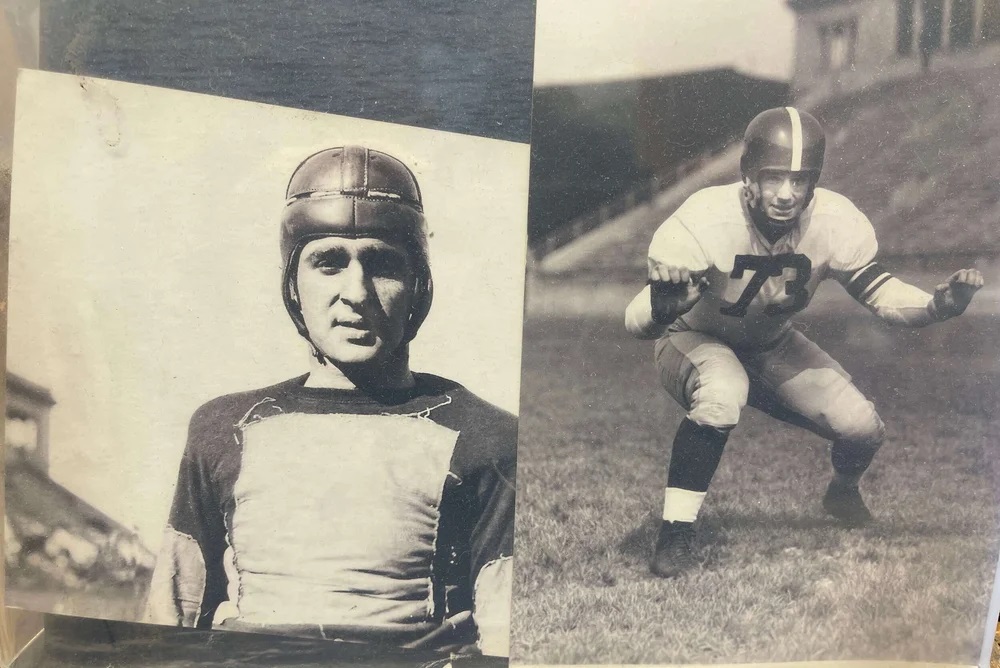
Every NFL game ball since 1941 has been made from Horween leather. The footballs are often called “pigskins,” but they are made from steer hide, embossed with a pebble pattern. Horween also supplies leather for NBA basketballs and, at one point, provided leather for half of all Rawlings baseball gloves used by professional players. It is, in the most literal sense, the leather of American sport.
But among carry enthusiasts, Horween’s crown jewel is something else entirely.
Shell Cordovan is the rarest and most labor-intensive leather Horween produces. It comes from a specific part of the horse — the rump, where a dense, non-porous membrane called the shell lies beneath the outer skin. After the hide is split to reveal this layer, it is vegetable tanned over a period of up to six months, then hand-glazed to produce a surface unlike anything else in leather: smooth as glass, with a depth of color that seems to come from within, and a characteristic roll rather than crease when flexed. It does not crack. It does not peel. It develops a mirror-like patina over years of use that makes new cordovan look unfinished by comparison.
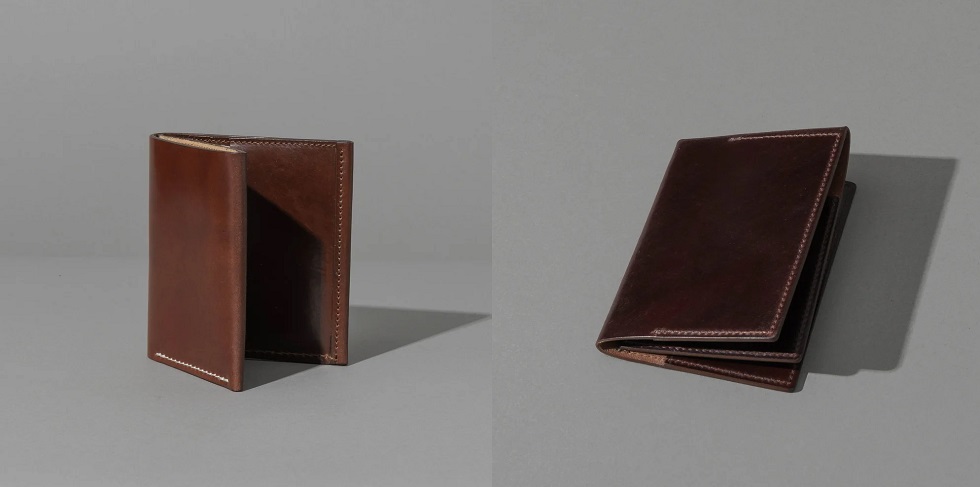
Today, Horween is on its fifth generation. Nick Horween works alongside his father Skip. In 2006, it became the last remaining tannery in Chicago — a city that once had forty. The factory on Elston Avenue smells of hides and oils and something ancient. It processes around 4,000 cowhides and 1,000 horsehides every week, turning them into 120,000 square feet of leather.
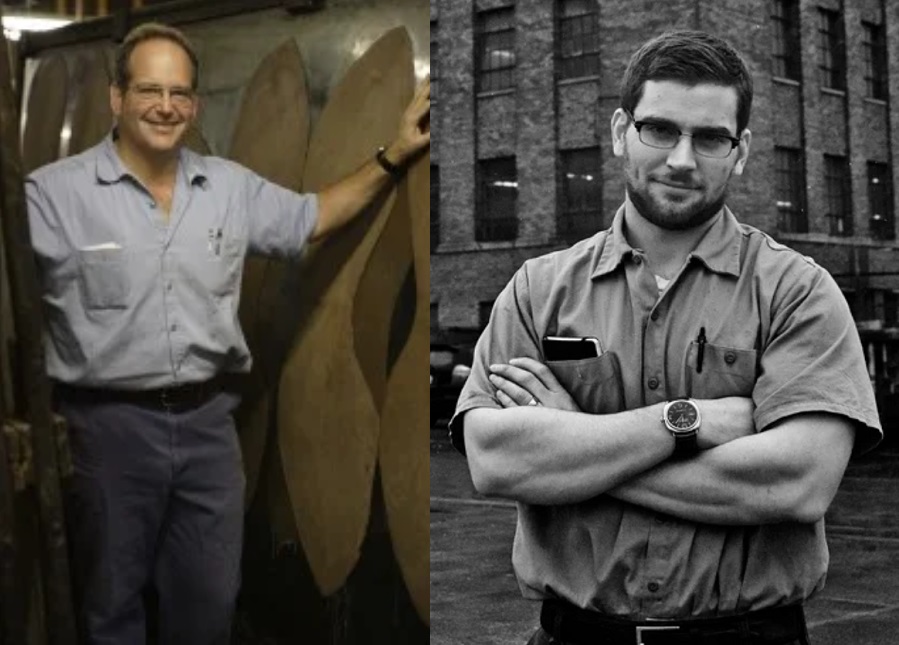
The family’s philosophy, passed down through five generations, is almost comically direct. Arnold Horween Jr. put it this way: “Our business is built on doing things other people don’t, won’t, or can’t.”
Wickett & Craig — Curwensville, Pennsylvania, USA (Est. 1867)
The Patience of the Pit
Founded in Toronto, Canada in 1867, Wickett & Craig is one of the oldest continuously operating vegetable tanneries in North America — and one of the very few that still uses the traditional pit-tanning method at scale.
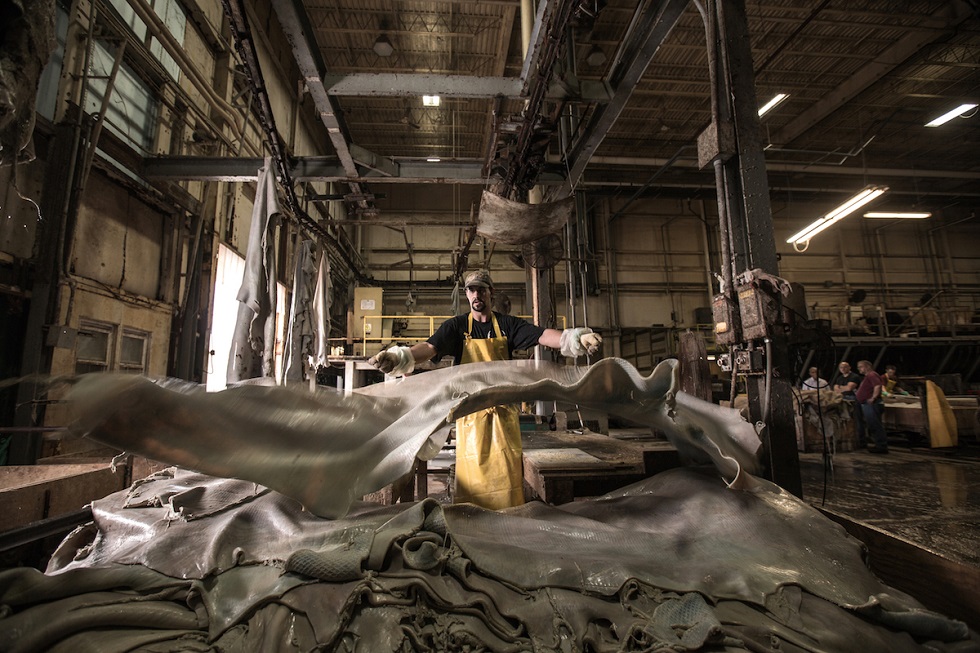
The company eventually relocated to Curwensville, Pennsylvania, a small town in the Allegheny Mountains where it now occupies more than sixteen acres of land. It produces 4.5 million square feet of leather annually — a significant volume for a specialty vegetable tannery — but the process it uses would be recognizable to a tanner from the medieval period.
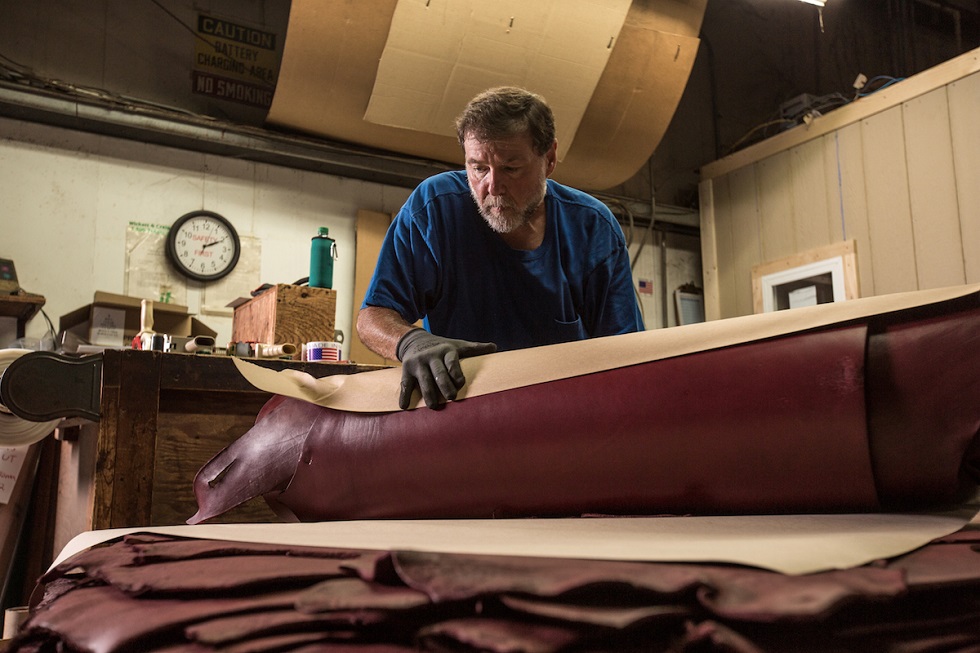
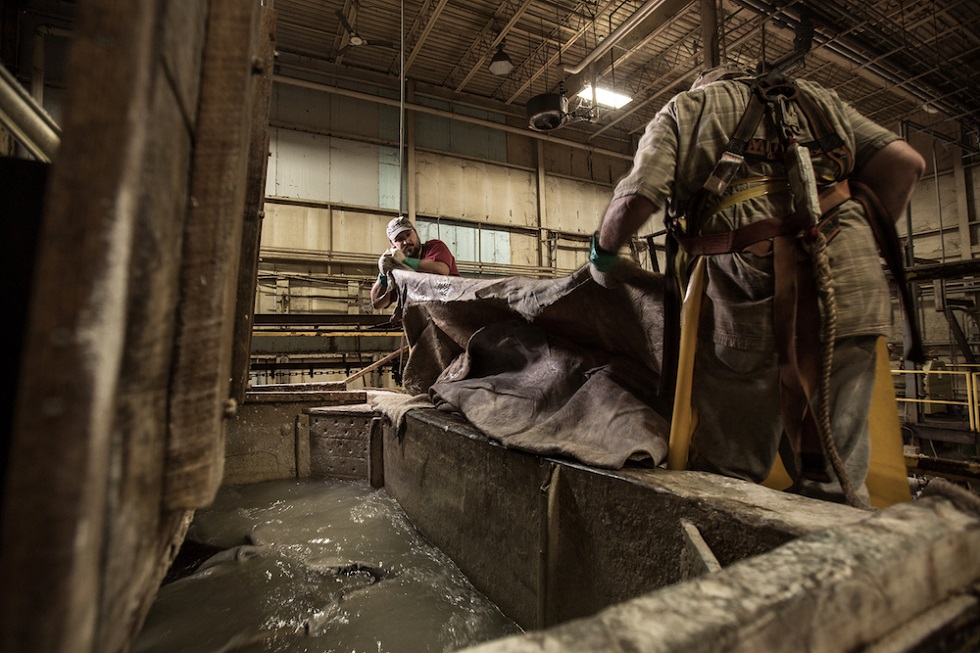
Hides sourced from North American cattle of European stock are rehydrated over two days, dehaired, and split before entering the tanning yard: a large space containing 72 vats, each filled with a proprietary blend of natural tannins derived from the bark of mimosa and quebracho trees. The hides spend two weeks soaking in this liquor, which is continuously replenished and recirculated to ensure deep, even absorption. After sammying — a process that removes excess moisture — the hides are split to desired thickness, dyed, fat-liquored with conditioning oils and waxes, and dried over approximately three days in a climate-controlled space. The entire process takes around six weeks.
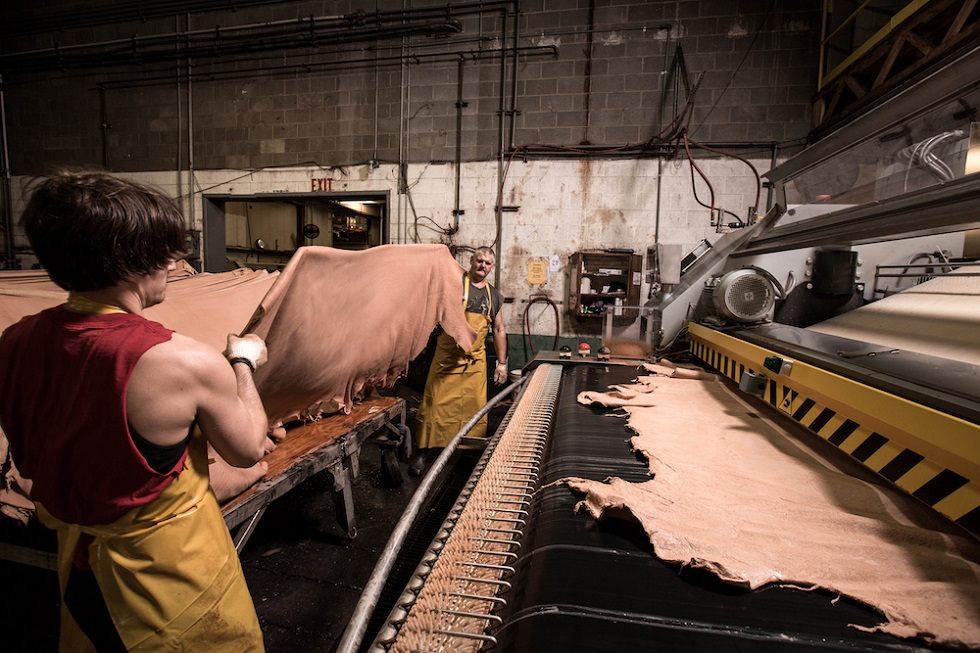
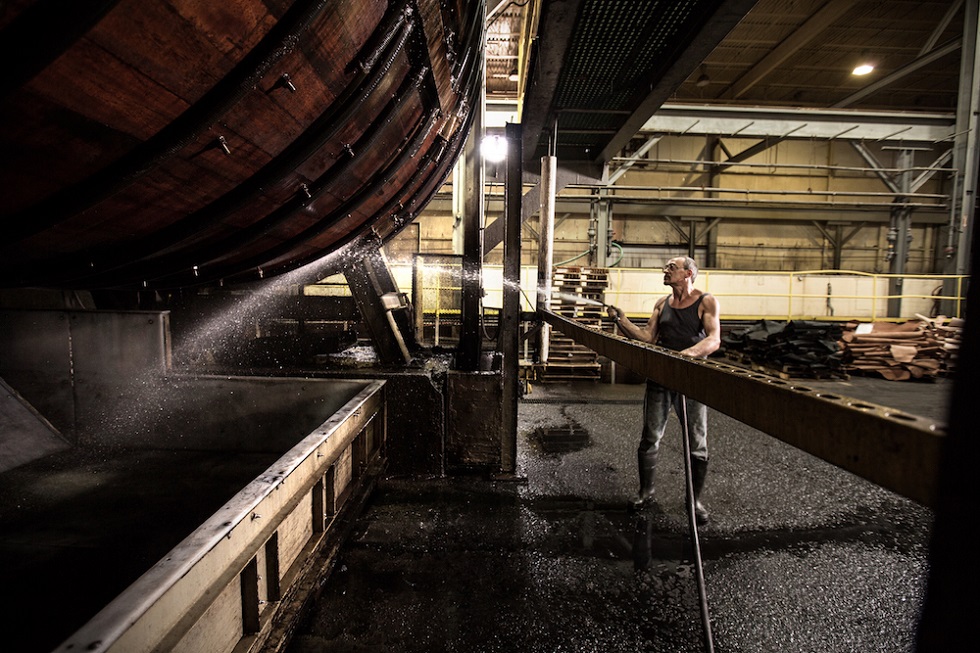
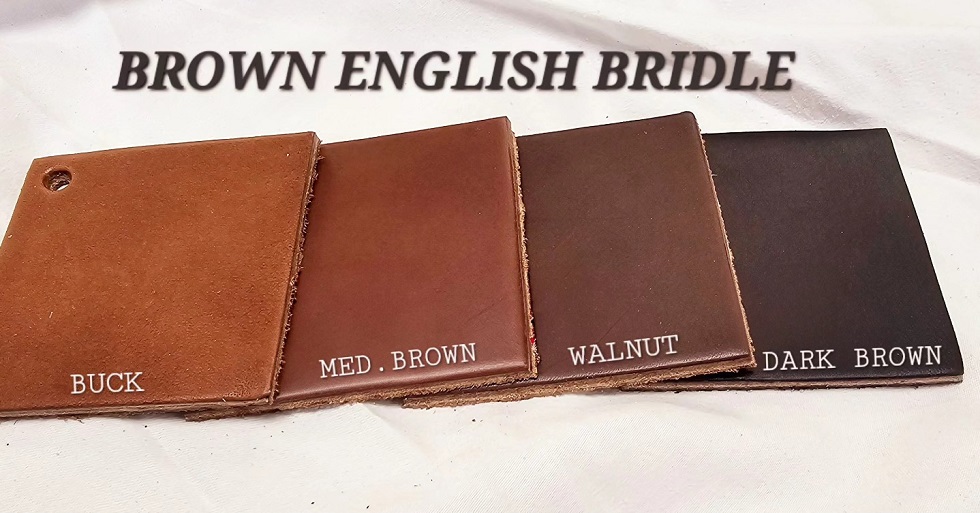
What you get for those six weeks is leather with a character that chrome-tanned hides simply cannot replicate. Wickett & Craig’s English Bridle leather — their flagship product — is hot-stuffed during finishing, meaning it is literally packed to its core with nourishing waxes and tallows. The result is a leather of extraordinary density and depth of color, with a natural waxy bloom on the surface that polishes to a high shine. It is the leather of choice for saddlery, harness, and the finest belts and straps in the world.
Badalassi Carlo — Santa Croce sull’Arno, Tuscany, Italy
The Color That Changed Everything
The town of Santa Croce sull’Arno, in the Arno River valley between Florence and Pisa, has been a center of leather tanning since the Middle Ages. The river provided water. The surrounding forests provided tannin-rich bark. The proximity to Florence — the fashion capital of the Renaissance — provided customers. Today, the area is home to one of the highest concentrations of tanneries in the world, and the Consorzio Vera Pelle Italiana Conciata al Vegetale certifies the region’s traditional methods as a protected craft.
Within that ecosystem, Badalassi Carlo has become one of the most talked-about names in the carry world — not because of its age, but because of a single leather: Pueblo.
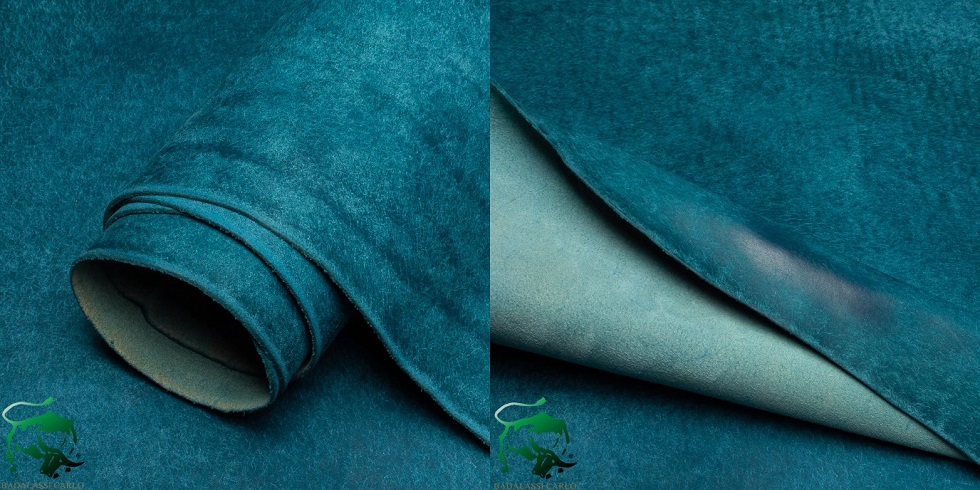
Pueblo is a vegetable-tanned cowhide with a distinctive matte, slightly rough surface texture — almost like a fine suede, but with the structure and durability of full-grain leather. It starts in muted, earthy tones: a dusty tan, a washed olive, a faded brick. And then it ages. Pueblo develops one of the most dramatic patinas of any leather available: the surface gradually smooths and deepens with use, the colors intensifying and shifting, the texture evolving from rough to burnished. A Pueblo wallet that has lived in a back pocket for three years looks like a completely different object from the day it was new — and it looks better.
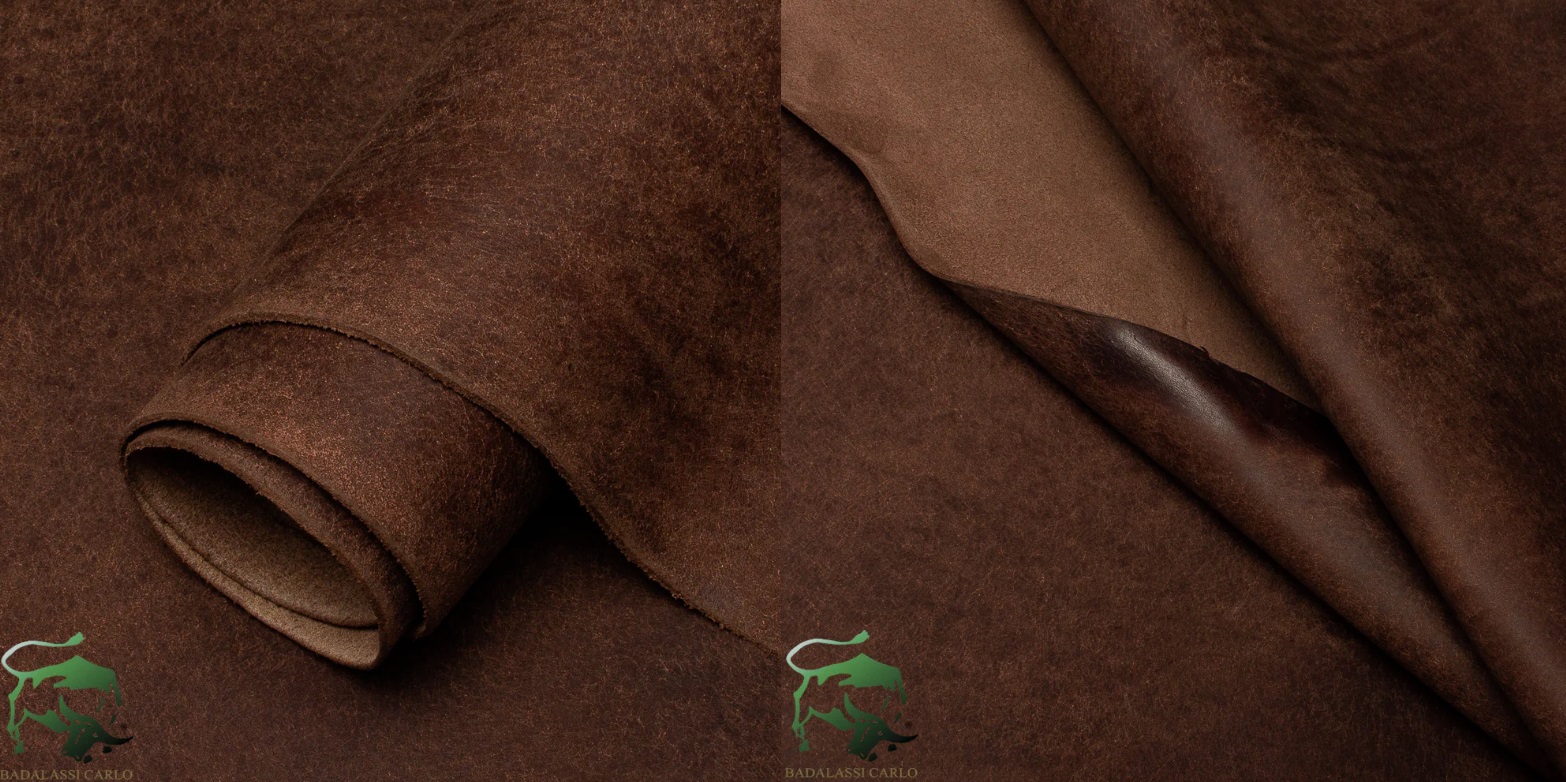
The effect comes from the combination of vegetable tanning and a specific surface treatment that leaves the hide’s natural texture intact rather than correcting or buffing it away. It is, in the truest sense, a leather that rewards use.
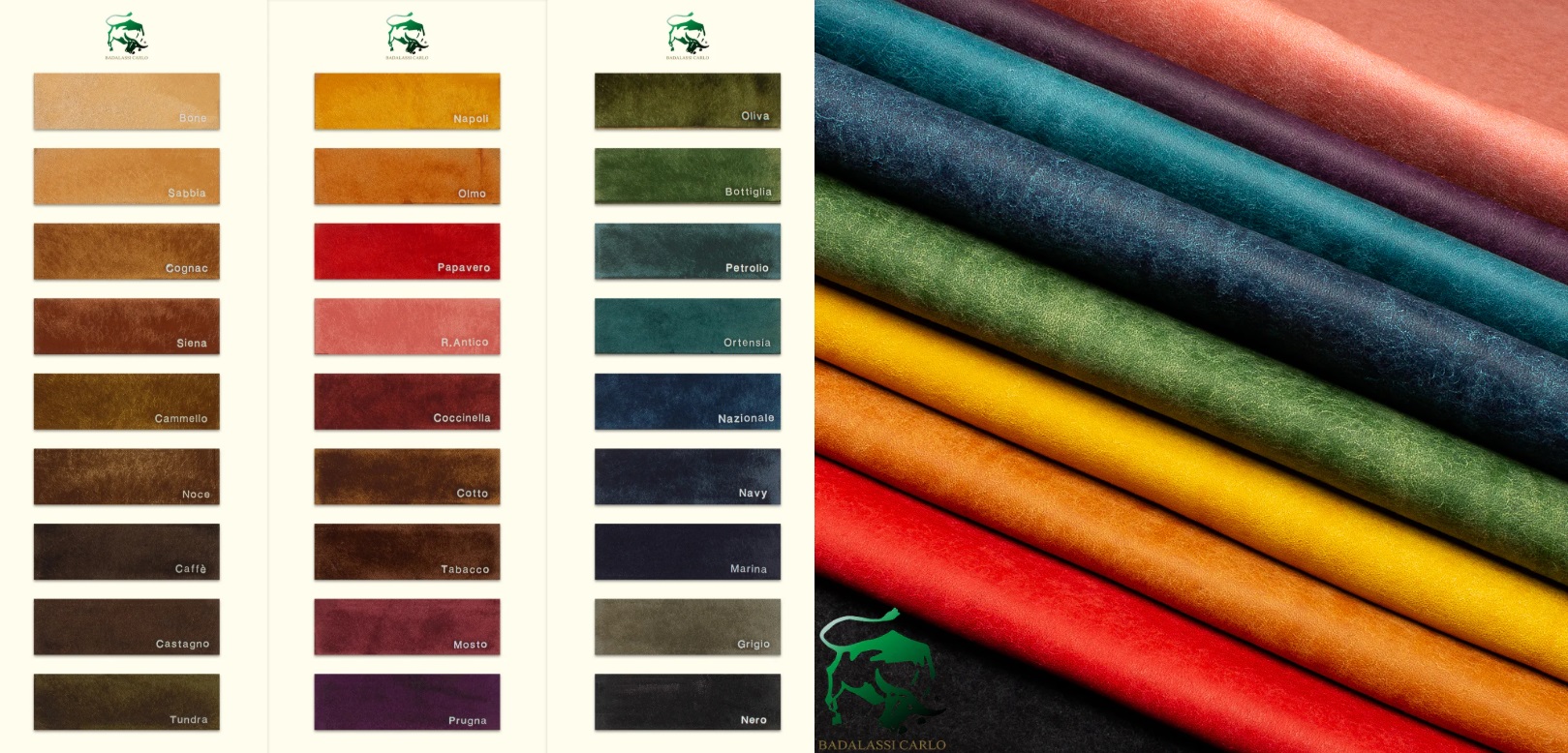
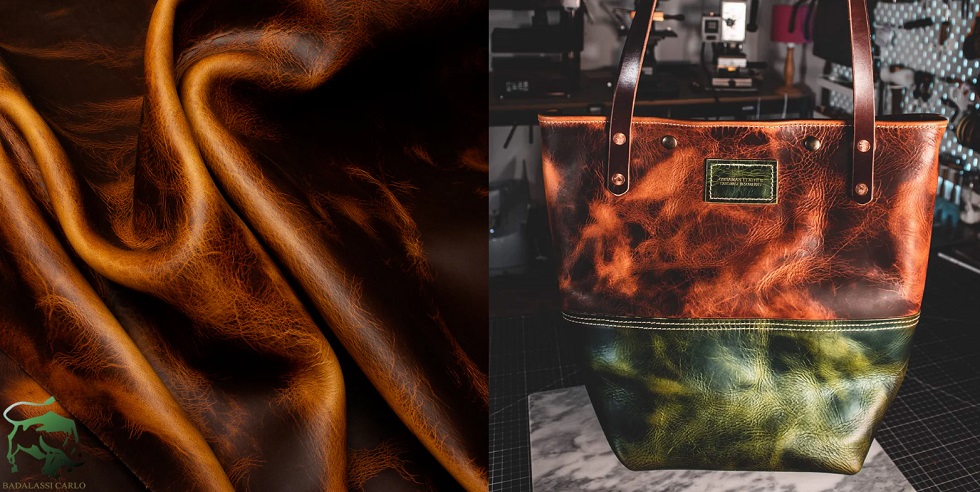
Badalassi Carlo’s other notable product is Wax, a pull-up leather with a high wax content that shows every mark and scratch as a lighter tone against the darker base — and which can be rubbed back to an even finish with the warmth of a thumb. It is the leather equivalent of a self-healing material.
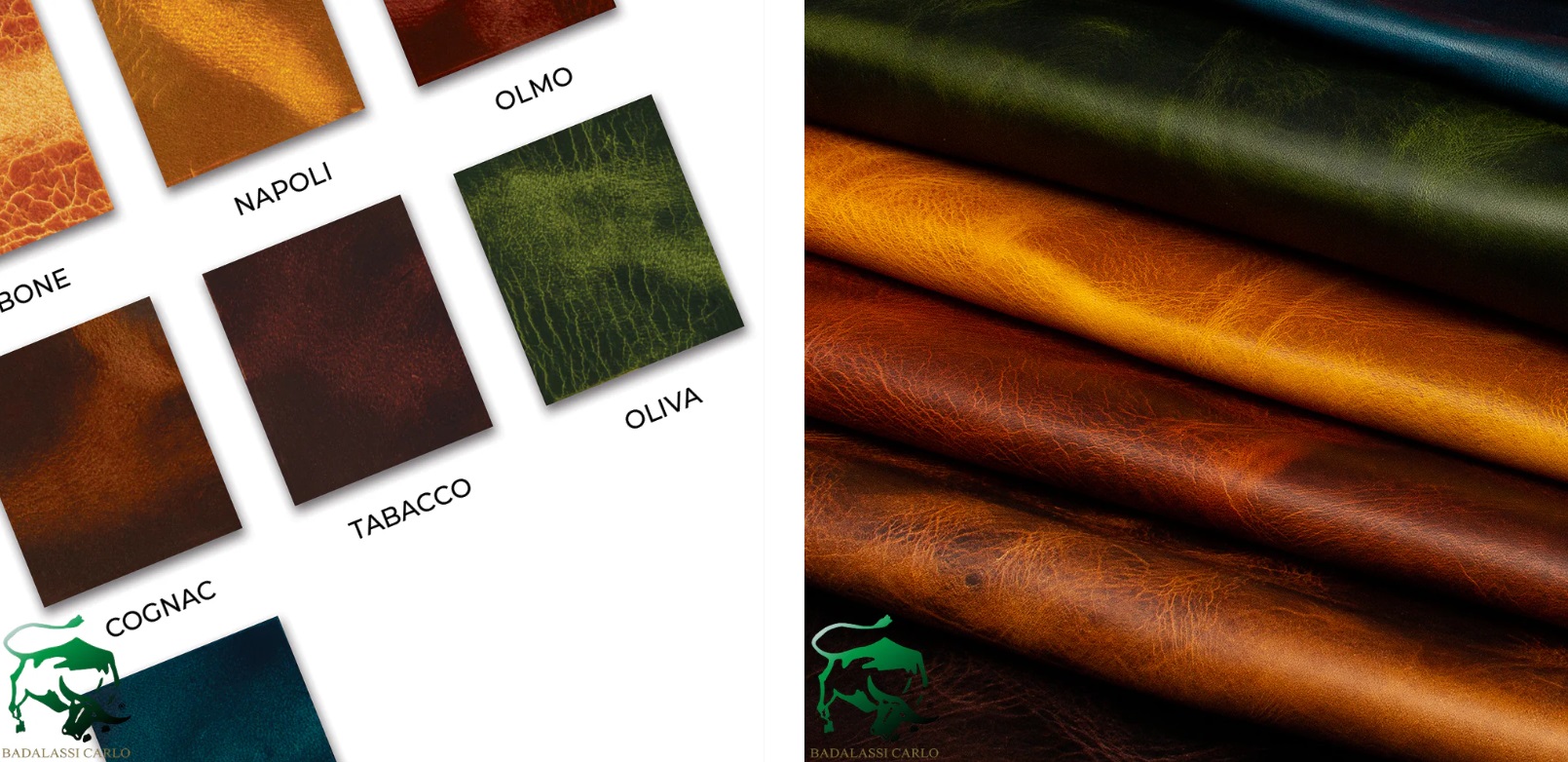
Both leathers have become staples for small-batch bag and wallet makers around the world — the kind of makers who care deeply about materials and whose customers care equally deeply about patina.
Conceria Walpier — Santa Croce sull’Arno, Tuscany, Italy
The Buttero Standard
A few kilometers from Badalassi Carlo, also within the Santa Croce consortium, Conceria Walpier produces what many consider the benchmark vegetable-tanned leather for structured bags and accessories: Buttero.
Buttero is a firm, smooth, full-grain vegetable-tanned cowhide with a tight, dense structure and a clean, almost architectural surface. It holds its shape under stress, takes a clean edge when cut, and develops a patina that is more restrained.
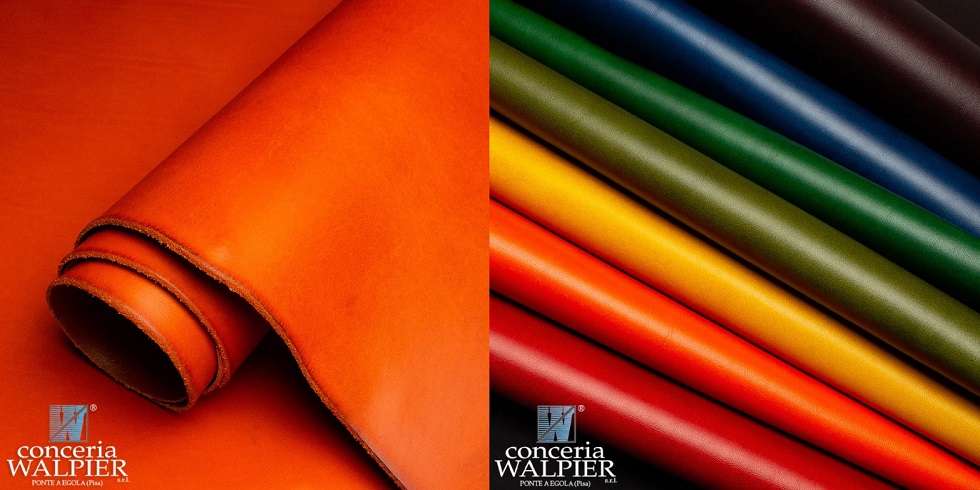
It is the leather of choice for makers who want structure: the clean lines of a briefcase, the crisp fold of a bifold wallet, the precise geometry of a card holder. It cuts well, stitches well, and ages well.
Walpier also produces Toscano, a slightly softer and more supple vegetable-tanned hide that bridges the gap between Buttero’s firmness and the more relaxed character of pull-up leathers. Together, the two leathers cover most of what a serious leather goods maker needs from the Tuscan tradition.
ECCO Leather — The Netherlands, Thailand, Indonesia, and beyond
The Tannery That Ate the Supply Chain — and Then Rewrote It
ECCO is known as a shoe brand. What most people don’t know is that ECCO is also one of the largest leather producers in the world — and that it got there by doing something almost no footwear company has ever done: owning its entire supply chain from the cow to the finished shoe.
The Danish company, founded in 1963, began investing in its own tanneries in the 1980s. Today, ECCO Leather operates facilities in the Netherlands, Thailand, Indonesia, and China, producing leather for external customers including luxury fashion houses and automotive interiors. What distinguishes it is not tradition but technology. Their proprietary DriTan process uses up to 50 percent less water than conventional tanning and eliminates liquid effluent entirely — a genuine engineering advance in an industry with a historically poor environmental record.
But the most radical thing ECCO Leather has done in recent years is not a process improvement. It is a research program.
ECCO runs an annual initiative called the Hotshop — an R&D sandbox that invites experimental designers (like Sruli Recht) and material scientists to work inside its tanning facilities with genuine freedom to fail.
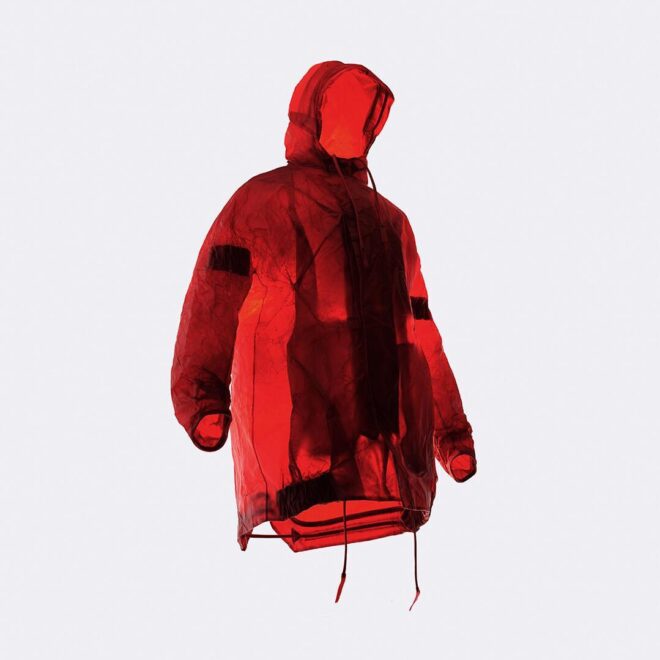
What followed was a series of breakthroughs. The first was Apparition Leather — a commercially viable translucent leather. The idea had existed as a laboratory novelty, but nobody had produced it at a workable scale with genuine suppleness and tactile quality. Recht and the ECCO team achieved it: a leather that is simultaneously see-through, soft, and workable.
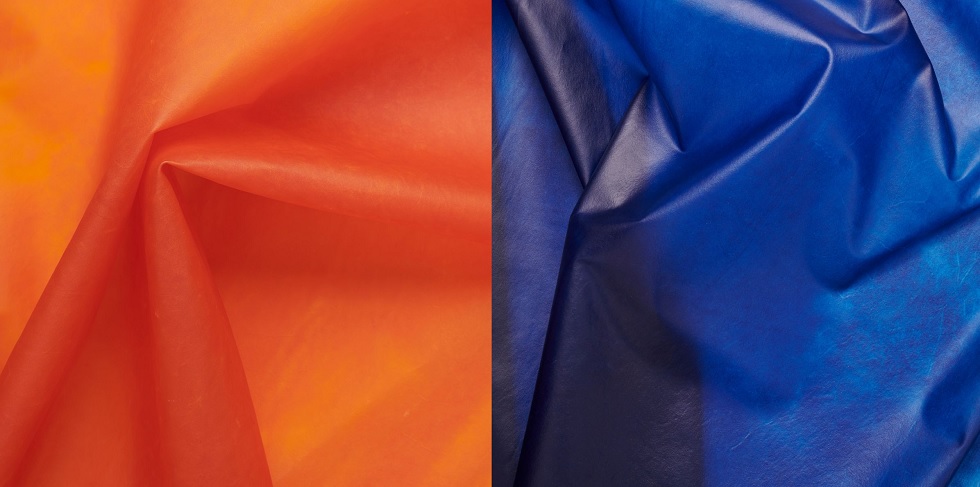
The second breakthrough was more consequential. The idea: skive leather down to 0.5 millimeters — so thin it is essentially just fiber — and bond it to Dyneema, the ultra-high-molecular-weight polyethylene that is, weight for weight, stronger than steel.
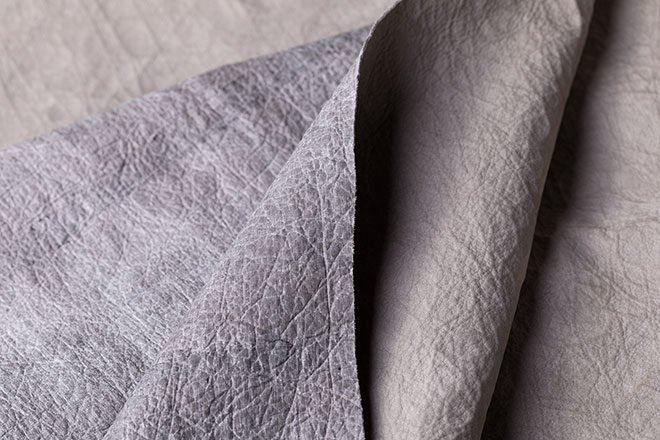
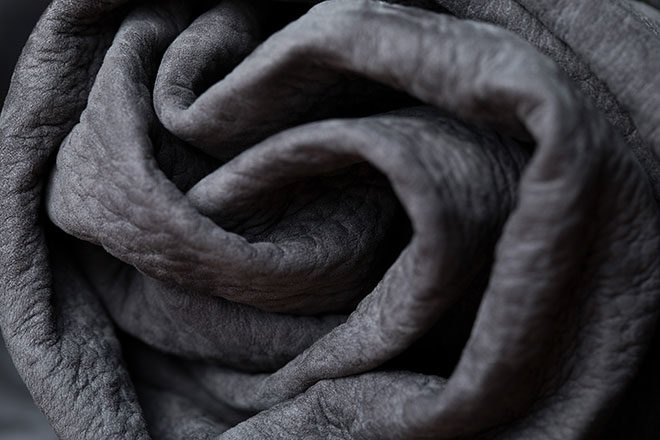
Industry professionals told ECCO and Recht it was unrealistic. The two materials were chemically incompatible. The bonding process would compromise both. Recht, who has never worked in the “real” in any conventional sense, proceeded anyway.
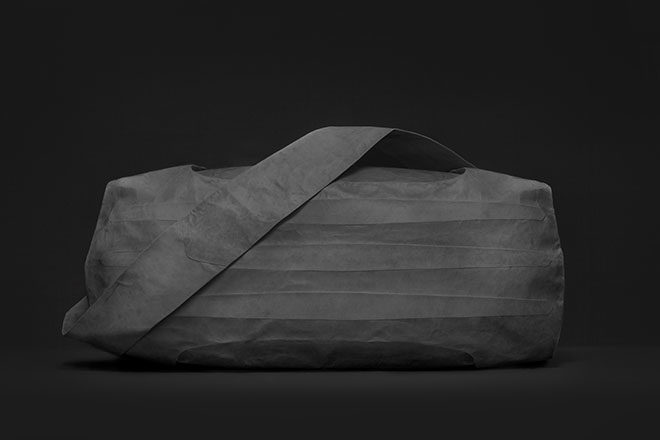
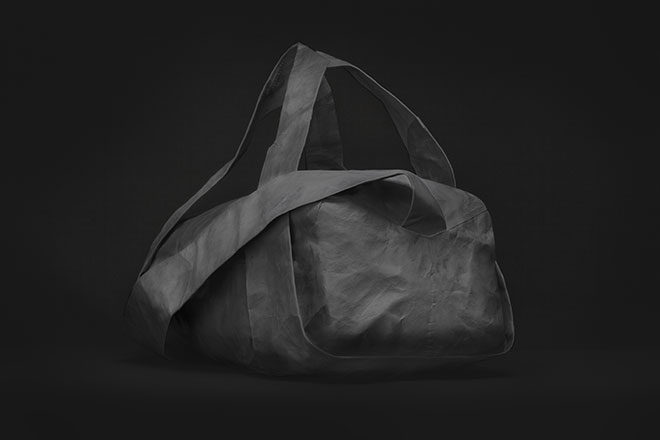
The first prototype was an oversized duffel bag: in conventional leather, it would have weighed five to six kilograms. In Dyneema® Bonded Leather, it weighed 200 grams.
The material is now commercially available and in use by a growing number of makers — most notably the bag brand rofmia, whose Dyneema Leather pieces represent some of the most technically ambitious carry objects currently being produced.
Tanneries du Puy / Chapal — Le Puy-en-Velay, France
The Leather That Dressed the Aviators
In the volcanic highlands of the Auvergne, in the ancient pilgrimage city of Le Puy-en-Velay, there is a tanning tradition that stretches back centuries — built on the clean, mineral-rich waters of the region and the hides of cattle raised on the surrounding volcanic plateau.
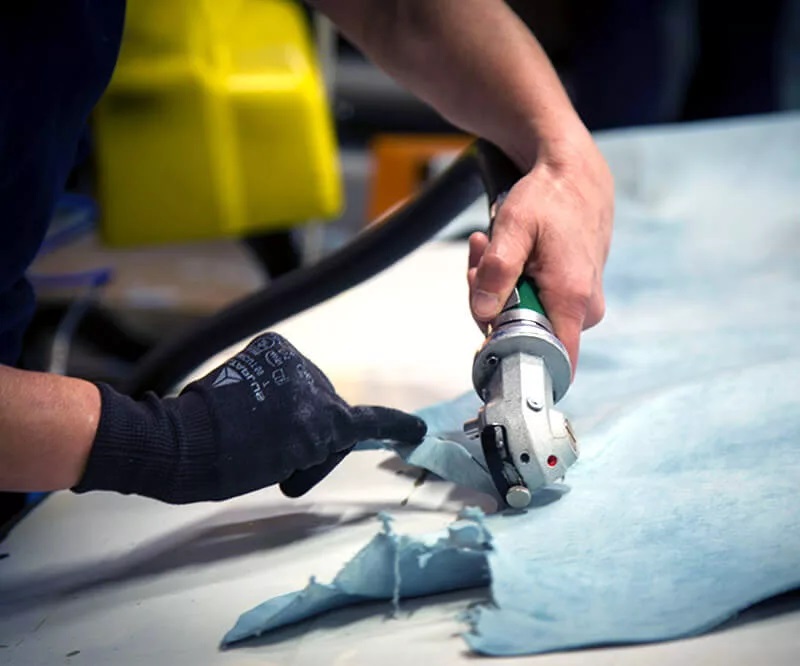
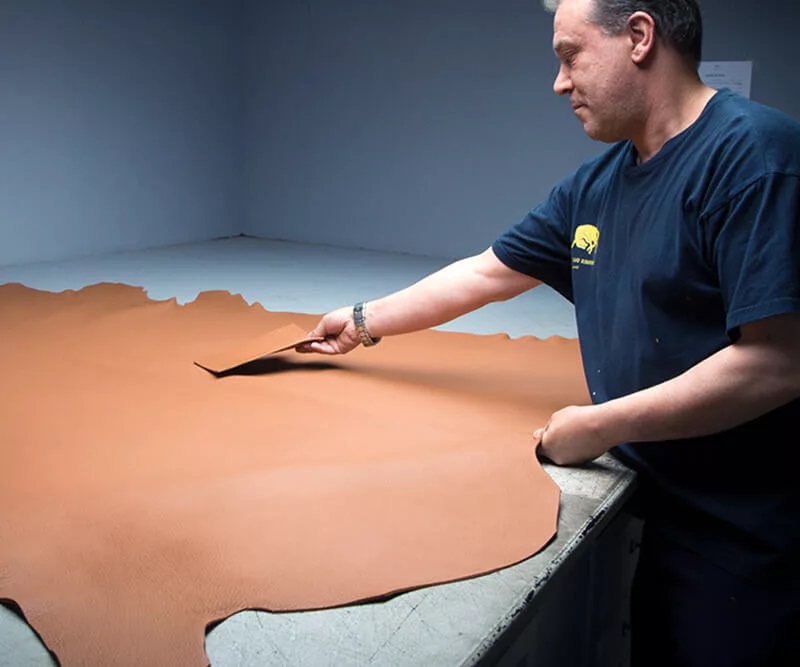
The most famous product of this tradition is basane — a soft, supple sheepskin tanned using a combination of vegetable and alum methods — and the most famous customer of the region’s tanneries was the French aviation industry of the early 20th century. The leather flight jackets worn by French aviators in the First and Second World Wars were made from Auvergne hides, tanned in Le Puy, cut and sewn by craftspeople who understood that a pilot’s jacket was life support equipment.
Chapal, the Parisian brand that has been making leather flight jackets since 1832, sources its leather from this tradition. The company’s signature jacket — the Aviateur — uses a specific chrome-tanned sheepskin with a distinctive soft, almost buttery hand and a surface that develops a rich, uneven patina with wear. It is not a fashion jacket that borrows aviation aesthetics. It is the direct descendant of the actual garment.
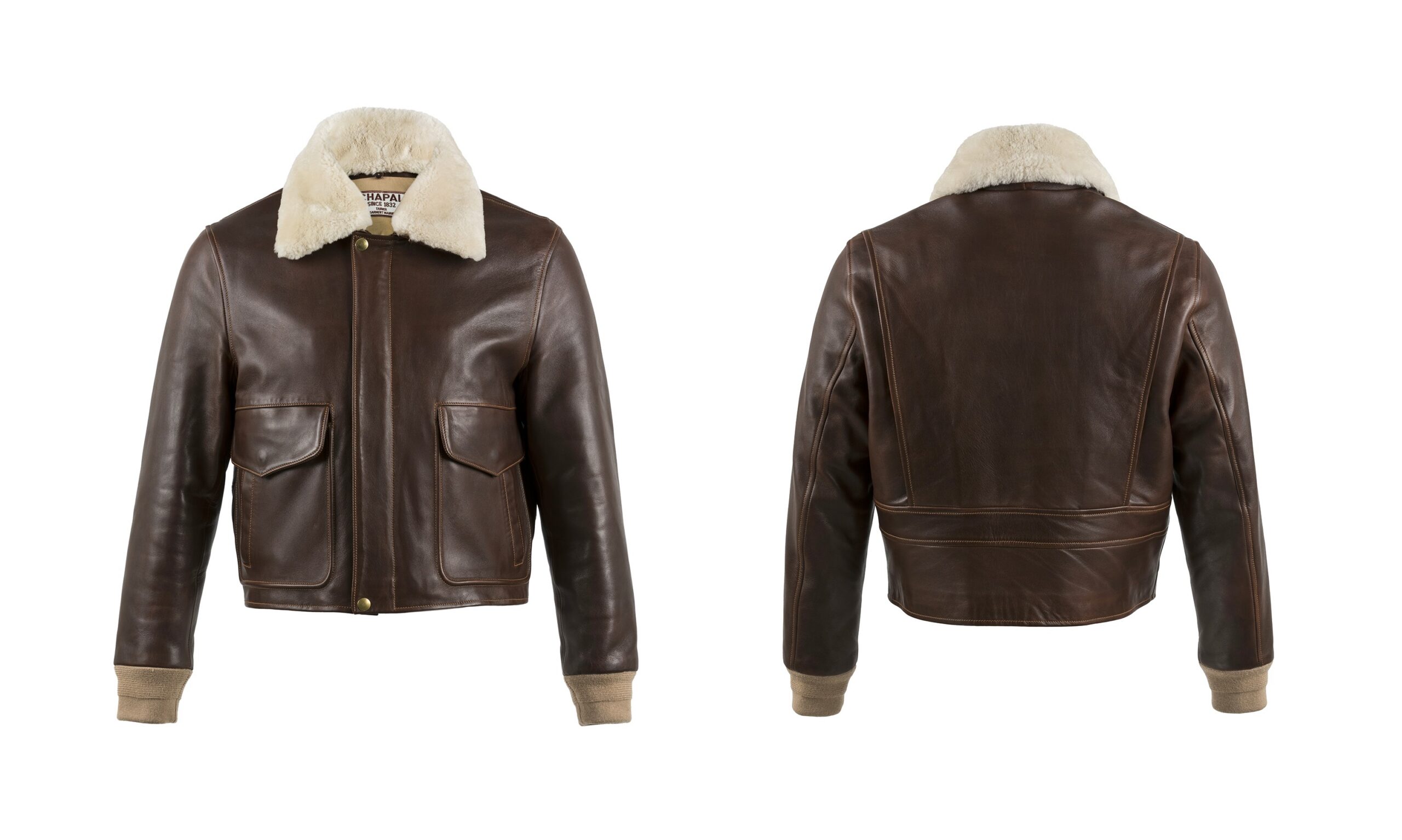
The tanning tradition of the Auvergne is less visible to the carry world than the Tuscan or American traditions, but its influence runs through the DNA of every leather flight jacket ever made.
Shinki Hikaku — Himeji, Japan
The White Leather of the Samurai City
Himeji, the castle city of western Japan — home to the finest surviving example of feudal Japanese architecture — has been a center of leather production since the Edo period. The city’s tanning tradition is built on a specific local method: shiroki, or white tanning, in which hides are processed using rapeseed oil and salt rather than vegetable tannins or chrome salts.
The result is a leather unlike anything produced in the Western tradition: extremely supple, almost silky in hand, with a natural off-white color that takes dye beautifully and develops a warm, honey-toned patina with age. It is the leather historically used for samurai armor — the kozane scales of a do (breastplate) were often made from Himeji-tanned hide — and it remains the leather of choice for the finest Japanese leather goods makers.
Shinki Hikaku is the most prominent of Himeji’s remaining tanneries, producing the white-tanned horsehide and cowhide that has become highly sought after by the global carry community. Their horsehide in particular — dense, firm, and extraordinarily durable — is used by Japanese bag and wallet makers who prize its combination of structural integrity and aging character.
Tochigi Leather — Tochigi City, Japan (Est. 1937)
The River, the Craft, and the Leather That Wasn’t Supposed to Work
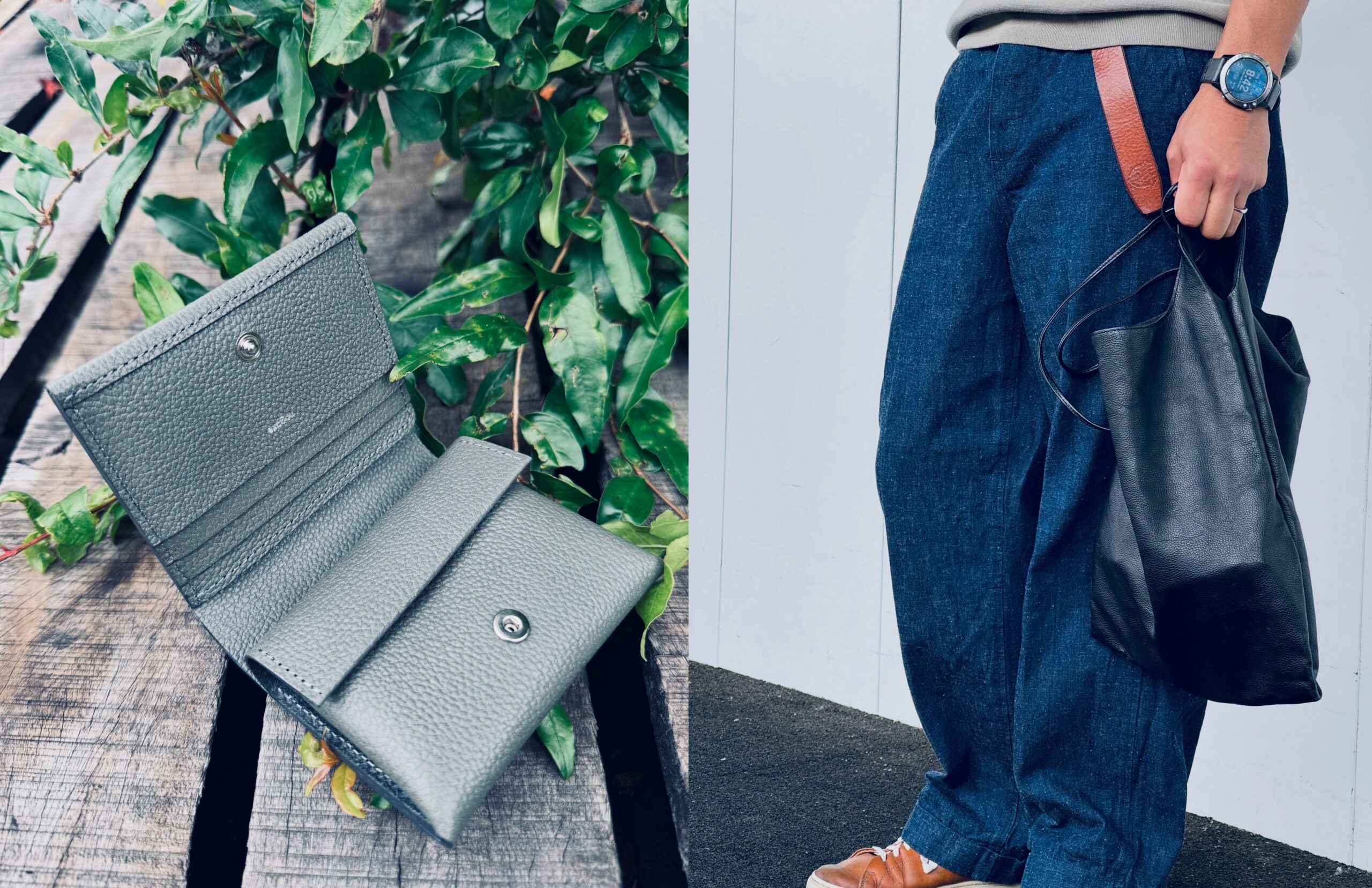
There is a river running through the grounds of Tochigi Leather’s factory. The Uzuma River — a first-class waterway that has flowed through the old merchant town of Tochigi City since long before the tannery existed — passes directly through the site. And the relationship between the tannery and that river is not incidental. It is the moral center of the entire operation.

Tochigi Leather uses approximately 900 tonnes of water every single day. That water has to go somewhere. The answer they arrived at is a closed-loop biological filtration system that uses no chemicals whatsoever. Wastewater passes through nine aeration tanks, where bacteria and microorganisms break down organic matter in stages, neutralizing alkaline compounds from the liming process using enzymes rather than sulfuric acid. The purified water flows back into the Uzuma. The sludge that settles out is dried and used as a soil amendment — sent to golf courses, and in the aftermath of the 2011 Tōhoku earthquake and tsunami, used to help rehabilitate contaminated farmland in Fukushima.

To understand why Tochigi Leather exists at all, you need to understand something about Japan’s relationship with leather — which is, to put it plainly, complicated.
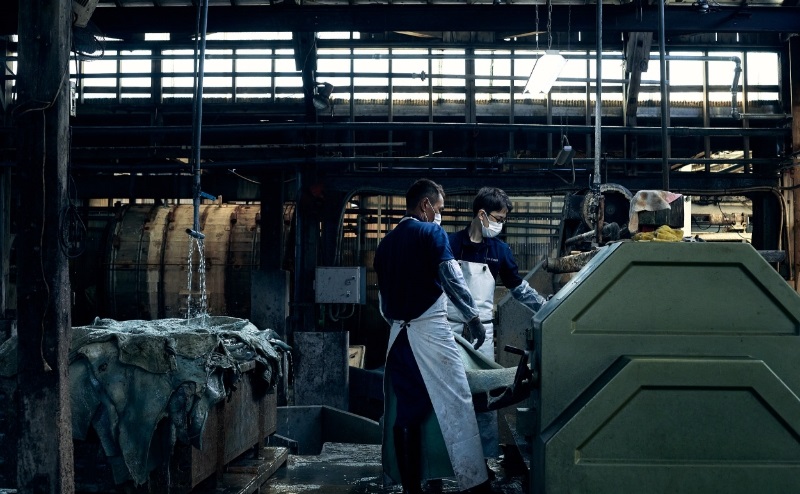
For most of Japanese history, the handling of animal hides was considered kegare — ritually impure — under the Buddhist and Shinto traditions that shaped Japanese social life. The people who worked with leather were assigned to a social caste called the burakumin, who were legally segregated and subjected to discrimination that persisted long after the formal caste system was abolished in the Meiji era of the 1870s. The leather districts of Japan were built by burakumin craftspeople whose knowledge of hide processing was extraordinary, precisely because it had been their exclusive domain for centuries.
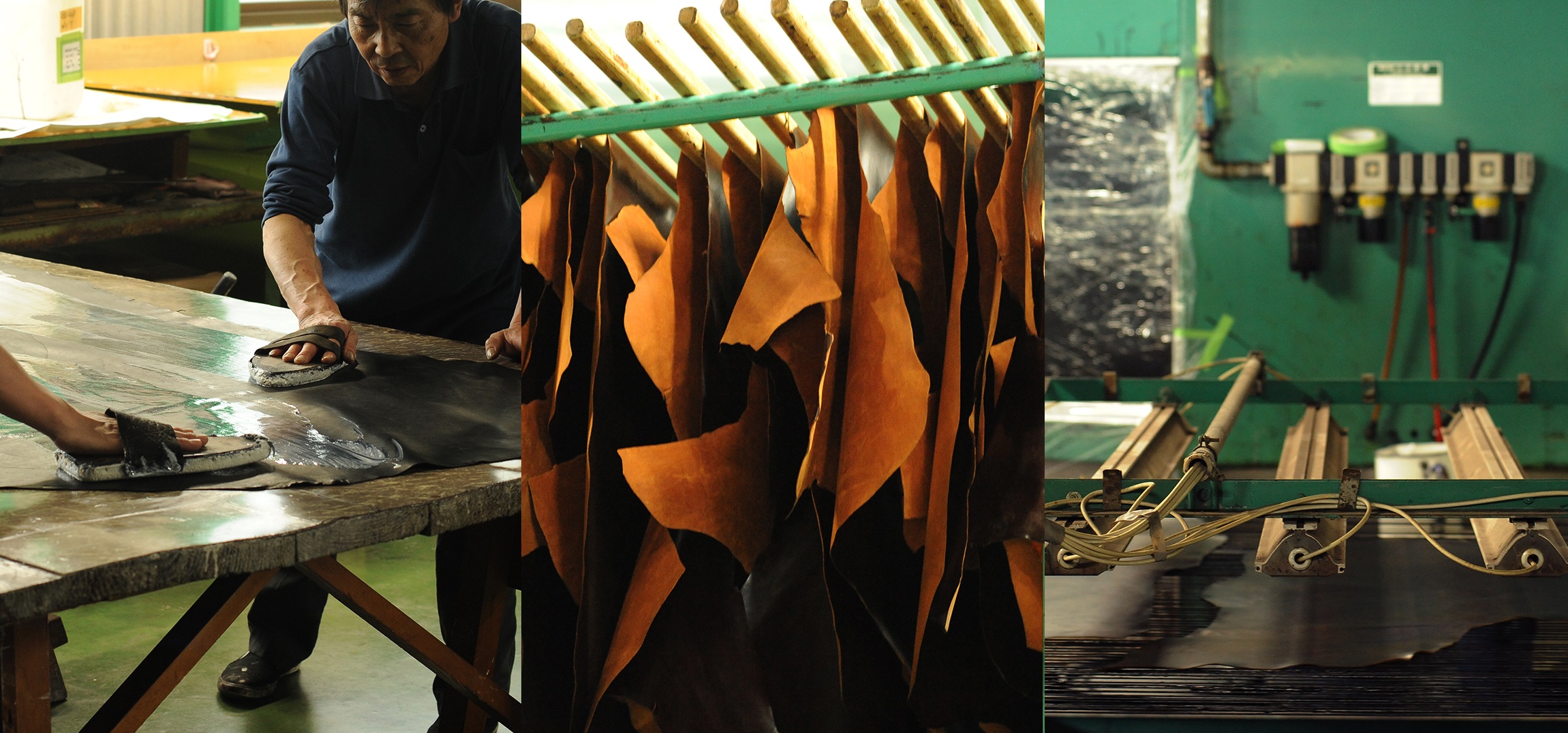
When the Meiji government modernized the leather trade, it imported Western tanning methods alongside the old craft traditions. Tochigi Leather, founded in 1937, staked its identity firmly on the old side of that equation: full vegetable tanning, pit immersion, twenty distinct manufacturing steps, each carried out by hand.
The leather they set out to make was nume-gawa — naturally finished, full vegetable-tanned hide. For a long time, the conventional wisdom in the Japanese leather industry was that nume-gawa was commercially useless: too stiff, too unforgiving. Tochigi’s craftspeople spent years solving that problem. The answer was in the details of the process itself: not stretching the hides during preparation — which other tanneries did to increase yield, but which crushed the fiber structure — and using a five-stage lime pit immersion for dehairing rather than the faster drum method. It took five times as long but left the collagen fibers intact and tight. The result was a hide with a fiber density that no drum-processed leather could match.
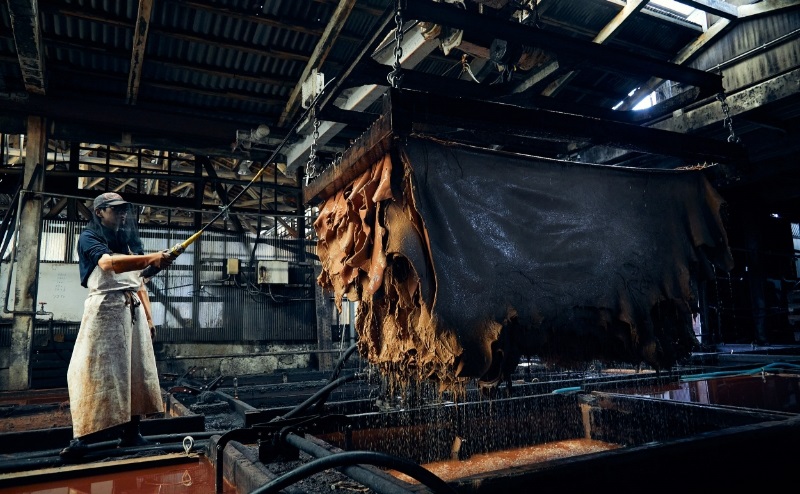
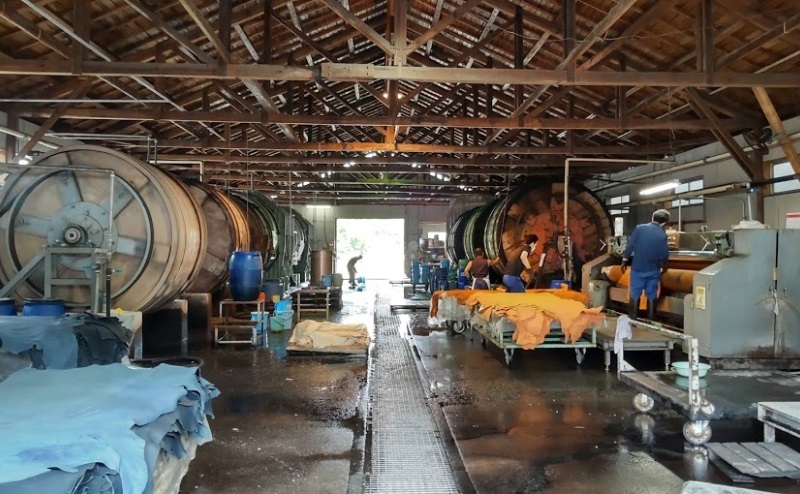
The leather that comes out of Tochigi’s process is full-grain, naturally finished, and dyed through to the core — shintōshi, meaning the dye penetrates all the way to the center of the hide, so that scratches reveal the same color beneath the surface rather than a pale underlayer. It starts firm and breaks in over months of use, developing the characteristic amber-honey patina — ame-iro — that Japanese leather enthusiasts prize above almost any other aging quality. The longer you carry it, the more it becomes yours.
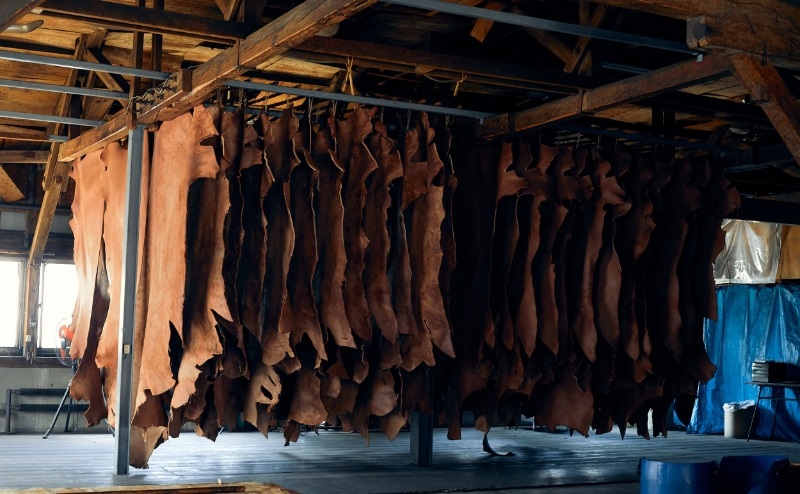
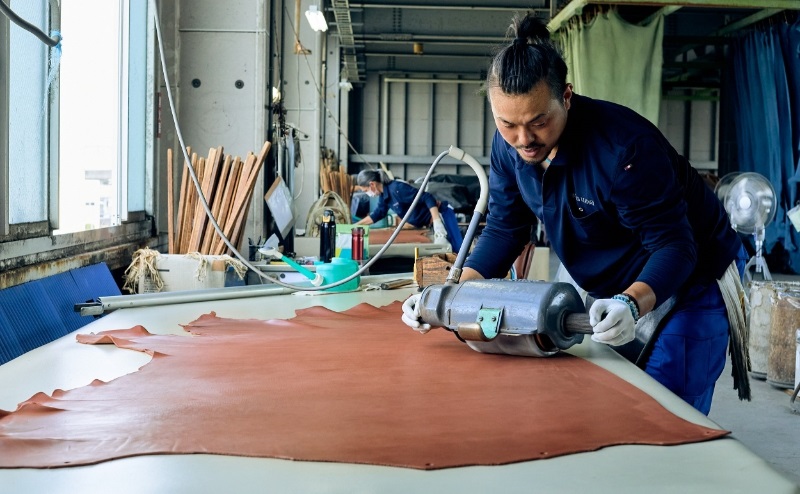
In 2022, the tannery launched its own small leather goods line, nogake — a rare move for a supplier that had spent eighty-five years working entirely behind the scenes.
Böle Garveri — Böle, Swedish Arctic (Est. 1899)
The World’s Only Spruce Bark Tannery
The village of Böle — pronounced burr-leh, meaning simply “place to live” — sits in the Swedish Arctic, a cluster of falu red cottages on the banks of the Pite River, population 424. It is not the kind of place you stumble across. You have to mean to go there.

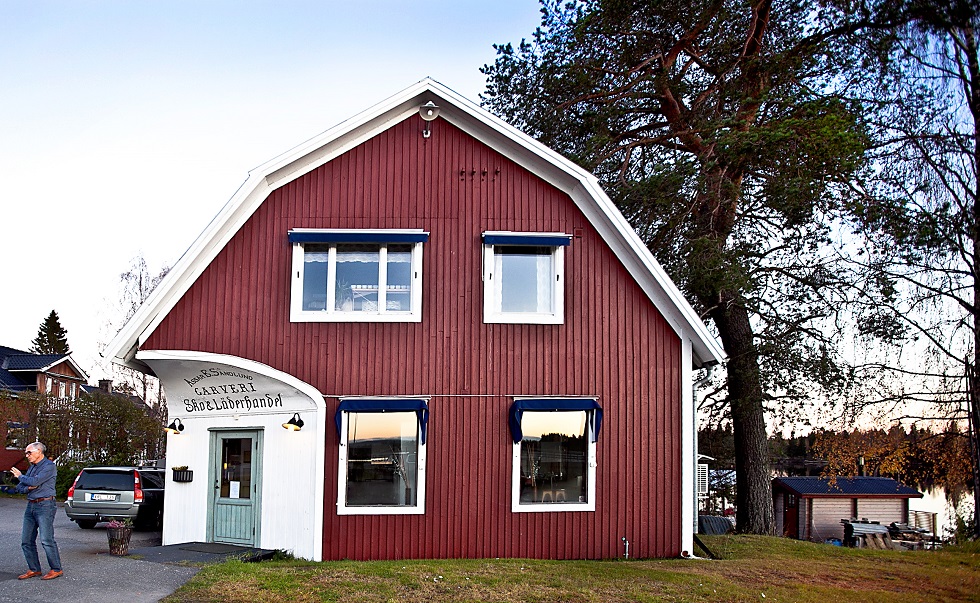
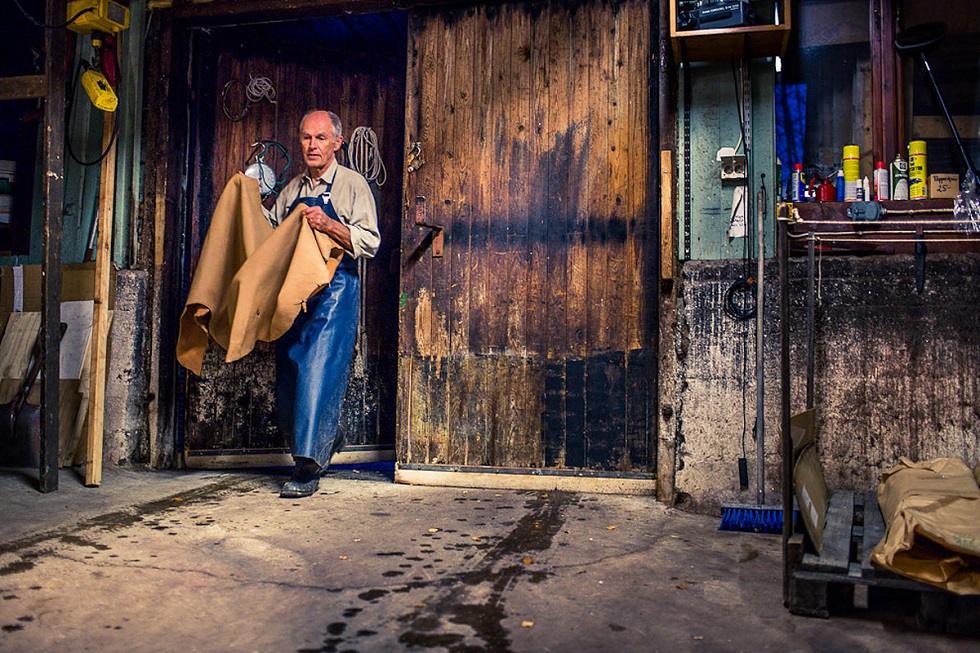
Behind one of those cottages, in a rustic gambrel-roofed shed that has stood since the turn of the last century, Jan Sandlund’s family has been doing something that no one else on earth does. His grandfather Oskar started it in 1899. His father Assar continued it. Jan carried it forward, and now his son Anders is taking it into the next generation. What they do — what they have always done — is tan leather using spruce bark.
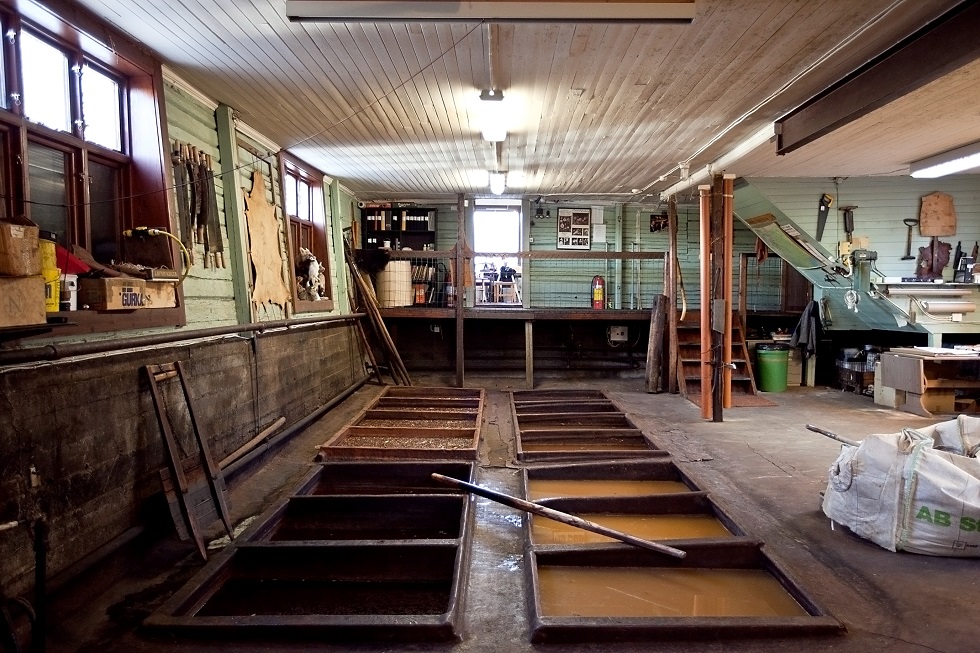
It is, as far as anyone can determine, the only tannery in the world that uses it as its primary tanning agent. The reason nobody else does is straightforward: spruce bark molecules are enormous compared to those of other tanning agents, which means they penetrate the hide extraordinarily slowly. Where most vegetable tanneries measure their process in weeks, Böle measures theirs in months. Just under twelve of them. The hides sit in vats of Pite River water and spruce bark extract, moving through incrementally strengthening concentrations, at a pace that cannot be hurried without destroying the result.
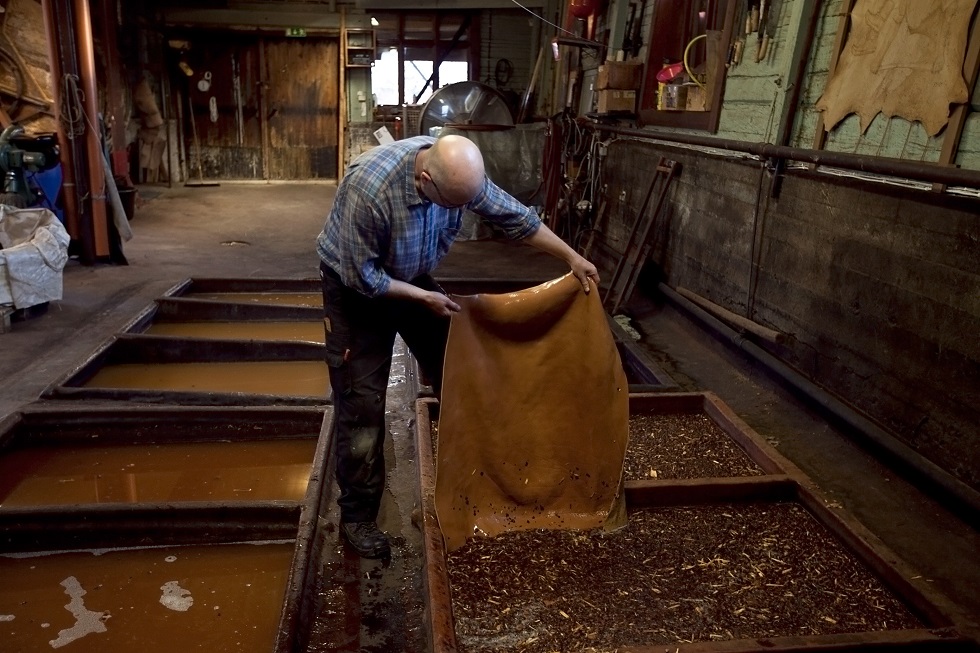
The vats themselves are worth pausing on. The water in them is as old as the tannery itself — added to over the decades but never replaced. Today’s hides still soak in traces of the original pour that Oskar Sandlund first added at the beginning of the 20th century. It is, in the most literal sense, a century of accumulated knowledge dissolved into liquid.
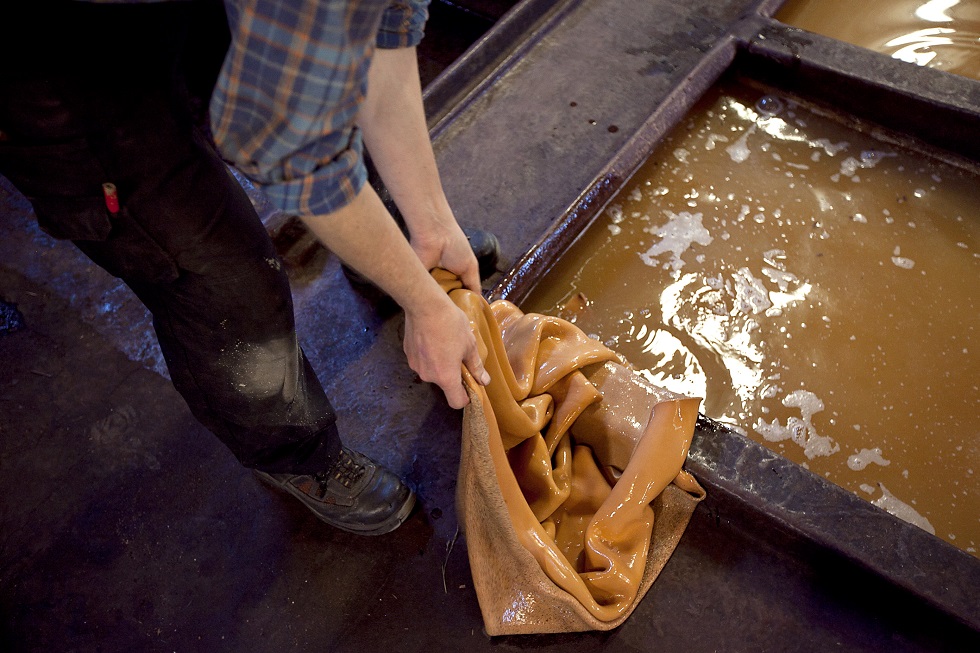
What spruce produces, after those twelve months, is a leather that requires no further surface treatment. The color — a warm, natural tone with a depth that synthetic finishing cannot replicate — emerges directly from the tanning process itself. Other agents play a supporting role in the final stages: quebracho, oak, and mimosa, with their smaller molecules, reaching the parts of the hide that spruce cannot. Böle tans fifty hides a year. Most commercial tanneries tan two thousand a day.
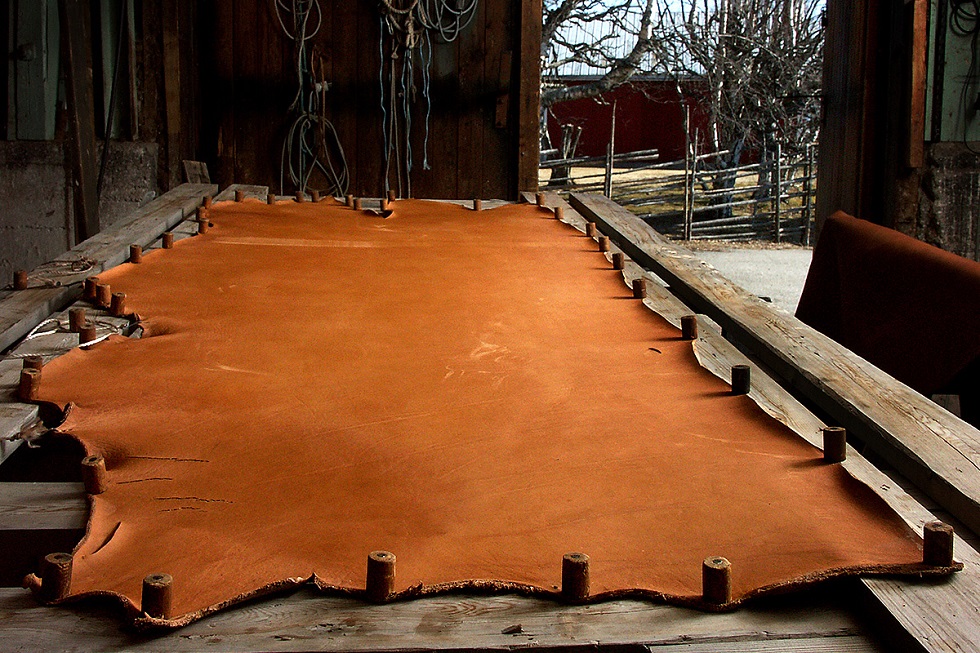
Each hide is individually judged by Billy, the tannery’s self-taught craftsman and designer, who has been working with Böle since the 1980s and is known to declare anything made in the leather world after 1890 “crap.” If Billy is satisfied — and he is not easily satisfied — the hide passes into his saddlery.
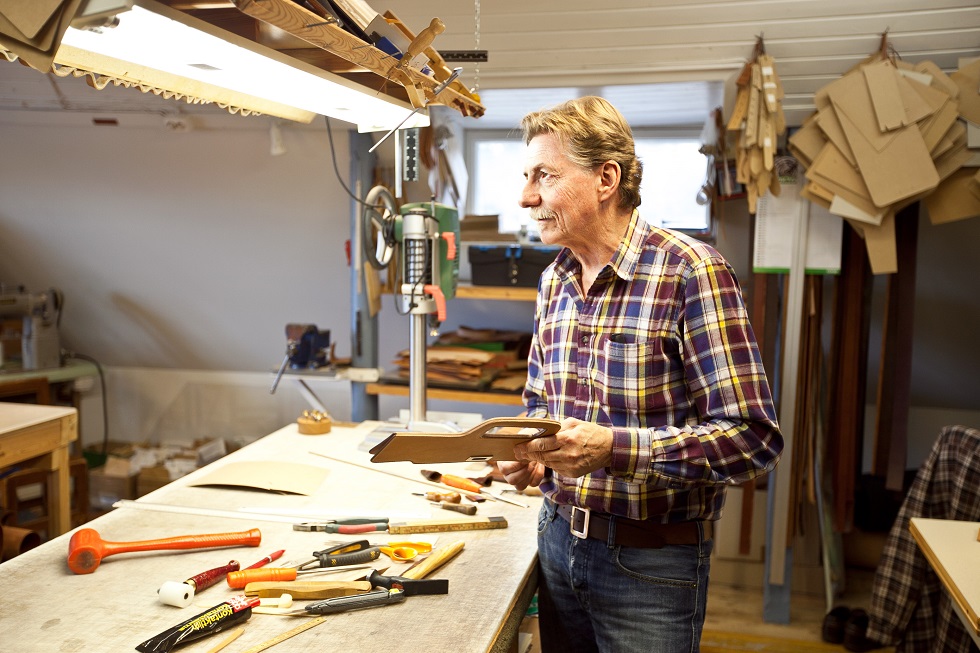
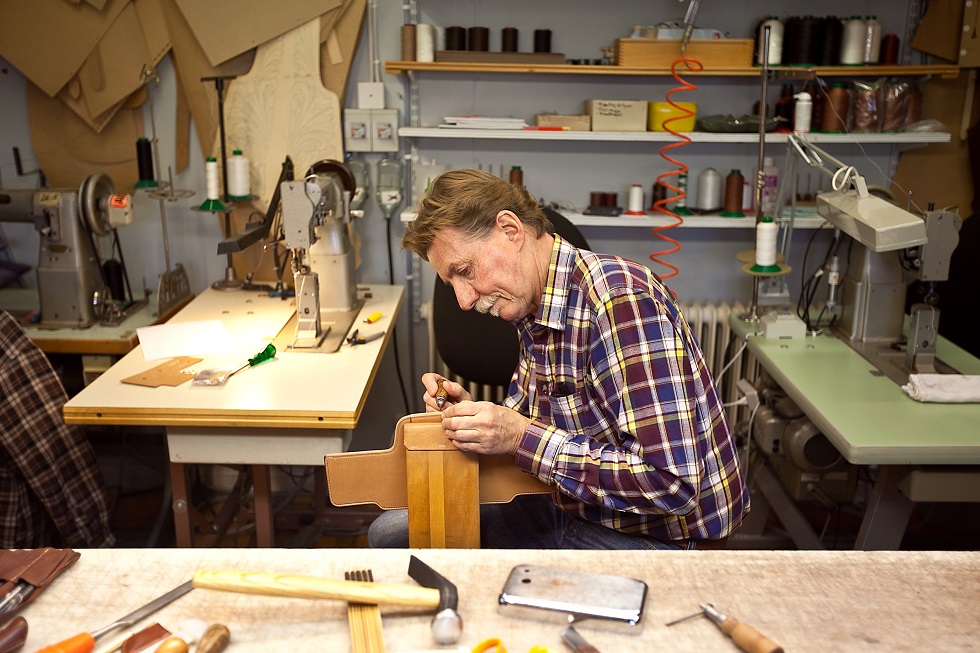
The products that emerge are not bags in any conventional commercial sense. Every item is numbered, logged, and sold with a full provenance record. Owners can send their bag back each year for an annual service. The King Rucksack arrives with the owner’s initials engraved on a reindeer horn plate, carved by a craftsman named Virgil who, at 95, still competes in — and usually wins — engraving competitions across Europe. The “new young guy” being trained to replace him is 65.
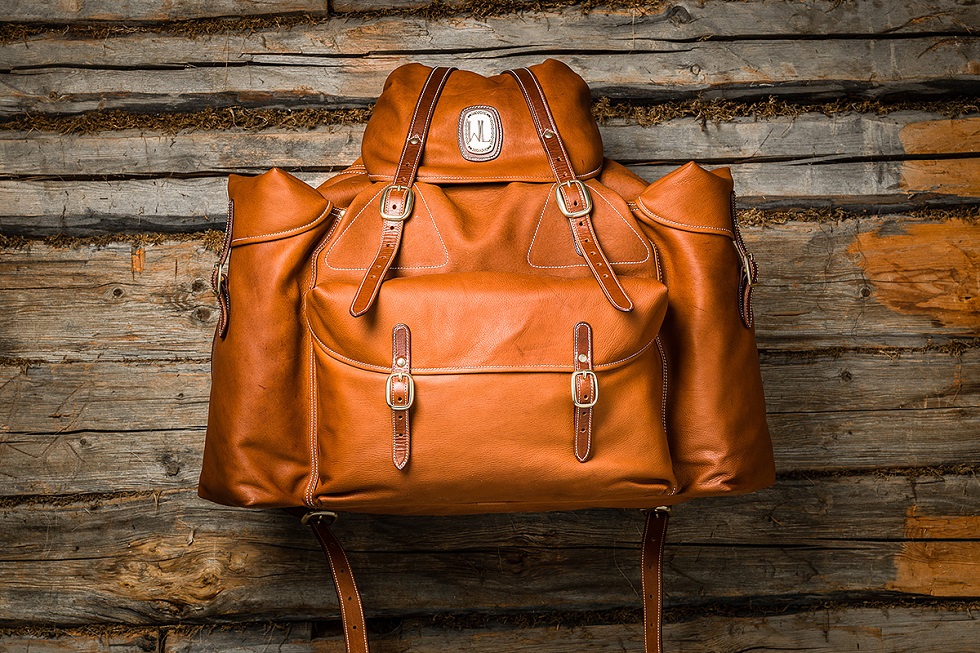
Böle holds an official warrant as purveyor to the Royal Court. Billy once crafted a bespoke rifle case for King Carl XVI Gustaf, contoured precisely over the rifle’s scope. Harrods stocks them. Louis Vuitton has reportedly been left astounded by Billy’s work. None of this has changed what happens in the shed by the Pite River. The vats are still full of spruce and river water. The hides still take twelve months. And Jan, who spent years as a psychologist before the family legacy called him back, still describes his role with characteristic precision: “I’ve dug out the diamond. Anders is the one who is going to cut and set it.”
The post A Guide to the World’s Most Extraordinary Tanneries appeared first on Carryology.