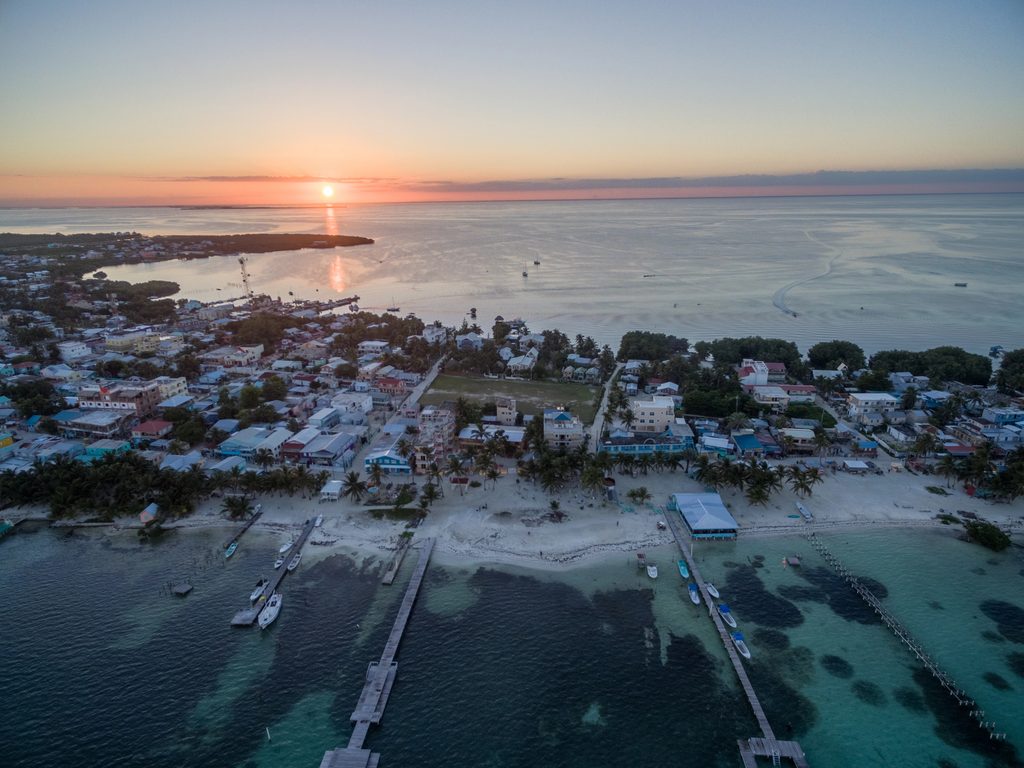
To be honest, my first impressions of Langkawi were a bit underwhelming. The main street of Pantai Cenang is heavily commercialized, and the constant buzz of jet skis just off the beach felt at odds with the island paradise I had imagined.
But don’t let that first glance deter you. While Cenang is a convenient base, the real soul of the island lies further afield in its lush, green side.
From remote beaches to thriving mangroves where eagles and otters roam, to the misty forests teeming with waterfalls and wildlife, to green rice paddies – Langkawi is a “choose your own adventure” destination. It’s perfect for independent travelers, beach bums, and nature lovers alike.
This guide covers everything you need to find the island’s green soul.
Why visit Langkawi
Langkawi attracts a diverse crowd: from luxury travelers seeking a beachfront paradise and Malaysians on short family holidays, to beach-bums escaping the winter and independent travelers looking to immerse themselves in nature.
The island’s secret sauce is its balance. Some parts are commercialized and highly developed, offering every modern convenience you could need. At the same time, Langkawi has also managed to keep its green soul and a relaxed island vibe.”
The key to unlocking it all is to go by scooter. There’s nothing like the freedom of cruising around, stopping at beaches, and hiking to a waterfall.

If you’re looking for more action: rent a jet ski, try paragliding, or go island hopping.
But honestly, most people come here just to slow down – with no bigger agenda than catching the next sunset.
Where to stay in Langkawi
Your choice of accommodation will set the tone for your trip and has a huge impact on which side of the island you experience.
1. Pantai Cenang (the popular base)
Most travelers base themselves here, where you’ll find a wide array of accommodation ranging from budget hostels and small guesthouses to larger resorts.
The area is packed with restaurants, cafés, bars, shops, and scooter rentals, making it the most convenient place to stay – especially with the airport so close by.
My tip: Look for a place on the fringe of Cenang. I wasn’t a fan of the area on my first visit, but staying on the outskirts the second time around changed everything.
Soluna Guest House: a peaceful guesthouse offering both private rooms and dorms on the edge of Cenang.
It’s situated in a beautiful garden overlooking rice paddies – convenient, yet super relaxed.

2. Pantai Tengah (best for a slower pace without missing the beach)
Located just to the south, is a bit calmer than Cenang. You can easily walk between the two, allowing you to enjoy the best of both worlds while staying in a quieter spot.
Here are two budget resorts I recommend:
- Attitude Resort: A small, modern resort with direct beach access and an open common area with a kitchen. Perfect for a relaxing stay as a couple.
- Tropical Resort: Located just one row back from the beach in a lush garden, this spot offers modern rooms and a refreshing pool.
3. Rice paddies retreats (if you want to skip the tourist trail entirely)
For even more tranquility, look for guesthouses tucked away in the nearby rice paddies for those Ubud-vibes.
- Lisdtari Farmstay: Stay here if you’re looking for a more authentic, local experience. This cute homestay is located near the Durian Perangin waterfalls and showcases the non-touristy side of the island.
- Cloud9 Holiday Cottages: a dreamy place with a small pool overlooking the paddies, located just 10 minutes from Cenang by scooter.

What to do on Langkawi
Visiting the best beaches
While the beaches around Pantai Cenang are great for a quick dip, the truly spectacular stretches of sand are found in the north of the island – best reached by scooter.
- Cenang Beach: The island’s most popular hub, featuring a long, wide stretch of white sand. It’s perfect for a swim and offers some shade, beach bars, massage spots, and fire shows at night. The downside: It’s buzzing with jet skis, and the sand is quite compacted from vehicles. The Verdict: Convenient, but not the most pristine.
- Tengah Beach: Located just south of Cenang and easily reachable on foot, this beach is much quieter. While several resorts line the shore, there are fewer bars, giving it a more relaxed feel. Hidden Cafe is a popular sunset spot and marks the public access point. I personally preferred Tengah for swimming.
- Pasir Tengkorak (Sandy Skulls Beach): a small, dreamy beach in the northwest. Surrounded by forest, it boasts crystal-clear turquoise water and fine white sand. Because of its remoteness, it’s rarely crowded, and the trees provide natural shade. Warning: Watch out for the monkeys—they are little thieves!
- Teluk Yu Beach: a true hidden gem characterized by huge granite boulders that make for incredible photos. The beach is small and only accessible during low tide. You’ll need to park your scooter here and climb down a short path to reach the sand.
- Tanjung Rhu Beach: This is arguably the most beautiful beach on Langkawi. Located in the remote far north near a few luxury resorts, it perfectly fits the paradise definition. While some sections are private, the public beach is breathtaking, surrounded by limestone crags and lush nature. Don’t miss it!


The famous SkyBridge
One of Langkawi’s most iconic features is the SkyBridge, a 125-meter curved pedestrian bridge suspended 660 meters above sea level. It clings to the mountainside, offering sweeping views of the turquoise sea and lush green slopes.
The bridge is only reachable via the SkyCab cable car – a breathtaking (and slightly dizzying) journey in its own right.


I visited the SkyBridge on a misty morning when the clouds were still hanging low. At first, I worried I wouldn’t see anything at all, but the mist actually added to the magic.
The clouds were high enough for the views to peek through, yet some were still evaporating from the forest as if the trees were breathing out the moisture from the previous night’s rain. It was a true pinch-me moment.
Is it worth the price?
Yes!
The cable car ride and the summit views are still absolutely worth it. Prices have increased (starting at $25) since my visit years ago, and if you’re on a tight budget, you might consider skipping it. However, no other viewpoint on the island offers a similar panorama.
But don’t be surprised that you’ll have to walk through the Oriental Village, which feels a bit like a themed amusement park – very touristy and often busy.
Weather tip: While being shrouded in clouds can be an experience in itself, you really want those clear vistas. Aim for an early morning visit – locals say it’s your best bet for avoiding both the mist and the crowds. Don’t forget to check the live-cam monitor at the ticket counter before heading up.
Gunung Raya: the best views for free
The highest peak on Langkawi is Gunung Raya, sitting right in the center of the island. At 881 meters, it actually stands higher than the SkyBridge.
While the SkyBridge offers dramatic coastal vistas, Gunung Raya provides a stunning aerial perspective of the island’s lush interior and sprawling rice paddies.


Why visit
It’s much quieter than the tourist hubs, can be visited completely independently, and – best of all – it costs nothing.
The journey is half the fun – I enjoyed the drive up as much as the views at the top. The long, winding road to the summit is in excellent condition and relatively calm, making it a safe bet even for less-experienced scooter drivers.
On the way up, I encountered countless monkeys and stray dogs. Other backpackers mentioned seeing majestic hornbills here, so keep your eyes peeled!
For the adventurous
If you’re looking for a physical challenge, you can hike to the top via the Thousand Steps trail on the southwestern slope.
Note: I haven’t tackled this hike myself, and up-to-date info on the trail conditions can be hard to find. If you’re feeling fit, it’s certainly worth a try!
Timing your visit: Before you make the trip, look up!
- Because of its height, you can usually tell from a distance if the summit is shrouded in mist.
- During my stay, the peak was hidden in the clouds most of the time, but I eventually got lucky.
- In the tropics, early mornings are your best bet before the midday heat causes the clouds to build up.
- 🛶 Kilim Mangrove kayak tour – Paddle through UNESCO-listed mangrove tunnels, spot wildlife, and explore ancient limestone caves. Lunch included.
- 🚤 Classic island hopping tour – The easiest way to see Langkawi’s best islands in a day, including eagle feeding and a freshwater lake.
- 🏄 Jet ski tour to Dayang Bunting – Race across open water to a hidden island lake, with a free drone video to remember it by.
Chasing waterfalls
Langkawi is home to a series of stunning waterfalls tucked away in lush vegetation where hornbills and monkeys hang around. They were truly one of my highlights on the island, adding a raw, wild element to the experience.
After a short hike through the hot, humid jungle, you’ll hear the thundering sound of the water gushing down and feel a refreshing spray on your skin – a perfect invitation to jump in for a dip.
What truly sets them apart is the jungle setting, where you are embraced by nature and, if you’re lucky, can observe butterflies, birds, and monkeys in their natural habitat.
Top waterfalls:
- Seven Wells Waterfall (Telaga Tujuh): The most popular spot on the island, located right next to the SkyBridge. A steep, 15-minute climb up the stairs brings you to the 91-meter-high falls. Continue 15-minutes higher to find a stunning view and the natural rock pools—perfect for a refreshing dip. Entry: RM 10 (includes Blue Lagoon).
- The Blue Lagoon: For the truly adventurous, follow the trail further up from Seven Wells. There is a small, unmarked path that veers off the main trail, leading you to a secluded natural pool and a tiny waterfall (marked in Organic Maps). Because it is hidden away and the hike is quite strenuous, it remains a quiet escape from the crowds.
- Temurun Waterfall: This is the highest waterfall on the island with a massive 200-meter drop. Located in the northwest, it’s just a very short hike from the road. The ease of access and the deep swimming pool at the base make it a worthwhile quick stop.
- Durian Perangin Waterfall: Located on the northern slope of Gunung Raya, this multi-tiered fall is on private property, so it often remains open even when the state forest trails are closed. It’s set in a lovely, garden-like area with picnic nooks. I saw many black langurs feeding in the trees here. Entry: .
My advice: If you’re visiting in late autumn, always ask around if the trails are officially open before you head out.
Seasonality: These falls are most impressive during the rainy season (peaking in September and October). From February to April, some can dry up completely.
Trail closures: During the monsoon, many hiking trails in nature reserves are closed for safety. This is a nationwide policy in Malaysia to prevent accidents from slippery terrain or sudden water surges.
Touring the Mangroves
Mangroves are often an underestimated ecosystem, and sadly, they have been destroyed in many parts of Southeast Asia.
This makes the lush, thriving mangroves of Langkawi a true treasure.
Not only do they protect the coastline and provide a vital refuge for wildlife, but they also play a key role in fighting climate change. Mangroves can store up to four times more carbon than typical tropical forests.
Kilim Geoforest Park
Located in the north, Kilim Geoforest Park is the most popular spot for a mangrove tour. The boat trips usually last 2 to 4 hours and typically include a visit to the Bat Cave or Crocodile Cave, both of which feature impressive limestone formations. Most boats also stop at a floating fish farm or a floating restaurant for lunch.
In between, there is always a chance to encounter sea eagles, monkeys, snakes, otters, mudskippers, and crabs.
If you’re traveling solo, it’s easiest to book a tour online or through your accommodation to ensure transportation is included.

While you can go directly to the jetties at Kampung Kilim or Tanjung Rhu, you usually have to pay for the whole boat, and it can be difficult to find other travelers to split the cost with on the spot.
Tip: Like most wildlife, mangrove inhabitants are most active in the early morning or just before sunse – this is the best time for a tour.
💡Alternatives
If you want a calmer experience, head to the Kubang Badak Mangrove Reserve, which is far less crowded than Kilim.
Also kayak tours are much more immersive and eco-friendly than the loud motorboats, allowing you to get deeper into the narrow channels.
Where to find rice paddies
Exploring Langkawi’s rice paddies is yet another way to enjoy the island’s green side for free. In the heart of the island, you’ll find lush paddies where white egrets and water buffalo wade through the mud.
Sadly, these landscapes are disappearing.
Seven years ago, there were many more paddies surrounding Pantai Cenang, but as tourism grows, many are being transformed into building plots. Enjoy them while they’re still here.
I loved staying at a guesthouse right next to a paddy – waking up to the mist hovering over the fields and listening to the frog-concerts at night was a highlight of my trip.


Where to see them:
- Laman Padi (Rice Garden): Located at the northern end of Pantai Cenang, this is an accessible rice field with a small exhibition you can visit for free. There are often volunteers available to show you around for a small tip.
- Kedawang Area: Head north of Cenang toward Kedawang with a scooter or bicycle. This area still feels very traditional and is dotted with beautiful fields.
- The Interior: You can also find vast stretches of green between the airport and the base of Gunung Raya.
Tip for Navigating: Have a look at the Organic Maps app. Rice paddies are usually marked in a pale olive color. While these can sometimes be other types of agricultural fields, it gives you a great starting point for a scenic scooter ride.
Island hopping & jet ski tours
If you want to get off the main island, you have two main options: a traditional boat tour or a guided jet ski tour.
1. The classic island hopping tour (affordable crowd-pleaser)
Much more popular (and budget-friendly) are the half-day island hopping tours by motorboat. These usually depart from the jetty near Teluk Baru (Malai Cape), just south of Pantai Tengah.
Editor’s recommendation: Hits three islands in about 4-5 hours with this GetYourGuide tour: a swim in the famous freshwater lake at Pulau Dayang Bunting, an eagle watching stop at Pulau Singa Besar, and some beach time at Pulau Beras Basah. It’s a well-trodden but genuinely enjoyable circuit. Just keep RM20 on hand if you want to swim in the salt water on Pregnant Maiden Island and a little more if you want to do kayaking.
Most tours follow a standard itinerary:
- Pulau Dayang Bunting (Lake of the Pregnant Maiden): a short hike across the island leads you to a large, beautiful freshwater lake where you can swim.
- Eagle watching: The boats stop at a bay where you can see dozens of sea eagles circling above. Note: Some companies still feed the eagles with chicken skin to ensure they show up, but conservationists are trying to stop this practice as it leads to overpopulation and makes the birds dangerously dependent on humans.
- Pulau Beras Basah: a picture-perfect paradise beach with white sand and clear water. It’s a great spot to relax or do some snorkeling before heading back.
2. The jet ski adventure (thrilling & worth every cent)
A few backpackers at my hostel were raving about the jet ski tours. These are fantastic if you’re looking for an adrenaline rush and the thrill of being on the open water.
These tours launch right from Pantai Cenang, but keep in mind they are significantly more expensive than the boat tours.
🌊 Run by Red Ray Watersports, this 4-hour jet ski tour covers around 50 km of open water, hitting the same iconic stops as the boat tour but at your own throttle. The real standout is the complimentary drone footage, so you’ll leave with a proper keepsake of the day!

Is Kuah worth visiting?
So far, we haven’t touched on the capital of Langkawi: Kuah.
On my last visit, I arrived by ferry and decided to stay the night in Kuah, hoping to experience an authentic, non-touristy side of the island.
Unfortunately, the reality was a bit disappointing. A local told me that Kuah never truly recovered after the pandemic, and many residents simply haven’t returned.
Because of this, many shops are boarded up and several areas feel desolate. Instead of a thriving hub, it felt like a neglected city where packs of stray dogs roamed the streets.
While it’s not exactly a ghost town, it definitely gives off an unsettling, empty vibe.
Why people still go:
- Duty-free shopping: Many Malaysian visitors still flock here because Langkawi is a duty-free zone, and Kuah has several large malls with cheap chocolate, kitchenware, and alcohol.
- Cheaper resorts: You can find large hotel resorts here for a fraction of the price of those in Cenang or the North.
The verdict for independent travelers: There really isn’t much in Kuah for backpackers. You can snap a photo of the larger-than-life eagle sculpture at Eagle Square (Dataran Lang) by the harbor, and I did encounter some hornbills and Dusky Leaf Monkeys while walking in the local parks.
However, you aren’t missing out on much if you head straight from the ferry to Pantai Cenang.
Scooter island tour itinerary
To experience Langkawi fully, you need to rent a scooter and explore at your own pace. Depending on how much you want to see, it usually takes one to two days to cover the main sights.
Driving on Langkawi is generally easy and suitable for less-experienced drivers. The roads are in good condition, and while main roads can get busy, the side roads are wonderfully calm.
For details on licensing and where to rent the best bikes, check out the Getting Around section at the bottom of this post.
Recommended one-day itinerary
- Take the coastal road toward the SkyBridge. Stop at Perdana Quay harbor for a quick photo of the lighthouse.
- Take the SkyCab to the SkyBridge or hike up the stairs to the Seven Wells Waterfall.
- Ride to Temurun Waterfall for a quick dip, then spend some time at Pasir Tengkorak (Skull Beach).
- Hidden Gems: On your way toward the north, stop at Kubang Badak Mangrove Reserve or the granite boulders at Teluk Yu Beach.
- Relax at Tanjung Rhu Public Beach for the afternoon.
- Take a detour through the mangroves here.
- Visit the Durian Perangin Waterfall next.
- If the skies are clear, head up Gunung Raya.
- Spend the rest of the day cruising through the rice paddies of the interior.
- End the day at the night market.
Every night, the night market (Pasar Malam) moves to a different location on the island. They usually start around 5:00 PM and are the best place for cheap, delicious street food.
- Sunday: Padang Matsirat (near the airport)
- Monday: Ulu Melaka
- Tuesday: Kedawang (near Cenang)
- Wednesday & Saturday: Kuah Town
- Thursday: Temoyong (near Cenang)
- Friday: Ayer Hangat
Travel tips for Langkawi
When to visit
☀️ For guaranteed sunshine, visit during the dry season (December to April). However, be aware that this is peak season; beaches will be crowded, and accommodation prices will be at their highest.
🍃 If you prefer a quieter experience, the rainy season is a great alternative. You’ll still often see blue skies and sunshine, but it isn’t guaranteed. Typically, clouds build up during the day, leading to heavy downpours in the late afternoon, evening, or night.
I’ve visited Langkawi twice during the rainy season (in July and November), and the weather was actually quite manageable. The island can get extremely hot, and the cloud cover actually provided some welcome relief.
The best part? The beaches were relatively empty and accommodation was much more affordable. For those reasons, I actually prefer the off-season.

How many days for Langkawi
My recommendation: 2 to 3 days
Two to three full days are enough to explore the main sights and still enjoy some downtime on the beach. If you are an active traveler who doesn’t like sitting still for too long, this is the perfect amount of time.
However, many people find themselves getting stuck on Langkawi for much longer. If you aren’t on a strict itinerary and you enjoy the island life vibe, it’s easy to lose track of time here.
Especially in the off-season, Langkawi is a wonderfully chilled-out place with great food and just enough evening entertainment to keep things interesting.
How to get to Langkawi
By plane
The most comfortable way to arrive is by air. Langkawi is well-connected via budget airlines like AirAsia to Kuala Lumpur and other international hubs in Southeast Asia.
The airport is much closer to Pantai Cenang than the ferry jetty in Kuah. Just hop in a Grab, and you’ll be at your accommodation within 15 minutes.
By ferry
There used to be a very convenient ferry between Langkawi and Penang, but this route no longer runs.
This makes travel a bit more complex for independent travelers without a car. You now have two main options from the mainland:
- Kuala Perlis (Recommended): This is generally the better connection. There are direct buses from Butterworth (the main bus terminal for Penang) to Kuala Perlis. There are more frequent ferry departures from here, and the tickets are slightly cheaper.
- Kuala Kedah: While geographically closer to Penang, it’s harder to reach. You’ll need to take a train to Alor Setar and then a Grab to the ferry terminal.
- Trains: You can buy your KTM train ticket directly at the station.
- Buses: It is best to book bus tickets online via 12go.asia as there aren’t many direct daily connections to Kuala Perlis and there is no ticket counter in Kuala Perlis.
- Ferries: You can check schedules on the Cuti Cuti Langkawi website since the departure times vary every day according to the tides. While you can buy tickets on-site, it is highly advisable to book online on weekends during high season.
From Thailand
Langkawi is a popular gateway to Thailand, with two main ferry connections:
- Koh Lipe: a 90-minute journey
- Tammalang (Satun): a 1-hour journey
These ferries are highly dependent on the tides, and there is usually only one departure per day. Book in advance!
If you take the ferry to Tammalang on the Thai mainland, you will need to take a short taxi ride to the town of Satun.
From there, you can catch minivans to Trang, and then further connections to Krabi, Phuket, or Surat Thani (for those heading to Koh Samui, Koh Phangan, or Koh Tao).
How to get around Langkawi
Langkawi is actually much larger and more mountainous than many travelers expect.
On my first visit, I tried to tackle the island on a bicycle and quickly learned the hard way: you definitely want something with an engine!
While bikes are great for exploring the flat rice paddies near your guesthouse, you’ll need a scooter or car for everything else.
Since there are no public buses on the island, your main options to get around are Grab, taxis, scooters, or organized tours.

By scooter
- Most guesthouses in Cenang offer rentals (/day), but you’ll also find plenty of shops along the main street in Cenang.
- If you’re staying for a week, consider renting directly at the Kuah Jetty for potentially better long-term rates.
- Bring your International Driving Permit (IDP) alongside your home license. My guesthouse actually asked to see mine before renting me a bike – a first for me in Southeast Asia!
- Always take a video of the bike before you leave to document existing scratches. Check that the brakes and lights work!
By Grab
- Grab is the best way to get to the ferry terminal or airport.
- In Malaysia, Grab only offers cars (no motorbikes like in Thailand or Vietnam), but they are very affordable.
- Share the Ride: When arriving by ferry, ask other backpackers if they want to share a Grab; since most people are heading to Cenang, it’s an easy way to split the cost.
- SkyBridge: Taking a Grab to the SkyBridge is easy, but it can be harder to find a return ride from there during quiet hours. Ask your driver if they’d be willing to come back for you at a set time, or use the “Advance Booking” feature in the app.
- Early mornings: If you have an early flight or ferry, book your Grab the day before using the “Advance Booking” feature. Drivers can be scarce at 6:00 AM, and having a confirmed booking gives you much more peace of mind.