Before smartphones became ubiquitous, the whole idea of a phone was to have a small communication and entertainment device that could comfortably slide into your pants pocket, jacket, or purse.
Although the definition of a compact phone has changed over the years as bezels shrank and screens got larger, some small Android phones stand out as particularly good examples of how much manufacturers could fit into a smaller form factor. So, I looked back at the history of compact smartphones and identified a few that I think were the absolute best of their time.
5
The Galaxy S26 is the best modern compact flagship
Samsung proves compact flagships are still alive and well
-
 Credit: Samsung
-
 Credit: Samsung
-
Samsung Galaxy S26 FE. -
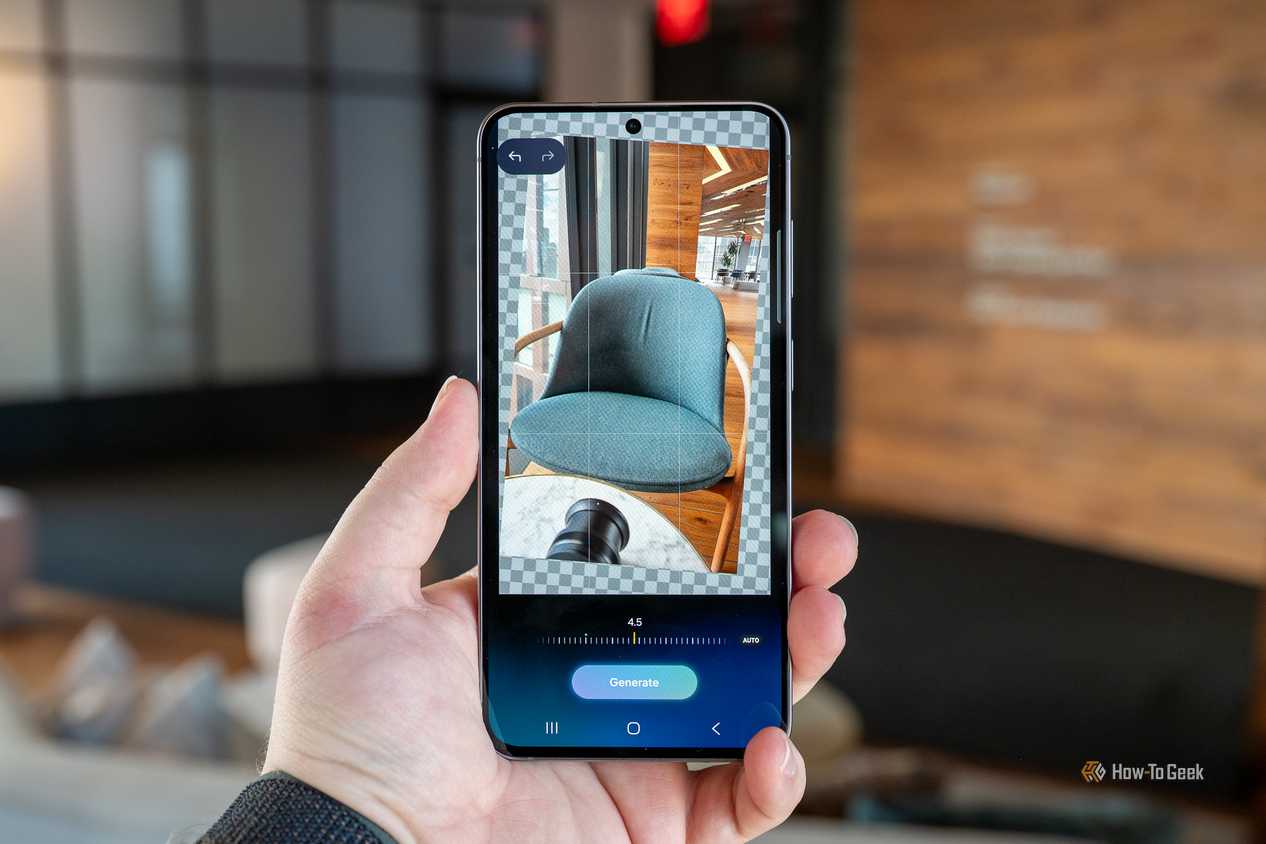
Samsung Galaxy S26 FE.
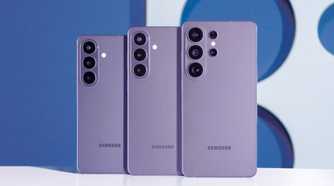
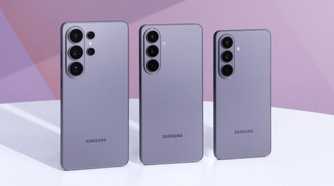
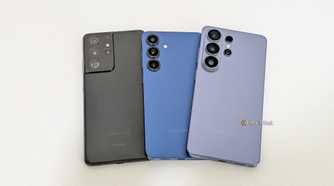
-
 Credit: Samsung
-
 Credit: Samsung
-
-
Samsung Galaxy S26 FE. -
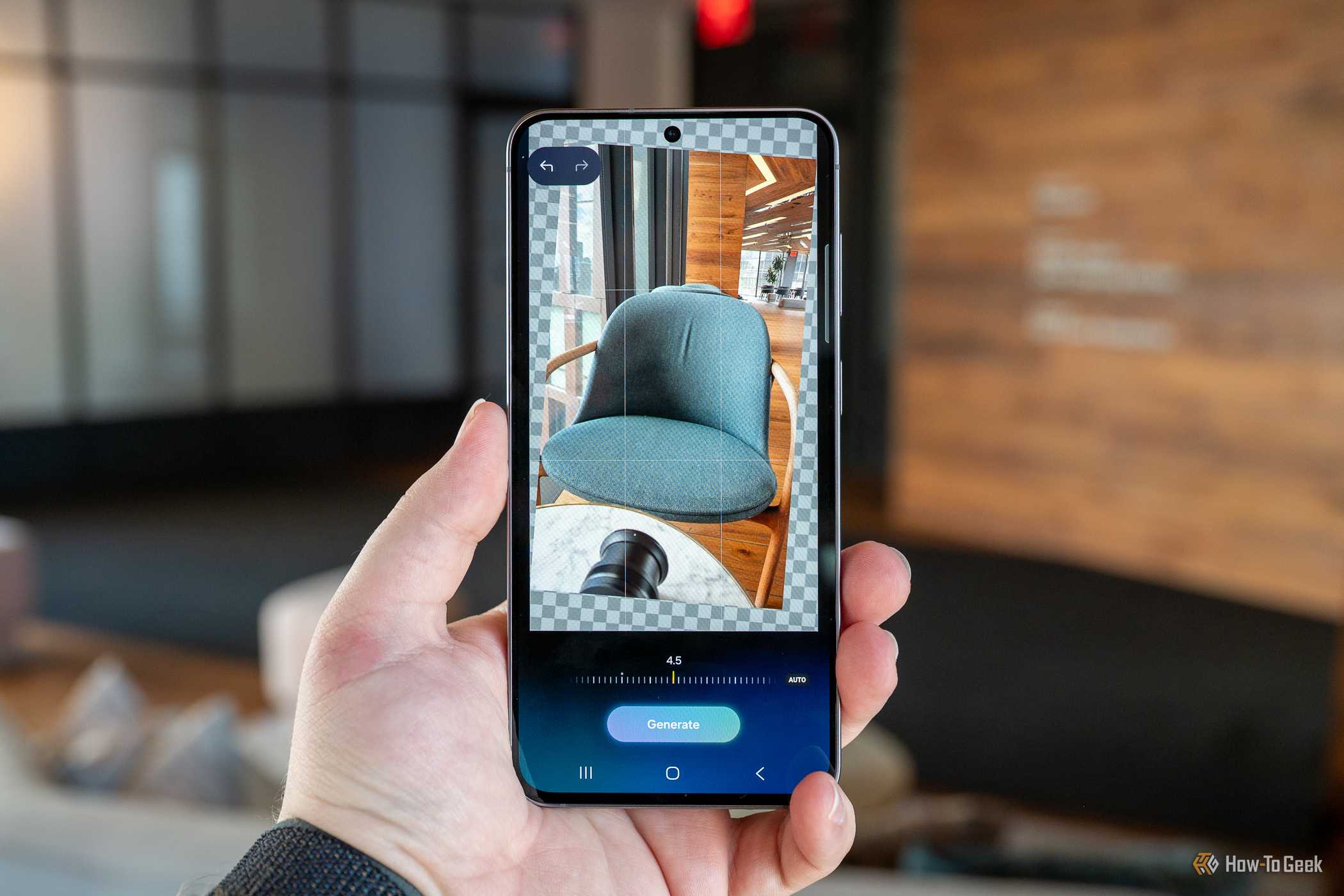
Samsung Galaxy S26 FE.
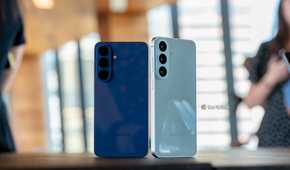

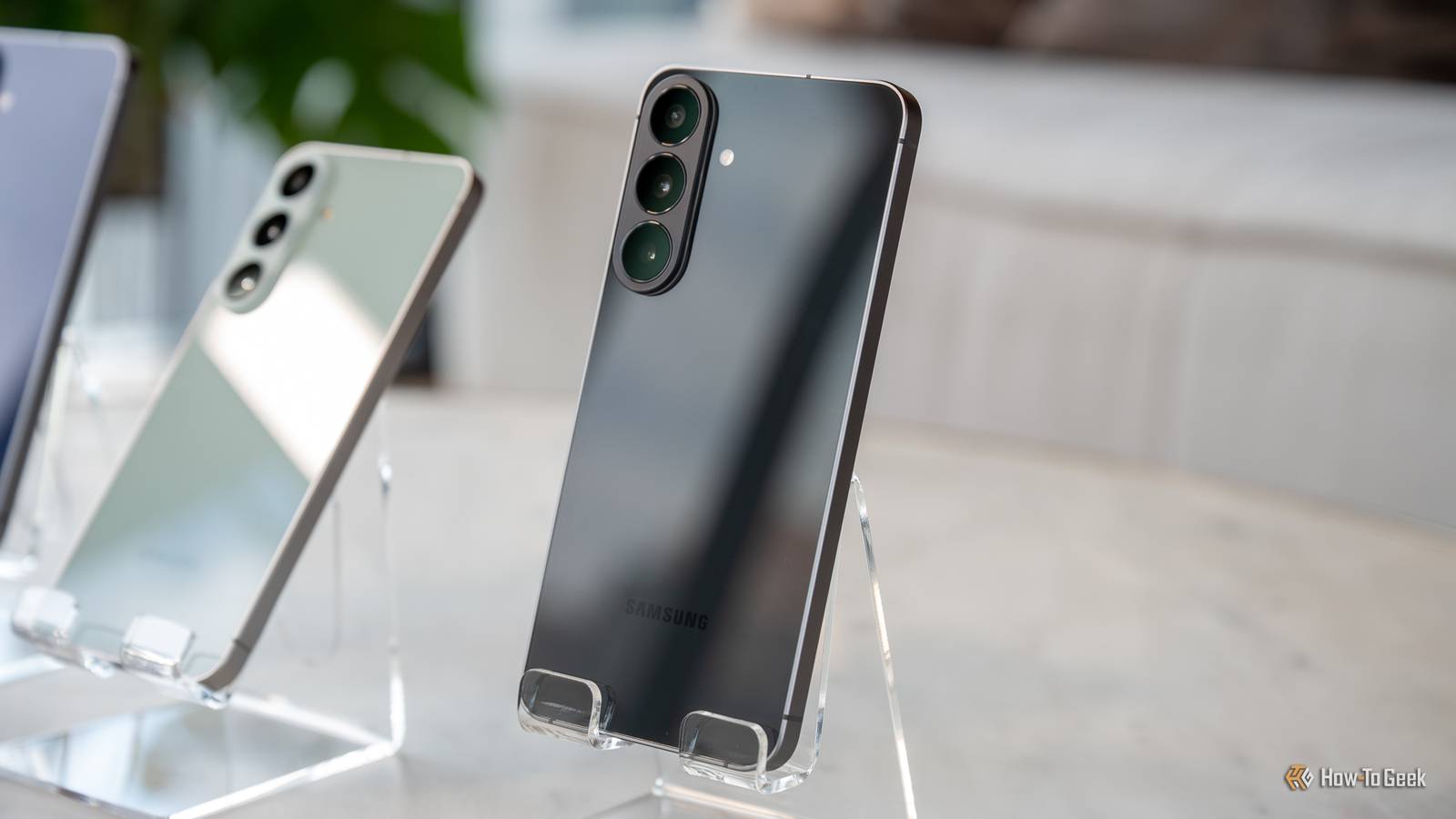
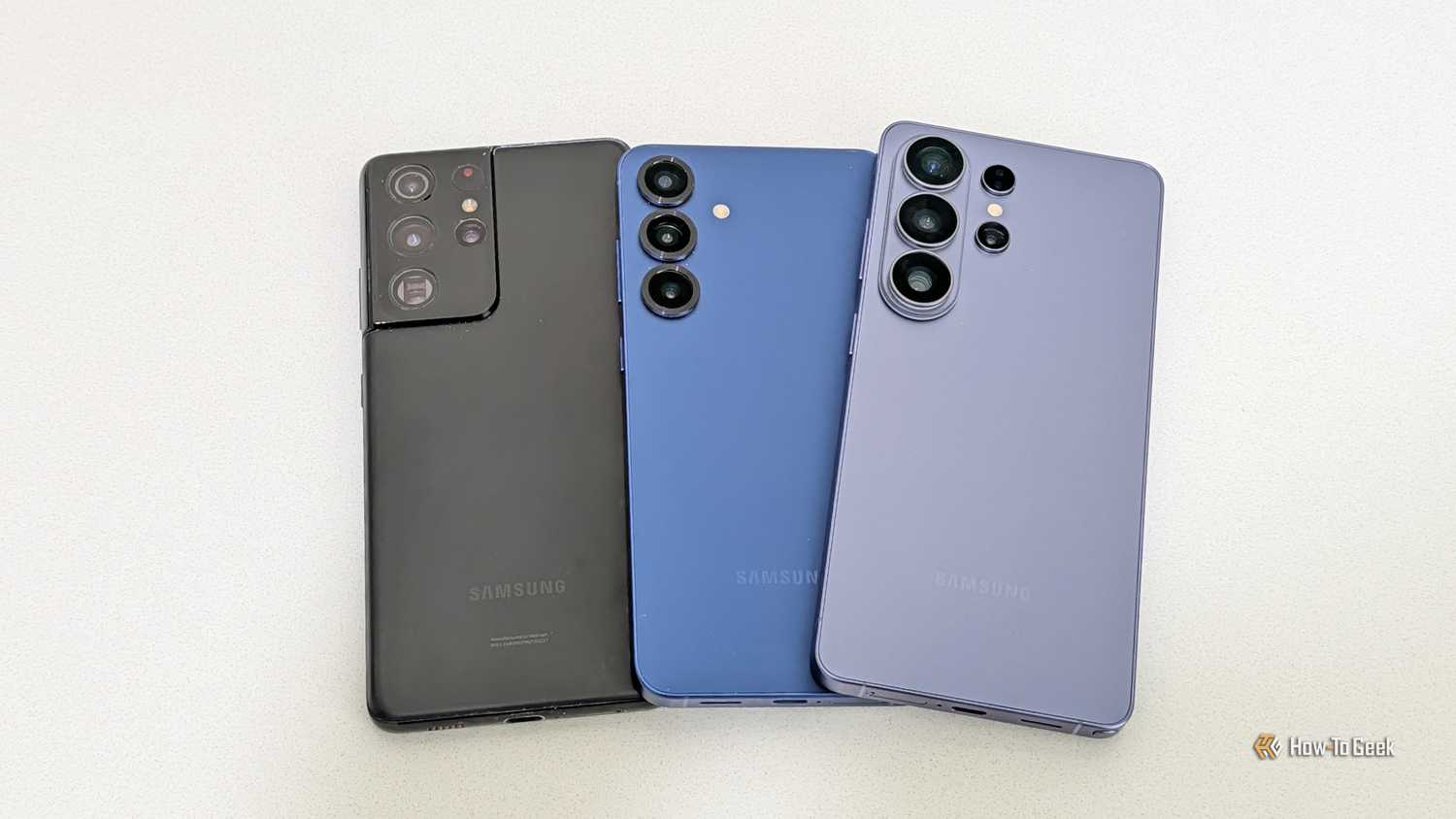
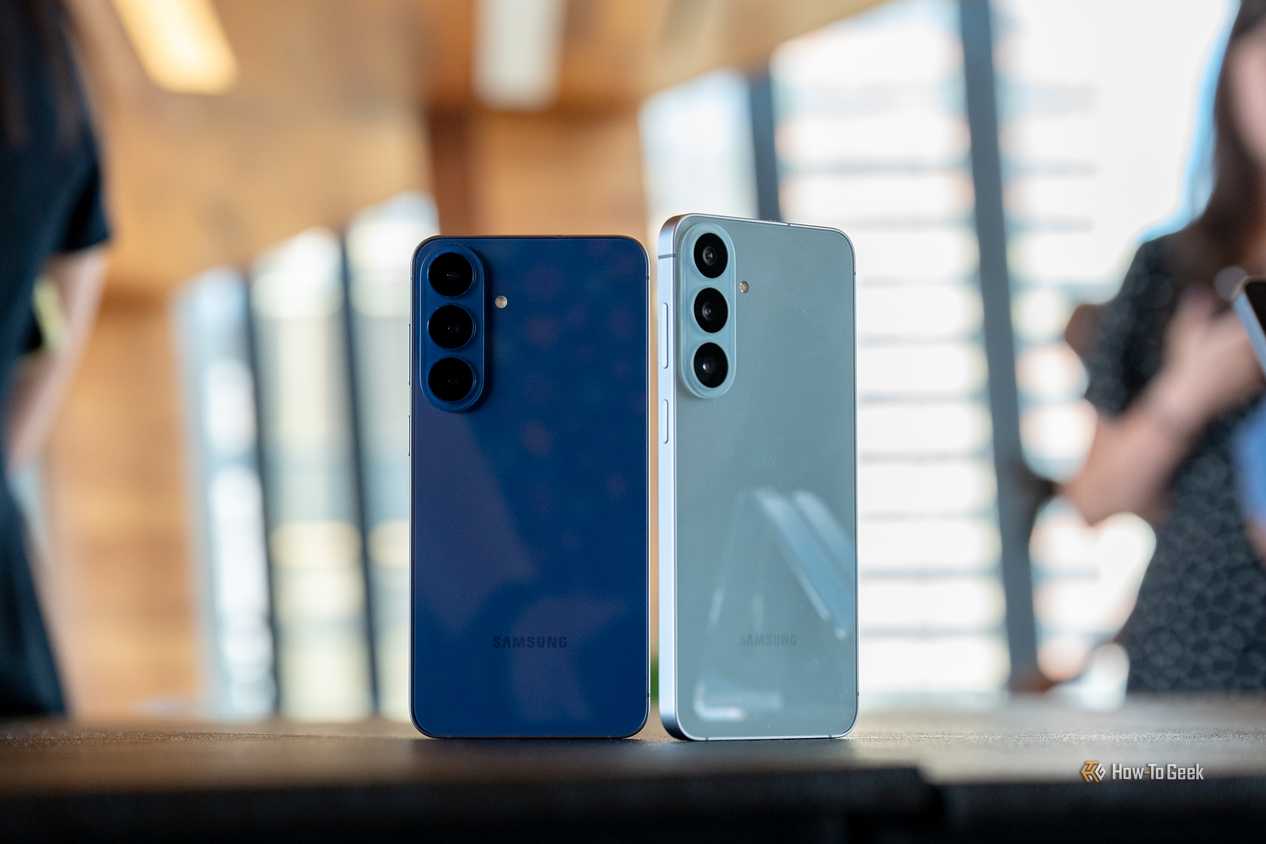
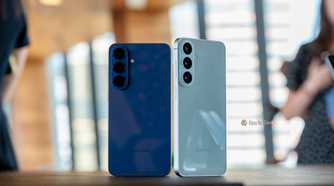
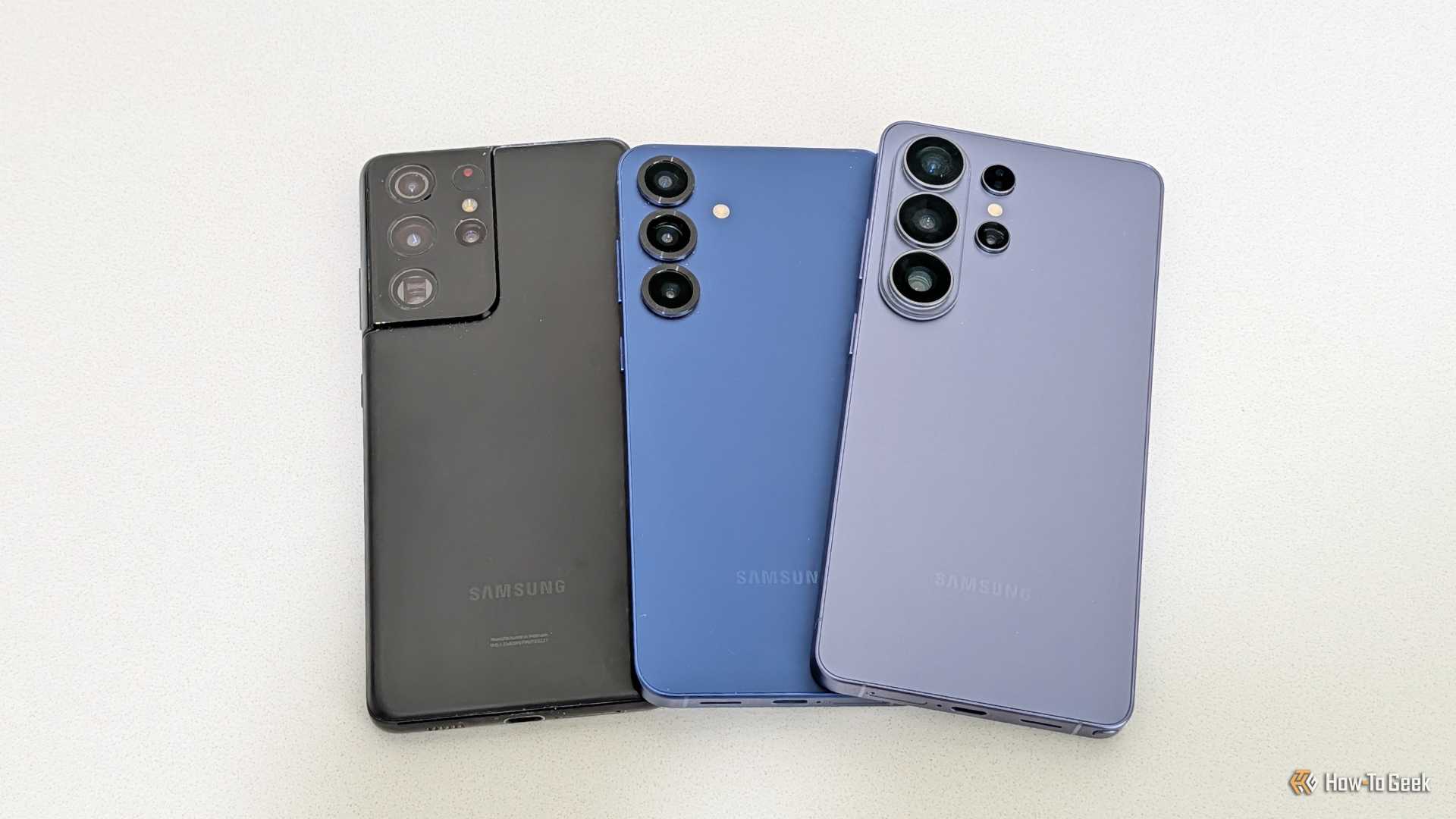
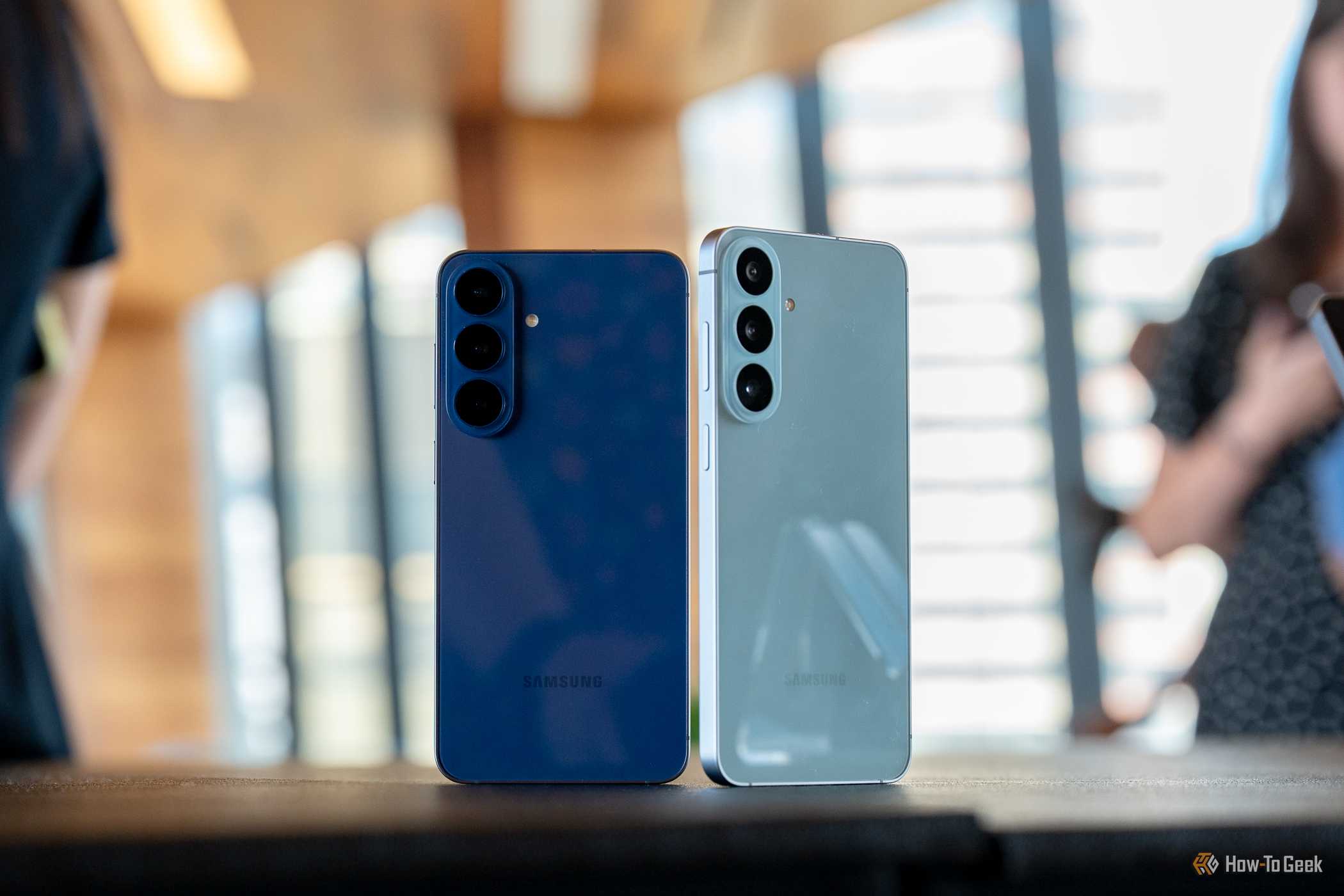
The Samsung Galaxy S26 is the quintessential modern compact flagship smartphone. While it’s not a truly tiny phone, it does have fairly small dimensions when you put it next to an S26+ or S26 Ultra.
Thanks to incremental design improvements, the S26 manages to fit a fairly decent 6.3-inch display into a body measuring 5.89 × 2.82 × 0.28 inches (149.6 × 71.7 × 7.2mm). While some compact phones from the past were considerably smaller, and you could argue that this is a mid-sized phone, it’s still at a size that many people find comfortable to use one-handed and carry in a pocket.
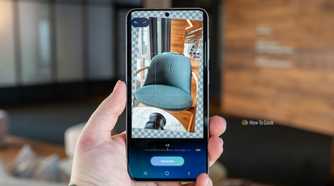
Despite being the cheapest entry in the S26 lineup, it remains a true flagship in terms of specs and software. It has a high-end 120Hz 1080p display (the larger models have 1440p), IP68 water and dust resistance, the powerful Snapdragon 8 Elite Gen 5 SoC, and all the other bells and whistles, although the Ultra has a more substantial camera array.
Generally speaking, Samsung’s Galaxy S lineup has been very solid for years. Ever since Samsung shrunk its base flagship starting with the S22 to make room for the Plus and Ultra models, the standard S phone has been one of the best compact Android phones you can get.
I could probably fill most of this list with just the S series, but then it wouldn’t make for a particularly interesting article.
4
The Motorola Razr 50 Ultra made large-screen phones pocketable without major compromises
A big display that folds into your pocket
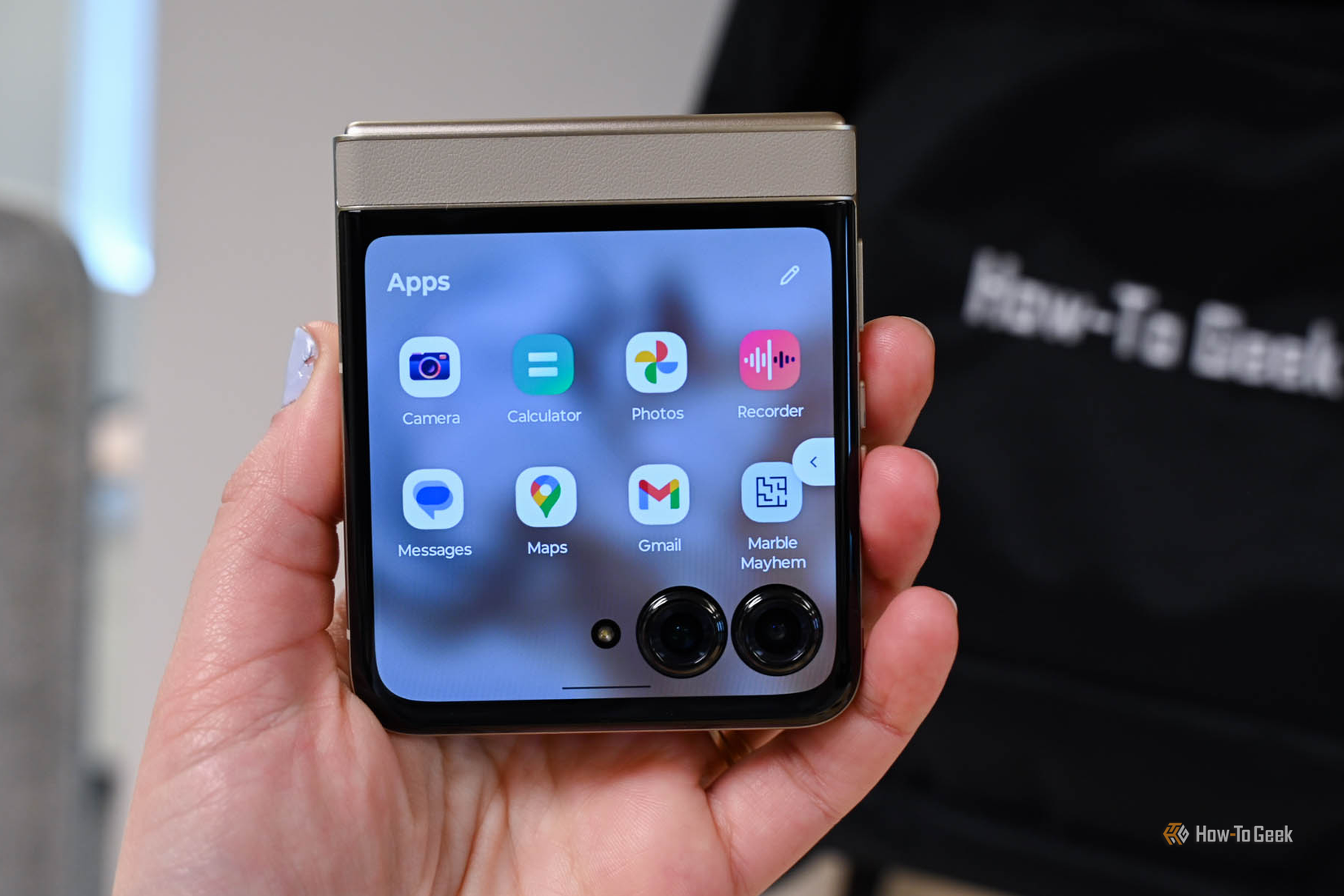
You might have thought that I wouldn’t include foldable phones in this list, but that wouldn’t be fair. For people whose only reason for buying a compact phone is to make it more comfortable to carry in their pocket, it’s hard to beat a flip phone.
It also helps that the external display remains perfectly usable when the phone is folded, giving you a genuinely compact device without sacrificing too much functionality.
While most phones that fold into a small square rather than unfolding into a tablet could qualify here, I have to give the Motorola Razr 50 Ultra the crown.
After several years of struggling to get its foldable Razr formula right, Motorola finally nailed it in 2024 with this model. Its $999 launch price and mostly flagship specifications meant you could get a genuinely great compact foldable without making too many compromises.
As far as dimensions are concerned, the Razr 50 Ultra is undoubtedly the smallest phone on this list when folded. It has a 6.9-inch display when unfolded, with a body measuring 6.75 × 2.91 × 0.28 inches (171.4 × 74 × 7.1mm).
However, when folded, its dimensions shrink to just 3.47 × 2.91 × 0.60 inches (88.1 × 74 × 15.3mm), while the 4-inch cover display makes for a brilliant compact combination. You can use the smaller screen for almost anything: check notifications, text, control music, navigate, play games, scroll content, and even watch YouTube.
3
The Google Pixel 3a was an affordable pocket camera that happened to be a phone
Google’s camera magic made its way into a much cheaper phone
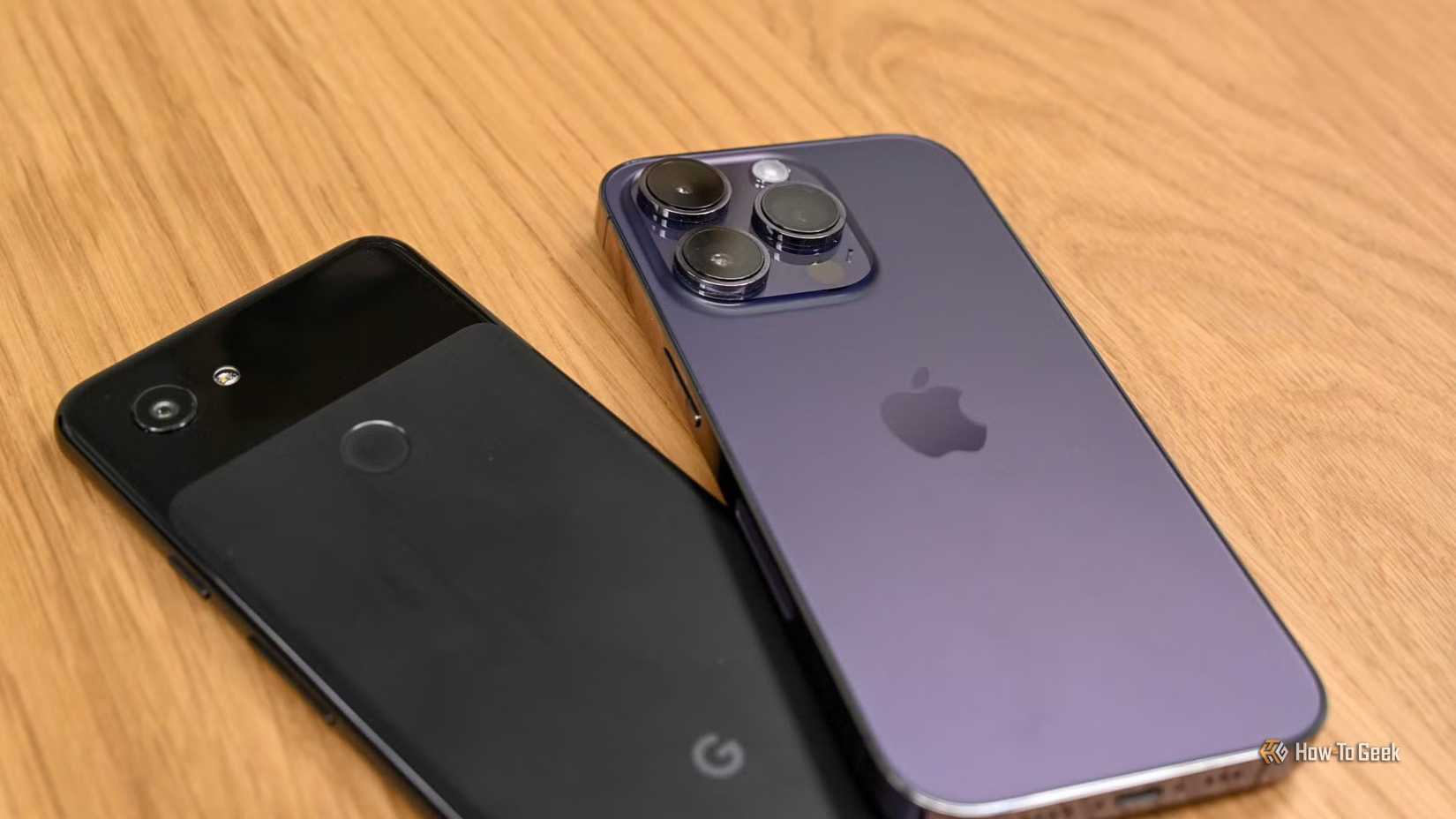
After three successful generations of its flagship Pixel phone, Google decided it was finally time to release a cheaper alternative, and it came in the form of the Pixel 3a. This little phone launched at just $399 and delivered a pretty decent overall package for the price.
The midrange Snapdragon 670 and 4GB of RAM were fairly typical for a midrange phone in 2019, while the phone itself was on the smaller side, with its 5.6-inch screen and dimensions of 5.96 × 2.76 × 0.32 inches (151.3 × 70.1 × 8.2mm).
But nobody bought this phone for its specs. They bought it for the clean Pixel software and, more importantly, the incredible camera that was miles ahead of the competition.
Thanks to Google’s superior image processing at the time, the Pixel 3a shot incredible photos in a wide range of scenarios, despite having only a single lens. Its still photos were effectively on the same level as those of the Pixel 3, despite the phone costing half as much.
It received a 100 DxOMark score, putting it just one point behind flagships like the Google Pixel 3 and Apple iPhone XR. Other reviews from the era also praised its camera performance.
It’s also worth noting that the Pixel 3a was the only A-series phone to come with an XL variant. Google dropped the XL name with the Pixel 4a, although it later released the larger Pixel 4a 5G.
2
The Asus Zenfone 10 was one of the last true compact flagships that isn’t from Samsung or Google
The last of its kind
 Credit: ASUS
The Asus Zenfone 10 from 2023 is sometimes touted as one of the last “true” small flagships because of its sub-6-inch screen size, though I don’t personally agree with that label. It was almost the same physical size as that year’s Samsung Galaxy S23, which managed to fit a slightly larger 6.1-inch display into a similarly sized but slimmer body.
That being said, the Zenfone 10 is a genuinely impressive compact Android phone built around a simple premise: flagship hardware and clean software in a small package with relatively few compromises. At just 5.77 × 2.68 × 0.37 inches (146.5 × 68.1 × 9.4mm) and with a 5.92-inch screen, it’s quite nimble in one hand.
Apart from the flagship specs, perhaps the best part about the Zenfone 10 was its clean software. Samsung and Google were already deep in the on-device AI rabbit hole by this point, which made many people start looking in other directions. This alone made the Zenfone 10 a very strong contender in 2023.
Since its release, Asus pivoted to much larger “Ultra” models and eventually went on hiatus in the smartphone market altogether.
1
The Sony Xperia Z3 Compact was everything a small flagship should be
The blueprint for a compact flagship Android
 Credit: Maurizio Pesce / Wikimedia Commons / CC BY 2.0
Sony has historically had the largest selection of compact versions of its flagship phones, and the Xperia Z3 Compact from 2014 was one of its very best releases, so it wouldn’t feel fair to give the crown to any other phone.
Unlike many other compact versions of flagships that cut corners, the Xperia Z3 Compact was one of the most complete mini flagships at the time. It had nearly the same specs as the regular Xperia Z3, except for 1GB less RAM, a smaller 720p 4.6-inch screen, and a smaller battery to accommodate its more compact dimensions.
Even by 2014 standards, the Z3 Compact was pretty small. Its physical dimensions measured just 5.01 x 2.56 x 0.34 inches (127.3 x 64.9 x 8.6 mm), making it considerably smaller than that year’s iPhone 6, which had only a slightly larger 4.7-inch screen.
Needless to say, its tiny dimensions made it super pocketable and easy to use one-handed, winning over reviewers at the time.
Unfortunately, such small flagship phones just don’t exist anymore. Imagine if Samsung came out with a tiny S26 Ultra Mini that packed the same bleeding-edge specs but had a 5.5-inch screen that would make it laughably easy to use one-handed.
Compact Android phones aren’t completely dead
Now that so many people tend to choose the larger versions of flagships, the standard models have effectively taken the place that compact phones used to fill. Phones like the Samsung Galaxy S26 and Pixel 11 sit in the sweet spot size-wise for people who want a compact flagship, while foldable models offer the best of both worlds.
While neither option is truly tiny, the definition of a small phone has evolved over time, and that’s okay. That said, if you’re willing to venture beyond mainstream brands, there are some truly tiny and interesting phones out there.