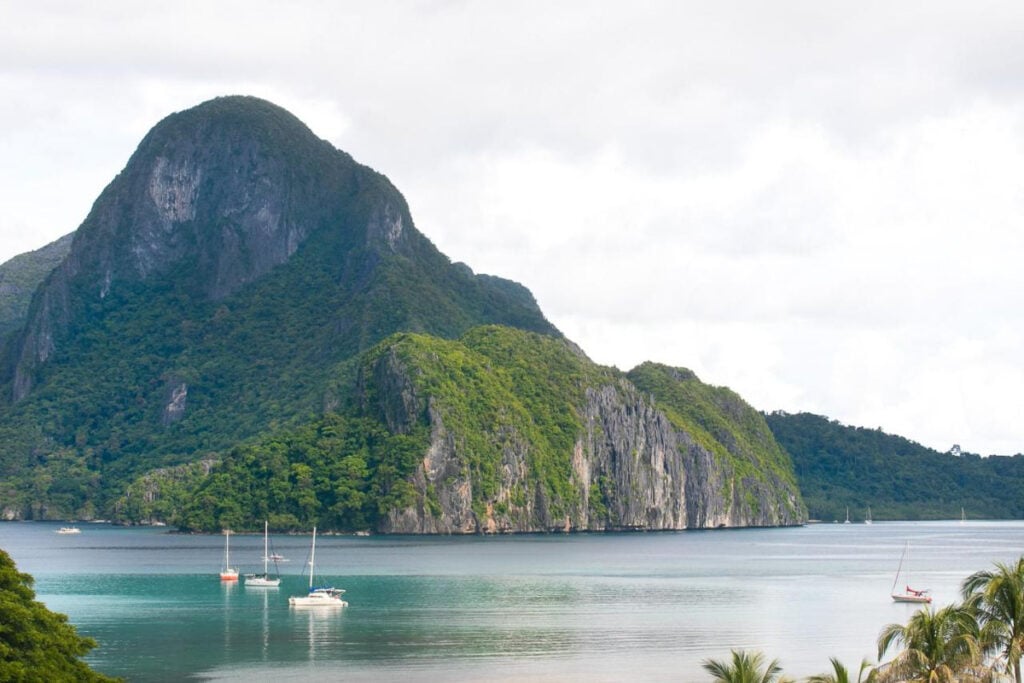
Prices in the Philippines swing widely. A dorm bed and a plate of street food can cost almost nothing, while ferries, flights between islands, and tours quietly eat the budget. This guide breaks down what a backpacker actually spends per day, where the money goes, and how to trim it.

The Short Answer
Most published traveler guides land in the same range. A strict backpacker budget runs about US$20 a day. A more comfortable pace outside the big tourist spots costs about US$35 to US$40 a day. One hostel-data estimate puts the average dorm-based traveler at about US$36 a day, or roughly US$500 for two weeks, before your international flight. Prices below are approximate, so check current rates before you book.
| Style | Daily budget (USD) | What it looks like |
|---|---|---|
| Strict | About 20 | Dorms or simple huts, street food, local transport |
| Standard | About 35 to 40 | Dorms, cheap restaurants, some tours |
| Comfortable | Above 40 | Private rooms, more tours, frequent flights |

Before You Fly: Entry Rules and Proof of Funds
Citizens of many countries can enter without a visa for up to 30 days, while some nationalities get shorter stays. Register for the free eTravel system within 72 hours of arrival. Airlines may ask for a ticket out of the country, and a domestic flight does not count. Immigration can also ask for proof of sufficient funds, so carry a recent bank statement. Anyone who lives in the country and wants to buy gear on installment will be asked for proof of income, and Salmon’s Product Loan page lists a valid ID and a source of income as the basics for Filipino citizens aged 18 and older, with purchases from ₱1,000 to ₱60,000. Documents are confirmed during the application. If you need more time as a visitor, a one-month extension has been reported at about ₱3,150, and fees change, so check with the Bureau of Immigration.

Accommodation
Dorm beds usually cost about US$6 to US$15 a night, with the lowest prices in places like Palawan and Moalboal and the highest in Manila and polished hostels. Simple beachfront huts can be cheaper still. Book popular islands early during peak months, and expect prices to climb around holidays. If you travel as a pair, a shared room often costs about the same as two dorm beds and gives you privacy.

Food and Drink
Eating local keeps costs down. Street food and carinderia meals typically run US$1.50 to US$4, while a sit-down restaurant meal is around US$5 to US$7. Tourist-focused places can charge US$6 to US$20 for a plate. Fill up on rice meals, grilled skewers, noodle soups, and fresh fruit, and bring a refillable bottle, since bottled water adds up.

Getting Around
Local transport such as jeepneys, tricycles, and buses is cheap, and daily transport averages around US$4 for many travelers. The real expense is moving between islands. Ferries cost about US$6 to US$8 a ride and are often the only option. Domestic flights range from roughly US$50 to US$90 each, and they can save a full day. Plan a loop through one region, such as Cebu, Bohol, and Siquijor, instead of zigzagging across the map.

Activities and Tours
Activities are often the biggest daily line on a backpacker’s budget. An island-hopping day tour typically costs around US$15 to US$25, and entrance fees, snorkel gear, and guide charges add up. Free or cheap options include beaches, sunrise walks, local markets, and waterfalls you can reach by public transport. Pick two or three splurges, such as a diving day or a canyoneering trip, and keep the rest low-key.

A Sample Two-Week Budget
Here is a rough picture for a standard-pace trip, not counting your flight to the Philippines:
- Daily spending: About US$36 times 14 days is roughly US$500.
- Two domestic flights: About US$100 to US$180.
- Visa extension or extras: Add a buffer if you plan to stay longer.
- Cushion: Keep an extra 10% to 15% for surprises such as weather delays and missed ferries.
That puts a realistic total near US$650 to US$780, which is still modest for two weeks of beach time.

Ways To Spend Less
- Travel slowly. Fewer transfers mean fewer ferries and flights.
- Go in the shoulder season. Prices and crowds drop outside the dry-season peak.
- Book transport yourself. Compare ferry and flight prices before using a tour package.
- Share costs. Split rooms, boats, and van rides with other travelers.
- Use cash wisely. Withdraw larger amounts to cut fees, and keep small bills for local stalls.
- Set aside the money early. A trip is easier to afford when you save for it in small amounts over months.

The Bottom Line
The Philippines rewards travelers who plan the boring parts. Expect about US$20 to US$40 a day, add the cost of island transfers, and leave room for a few splurges. The best way to reach that number without stress is to save steadily, and these tips on choosing a savings account can help you pick a place for your travel fund. Start months ahead, track what you spend, and your first week on the islands will feel a lot less like a gamble and a lot more like a holiday. Pack light, stay curious, and enjoy it.