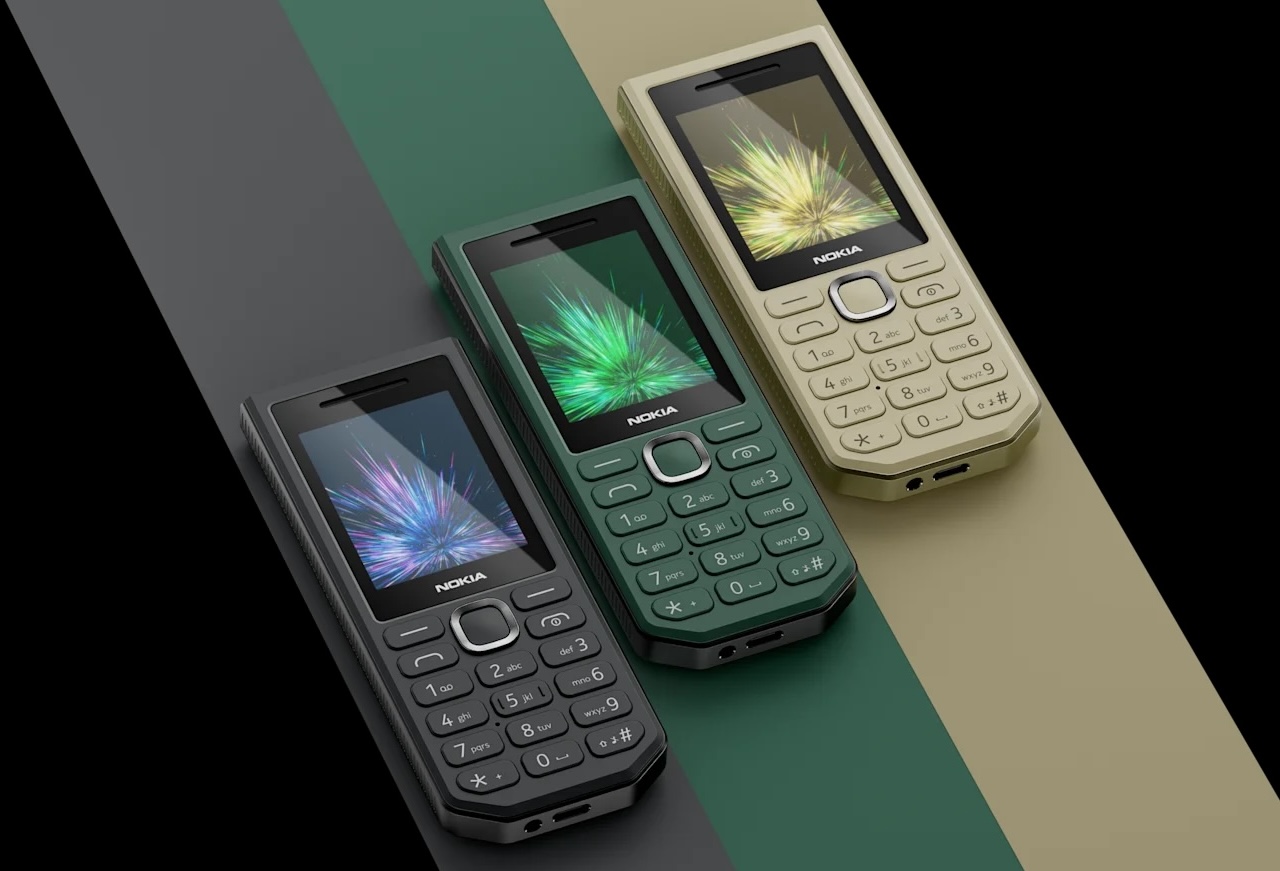
A dead smartphone is more than a minor inconvenience. It can mean no calls, no messages, no maps, no ticket confirmation, and no easy way to reach family during a long travel day or power outage. Carrying a power bank helps, but it is also another device to charge, pack, and remember.
Price: About $32
Where to Buy: HMD
The Nokia 300 Charge takes a different approach. It is a basic phone with an unusually large battery that can also share power with other compatible devices. That is a simple idea with real appeal for travelers, anyone who wants a backup phone, and people tired of watching a smartphone battery drain before the day is done.
The important distinction is that this is not a budget smartphone. It is a 2G feature phone built for calls, texts, long standby time, and emergency utility. Its usefulness depends much more on local network compatibility and realistic charging expectations than on nostalgia for physical keys.
A phone designed around battery life
HMD lists a removable 3,700mAh battery, which it calls its largest feature-phone battery to date. That is substantial capacity for a device with a small 2.4-inch QVGA display and the lightweight Series 30+ operating system.
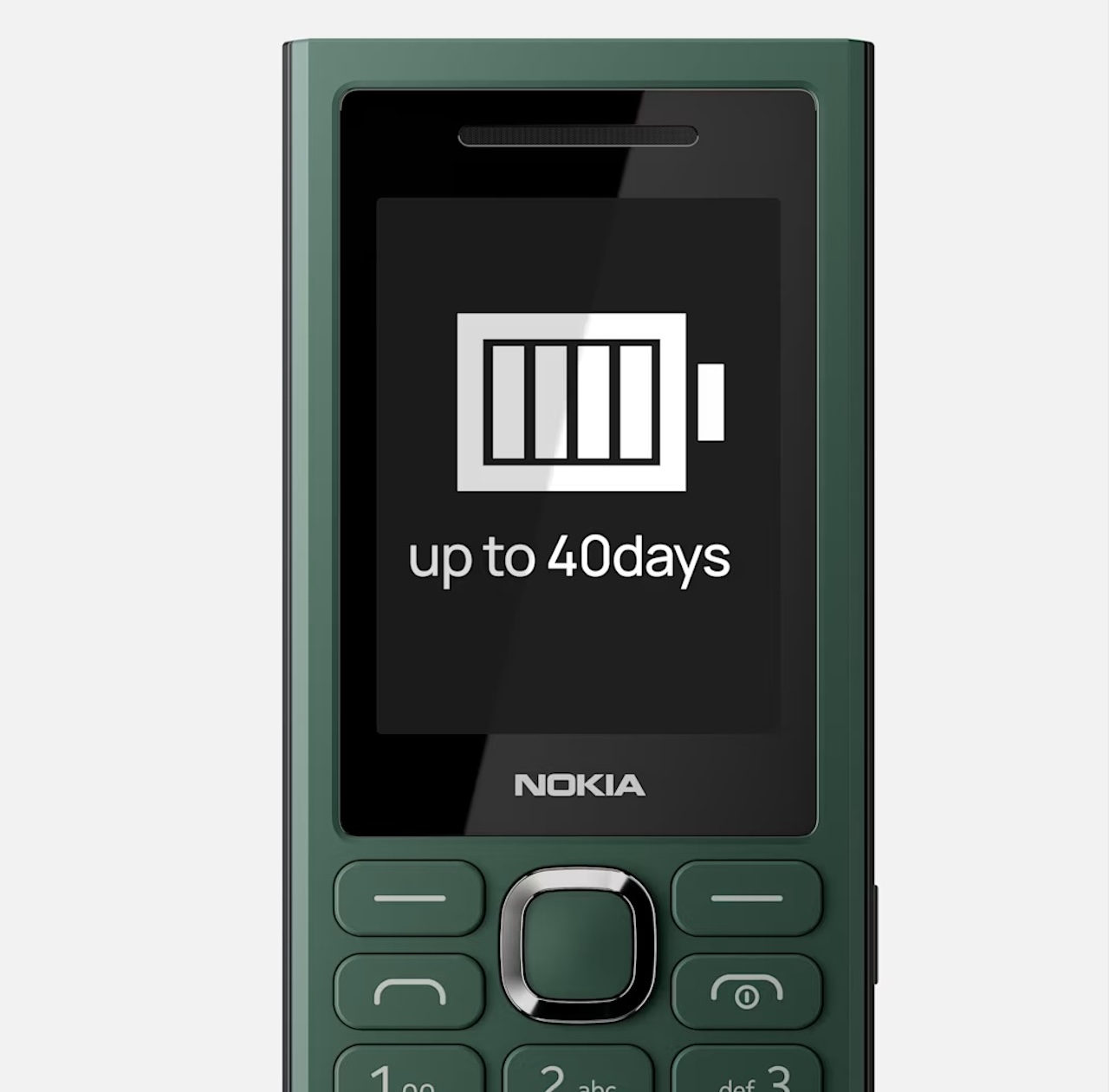
HMD claims up to 40 days of standby time and up to 37.9 hours of talk time. Those figures are useful, but they should be treated as maximums, not guarantees. HMD notes that actual endurance varies with network conditions and settings. Signal strength, call length, torch use, and power sharing will all reduce battery life.
 Still, the practical point holds. A basic phone that can sit charged for weeks changes how you use it. You can leave it in a car, emergency kit, travel bag, or relative’s drawer without worrying that it will be flat when it is needed.
The power-bank feature is useful, with limits
The headline feature is reverse charging. HMD lists 10W device charging and 10W reverse charging, allowing the Nokia 300 Charge to share battery power with compatible phones, audio accessories, and small USB devices.
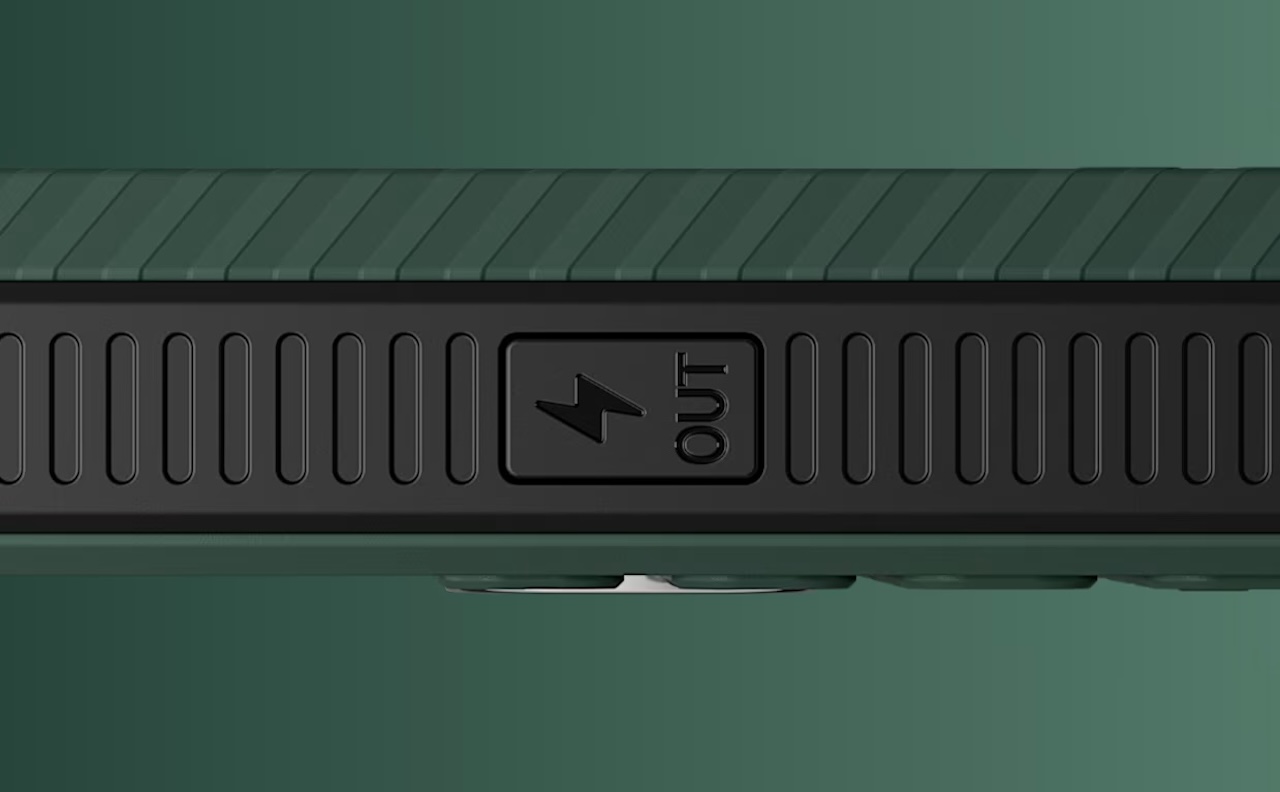 That can be genuinely helpful when a phone needs enough power for a call, QR code, ride booking, or two-factor authentication. It could also top up earbuds, a small light, or another low-power accessory. HMD’s current specs list a charger, quick start guide, and removable battery in the box, so buyers should not assume every retail package includes the cable or adapter setup needed for reverse charging.
What HMD does not claim is that this phone replaces a serious power bank. A 3,700mAh battery has far less usable reserve than common 10,000mAh or 20,000mAh packs, and some energy is lost while power is converted and transferred. Its 10W output is also modest by current smartphone standards. Think of it as an emergency top-up feature, not a way to fully refill a modern phone.
That limitation makes the design more sensible, not less. The Nokia 300 Charge is meant to help keep a line of communication open, not become a portable charging station.
Old-school essentials, not smartphone features
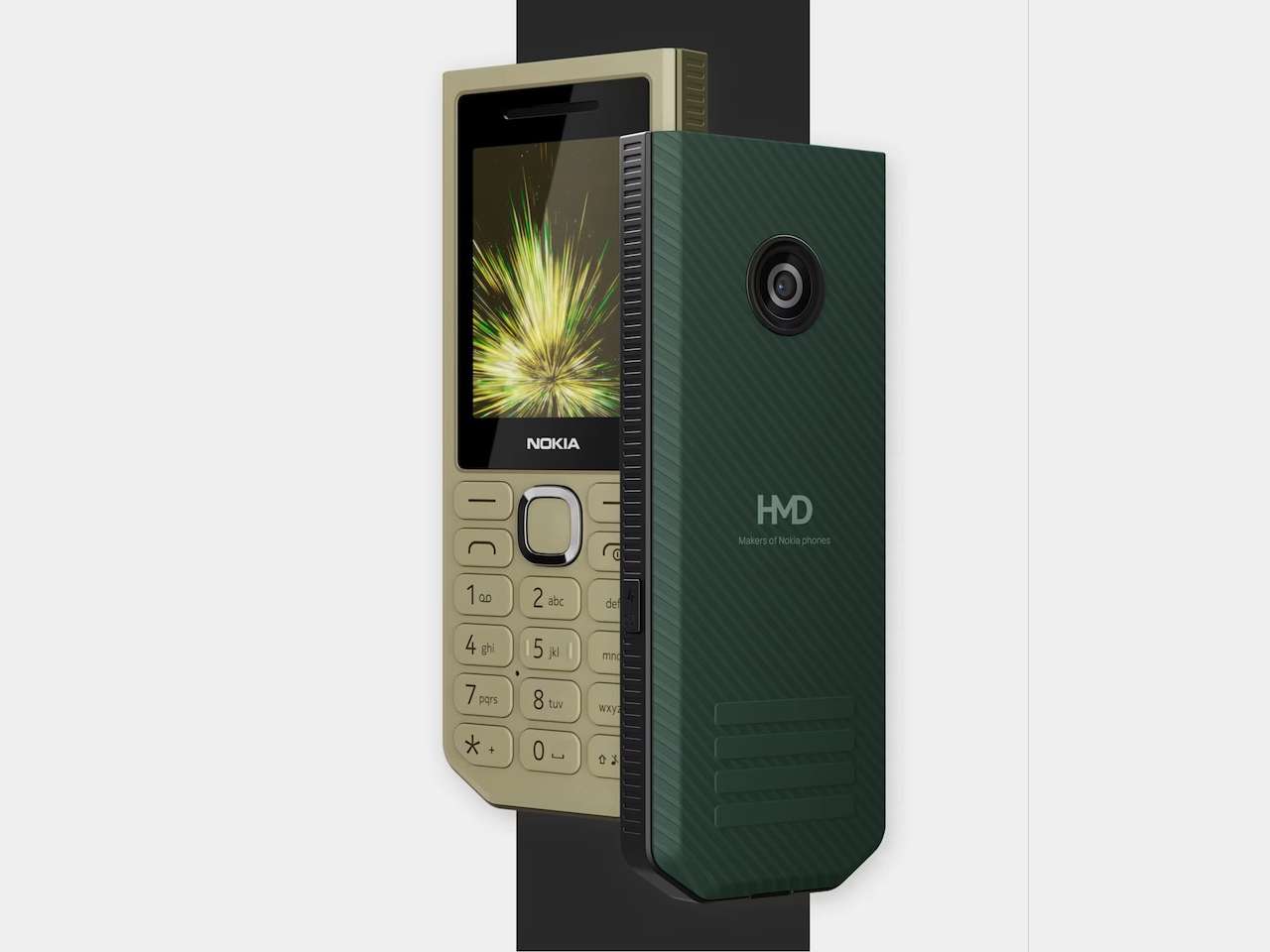
The phone has a 2.4-inch QVGA display, a physical keypad, 4MB of RAM, and 4MB of internal storage. It supports microSD cards up to 32GB and includes a 3.5mm headphone jack, USB-C, a QVGA rear camera, and an LED torch.
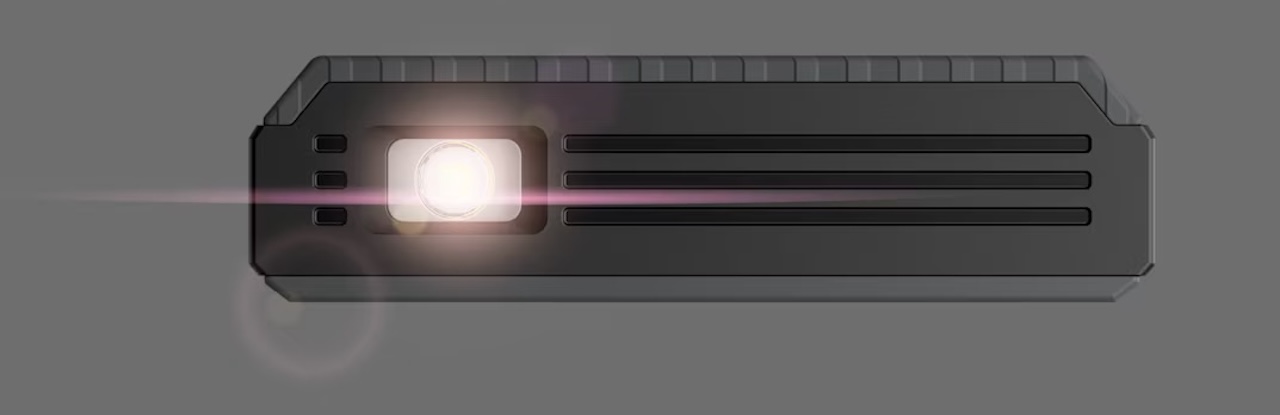
 The torch deserves more attention than the camera. HMD says it is up to four times brighter than the flashlight on the 2023 Nokia 105, based on the company’s own one-meter illuminance testing. That does not tell us how it compares with a dedicated flashlight, but it does indicate that the light is intended as a real utility feature rather than a forgotten extra.
The QVGA camera, meanwhile, is for basic record-keeping and quick snapshots. It is not a reason to choose this phone over a smartphone.
The network caveat matters most
Before buying, check your carrier. HMD’s global specifications list GSM 900/1800 bands and dual Mini SIM support. In plain language, this is a 2G phone, not a 4G or 5G handset.
That makes it unsuitable in places where 2G service has been shut down or is being retired. It may also be a poor fit for anyone who needs mobile data, modern messaging apps, navigation, mobile banking, or broad network compatibility while traveling. Do not assume a Nokia-branded feature phone will work everywhere simply because it uses a SIM card.
 This is the product’s biggest buyer filter, ahead of battery capacity, camera quality, or design.
Buyer fit
The Nokia 300 Charge makes sense for someone who has confirmed local 2G compatibility and wants a long-lasting backup phone with an emergency charging trick. It is especially appealing for low-distraction calling and texting, disaster kits, off-grid weekends, older users who prefer physical buttons, or a secondary travel device.
Skip it if your area no longer supports 2G, if you need WhatsApp and other smartphone apps, or if your real goal is to charge a power-hungry smartphone repeatedly. A modern smartphone plus a proper power bank is the better answer for that job.
Price: About $32
Where to Buy: HMD
The Nokia 300 Charge is not trying to outsmart your phone. It is trying to outlast it. For the right network and the right kind of user, that is a more practical idea than it first appears.
Sign up for our newsletter today.
No ads, no spam, just links to our latest articles!
Auto Amazon Links: No products found.