Can a travel story still feel honest when AI has become part of the writing process? For adventure bloggers, the answer is yes, but only when real trail experience stays at the center of the article. Readers can tell the difference between a story built from actual miles and one built from copied facts.
They want details that feel lived: the steep section that slows your pace, the sudden rain near the ridge, the relief after finding the right turn, and the small notes that save time for the next traveler.
AI can help organize notes, clean rough drafts, and sharpen structure. However, it cannot replace the sound of boots on loose gravel or the judgment that comes from standing at a trailhead with changing weather ahead.
Strong travel writing starts on the track, at the viewpoint, and in the mistakes that teach better advice. When personal experience and careful writing work together, a simple trail report becomes trusted travel advice.

Real trail notes are the backbone of trustworthy adventure content. They give readers details they cannot get from a basic map or short social caption.
These notes help people understand time, effort, safety, mood, and value before they commit to a route.
A writer who records honest field details has stronger material to work with later. Small observations can make an article feel reliable.

Field details
The best notes often come from ordinary moments. How long did the climb feel after the first kilometer? Was the trail marked clearly? Did the path become slippery after the rain? Was there shade, water, a toilet, or a safe place to wait for transport?
These details may seem simple, yet they solve real problems for readers.
Good adventure writing also includes limits. If a hike felt harder than expected, say why.
If the route was beautiful but crowded, explain the timing. If the view was worth the early start, add the reason. Honest detail builds calm confidence because readers know what to expect.
Captured photos can support the story, but written notes carry context. A photo may show a stunning ridge, while the text explains the loose rock, strong wind, and narrow section before it. That is where trust begins.
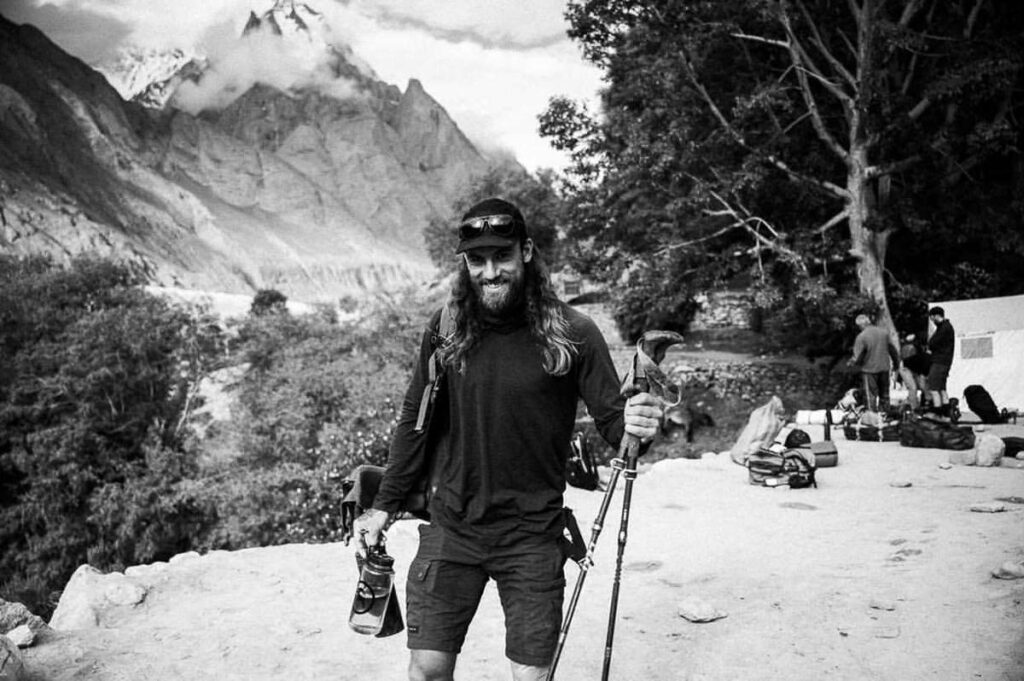
AI can support travel writers when used with care. It can help sort messy notes, suggest a cleaner outline, fix repeated phrases, or turn scattered trail memories into a more readable draft. Still, the writer must stay in control of facts, tone, and judgment.
The safest way to use AI is to treat it as an assistant, not the source. The real source should be your own trail record, photos, GPS notes, transport details, costs, weather, and direct observations.

Human control
Adventure readers rely on accuracy. A wrong turn, a false time estimate, or an unclear safety note can affect someone’s day. For that reason, every AI-assisted draft needs a careful human check.
Distances, access points, costs, route names, opening times, and difficulty levels should be reviewed before publishing.
Writers can also use tools during editing to protect originality and keep the final article close to their own voice.
For example, an AI text detector can be used as part of a wider review process when a writer wants to check how the text may be read and then add more personal detail, trail-specific notes, and natural phrasing.
The key is balance. AI may help with clarity, but the writer adds judgment. AI may improve flow, but the writer adds memory. AI may tidy the draft, but the writer adds the cold wind, tired legs, missed bus, hidden viewpoint, and honest lesson from the day.

Original travel writing does not mean every sentence must be dramatic. It means the article sounds like it came from a person who was there and cared enough to explain it well.
A strong voice is clear, specific, calm, and useful. Adventure bloggers often build trust by admitting what happened instead of forcing a perfect story. Maybe the sunrise was blocked by clouds.
Maybe the trail was harder than the photos made it look. Maybe the transport back was confusing. These facts make the article stronger.

Personal judgment
Readers appreciate clear judgment. They want to know if a hike is better for beginners, fit hikers, sunrise lovers, photographers, families, or solo travelers.
They also want to know when a route may not be the right choice.
To make the writing more helpful, add practical comparisons. Say that a route feels easy at first but becomes steeper near the end.
Explain that a waterfall trail may be short but slippery. Mention that a viewpoint is best early because the light is softer and the path is quieter. These details help readers make better choices.
Original voice also comes from restraint. Avoid stuffing an article with empty praise. If every place sounds amazing, no place feels believable. Use strong words only when the experience truly earns them.

Trust grows when a reader feels that the writer respects their time, safety, and money. Adventure content should answer the questions people ask before a trip and the questions they forget to ask until it is too late.
Useful proof
Proof does not need to be complicated. Add the date of the visit when useful, mention weather conditions, describe your pace, and explain transport steps with care. If conditions may change, say so. That small note is more responsible than pretending every reader will have the same day.
Photos and route screenshots can support trust, but they should not replace clear writing. In addition, avoid copying common travel blurbs because they often sound polished but give little real help.
A strong article feels like a friend walking a few steps ahead, pointing out what matters. It gives confidence without pushing the reader into a decision.

Travel writers can use AI without losing the heart of their work when real experience leads the process. The trail must come first, the notes must stay honest, and the final article must help readers plan with confidence.