Malacca (Melaka in Malay) is truly one of a kind and has a history unlike any other city in Malaysia. It is like an onion: each layer representing a different era and influence from across the globe. It was once an important trading hub that was conquered multiple times and every empire left its mark.
This history created a unique, multicultural mosaic where you’ll find the famous crimson Dutch Square, pieces of a Portuguese fortress, and ornate Chinese shophouses.
But it’s not just the history. Melaka has an incredibly chill vibe.
Situated beautifully along a winding river with a picturesque historic center, it’s a city designed to be explored on foot.
I still remember my first visit. It was already dark when we arrived, and the narrow streets leading to our accommodation were glowing under the light of small lanterns.
After dropping off our luggage, we went for a stroll along the river. The atmosphere was magnetic: people were enjoying dinner, locals were caught up in conversation, and kids were playing in between.
That was the moment I fell in love with the city.
That small-town feeling, combined with its charming location and historic bones, makes Melaka a dreamy destination – especially if you visit during the week to beat the crowds.
This guide dives beneath the surface of Melaka’s famous sights to explain what truly makes this city tick – packed with essential tips for independent travelers.
What makes Melaka unique
To understand the importance of Melaka, you have to look at the map first.
The Strait of Melaka (Malacca) is a narrow channel between Malaysia and Sumatra, serving as the shortest and safest sea route between China and India.
Even today, it remains the primary sea route connecting East Asia to the Indian Ocean and the West -handling more traffic than both the Suez and Panama Canals.
Melaka rose to prominence in the 15th century as a vital trading hub where Chinese, Indian, Arab, and European seafarers converged.
During this Golden Age, Melaka became the place where worlds met.


The foundation for this success was laid by a prince from Sumatra. His vision, backed by Chinese alliances and strengthened by his conversion to Islam, turned the city into the ultimate crossroads for Arab and Asian traders.
This era was followed by a succession of colonial rulers, each leaving their own pieces behind: the Portuguese (1511), the Dutch (1641), and finally the British (1824).
However, while the Europeans came and went, the Chinese settlers stayed and married local Malay women.
Their descendants – the Peranakans – created a unique cultural blend that is still visible today in the characteristic shophouses, Buddhist temples, and clan houses (Kongsi) of Melaka’s Chinatown.
This fusion of worlds is exactly why Melaka has an aesthetic unlike any other town in Malaysia.

Editor’s Note: If you only have a day to spare, this highly-rated tour from Kuala Lumpur gives you a great intro to Melaka. It covers major landmarks such as Dutch Square, St. Paul’s Hill, Jonker Street, and several places of worship that showcase the city’s unique blend of cultures.
How many days for Melaka
My recommendation: stay two nights.
The evenings are the most beautiful time to experience the city’s atmosphere, but for the main sightseeing highlights, one to two days are usually sufficient.
I generally recommend visiting Melaka during the week when the streets are much calmer.
However, if you want to experience the Jonker Street Night Market, you’ll need to include at least one weekend night in your itinerary. The market runs every Friday, Saturday, and Sunday evening.
Keep in mind that Melaka is a favorite weekend getaway for Malaysians and Singaporeans, so expect significant crowds and higher accommodation prices on those days.
If you are short on time, you can always take an organized day trip from Kuala Lumpur, though you’ll miss out on the magical evening vibe by the river.
Where to stay in Maleka
It’s best to find accommodation close to the historic center of Melaka so that everything is accessible on foot. Here are my top picks:
- Sleep Here (budget hostel): A clean, modern hostel just off the river and within a 10-minute walk of the Red Square. The heart of the hostel is the friendly owner, who is famous for giving the best local tips and making everyone feel at home.
- JonkeRED Heritage (budget hotel): Centrally located right at the Red Square – the ultimate tourist hub. It offers sleek, clean rooms at a great price, making it a perfect base for those who want to be in the middle of the action.
- Baba House (boutique hotel): Stay in a beautifully restored historical building right in the heart of Chinatown. It perfectly blends old-world Peranakan charm with modern amenities (they even provide earplugs for those thin heritage walls).
- Rimba Jonker Villa (Airbnb – Editor’s pick) – a beautifully restored century-old shophouse with a private pool right in the heart of Chinatown.
- LEJU 79 樂居 (Heritage house) – a more affordable holiday home, right in the old town’s center. It works especially well for longer visits, with practical perks like a washing machine, iron, etc.


What to do in Malacca
1. Visit the Dutch Square (Red Square)
One of Melaka’s most iconic landmarks is the Dutch Square, also known as the Red Square.
Interestingly, these buildings were originally painted white by the Dutch. It wasn’t until the early 20th century, under British rule, that they were painted red.
The reason remains a mystery as it wasn’t officially documented, but the popular theory is practical: the white facades stained easily in the tropical climate and looked shabby quickly.

Whatever the reason, the uniform terracotta-red appearance makes the square incredibly striking and unique.
The centerpieces here are the Anglican Christ Church (1753) and the Stadthuys (1650), which served as the town hall and is the oldest Dutch building in Southeast Asia.
Nearby you’ll notice the red Tan Beng Swee Clock Tower which isn’t Dutch. It was actually donated by a wealthy Chinese family, with a clock mechanism imported from England.

The square is always buzzing with colorful, neon-lit trishaws (cycle rickshaws) blasting loud pop music – it’s a bit of a tourist gimmick, but it adds to the lively, eclectic energy of the area.
The same goes for the miniature Dutch windmill and life-sized cow sculptures. They are popular selfie-spots, but they have no historical value. Even so, it’s hard to resist taking a quick picture before moving on.
If you want to learn more about the history of the square and Melaka in general, we suggest popping into the History and Ethnography Museum in the Stadthuys building or joining Imrahn’s free walking tour. He’s a local who grew up here and covers all the major sites with stories you won’t find in any guidebook.
2. Explore St. Paul’s Hill
Rising directly behind the Dutch Square is St. Paul’s Hill, which offers a panoramic view of the city and glimpses of the sea.
To reach the top, take the stairs up from Jalan Mahkamah, right behind the Red Square. On the summit, you’ll find the ruins of St. Paul’s Church.
This is a true historical mash-up: originally built by a Portuguese nobleman in 1521 as a chapel, it was later expanded by the Dutch into a church, and used under the British to store gunpowder.

Look for the gravestones inside the ruins with Dutch and Portuguese names – dating back hundreds of years – as well as the open tomb of the famous Spanish missionary St. Francis Xavier. While his body now rests in India, you can still see a large white statue of him standing guard outside.

Head down the east side of the hill through the Porta de Santiago, the last remaining gate of the Portuguese fortress, A Famosa.
To complete the historical circle, look to your left at the base of the hill for the Melaka Sultanate Palace (Istana Kesultanan).
Although it is a modern replica of the 15th-century palace, it’s a masterpiece – the entire wooden structure was constructed without a single nail. Each piece of timber fits together like a giant, handcrafted jigsaw puzzle.
As an architect, wandering through the palace left me in awe of the pure craftsmanship and the ingenuity of the interlocking joinery. Walking barefoot across the cool hardwood floors and exploring the former throne hall created an instant connection to the past.
While some of the exhibits lack English descriptions, I highly recommend a visit just to experience the scale and atmosphere of this wooden wonder. It is the best place in the city to truly feel the grandeur of Melaka’s royal beginnings.
3. Learn about the Maritime History
After visiting the Sultanate Palace, head over to the Maritime Museum (Muzium Samudera). This museum chronicles Melaka’s nautical past, covering the period from the Sultanate through the Portuguese, Dutch, and British eras.
The undisputed highlight is the Flor de la Mar (Flower of the Sea), a 34-meter-long replica of a Portuguese merchant ship that sank off the coast. It looks like it’s straight out of a Pirates of the Caribbean movie!
You can actually board the wooden ship to explore the exhibits of miniature vessels, weaponry, and historical maps. Much like the Palace, the exhibition lacks significant depth, but it provides a great visual representation of the past.
Your ticket also includes access to a separate exhibit on seafaring history and the history of the Royal Malaysian Navy (though you can skip the latter).
I visited this museum many years ago, and honestly, nothing seems to have changed except the entrance fee. However, if you are a visual person, traveling with kids, or a true history buff, it is still worth a visit.
If you decide to skip the museum, you should at least stop by to snap a photo of the impressive Portuguese ship from the outside.
4. Stroll down Heeren Street
Next, we’re crossing the river into the historic Chinatown. Three streets in particular define this area: Heeren Street, Jonker Street, and Harmony Street.
While officially renamed Jalan Tun Tan Cheng Lock, most locals and tourists still refer to it by its old Dutch name, Heeren Street.
Back in the day, this was where the rich and famous – both Dutch and Chinese families – lived. To this day, it remains one of the most flamboyant and photogenic streets in Melaka.
Most of the shophouses have been converted into boutique hotels, chic cafés, and museums, but a few families still reside here, so be respectful when snapping photos.
Our first stop is the Baba & Nyonya Heritage Museum. This isn’t just a museum; it’s a time capsule. It preserves the home and lifestyle of a wealthy entrepreneurial clan from the 19th century.


These were the ultimate hustlers of their era, dabbling in multiple businesses and becoming incredibly wealthy in the process. Their fortune is reflected in the imported Dutch tiles, Venetian glass chandeliers, and intricate Chinese wood carvings.
It’s no wonder Heeren Street earned the nickname: Millionaires Row.
A little further down, you’ll find the Chee Ancestral Mansion. While most buildings on this street are famously narrow, this mansion looks like a palace.
During the Dutch era, property taxes were based on the width of the building, which is why most shophouses are long and skinny.
However, the Chee Mansion was built much later across multiple plots – a deliberate flex to show off their massive fortune. It perfectly captures the motto of this street: it was the place to see and be seen.
Finally, stop by the Eng Choon Association. Built in the 18th century, this clan house features a stunning public ancestral altar. If the doors are open, step inside to admire the splendid carvings and traditional temple architecture.
5. Go next to Jonker Street
Running parallel to Heeren Street is Jonker Street (Jalan Hang Jebat), the tourist epicenter of Melaka.
This street is always bustling, but it truly comes alive on weekend evenings when the road is closed to traffic for the famous Jonker Street Night Market. It is, quite simply, the place to be.
Even though I mentioned earlier that avoiding the weekend is better, it’s worth it for this market. It’s a street-food heaven where you can sample dozens of local snacks and dishes while doing some souvenir shopping.

When I visited, I was literally rubbing shoulders with the crowd – that’s how packed it was. However, I didn’t mind at all because the energy was so infectious.
Despite the numbers, the vibe remained super relaxed: people were browsing stalls, and eating on little plastic chairs along the sidelines.
To be honest, I enjoyed Jonker Street the most during the night market but wasn’t as much of a fan during the day.

In the daylight, it can feel a bit too touristy, with more souvenir shops and generic cafés than actual historic sights. Depending on your interests, you might not need much time here during the day.
6. Harmony Street: a multicultural hub
If you’re looking for something with more depth and a calmer pace than Jonker Street, the next road over is for you.
Harmony Street (Jalan Tukang Emas) perfectly represents the multicultural soul of Malaysia.
Here, within just a few meters of one another, stand a Chinese temple, a mosque, and a Hindu temple – a living testament to different cultures living in harmony.
Let’s start with the Cheng Hoon Teng Temple. Founded in 1645, it is the oldest operating Chinese temple in Malaysia, and a vital pilgrimage site.
The fierce-looking temple guards painted on the doors, and the intricate wood carvings reminded me of the ancient temples in George Town, Penang.
When I visited, the air was heavy with the scent of joss sticks and visitors making offerings, which created a calm spiritual atmosphere.


Just a few steps away sits the Kampung Kling Mosque (Masjid Kampung Kling). At first glance, you might not even recognize it as a mosque because it doesn’t fit the traditional Middle Eastern dome style.
Instead, it is a conglomerate of influences: a roof inspired by Sumatra, a minaret that looks like a Chinese pagoda, a Hindu-style fountain, and Corinthian columns. If you look closely, you’ll even find Portuguese tiles and an opulent chandelier inside.

Finally, Harmony Street is completed by the Sri Poyyatha Vinayagar Moorthi Temple. Compared to many Hindu temples in Malaysia that are bursting with colorful figurines, this one appears quite modest.
At first, I thought it was a bit plain, but then I learned its story: it represents the Chitty community, descendants of a small group of Tamil immigrants who married local Malay women.
Knowing that this temple belongs to such a specific, unique cultural group made me appreciate its subtle details so much more.
It’s just one more layer of the multicultural Malaysia I’ve come to love.
7. Riverside Walk at sunset
After a long day of sightseeing, there is nothing better than a stroll along the Melaka River, especially around sunset.
A pedestrian path runs from the mouth of the river all the way north, far past the bus terminal. The most picturesque stretch lies between Chinatown and Kampung Morten.
Near Chinatown, the walk is lined with vibrant street art murals and a variety of bars and restaurants – the perfect spot for a sunset drink or dinner.

Keep an eye out for the white St. Francis Xavier Catholic Church. Built by a French missionary in the 19th century, it was named after the famous Spanish missionary we met earlier on the hill.
Tucked just a row back from the river is Kampung Hulu Mosque, the oldest functioning mosque in Malaysia, opened in 1728.
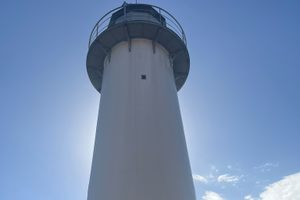
It shares that unusual architectural style we saw on Harmony Street – resembling a pagoda with a minaret that looks more like a lighthouse than a traditional tower.
While the architecture is beautiful, the riverside walks were the absolute highlight of my stay for a different reason: it’s like an urban zoo.

I saw countless birds, including kingfishers and cormorants diving for fish, and dozens of monitor lizards chilling in the shade or gliding through the water.
One lizard was easily two meters long, but even that was topped by a three-meter-long python I saw five grown men struggling to relocate to a safer spot.
And finally, my favorites: the otters.
I could hear their high-pitched squeals from afar and would rush to the water’s edge to find them playing, hunting fish, or sunbathing on the banks.
I saw them on my first day and was instantly hooked. I found that early morning and just before sunset were the best times to spot them.
These animal encounters made my time in Melaka truly special, so keep your eyes open!
8. Don’t miss Kampung Morten
I mentioned Kampung Morten earlier, and it truly is a must-see.
This traditional village on the banks of the Melaka River is home to over 100 heritage houses, offering a unique charm and a significantly slower pace of life.
The village was originally established as a refuge for Malay families who relocated from Kampung Java.
To this day, local laws dictate that plots within Kampung Morten can only be transferred or sold to members of the community, which has helped preserve its authentic character.
The houses are built on stilts – a clever design that allows for air circulation in the tropical heat and keeps the homes safe during floods.
Much like the Sultanate Palace, these traditional homes were originally built entirely of wood without the use of nails. This allowed them to be dismantled and moved to a new location if necessary.
Walking through the village, you can feel that the community is still thriving. You’ll see neighbors chatting on verandas and kids using the narrow streets as their playground.
It’s a little idyll, perfected by the manicured gardens and palm trees surrounding the wooden houses.
You can even step inside one of the homes: Villa Sentosa has been transformed into a living museum where you can get a glimpse into a different, more domestic side of Melaka.
Tip: For a more local experience, head to the Kampung Morten riverfront after sunset. While Chinatown is packed with tourists, the small restaurants and food stalls here are mostly filled with locals enjoying drinks and snacks by the water.
9. Visit the Floating Mosque
To wrap up your Melaka trip, head out of the city center for a quick side trip to the coast. Here, perched on stilts over the water, stands the famous floating mosque.
The Melaka Strait Mosque (Masjid Selat Melaka) features a beautiful symmetrical design, with ornate, colorful stained-glass elements that give it a fresh and modern feel.

While it might not be the largest or most ancient mosque in Malaysia, its connection to the sea makes it well worth a visit.
Since it’s located on the fringe of town, it’s best to take a Grab to get there, as there isn’t much to see along the walk. Also, be sure to check the opening times, as the mosque can only be visited by non-Muslims outside of prayer times.
Not far from the mosque is the Portuguese Settlement, but honestly, I can’t quite recommend it.
While it’s a calm village with some waterfront seafood restaurants that open at night, there isn’t much for a traveler to do. Only the miniature Cristo Redentor (Christ the Redeemer) statue is a nice touch.
Where to eat in Melaka
If you’re visiting over the weekend, your first stop should be the Jonker Street Night Market (Friday – Sunday). It’s the ultimate place to enjoy street food, though you should definitely prepare for the crowds.
For a more relaxed evening, the riverside restaurants are fantastic. I personally loved the small spots near Kampung Morten, where I had what might have been the best fried rice of my life (to be fair, I was starving).
Another popular local hub is the Makhan Avenue food court. It’s famous for its long lines for Cendol—a classic Malaysian dessert made of shaved ice, coconut milk, palm sugar, and green jelly noodles.

If you’re craving Indian food, head over to Little India. I ate at Saravana, a traditional banana leaf restaurant, which was a great experience.
Instead of a plate, your meal is served on a fresh banana leaf with rice, dhal, and various curries, which you then eat with your right hand (the traditional way).
Another spot I heard great things about is Pak Putra, which is legendary for its Tandoori Chicken and Triple Cheese Naan.
Finally, Melaka is known for its Nyonya cuisine. This is the traditional food of the Peranakan community (descendants of Chinese immigrants who married local Malays), resulting in a unique fusion of flavors.
You’ll find several specialty restaurants in the city center where you can try signature dishes like Laksa Nyonya or Ayam Pongteh.

How to get to Melaka
The best way to reach Melaka is by bus, as the city is not part of the main rail network.
From Kuala Lumpur
Most travelers head to Terminal Bersepadu Selatan (TBS), KL’s massive bus hub. You can reach TBS from the city center by taking the LRT Sri Petaling Line directly to the Bandar Tasik Selatan station.
The bus journey to Melaka takes roughly two hours, depending on traffic. You can book tickets in advance on sites like 12Go or redBus.my, but it’s also easy to just show up and use the automated ticket kiosks at the terminal.
From KLIA (Airport)
If you are flying into Kuala Lumpur International Airport, you can skip the city entirely and take a direct bus from the airport to Melaka. While these tickets are slightly more expensive, they save you time by avoiding a detour into central KL.
From Singapore
Direct bus connections from Singapore to Melaka are frequent and efficient.
You’ll stop at the border to go through immigration. The bus driver will guide you on where to get off and wait for you on the other side.
Remember to fill out online the Malaysia Digital Arrival Card (MDAC) beforehand.
The entire journey usually takes about 4 hours, though this can vary depending on the border queues.
How to get around Melaka
The main bus terminal, Melaka Sentral, is located a few kilometers north of the historic center.
- Grab: The easiest and most popular option. A ride to the city center is affordable and takes about 10-15 minutes.
- Public Bus: You can take the BAS.MY Melaka (Route M17) bus. It costs a fraction of a taxi, but be warned, it takes a long time to reach the center.
- Walking: If you’re traveling light and it’s not too hot, the 3-4 km walk into town along the riverside path is actually quite pleasant.
Once you are in the historic city center, Melaka is completely walkable. The only time you’ll truly need a Grab is for the trip out to the Floating Mosque.