Monocle has always been loud about its love for Tokyo. However, though it has been a regular fixture of our annual Quality of Life Survey, which assesses cities based on their liveability, it hadn’t topped our charts since 2017 – until now. We checked in with our Tokyo bureau chief, Fiona Wilson, for an on-the-ground view of life in the Japanese capital and the quality of life that it offers.
Check out the full list of charting cities here.
Outdoor dining and lively conversations at Shibuya Yokocho
1 / 6


Let’s start with the important things. Can you get a decent meal after 22.00 in Tokyo?
Easily. Lots of options are open 24 hours. Izakayas, ramen joints and yakitori counters stay open well into the early-morning hours, especially in Shibuya, Shinjuku, Shinbashi, Ikebukuro and other hubs.
And when you emerge from a restaurant, are the streets safe, busy and lively, even late at night?
Yes. Tokyo consistently ranks as one of the world’s safest capitals. Bars stay open until about 02.00 but some keep going after that and it’s very common to see people walking alone in the early hours.
What about your journey home? Is public transport clean, affordable and efficient?
Tokyo’s 23 special districts are served by one of the world’s most extensive and punctual public transportation networks. About 84 per cent of the area inside Loop Road No 7 (encompassing central Tokyo) is within a 10-minute walk of a train station, while an efficient bus system connects the rest of the city. Trains, buses and stations are meticulously cleaned daily. Graffiti and litter are virtually non-existent. Fares are distance-based and start at ¥170 (€0.90).
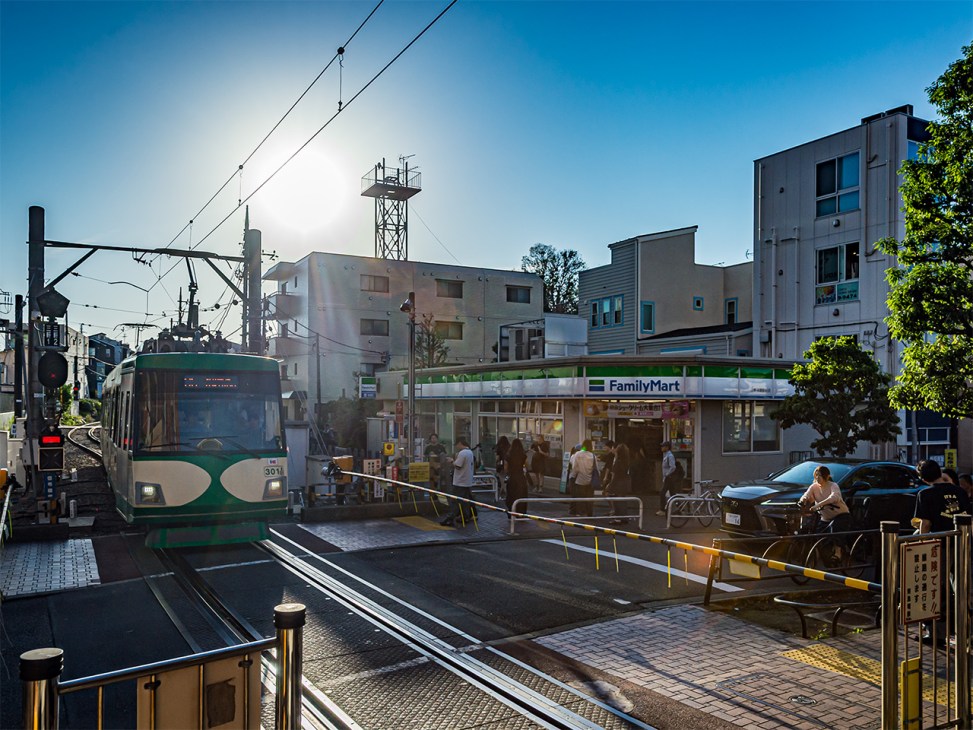
What about cyclists? What is Tokyo’s bike culture like?
It’s good and improving too. Many locals rely on everyday city bikes to get to grocery shops, train stations or schools. Mamachari (“mum’s bike”) are ubiquitous on Tokyo’s streets, often fitted with front and rear child seats for the school run. Though dedicated cycling infrastructure is limited, neighbourhoods are generally calm and shared harmoniously between pedestrians, cyclists and motorists. Tokyo has a public bike-sharing network, Docomo Bike Share, which is available in 16 out of 23 wards (all e-bikes).
After a late night of revelling, we all need a more easygoing day. Are shops open on Sundays?
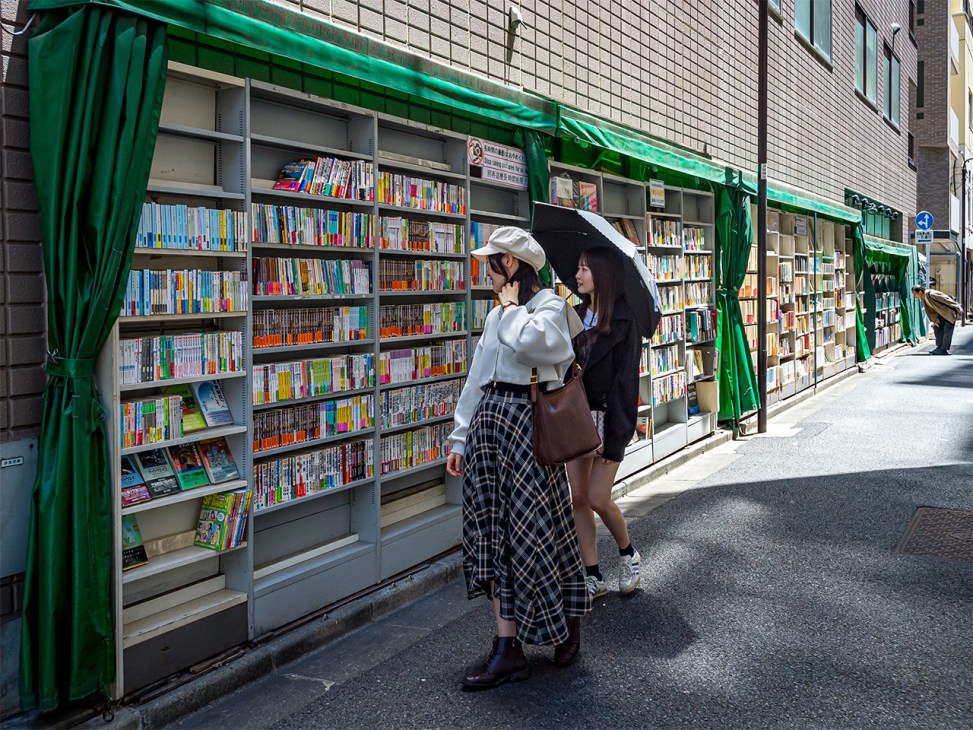
Yes, Tokyo’s commercial districts are bustling. If smaller neighbourhood spots do close, they generally observe rest days from Mondays to Wednesdays. In the city’s many shopping districts, bookshops, supermarkets, designer boutiques and department stores coexist on the same block. But some neighbourhoods specialise – Kappabashi is known for its kitchen equipment, for example.
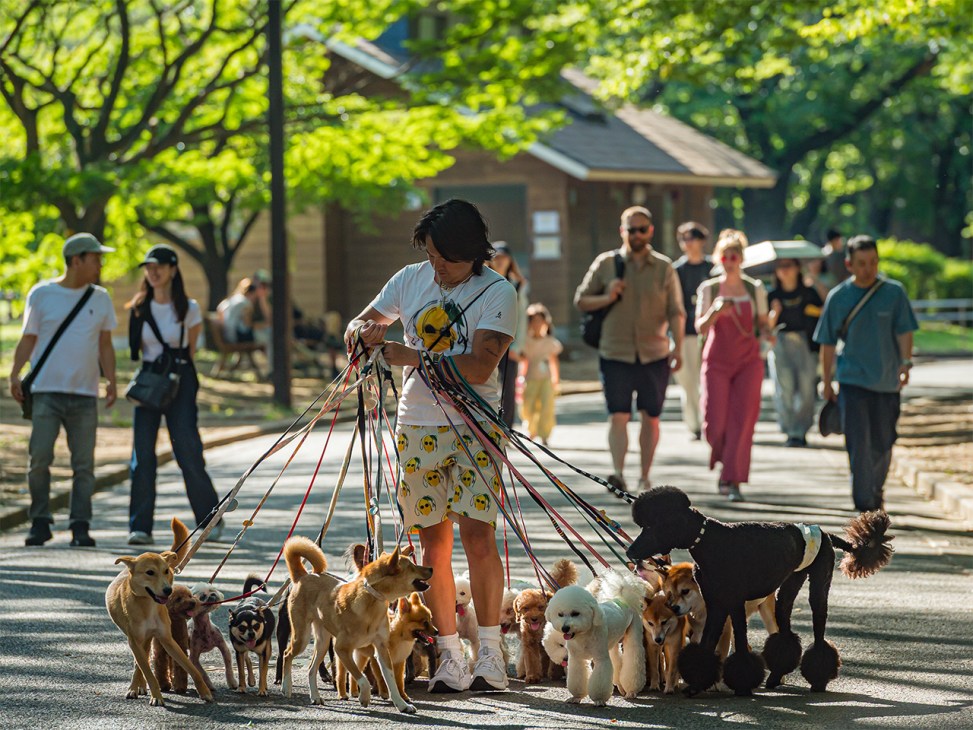
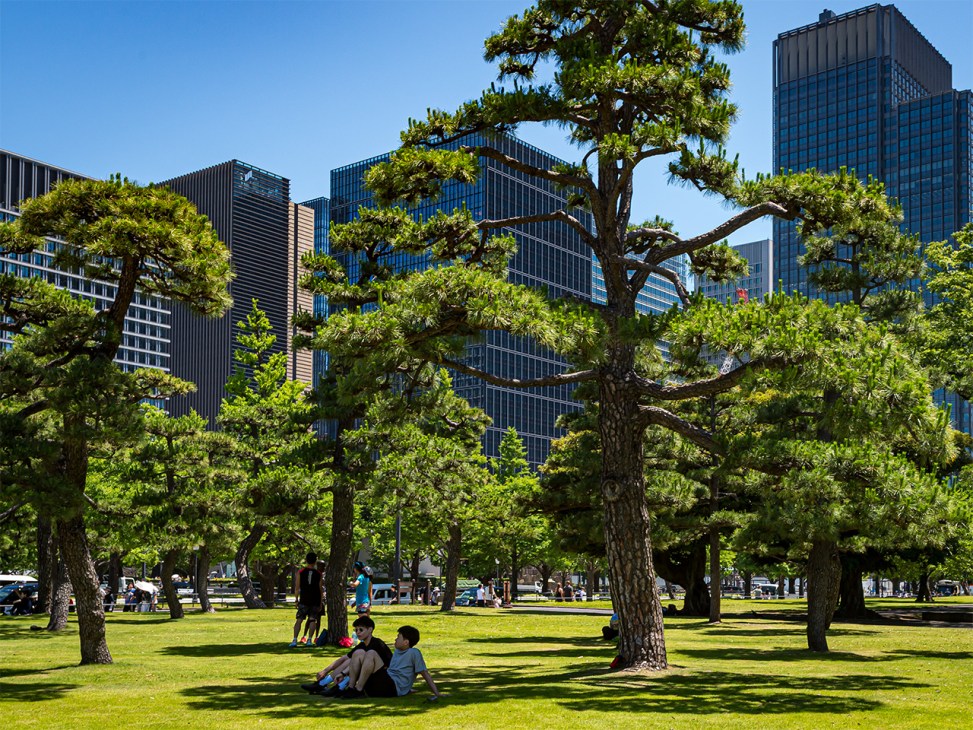
How about the park culture?
Tokyo has plenty of lush, manicured gardens. Seasonal events such as hanami and autumn foliage attract a lot of people to its parks. The major ones feel like attractions in their own right, whether it’s Ueno Park with its world-class museums, Yoyogi Park bordering Meiji Shrine or Shinjuku Gyoen, which has an admission fee of ¥500 (€2.70).
Is there a good city newspaper?
Tokyo doesn’t have an equivalent of London’s The Standard or Le Parisien because the press is consolidated nationally rather than locally. The Tokyo Shimbun is the most prominent city newspaper, though it’s not central to the public discourse. The dominance of Japan’s “Big Five” national newspapers – including the Yomiuri Shimbun and The Asahi Shimbun, each with circulations that dwarf Western counterparts – often overshadows the value of having a more local paper. For the English-reading population, bimonthly Tokyo Weekender is good. It has 20,000 print readers, plus 300,000 monthly digital readers. Each of the 23 wards publishes its own free kuho bulletin, covering neighbourhood notices.
Is the housing attractive, abundant and well made?
Housing in Tokyo is highly attractive for its safety and convenience, though units tend to be more compact than in Western cities. There are plentiful options throughout the city. The market favours newer builds, with older homes frequently demolished. Everything is made to the world’s strictest earthquake engineering standards.
How welcoming is Tokyo to newcomers?
Tokyoites are very polite and famously helpful on a one-to-one level. This personal warmth is mirrored by the city’s hyper-supportive infrastructure and public safety. But everyday admin (such as banking or renting an apartment) requires navigating a lot of bureaucracy and a language barrier, which can be daunting. While not speaking Japanese can make true social integration challenging for expats, society here is deeply rooted in mutual respect. Moving past surface-level conversations is entirely possible, though it requires dedication to learning the language and an awareness of social cues and cultural norms.
Is the public school system a success?
Japan has maintained a high level of equity across its public education system. Funding, the curriculum and teacher rotations are strictly centralised, keeping quality consistent regardless of how wealthy a neighbourhood is. Beyond academics, schools excel at fostering a sense of community responsibility. The enrolment rate for upper secondary school (beyond mandatory education) stands at an impressive 98 per cent.
And what’s the tax system like?
Its top marginal tax rate of 55.95 per cent impedes Tokyo’s ability to compete with low-tax Asian rivals such as Singapore or Hong Kong but its exceptional public infrastructure and subsidised health care provide a much higher quality-of-life ROI than high-tax Western cities such as New York or London.
Does the city have ambition? How does it talk about itself?
Tokyo’s ambition is calculated, infrastructural and long term. The city imagines its future in terms of resilience and order. The Tokyo Metropolitan Government’s Tokyo 2050 strategy lays out a 30-point technocratic vision of telework adoption targets, congestion reduction and even commercial flying cars. The Japanese capital’s confidence stems from the fact that it’s already a global leader in safety, efficiency and infrastructure.
See our full 2026 Quality of Life Survey ranking here.