Would you be surprised if I told you if I told you many of the things you carry today, were once invented or intended for outside our atmosphere?
The memory foam that cushions your shoulders. The reflective lining in your emergency blanket. The insulation in your puffy jacket. The lens coating on your sunglasses. The pen clipped to your notebook. The camera in your phone.
There’s a reasonable chance that every single one of those things traces a line back to a problem someone was trying to solve in space.
Not in a vague, inspirational sense. In a specific, documented, patent-licensed, government-contracted sense. The space program has a technology transfer office. It publishes an annual report called Spinoff. It has been cataloguing the journey of space-born technologies into everyday life since 1976. The trail is there, if you know where to look.
But the trail is also messier, more human, and more interesting than the clean origin stories usually told about it. Some of these technologies were invented by NASA. Some were invented for NASA, by private individuals who then knocked on the agency’s door. Some were invented by NASA-funded contractors who spun off into commercial companies. And some were invented by people who had nothing to do with space at all, but whose work was quietly accelerated, validated, or transformed by the demands of getting humans off this planet and keeping them alive up there.
This is a story about very specific kinds of problems — extreme ones — and what happens when the solutions to those problems escape their original context and find new ones.
Here are five of them.
The Gold Foil That Became Your Emergency Blanket
In the mid-1960s, NASA’s Marshall Space Flight Center in Huntsville, Alabama, had a temperature problem. In low Earth orbit, a spacecraft in direct sunlight can reach temperatures above 120°C. In shadow, it can plunge to -160°C. Sometimes within the same orbit. The spacecraft needed to survive both extremes, and it needed to do so without adding meaningful weight.
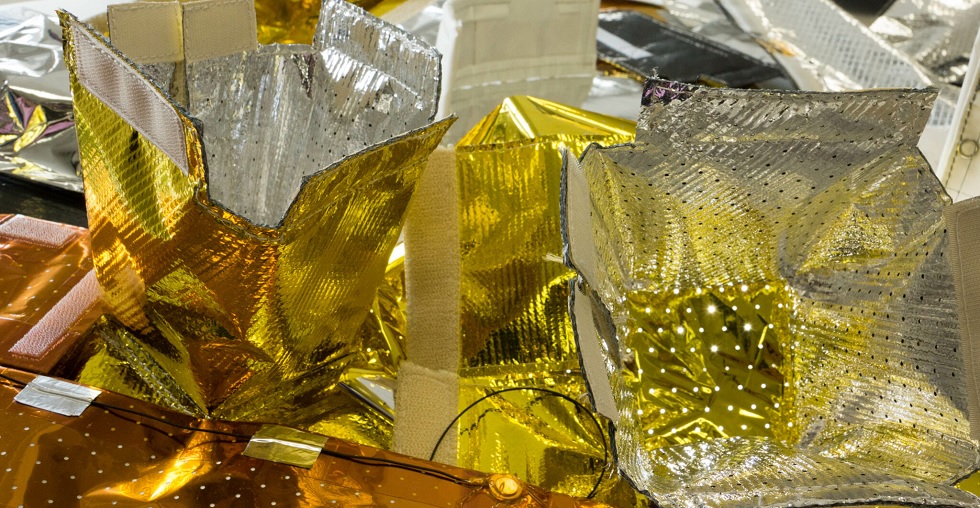
The solution was a material called multi-layer insulation, or MLI — a composite of extremely thin plastic films, each coated with a vacuum-deposited metallic layer, crinkled and layered so that the gaps between them prevented heat conduction while the reflective surfaces bounced radiated heat away. The material was, by weight, almost nothing. By performance, it was extraordinary. It reflected up to 97% of radiated heat. You’ve seen it on every spacecraft photograph ever taken — that iconic gold and silver foil wrapping the Apollo Lunar Module, the Hubble Space Telescope, the James Webb. That’s MLI.
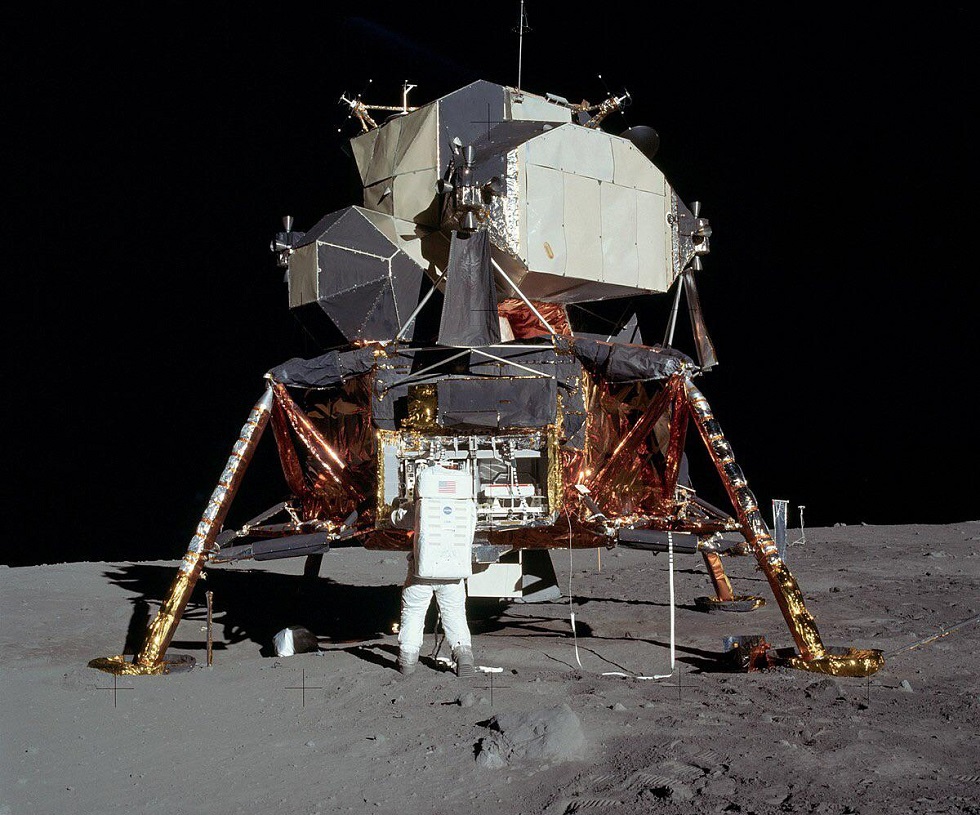
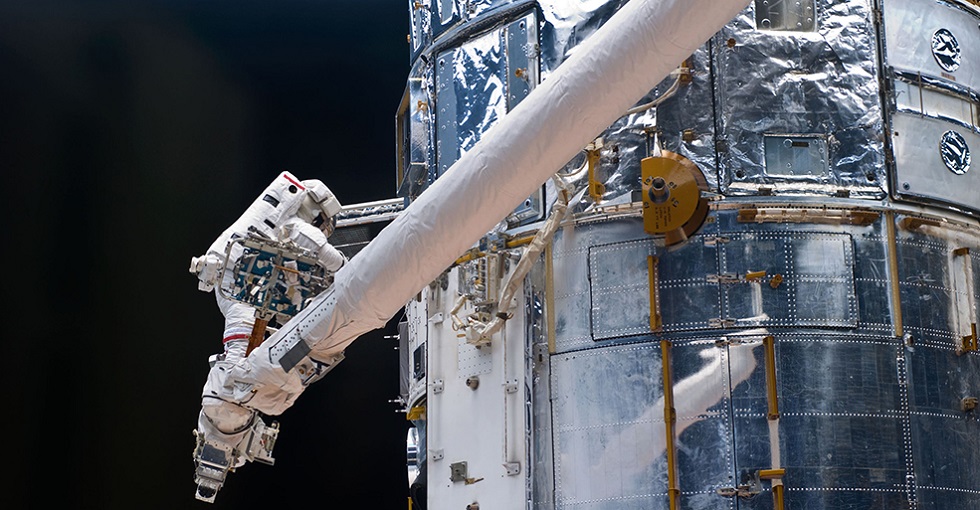
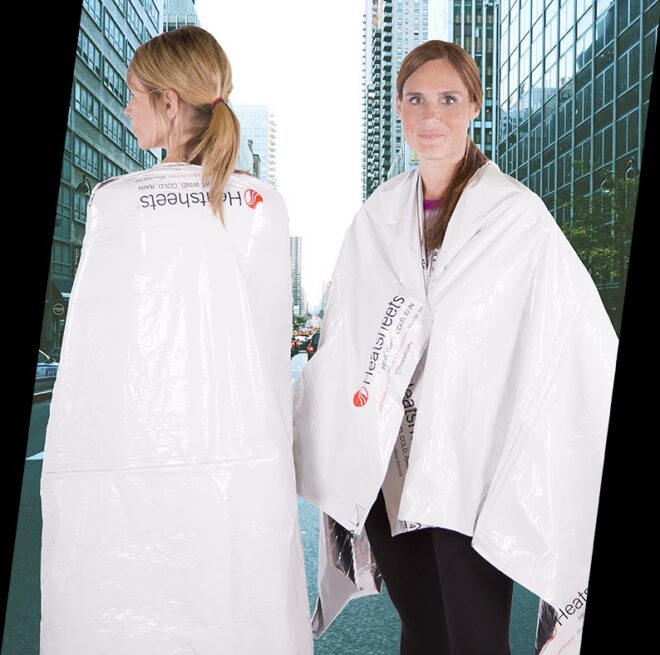
The technology migrated to Earth in stages. When a longtime NASA supplier of the insulation shut down in the early 1980s, one of its former employees founded a company called Advanced Flexible Materials Inc. and created a brand called Heatsheets — the crinkly, silver emergency blankets now handed out at every marathon finish line, stuffed into every trail runner’s vest, packed into every survival kit. The material is identical in principle to what wrapped the Apollo spacecraft. The application is radically different. The physics are the same.
A note on the record states that NASA’s Marshall Space Flight Center developed the material “in 1964.” The NASA Spinoff database confirms Marshall’s role in commissioning the original superinsulation for spacesuits, spacecraft, and cryogenic tanks during the Moon program era. The precise year of 1964 is consistent with the timeline of the Apollo program’s thermal protection development, though NASA’s own published materials describe the development as spanning the mid-1960s rather than pinpointing a single year. What is documented: the multi-layer reflective insulation is one of NASA’s most ubiquitous spinoffs, appearing in nearly half of all Spinoff annual reports since 1976.
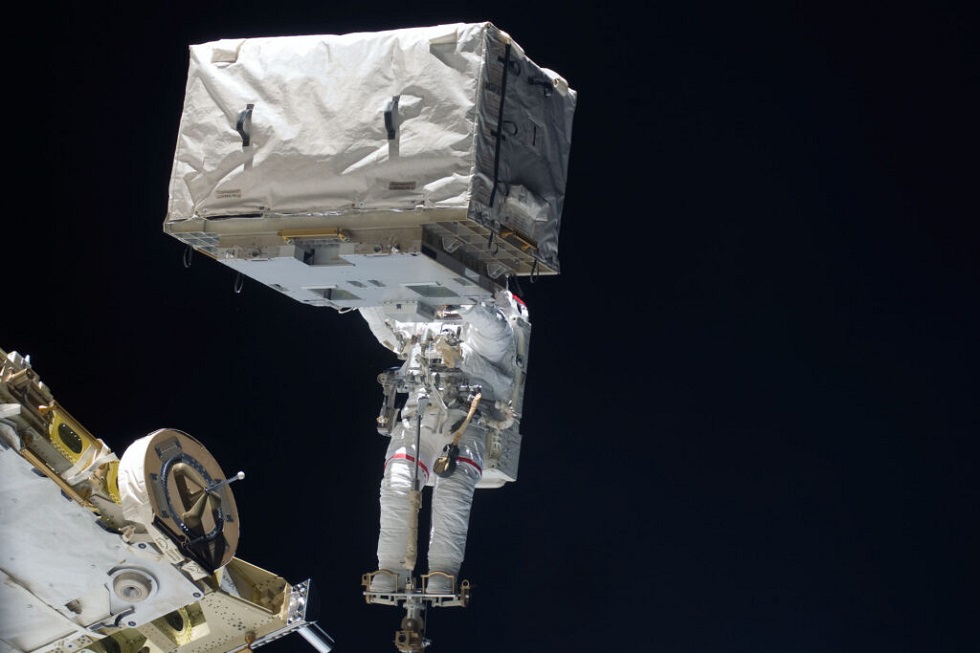
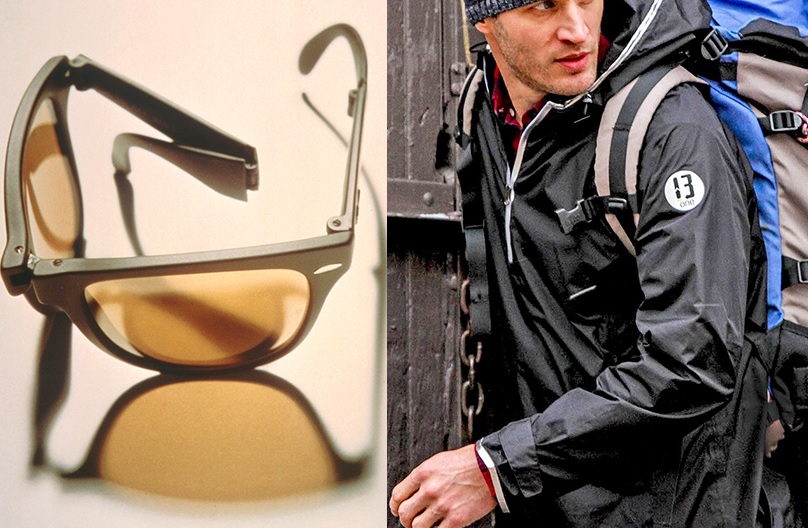
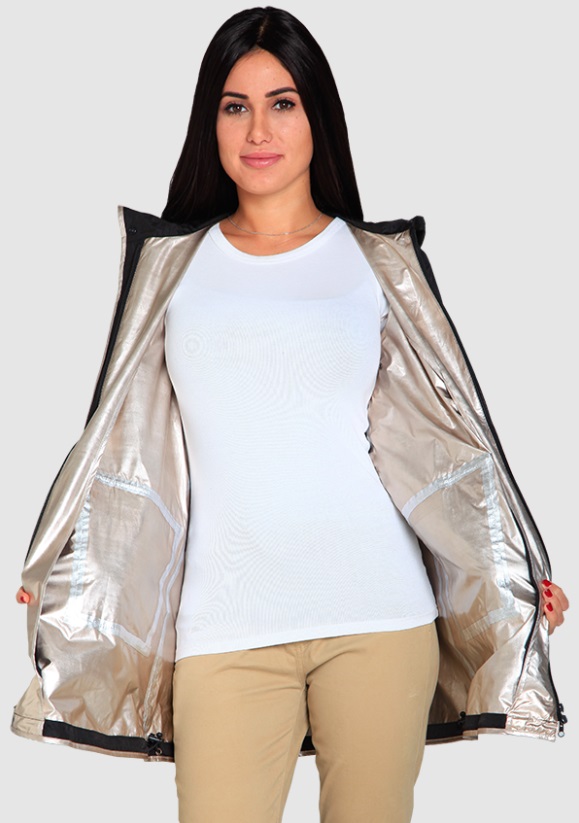
Today, the technology has migrated well beyond emergency blankets. It lines the walls and roofs of buildings as a radiant barrier. It insulates MRI machines and cryogenic tanks. It’s woven into lightweight jackets — companies like 13-One in New York have built entire product lines around a fabric called Ultraflect, derived directly from the NASA radiant barrier lineage, creating rain jackets that weigh less than a pound and pack into their own pocket.
The Lens That Survived Space
There’s a coating on your sunglasses that you’ve never thought about. You’ve never thought about it because it works. The lenses don’t scratch. They shed water. They stay clear. You take them off the rack, you put them on, you don’t think about it again.
In the 1970s, NASA’s Lewis Research Center — now Glenn Research Center in Cleveland, Ohio — was working on a different problem entirely. The agency needed to protect astronaut helmet visors and other optical surfaces from the particle impacts and abrasion of the space environment. A scratch on a visor at orbital velocity isn’t an inconvenience. It’s a potential catastrophe.
The solution Lewis developed was a process called direct ion deposition — a technique in which an ion generator creates a stream of carbon ions from a hydrocarbon gas source, which then impinge directly on a target surface and “grow” into an extremely thin film of diamond-like carbon, or DLC. Diamond is the hardest substance known. A film of it, even nanometers thick, transforms the surface it coats.
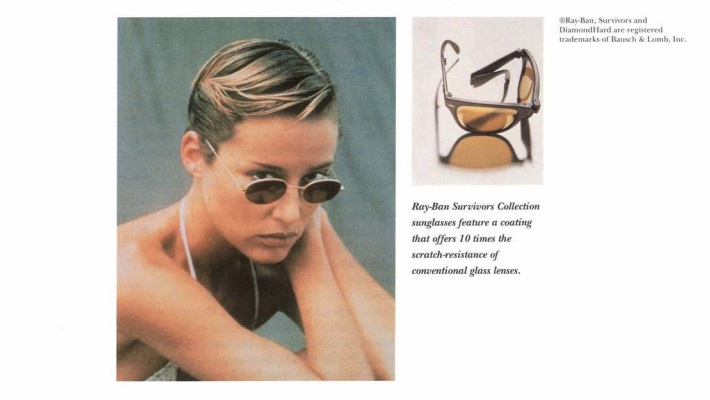
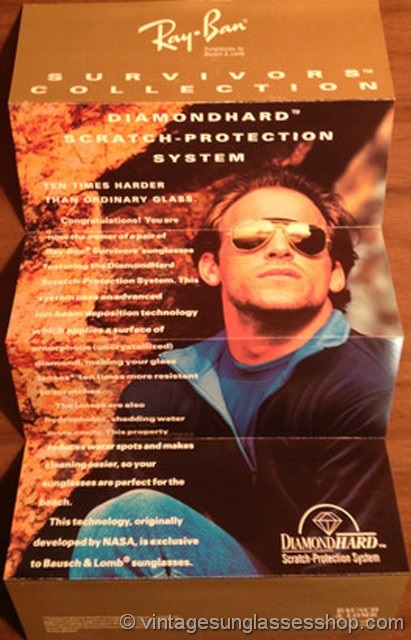
NASA patented the technology. In 1988, Air Products and Chemicals, Inc., licensed the patent. An Air Products spinoff company called Diamonex then combined the NASA process with its own proprietary work to develop what it called DiamondHard technology — a commercial DLC coating for optical products. Bausch & Lomb licensed DiamondHard for its Ray-Ban Survivors Collection sunglasses, producing lenses that were, according to the NASA Spinoff database, ten times more scratch-resistant than conventional glass.
The Foam That Absorbed a Crash
In 1966, NASA’s Ames Research Center in California — the same facility that would later pioneer aerogel insulation for the space shuttle — had a problem with pilots. Not with their competence. With their bodies. Specifically, with what happened to their bodies during high-speed impacts.
The agency needed a material that could absorb the energy of a crash — distributing the force across a surface rather than concentrating it at a point — and then return to its original shape, ready to absorb the next impact. The material that Ames researcher Charles Yost developed was an open-cell polyurethane foam with unusual viscoelastic properties: it deformed slowly under pressure, conforming to whatever shape was pressing into it, then returned to its original form gradually once the pressure was released. NASA called it “slow spring-back foam.” The name didn’t stick.
Memory foam did.
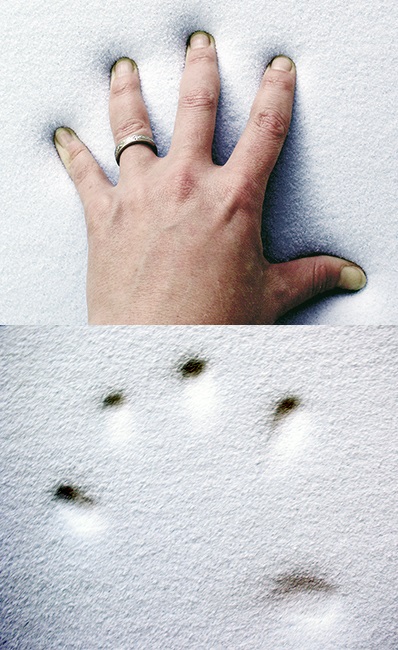
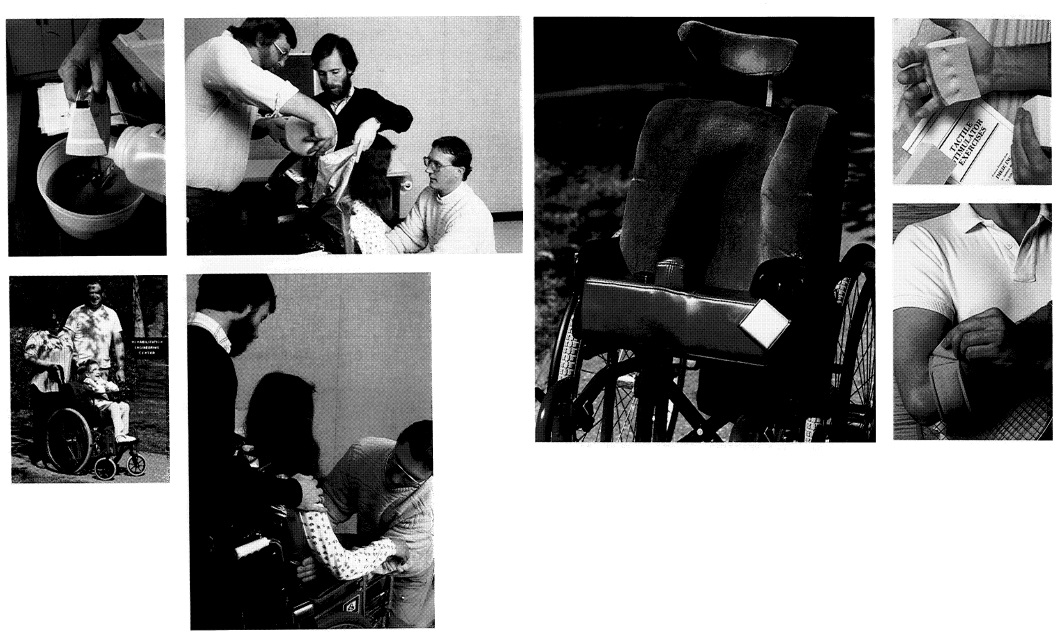
The technology was licensed to Fagerdala World Foams in Sweden, which spent years trying to make it commercially viable — the original formulations were expensive and difficult to manufacture at scale. By the 1980s, a version had reached the medical market, used in wheelchair cushions and hospital mattresses to prevent pressure sores. By the 1990s, Tempur-Pedic had commercialized it for consumer mattresses, and the rest is the history of an entire sleep industry.
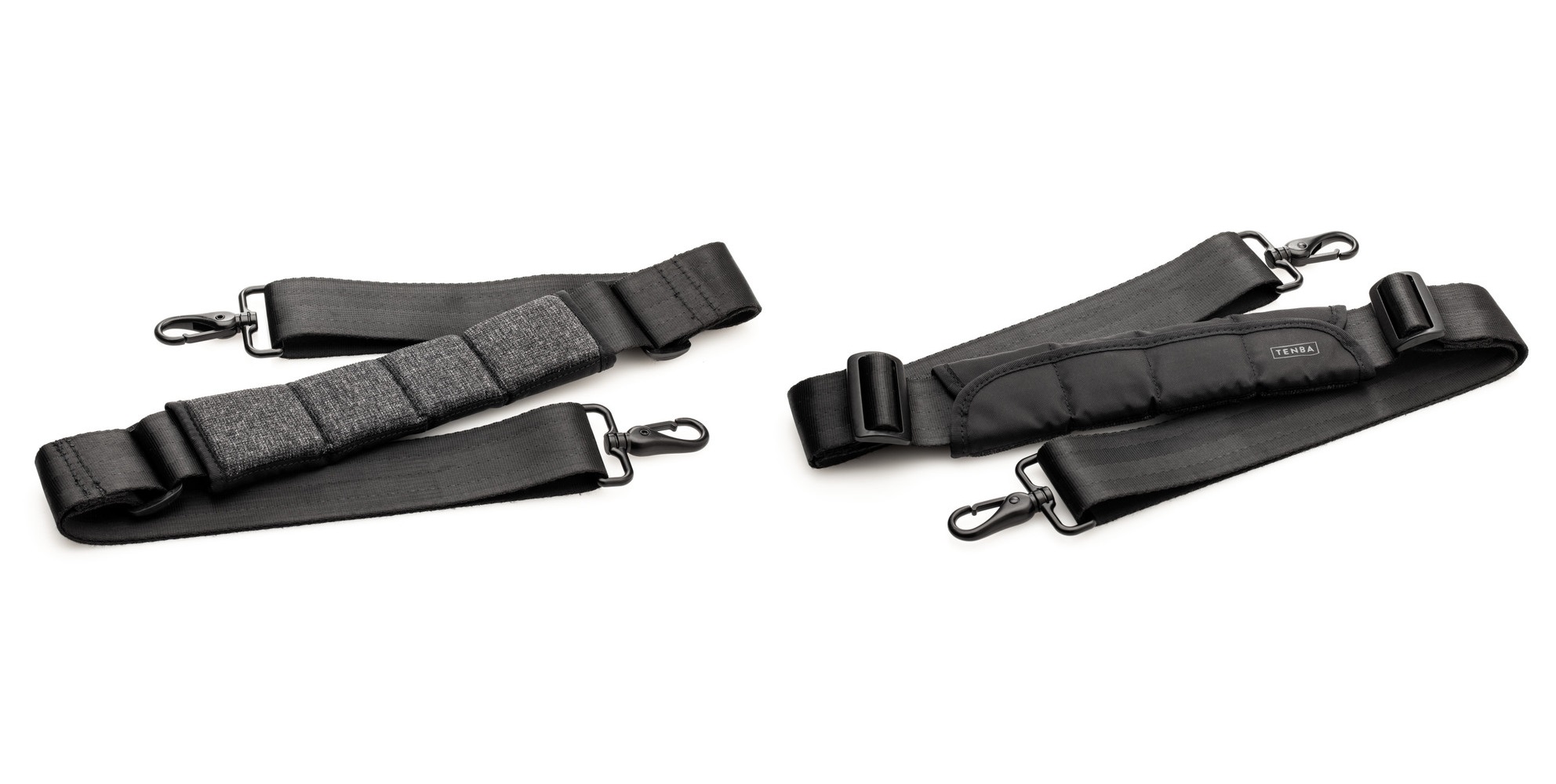
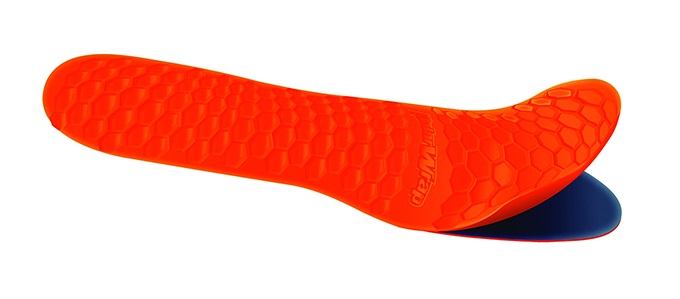
But memory foam’s journey into carry is the more interesting story for this audience. The same viscoelastic properties that made it valuable for crash protection make it ideal for any application where a surface needs to conform to a body under load and then recover. Backpack shoulder straps. Helmet padding. Trail shoe insoles. Sleeping pad surfaces. The foam in the shoulder strap of your pack — the part that makes a 20kg load feel like 15 — is almost certainly a descendant of what Charles Yost developed at Ames to keep pilots alive.
The Rocket Insulation
In 1992, James Fesmire, a mechanical engineer at NASA’s Kennedy Space Center in Florida, was responsible for cryogenic fueling systems. Every time the space shuttle launched, it consumed more than half a million gallons of cryogenic propellant — liquid hydrogen chilled to -253°C, liquid oxygen to -183°C. The systems that stored, transferred, and delivered those propellants needed insulation that was lightweight, flexible, durable, and extraordinarily effective.
The best available option at the time was multi-layer metallized thin film — the same MLI used on spacecraft. But for ground-based cryogenic systems, it had limitations: relatively expensive, heavy for its application, and prone to complications from heat conduction along its surfaces. Fesmire had an idea. Aerogel — a material first invented in the 1930s by Samuel Kistler, made by removing all the liquid from a gel while leaving the solid structure intact, resulting in a substance that is more than 95% air — had extraordinary insulating properties. The lowest thermal conductivity of any known solid. But it was also catastrophically fragile in its monolithic form: a solid block of aerogel shatters like glass.
Kennedy Space Center awarded a Small Business Innovation Research contract to Aspen Systems, a research firm in Massachusetts, to develop a flexible, practical form of aerogel. The first aerogel composite blankets — cookie-sized laboratory specimens — were produced in 1993. By 1994, a second SBIR phase was underway. By 1999, after approximately ten NASA contracts spanning a decade, Aspen Systems had developed a manufacturing process that produced flexible aerogel blanket material: fibers soaked in a liquid aerogel precursor, then flash-dried at high temperature and pressure so that every individual fiber was enveloped in a shell of solid aerogel. The fibers couldn’t touch each other to conduct heat. The air molecules trapped in the aerogel’s microscopic cells couldn’t move or escape even when the material was compressed or soaked.
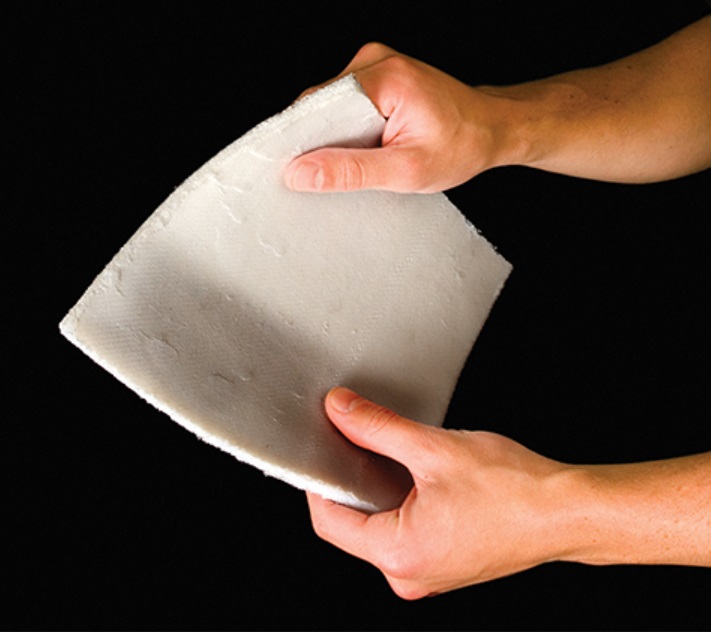
Aspen Systems spun off Aspen Aerogels Inc. to commercialize the technology. By 2009, the company was producing nearly 20 million square feet of aerogel blanket material per year.
And then the outdoor industry found it.

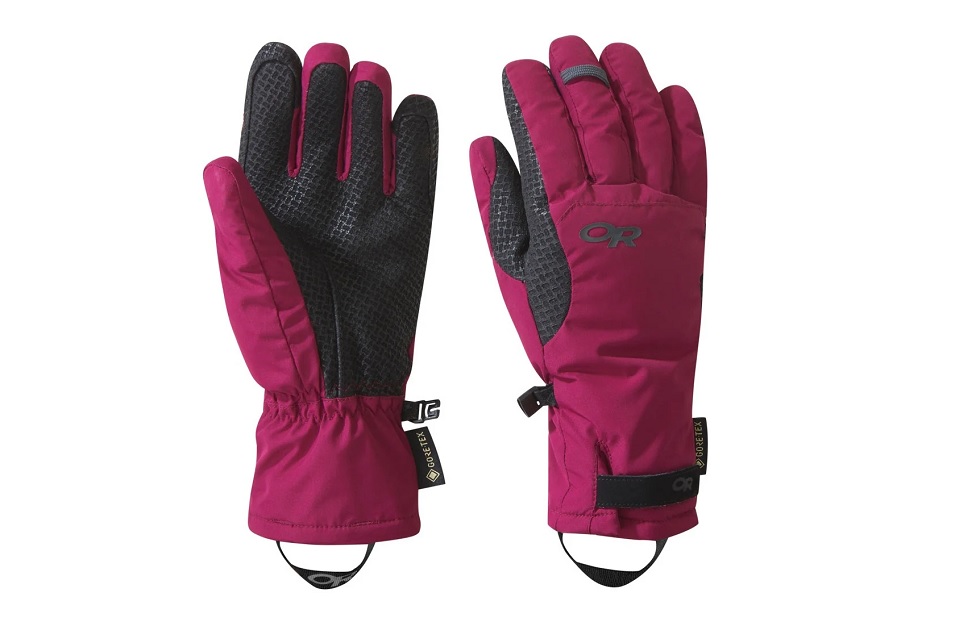
Salomon incorporated aerogel into winter boots. Outdoor Research — a Seattle company founded after its founder’s climbing partner was airlifted off Denali with frostbitten feet in 1980 — added aerogel insulation to gloves, footwear, and a beanie. PrimaLoft, the synthetic insulation brand, worked with Aspen Aerogels to develop its Gold Insulation Aerogel line, which is now used by dozens of apparel brands. More recently, PrimaLoft’s lead aerogel engineer Bob Dempsey figured out how to infuse aerogel particles into the inside of ultra-fine fibers rather than around them — creating a fluffy, breathable insulation with 15-20% better thermal performance than standard synthetic fill. SITKA Gear, the hunting apparel company, replaced treated down in its warmest jackets with this aerogel-infused insulation, reporting equivalent dry performance and better wet performance at half the thickness and considerably less weight.
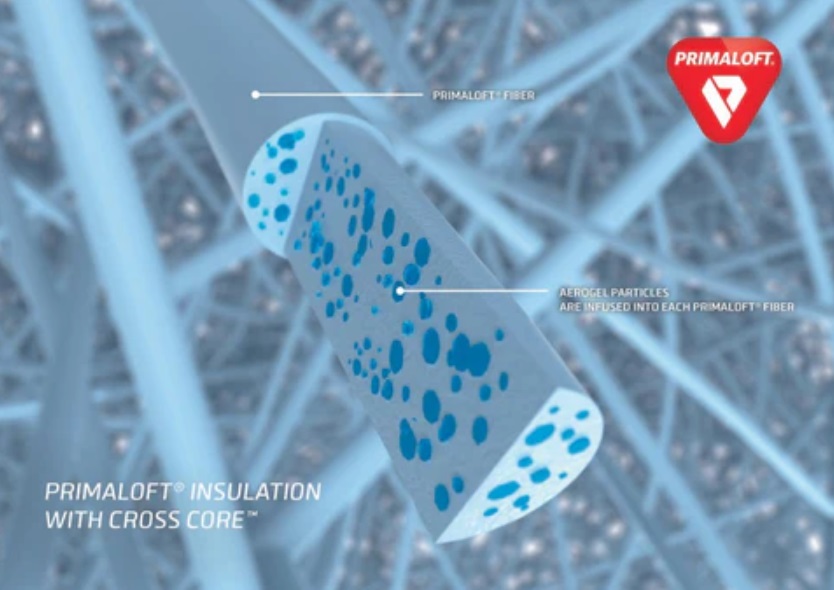
The insulation in your puffy jacket, your boot liner, your glove — if it’s a modern high-performance synthetic — has a reasonable chance of being a direct descendant of what James Fesmire envisioned at Kennedy Space Center to keep rocket fuel cold in the Florida heat.
The Upside Down Pen
And then there’s the Fisher Space Pen.
Paul Fisher had already been working on a pressurized pen before NASA came into the picture. He’d invented the first universal ink cartridge refill. He understood the fundamental problem with ballpoint pens: the early formulations leaked, skipped, and dried up. The solution he was pursuing was a sealed cartridge with pressurized nitrogen at the top, pushing a tiny piston against the ink. But the pressure caused the pens to leak.
When NASA reached out to Fisher — looking for a pen that didn’t require gravity to function — he knew his pressurized cartridge was the right direction. The agency’s interest gave him the motivation to solve the leaking problem. The solution was adding a resin to the ink to make it thixotropic: almost solid at rest, but liquefied by the friction of the ball at the pen’s tip. He called the result the AG7, for anti-gravity.
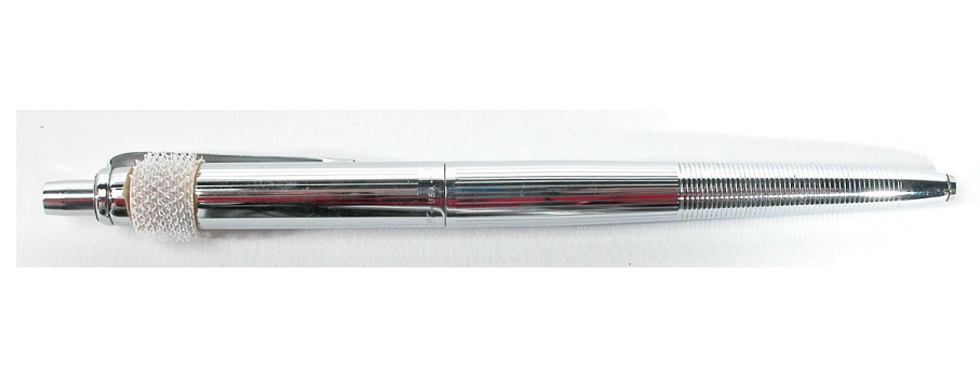
NASA’s Manned Spacecraft Center — now Johnson Space Center in Houston — tested the pens extensively. They worked in all positions, in extreme heat and cold, in atmospheres ranging from pure oxygen to vacuum. They held enough ink to draw a line more than three miles long, well beyond NASA’s half-kilometer requirement. The agency purchased 400 of them at $6 each for the Apollo program.
The Fisher Space Pen made its television debut in October 1968, when Apollo 7 mission commander Walter Schirra demonstrated weightlessness by blowing on a pen to control its movement as it floated about the capsule. It was one of the first live video transmissions from an American spacecraft. The Soviets, who had initially used pencils — pencils being genuinely dangerous in spacecraft, where broken graphite tips can float into electronics and eyes — eventually switched to Space Pens too, purchasing them from Fisher starting in 1969.
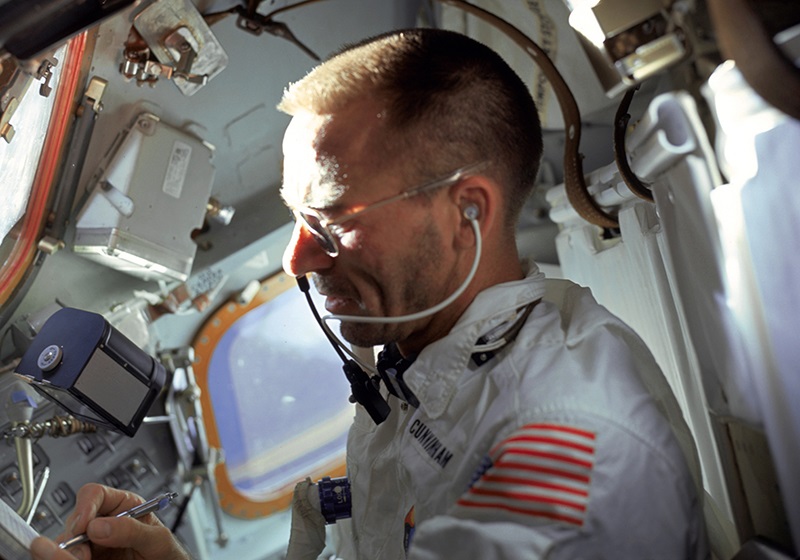
The pens have been on every crewed NASA mission since Apollo 7. Dozens are currently on the International Space Station. In 2021, the Space Foundation inducted the Fisher Space Pen into its Space Technology Hall of Fame.
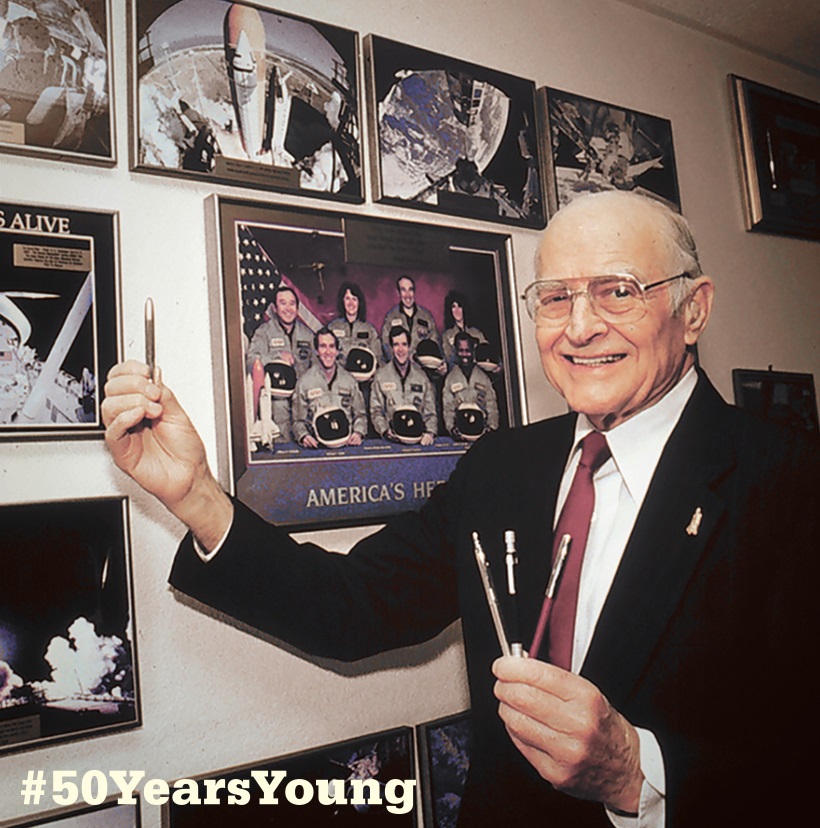
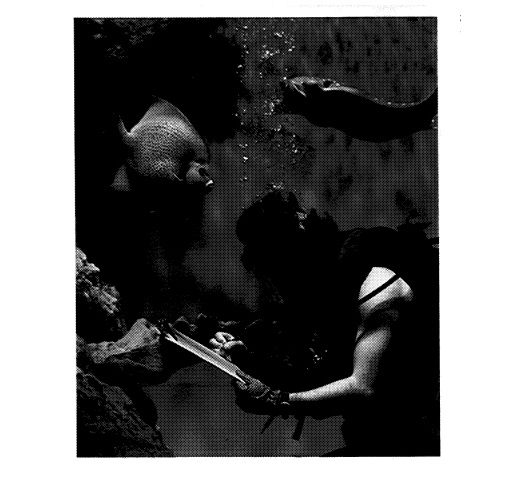
The Fisher Space Pen line now comprises around 80 models, manufactured in Boulder City, Nevada, by more than 60 employees who produce over a million pens a year. It’s popular with military and law enforcement, with outdoor enthusiasts, with oil workers and pilots — anyone who needs a pen that works in conditions where pens aren’t supposed to work. It writes upside down, underwater, over grease, in temperatures from -35°C to 120°C. It has an estimated ink life of 100 years.
Paul Fisher invented it. NASA tested it in extremes. And the rest of us use it with our Field Notes.
The post How the Space Program Has Influenced What We Carry appeared first on Carryology.