Whether viewed in months or millennia, the politics of place naming is always in the zeitgeist. Now, Trump’s toponymy is failing to put America on the map.
Last week, the age-old wheeze of saying something is what it manifestly is not took an ominous turn. Such things can happen when perpetrated by the world’s most powerful man.
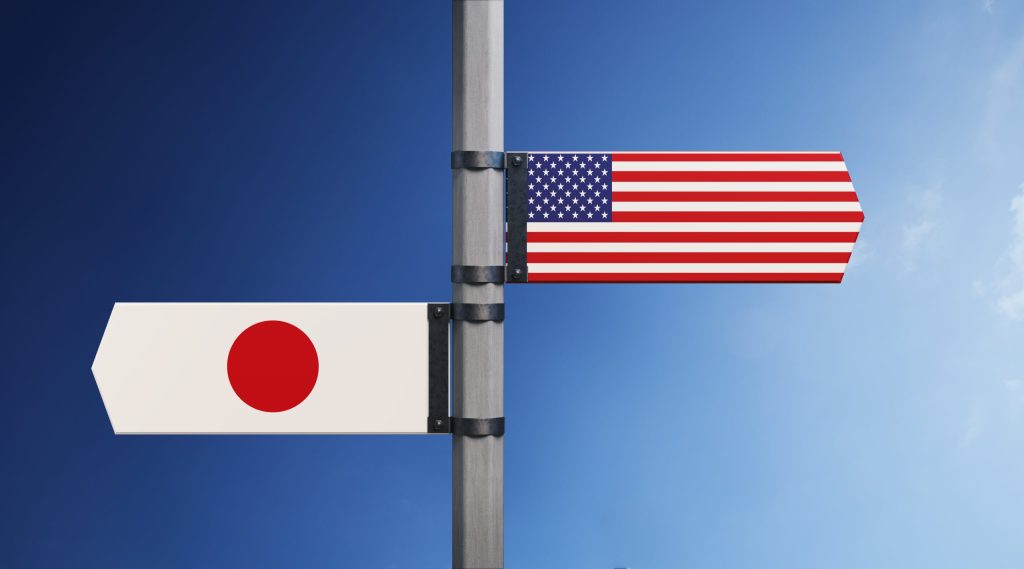
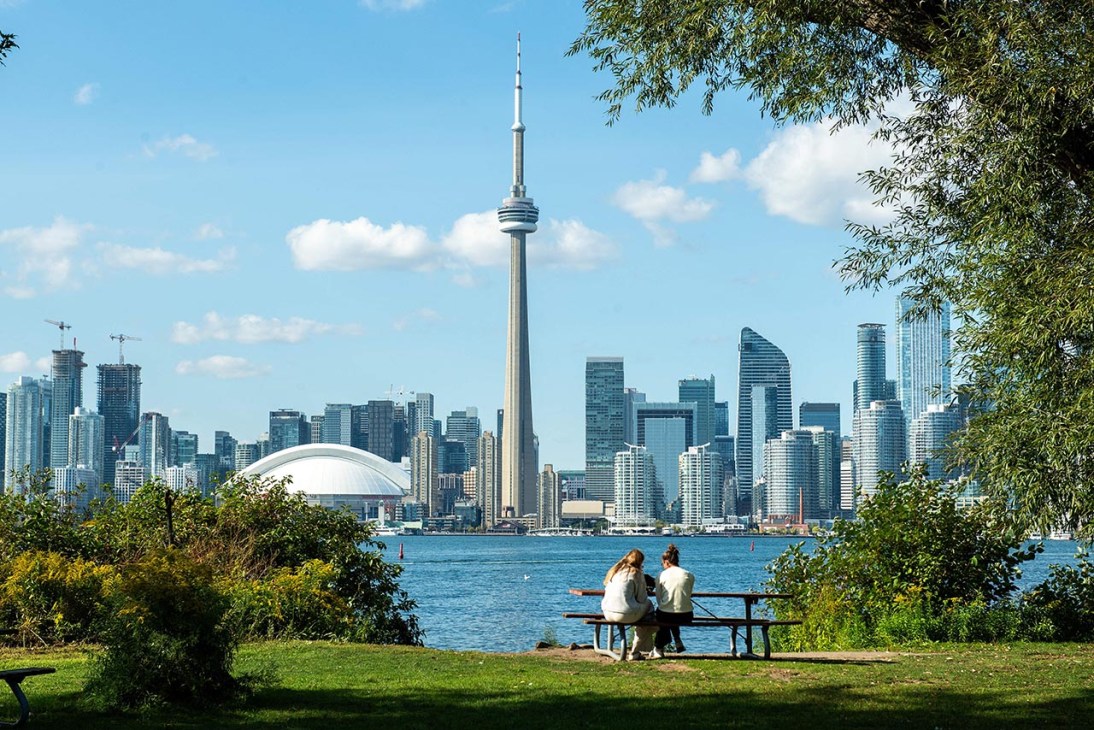
In response to an executive order from Donald Trump, Apple Maps and the good folks at Google have faithfully renamed Lake Ontario “Lake America” for US users. The cartographic chicanery follows strained trade talks with Canada and the choppy wake of the US president’s unilaterally boosterish renaming of the Gulf of Mexico.
Rewriting labels is surprisingly easy: ask the cities formerly known as Constantinople (née Byzantium), Peking and Bombay, for that matter. But making it stick usually takes consensus, not caprice – a proper plan, not pencil-and-rubber diplomacy. Some names resist the mapper’s hand for harder-to-explain reasons too. Take Manhattan’s Avenue of the Americas (or 6th Avenue, as it’s still stubbornly known despite a 1945 rebrand). Restoration and counter-restoration are also a regular battleground for culture warriors. Think of Mount McKinley in Alaska, which was renamed Denali to acknowledge an indigenous name under President Obama in 2015. It then boomeranged back to McKinleydom in 2025 by executive decree. A sign of the times and a parody of the pendulum of progress, if ever there was one.
The Lake Ontario furore (call it one-mapmanship?) is easier to navigate. While Trump is well within his rights to rule on US federal nomenclature, private companies such as Apple and Google are playing politics by going along with it. Would they wince if the White House decided to rename Greenland, Venezuela or Panama? Would things be different if China marched into Taiwan tomorrow with a fresh set of road signs? Maps are never fully neutral, and making them is a responsibility.
The summer’s hit novel, Land by Maggie O’Farrell, is a worthwhile read on this topic and a canny counterpoint to this kind of short-termism and self-indulgence. Starting in 1865, its elegant plot unspools around a family in the wake of the Irish potato famine (with moments of joy as well as the hardship). The British are mapping an island caught between cultures and landed between lexica. Charts and names – even those of fields, humdrum hills and a mysterious thicket around which much of the action unfolds – are inescapably political. The novelist’s deeper insight is in parodying the short-sightedness of plastering words onto places that will long outlast us. There’s something almost Cnut-ish (yes, you read that right) about Trump’s attempts to command the waters with his hollow call.
Now for the pragmatic part. Lake Ontario as a place and name is, of course, many orders of magnitude older than either of the nations that now bestride it. Literal millennia more ancient if you mean the geographical feature, and at least centuries older as a name. That will take more than a whim to alter. The lake is enshrined in history but also the present: family boat trips, memories and cross-border conviviality bred across shared shores.
Far from showing US strength, the new name gambit reveals desperation and might have fatally misread Canadians’ cherished connection to their history, nature and land. If you need to rename a lake to establish your importance, you may already be less important than you think.
Long after the midterms, the ripples of this reactionary little episode will dissipate like the water’s surface momentarily disturbed by the passing of a lame, ungainly duck. And in a bout of poetic justice a novelist might relish, the last laugh might well be on the biddable, never-neutral mapmakers who toady to the politics of the day.