Most museums are not grand institutions. They are compact, regional archives tucked behind market squares, housed in former chapels or sequestered in railway buildings. Often maintained by volunteers and built around private collections or singular obsessions, mini museums play important roles in documenting community histories and preserving niche portfolios.
While large institutions often draw bigger crowds and boast impressive collections, small ones can offer an intimacy and focus you can’t find elsewhere. You can linger in exhibitions without being jostled, discover overlooked histories and see everything in a single visit. Though institutions such as the Louvre or The Metropolitan Museum of Art have a wealth of masterpieces, many visitors see only a fraction of what is on offer and still leave feeling a sense of museum fatigue.
But what, exactly, is considered a small museum? The Small Museums Committee at the American Association of State and Local History (AASLH) surveyed industry workers and found that common characteristics of small institutions include an annual budget of less than $250,000 (€216,960). But budget can often be an unreliable criterion: two museums of a similar square meterage and footfall can report wildly different figures depending on whether they’re independently funded or backed by a municipality, which absorbs certain costs that a private institution must carry itself.
Visitor numbers offer a slightly steadier measure. The UK’s Association of Independent Museums defines a small museum as one with 20,000 visitors or fewer a year. But that, too, is a squidgy metric, as visitor numbers can vary widely depending on city size and other factors. In the words of the AASLH, “If you think you’re small, you’re small.”
Setting our threshold at 30,000 visitors a year, we asked Monocle correspondents from around the world to send us their favourite small museums that offer insight into regional history, art or a specialist subject that is not celebrated elsewhere. For more on the importance of these institutions, listen to this episode of Monocle on Saturday.
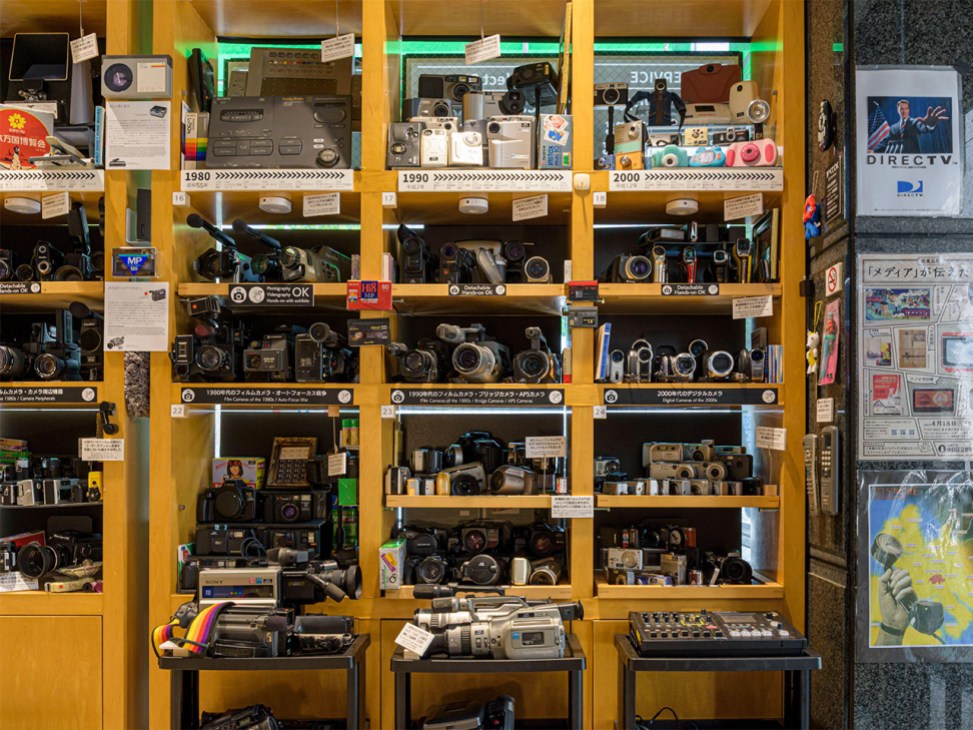
Unlike most galleries, which (not unreasonably) have a “look but don’t touch” policy, the Extinct Media Museum in Tokyo actively encourages visitors to pick up any of the hundreds of vintage mobile phones, cameras, cassette recorders and electric typewriters on display. A visit to this pocket-sized private museum, just a short walk from Tokyo Station, makes for an absorbing outing. On display are generations of electronic devices that were state of the art only a few years ago and already look like antiques. Coming here is both a nostalgia trip and a chastening reminder of how fast technology changes.
Museum director Takuya Kawai has pulled in some milestone pieces – Sony’s first cassette recorder (1966) and Apple’s first iMac (1998) – but it’s the modest objects that catch the eye, remarkable not for their design but for how they once featured heavily in daily life. There are curiosities that would otherwise be forgotten: recording formats such as Minidiscs and Betamax that flourished in Japan but couldn’t thrive in an increasingly connected world, alongside picture discs, camcorders and car radios. There are boxes of catalogues, dozens of mobile phones and many, many cameras, including Double 8 movie cameras; the Minolta Hi-matic (from 1962), the first Japanese camera used in space; and a Victor GR-C1 video recorder from 1984 that appeared in Back to the Future. Nothing is off limits.
Of the 4,000 items in its archive, Kawai says that about 80 per cent has been donated and, as the notice board reveals, the hunt for more continues. Though the museum is often open until 19.00, make sure to check its website for its opening hours before planning a visit.
extinct-media-museum.blog.jp
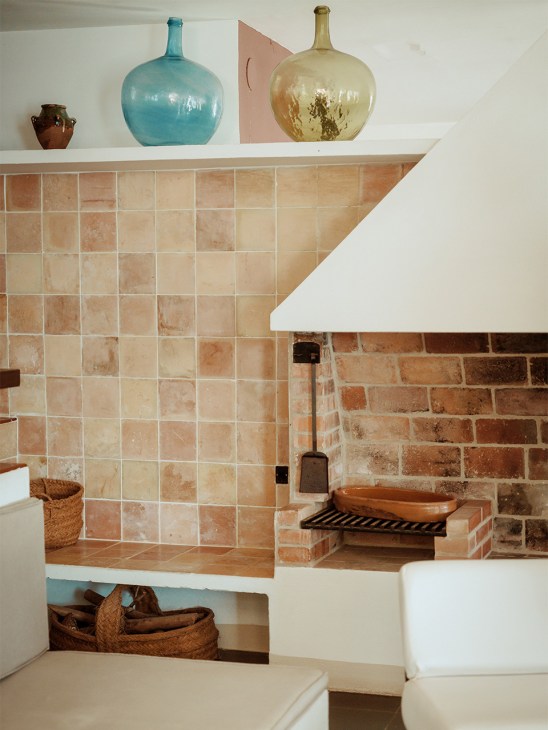
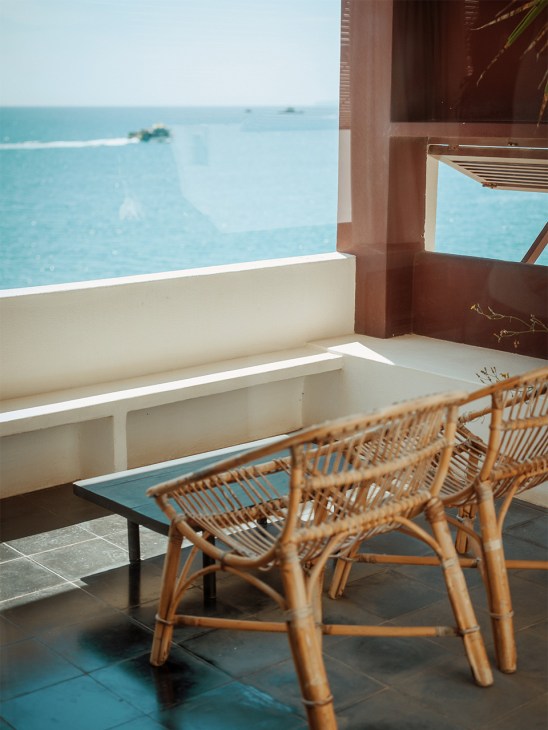
Weave your way up through Sa Penya, Ibiza’s white-walled labyrinth that was once the main port’s fishermen’s quarter, and you’ll eventually arrive at this house-museum. Perched on the cliff’s edge, it was built in 1960 and was home to Erwin Broner, one of the island’s most celebrated architects. It has been open to the public since 2011 thanks to a generous donation from his widow. A rendition of the traditional Ibicenco house, Broner experimented with a more tempered rationalist style to create a peaceful enclave tempered by perfectly framed views of the island’s southerly sea.
Entry is free but opening hours are limited so it’s best to double check before venturing up the steep incline of the cobbled streets. Little known even to many locals, Casa Broner’s confines offer a great place to ponder the island’s ever-changing tides while learning about the artist movement that transformed the White Isle into the hedonistic hotspot that it is today.
mace.eivissa.es
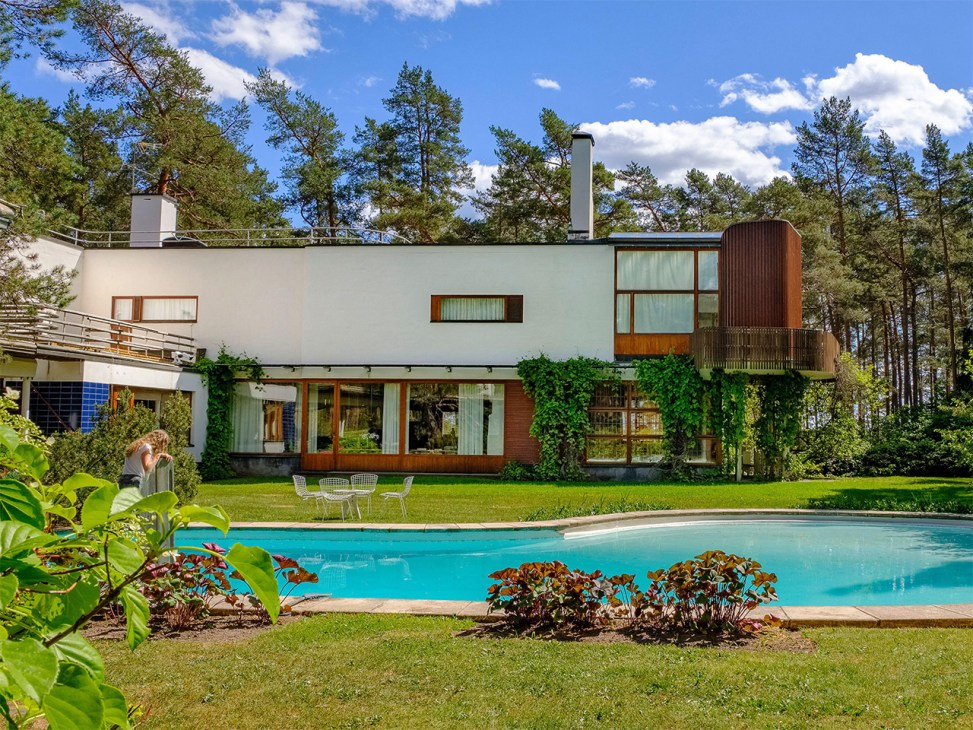
Villa Mairea – completed in 1939 as a residence for industrialists Maire and Harry Gullichsen – is a key residential work by Alvar Aalto, Finland’s best-known architect. Renowned for shaping human-centred modernism, Aalto prioritised light, materials and everyday use in his work. The house blends modernist planning with natural materials and references to Finnish vernacular architecture. Privately owned but open to guided tours, the villa offers visitors a detailed walkthrough of its rooms filled with preserved original furniture and art. The surrounding pine forest is an essential part of the experience, inviting guests to explore both the architecture and the setting.
alvaraalto.fi
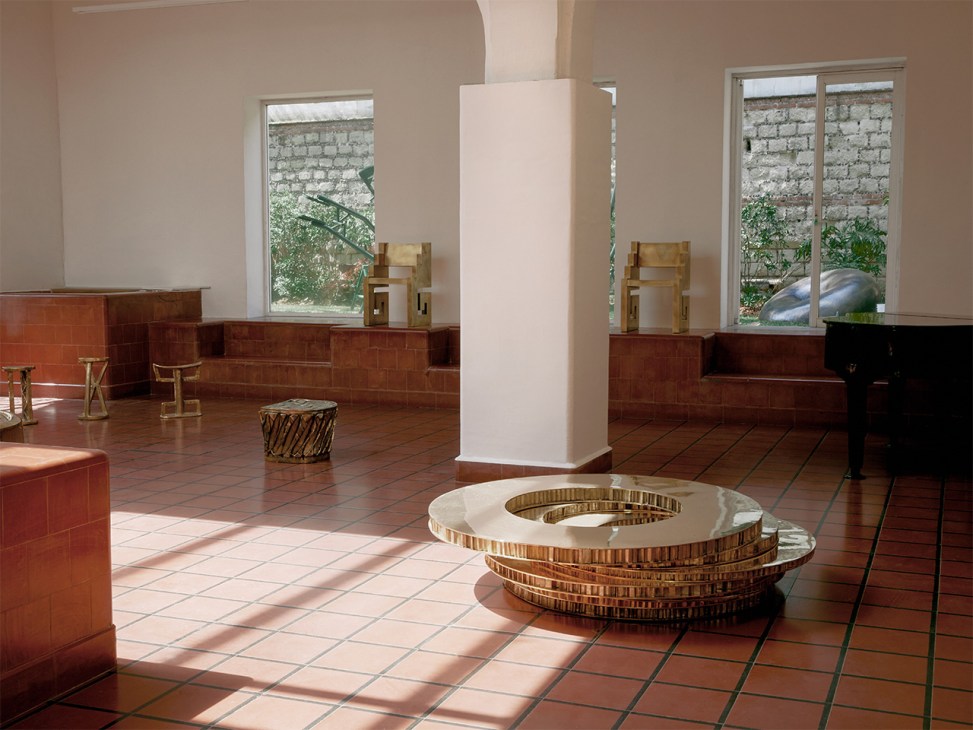
For the co-founders, the 1846 colonial-era house immediately felt like a physical extension of the gallery, a place where the spirit of the project could continue to be explored and represented long-term. And that’s no coincidence – the museum site was once a gathering space for the neighborhood’s vibrant creative community. Under the curatorship of Su Wu, the gallery presents rotating exhibitions with previous shows including works by Héctor Esrawe, Jose Dávila and design practice Ex Soup.
mmaassaa.com
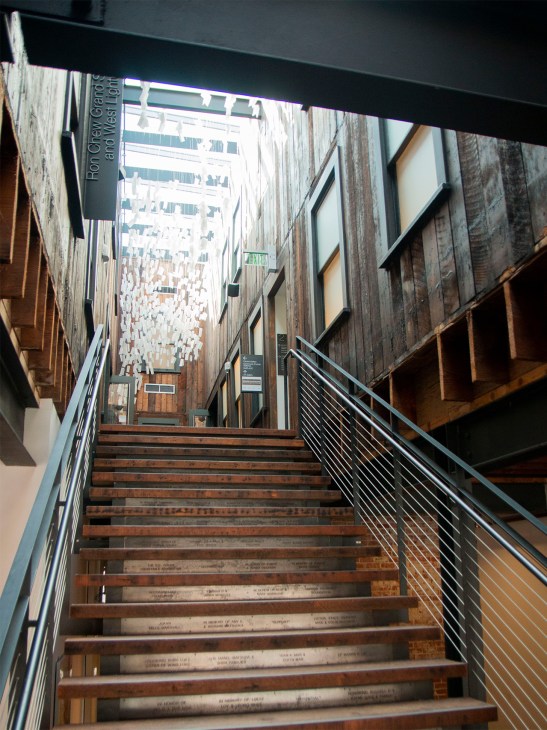
In 1910, enterprising Chinese immigrants to the US skirted a prohibition on foreign property ownership and erected the Kong Yick Buildings in Seattle’s burgeoning Chinatown. The four-storey brick edifices divided into single-room flats served as the first home for thousands of immigrants after their journey across the Pacific. A century later, the Smithsonian-affiliated Wing Luke Museum incorporated the heritage structure into a modern museum that celebrates Asian and Pacific American art, culture and history. A tour brings to life the cramped living conditions of young men seeking a better life, while a permanent exhibition honours the city’s famed son, martial artist Bruce Lee.
wingluke.org
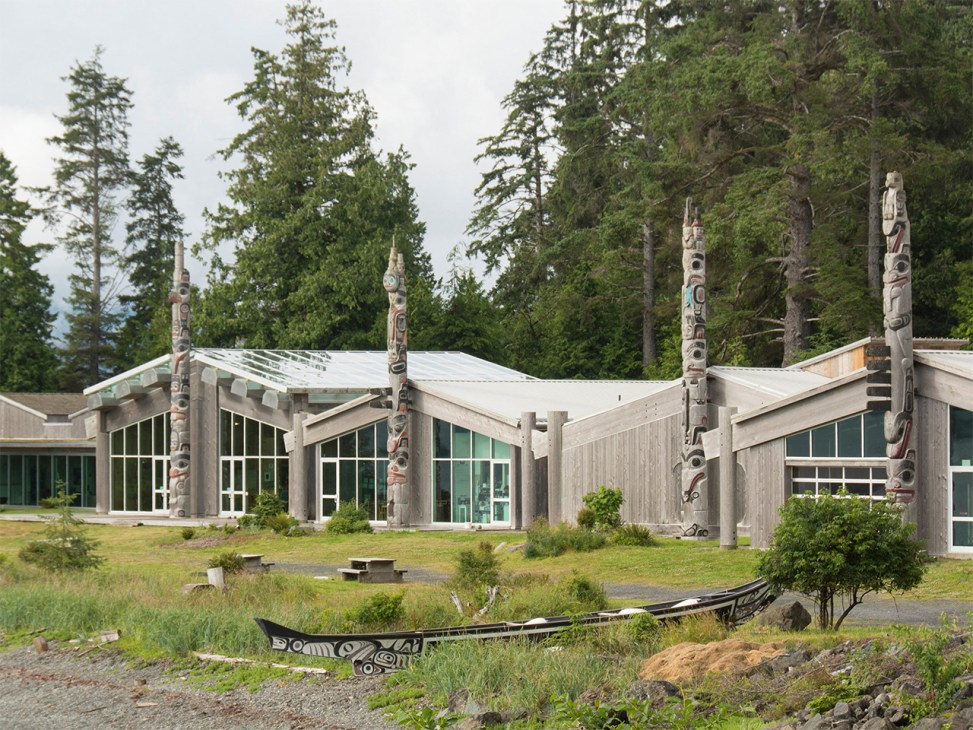
More than two million cruise-ship passengers will ply the waters off Canada’s West Coast this summer en route to Alaska but the floating behemoths won’t stop at Haida Gwaii. About 30,000 intrepid travellers annually venture to this remote British Columbia archipelago, formerly known as the Queen Charlotte Islands. Last year Ottawa granted the aboriginal people’s land title – the first such voluntary recognition in Canadian history – whose isolated homeland has helped preserve their language and culture. The landmark decision was a cause for celebration at the Haida Heritage Centre, a modern interpretation of a traditional village site, where the next generation learns traditional crafts including carving cedar canoes and argillite sculptures.
haidaheritagecentre.com
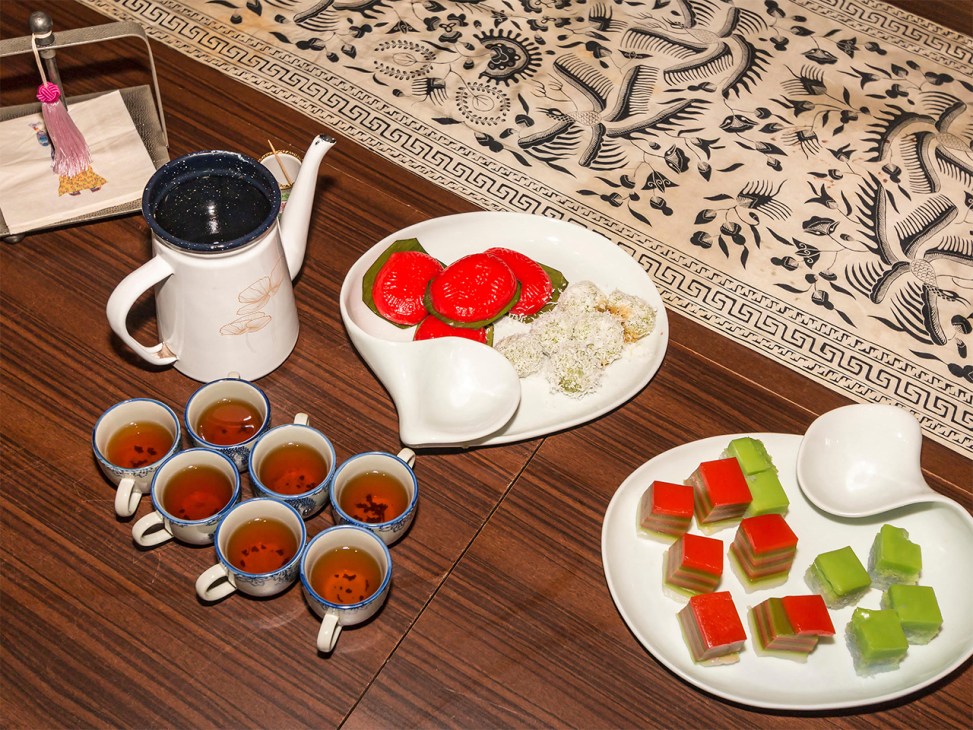
This small, private museum in the historic Joo Chiat enclave is a jewel box of Peranakan (an ethnic group descended from Chinese settlers who intermarried with local Malays) artefacts. Founder Alvin Yapp has spent more than three decades collecting thousands of culturally significant objects, such as beaded slippers, mother-of-pearl inlaid furniture, hand-painted sarongs and enamel tiffin carriers. What truly separates the Intan from other Peranakan experiences are Yapp’s rich, personal stories on an array of cultural themes, from heirloom pieces to wedding customs and family rituals. Tour options include a one-hour tea experience (complete with traditional bite-sized nyonya kuehs) as well as a 90-minute lunch or dinner. Visits are strictly by appointment only.
the-intan.com