A Food Fun Travel Guest Post
There is a specific kind of magic that happens when you leave the train stations behind and step into a rental car in Italy. The rhythmic click-clack of rail tracks gives way to the open hum of the asphalt, and suddenly, the country transforms from a curated sequence of tourist monuments into an endless, unfolding adventure. While Italy’s high-speed rail system is phenomenal for dashing between major hubs like Rome, Florence, and Venice, it misses the heartbeat of the land between them.
For those of you, looking for the true definition of il dolce far niente (the sweetness of doing nothing) paired with world-class culinary discovery, hitting the open road is unmatched. From the sun-bleached coastal tracks of Puglia to the mist-shrouded mountain passes of the Dolomites, road trips are spiral-bound invitations to see the country intimately.
If you are wondering how to capture the authentic flavours, secret landscapes, and timeless soul of the Bel Paese, here is why taking an Italy road trip is the absolute best way to experience Italy.

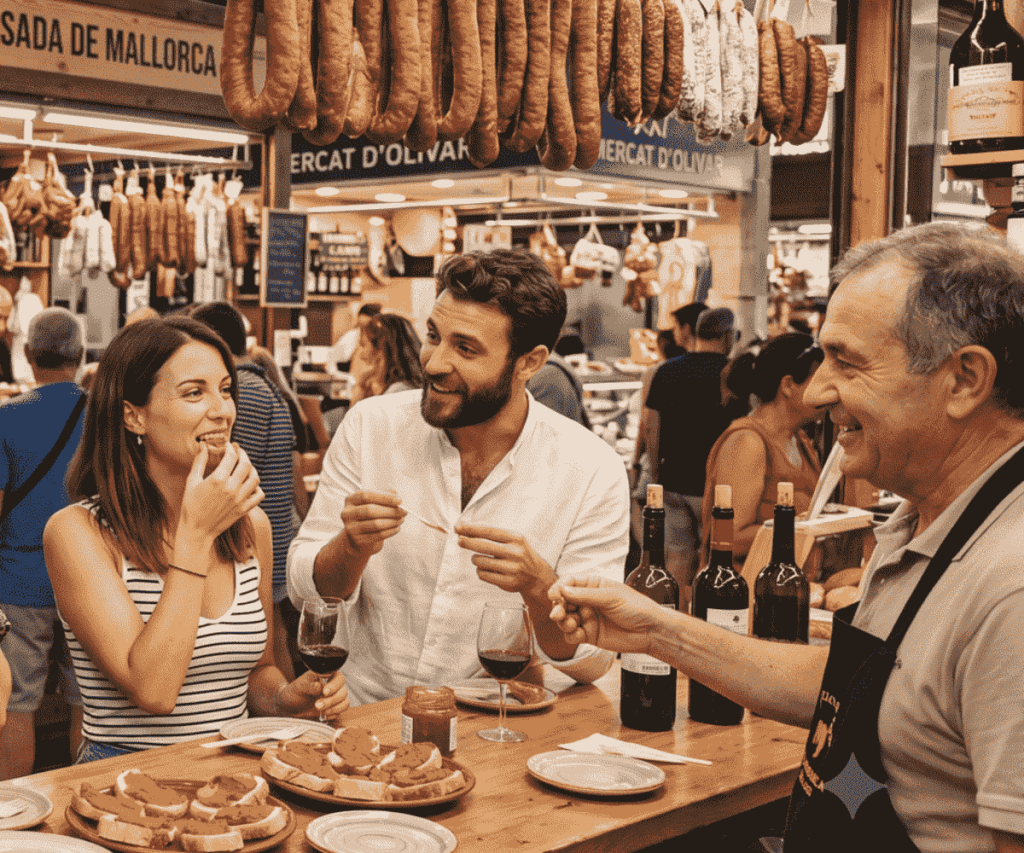
If you travel for food—which is arguably the single best reason to visit Italy—a car changes everything. Italian cuisine is deeply regional, hyper-local, and fiercely protected. A dish celebrated in one village might be completely unheard of just twenty kilometers down the road. Unfortunately, train tracks don’t stop at remote family-run farmhouses (agriturismi) or the hillside vineyards where Italy’s real culinary magic happens.
When you travel to Italy by car, your culinary itinerary is entirely yours to dictate. You can pull over in the heart of Emilia-Romagna when you spot a hand-painted sign pointing toward an artisanal Aceto Balsamico Tradizionale (traditional balsamic vinegar) producer. You can navigate the winding paths of Tuscany to enjoy an unhurried, three-hour lunch at a family-run trattoria that doesn’t have a website, let alone an English menu.
Driving allows you to align your travel directly with regional food festivals, known as sagre. These hyper-local gatherings celebrate specific seasonal harvests—whether it’s wild boar, truffles, fresh porcini mushrooms, or new-press olive oil—and offer an authentic slice of local life you’ll never find in a tourist-heavy city centre.
The standard “Holy Trinity” itinerary of Rome, Florence, and Venice is spectacular, but it represents only a fraction of what Italy has to offer. It is also where you will find the heaviest tourist crowds and inflated prices. A road trip allows you to bypass these bottlenecks effortlessly and slip into spaces where genuine Italian life unfolds at its own pace.
Imagine bypassing the crowded Amalfi Coast ferries and instead driving the pristine, rugged coastline of Maratea in Basilicata, or winding through the medieval ghost towns of Abruzzo. When you have your own wheels, destinations like the cascading geothermal hot springs of Saturnia, the surreal trulli houses of Alberobello, or the dramatic crags of the Sibillini Mountains become easily accessible.
Best of all, you gain the luxury of timing. You can visit iconic places like San Gimignano or Civita di Bagnoregio early in the morning or late in the evening. Long after the tour buses have packed up and departed, you can have the cobblestone streets entirely to yourself, quiet and golden under the street lights.
Driving in Italy is not merely a utility; it is a sensory event. The country features some of the most jaw-dropping, bucket-list scenic drives on the planet. When you are behind the wheel, the journey becomes just as exhilarating as the destination.
- The Amalfi Coast (Strada Statale 163): A masterclass in dramatic engineering, clinging to vertical cliffs above a sapphire sea, passing pastel villages like Positano and Ravello.It is also one of the most popular Italy Trips operated by Indus Travels.
- The Val d’Orcia (Tuscany): The quintessential Italian landscape of rolling green hills, golden wheat fields, and perfectly aligned rows of cypress trees leading to hilltop estates.
- The Great Dolomites Road: A dramatic alpine route winding through jagged limestone peaks, crystal-clear mountain lakes, and high-altitude mountain passes that feel otherworldly.
When you rent a car, you have the autonomy to pull over at every single panoramic viewpoint, snap photos without a crowd of strangers, and breathe in the scent of wild rosemary and maritime pine carried on the breeze.
The greatest travel memories are rarely the ones you meticulously plan out six months in advance; they are the spontaneous detours. When you are tied to a rigid train schedule, detour opportunities vanish. If you spot a fascinating castle ruin crowning a distant hill from your train window, you can only watch it fade into the distance.
On an Italy road trip, that castle becomes your next destination. You can turn the wheel on a whim, explore a forgotten fortification, chat with a local caretaker, and discover a viewpoint that no guidebook mentioned. This flexibility is particularly vital when traveling through regions like Sicily or Sardinia, where public transit can be sparse and irregular, but the wild beaches and historic ruins demand exploration.
To ensure your driving holiday is filled with more fun than frustration, it helps to understand a few unique quirks of the Italian road network before you turn the key:
Mastering the ZTL (Zona a Traffico Limitato)
Almost every historic Italian city and town has a ZTL—a restricted traffic zone designed to protect ancient city centres from congestion. They are heavily monitored by automated cameras, and driving past one without a resident permit will result in a hefty fine mailed to your home months later. The golden rule: Always research public parking lots located just outside the historic city walls before you arrive and walk in.
Navigating the Autostrada vs. Strada Statale
Italy’s highway network is split into two primary types. The Autostrade (designated by green signs and an ‘A’ prefix) are fast, efficient, multi-lane toll roads perfect for covering long distances quickly. However, for scenic beauty and hidden gems, look for the Strade Statali (designated by blue signs and an ‘SS’ prefix). These secondary routes wind through valleys and countryside, offering a much more immersive travel experience.
Manual vs. Automatic Transmission
The vast majority of rental cars in Italy are manual (stick-shift). If you require an automatic, ensure you book well in advance, as availability is limited and prices are higher. Additionally, drivers from outside the EU should secure an International Driving Permit (IDP) before leaving home to remain fully compliant with local rental laws.
Conclusion: Ready to Turn the Key?
If you want to tick boxes off a tourist checklist, take the train. But if you want to experience Italy through its morning market gossips, its quiet mid-afternoon piazzas, its secret coastal coves, and the profound culinary artistry of its rural kitchens, you must take the driver’s seat.
Pack light, bring an open mind, brush up on your basic Italian phrases, and prepare for the ultimate slow travel adventure. The open roads of Italy are calling, and they promise a journey you will never forget.