Panama is one of the most underrated road trip destinations in Central America. While most travelers spend a few days exploring Panama City and the famous canal, some of the country’s best experiences are scattered across mountains, beaches, surf towns, and rural regions far beyond the capital.
From the coffee farms of Boquete to the waves of Santa Catalina and the beaches around Pedasí, having your own vehicle gives you the freedom to explore Panama at your own pace. Public transport is available, but if you want flexibility and the ability to reach less-visited destinations, renting a car is often the best option.
Here’s everything you need to know before booking a rental car in Panama.
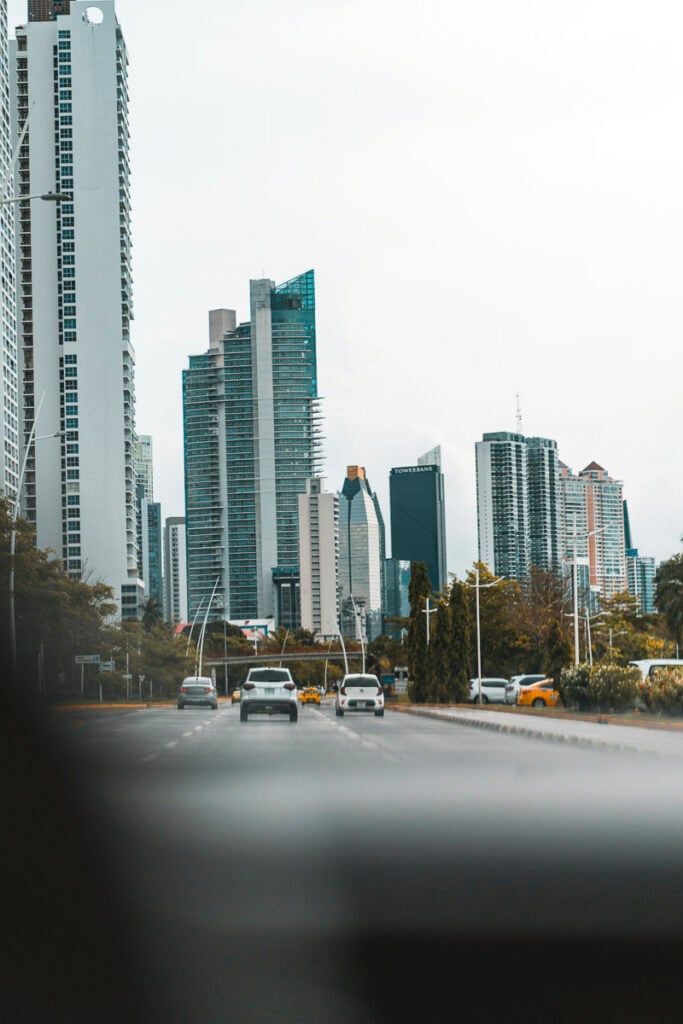
If your trip is limited to Panama City, probably not.
The city has Uber, taxis, and a surprisingly efficient Metro system. Traffic can be heavy, parking can be frustrating, and you’ll often spend more time dealing with congestion than actually driving.
However, once you leave Panama City, the situation changes completely.
Many of Panama’s best destinations are spread across the country and are far easier to access with your own vehicle. Places like Boquete, El Valle de Antón, Santa Catalina, Playa Venao, and Pedasí become significantly easier to visit when you’re not relying on buses or private transfers.
For photographers, surfers, hikers, and independent travelers, a rental car offers a level of flexibility that’s difficult to replicate any other way.
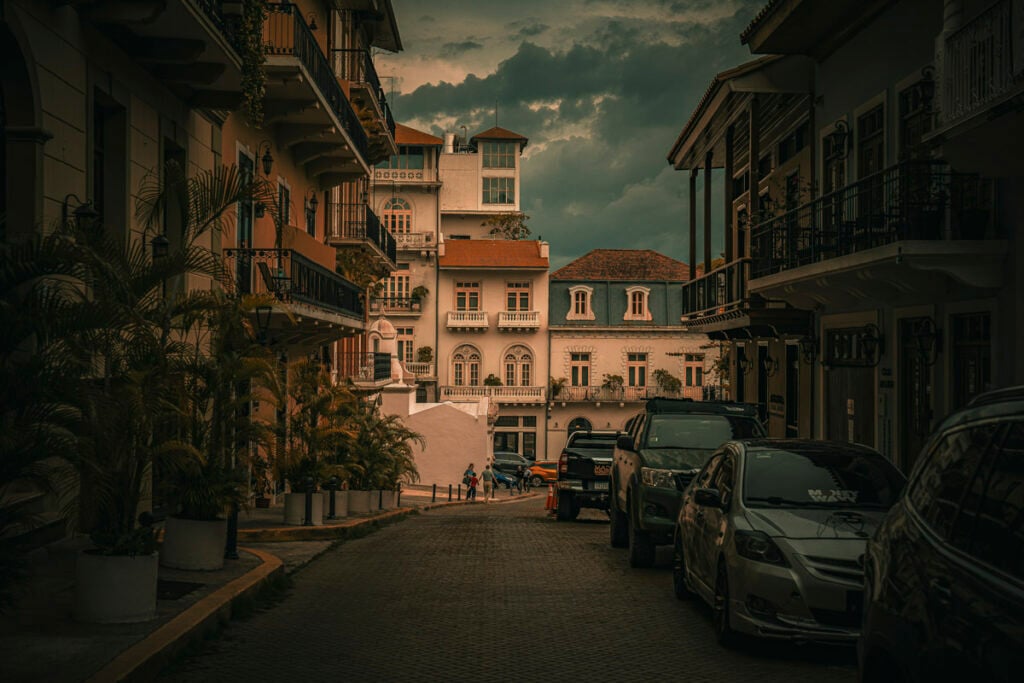
The process is fairly straightforward and similar to renting a car in most countries.
You’ll generally follow four simple steps:
- Search available vehicles
- Compare suppliers and prices
- Book online
- Pick up the vehicle on arrival
Most travelers collect their vehicle either at Tocumen International Airport in Panama City or from a rental office within the city itself.
One important thing to understand is that many booking websites are comparison platforms rather than rental companies. Instead of operating vehicles themselves, they allow travelers to compare multiple suppliers in one place.
Platforms such as EconomyBookings help travelers compare prices, vehicle categories, rental conditions, and supplier ratings without needing to visit multiple rental company websites individually.
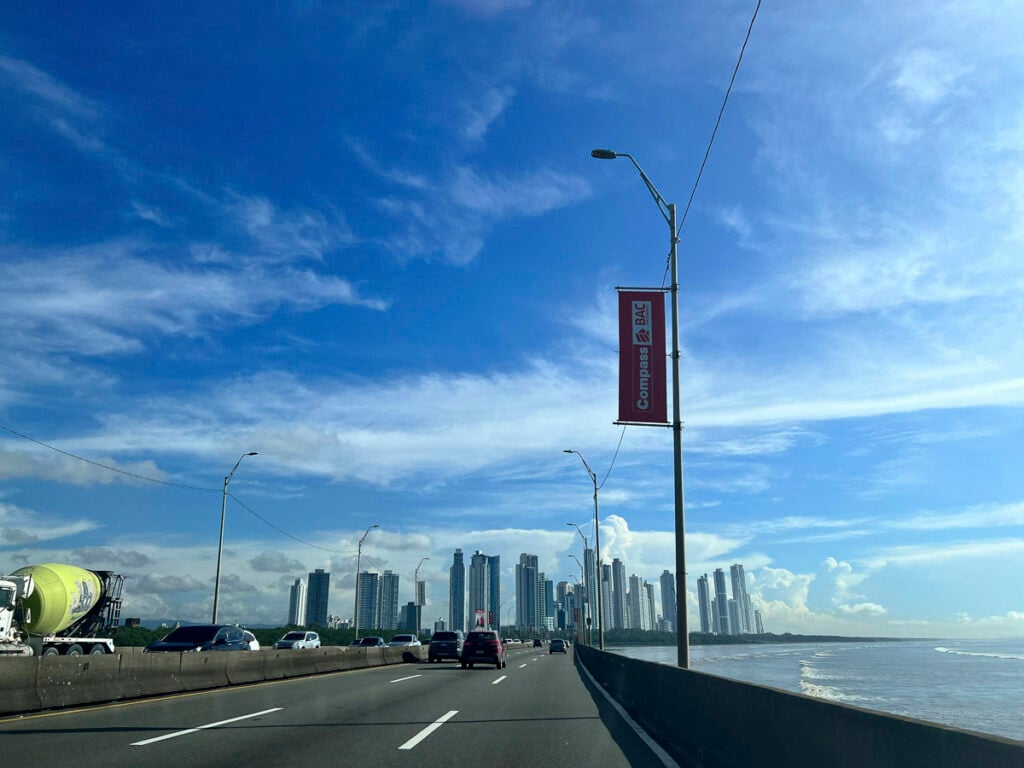
The biggest mistake many travelers make is booking the first vehicle they find.
Prices can vary dramatically between suppliers, even for similar vehicles and pickup locations.
Using a comparison platform allows you to see multiple options side by side and often saves both time and money.
One useful resource is EconomyBookings’ guide to finding cheap car rentals, which covers strategies for comparing suppliers and avoiding unnecessary costs.
Timing also matters. Flexibility can also help.
Changing pickup times, locations, or vehicle categories can sometimes reduce costs significantly.
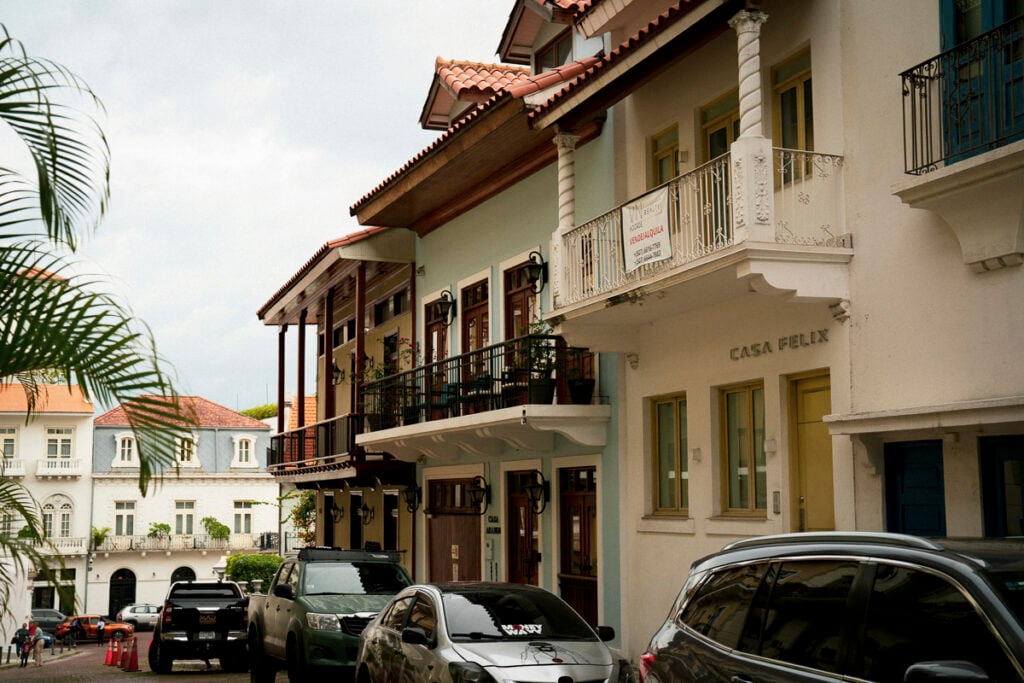
Many travelers are surprised by how modern Panama’s road network is.
The Pan-American Highway connects much of the country and is generally in very good condition. Driving between major destinations is usually straightforward, and fuel stations are easy to find throughout most regions.
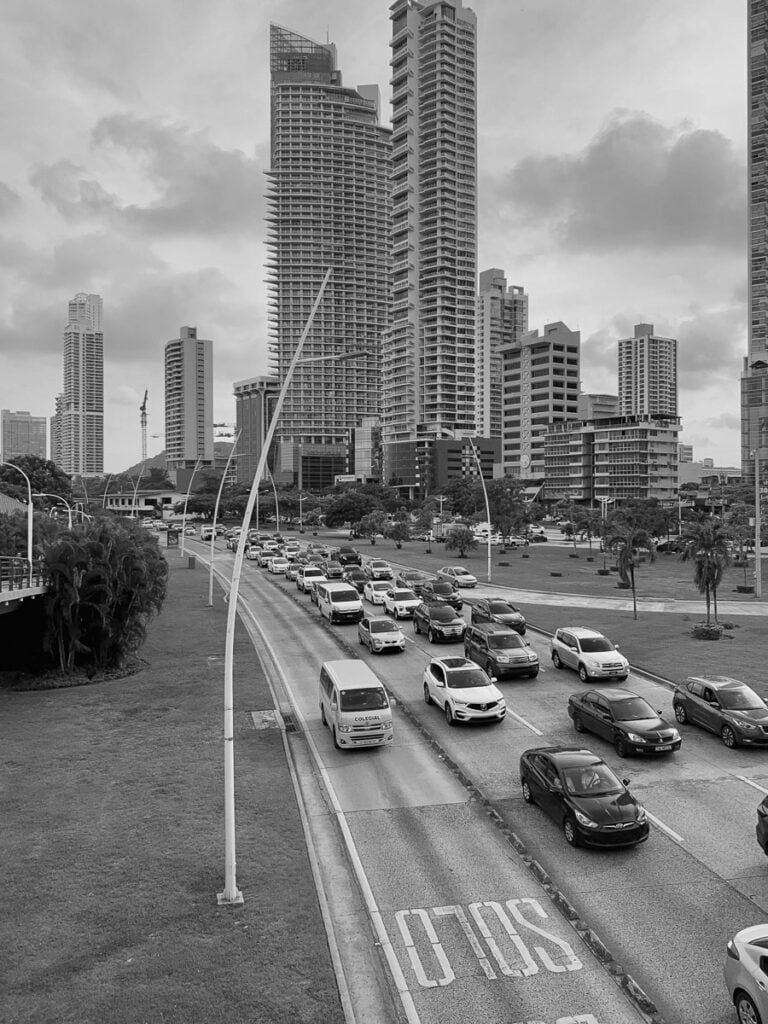
Panama City is the most challenging place to drive due to heavy traffic, especially during rush hour. Outside the capital, driving becomes much more relaxed.
Roads around Boquete can be steep and winding as they climb into the mountains, while some routes near remote beach destinations may include rougher secondary roads. However, most popular tourist destinations are accessible with a standard vehicle.
Navigation apps work well throughout much of the country and road signage is generally easy to follow.
Many travelers assume renting in the city is always cheaper than renting from the airport.
In reality, that’s not always the case.
Research from EconomyBookings’ airport vs city rental comparison guide found that airport pickups can sometimes be more affordable due to supplier competition and larger vehicle inventories.
For travelers landing at Tocumen International Airport and immediately leaving Panama City, airport pickup is often the most convenient option anyway.
Beyond the rental price itself, there are several additional costs that travelers should plan for.
These may include:
- Fuel
- Toll roads
- Security deposits
- Additional drivers
- Child seats
- GPS devices
- Insurance upgrades
The exact cost depends on the supplier and vehicle category.
Before booking, it’s worth reviewing the rental conditions carefully and understanding what is included in the quoted price.
Many travelers focus exclusively on the lowest advertised rate, but transparency is often just as important as price.
The best vehicle depends entirely on your trip.
If you’re primarily driving between cities and staying on major roads, a compact car is usually more than sufficient and helps reduce fuel costs.
Families or travelers carrying surfboards, camera gear, or large amounts of luggage may prefer a larger SUV.
While some remote regions have rougher roads, most visitors exploring Panama’s main destinations won’t require a four-wheel-drive vehicle.
Before driving away from the rental office:
- Inspect the vehicle carefully
- Photograph existing damage
- Check fuel levels
- Confirm insurance coverage
- Understand deposit requirements
- Verify return instructions
Taking a few minutes to document the vehicle can save considerable hassle later.
For travelers planning to explore beyond Panama City, renting a car is one of the best ways to experience Panama.
The country is surprisingly road-trip friendly, the infrastructure is generally good, and having your own vehicle unlocks destinations that would otherwise require complicated transport connections.
By comparing suppliers carefully, understanding rental conditions, and booking through a reputable comparison platform, you can usually find a vehicle that suits both your budget and travel style while avoiding many of the common mistakes first-time renters make.