Zach Freider sits in his studio apartment in Brooklyn, talking about the curiosity that’s been with him since he can remember, his days in bands, and a birthday party that changed everything. Outside, the New York Knicks are deep in a playoff run and a roar from the sports bar crowd pours through the window — the city buzzing with a collective electricity he says he’s never seen before. Behind him there’s glassware of different shapes and sizes. Things that catch the light. Things you want to pick up.
It’s a fitting place to begin a story about Craighill. A maker brand that’s captured the collective curiosity of millions by, in the simplest sense, explaining to the world how things work.
In Search Of…
Zach tells me he grew up just outside Washington, D.C., attending a school called H-B Woodlawn, started by hippies in the 1970s. Loose attendance policy, first-name teachers, classes where you could explore big ideas well outside the standard curriculum. The kind of place that sent kids to the Ivy League and also bred rebels, anti-conformists, and free-thinkers — sometimes a blend of all of them.
“I was curious about everything,” he says. “There wasn’t any subject matter I wasn’t into.”
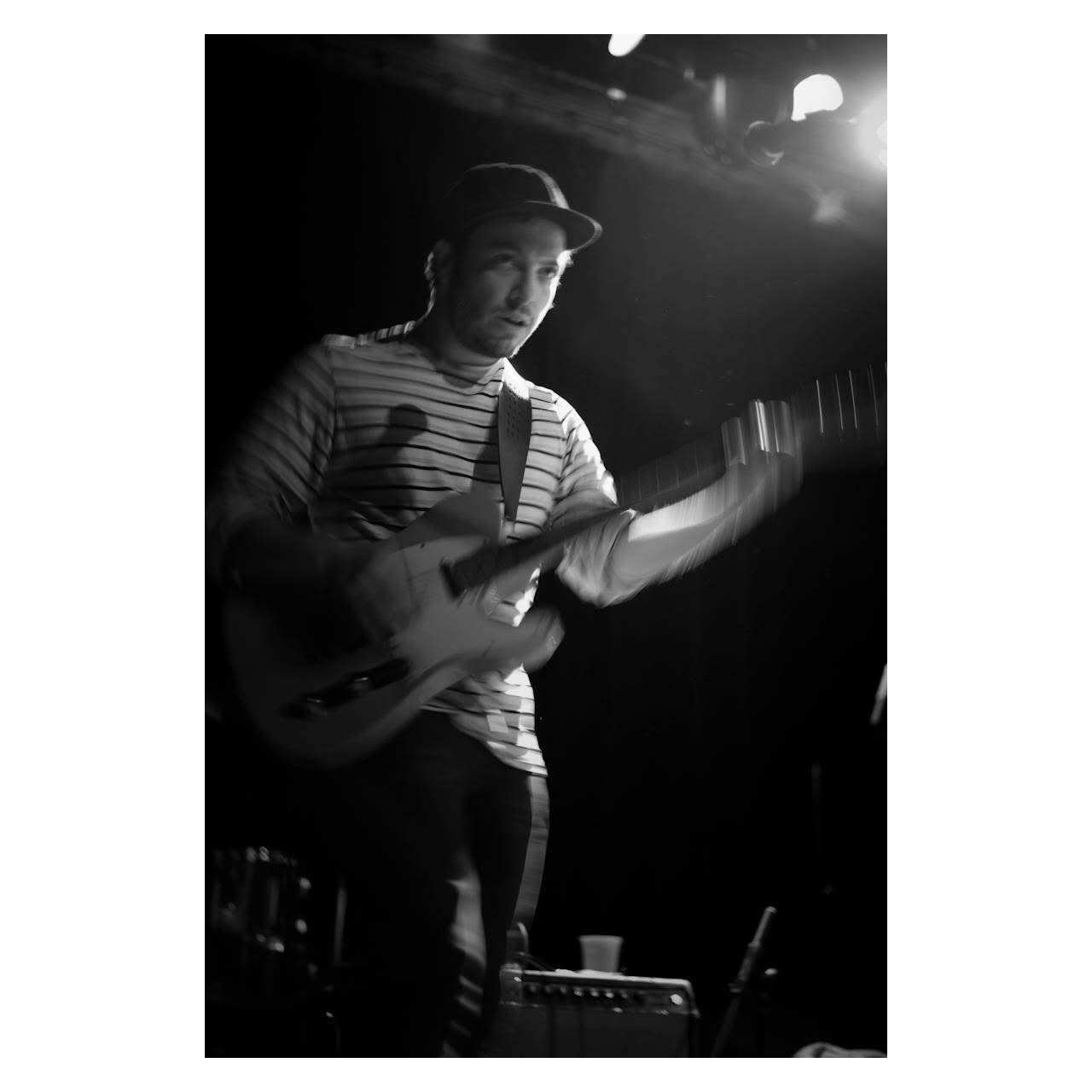
But outside of school, one thing clicked above everything else: music. From a young age, he was playing guitar, practicing obsessively, really thinking on how to turn his dream of being a musician into a reality.
“I was most interested in writing songs and playing with other people and figuring out how to put a band together,” he says.
Even then, Zach was chasing the puzzle of how you take something from an idea to something real — and get it in front of people. That instinct would follow him everywhere.
When it came time to choose a college, he wasn’t looking for an arts program. He was looking for a room full of people plugged into culture the way he was. He found it at Wesleyan University in Connecticut.
“These are the types of people,” he remembers thinking. “These are the people I’ve been looking for.”
Somewhere in his freshman year, a kid from his friend group started playfully heckling a group of prospective students. One of them walked straight up, unfazed, and introduced himself. His name was Yale — one of four best friends from the same high school, all about to arrive at Wesleyan together.
One of the other four was a guy named Hunter Craighill.
An Unlikely Pairing
Hunter Craighill and Zach Freider became friends the way you do at that age: gradually, then completely. What Zach noticed about Hunter, even then, was something harder to name than talent. There was warmth, amiability. But also an appetite — a willingness to take the lead in a way that most people quietly avoid.
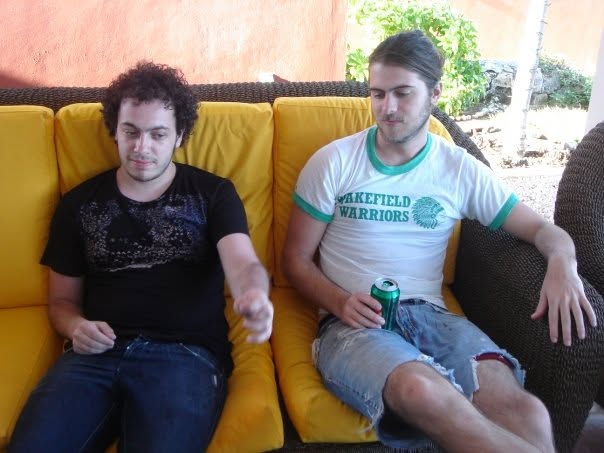
“He became the president of this co-ed house we were both members of,” Zach recalls. “All the indie rock bands that came through on tour would play there. It’s a thankless job. You can’t please everybody. But there was this willingness to work on things and make decisions.”
Hunter was studying studio art with an architecture focus. Zach was playing shows in New York, good enough to tour England with bigger acts. After college, their paths diverged but ran strangely parallel. Zach kept touring. Hunter worked for a graphic designer, then an architect, then cold-emailed a brand called Best Made Co. and talked his way into an early position there, eventually leading product development — learning to source from factories he’d never heard of, figuring out what a purchase order was on the job.
Meanwhile, Zach had added another hustle: real estate. “A classic cliche,” he says with a laugh — “a guy in the band renting people apartments.” But it was going well.
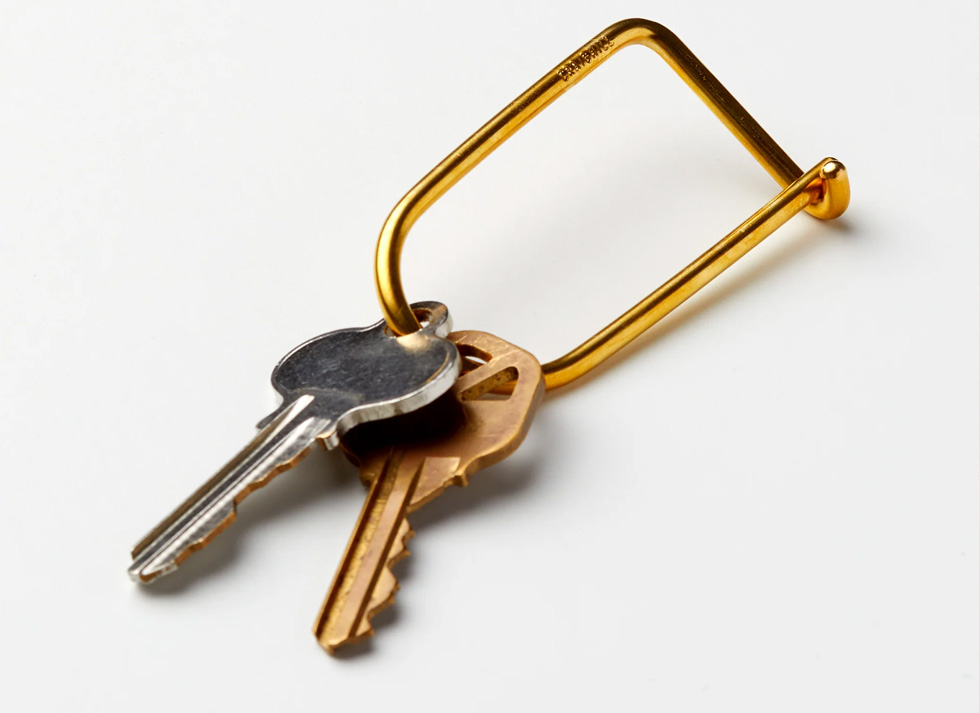
Then Hunter left Best Made, started a company with his cousin called General Manufacturing Concern, and began making things. A bottle opener. A coat hanger. A wallet. And a simple, elegant loop of cold-rolled brass wire that held your keys — the Wilson Keyring. That last piece would be the first foundation of Craighill.
A Room Full of Questions
Hunter invited Zach to come help out in a tiny studio in Williamsburg. Help stitch wallets. Minimum wage, basically. Zach said yes immediately.
“It was so similar to being a person who writes a song with friends in a room,” he says. “And then it’s like, okay, now we have to record this — and find a way to get it out to many thousands of people all over the world.”
Watching Hunter go from idea to drawing to 3D model to physical object — Zach was struck by how unlikely that chain of events actually is. How many steps. How many places it can fall apart. And so he started asking questions.
“What’s this material? Where did you buy it from? How did you pay rent on the space? You’re sending this to a store — what is the store? How did you get in contact? Does this work?”
“All of these are relatively simplistic questions,” he says, smiling at the memory. “But there was this real, pronounced curiosity and excitement and appreciation for what he was doing.”
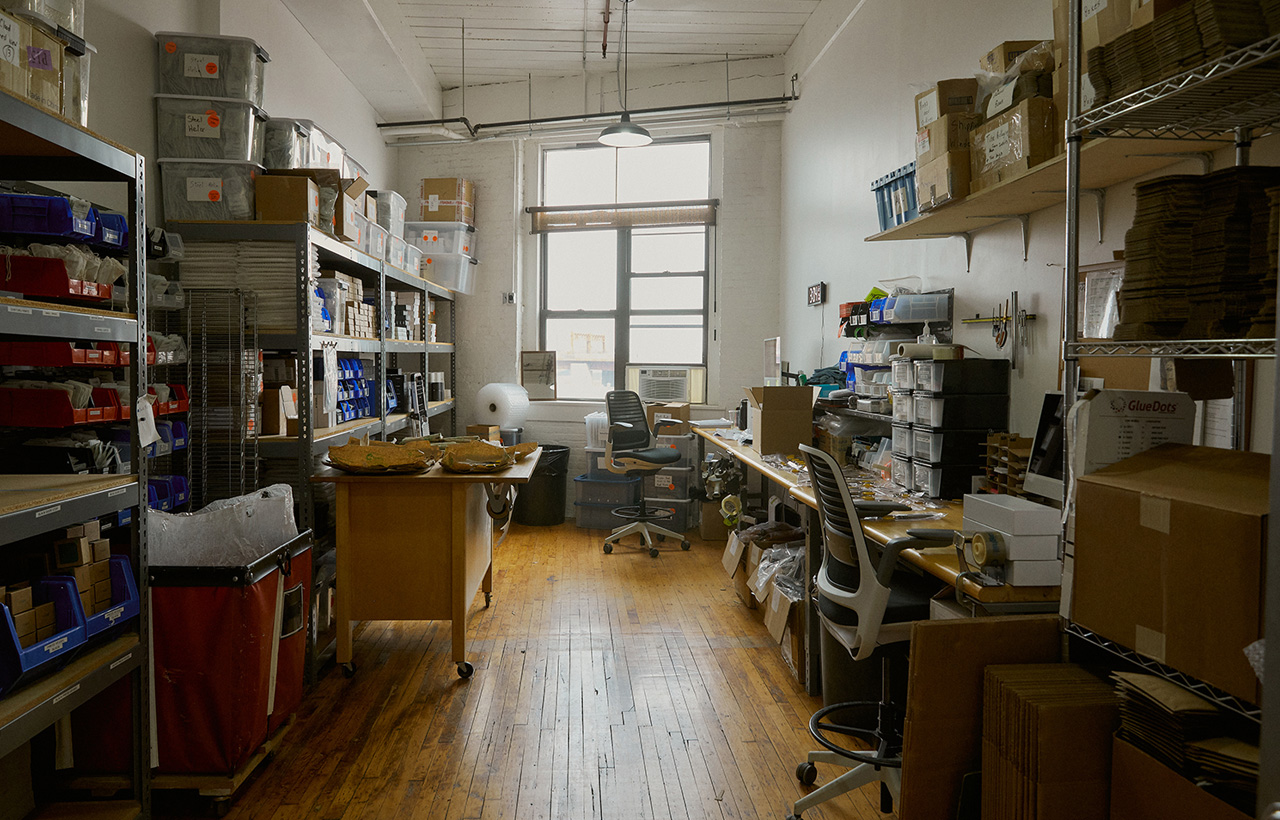
Hunter noticed. That curiosity was exactly what he’d been looking for without quite knowing it. He had suppliers, ideas, an ability to get things made. What he didn’t have was someone who could carry those ideas into the world — not just explain what the products were, but what they meant. “The value they have beyond their functional physical reality,” as Hunter puts it. “That’s a rare skill.”
A few months later, Hunter came back with questions of his own — about naming the company. He had a list of options. Zach remembers them being, in retrospect, not great. And then Hunter said: “I’m thinking about just calling it Craighill.”
“I remember instantly being like, yes,” Zach says. “How many people have a name that sounds like a brand name? And naming a brand is extremely hard. So just do it.”
It’s a funny moment — because Hunter is, as Zach describes him, “a truly reluctant” person when it comes to putting himself forward. Self-effacing. The kind of person who, even now that Craighill has blown up on social media and he gets recognized walking around Brooklyn, is quietly uncomfortable with the attention. The brand named after him happened almost by accident, nudged forward by his friend.
The Birthday Party Offer
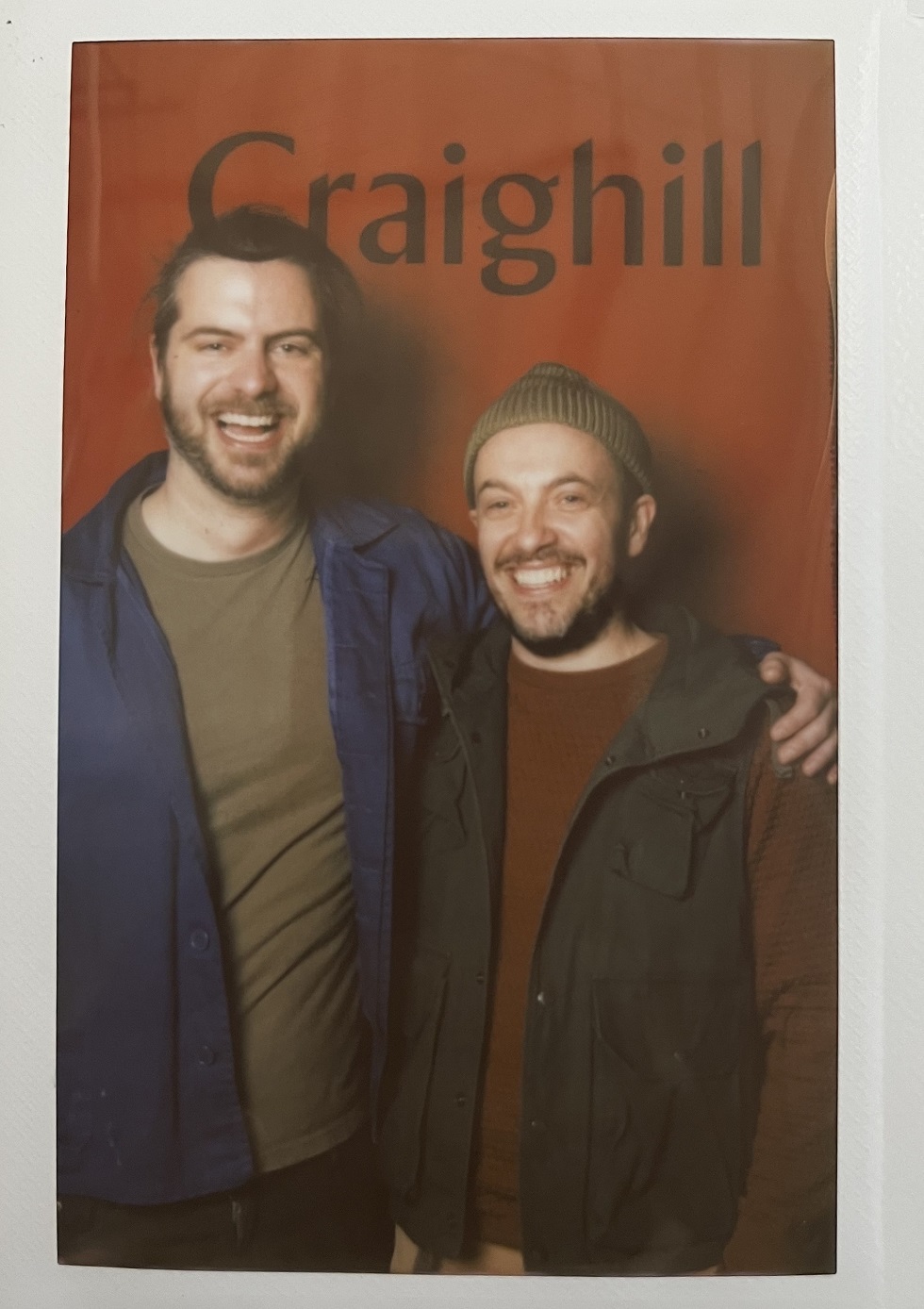
The website launched at the end of 2015. Orders came in. Wholesale accounts followed. And then, in January 2016, Hunter showed up at Zach’s 30th birthday party and pulled him aside and asked him to join him.
“I was like — what? What are you talking about?” Zach says. “That’s extremely flattering, but…”
He was in a band. He was doing well in real estate. It was a curveball.
Hunter remembers he’d seen the signals — the fearlessness, the questions, the belief. He’d felt, in those early days in the studio, what it was like to have someone else’s conviction reinforce his own. “His belief in the products reinforced my own belief in them,” Hunter says. “It gave me a lot more confidence — you know, selling $100 mechanical puzzles to slightly confused wholesale buyers at trade shows.”
For Zach, a different frame settled over the idea. “It was the type of opportunity that people hope for,” he says quietly. “To have a person that you feel so much admiration and trust with — and they choose you to come do a thing like this.”
“I was straight up like: I have no idea how to do this,” he adds. “And really, now looking back on it — I really did not.”
He figured it out. Piece by piece.
What To Actually Care About
In those early days, Zach and Hunter encountered two people — friends named Alex and Athena — who ran workshops helping companies surface their shared values. Not to manufacture a mission statement, but to find what was already there.
What came out of it has remained the north star ever since.
“Wanting to help people understand the nature of the built world, and how things are made, by encouraging them to ask questions.”
“We’re just so hungry to know and understand why things are the way they are,” Zach says. “What’s the machine? What’s the material? Is this spun? Is it cast? Is it bent? Is it CNC? The more you understand that, the more you can appreciate all the decisions that go into everything.”
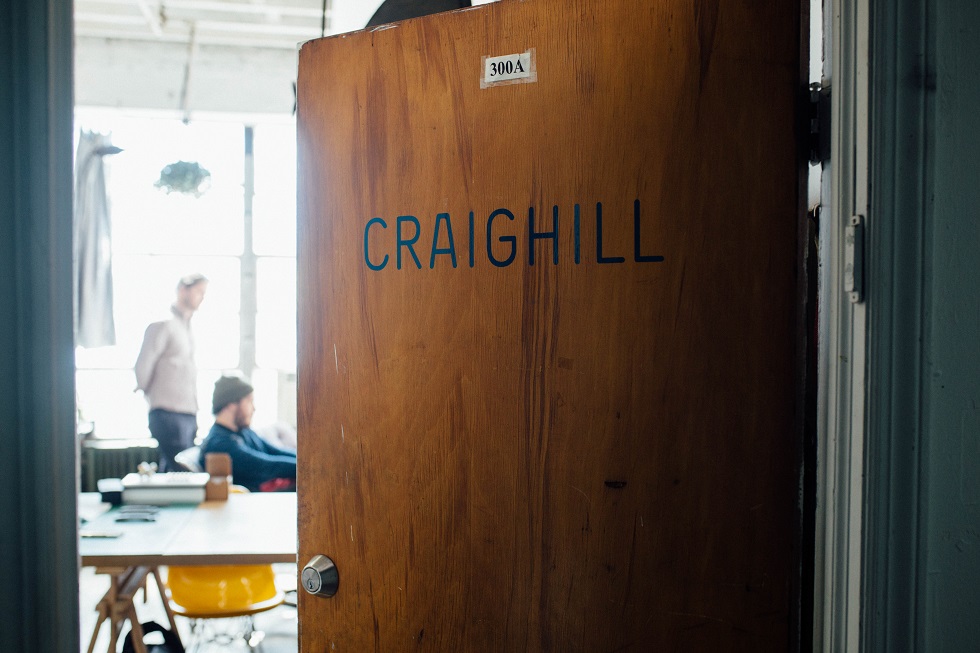
What’s easy to miss, from the outside, is how much of that north star was shaped by Zach rather than simply shared by him. Hunter is candid about it — he’s always been capable of hyper-fixating on the product itself, the design and manufacturing, sometimes at the expense of the larger picture. It was Zach who pushed them to invest in brand identity early, to articulate their values and build them into the fabric of the company. And it was Zach who established what Hunter calls “the voice of the business.”
“He’s an incredibly articulate writer, and extremely funny at times,” Hunter says. “He really established our whole approach to communications — which always has a little twinkle of playfulness, but executed to a really high level. A playful concept, executed to meticulous standards.”
That voice didn’t stay in the marketing department. It seeped into the design process itself — giving them the confidence to embrace decisions that might otherwise feel risky. “By articulating these values,” Hunter says, “it gives us confidence to embrace them.”

The Moving Pictures
A few years in, Zach found himself staring at a problem. The brand was growing — steadily, organically — but not fast enough. He could extrapolate the numbers. He could see the ceiling.
During his search for answers, a friend named Yan gave him one he really didn’t want to hear: “You need to build community on the internet,” he said. “Probably by making videos.”
“When you encounter the thing you should do,” Zach says, “it’s scary. If I feel this afraid of it, there must be a signal there. And so many other people feel this afraid of it too. So the barrier to entry was high.”
Hunter was skeptical. Video was a skill they had to develop from scratch — like learning a new sport, he says, daunting because you don’t know what you don’t know. There’s also “a certain insecurity that comes with sharing ideas, using your face and voice, showing behind the scenes — that you have to overcome, and it makes it harder to start, and harder to continue when it doesn’t immediately go perfectly.”
So Zach committed to the thing he was most afraid of. He studied. He listened to story after story of creators who’d built massive audiences from nothing, and heard the same advice repeated: just start before you’re ready.
So they did. The early videos were decent. They didn’t catch. Then they started getting Hunter in front of the camera, talking about what he was actually working on. And something shifted.
“There would be a disproportionate hit in views,” Zach says. “And we did it again, and it worked again. And we were like — okay. Now we’re onto something.”
They hired Henry, a video producer who’d grown up on YouTube and approached it from a filmmaking perspective. For Hunter, the turning point came through a specific kind of video — short-form pieces explaining a mechanism or sharing a design element, showing the thought process of borrowing inspiration from one discipline and applying it to something new. A four-bar linkage. Wave springs. Small, precise, genuinely interesting things.
“Something clicked there for me and Henry,” Hunter says. “We were making content that scratched an itch, and was a positive reflection of the problem-solving and thinking we do here. It didn’t feel cringy. We were genuinely excited, and I think that came across.”
What Hunter had feared was that success with video would require copying formats, chasing trends, performing in ways that felt false. What they discovered — what Zach had intuited earlier — was that authenticity and engagement didn’t have to be at odds. “Authentically communicating your values and being interesting to people,” Hunter says, “can be the same thing.”
Then last year, it went, as Zach puts it, “totally crazy in a way that none of us expected.” The scissors video hit 2.3 million views. A Short about a desk pad hit 2.2 million. A measuring tool Short crossed a million. The channel now sits at 274,000 subscribers and over 111 million total views — numbers that would be remarkable for a media company, let alone a small Brooklyn studio that makes brass keyrings.
Little Justified Decisions
The secret, if there is one, is the same thing that’s been true since Zach walked into that Williamsburg studio and started asking questions.
Genuine curiosity, made visible.
The design team takes products through rounds of what Zach calls “little justified decisions.” A corner radius. A material choice. The exact patterning of a dimple on a surface. Each one deliberate. Each one defensible. “If they care about it, if we care about it, if it’s so central to our DNA — there have to be other people out there who also care about it.”
The result is content that doesn’t feel like content. It feels like being let into a room where smart people are working something out.
“I never knew I was going to care about a ruler the way I care about this ruler now,” Henry said, “because you just broke down the many months of decisions that went into creating this beautiful object.”
Objects That Last
Walk through the Craighill catalog and you’ll find a particular kind of object. A brass wire keyring so simple it makes you wonder why keyrings aren’t all made this way. A desk knife machined to live on your desk rather than disappear in a drawer. Metal puzzles — the Jack, the Tycho, the Tetra — that end up displayed as art when you’re not trying to solve them. Scissors with PVD coatings in colors that shouldn’t work but do.
What connects them isn’t a category or a price point. It’s a question: what if this everyday object were designed better?
And underneath that, a conviction: that the things we use every day deserve the same care we give to the things we display. That objects can age with you, develop a patina, become more themselves over time. That the right keyring, the right knife, the right pair of scissors can become — and this is a phrase Zach uses with genuine feeling — intergenerational. The things you keep when you move. The things you don’t give to Goodwill.
Hunter thinks about this in two registers. There’s durability in the classic sense — will it hold up, is it repairable? And then there’s what he calls “a more romantic sense of durability, which is aesthetic and emotional. Does this still have relevance in someone’s life in 20 or 50 years? Is it something they still have a reason to reach for?” Both, he says, are critical. You can’t have an intergenerational object without achieving both.
It’s why the guarantee they put on their products matters to him beyond its practical function — a statement to themselves as much as to their customers. “There’s this increasing culture of adversity toward companies that make products,” he says, “a baseline assumption that quality is poor. This feeling that there are anonymous products that are just going to fall apart, and no one’s going to be there to pick up the pieces.” The guarantee is Craighill planting a flag in the other direction.
They don’t always get it right on the first try. There have been products where the first version didn’t live up to their ideals, and they’ve gone back to the drawing board — sometimes two or three times. “Continually striving for a better product, a more efficient mechanism, a more precise production process, a more considered form,” Hunter says. “That’s actually been really satisfying.”
At its core, the idea of the intergenerational object is tied to something simpler: the goal of building a company that can make products of the highest caliber.
“If this works,” Zach remembers thinking on the night of his 30th birthday, “this could be something we could do for the rest of our lives.”
More than a decade later, sitting in his studio apartment, it’s working.
And they’re still asking questions.
The post How Craighill Convinced the World to Care About Scissors appeared first on Carryology.