Since we launched The Monocle Quality of Life Survey in 2007, we have sought to show that what makes a city great is about more than just low-crime rates, economics and public-transport connections (though these factors do make a considerable difference). Markers of urban quality of life also include inhabitants and visitors feeling considered, easy access to green space, the ability to grab a decent meal after 22.00 and a sense of community.
The cities that have topped our rankings over the past 10 years share many of these qualities – some cities have topped the charts multiple times. As we look forward to the release of our 2026 Quality of Life Survey this Thursday 25 June (order your magazine here), we’re looking back at the cities that came first-in-place and the ideas that helped them get there.
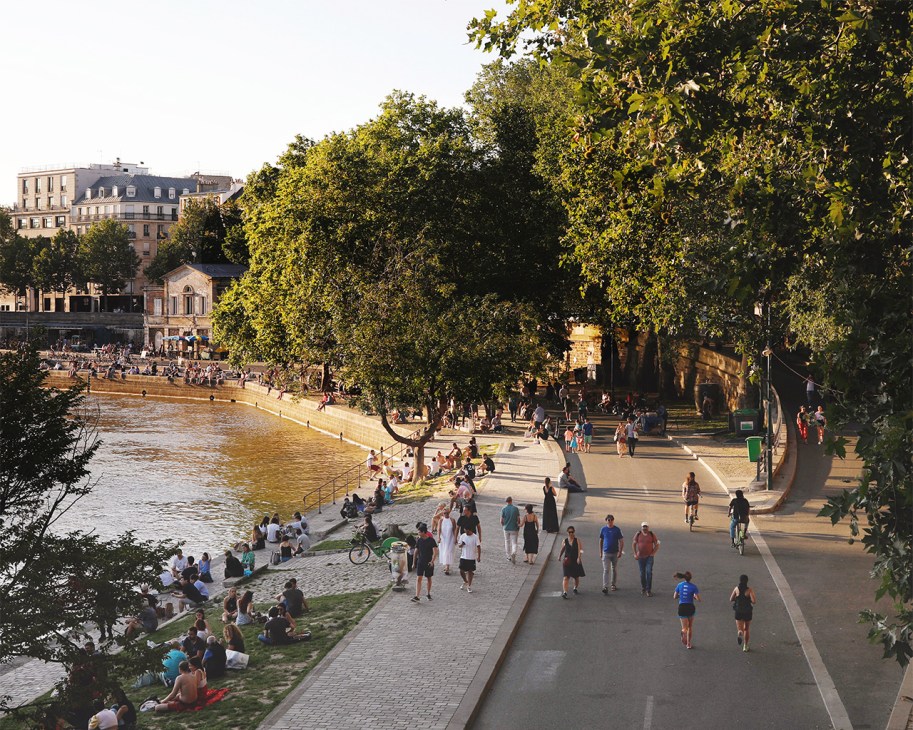
“I can honestly say that there’s no city in the world in which I would rather live,” says Charles-Antoine Depardon, an architect and advisor on urban development to Paris’s city council, as he strolls through the Tuileries on his way to work at the Hôtel de Ville. “It is an extraordinary cocktail.”
Depardon might be biased but on a spring morning, as the French capital’s avenues resound to the click-clack of hard leather shoes on spruce concrete, it’s hard to argue with him. The 2024 Olympics provided Paris with the platform to showcase its chic contemporary self. The city delivered a rousing performance that also served as a fitting coda to a decade of revival under mayor Anne Hidalgo, whose ambitious (and sometimes controversial) urbanism interventions have made it cleaner, greener and safer, while maintaining and protecting the personality that give Paris its inimitable charm. The French capital in the 21st century looks a lot like it did in the 20th century but that’s a large part of the appeal. And today it is also a more international, outward-looking city than it has ever been.
Read more in our 2025 Quality of Life Survey, or buy the magazine issue here.
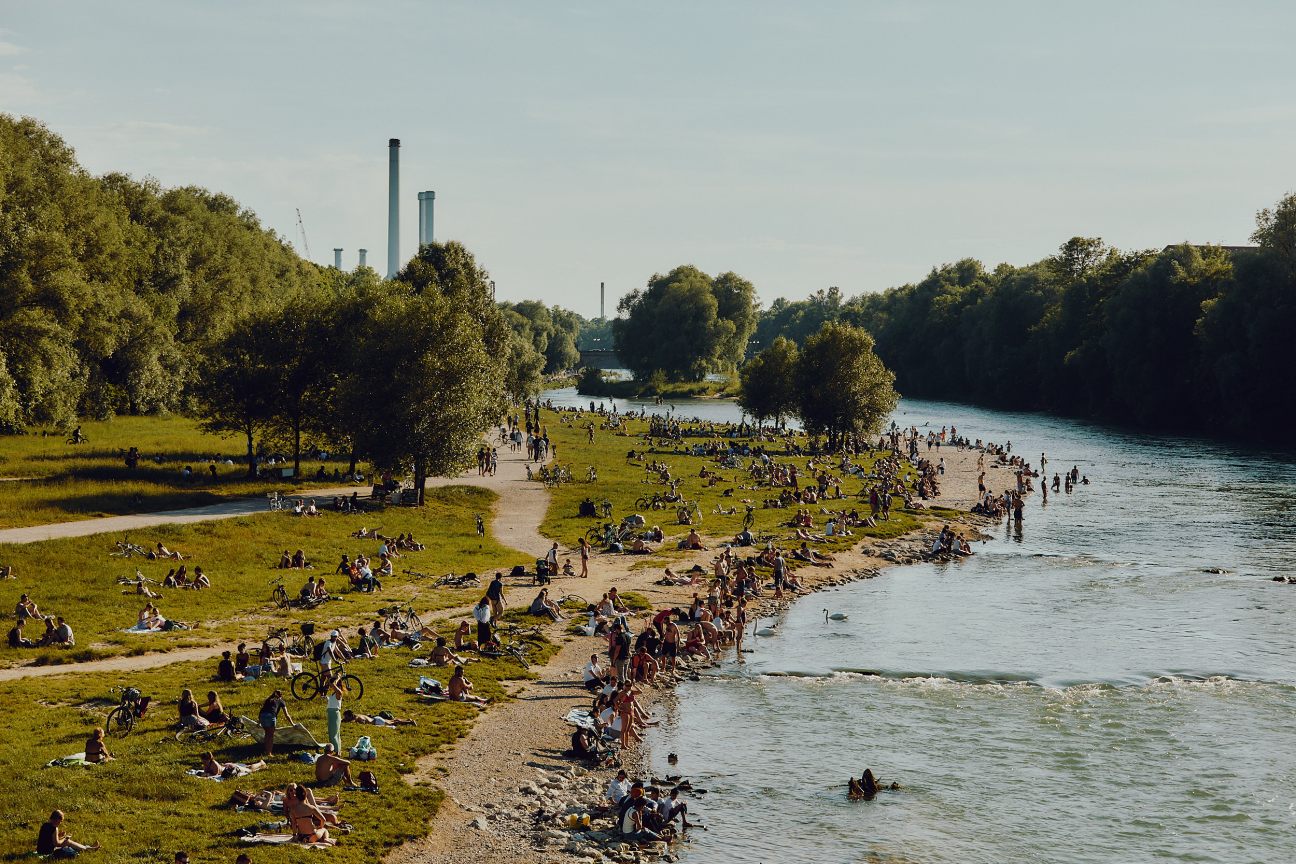
Munich is perhaps Germany’s most attractive city. Since 2000, the populations of Berlin, Hamburg, Köln and Frankfurt have grown by about 15 per cent – but Munich’s has risen by almost a third. One reason is the city’s economic and intellectual draw. Of Germany’s 40 largest companies, seven hail from Munich. This has probably contributed to its status as Germany’s most expensive city. But talent is nurtured here. In December 2024, the city set aside an extra €668m for building and renovating nurseries, pre-schools and schools; with a total budget of €8.4bn since its inception in 2011, it’s Germany’s largest such scheme. On the other end of the academic ladder, the Technical University of Munich and LMU München are two of the country’s top universities. The city’s proportion of employees with an academic degree is 41 per cent, also Germany’s highest.
Munich is also the country’s best city for a healthy lifestyle. In an EU ranking of 38 German regions by life expectancy, Upper Bavaria, home to Munich, came first with 82.3 years. One explanation is the city’s access to nature: pristine environs, the river Isar and parks such as the Englischer Garten. New leisure facilities have opened too. Among them is Kunstkraftwerk Bergson, a power station converted into an arts venue. Last year, the city nearly tripled its newly installed solar power capacity with a scheme that supports small panels on private balconies. Munich’s future looks sunny. A worthy winner.
Read more in our Quality of Life Survey 2024, or buy the issue of the magazine here.
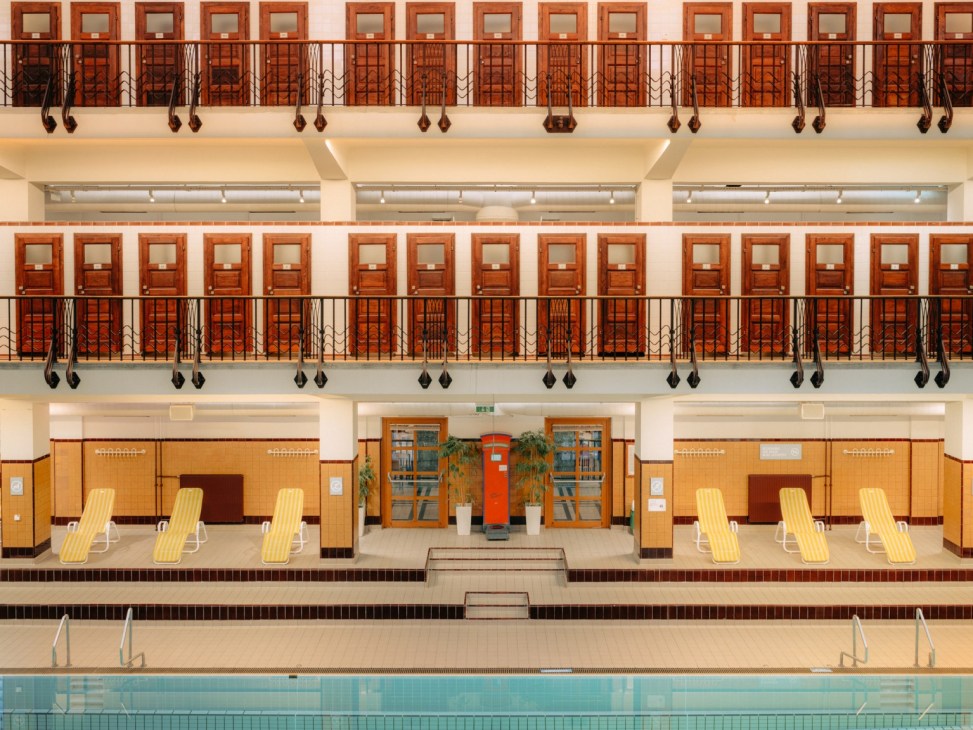
With Vienna’s stunning baroque architecture and refurbished parliament building, it’s easy to forget its natural beauty. But there are hills, lakes and rivers within the city limits. As the sun returns, so do the Viennese – to the water. Danube Island is a popular spot, as are public swimming areas such as the Gänsehäufel on the Alte Donau.
Meanwhile, museums have been celebrating the 150th anniversary of the event that turned the city into a global metropolis: the 1873 Vienna World’s Fair. Though it was a financial disaster, it rekindled European interest in Japanese and Middle Eastern arts and crafts, which in turn inspired Viennese artists such as Gustav Klimt.
City authorities have pressed on with their plan to build more social housing, while crime is at its lowest rate in 20 years. A network of community-run parklets known as Grätzloasen, set up by former deputy mayor Maria Vassilakou, has continued to expand into neighbourhoods devoid of public space. Vienna’s excellent transport system is seeing two more additions, both produced by Siemens, whose factory is located within the city: driverless X-Wagen trains for the Vienna U-Bahn and new Nightjet sleeper trains for Austria’s national railway operator, ÖBB. Construction has continued on the new U5 U-Bahn line, though the planned reopening of a section of the U2 line has been delayed until next year. But even without it, Vienna has an embarrassment of transport riches.
Read more in our Quality of Life Survey 2023, or buy the issue of the magazine here.
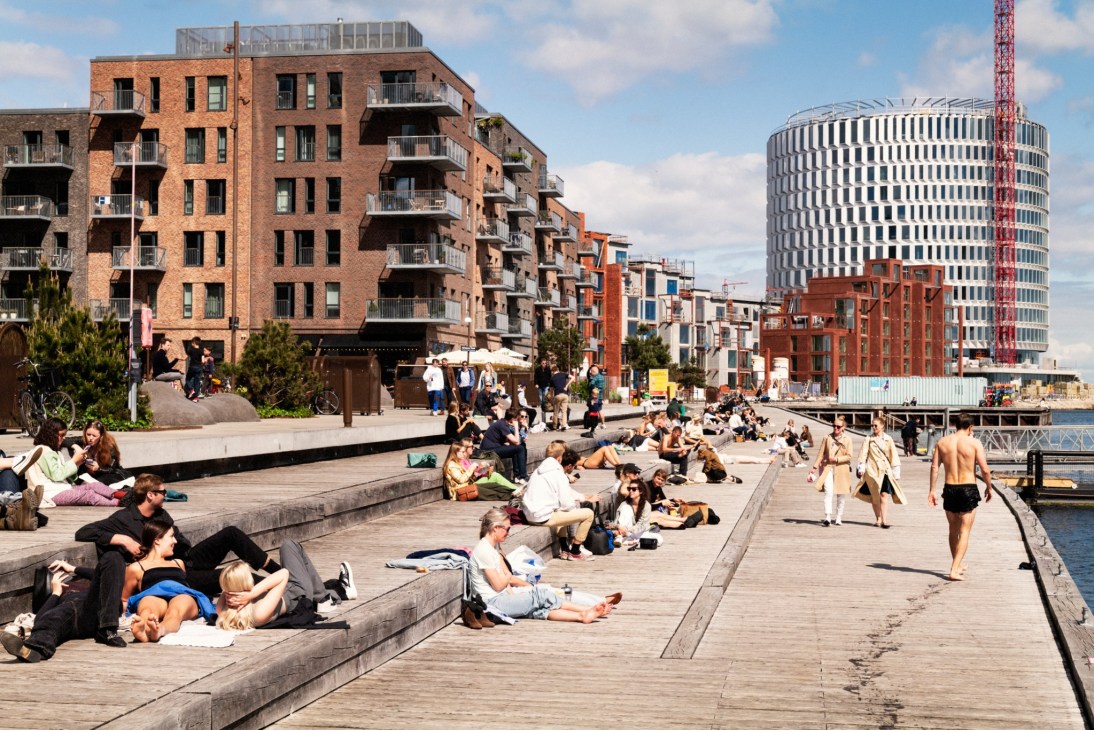
Copenhagen’s decision to gear its city planning towards cyclists and pedestrians has resulted in cleaner air and reduced congestion, and has helped to improve the health and wellbeing of its residents. But there’s always more ground to cover: Nordic weather also demands a public transport system for days when the sleet feels like needles. So the Copenhagen Metro is still expanding, connecting previously distant neighbourhoods.
And the C-word? It’s as if the dreaded virus never happened. The Danish capital’s residents reverted to normality without a fuss, which reflects the sense of collective responsibility and togetherness that the city has fostered. Great new restaurants are opening almost every week (most have moved beyond the New Nordic dogma), culture has never been more vibrant and the economy is booming.
The city also scores well on safety, runs smoothly and has a generous welfare system and support for new parents (though inequality is nudging up). The whole country is undertaking the move towards carbon neutrality by 2050 but there are shorter-term advantages to living here – the proximity of the harbour for a lunchtime swim, for one.
Buy our 2022 Quality of Life magazine issue here.
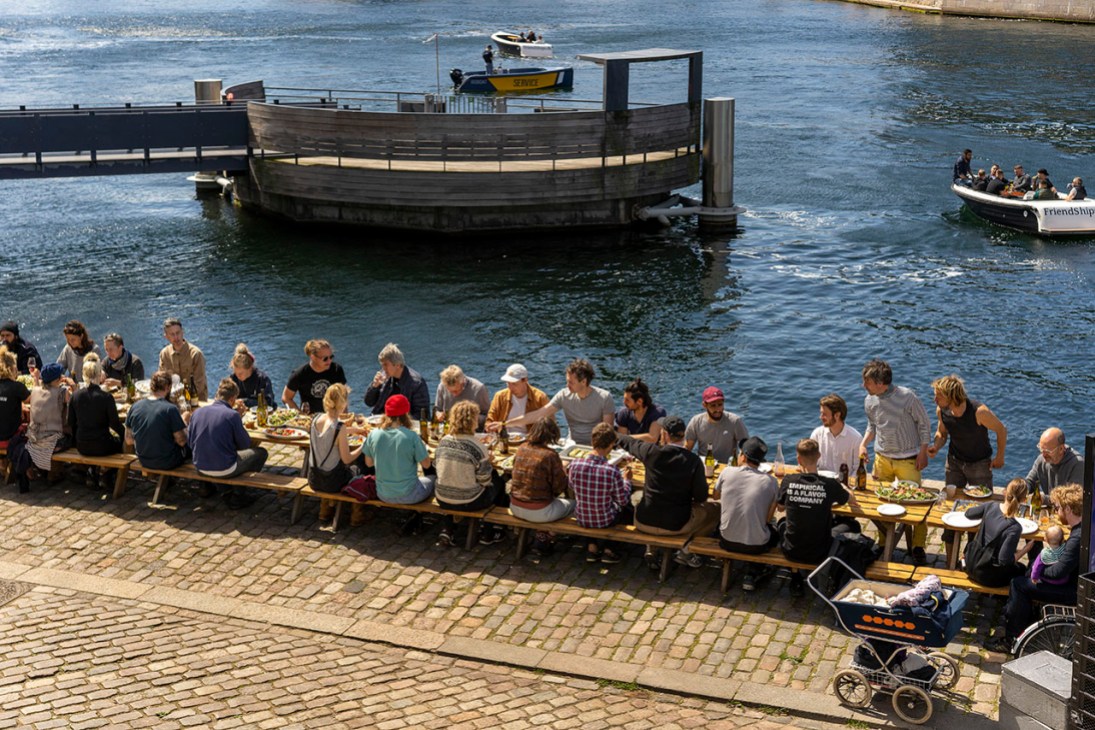
In 2021, the global media picked up on the Danish word samfunssind, which roughly translates as “society-minded” and conveys a sense of pride in social cohesion. Copenhageners demonstrate their samfunssind in the way that they ensure their city is a place where children can roam free, is accessible to those on lower incomes and has efficient public transport, better air quality and a harbour that’s clean enough to swim in.
Yet without the tourists, it seems that Copenhageners are falling in love with their city once again. With its well-preserved cobbled squares, copper-spired beauty, green spaces, ample waterfronts, independent retail scene and a still-expanding choice of restaurants, the Danish capital excels. The new Metro ring has made it easier to access all parts of the city, and the Refshaleøen district is particularly appealing these days due to the presence of the Copenhagen Contemporary art museum and an eclectic range of dining options.
Buy our 2021 Quality of Life magazine issue here.
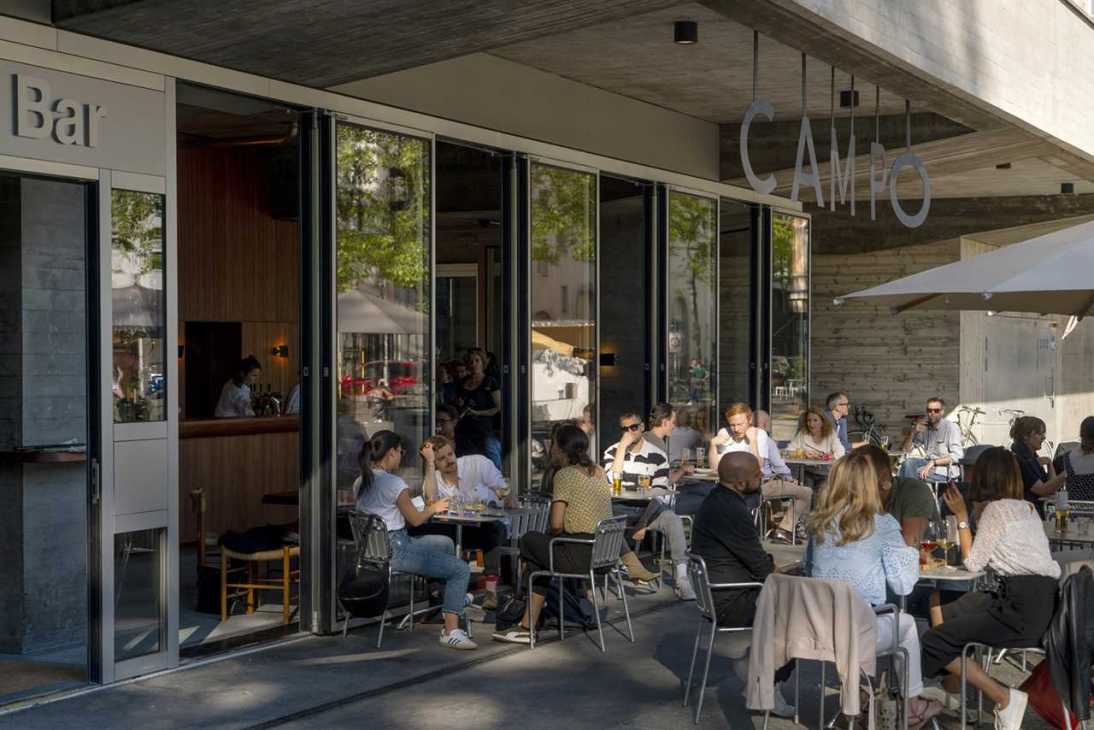
Zürich is a city that gives you the feeling that all is right with the world. It starts at the airport, where you will encounter few queues at customs and a punctual train that delivers you from arrivals to the city centre in minutes. You’ll step out onto neatly swept streets lined with well-appointed shops – and in the distance catch a glimpse of the snow-capped Alps beyond the turquoise blue of Lake Zürich.
The Swiss city of more than 400,000 people often resembles a picture postcard – especially in the summer, when the crystal-clear water is busy with swimmers and sailing boats.
Though the streets are filled with Ferraris and Teslas – the city is Switzerland’s banking capital, after all – more people ride around on bikes or take trams and ferries to get from A to B. Zürich is walkable and environmentally friendly: it’s on its way to becoming carbon neutral and aims to be a 2,000-watt society by 2050, meaning each person will limit their energy consumption to 2,000 watts per year. To encourage cycling, a few more bike paths to make everyone feel safe enough to hop on the saddle are in the works.
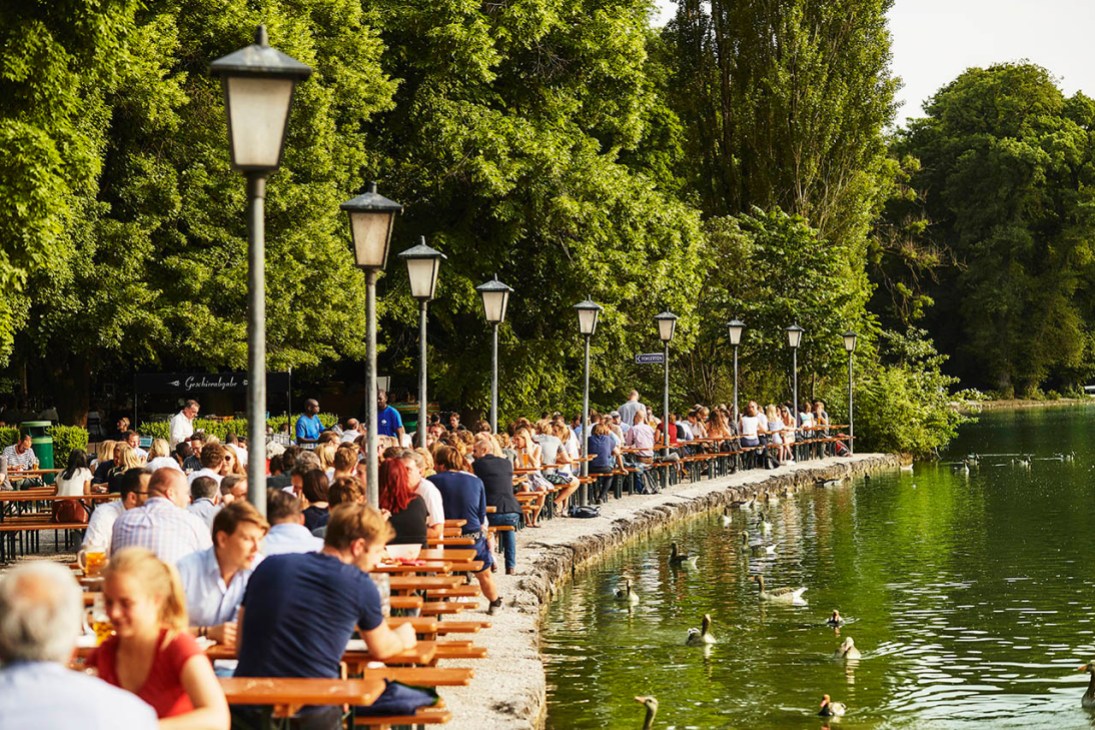
Munich might boast some of Germany’s steepest property prices but the rewards of living here are just as high: this city uniquely combines excellent infrastructure with a booming economy, proximity to nature with appreciation for culture and a strong local identity with a welcoming cosmopolitanism. And, lest we forget, its airport is a joy to behold.
Let’s start with infrastructure. People sometimes call Munich “Italy’s northernmost city” but that’s only true if by Italy you mean South Tyrol. While other southern European cities’ public transport systems fester and decay, in Munich the system is so slick and universally embraced that on the U-Bahn you are just as likely to sit next to a dignified elderly woman in an ankle-length fur coat and a YSL bag as you are a student engrossed in their phone screen. Most of its 18 public swimming pools, 10 of which have a sauna, wouldn’t feel out of place at a top-notch private gym. The same goes for the showers at the airport.
The strong economy also attracts talent from all over the world. People often think of Berlin as Germany’s cosmopolitan city but with a foreign population of about 28 per cent, Munich is actually more so.
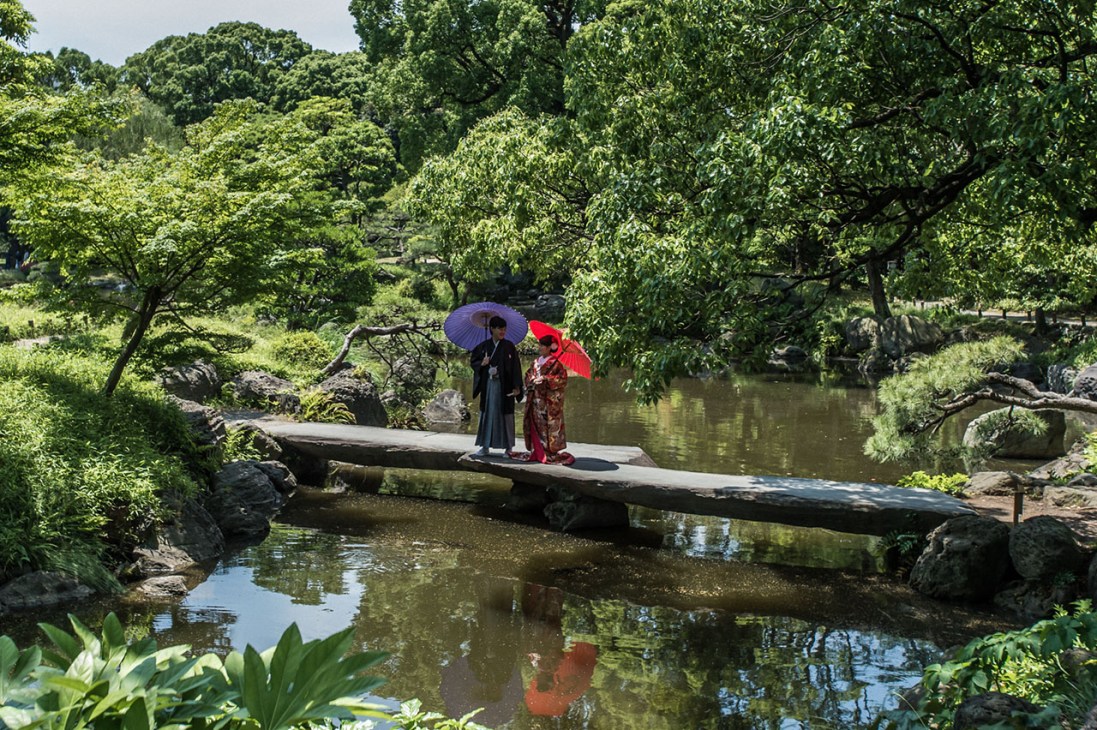
Living in Japan can sometimes feel like inhabiting a very safe, impossibly polite bubble, detached from the strife, intolerance and ugly rhetoric that seem to be so prevalent in many parts of the world. Of course, other places are not always so bad and Japan is not perfect but, as far as large-scale cities go, Tokyo has got urban living down to a fine art. Primary school children walk to school unaccompanied as a matter of course and the streets are safe, even at night. Good service is expected and received in every situation. In fact, the level of civility is so universal, and everyone so attuned to it, that any deviation from acceptable standards – a mildly sullen waiter or inattentive shop staff – causes disproportionate outrage.
The overwhelming sense is that people go out of their way not to bother others. Disturbing fellow subway passengers with a booming conversation just wouldn’t be on and you can almost feel the collective horror should someone start eating a pungent burger or put their shoes on a seat. If it sounds exhausting, it really isn’t. The awareness of not imposing one’s presence on others is absorbed from childhood and internalised to the point where it becomes instinctive. There’s an unspoken agreement among Tokyo’s citizens that whatever the situation – a crowded train, a busy bus or an airport-security queue – it will all be much easier if everyone thinks of others and not just themselves.
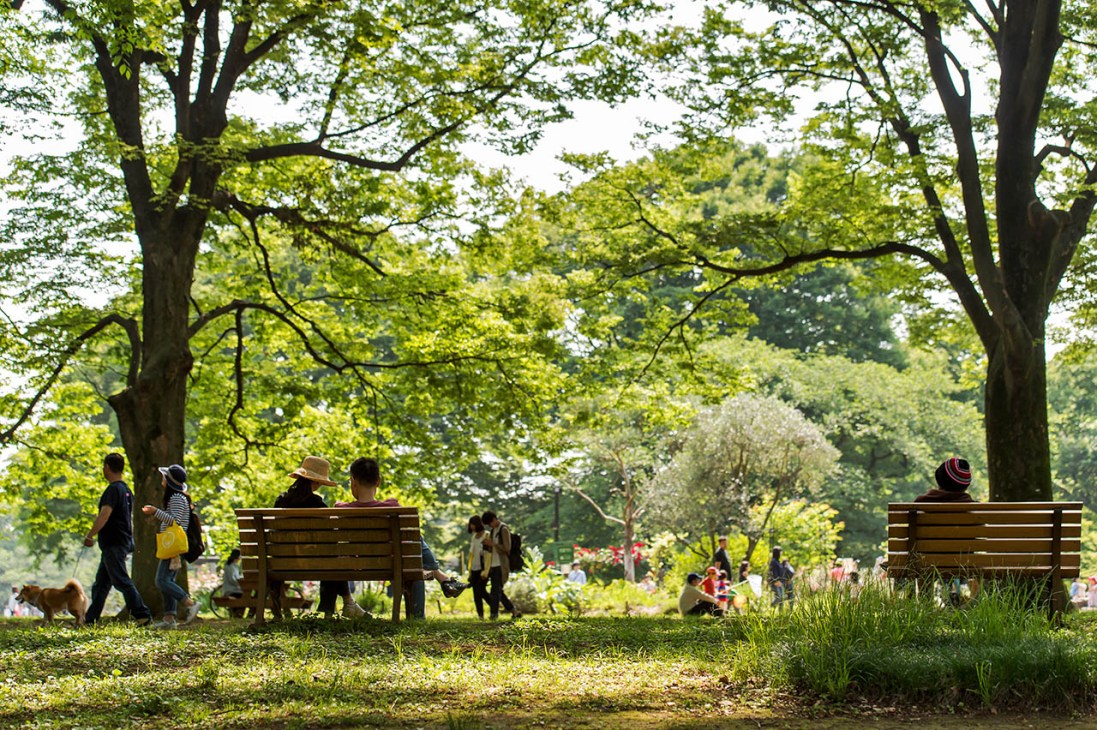
Where other cities talk a good game about being 24/7, Tokyo delivers – and not just on the singing and drinking front. As city mayors plot ways to entice talent and investment while also offering up strategies for a superior quality of life, the city’s round-the-clock economy is a key feature that makes it one of the most attractive places to live and visit. With a conveniently located international airport that operates 24 hours a day, bookshops that open at 07.00 and close at 04.00, and restaurants and shops that never close, Tokyo recognises the pull of being open all hours. Other hubs should take note. As we often say on our editorial floor, if you don’t like bright lights and buzz there’s a lovely place to move called the countryside.
We’ll see you for the release of our 2026 Quality of Life Survey this Thursday 25 June – order your magazine here