Journalists worrying about their profession becoming obsolete is nothing new. AI won’t end their careers – but a failure to make a case for their jobs certainly will.
Journalists have been scribbling worrisome screeds about their industry’s imminent demise for as long as their job has existed. Before the arrival of social media or AI, frighted writers feared rolling news, radio broadcasts and even the dizzying speed of the electric telegraph.
It’s the same with our current collective unease about AI. Reporters who are paid to explain the world – and fill column inches, books or TV slots – are continuing their illustrious record of reflecting their own insecurities. But will technology unmoor us from facts, insights and fresh ideas? Will the sheer volume of slop available dull our appetite for a good story? Will a computer replace a person who is able to get out in, experience and interpret the world? I’m not so sure.
Monocle, like many publishers, is on the faultline of this tectonic technological shift. AI is here but I hope that our position – to only publish work written, photographed or illustrated by humans – offers some pragmatism in a moment of hard-to-fathom hysteria and downward-pointed graphs. Many fears hinge on the overwhelming quantity of information that’s now at our fingertips. We would all do better to focus on the quality of what we’re told. In a world where so much is readily accessible, shouldn’t we ask what’s useful or what’s trustworthy?
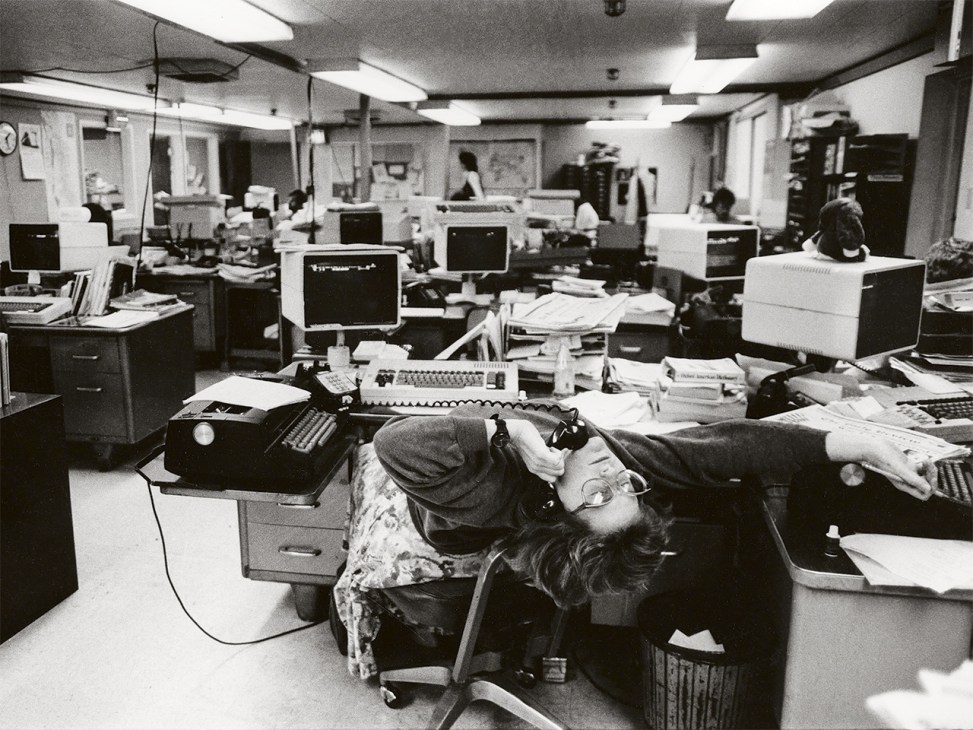
We still believe in the importance of journalism and remain optimistic about its role in helping to make sense of a rapidly changing world. Journalists can do far more than scrape content from secondary sources. They can meet people and ask questions, seek new information that’s not part of the online narrative and subject it to scrutiny, and understand the world in a fuller sense than any machine will ever manage.
Monocle isn’t pessimistic about technology. AI can help with research and transcription – and a zillion other things. It can analyse medical scans, model data and churn through calculations at unimaginable speeds. Still, for the situation to work, the person posing the question must remain responsible for the answer, while the reader (or patient, or homeowner, or astronaut) should be alert to the risks of uncritically relying on AI output. The problem isn’t the technology – it’s no one being accountable for the claptrap that it can come out with.
In an age of misinformation and misattribution there’s also a missed opportunity. Skilled, seasoned and well-connected reporters must gain access, argue the toss, risk a joke, plump for an amusing adjective and bring stories that matter to life.
Perhaps it’s time for journalists – and others unnerved by change – to stop moaning about the precarity of their professions and start making a better case for their relevance.
Josh Fehnert is Monocle’s editor. For more opinion, analysis and insight, subscribe to Monocle today.