Mexico City has a way of feeling endless to me with its cultural depth, sublime cuisine, and cosy local corners. I’ve come back several times now over a 12-year span and always find another layer to peel back.
CDMX is an energetic and staggering place, making it easy to be overwhelmed. That’s why in this guide I’m going to cover all the essential experiences for a first-time visit — from the Aztec ruins of Teotihuacán to the murals of Palacio de Bellas Artes and the street food chaos of mercados.
When I first visited as a backpacker many years ago, I was so caught up in the nightlife, mezcal tastings, street tacos, and lucha libre that I didn’t even realize what a cultural powerhouse it truly is.
On later visits I went into full-on culture-vulture mode, diving into world-class museums, epic Aztec ruins, and less-visited neighborhoods like San Rafael and Tacubaya.
Whether you’re looking for vibes or culture, or a bit of both, you’ll surely leave Mexico City already planning your return. Here’s what I’d tell a friend visiting for the first time, knowing what I know now after revisiting CDMX over the years.


First, bookmark these 3 guided tours
The truth is that tours are not always necessary to enjoy Mexico City. Many sights, museums, and activities can be done independently, armed with either a metro map or a ridehailing app.
However, certain activities are genuinely much better when done with an organized tour. There are three tours specifically that I think have massive added value, either from a travel logistics point of view or because they truly come to life when you have an expert local guide.
I consider these the essential Mexico City “starter pack“:
- Tour Teotihuacan pyramids for a classic ancient Mexico experience, or take a hot-air balloon ride over the ruins at sunrise for the most jaw-dropping views of your life. Either way, booking a tour saves you from an exhausting 2.5-hour DIY round trip.
- Take a canal boat ride at Xochimilco. Having drinks on the boats is much more fun with a group, and it’s easier to share the cost for the Mariachi bands. There is a great tour that includes Xochimilco, the Frida Kahlo Museum, the historic area of Cóyoacan, and the beautiful university grounds — all sights outside the center that are harder to reach. I did this exact tour on Viator.
- Start your food trail with this Airbnb Experience, covering multiple stops and wildly different eats (grasshoppers on the menu… optionally). By the end, you’ll have the context and confidence to eat like a Mexican, which will pay off for the rest of your trip.
Consider dropping these tours in your itinerary to check a lot of boxes in one go. Then, let me share more experiences that you can do more flexibly by yourself.
- The Zócalo – the heart of CDMX’s – no trip to CDMX starts anywhere else
- Ruins of Templo Mayor – once the sacred heart of the Aztec empire
- See a Lucha Libre fight with a Mexican superfan – authentic slice of Mexican culture that’s not to miss
- Dive into Mexico City nightlife – CDMX after-dark experience
- National Museum of Anthropology – houses the world’s greatest collection of pre-Columbian artifacts
- Teotihuacan pyramids by hot-air balloon – a true bucket-list adventure
- Walk through Roma & Condesa – unanimously the MOST charming barrios in Mexico City
- Discover Mexican mural art with an art lover – art as propaganda & a government-funded rebellion — an essential piece of contemporary Mexico
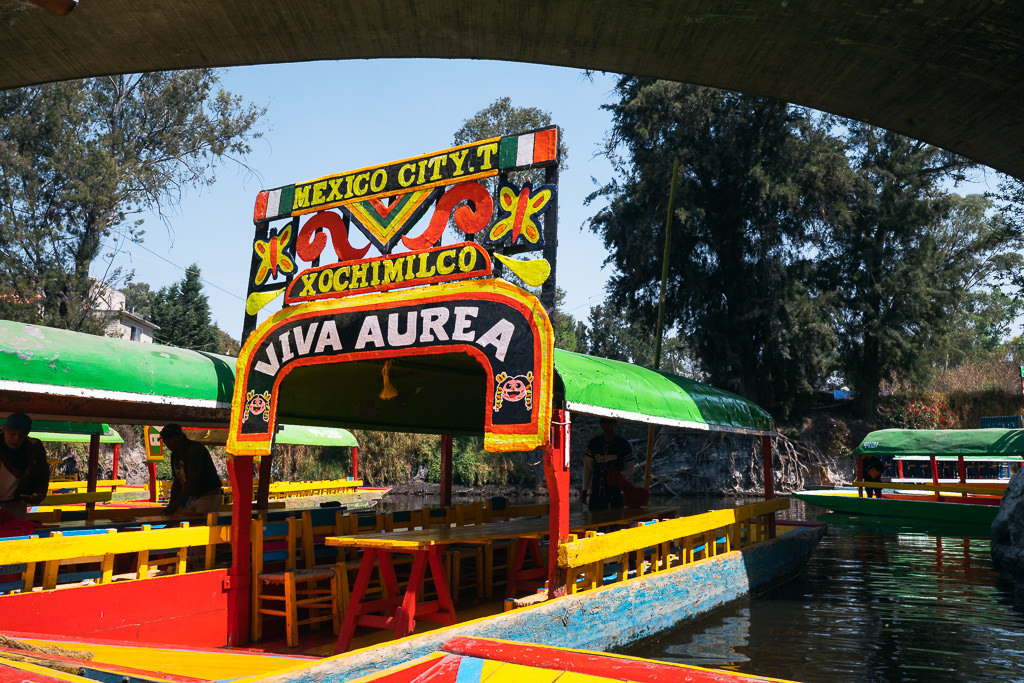
- Boat rides in Xochimilco – looks like a tourist trap… but it’s not!
- Visit the Frida Kahlo Museum at Cóyoacan, the artist’s home & studio
28 Experience to pin for your CDMX visit
I considered carefully what to syggest for any first visit. Ultimately I narrowed it down to the following highlights, which you can also see on the map below.
How to get around: Some places like Teotihuacán and Coyoacán are a bit out of the way. However, despite Mexico City being a megacity with a population over 9 million, it’s fairly easy to hop around and tackle many sights located within several relatively compact clusters.
Public transportation is plentiful and cheap with an extensive bus and subway system. Ride-hailing (Uber or DiDi) is preferred over using taxis to avoid scams or overcharging. Metro tickets cost just a $0.10 flat fee, but unless you’re on a tight backpacker budget I suggest taking Ubers for the easiest transportation.
Safety: All activities mentioned here are in safe, tourist-friendly areas. However, it’s always best to stay in well-lit public areas at night. Never keep your wallet in your pocket, but especially not on the bus/subway.
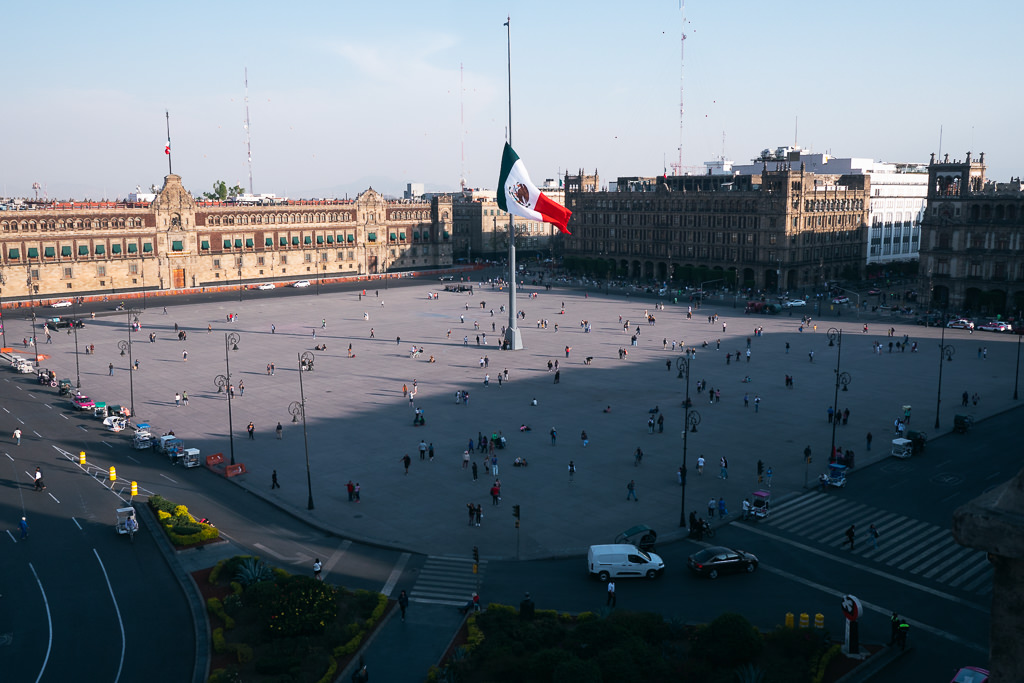
1. The Zócalo – the heart of CDMX’s
Location on Google Maps
Free tour pick: book on Guruwalk
The main square, known as the Zócalo or Plaza de la Constitución, was my first introduction Mexico City when I first emerged from the metro here many years ago. It’s a perfect place to start exploring.
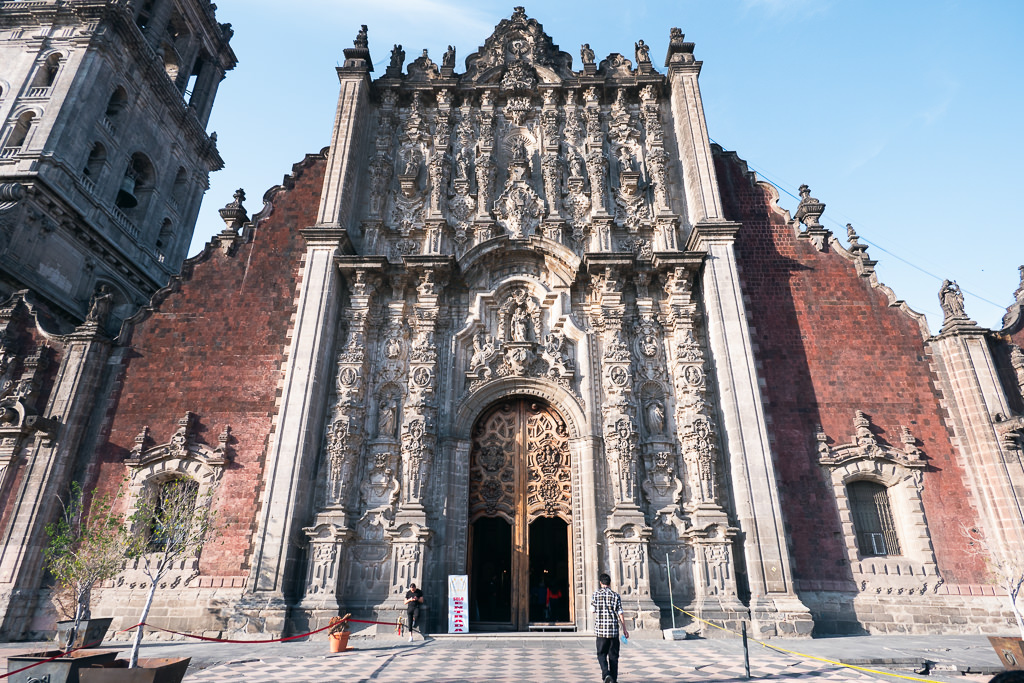
I was immediately impressed by the enormous plaza, as well as the Metropolitan Cathedral (Latin America’s oldest and largest). Be sure to take a look inside this gorgeous building! You can also pay to climb the bell towers for Zócalo views.
At the smaller square beside the cathedral you will surely see many curanderos (traditional healers) wearing Aztec-style costumes. At first I assumed they were just tacky themed street performers, but in fact many Mexicans go to them to receive limpias (spiritual cleansings) using herbs and incense. Once I understood that it’s a genuine tradition I found this very interesting to see.
Do this on day 1. Led by a history professor you’ll walk you through the Historic Center’s biggest landmarks, quietly gaining crucial context from seven centuries of history. By the end you’ll better understand the city and have a framework for the other cultural and historic sites you’re going to see.
It’s pay-what-you-want, so your guide gives it their all to show you the city they love.
The Zócalo is also where you’ll find the Palacio Nacional. This site has been a seat of power from Aztec times through Spanish colonial rule to modern Mexico. Interestingly, some of the actual stones from Moctezuma II’s original palace are still part of the walls you see today — their repurposing an act of symbolic dominance by the colonial power.
If you’re here on Tuesday-Saturday during daytime hours, it’s highly worth going inside the Palacio Nacional to see Diego Rivera’s epic murals covering Mexican history from Aztec times through the Revolution. Entry is free but you will need to show your passport. The building serves various government functions, so it is sometimes closed for events.

2. Ruins of Templo Mayor – buried under Mexico City for 500 years
Opening hours: Tue – Sun, 9:00 AM – 5:00 PM
Admission fee: Approximate — rates updated daily
Location on Google Maps
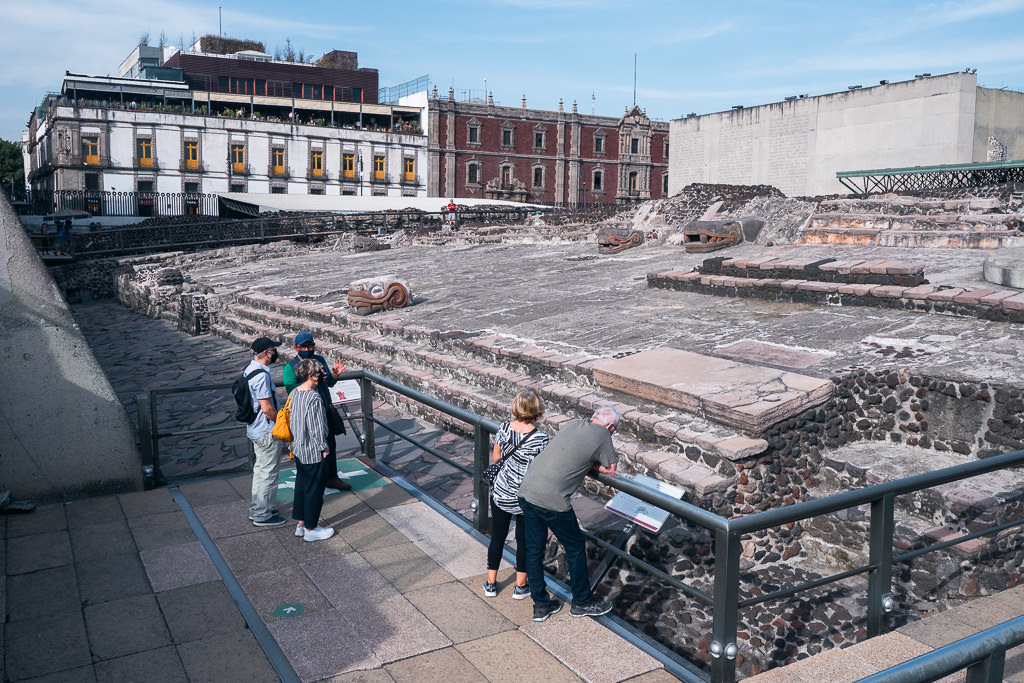
Next, it’s time to explore Mexico City’s main Aztec temple, the Templo Mayor.
I should say that if you take these ruins purely at face value, you might find that it’s ‘not that impressive’ since not much of the structure still stands today. This was my first reaction, but I ultimately found it an extremely worthwhile sight once I learned more about it.
Spanish conquerors razed the temple to the ground, eventually building the cathedral in its place — so now the foundational ruins are all that remains of the ancient Aztec city, Tenochtitlán. But if you try to imagine what the site must once have looked like, the ancient history soon comes to life.


The impressive adjoining museum showcases the Precolumbian history with an array of artifacts and cultural information. Relics, such as a skull rack, have only been excavated in recent years and new discoveries are continuing to be collected each year.
This museum is not nearly as extensive as the incredible National Anthropological Museum (mentioned later) but it’s still a must-see if you are interested in this topic. Located right next to the main square, it’s the most easily accessible museum to learn about pre-Columbian Mexico.
Roma neighborhood is the sweet spot for most indie travelers: walkable, full of good food and local life, and Hotel San Fernando is our recommended base. In El Centro, go for Zocalo Central Hotel, which is right by the main square.
I’ve stayed in different neighborhoods that each have their own pros and cons. My hotel and area guide will tell you all.

3. Rooftop drinks overlooking the Zócalo
The Zócalo may seem strangely devoid of cafes or restaurants — that is, until you look up!
If you’re looking for a break from sightseeing, be sure to check the arched galleries lining the square and take note of any stairs leading to terraces on the upper levels.
You’ll be able to enjoy some drinks or a meal with an iconic view of the square and cathedral — for instance at Balcón del Zócalo, Terraza Los Pérez Carbón y Comal, or Terraza Catedral.

4. The perfect 360° view of Mexico City 📍Torre Latinoamericana
Opening hours: 9:00 AM – 10:00 PM
Admission fee: [MXN 170 price]/adult (observation deck + on-site museum)
Location on Google Maps
From the Zócalo, it’s just a 15-minute walk to Alameda Central Park, an area where you’ll find another cluster of major sights.
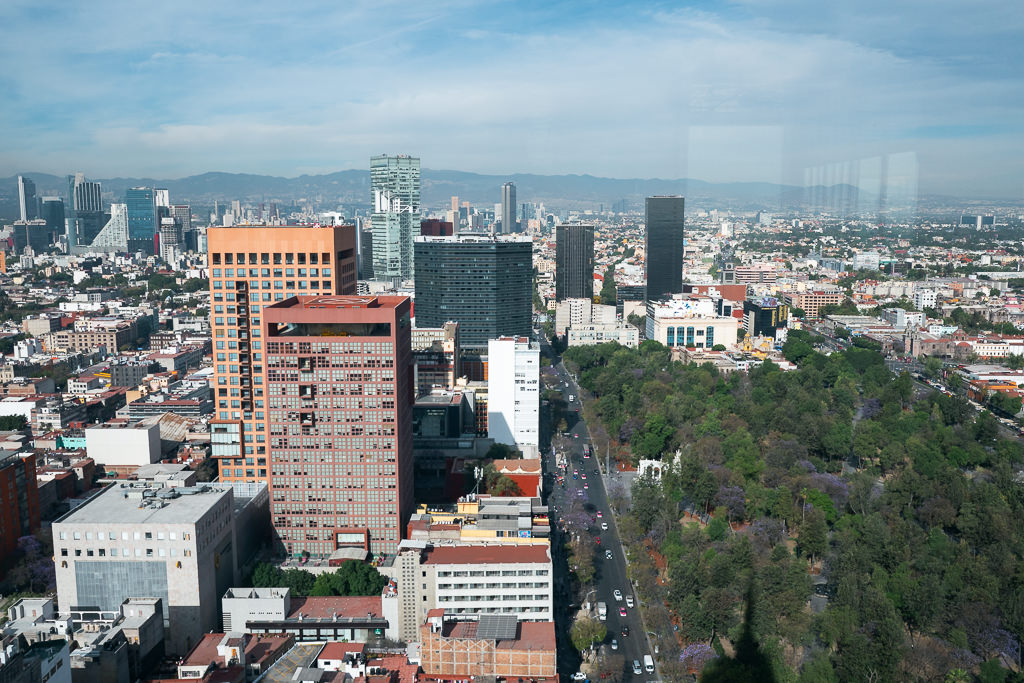
For a perfect 360-degree overview of the city, go to the top floor of one of CDMX’s tallest office towers, the Torre Latinoamericana. You can easily see the Xaltepec volcano in the distance and you’ll get a perfect angle at the stunning roof of the Palacio de Bellas Artes across the street.


The entrance fee is arguably a little high, which is why I actually skipped it when I first visited Mexico City as a backpacker. However, if you’re not too budget-focused, it’s a great experience.
5. See a Lucha Libre fight with a Mexican superfan
Probably the most pure unfiltered fun I’ve had in Mexico City was witnessing a Lucha Libre fight — the famous professional, albeit scripted and comical, wrestling matches of masked figures that date back to the early 20th century.
This is an authentic slice of Mexican culture that’s not to miss! What surprised me was that besides the show itself being very entertaining, I had just as much fun watching the audience’s reactions.
The spectators were getting far more worked up than I expected. There was even a dad constantly pumping his fist and swearing like a sailor right in front of his kid, though later leaving the arena all smiling and joking.
I realized that for many people it’s a cathartic way to release some energy, getting mad at the rudos (baddies) and cheering the técnicos (good guys).

The iconic masked Mexican wrestlers can be seen performing live several nights per week. There’s the stadium-size Arena México or the more intimate Arena Coliseo to choose from.
If you don’t speak Spanish, it’s highly worth seeing a Lucha Libre fight with a local as this will give you crucial context on what is happening and it’s a fun outing to do with a group.
Tip: photo or video cameras (besides smartphones) are not allowed inside.
6. Dive into Mexico City nightlife
The nightlife in Mexico City is so good and the choices so limitless that I know some travellers who’ve stayed here just for this aspect alone. While I don’t recommend skipping the cultural attractions, diving into the nightlife can definitely be part of the Mexico City experience.
I’m now in my 40s so you won’t usually find me stumbling out of clubs at 5 AM, though I was more of a night owl back when I first visited CDMX as a younger backpacker. Broadly, let me broadly share several layers of nightlife to know about — from easygoing to party-hard.
- Mezcalerías: Usually laid-back, chill bars offering tequila’s cousin… a unique, smoky liquor, harvested from wood-fired agave. Searching for a nearby Mezcaleria is a fun way to grab some drinks in a very typical Mexican setting.
- Pulquerías: Typically alternative dive bars serving pulque, a traditional thick fermented drink made from agave sap. Since pulque is inexpensive (it was long Mexico’s “drink for the masses”), these spots can make for a cheap night out. They’re another authentic aspect of the nightlife that will be a bit different from other international cities.
- Bars & Clubs: The areas Colonia Juarez (including Zona Rosa), Roma-Condesa, and Polanco are the hot spots for nightclubs, dance parties, shows, and the like. Polished and less distinctly Mexican, but world-class if that’s your preferred vibe.
7. National Museum of Anthropology – houses the world’s greatest pre-Columbian collection
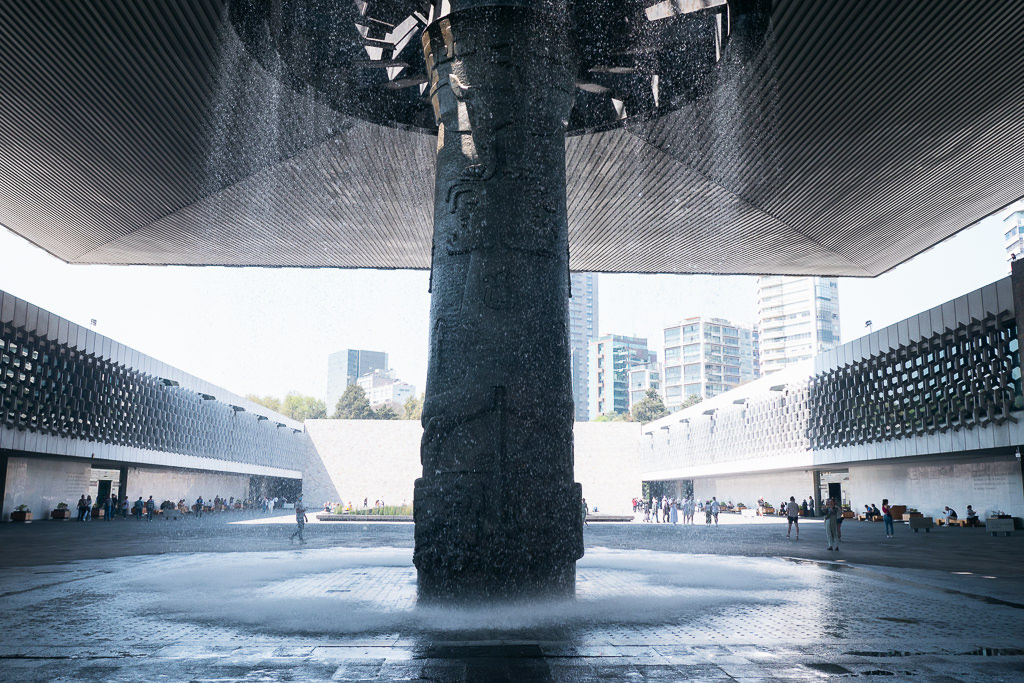
Opening hours: Tue – Sun, 9:00 AM – 5 PM
Admission fee: Approximate — rates updated daily
Location on Google Maps
With over 150 museums, Mexico City is a Mecca for history buffs, art and culture enthusiasts. The choice can be overwhelming, but if you need to narrow it down to just a few, make sure the National Museum of Anthropology is one of them!
Mexico’s largest and most visited museum has two massive floors of high-quality exhibits covering every major ancient civilization in what is now Mexico. As you make your way through the world’s largest collection of ancient Mexican artifacts, it will shift your perspective from the Spanish colonial period to appreciate the deeper history of these lands.


I found the exhibits highly impressive, from the smaller intricate pieces all the way to the colossal Olmec heads and other massive artifacts. Equally inspiring is the building itself, in particular the totemic pillar greeting you as you enter. Plan to dedicate at least a half day to see it properly.
It’s located in Chapultepec forest, the city’s largest park. You can combine your visit with the nearby Modern Art Museum and the Chapultepec castle (mentioned later).
8. Teotihuacan pyramids by hot-air balloon (a bucket-list adventure)
At its peak (in the years 100-700 AD), Teotihuacán was one of the world’s largest cities, home to an estimated 100,000 to 150,000 people.
Still standing today are the city’s enormous religious structures known as the Pyramid of the Sun, the Pyramid of the Moon, and the Temple of the Feathered Serpent. Perfectly aligned with the sun’s movements and annual solstices, the place takes on a celestial significance.
I was lucky enough to visit Teotihuacán before 2023 when you could still climb to the top of the Pyramid of the Sun. Nowadays this is no longer permitted, though for the good reason of preventing damage to the ancient structure. You can still walk up right to the base; just know that you will not be able to get a view from the top.
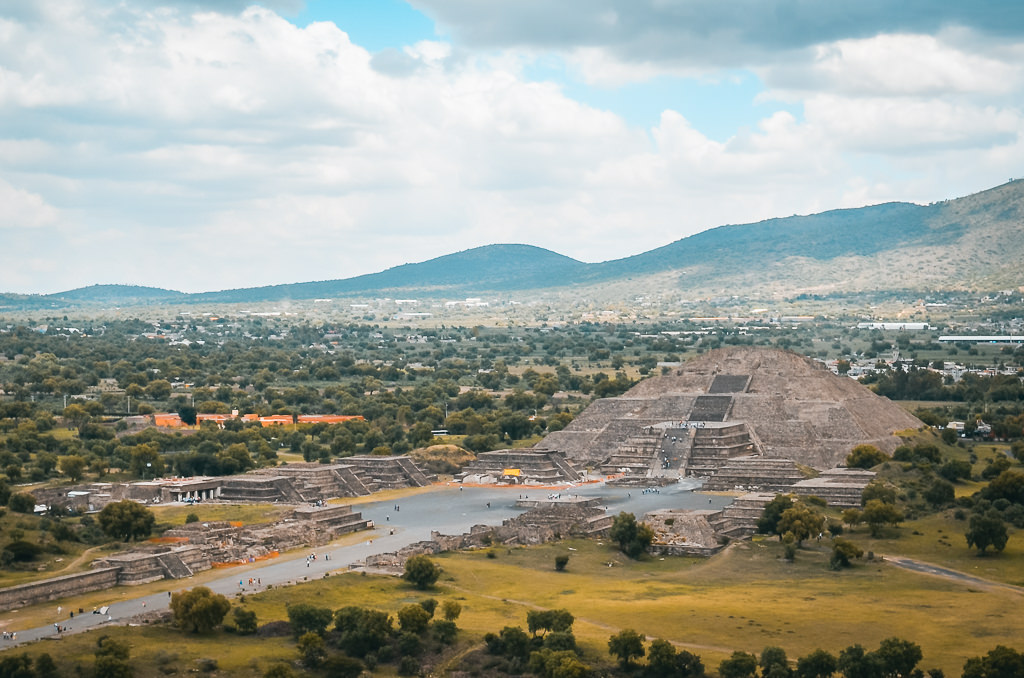
While the site is magnificent, frustratingly little context is provided, which is why I recommend enhancing the experience. The easiest way is to go there on a guided tour so an expert guide can bring the ruins to life and instill a deeper awe for the mysterious pre-Aztec civilization that built it.
A rather expensive (but also very epic) way to see Teotihuacán is with a hot air balloon ride at sunrise. You need to be willing to rise very early, but those who’ve done it have used words like “unforgettable” and “mindblowing” when retelling the experience to me. I didn’t have to budget to spare — on average it costs about Approximate — rates updated daily/person — but still hope to do this one day.
Tip: Teotihuacán is not IN Mexico City. It’s actually an hour’s drive from from the northern bus terminal. You can catch a bus from Mexico City to Teotihuacán. In total, the trip can take about 90 minutes one way. A tour can pick you up directly in the city center and will be faster and more convenient.
9. Walk through Roma & La Condesa – the MOST charming barrios in Mexico City
Location on Google Maps
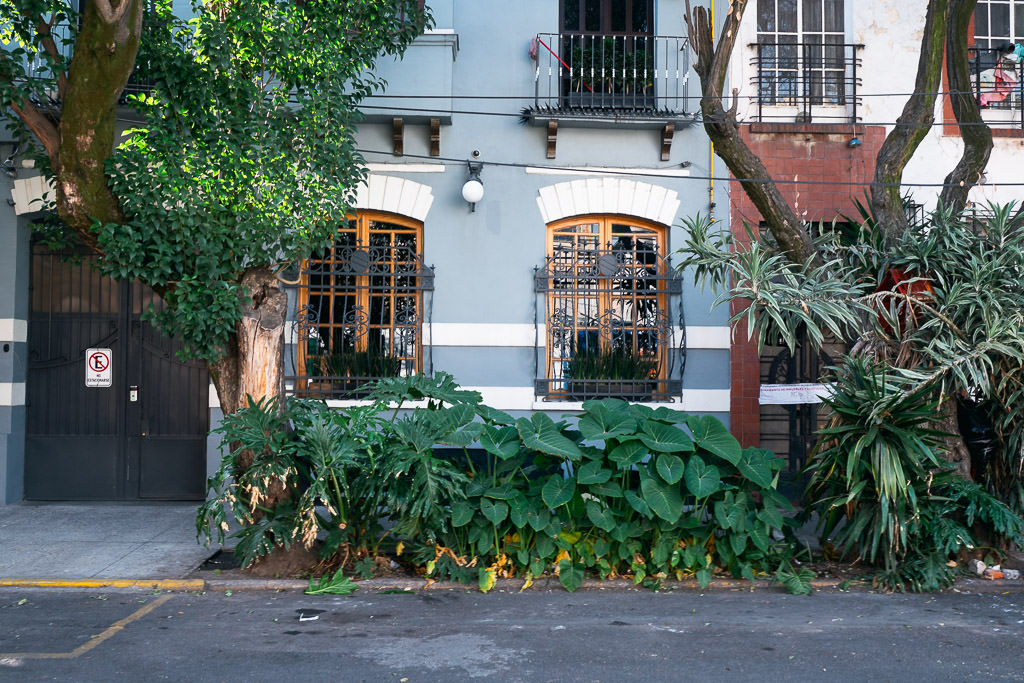
These two adjacent neighborhoods are some the leafiest, most walkable, vibey, and also most international areas of Mexico City. With an unbelievable collection of international restaurants, sidewalk cafes, excellent nightlife, boutique shops, and some of the most beautiful parks in the city, they’re definitely a paradise for foodies and dreamers.
The FREE option is this Guruwalk walking tour: 2 hours, 8 stops architecture and food tips included.
For something more personal & intimate, Jack’s Airbnb Experience ($65) is hosted by a British expat who has made CDMX home. 3 hours covering Roma, Condesa, and Juarez, with taco stops, market visits, and local insights.
Admittedly, if you’re looking for the most authentic down-to-Earth Mexican culture, you may not find it as easily here. Ever since attracting a surge of international remote workers and digital nomads, some lament these areas have become too hipstery and gringo-fied.
I get this and partly agree, but I can’t deny that there’s still a magical charm to these neighborhoods. Exploring them feels almost like you’re inside a perfect snowglobe that exists within the larger city.

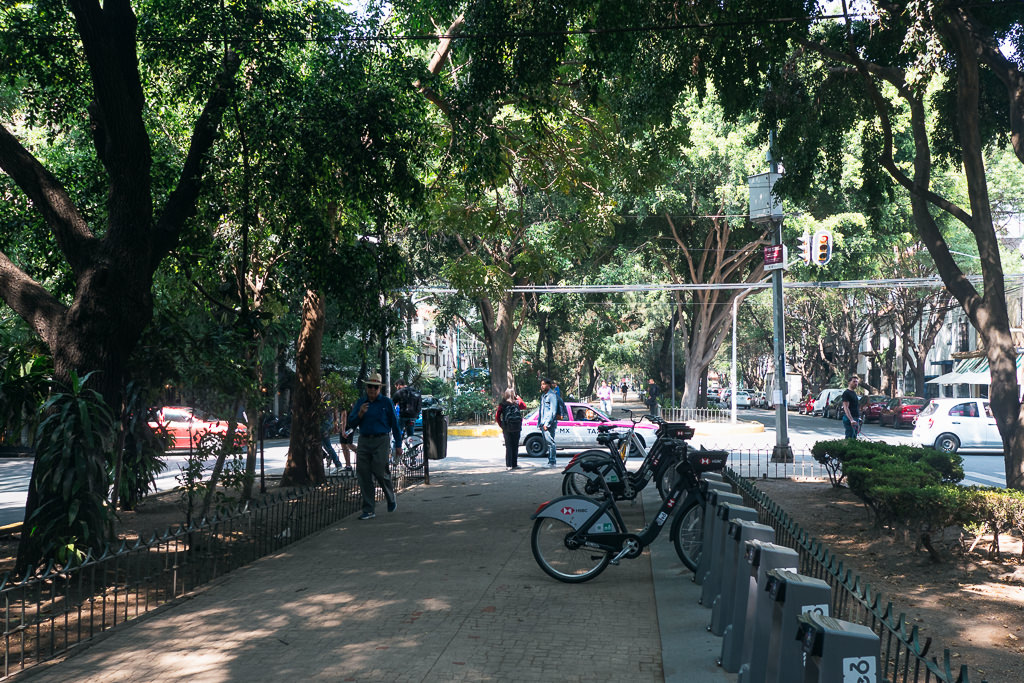
You can use these wonderfully calm oases to recharge in between your sightseeing, to grab some specialty coffee or craft beer, or browse some of the trendy art shops. The parks even have chill-out areas with headphones playing soothing sounds.
Be sure to stroll or take a run on Avenida Amsterdam, an old horse track turned into a gorgeous Art Deco residential street with a pedestrian loop through lush gardens.
10. Discover Mexican mural art with an art lover
During the post-Revolutionary era in the 1920s, the Mexican government sponsored an array of artists to paint epic panoramic murals depicting national history and identity. The murals were designed to educate the then largely illiterate population in visual form, and they still impress to this day.
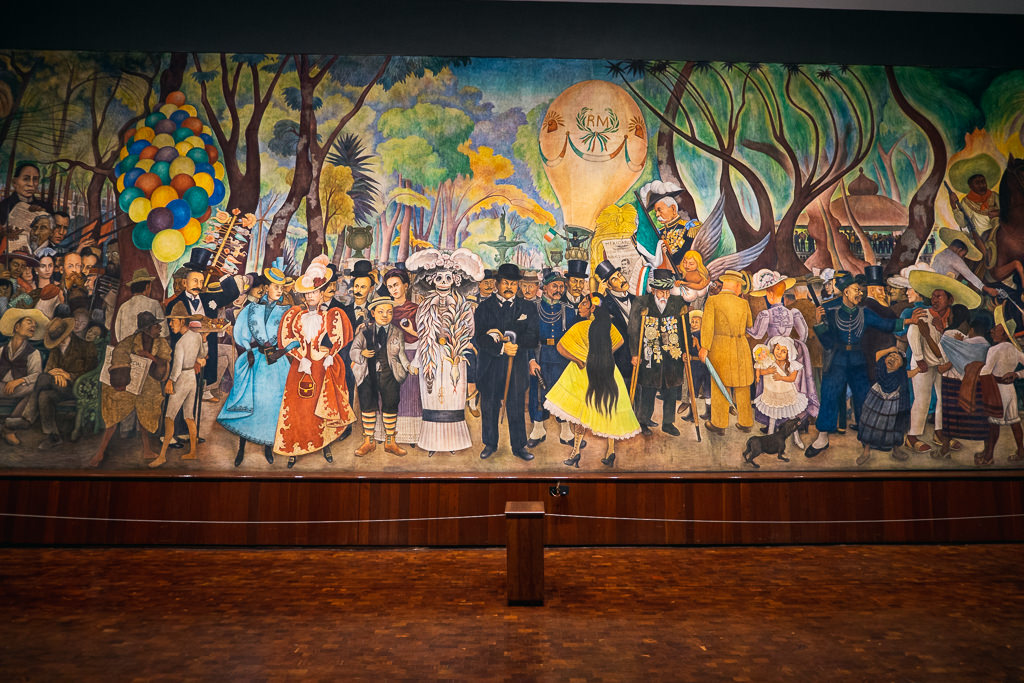
I already mentioned the famous mural that can be seen in the National Palace, but since this is actively used as a government building, you can only do so with a prior reservation. Other accessible murals can be seen inside the Palacio de Bellas Artes (entry costs Approximate — rates updated daily) and the Diego Rivera Mural Museum (entry costs Approximate — rates updated daily).
What I love about these murals is the “where’s waldo” study of details they inspire. Far from just a quick look, you can spend time taking it all in and trying to interpret the symbolism.
Some of the references may not be obvious, but if you’re with a good guide, the murals can serve as vivid portals into many aspects of Mexican history and culture. We recommend this Airbnb Experience with Jose, check it out.
11. Chapultepec Forest – x2 the size of Central Park
Opening hours: Tue – Sun, 5 AM – 7 PM
Admission fee: Free
Location on Google Maps
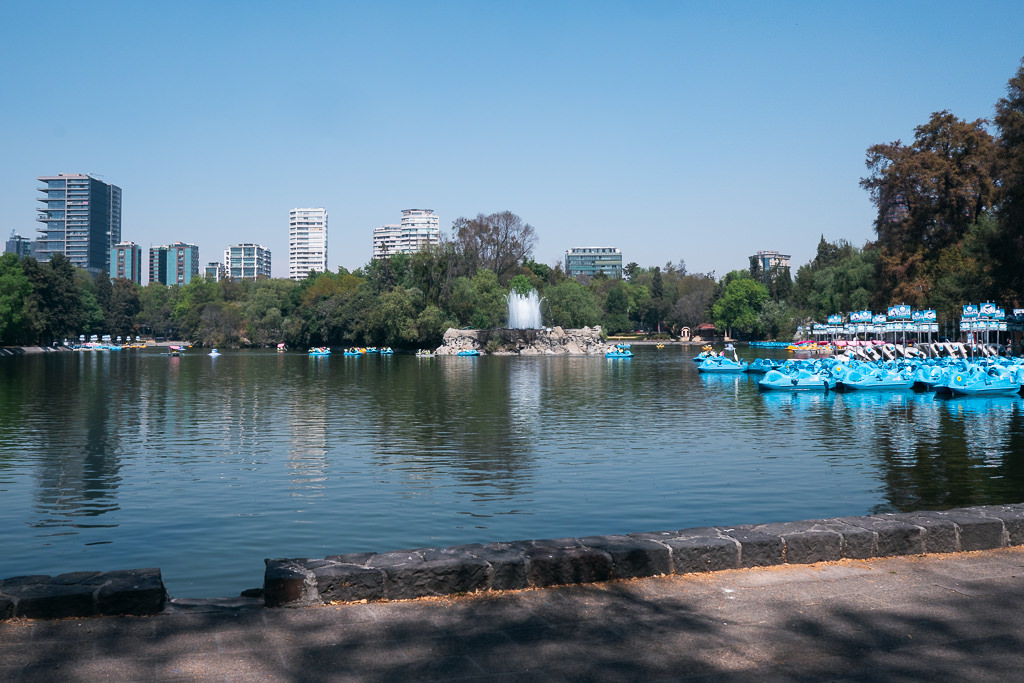
The hustle and bustle of the city can get a little overwhelming at times, but luckily there is always Chapultepec Forest to escape to, which is conveniently located just a couple of metro stops from downtown or Roma/Condesa.
I love the fresh air and the countless cute squirrels that roam here, but Chapultepec is more than just a walk in the park. It’s actually one of the world’s largest urban parks, spanning 450 acres and including botanical gardens, a lake with paddle boats, and walking trails.
It also serves as a kind of museum quarter, being home to the stunning National Museum of Anthropology and several others.


To top it off, Chapultepec Castle rests atop the hill where Aztec rulers once convened for respite. As you wander this estate, you can enjoy one of the best views of the city.
The lakeside Librería Porrúa, a cafe/book store with several trees growing inside it, is my favorite spot to grab a chai, latte, or coffee. You’ll find it right outside the Anthropology Museum.
12. Palacio de Bellas Artes for gorgeous Art Deco architecture
Opening hours: Tue-Sun, 10 AM to 5:30 PM (museum; closed Mondays)
Admission fee: Free entry to the palace / ~Approximate — rates updated daily for the museum; free on Sundays
Location on Google Maps
The Palacio de Bellas Artes takes the cake for stunning architecture. In springtime, the purple jacaranda trees around the Parque Alameda bloom for an especially impressive sight. But any time of the year, Palacio de Bellas Artes provides a spectacular ambiance at golden hour.

Inside, you can see spectacular Art Deco architecture, major murals by Diego Rivera and others, the National Museum of Architecture, and the theatre hosts regular ballet and opera performances, should you wish to dive into the high culture.
If you’re just passing through here, you can get a better view of its colorful dome from accross the street. Just pop inside the Sears department store and head up to the top floor where Cafe Finca Don Porfirio has a terrace with a perfect angle onto the palace and park. You can also go up the Torre Laticoamericana for the view pictured above.
13. Boat rides and mariachi bands in Xochimilco
Opening hours: 9:00 AM – 6:00 PM
Admission fee: Approximate — rates updated daily/hour (per boat, not per person. Haggling is expected so prices are often lower)
Location on Google Maps
Indie Traveller’s tour choice: check it out on Viator
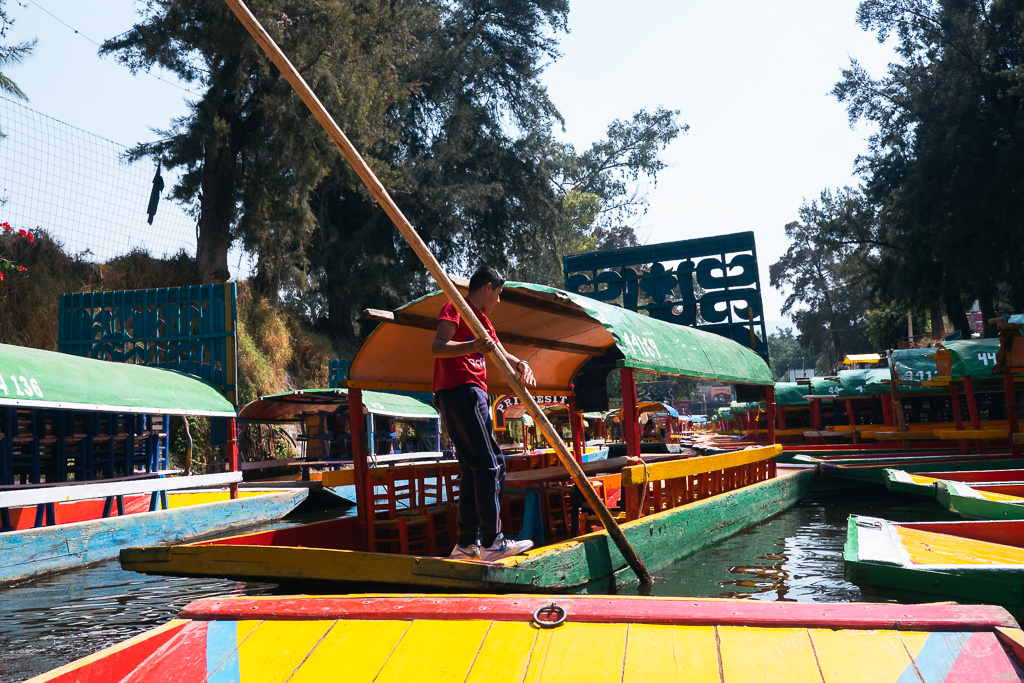
At first, I dismissed this as something that was probably “too touristy”. But I changed my mind after I took a boat trip through Xochimilco, which obviously is a tourist attraction, but a lot more worthwhile than I had expected.
A UNESCO World Heritage site, Xochimilco contains a large system of ancient canals that served as a major agricultural center for the region. You can ride through the canals on traditional and brightly colored boats called trajineras, while vendors in paddle boats bring snacks and drinks and Mariachi bands hop from boat to boat performing songs.
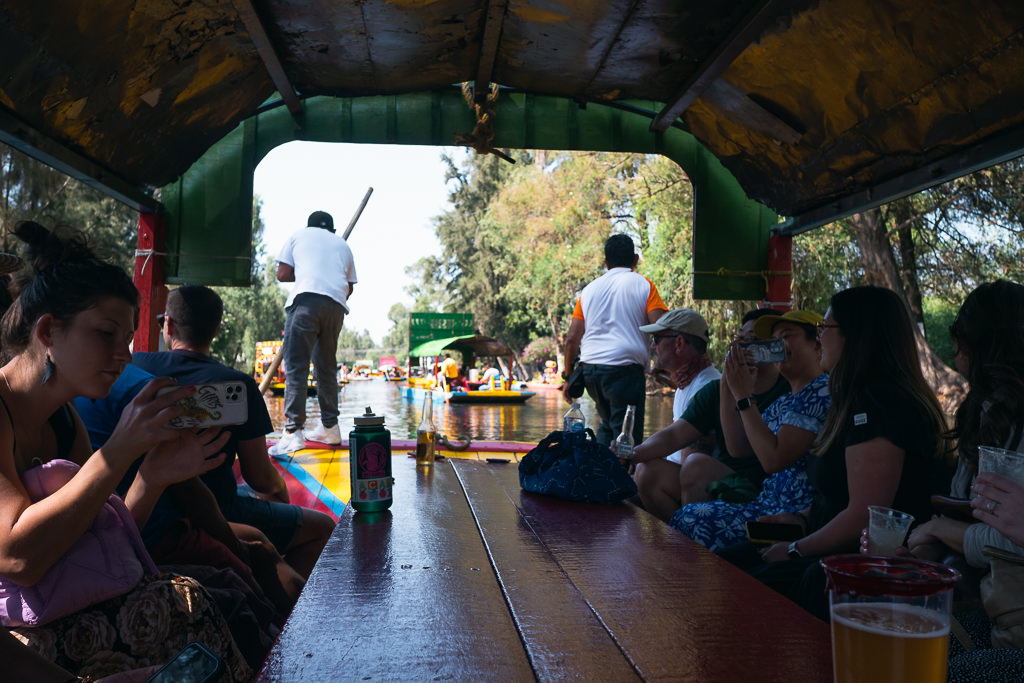
It’s a favored activity of many chilangos, especially on the weekend, so you may wish to avoid this busier time. Then again, seeing the canals full of boats with celebrating locals has its own appeal.
It’s either a peaceful, refreshing experience or a private party, depending on the crowd you bring. A boat fitting up to 20 people costs about Approximate — rates updated daily for 1 hours. On top of the boat fee, bring cash for the mariachi bands if you want them to play a few songs. If you’re sharing your boat you can split the cost of the performances among a larger group.
Book this trip: Xochimilco is 50 minutes south from the center. Since it’s a bit far away, it makes sense to do it as part of a day trip. I did this exact full-day tour via Viator which includes Xochimilco, the colonial district of Coyoacan, and several other sights.
There’s a quick stop in the morning at a silver shop which I thought was a bit tacky, but then the rest of the day is jam-packed with great sightseeing – and it already includes the price of the Xochimilco boat ride.
14. Museum of Popular Arts – underrated folk art gem (author’s pick)
Opening hours: Tue – Sun, 10 AM – 6 PM; Wed, until 9 PM
Admission fee: Approximate — rates updated daily; free for under-18s & for everyone on Sundays
Location on Google Maps
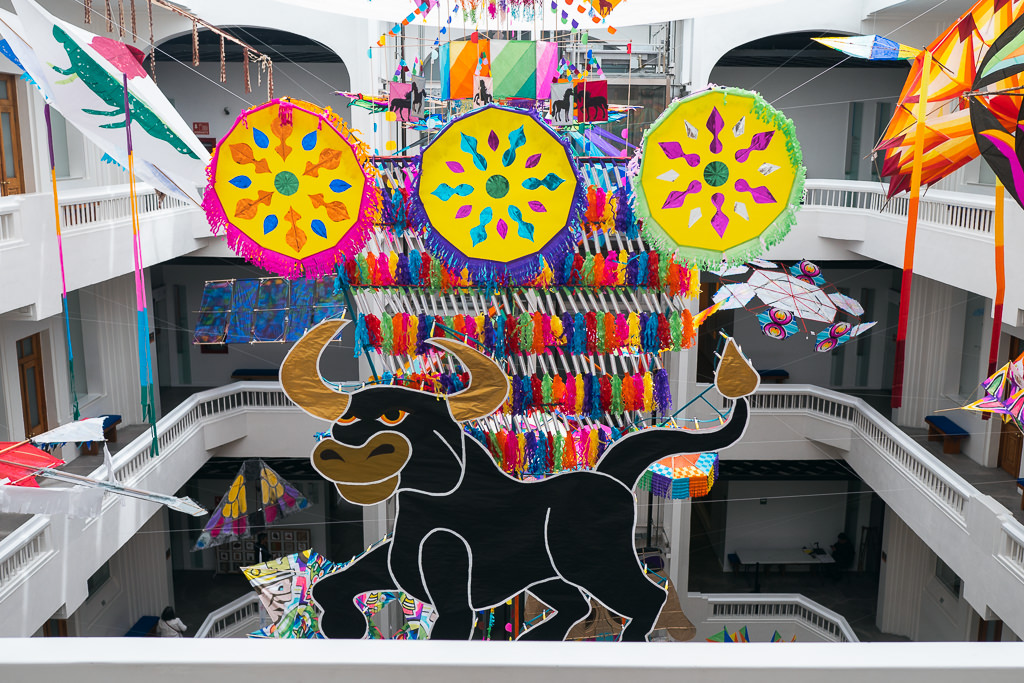
When I think of Mexican culture I always think firstly of its colorful visual culture in the way it’s depicted in Pixar’s Coco or in Día de Muertos (Day of the Dead) displays. The best way of taking a kaleidoscopic tour into this vibrant aesthetic is to hit up the excellent Museum of Popular Arts.


I actually can’t believe how underrated this museum is! It seems to rarely show up on lists of things to do in Mexico City, but as far as I’m concerned, it’s one of the best.
Bursting with color, it takes you on a journey through Mexican culture in folk art, traditional handicrafts, and religious-themed artwork. With its popular and contemporary focus, it’s a great place to take kids and adults alike.
Although it’s a medium-sized museum, it can take about 90 minutes to cover it well. It’s located close to Alameda Central square and easily combined on a walking route including the Palacio de Bellas Artes and the Diego Rivera Mural Museum.
15. Explore Cóyoacan – bohemian barrio, home of Frida Kahlo
Location on Google Maps
Get your Frida Kahlo Museum tickets!
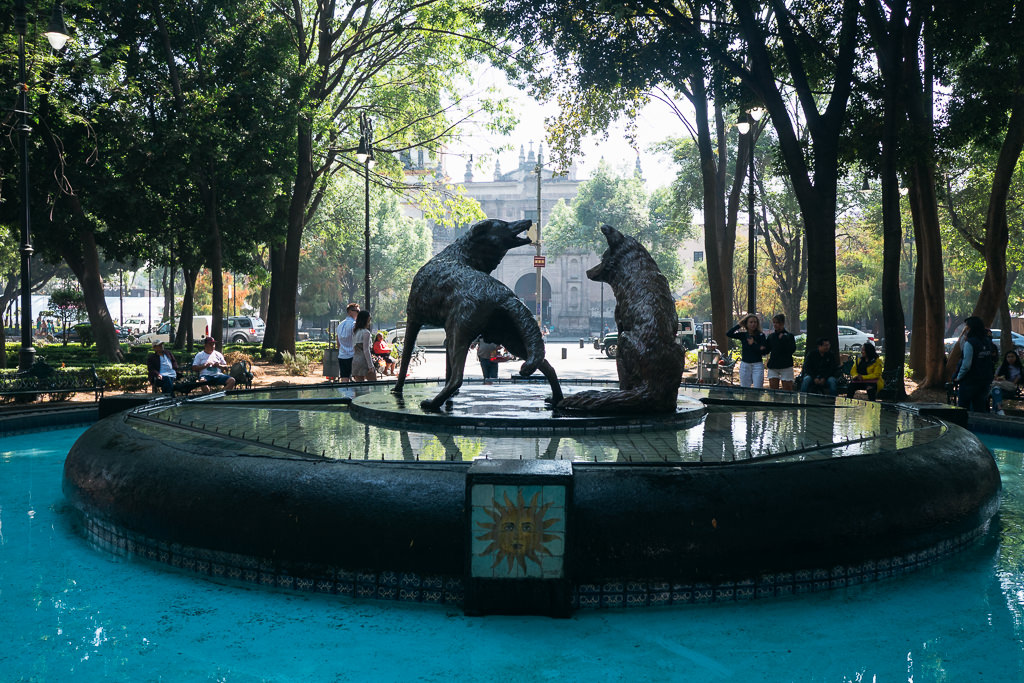
Coyoacán is one of the oldest neighborhoods in Mexico City — and among the most charming. It was actually its own city for a long time, serving as the capital of New Spain in the colonial era, but it slowly became enveloped by Mexico City. It still very much feels like a town inside the city with its own identity.
The place is of great historical significance, as it’s here that Spanish conquistador Hernán Cortés once launched his attack on Tenochtitlán.
Nowadays, many arrive in Cóyoacan to tour Frida Kahlo’s home, Casa Azul. It’s a very interesting stop, albeit a bit pricey by Mexico standards at Approximate — rates updated daily for general admission. The Casa Azul is mostly biographical, offering insight into the life of Kahlo, whereas her actual artworks can be seen in other museums around CDMX.
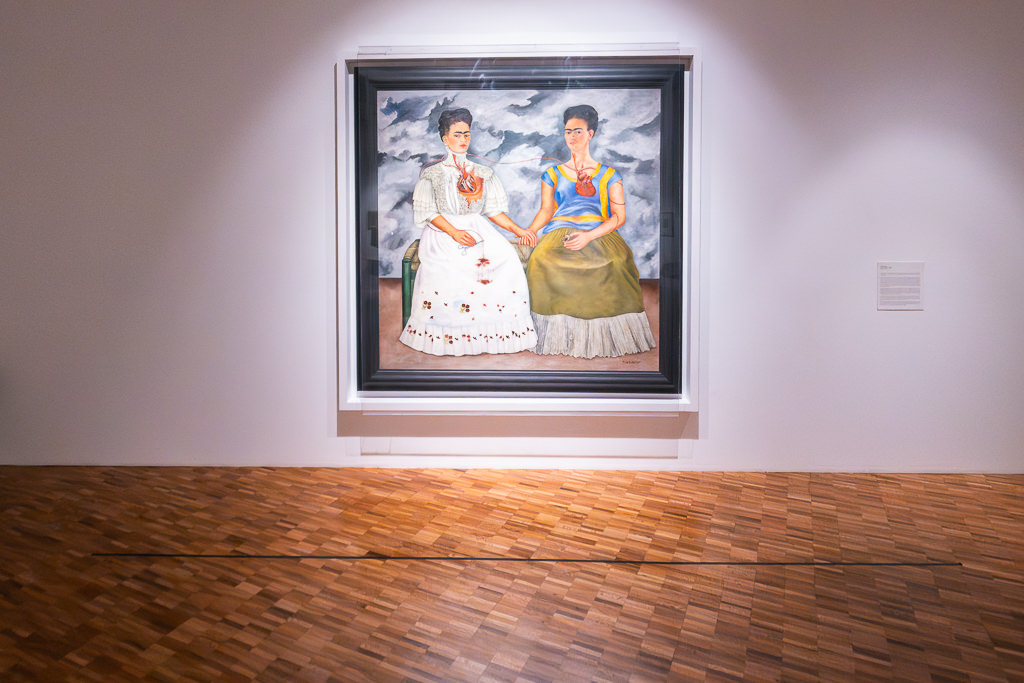
Frida’s works are sprinkled across a variety of art museums; you can see the best museums for Frida Kahlo art here.
Note that the Frida Kahlo Museum is one of the most-visited attractions in Mexico City so it’s not uncommon for it to be booked out days in advance. I advise you to reserve a ticket and use the option for early access offered by GetYourGuide. If you’re not getting early access, consider the first normal timeslot of the day (10 am) to avoid the crowds.
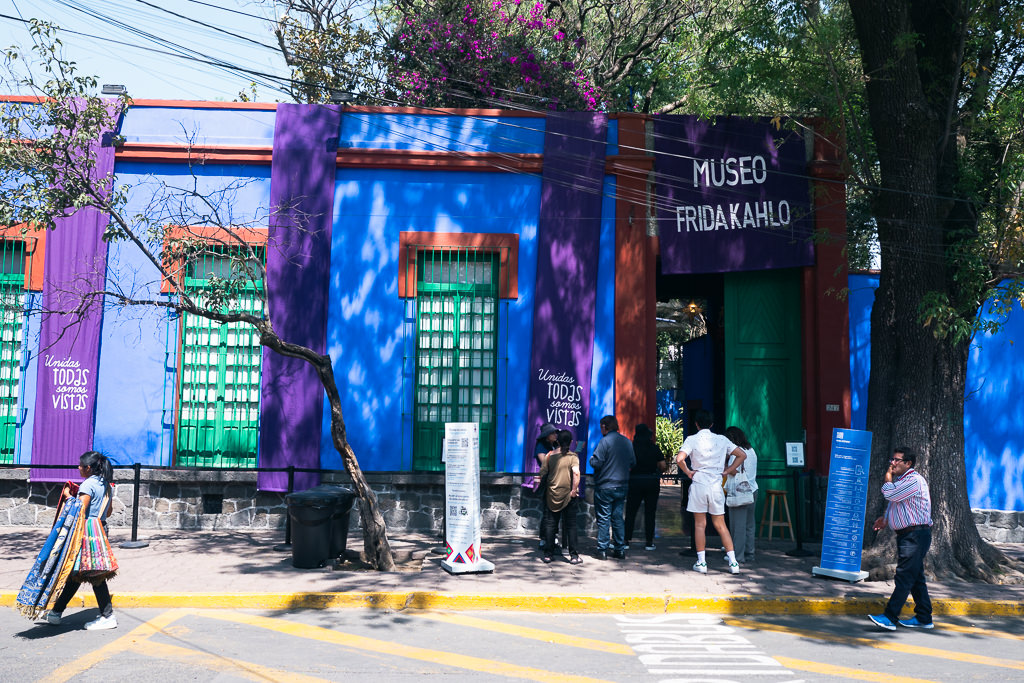
Other intriguing stops nearby in Cóyoacan include the Museo Casa Leon Trotsky Museum, the Diego Rivera Museo Anahuacalli, and the Museo Nacional de las Culturas Populares.
And yet, simply walking the streets of Cóyoacan is rewarding enough with beautiful gardens and courtyards, quaint squares, brightly colored colonial homes, and mouth-watering food.
📌 Editor’s note: you’ve probably already got a feel for Coyoacan – colorful streets, laid-back plazas, and the Frida Kahlo house at its core. But to have a full overview that truly brings out the culture, do this FREE walking tour. It ties together the history, street art, markets, and artistic background and it makes the whole neighborhood feel a lot more alive and intentional.
16. The UNAM Central Library
Location on Google Maps
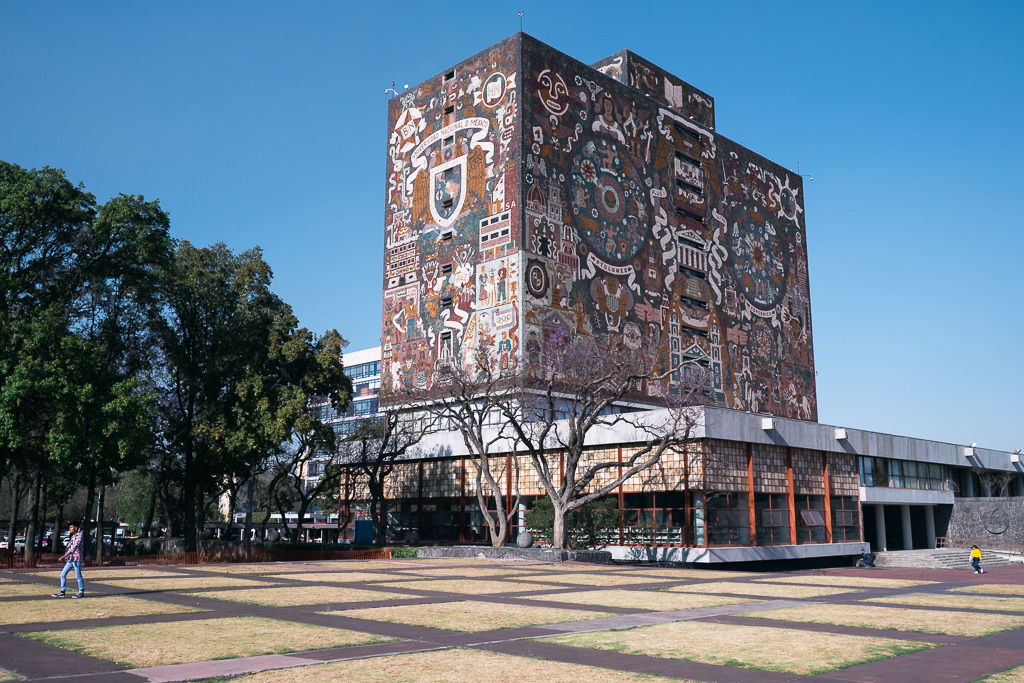
Located not so far from Mexico City’s Coyoacán neighborhood, the UNAM university campus is filled with architectural highlights. When built in the 1950s, it was on the cutting edge of 20th-century modernism, which later earned the whole site UNESCO World Heritage recognition.
But the best part is definitely the Central Library, which features enormous mosaic murals created by the Mexican artist Juan O’Gorman. I found it interesting to listen to a guide explain the significance of the numerous symbols and historical events depicted in it, though the university campus is also just a safe and pleasant area to explore by yourself, particularly if you’re heading to Coyoacán.
17. Artisan market hunt (best way to wrap up)
Opening hours: Mon – Sat, 10 AM – 7 PM; Sun, 10 AM – 6 PM
Location: Google Maps
Some may cynically dismiss the Mercado de Artesanías as tacky or filled with “tourist tat”. However, if you are looking for any souvenirs or gifts to take from Mexico, this is truly the all-in-one destination where you can find pretty much anything.
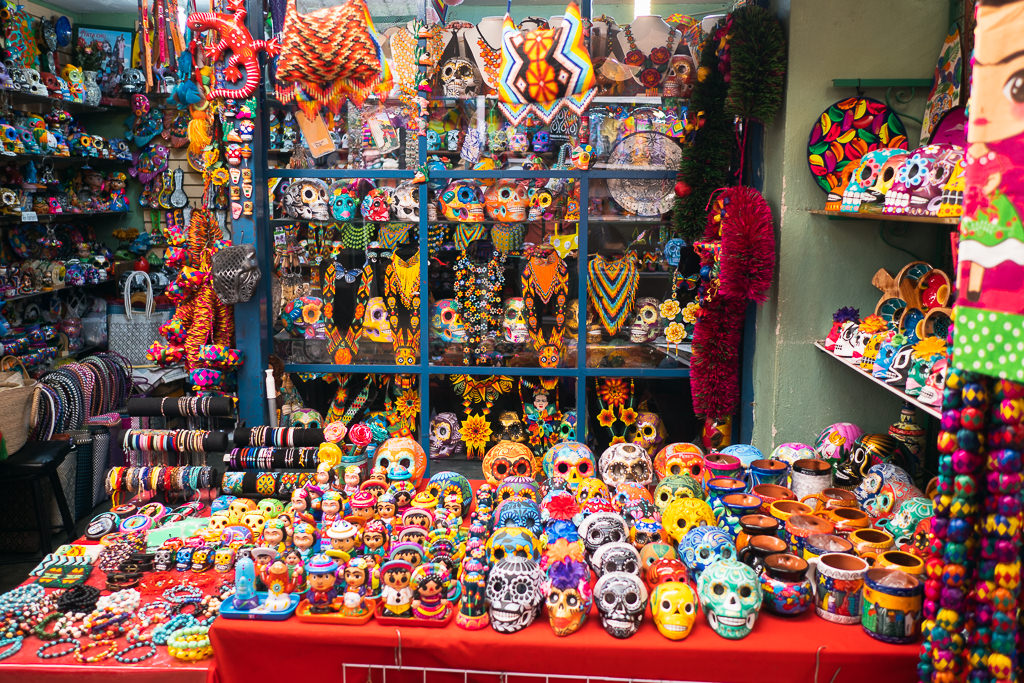
Predictably, some goods are mass-produced and not everything is of the same quality. But there is a healthy share of genuine craft, including handcrafted items from regions such as Chiapas and Oaxaca.
The place is bursting with all manner of colorful paraphernalia, textiles, Day of the Dead skulls, textiles, pottery, jewelry, silver items, embroidered goods, alebrijes (colorful folk art sculptures), and more. It can easily take several hours to browse properly.
Having been to my share of tourist markets around the world, I appreciated how the salespeople here are genuinely friendly and not pushy at all.
Tip: Be sure to shop around! Sometimes you can get the same item for half the price at another stall. Bargaining is expected. There is an ATM on-site but it’s best to bring cash.
Fueling up between adventures (best food & markets in the city)
Where to start?… Anywhere.
If you see something tasty, I say be brave and go for it!
Okay, first make sure you see a clean source of water and follow the rule – eat where other people are eating… it’s a good sign that it is tasty, safe, and food is turning over quickly.
To help you make sense of and prioritize your food options, here are some of the best choices.

18. Street food is CDMX’s greatest obsession
The street food options are practically endless in Mexico City and can be found on most blocks.
One option is to find a tianguis, or small street market, distinguished by outdoor tents and various vendors. The Tuesday Condesa Tianguis is a great spot where you can try many different dishes as you stroll the local produce market. Other permanent markets, such as Mercado Jamaica offer daily options.
Navigating the markets and tracking down the best food spots may be hectic and overwhelming at first. John’s tour (on Airbnb Experiences) takes you through markets, street taco spots, and pulquerias – hidden gems that someone from out of town wouldn’t spot – with 14+ tastings covering fruits, tacos, tlacoyos, moles, and pulque, all effortlessly guided.
Along the way you’ll pick up the street food “unwritten rules”: always ask how much before ordering, pay after you eat, and eat there at the stand.
book john’s market & street food tour

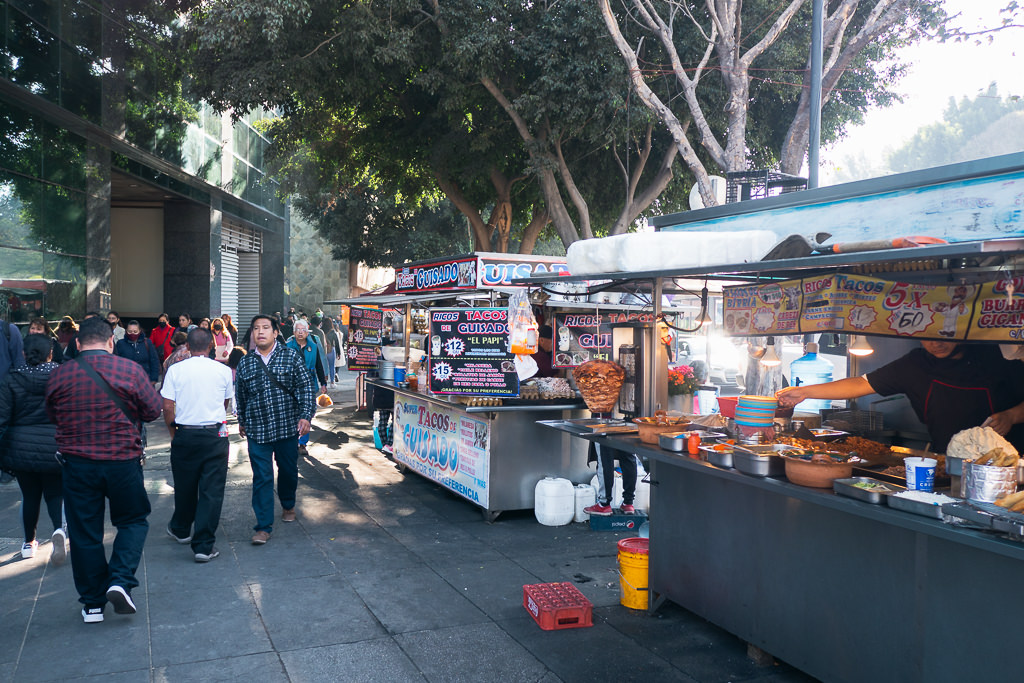
- Tacos al pastor: schwarma-style pork topped with pineapple, onion, and cilantro on fresh corn tortillas.
- Tortas: the Mexican sandwich on a large airy bun, stuffed with your favorite provisions.
- Huaraches: “Sandal”-shaped, oblong masa boats filled with refried beans and queso, cooked on a comal (Mexican griddle).
- Tamales and Atol: traditionally served together for breakfast, the tamal is savory or sweet masa steamed in corn husks or banana leaves, often stuffed with meat, salsa, or fruit. Atol is a thickened hot masa beverage, usually served plain or with champurrado (with chocolate).
- Licuados (juices) While it’s true, you need to be careful about eating raw fruits and veggies, I just can’t resist the fresh juices and smoothies available in the city. The variety and richness of the produce is unreal and these make for a great late-morning refreshment.

19. Level up with adventurous “Prehispanic” eats (includes edible insects)
Keep your eye out for some of these authentic specialties for a uniquely preserved culinary experience.
- Huitlocochle: The Mexican truffle, a rich corn fungus, often served warm with cheese and bread for dipping…trust me, it’s wonderful.
- Hoja santa: A savory large-leaf herb with a sassafras profile, frequently served with melty Oaxaca cheese.
- Chapulines: While surely not everyone’s favorite, I must say I actually enjoyed eating these grasshoppers, which are a popular local snack. Streetside vendors sell them in bulk, or you may find them accompanying your mezcal at the bar. Roasted crispy, they resemble pumpkin seeds.

20. Last bite: make it Churros.
Churros: fried dough covered in cinnamon sugar…yes you need them.
Mexico City takes them seriously! They’re crisp on the outside, pillowy within, and best eaten with a cup of thick hot chocolate for dipping. There are dedicated churrerías that have been doing this for decades. A few pesos, a paper bag, and you’re set.
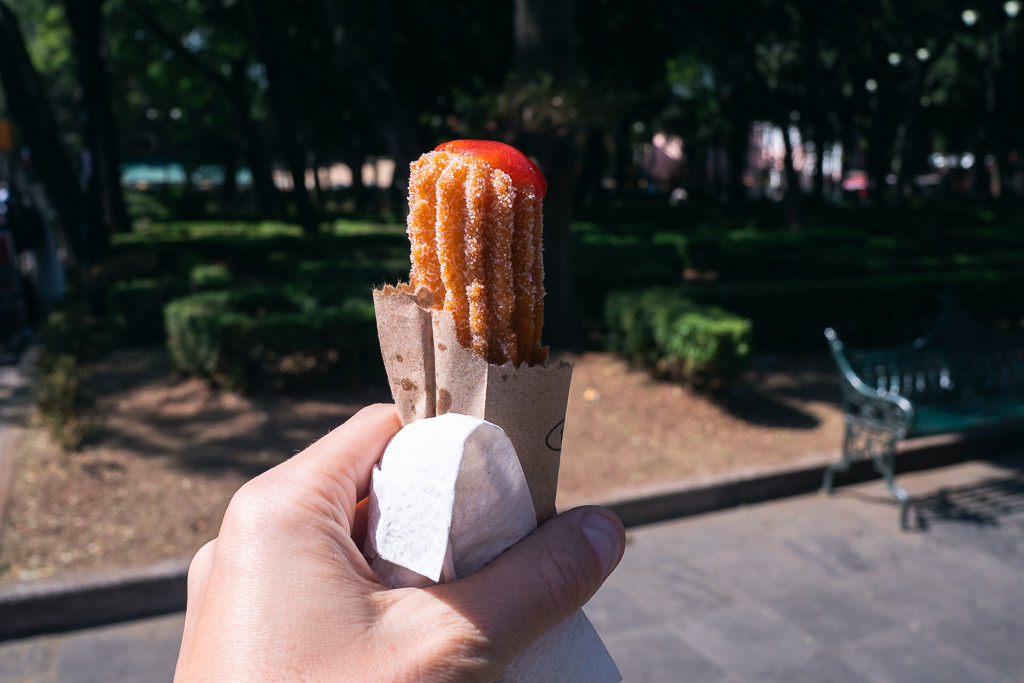
Go on a Pastelería hunt, Mexico City’s bakeshops, which seem to line every street in Mexico City, offer more carby, sugary things than you could imagine. With a few pesos, you can walk out with a box full of goodies
21. ICONIC traditional Mexican specialties to try
Pozole: The stew of celebrations, this tomato-based soup incorporates hominy, meat (usually pork), and an array of garnishes. It’s a quick, nourishing, and absolutely delicious meal.
Chile en Nogada: Arrive in Mexico City anytime between August and October and you’re likely to see advertisements for these roasted peppers all over the city. Traditionally stuffed with pork and fruit, then topped with a creamy walnut sauce and pomegranate seeds, this dish symbolizes the Mexican flag in celebration of Independence Day, September 15th.
22. Where to find the best international cuisine in Mexico City
The Mexican food is mind-blowing. But you’d be missing out if you didn’t take advantage of some of the global eats in the city.
Asian food was particularly impressive, with a revitalizing Chinatown and numerous Japanese eateries. Great options for Lebanese, French, Italian, Brazilian, Colombian, and American gastro are also plentiful.
Day trips & weekend getaways
23. Tepoztlán
Mexico has designated over 100 “magical towns,” or “Pueblos Mágicos”. Aimed at increasing tourists to these places, they’re genuinely a great way to discover some of Mexico’s most charming towns.

A little over an hour south of the city by bus, Tepoztlán is a particularly special destination, offering unique opportunities to become more acquainted with prehispanic cultures.
The local market is fantastic, offering foods that highlight traditional pre-Hispanic herbs, seeds, and produce.
Another treat is the hike up to Tepozteco, an Aztec archaeological site sitting atop a steep cliff. The hike takes about 1.5 hours and is strenuous, but people with diverse fitness levels complete it daily. At the top, you’ll likely make amigos with the friendly coati—avoid feeding them.
25. Taxco
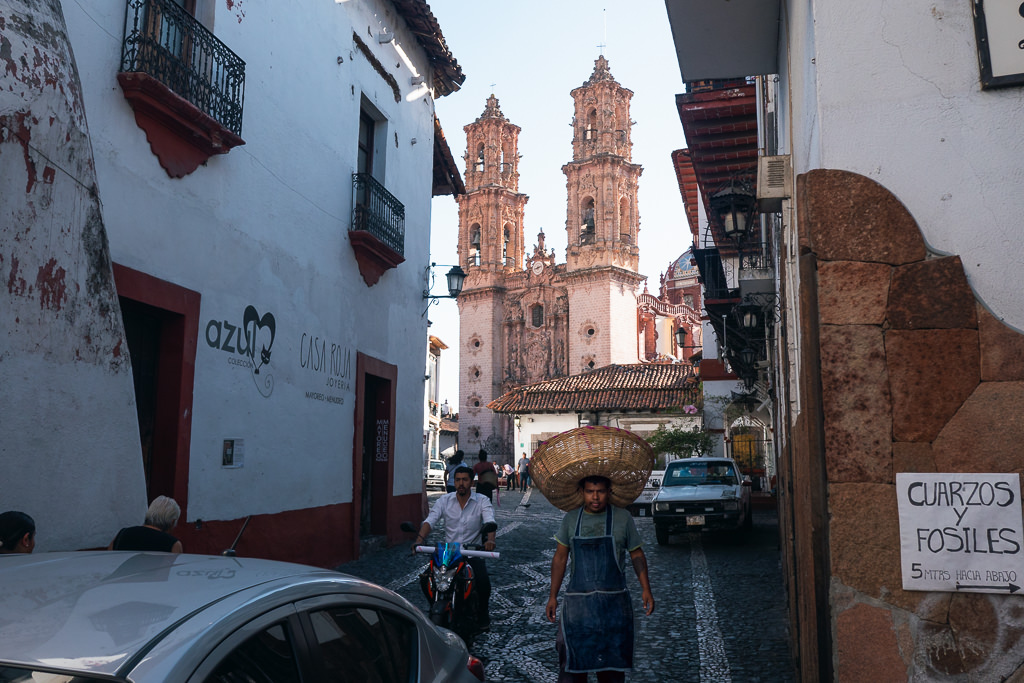

Another Pueblo Mágico, this former silver mining town is about 2,5 hours by bus south from Mexico City’s southern bus terminal. It’s a popular weekend spot for locals and its charming winding streets are a delight to explore.
Besides the many silver jewelry markets, Taxco makes for a fun base for excursions. You can take a dive in the Blue Pools, visit an ancient prehispanic mine that was discovered underneath a hotel, or see the epic waterfalls at Mil Cascadas.
The traditional stew pozole hails from Taxco and can be sampled there in three classic varieties.
26. Puebla
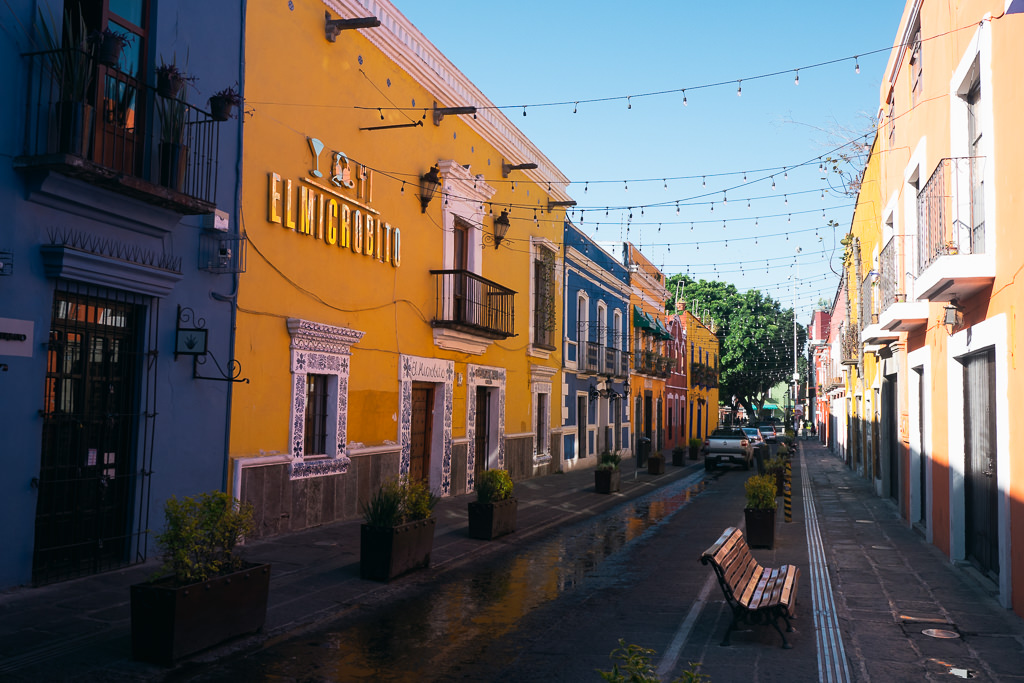
Just two hours from Mexico City by bus, Puebla is one of Mexico’s best-preserved colonial cities — a UNESCO World Heritage centre with a historic core packed with ornate Baroque churches, colourful tiled facades, and plazas that actually feel lived-in rather than staged for tourists.
While I recommend staying at least one or two nights to get the full Puebla experience, especially if you want to also visit the nearby Great Pyramid of Cholula, the city itself is highly do-able as a day trip.
Puebla is also where two of Mexico’s most iconic dishes were born: mole poblano and chiles en nogada. Even a few hours here is enough to eat extremely well, whether you’re grazing the market stalls of the Mercado de Sabores or sitting down for a proper meal in the historic centre.
Beyond the food and architecture, Puebla rewards curious wanderers — the kind who enjoy ducking into a dusty ceramics workshop or climbing a church tower for views over the city with Popocatépetl smouldering in the distance.
27. Cholula
Just outside of Puebla, this Pueblo Mágico is an easy day trip from Mexico City or an extension to your weekend in Puebla. Known as the City of Churches, the small town of Cholula is home to 365 churches.
Undoubtedly the most visited one is La Iglesia de Nuestra Señora which sits upon the big “hill.” Actually, underneath the church is the Great Pyramid of Cholula, the largest pyramid in the world by volume… once abandoned, overgrown, and later mistaken as a hill by the Spanish.
Cheap semi-structured trolly tours from Puebla depart multiple times daily.
28. Paso de Cortes
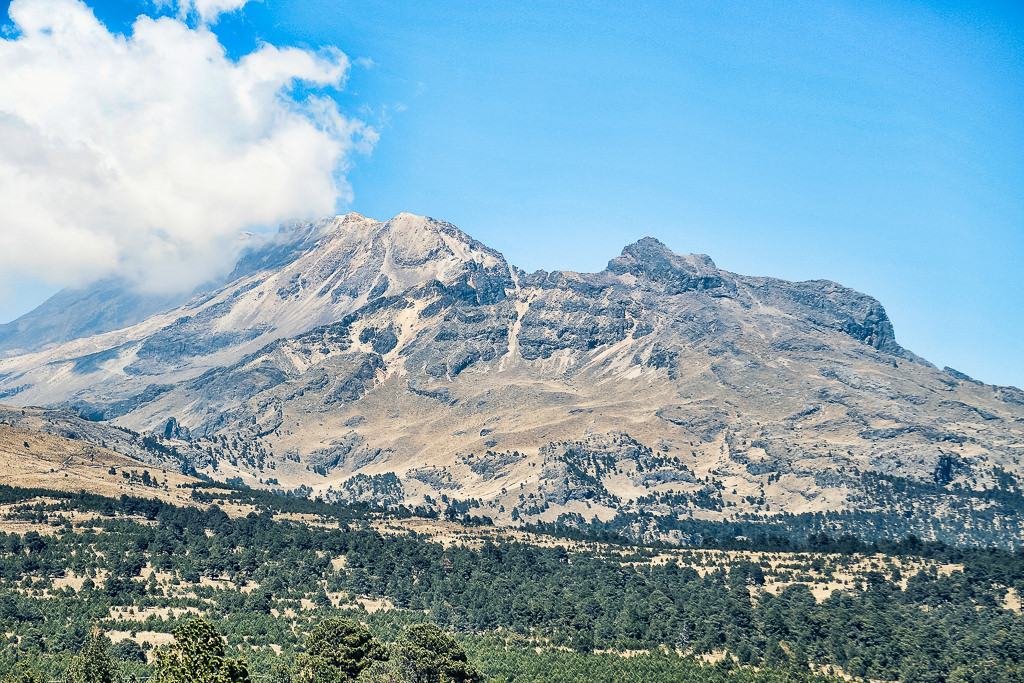
This scenic pass actually flows between two massive volcanos, the active warrior Popocatépetl and the sleeping woman, Iztacchíuatl. Spend the day or a couple of days hiking up Izta.
A short hike will reward you with incredible beauty. Skilled hikers can navigate the snowcaps, but be aware this is a technical hike and people have died. Staying overnight is possible by bringing a tent or arranging at the park office to stay in the old microwave station… which is a bit spooky.
From the station, the trail heads down to the base of Popo through dreamlike meadows. Though a day trip is possible, I recommend staying overnight to enjoy the sunrises, sunsets, and many hours of exploration and hiking available.
From Mexico City, you can take a public bus to the small town of Amecameca to sign in at the national park office and arrange a shuttle to the La Joya parking lot at the base of Izta.