Most of us spend our time thinking about gear. Wilderness experts spend their time thinking about people.
Season after season, leading others through rugged mountains, forests, and backcountry, they see the same human errors play out. It’s the forgotten headlamp, an overloaded pack, or the misplaced confidence that owning an expensive kit somehow guarantees a good outcome.
We spoke with three experts who’ve spent decades watching people and their gear put to the test in wild places.
What followed had surprisingly little to do with gear at all.
Kevin Estela, Author, Survival Instructor and Bushcraft Educator
“Spend enough time teaching survival and you start recognizing mistakes before people have even shouldered their packs.”
Kevin Estela has spent decades teaching survival, bushcraft, and wilderness skills across North America.
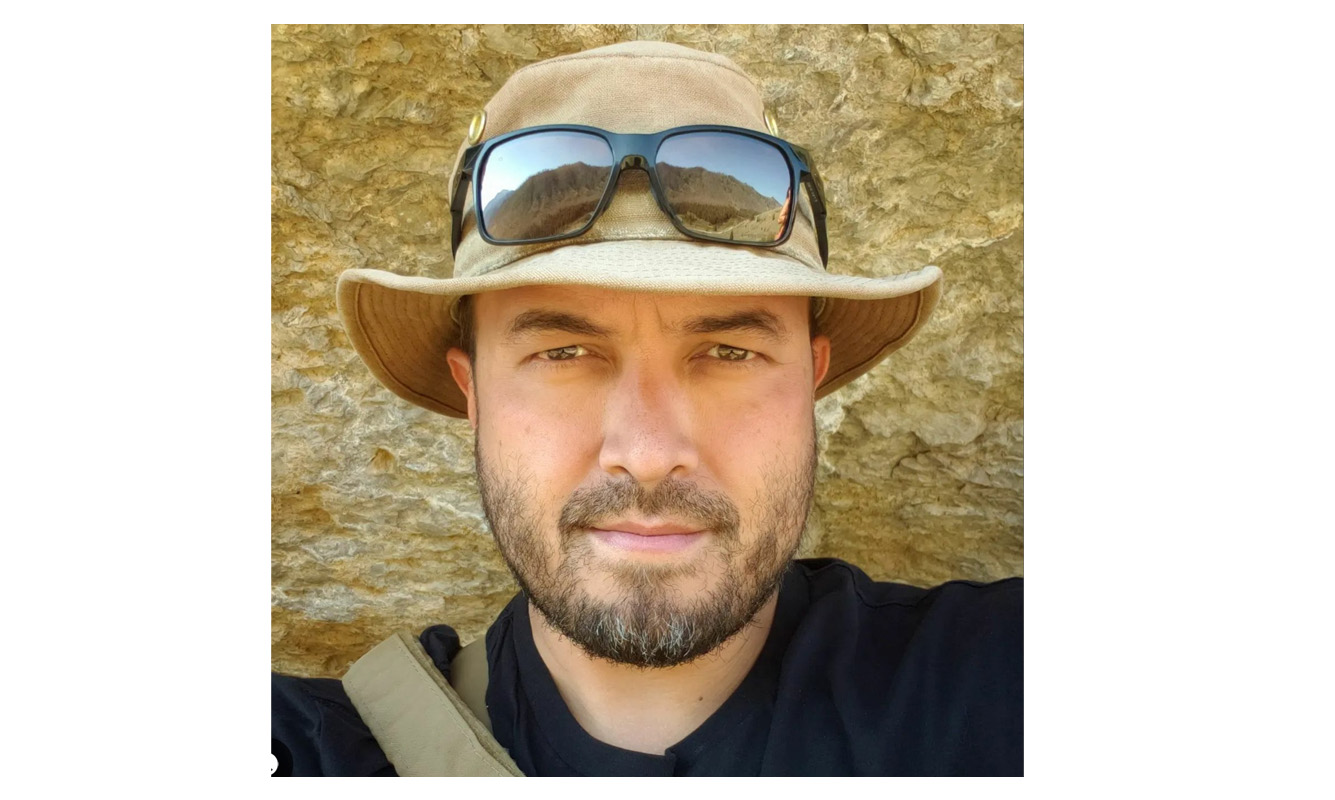
As a longtime instructor, he’s watched thousands of students arrive with every imaginable piece of equipment. Some carry too much, others not enough. The common thread isn’t usually the gear itself – it’s whether people understand what they’re carrying, why they packed it, and how they’ll use it when conditions change.
For Kevin, competence is King.
You’ve spent decades teaching people in the outdoors and watching them put their gear to the test. What tends to separate the people who’ve really lived with their gear from those who are still getting to know it?
Kevin Estela: Right off the bat, I’d say it’s footwear. I know that’s not technically gear in the hard-goods sense, but it’s almost always footwear.
People don’t maintain their boots properly. Soles start de-laminating, or they’ll show up wearing a brand-new pair because they thought, ‘I’m coming to this class, so I should buy new boots’. They never break them in properly, and then they spend the whole trip dealing with blisters.
The next thing is protection from the elements. People show up without proper rain gear, or they assume a poncho is enough. They don’t realize a poncho is really meant to be worn with rain pants as part of a complete system, so they end up soaked from the knees down.
If we’re talking strictly about hard goods, though, I’d say the biggest issue is a lack of maintenance. People go to use their GPS and discover the batteries have drained while it was sitting switched off. Or they pull out a flashlight and realize they never replaced the batteries after last hunting season.
Lack of maintenance causes problems all the time.
So those issues tend to outweigh the backpacks or gear systems people are carrying?
KE: Absolutely. When it comes to backpacks, people pack everything neatly at home on a clean table, but they’ve never actually tried packing it again in the field.
Out there, nothing is clean. Gear gets wet. You pick things up along the way. You don’t have the luxury of laying everything out.
A lot of people have never really pressure-tested their equipment. They don’t know what they can comfortably carry, what should stay packed, or how their system actually works outside the comfort of home.
Do you ever see people bringing expensive, high-end gear that actually makes the experience worse?
KE: Every once in a while. For full disclosure, I work with Exotac, a fire-starting company, so I’ll often see people bring expensive electronic lighters they bought online. They’ll tell me, “Look at this amazing lighter I found on Amazon,” or somewhere similar. And sure, it works brilliantly in a controlled environment.
But once you take it into the woods, moisture gets into the electronics, something fails, and suddenly that $50 lighter isn’t much use. Meanwhile, a $5 box of waterproof, windproof matches would probably have performed better.
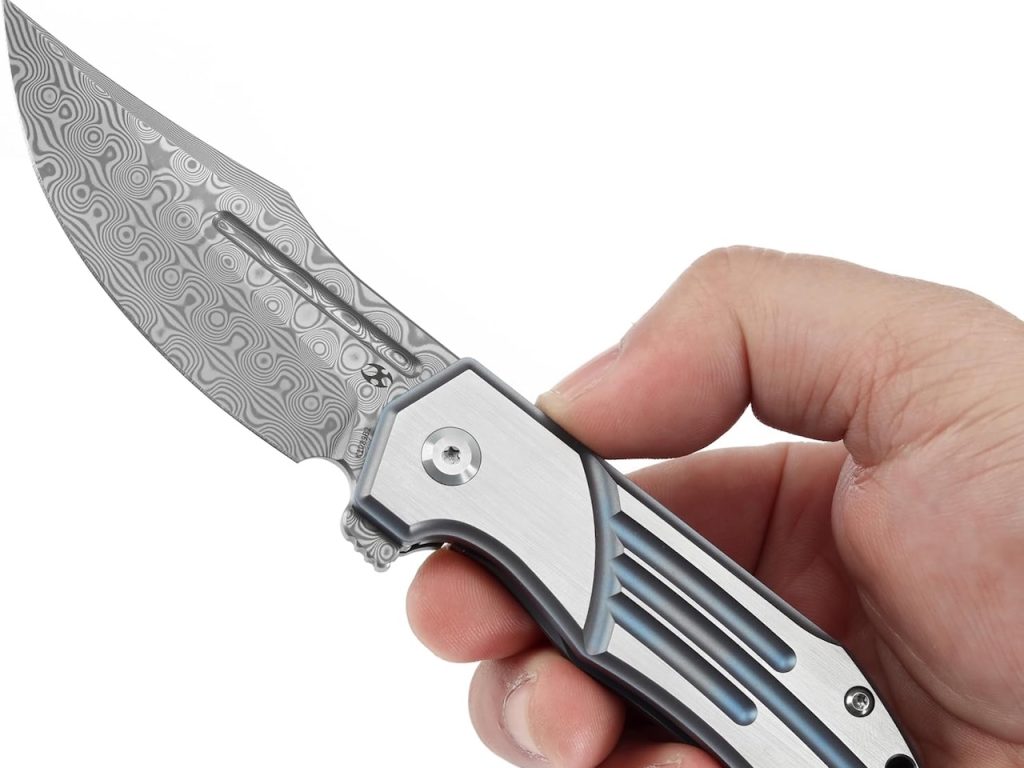
Another example is knives. People buy these beautiful Damascus blades because they’re works of art. The problem is that many are made from carbon steel, and those gorgeous etched patterns create tiny imperfections where moisture can collect. I’ve seen stunning Damascus knives become heavily rusted after a trip through humid or persistently wet conditions.
Sometimes the premium option isn’t the most practical one.
On the flip side, what are the boring, unglamorous pieces of gear that experienced people quietly value the most?
KE: That’s easy. A Swiss Army Knife. I tell people all the time that if they carry a Swiss Army Knife and a lighter, they’re already better prepared than most people.
One of the great things about a Swiss Army Knife is that people don’t really see it as a weapon. It attracts far less scrutiny than a folding knife or a fixed blade, so you can carry it in many more situations.
It’s not tactical. It doesn’t need to be tactical. It just needs to be a tool.
The same goes for a good multitool, whether it’s a Victorinox Spirit or a Leatherman Wave. They’re not glamorous, but they’ll solve about 90 percent of the problems you’re likely to encounter before you ever leave the pavement.
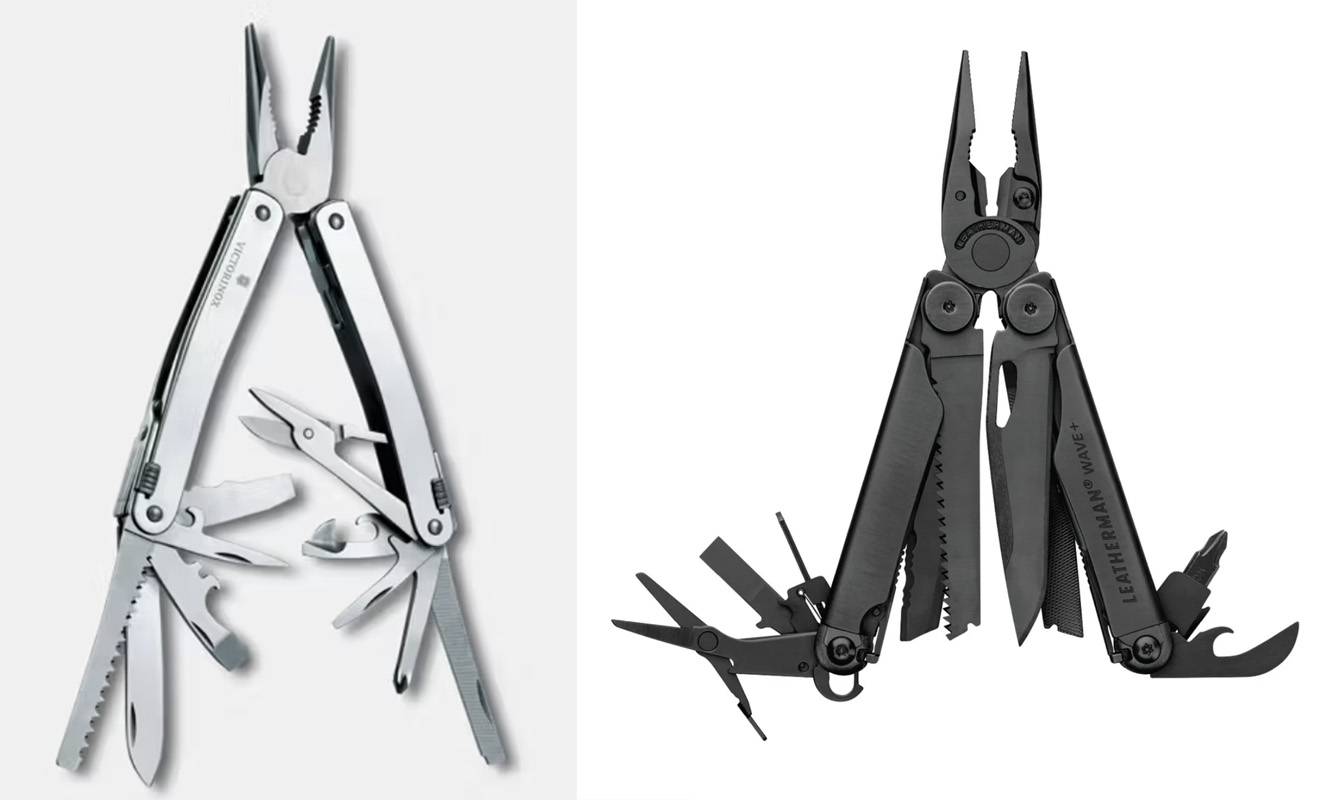
There really isn’t an excuse not to carry one anymore. They weigh less than most smartphones.
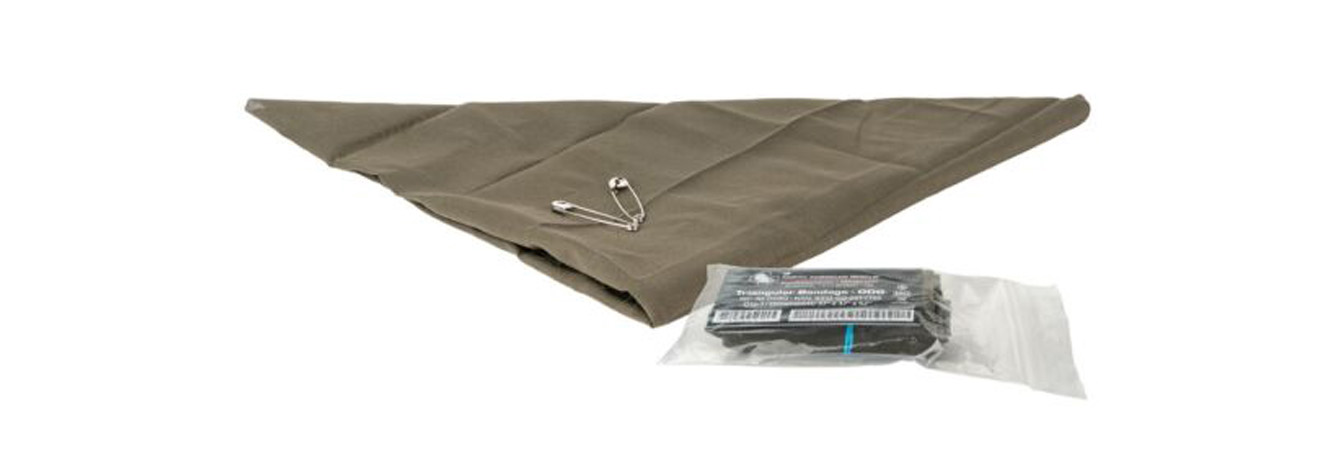
Another underrated item is a bandana, or better yet, a triangular bandage. I think of them as flexible utility tools.
You can use one as an improvised bundle to carry gear, cover your head in the sun, protect your face in smoke, lift a hot cooking pot, or deal with countless first-aid situations. I carry one in my back pocket every single day because I’ve used it over and over again.
My dad is eighty-seven now, and he’s carried an old-fashioned handkerchief his entire life.
He used to tell me, “Always have one with you. You never know when there’ll be a crying lady sitting next to you.”
Now, I probably wouldn’t hand someone the same triangular bandage I’d just used to lift a soot-covered pot off the fire. So maybe carry two.
Do you think people generally overpack? And if they do, what’s driving it? Is it inexperience, fear, or simply the feeling that more gear equals more preparedness?
KE: I think a lot of it comes from the internet. There are endless gear lists telling people what they need for a particular trip, so someone arrives at a class and says, ‘I brought this because I saw it online’ instead of asking whether they actually need it.
One thing I notice all the time is equipment that’s still in the packaging. Someone brings a hundred feet of paracord that’s still wrapped in plastic from the factory, or a tourniquet that’s never even been opened, let alone practised with. You can tell they’ve bought the equipment, but they’ve never actually used it. To me, that’s a much bigger issue than whether they bought the ‘right’ piece of gear.
There’s another pattern I see all the time. People pack for the extreme emergency, but not for the little emergency. We’ll be carving feather sticks, someone nicks a finger, and suddenly everybody’s pulling out tourniquets. Nobody has a simple adhesive bandage.
I was at Blade Show this year when a young guy cut himself practising with a balisong. People were asking if anyone had a bandage, so I pulled two fingertip bandages out of my wallet. Honestly, everyone’s got room for a couple of bandages. If you’re not carrying those, are you really prepared for the kind of injury that’s actually most likely to happen?
People prepare for dramatic survival scenarios because they’ve read about them online. Meanwhile, every single day you’re going to eat, stay dry, and deal with basic hygiene. Those aren’t glamorous problems, but they’re guaranteed ones. Everyone wants the latest flashlight, and yes, every day it gets dark. But every day you’re also going to need toilet paper. You should probably prepare for that too.
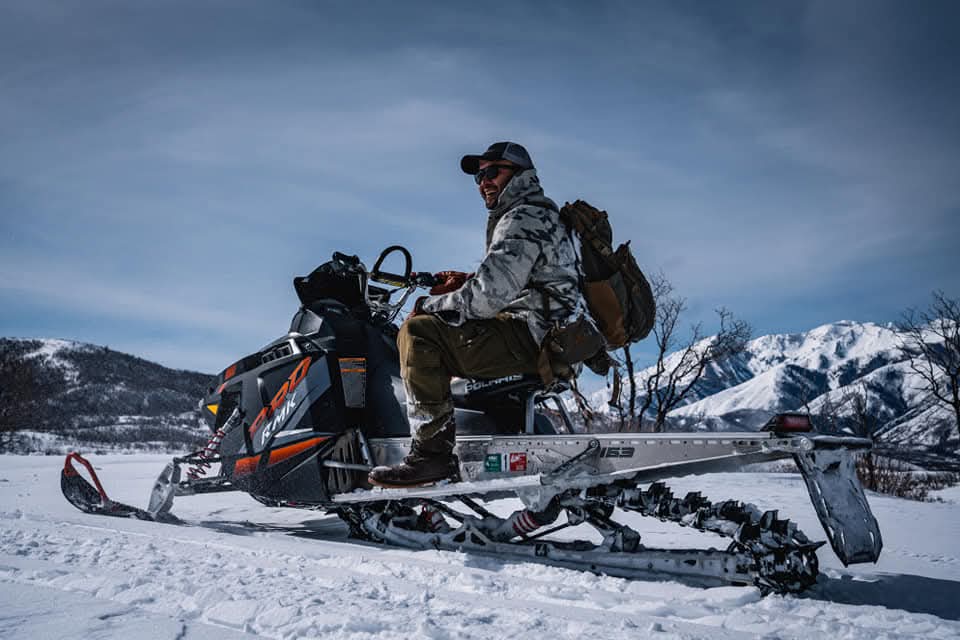
Looking at your everyday pack today, what’s changed the most over the last decade?
KE: Less than people might think. Day-to-day, I usually rotate between a Kifaru Checkpoint and one of the original GORUCK packs. The philosophy hasn’t really changed, but the technology has.
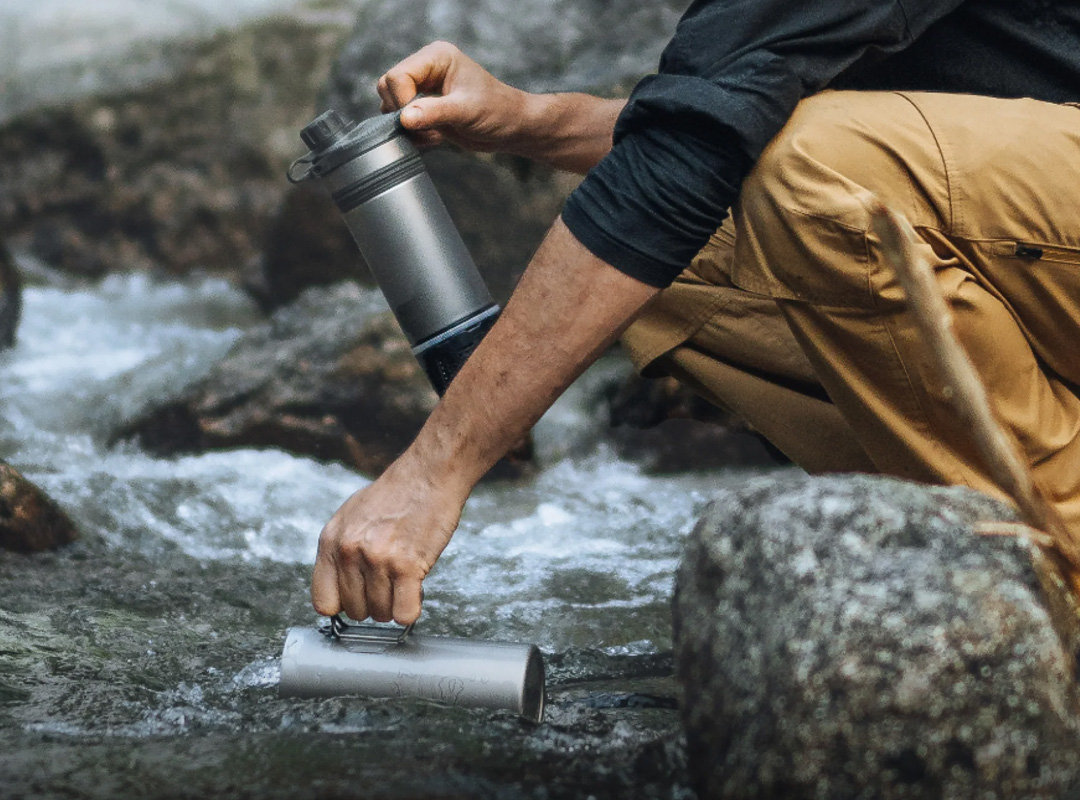
Over the years I’ve gradually adopted better water filtration, lighter materials, and more compact power solutions. A Grayl titanium filtration bottle has become a staple because it gives me multiple options for treating water, and I’ve been really impressed with Dark Energy’s Poseidon battery pack and compact solar panels when I’m traveling.
The gear has evolved, but the thinking behind it hasn’t. Every pack starts with the same question: Could I spend an unexpected night outdoors with what’s on my back?
If the answer is yes, then I’ve covered the essentials: fire, water, shelter, weather protection, and the basics of survival. Beyond that, I always leave room. One of the biggest mistakes people make is packing a bag to capacity. I never do that. I want space for whatever the day throws at me.
After all these years, has your own philosophy around gear become simpler or more complex?
KE: Simpler, in some ways. I’ve always believed in addressing concepts rather than fulfilling a checklist.
People see something like the ‘Ten Essentials’ and think they need a specific knife, a specific fire starter, or a particular shelter. I’d rather ask what problem I’m trying to solve. What are my cutting needs? What are my water needs? Once you think in terms of functions instead of individual products, you become much more adaptable.
That’s probably been the biggest shift for me over the years. I’m always open to new technology if it genuinely solves a problem better. Better water filtration, lighter materials, more reliable power banks … those things have all earned a place in my kit. But the fundamentals haven’t changed.
Ultimately, I’m always looking for the strongest solution. Whether it’s wilderness survival or first aid, I’d rather rely on the tool that’s most effective than the one that’s simply familiar. At the same time, I think it’s perfectly fine to carry a few things simply because they bring you joy. Once you’ve covered the basics, there’s nothing wrong with making room for a piece of kit that reminds you why you fell in love with the outdoors in the first place.
If you were standing beside someone packing for their very first adventure, what’s the one piece of advice you’d give them?
KE: Don’t look like a gypsy camp walking through the woods.
People love hanging gear off every strap and attachment point, but all it does is snag on branches and throw your balance off. As much as possible, run slick. Keep your gear organized inside the pack and let the backpack do its job.
More importantly, don’t just pack your gear. Use it before you need it. Learn what works, what doesn’t, and what you can comfortably live without. Experience will teach you more than any checklist ever will.
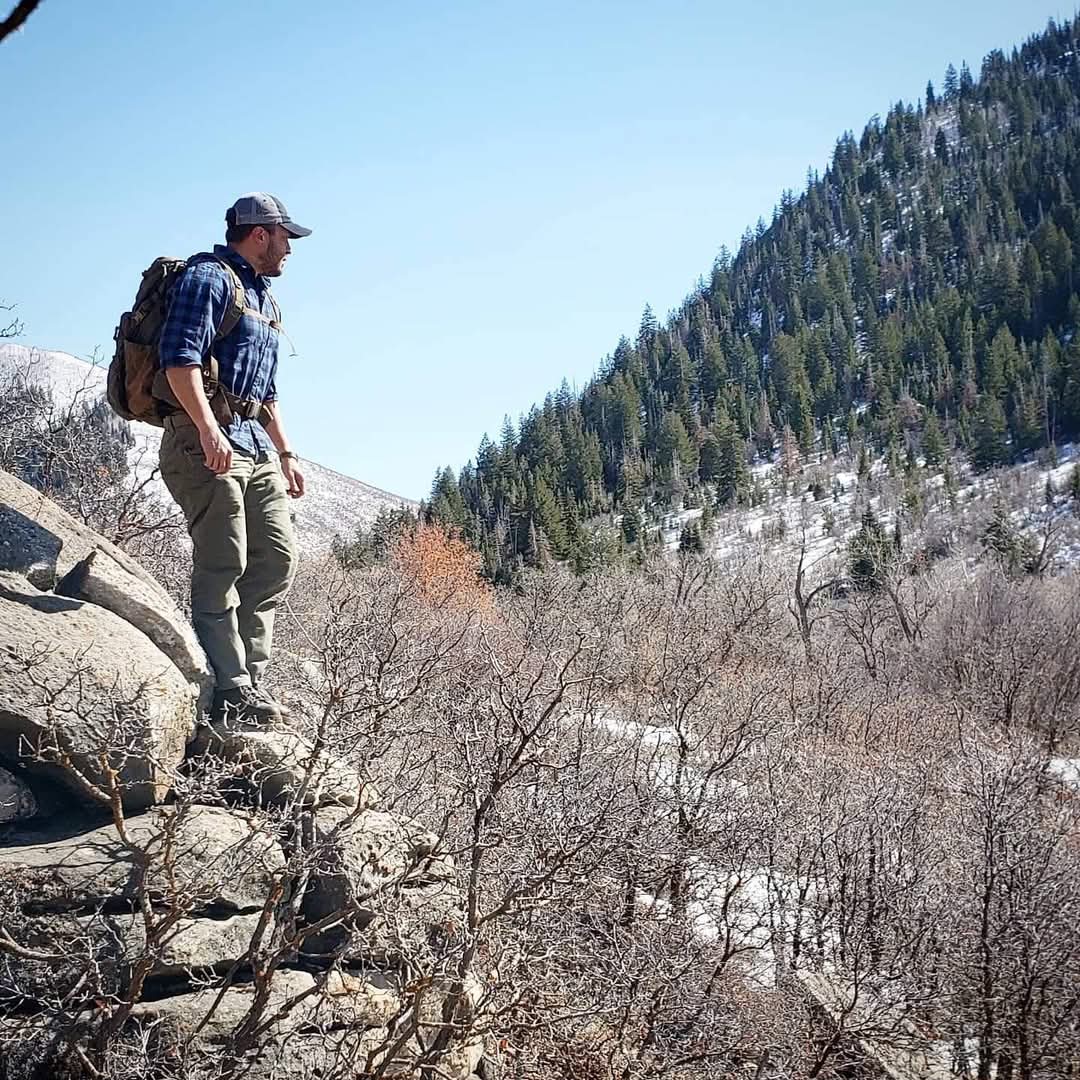
Ken Wylie, Mountain Guide, Leadership Coach, Author, and Avalanche Survivor
“Guides don’t just read terrain. After enough years they start reading people too.”
Few people have examined decision-making in the mountains as deeply as Ken Wylie. A veteran mountain guide, educator, and avalanche survivor, Wylie has spent years exploring the human side of risk.
His own near-fatal accident in 2003 reshaped not only his relationship with the outdoors but also the direction of his career, leading him to focus on judgment, leadership, and how people make decisions when the stakes are high.
Ask Ken about gear and you’ll soon find yourself delving into judgment, courage, and the psychology of decision-making.
You’ve spent decades in the mountains and around expedition gear. Has your relationship with equipment changed over the years?
Ken Wylie: Absolutely. Gear empowers us, and that’s one of the great gifts of spending time in wild places. The more capable we become, the less fear we carry. When we know we can do more with less, we develop a deeper sense of belonging in the outdoors.
I see it when I teach friction fire. Someone learns they can make fire with nothing more than dry cedar and a knife, and suddenly the world feels different. They realize they don’t need to depend on one particular piece of equipment. Their confidence has shifted from the object to themselves.
That’s where gear is at its best. It expands capability. It doesn’t replace it.
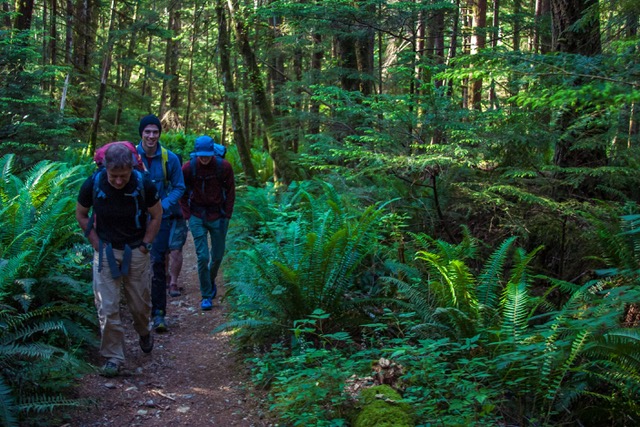
Is that where people sometimes get caught? Trusting the gear more than themselves?
KW: Exactly. I remember being at about 19,000 feet on Aconcagua when a climber wandered into camp and asked if he could borrow my stove because his had broken. I wasn’t especially keen on lending it, so I asked to have a look first.
It was simply clogged with carbon. The jet needed cleaning, along with the cable inside the fuel hose. He also didn’t have the proper cleaning needle that MSR supplies for clearing the jet. I showed him that a single toothbrush bristle works perfectly as an emergency substitute, provided you let the stove cool first.
The blockage was so severe that no fuel was getting through at all. On a mountain like Aconcagua, that’s a serious problem because your stove isn’t just for cooking. It’s your source of water. You’re melting snow for every drink. Without a functioning stove, you very quickly have a much bigger survival problem than simply missing a hot meal.
It took about two minutes to fix. That really stuck with me. We often think the gear is going to solve the problem, but every piece of equipment is just one more thing we have to understand, maintain, and take responsibility for.
I’ve even had moments leading trips where I’ve had to ask people to stop talking about gear. We’re sitting around a campfire in one of the most beautiful places on Earth, and the conversation keeps drifting back to backpacks and jackets. Sometimes I just want to say, ‘Be here’.
Gear matters. But it shouldn’t become the reason we’re outside.
Has your approach to packs changed over the years?
KW: It depends entirely on the trip.
Sometimes I’ll deliberately go heavy. A couple of summers ago we hiked the west coast of Vancouver Island. We weren’t trying to cover huge distances. We wanted to sit on beaches, read books, cook proper meals, and enjoy where we were. People looked at us like we were crazy when I pulled out a kitchen knife and a cutting board at lunch.
But that’s exactly the point. The right pack isn’t always the lightest one. It’s the one that serves the experience you’re trying to have.
When I’m solving a specific problem, I can be a complete gearhead. The homework is understanding what the challenge actually demands, then bringing the right tools for it.
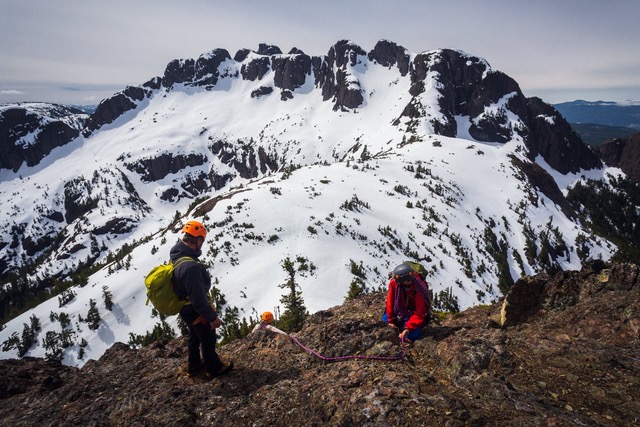
Do you think there are pieces of gear people place too much faith in?
KW: GPS is probably the best example. Not because it’s bad. I use GPS all the time. The difference is that I know I can still navigate if it fails.
When we become completely dependent on technology, we start carrying an extra fear: I hope this doesn’t stop working. That’s a very different relationship with equipment.
Frank Worsley navigated Shackleton’s expedition across the Southern Ocean with little more than a sextant. Polynesian navigators crossed the Pacific without instruments at all.
Technology is extraordinary, but I think we should still cultivate the human abilities underneath it.
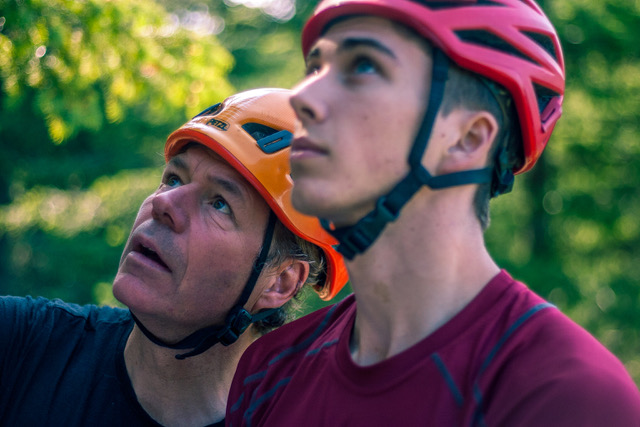
Your perspective isn’t just theoretical. You survived an avalanche in 2003 that could easily have ended differently. Did that experience change the way you think about gear?
KW: Completely. I wouldn’t be here today without equipment. My avalanche transceiver, probe, and shovel saved my life. A century earlier, before that technology existed, I almost certainly would have died. So I have enormous respect for what good gear can do.
At the same time, that experience forced me to examine every decision that led me there. I spent a long time understanding why I made the choices I did, and because of that I’m no longer the same person who walked into that avalanche.
Today my work is helping people understand how mindset shapes decision-making. Gear matters enormously, but it can never replace judgment. The best equipment in the world still relies on the person using it.
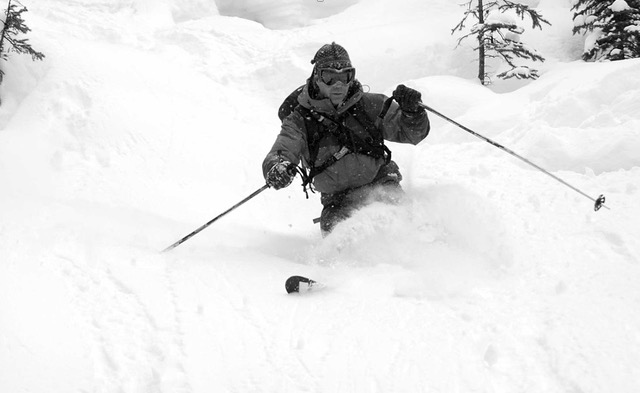
After everything you’ve experienced, what keeps drawing you back to wild places?
KW: Because they ask something of us. Out there, our decisions have authentic consequences. That’s increasingly rare in modern life. Wild places force us to solve problems, take responsibility, and grow.
One of the things I teach is that people think courage is always good. It is, but you can also be too courageous. You can become over-bold. Like good gear, courage has a sweet spot.
Gear helps us solve problems, but the real work is becoming the kind of person who makes better decisions when they matter.
Can you walk me through a specific trip or moment where someone’s knowledge gap, not their gear, was what actually caused the problem?
KW: More often than not, it’s a knowledge gap, not a gear gap, that leads to serious consequences. The Titanic is a classic example. The ship itself wasn’t the problem. There were repeated ice warnings, yet they still struck an iceberg. It was a failure to apply knowledge, not a failure of technology.
The same pattern plays out in the mountains. When someone dies in an avalanche despite having the latest forecast, an avalanche transceiver, probe, shovel, even an airbag, somewhere in the decision-making process something has been missed.
Sometimes the missing knowledge isn’t technical at all. It’s self-knowledge. Understanding who we are, why we’re making the decisions we’re making, and recognizing the invisible pressures acting on us.
Sponsored athletes, for example, can begin believing they have to produce a summit because that’s what’s expected of them. That pressure can quietly distort judgment.
That’s where my work increasingly focuses today. Better decision-making begins with better self-awareness.
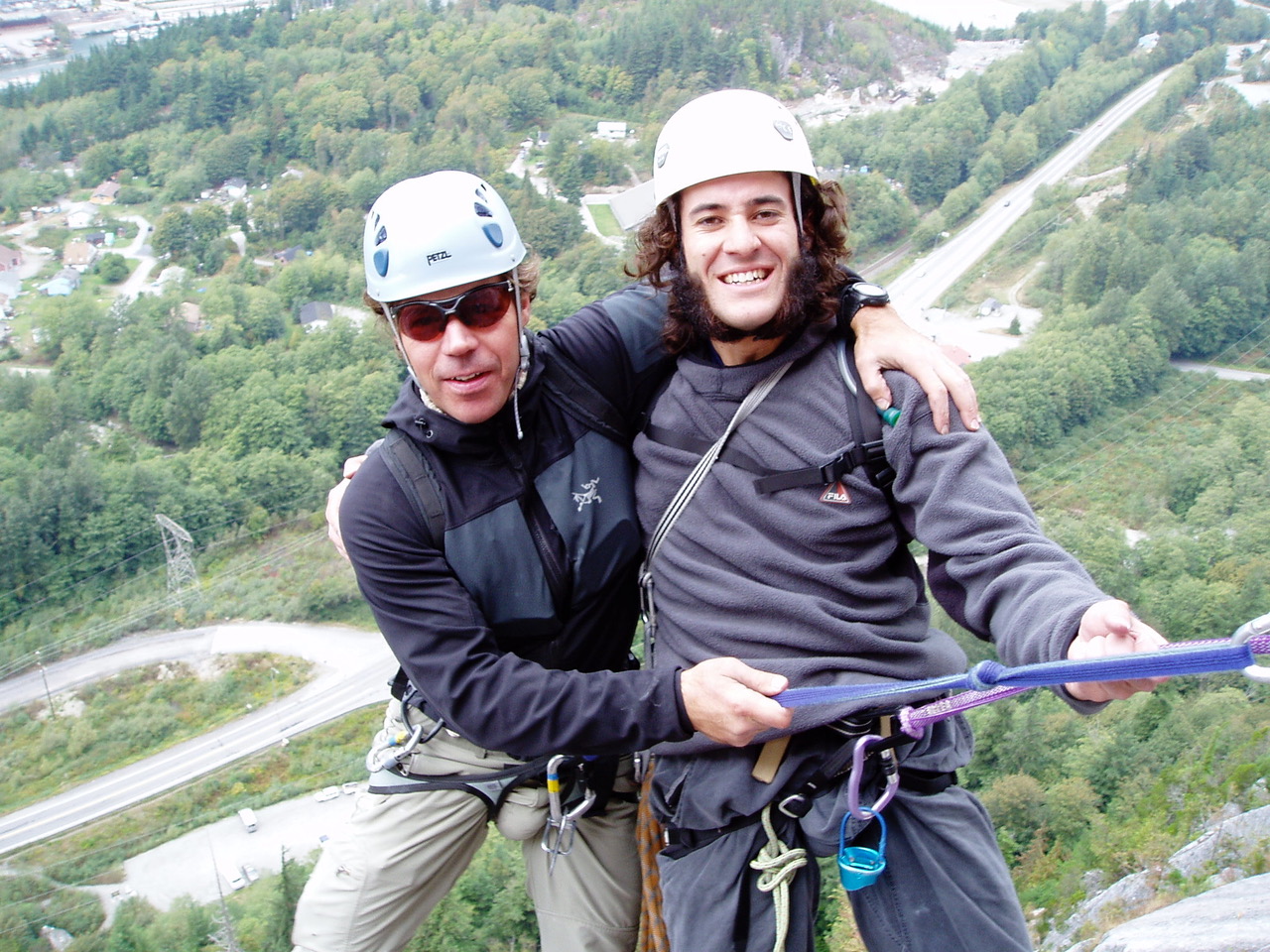
What’s the worst gear decision you’ve ever watched someone make in the mountains? What happened, and what did it come down to?
KW: The worst gear decision is always the same: using technology to replace know-how.
People start trusting the equipment to compensate for skills they haven’t developed. That’s far more dangerous than choosing the wrong piece of gear.
If we’re talking about equipment itself, though, I’ve seen plenty of poor choices. Climbers bringing ultralight ice axes that weren’t robust enough for the terrain. Picks breaking under heavy use. I once saw someone climbing in a homemade harness they’d sewn themselves. After a crevasse fall they came back up with stitching already starting to fail.
Most of us have probably made the opposite mistake too, chasing lighter and lighter equipment until we’ve gone past the sweet spot between weight and durability. Whenever I’ve suffered because of gear, it’s almost always because I tried to go too light.
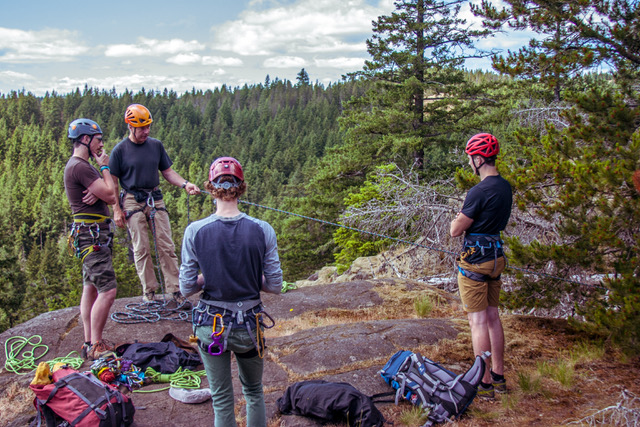
Ty Gagne, Author, Educator & Mountain Safety Researcher.
“The biggest misconception is that gear creates safety. It doesn’t.”
Ty Gagne approaches the outdoors from a different angle. An author, educator, and mountain safety researcher, he’s spent years studying search-and-rescue incidents and asking how small decisions can combine into life-changing outcomes.
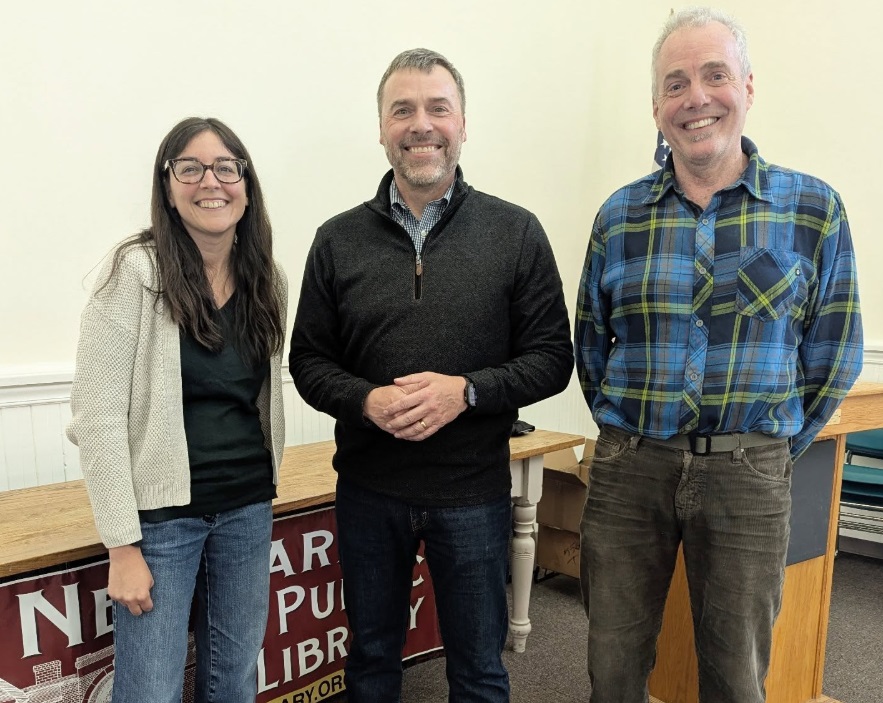
Alongside his work as CEO of PRIMEX, New Hampshire’s public risk-management pool, Gagne is also a certified Wilderness First Responder, bringing both professional and field experience to questions of risk, preparedness, and decision-making.
Rather than asking what failed, Gagne has spent years asking why, a perspective that gives him a uniquely forensic view of gear, preparation, and the systems people rely on when things unravel.
From your perspective, what’s the biggest misconception people have about gear and safety in the backcountry?
Ty Gagne: The biggest misconception is that gear creates safety. It doesn’t. Gear is only one component of safe backcountry travel. Having the right equipment matters, but it’s just one part of a much bigger system that includes knowledge, judgment, and decision-making.
More broadly, what should good gear actually do for its user?
TG: Good gear should augment the backcountry experience, much like a well-considered everyday carry supports life in an urban environment. There are core essentials that everyone should carry, but beyond that, your kit should reflect the itinerary, terrain, weather, and duration of the trip. The best gear isn’t simply high-performing. It’s the gear that’s appropriate for the objective.
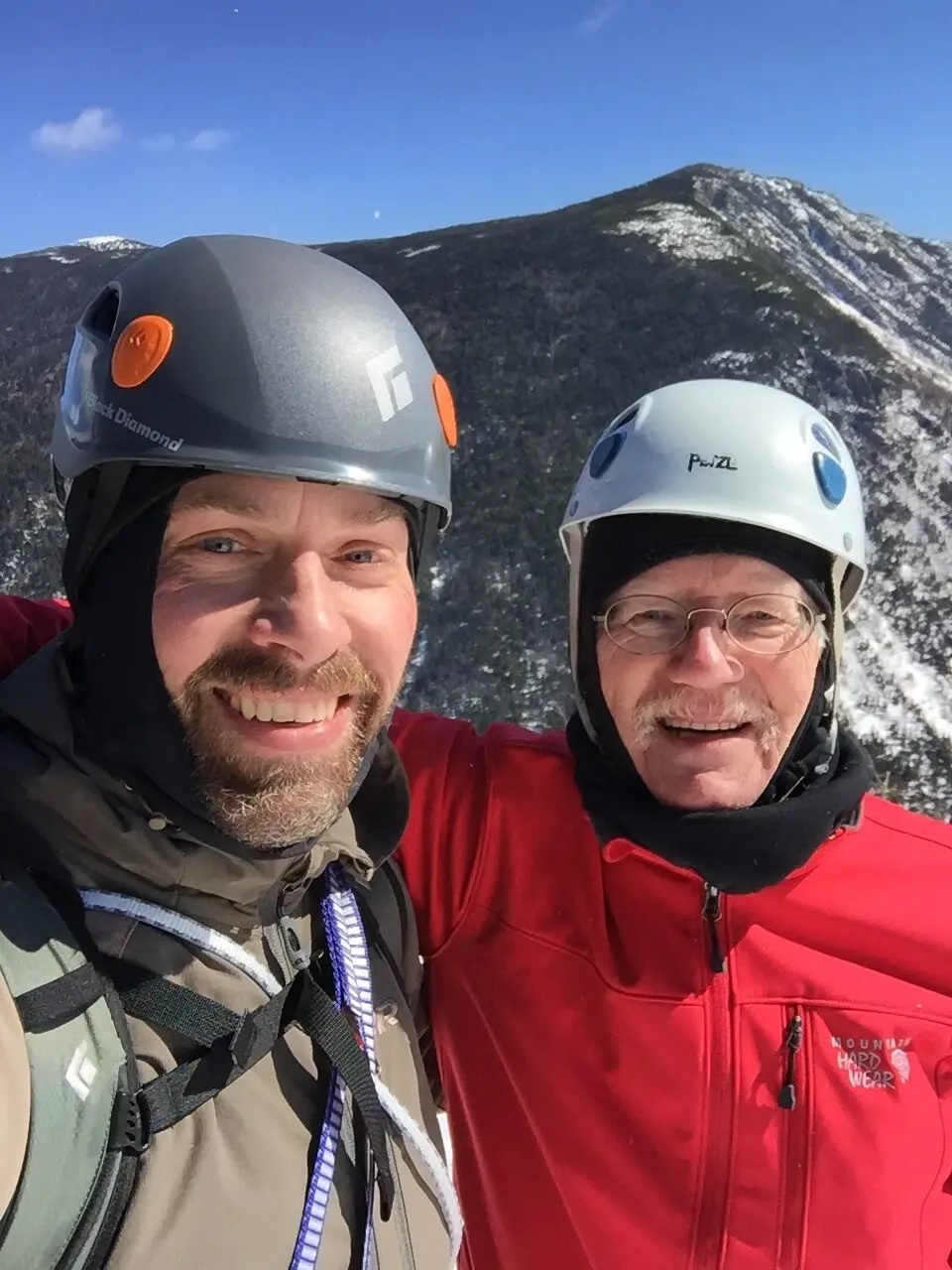
You’ve spent years studying accidents in the mountains. Looking back, how often does gear failure turn out to be human failure?
TG: True equipment failure is actually quite rare. More often, problems stem from improper use or other human factors. Someone becomes hypothermic because they don’t understand layering or fail to regulate their temperature. A climber builds an inadequate belay. The equipment itself hasn’t failed. More often than not, the failure is in how it’s used.
Having the right gear is only half the equation. Knowing when and how to use it is what really increases your margin of safety.
When you meet someone in the field, are there things about the way they’ve packed or organized their gear that immediately tell you something about their experience?
TG: It doesn’t take long to recognize who’s prepared for the environment they’re entering and who isn’t.
That isn’t a judgment because every one of us starts as a novice. Someone can own the nicest kit available and still lack experience.
The people who continue improving are usually the ones who approach the outdoors with a student’s mindset. That curiosity positions us for continuous learning and growth.
What’s one mistake you see people make with their carry system or packing that has consequences beyond simple discomfort?
TG: Failing to protect their safety systems. In winter, that means insulating water, food, and spare clothing. It doesn’t take long for any of those to freeze, and once your insulation gets wet through exertion or the weather, you’re dealing with a very different problem.
I’ve also been heavily influenced by GORUCK’s philosophy around system simplicity. Everything should have its place. Your load should be organized, protected, and carried in a way that works across different terrain and distances.
As technology becomes more capable, are there any tools that risk making us less capable?
TG: I think the smartphone is the clearest example. Many people now rely on their phone for navigation, communication, and even lighting. Those are incredibly useful tools, but they also introduce new vulnerabilities.
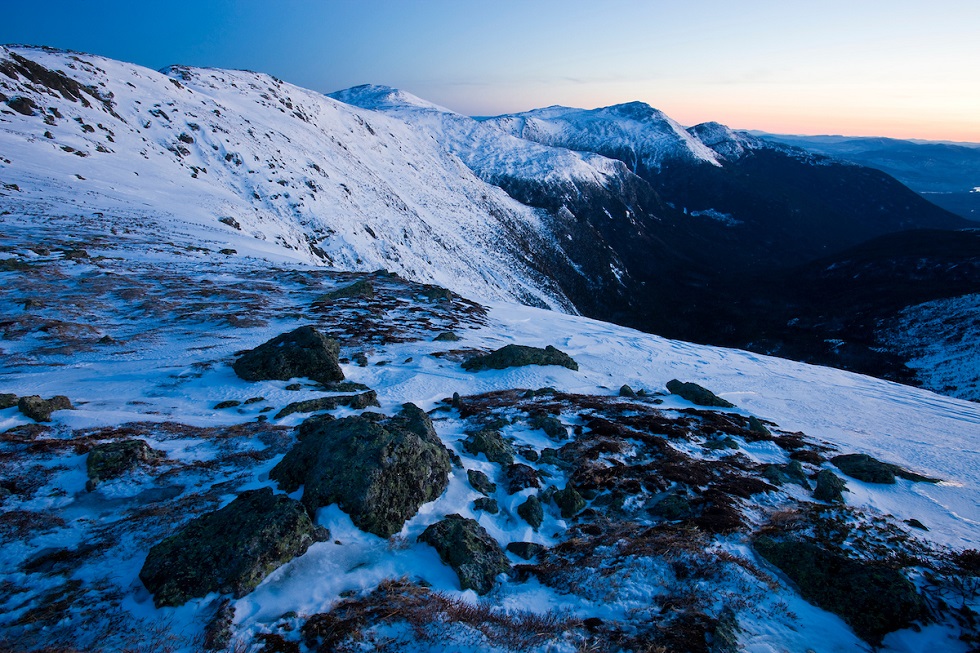
A significant number of search-and-rescue incidents in New Hampshire’s White Mountains begin with a depleted phone battery. People stay out longer than expected, rely on the flashlight on their phone because they weren’t expecting to be out after dark, then lose both their light source and navigation when the battery dies.
Technology is an extraordinary tool, but every convenience introduces another point of failure. The more dependent we become on a single device, the more important it is to understand its limitations and have a backup plan.
From the accident data you’ve studied, can you give me a specific example, even anonymized, where the gear was fine but the decision-making wasn’t? What did that look like?
TG: One scenario plays out repeatedly here in New Hampshire’s White Mountains, and in mountain environments around the world. Someone heads out despite a forecast for deteriorating weather. Sometimes they never checked the forecast. Sometimes they saw it, but underestimated how quickly conditions would arrive or how severe they’d become.
Then comes the next decision: “It’s not so bad.” Or: “We’ve come this far, we might as well reach the summit.”
As conditions worsen, they lose the trail, or become dehydrated, underfed, cold, or exhausted. Those factors begin affecting executive function, the part of the brain responsible for good judgment. Decision-making deteriorates, and each choice digs the hole a little deeper.
The gear may have been perfectly adequate all along. But when you’re cognitively impaired, you might not recognize it’s time to change out of wet layers, add insulation, or turn around. Fear and stress can narrow your thinking until you’re no longer making rational decisions.
That’s why I always come back to the same point: good gear matters, but it’s only one part of the system.
You said true equipment failure is rare. Do you have a rough sense of how rare? What does the data actually show?
TG: The figures I’ve seen generally put true equipment failure at somewhere between one and three percent of incidents, although it varies depending on the activity.
Human factors account for the overwhelming majority. Things like exceeding your physical or technical ability, poor planning, inadequate food or water, navigational mistakes, or simply not knowing how to use the equipment you’re carrying all show up far more often than genuine gear failure.
When you meet someone on the trail and can immediately tell they’re underprepared, what are you actually seeing? Walk me through a specific moment.
TG: First impressions are powerful, and I think it’s important not to become judgmental. Everyone starts somewhere.
For me, it always begins with the environment. Here in the White Mountains, the terrain is rocky, steep, full of roots, and very prone to slips and falls, especially when it’s wet or icy. So one of the first things I notice is footwear.
In summer we see huge numbers of visitors because the trails are so accessible, and it’s common to see people wearing trainers or even flip-flops. Hiking shoes or boots are much better suited to that terrain, and slips and falls are one of the biggest reasons for search-and-rescue callouts here.
I’m also looking at clothing and the weather. Are they wearing moisture-wicking layers? Does it look like they have enough clothing for changing temperatures or rain? Often you get the sense that someone is simply heading uphill because the trail is there, without having done the homework to understand the conditions they’re about to walk into.
The Take-Home
Spend enough time outdoors and gear stops being the point. Not because it matters less, but because your relationship with it changes.
After decades of guiding, teaching, and studying people in the wilderness, Kevin Estela, Ken Wylie, and Ty Gagne all arrived at a similar conclusion: good gear expands what’s possible; great gear can even save your life.
What it can’t do is make decisions for you. In the end, the most valuable thing you carry into the wilderness isn’t found in your pack.
It’s the judgment, experience, and curiosity you bring with it.
The post What Wilderness Experts Know That the Rest of Us Don’t appeared first on Carryology.