Credit: zimmytws/Shutterstock
If you wanted to learn how to use Red Hat Enterprise Linux but didn’t want to buy a license from Red Hat, CentOS was your distro. How did this affect the Linux ecosystem?
What was CentOS?
RHEL without RHEL
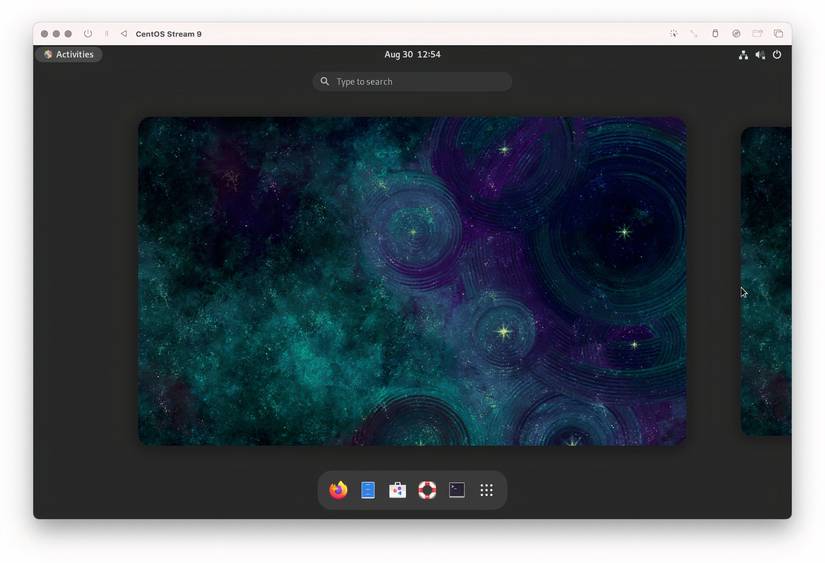
CentOS stands for “Community Enterprise Operating System.” It was effectively Red Hat Enterprise Linux without the branding. While Red Hat owned the trademark to its eponymous logo and the name itself, the code was free and open source. This made it possible to release a version that was effectively the same as Red Hat Enterprise Linux but without the Red Hat Enterprise Linux price tag.
CentOS was popular for that reason. It was particularly popular in several areas: cash-strapped smaller companies in the pre-cloud era who had to install on-premises data centers but couldn’t afford RHEL licenses; people who wanted to learn RHEL to improve their career prospects, since RHEL is widely used in enterprise companies and in scientific applications. CERN was a particularly heavy user of CentOS, collaborating with Fermilab to release its own spin, Scientific Linux.
CentOS’s popularity in scientific computing, including with Scientific Linux, stemmed from it being available free of charge, so universities and research labs wouldn’t have to depend on funding to be able to use it (which is likely one reason that Linux in general is so widespread in the sciences).
Red Hat seemed willing to look the other way when a significant user base effectively used its flagship product without paying for it. The company did take charge of CentOS development.
In 2020, Red Hat announced that it would be winding down development of CentOS in favor of CentOS Stream, which would be upstream of RHEL. That meant that CentOS Stream would be a preview of what would be in the main RHEL product.
It’s unclear how much IBM’s acquisition changed its approach, but it may have felt revenue pressure anyway. Brian Exelbierd, a Red Hat liaison and member of the development board, denied that revenue was an issue in The Register.
How the community responded to Red Hat’s announcement
Jumping out of the Stream
 Credit: Hannah Stryker / How-To Geek
Despite the assurances that this wasn’t about revenue, the news was received poorly in the CentOS and the broader Linux community. Some users wanted to fork immediately. This was possible since the source code was open and developers had split off to do their own thing with open-source projects before.
The need for an alternative was felt acutely in the areas where CentOS was most popular, particularly in scientific computing. Several alternatives emerged quickly.
Rocky Linux
A community continuation of CentOS
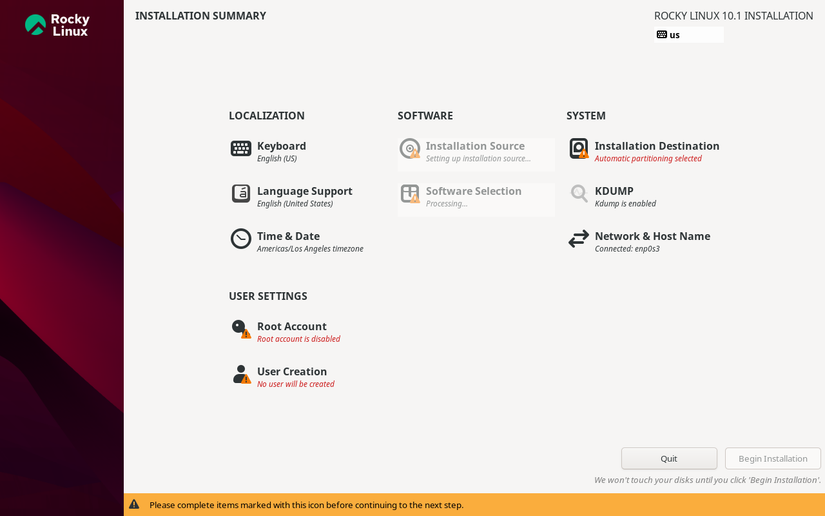
Rocky Linux was one of the first announced spin-offs of CentOS. It was founded by Gregory Kurtzer, one of the founders of the original CentOS project. The project’s tagline is “enterprise Linux, the community way.” This seems pointed in contrast to Red Hat, a commercial company whose interests would mainly lie in bringing in revenue. The distro memorializes another early founder of CentOS, Rocky McGaugh.
AlmaLinux
A more direct CentOS replacement
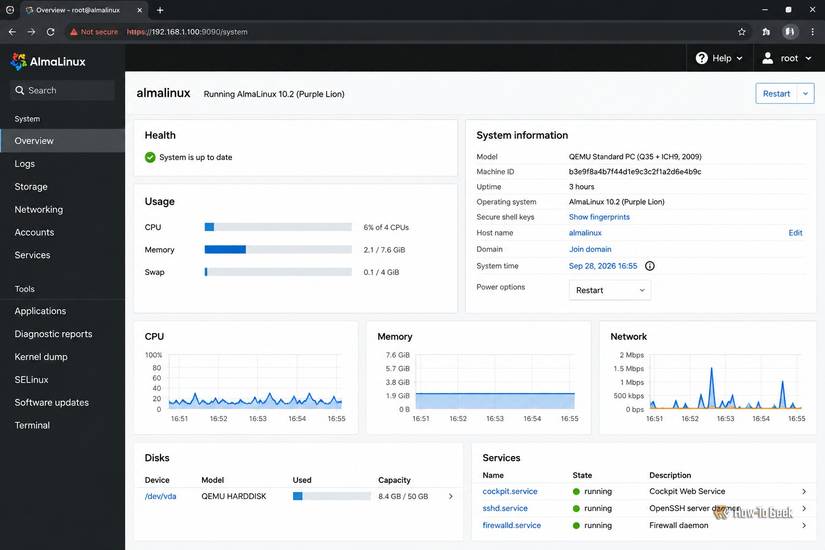
AlmaLinux is another clone of CentOS, similar to Rocky Linux. AlmaLinux is more explicitly a replacement for CentOS. It’s meant for people who used the original CentOS to be able to replace it without having to make too many changes to their working procedures and scripts. For this reason, it’s more popular than Rocky Linux on DistroWatch’s rankings, though this reflects hits to distro home pages rather than installation figures.
It’s more difficult to judge the latter, but CERN recommends that people in CERN who used CentOS previously use AlmaLinux unless they’re running an application that needs to be supported by a vendor. In that case, RHEL is required.
Oracle Linux
Another Red Hat without Red Hat
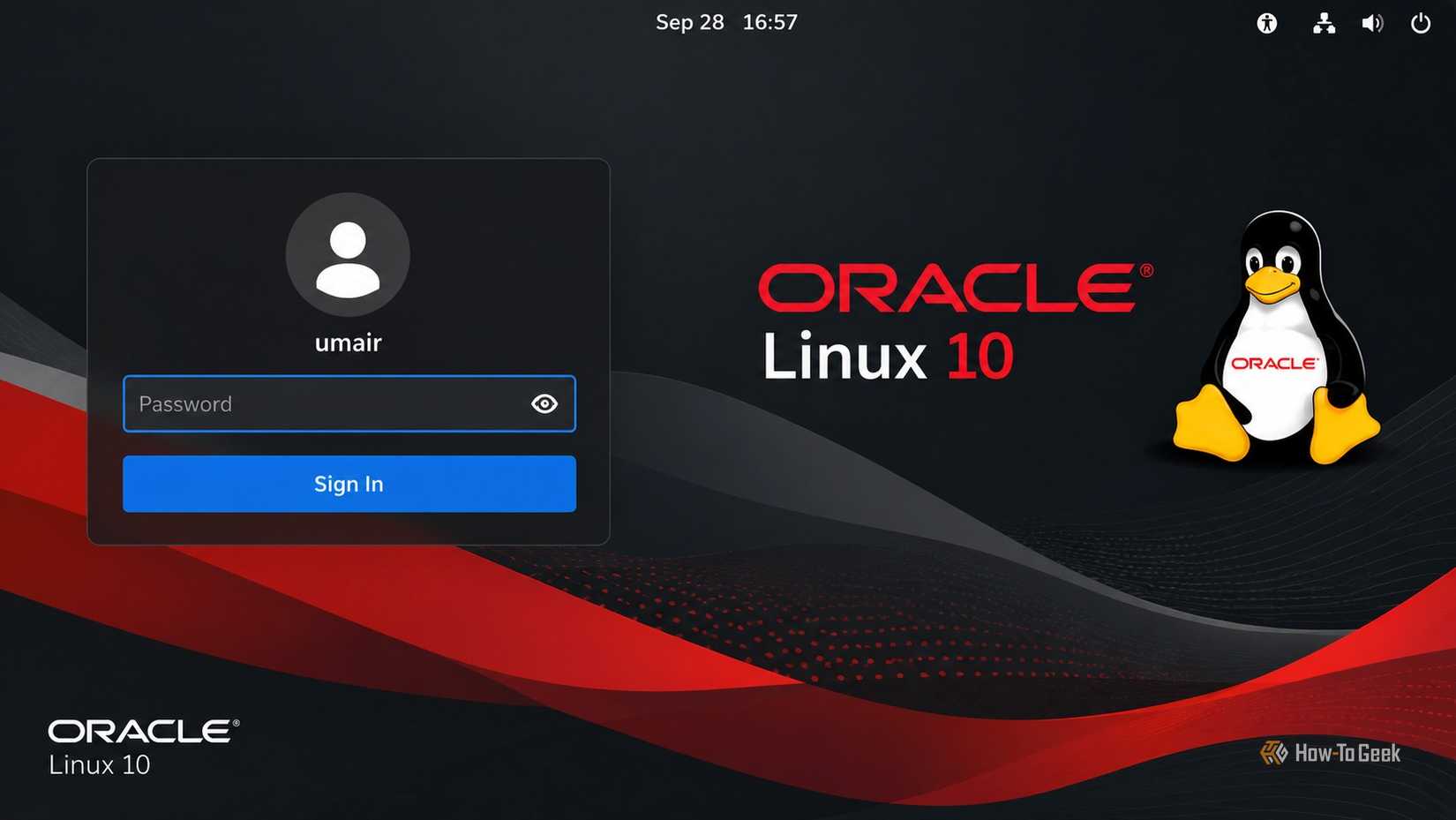
The rush to replace RHEL has not only attracted community development, but commercial development as well. The software behemoth Oracle has long been involved in Linux through its own Oracle Linux, heavily based on RHEL. As with Red Hat, it does sell support contracts to major corporate clients, but you can download Oracle Linux and install it just like any other distro. You don’t have to sign up for Red Hat’s developer program.
Ubuntu / Debian
Stanford’s Linux of choice
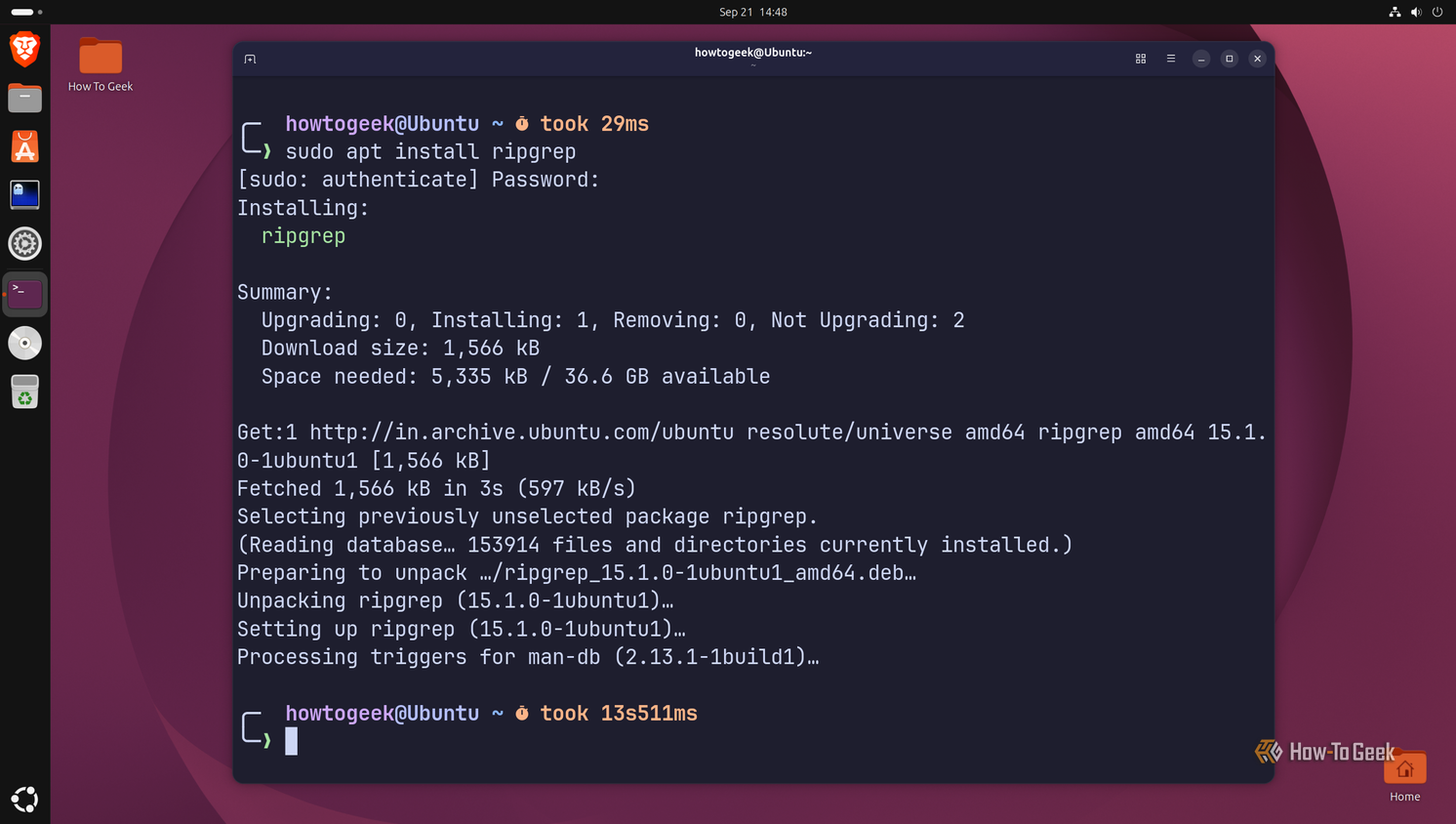
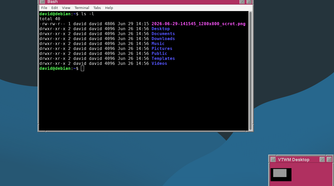
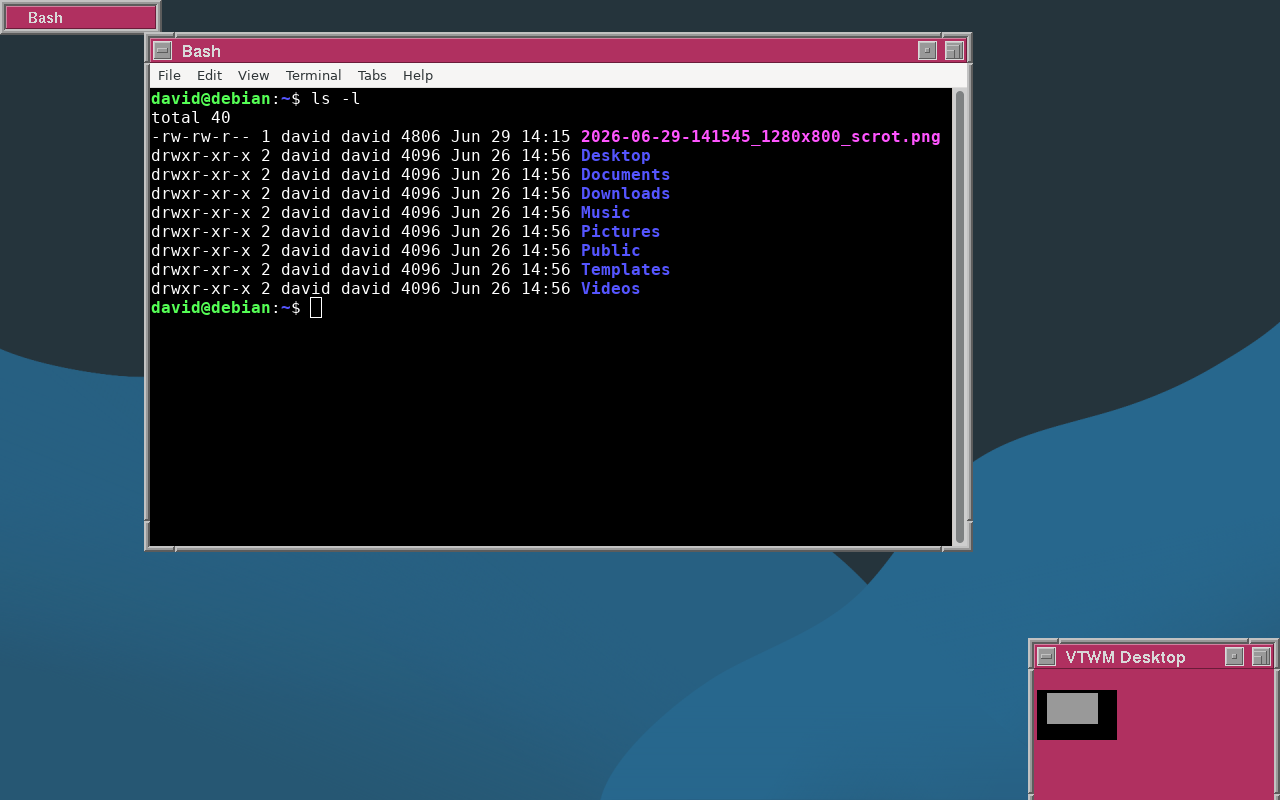
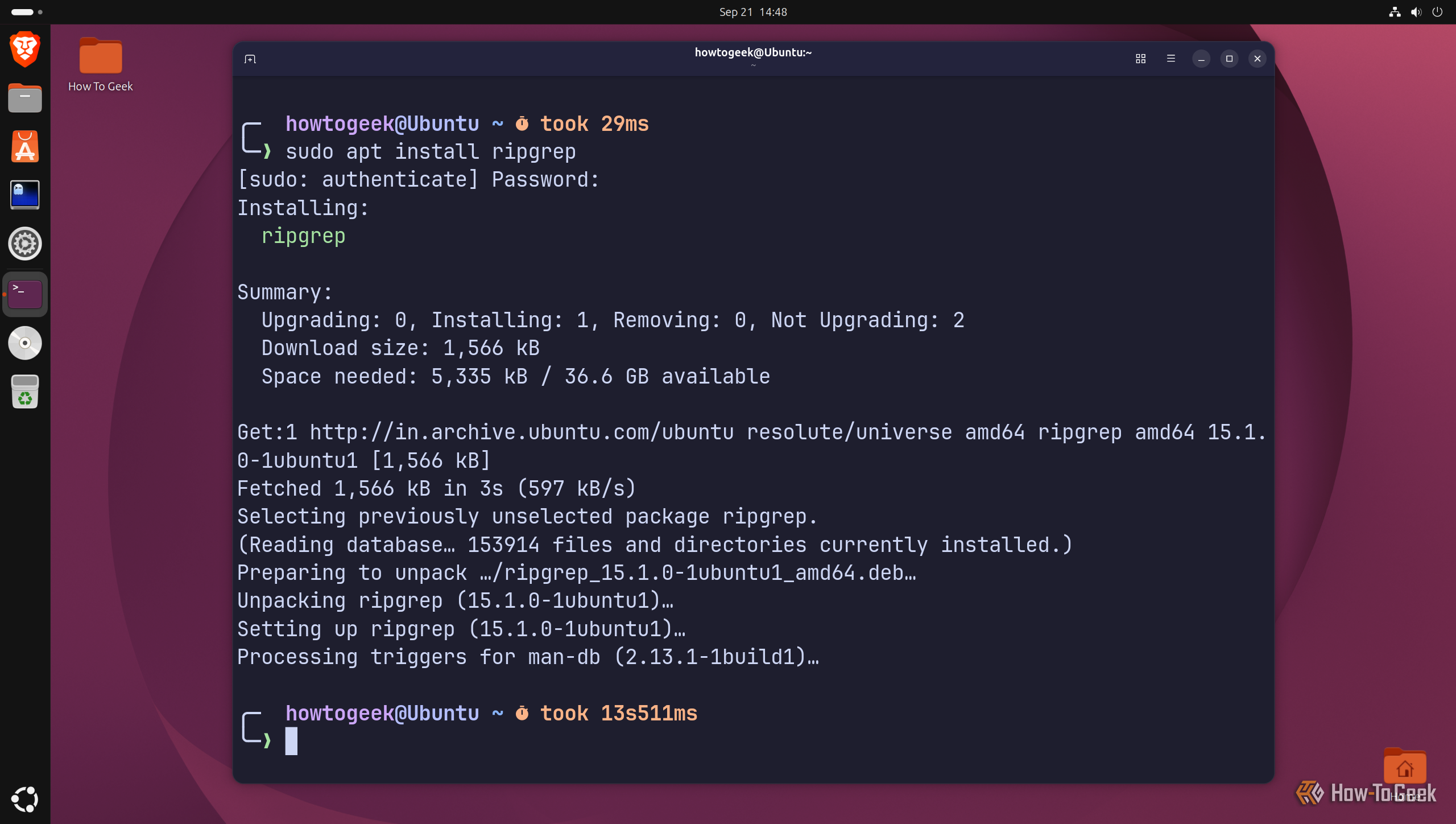
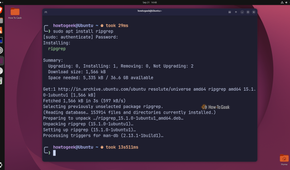
Ubuntu and Debian, rivals to RHEL and CentOS, also emerged as alternatives. As with Oracle Linux, they’re available free of charge, and Canonical offers support contracts to those who want or need them. Debian is also a community project rather than a commercial one, which attracts many people on that basis. Stanford University recommends the two for research and general use in the university community.
Why RHEL isn’t going away
RHEL is too entrenched
Despite the availability of alternatives, RHEL probably won’t go away. The company’s client base would probably be locked in. AlmaLinux, Rocky Linux, CentOS Stream, and even Fedora would likely provide a way for people to learn skills to transfer into managing RHEL servers. To migrate, companies would have to find new contracts, retrain existing administrators or hire new ones, and convert administration scripts and other tools. To switch, companies would have to believe the benefits outweighed the costs, and internet comments factor very little into their decisions.
Linux gives people freedom to switch
The lesson of these events is that Linux gives its users options. If they can’t use their distro of choice, they can make the switch to something similar or something completely different.