As major recurrent exhibitions have begun to rethink their models, the nomadic European biennial has long championed the value of the travelling art showcase.
Thirty years ago, a new art biennale called Manifesta launched in Rotterdam. Most biennials root themselves in a single city to accrue cultural capital but Manifesta takes place across different European cities or regions every two years. Founded by Dutch art historian Hedwig Fijen in the 1990s, its nomadic format reflected the fluidity of the post-Cold War continent and the optimism of the young EU.
Manifesta’s expansive exhibitions are organised and funded in collaboration with the hosting venue. The event’s early iterations prioritised connecting western and eastern Europe but as the continent’s geopolitics shifted, so did its mission.
“In the beginning we were still a [conventional] art biennale,” says Fijen. Later, Manifesta worked with politicians to define civic needs, while curatorial teams got involved early to tailor concepts to place and purpose.
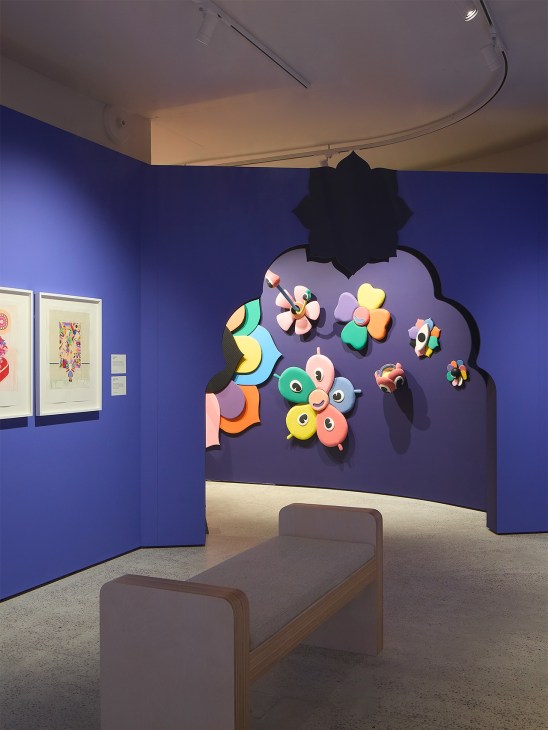
‘Abendmahl / The Lord’s Supper’ by Akbar Behkalam
(Images: Ivan Erofeev/Manifesta 16 Ruhr)
1 / 3


Manifesta’s 2018 biennial reclaimed 20 long-neglected or mafia-compromised sites across Palermo, while in 2022, the event revived forgotten community hubs in Pristina, drawing the art world’s attention to Europe’s youngest capital city. At the time, Kosovo citizens were severely restricted from travelling to the EU (the EU Commission has since lifted the country’s visa restrictions; Fijen suspects that the international coverage of Manifesta contributed to the reversal).
These examples matter now more than ever. Artists and activists at the 2026 Venice Biennale organised boycotts and protests over the inclusion of Russia and Israel in the event. Other fairs in Europe and beyond continue to prioritise the blue-chip art market rather than considering local audiences. “But many biennials are rethinking their basic model of operation,” says Fijen, who has come to see mega-exhibitions as incubators for urban ideas and new ways of bringing communities together, rather than showcases.
Manifesta’s approach is clearly catching on, with several hyperlocal events emerging in its wake. Take South Tyrol’s Biennale Gherdëina, which launched alongside Manifesta 7 in 2008 and just held its 10th edition. The show featured 24 artists, whose work pops up everywhere from mountain trails to village squares. Then there’s Climate Biennial: Art, Industry and Territory which takes place for the first time this year in Avilés, Spain, with 40 artists showcasing work across 11 venues (one of its founders worked on the Barcelona Manifesta). In an era of copycat biennials and heavy curatorial concepts, thematic local events increasingly resonate with both art lovers and professionals.
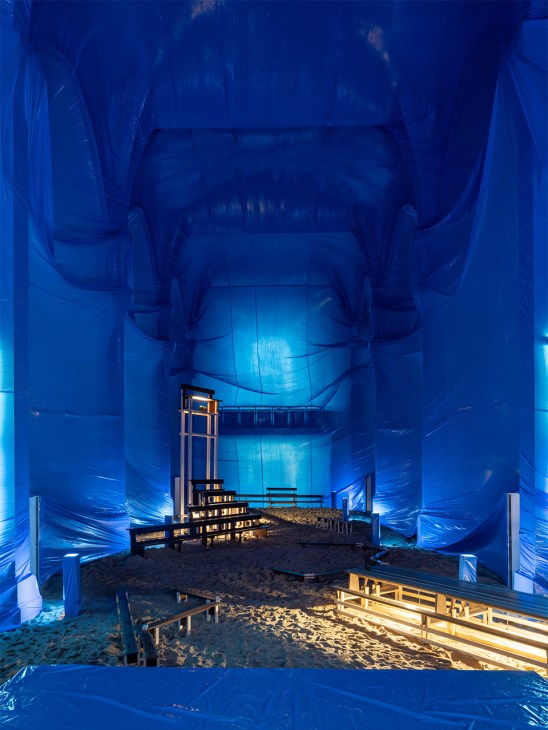
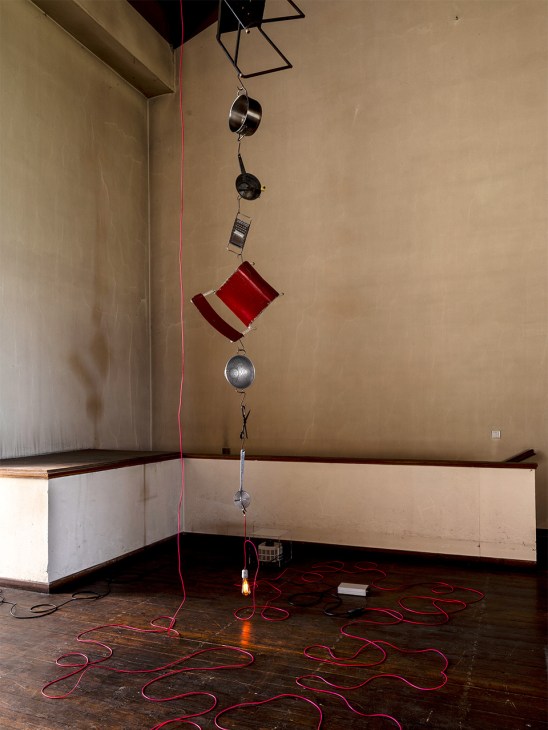
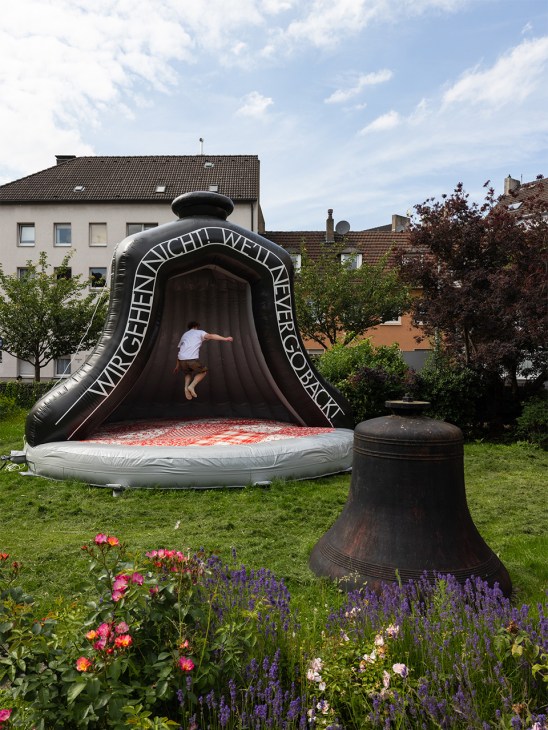
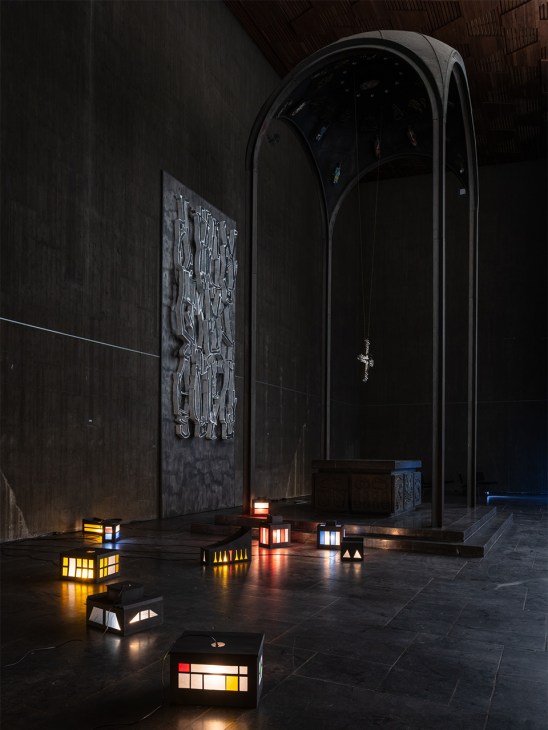
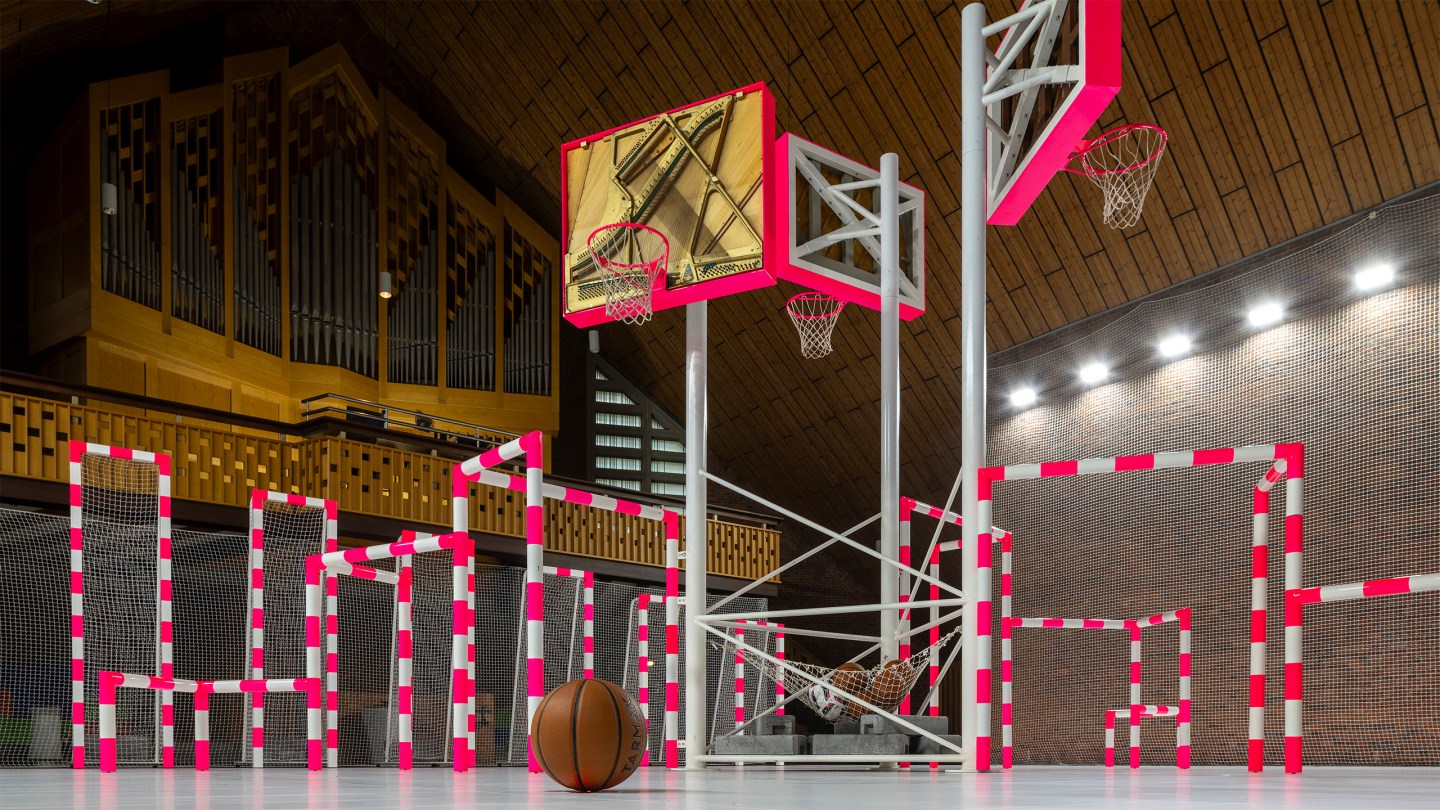
On 21 June this year, the event’s 16th edition will open in Ruhr, a post-industrial region in the northwest of Germany. Titled “This is not a church”, it shines a light on an economically fragile area, as well as the demographic changes that the Ruhr has undergone since its once-mighty coal mines began closing in the 1980s. During Manifesta’s early research, it became clear that a hidden issue facing the region was the increasing number of church closures. In postwar Germany, centres of faith served as community anchors but this has changed over the past several decades. The exhibition features the work of artists such as Mona Hatoum and Luc Tuymans alongside many others in 12 decommissioned churches.
At this year’s Manifesta, there’s great art to see but the event will also help open local imaginations to what these buildings can become after the fair closes its doors in October. Here, ideas such as opening community gardens and indoor tennis courts are already brewing. “People want to come together and create new circumstances,” says Fijen. The question now is whether other biennials are willing or able to create the conditions that contribute to a place’s future, even after the art crowd has moved on.
manifesta16.org