A Food Fun Travel Guest Post
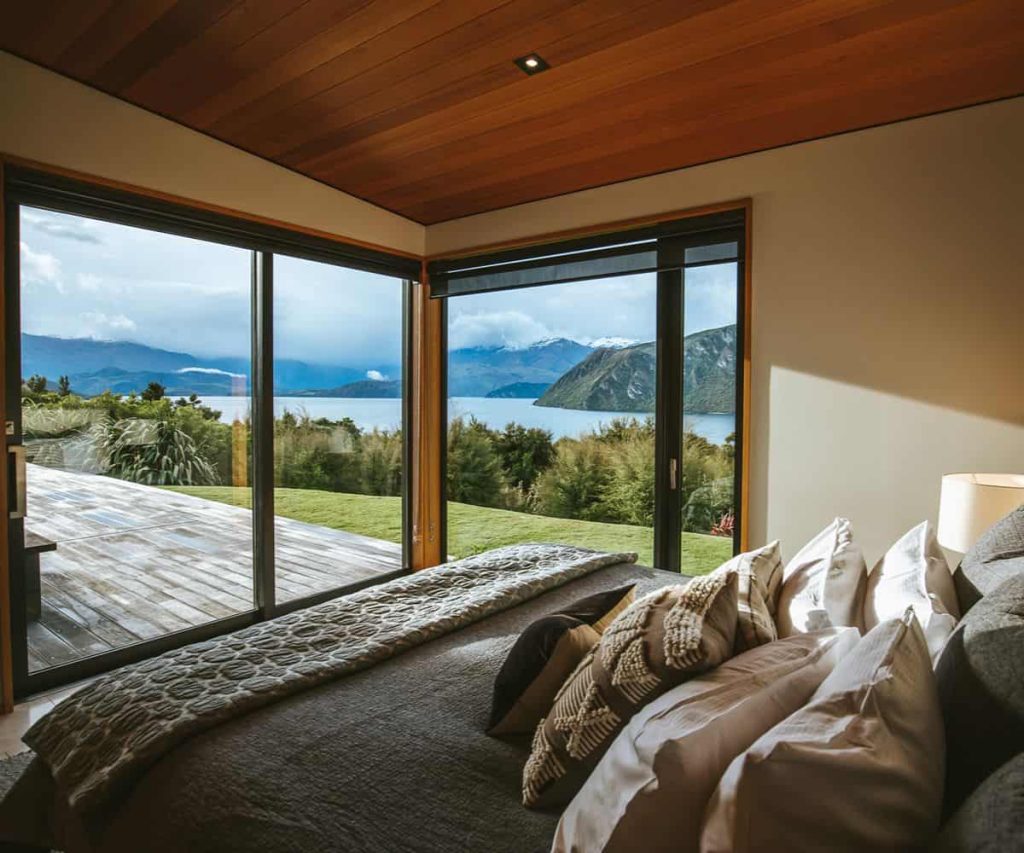
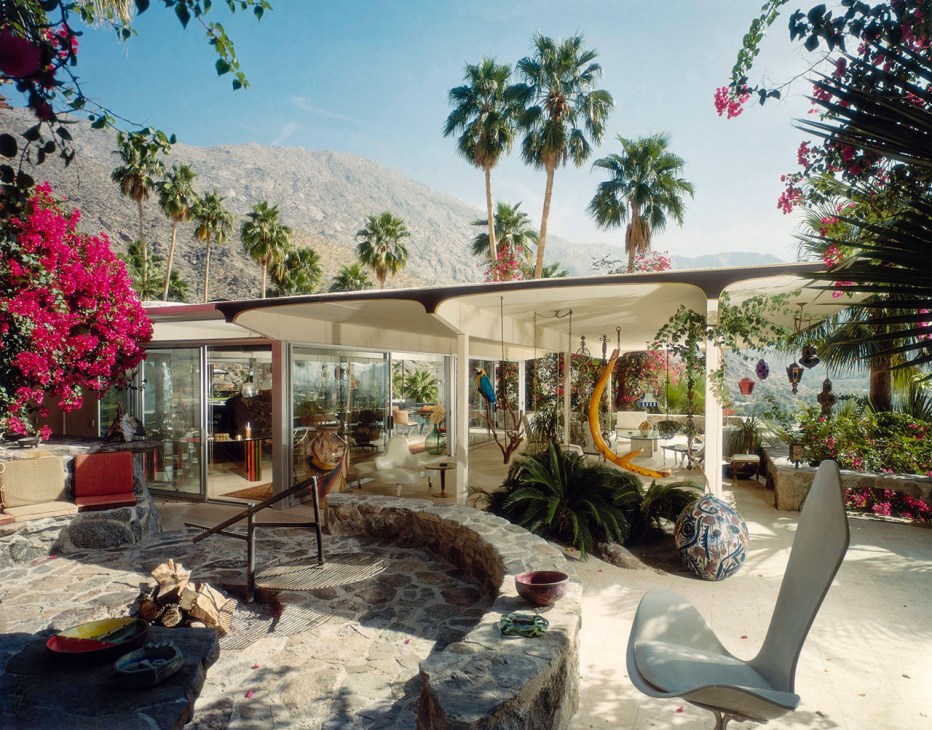
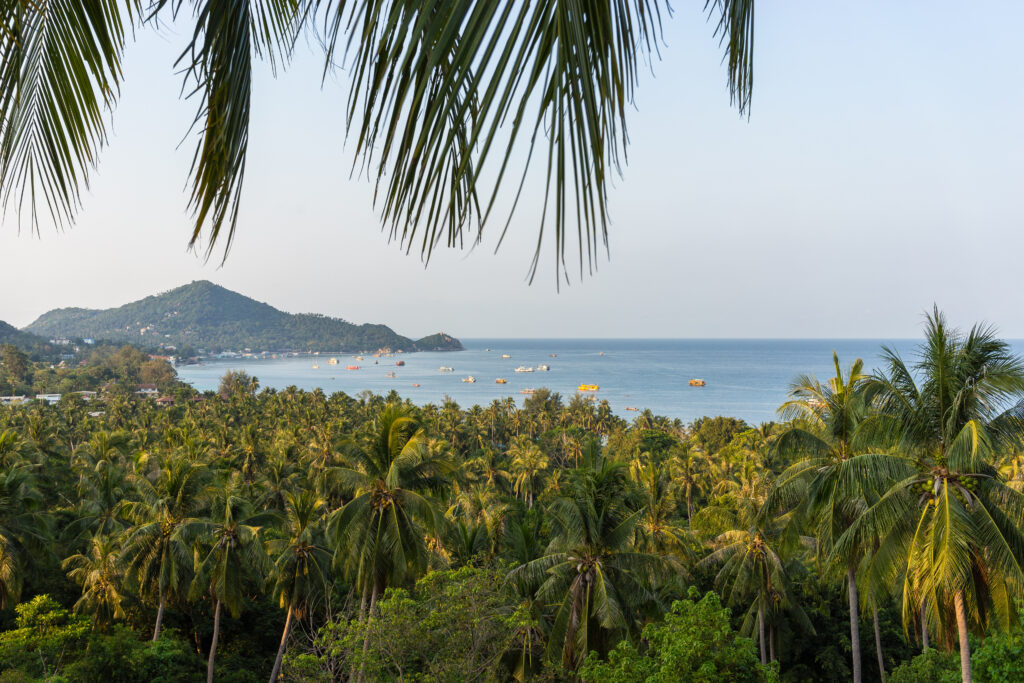
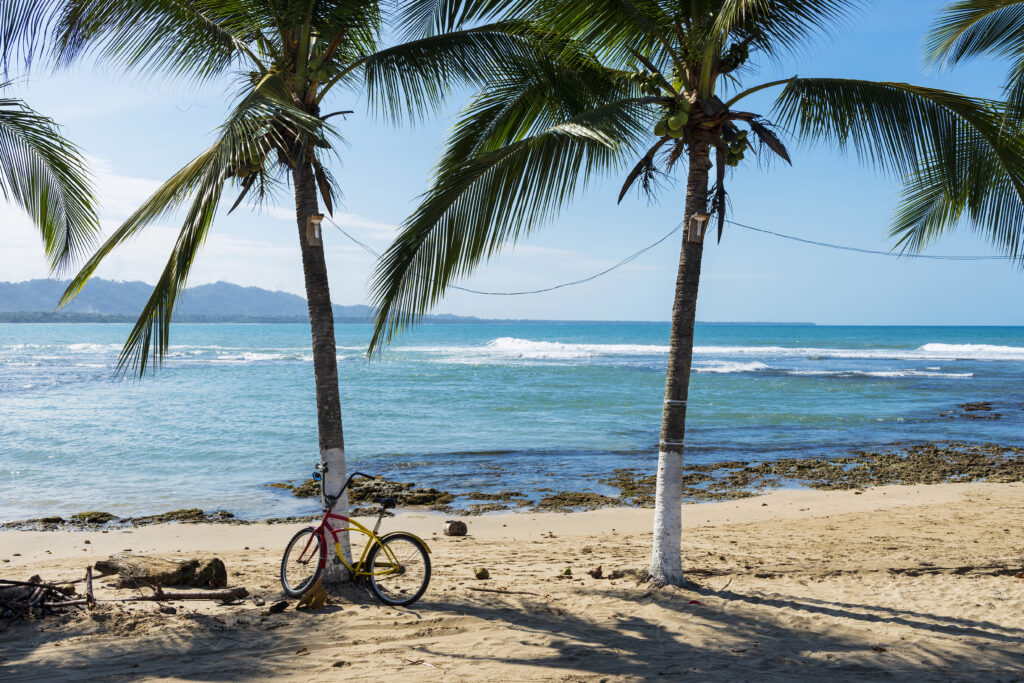
You return from vacation with hundreds of photos, but few truly capture what made your experience remarkable. With a handful of expert techniques for shooting and editing, you can consistently create images worth revisiting.

Adopting these six straightforward habits elevates your vacation photos and makes it easier to select favorites to showcase as fine art prints.
- Chase the Golden Hour for Warmer Light
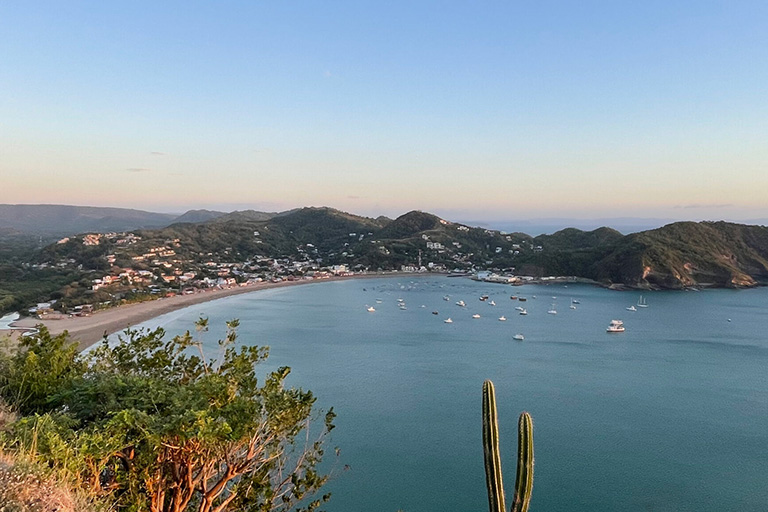
Maximize the impact of your photos by planning a bakery walk just after sunrise or an aperitivo stop before sunset. During golden hour, the low sun produces warm tones and elongatedshadows. Use this directional light to emphasize the texture of old stone streets or to highlight the details of an outdoor breakfast spread.
While exploring, identify promising photo locations and plan to return when the sun is low. Place the sun behind a monument or terrace, keeping it partially hidden as you adjust your position to get the desired look. Capture several frames and compare the results to select the best composition, rather than quickly moving to your next destination.
- Change Angles for a Fresh Perspective
Rather than relying on standard, standing-height shots, intentionally shoot from varied angles. Crouch beside a cobbled lane to bring its texture into the foreground, or seek out a rooftop terrace or hillside viewpoint for a more expansive composition.
Include foreground elements for added depth. An archway around a plaza, leaves over a vineyard path or a café awning can all contribute narrative interest to your image. Before you press the shutter, check the frame’s edges for distractions and reposition as needed to keep attention on your subject.
- Zoom In on Small Story Details
After photographing the whole market square, pick out something you could almost taste or touch. Try pastry flakes scattered across a plate, olive oil soaking into bread or a vendor arranging tomatoes beside a handwritten sign.
Move closer when possible and set focus directly on your subject for clarity. Review your shot to ensure the detail stands out before leaving the scene. Later, pair these close-ups with a wider shot from the same location. Together, the images can tell the story of your morning without requiring a photograph of every stall.
- Step Into the Frame More Often
Include yourself in the memories you’re creating. Have a travel companion document candid moments, like while browsing a market or choosing lunch, then do the same for them.
For group photos, set a mini tripod on a steady surface and use your camera’s timer. Frame the scene first to leave room for yourself without obscuring the background. Opt for genuine actions, such as walking along the waterfront or sharing a dish at the table. Keep early, awkward attempts private. The goal is to record authentic experiences.
- Edit with a Unified Visual Style
Establish a visual editing approach that reflects your overall trip. Favor warm tones for terracotta cityscapes or cool hues for a lake setting while maintaining natural skin tones and food colors. Begin with global edits such as adjusting brightness, then fine-tune shadows and color temperature in subtle steps.
Compare several images together to ensure a cohesive look, rather than perfecting each one in isolation. If you use an editing preset, treat it as a launch point and temper its effect as needed.
- Pick Your Favorites and Print Them
Curate a dedicated album of your standout photos instead of printing directly from your entire camera roll. Select a variety of scenes, people and close-up stories for maximum impact. Let personal connection influence your choice as much as composition.
Visualize each photograph in the place you’d hang it and pick one you want to see every day. Narrowing your selection this way keeps the process manageable and prevents your vacation from becoming a decorating project.
The best way to reproduce photographs as fine art prints is to work with a studio that offers archival pigment giclée printing on quality paper. Fine art printing, or giclée printing, is a type of inkjet printing that uses pigment-based inks on fine art paper. To achieve the best results, focus on the image’s qualities, paper finish and the intended display size. Ask your chosen studio to evaluate your original file and advise on how the image will present at your preferred size.
Printing goes beyond simple display—it encourages you to relive the journey. According to psychologist Linda Henkel, actively engaging with displayed photos helps reinforce memories. A single breakfast photo can spark conversation about the bakery you discovered just around the corner.
Preserving keepsakes can build a lasting family legacy, especially when you also document the destination and your travel companions. This gives future viewers much-needed context beyond the images themselves.
The following four studios offer fine art or photographic printing services to turn vacation photos into display-worthy prints.
1. Tribeca Printworks
For personalized printing and framing, consider Tribeca Printworks in lower Manhattan. The studio produces archival pigment prints on Hahnemühle papers and offers custom framing all under one roof. Upload your photograph online and tailor both product style and framing, with expert staff overseeing each stage.
2. POV
Los Angeles-based POV offers professional image processing, retouching, mounting and printing. Their selection includes both paper and canvas, making this studio a strong choice for exploring how your travel photo looks on different materials or for a highly customized presentation.
3. theprintspace
With facilities in London, Düsseldorf and Brooklyn, theprintspace offers fine art and photographic printing, including Hahnemühle papers. Its online ordering and paper sample pack provide ways to explore your options.
4. Mpix
Mpix offers giclée prints alongside framed prints, canvas and metal products. Its selection lets you consider several presentation styles in one place. Start with the giclée range if paper-based wall art suits your image, then explore framing options to match the room where you’ll display it.
Here are answers to commonly asked questions.
Q: What is the best way to reproduce photographs as fine art prints?
A: Archival pigment giclée printing on quality paper is a good option. Work with a trusted studio to choose the media that best suits your image and intended display.
Q: What are simple ways to improve your vacation photos?
A: Try golden-hour light, different angles and close-up details. Include candid moments with people, edit consistently and select a small group of favorites to print.
Choose a photograph that instantly recalls a meal, a setting or a moment you shared. Decide where it should be displayed, then select archival paper and a frame that suit both the image and your space. Beginning with a single print keeps the process straightforward and ensures your favorite memory has a lasting place in your daily life.