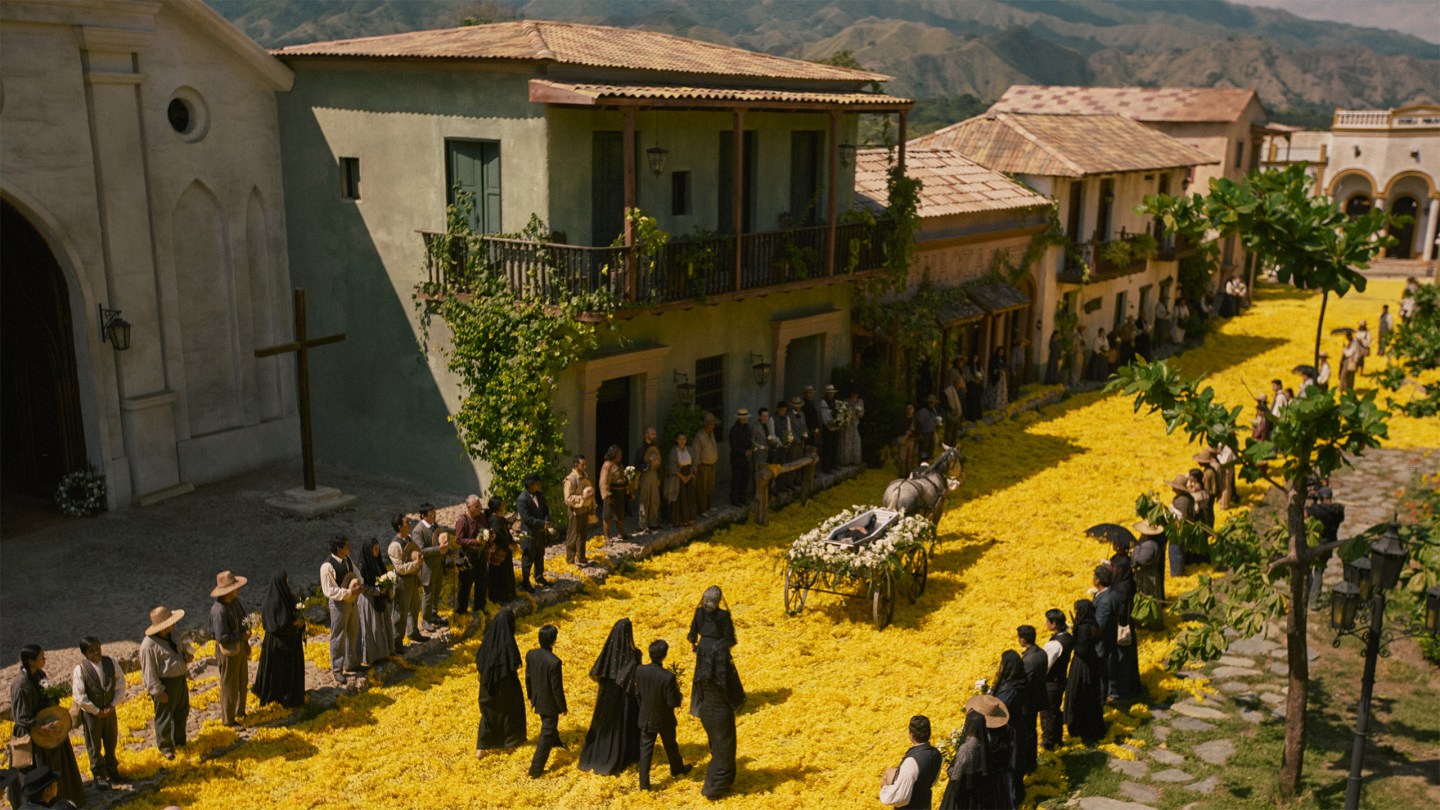
Filmmaker Laura Mora speaks to Monocle about adapting Gabriel García Márquez’s century-long saga for the screen.
Colombian filmmaker Laura Mora spent the past four years “touching the untouchable”, steering Netflix’s adaptation of One Hundred Years of Solitude, Gabriel García Márquez’s 1967 literary classic that gave birth to magical realism. The saga follows seven generations of one family – the Buendías – and their crazy, incestuous, delightful and sad lifestyle in the fictional town of Macondo on the Colombian Caribbean.
Mora directed three of the eight episodes in the first season, which was released in 2024 to much fanfare. It was the streamer’s most ambitious production in the region. This month, Netflix will drop season two in the form of seven episodes on 5 August and then a two-hour long finale on 26 August. This time, Mora is the showrunner. Here she speaks to Monocle about her experience working on the programme and her intentions to tone down the novel’s magical realism and dial up the politics.
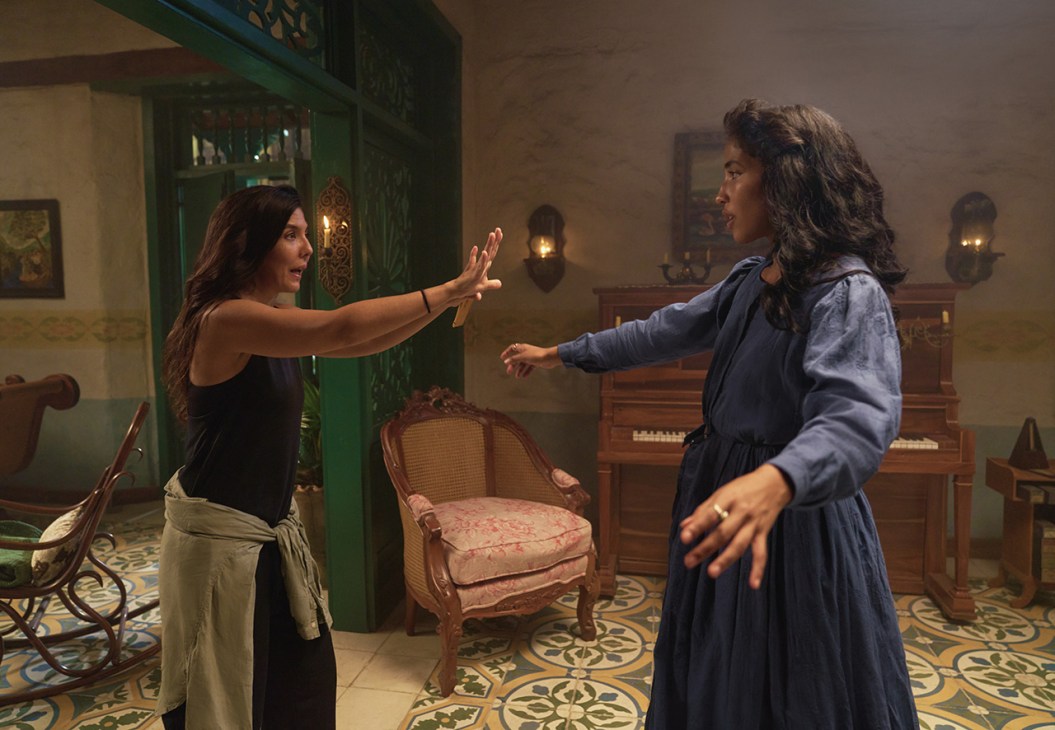
How does it feel at the helm this time around?
The first season was good but it was clear that we needed to push the show into a more complex cinematic, poetic and political narrative. To give you an example, readers remember the yellow butterflies [a striking scene in the novel involving the character Mauricio Babilonia, a car mechanic]. They remember the beauty of this image but they don’t remember that the butterflies belong to a character that is a black worker from the banana company. That he is a poor man that falls in love with the wrong girl because she is from the high class. I needed to give that image the political weight of that relationship.
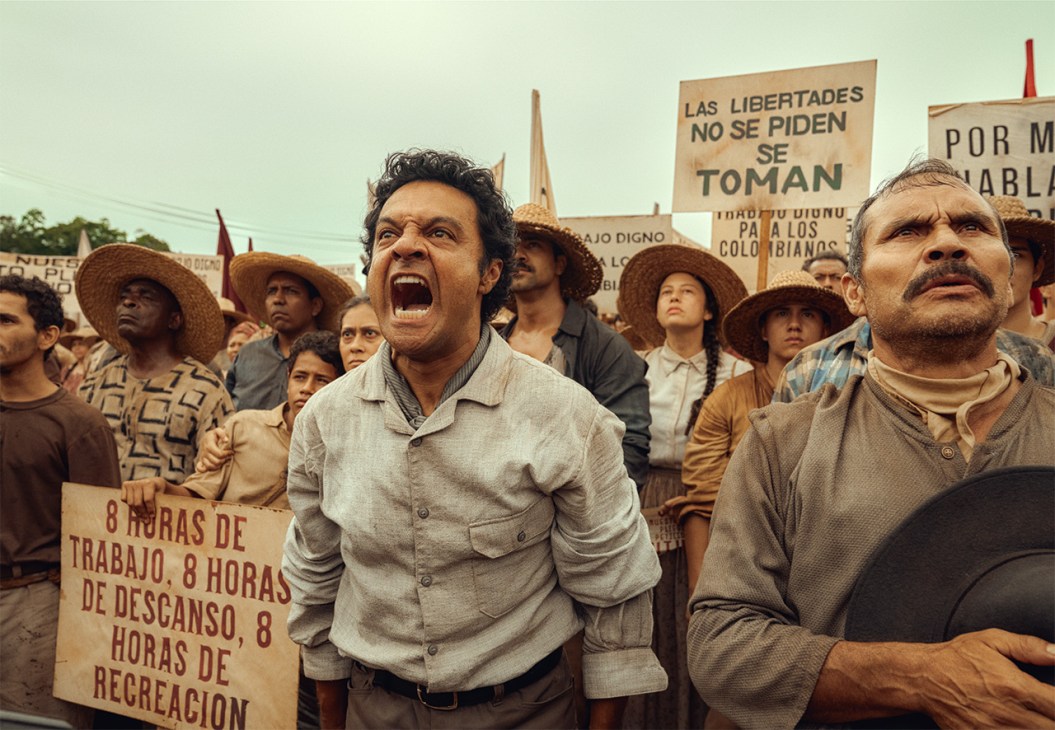
You’ve emphasised more of the historical references, such as the Colombian military’s massacre of the banana workers in 1928, which history books swept under the rug and García Márquez helped bring to light. Why?
We are so attached to magic realism that we look away from the political side of the book. I told Netflix that if I was going to be involved, I had to direct the arrival of the banana company, the Americans and the massacre of the workers. Also, I wanted to show that the rain that lasts for seven years right after was meant to erase the memory of that violence, as we Colombians have always done.
Why was that so important for you?
We haven’t really talked about this part of our history. There has been a lot of denial in what’s true and what’s part of the fiction that García Márquez created. For this season, I made sure that we all took history lessons. I studied the massacre a lot, so I had the intellectual background to approach these episodes. I’m so proud of them.
You shot some of the series in situ. Was that a difference maker?
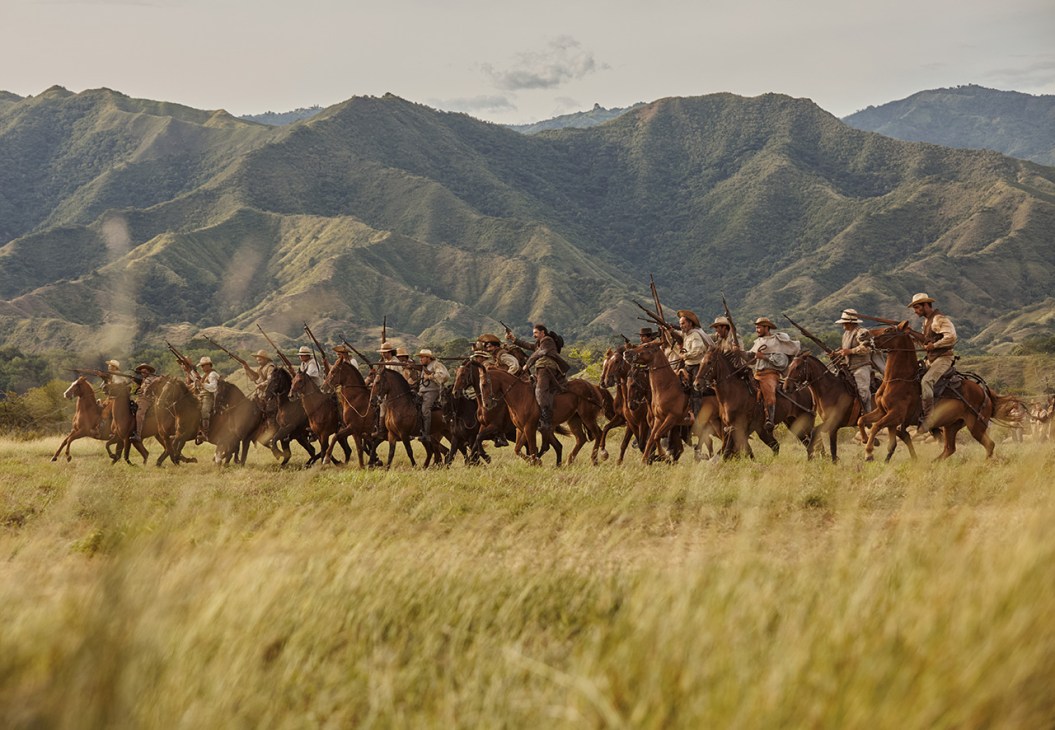
I was very lucky. When I told Netflix that I wanted to shoot the scenes of the banana company, the country club and where the Americans lived in their real locations, they accepted. We created the heaviness and the beauty of what he was saying in that novel.
Did you have a specific mission for season two?
It became apparent that the relationship to the novel in Latin America is very different to that of European or Anglo-Saxon audiences. They really have this relationship to the fantastic. Yes, Macondo is a fantastic world – and it is not. I wanted to defend that idea this time around. It’s about much more. Those yellow butterflies come with a character that goes through a very tragic social event. This is not only about a fantastic world. This is a beautiful and poetic way of telling something that is hard and that happens to us here.
[Right-wing politician] Abelardo de la Espriella will become the Colombian president two days after the second season drops. What do you make of the timing?
We are entering a new right-wing government and we hope that this second part gives some enlightenment to our political future. We are going back to the language of violence with our opponents. And we already know what happens. I hope this season will open a conversation. I’m always ready for those conversations to happen. If there is something that art can do – cinema, a show like this, a book such as One Hundred Years of Solitude – it’s that.