What is a cryptid?
A cryptid is an animal whose existence has been suggested but not proven by science—creatures like Bigfoot, the Loch Ness Monster, the Chupacabra, and the Jersey Devil. The term comes from cryptozoology, the study of “hidden animals.”
Quick Reference: Cryptid Destinations at a Glance
Hours and admission current as of August 2026. Always verify before visiting.
Why Cryptid Tourism Matters
The International Cryptozoology Museum in Bangor, the Mothman Museum in Point Pleasant, the Skunk Ape Research Headquarters in the Everglades—these destinations attract hundreds of thousands of visitors annually, drawn by creatures whose existence remains unproven by science. Whether you’re a true believer, a skeptical scientist, or someone who appreciates a good mystery, these places offer something more than kitsch: they’re windows into how communities embrace the unknown and weave it into their identity.
A cryptid, as Belgian-French biologist Bernard Heuvelmans defined it in 1983, is a creature that is “truly singular, unexpected, paradoxical, striking, emotionally upsetting, and thus capable of mythification.” This definition captures why Bigfoot and the Loch Ness Monster qualify while an undiscovered species of beetle does not. Cryptids must inspire awe and wonder. They must capture the imagination.
Stories of creeping, flying, and swimming cryptids have long emerged from communities across what is now the United States. From figures of Native American legends to the lore behind small-town hysteria, cryptids have long captured human curiosity. Today, people erect monuments in their honor, coalesce in cult followings, and continue to seek them out. The destinations in this guide represent the best places to immerse yourself in these legends—from the Beast of Montana to a murderous goat-man in Kentucky to lake monsters in Vermont.
This guide covers 15+ visitable destinations across the United States and beyond, organized by cryptid type, with practical information on hours, admission, and what makes each worth the trip.
The Bigfoot Trail: Museums Dedicated to America’s Most Famous Cryptid
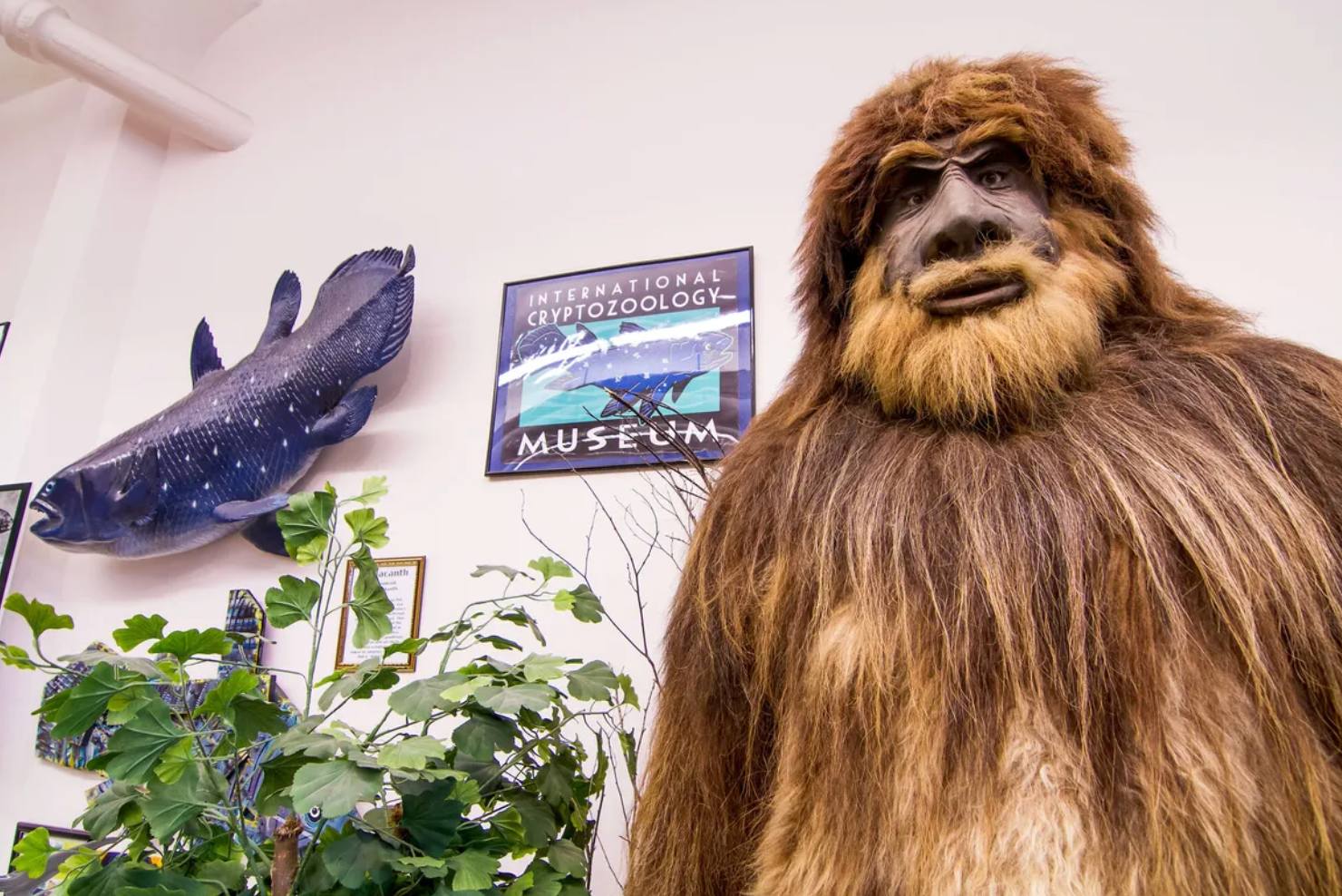
1. International Cryptozoology Museum — Bangor, Maine: the world’s only museum of its kind
NEW LOCATION AS OF APRIL 2026: After 20+ years in Portland, the museum relocated to 490 Broadway, Bangor, Maine, opening April 1, 2026.
What You’ll Find: The world’s only international cryptozoology museum, founded by renowned cryptid expert Loren Coleman, houses an unrivaled collection of specimens, replicas, and artifacts relating to famous and lesser-known cryptids worldwide.
The Experience: Coleman began his cryptozoology journey in 1960 and has since amassed an extraordinary collection of over 10,000 items. The centerpiece is the eight-and-a-half-foot-tall, 300-pound “Crookston Bigfoot,” but you’ll also find a life-size coelacanth (proving that cryptids sometimes turn out to be real), Feejee mermaids, and representations of creatures from around the globe.
Standing guard outside is “Elwood,” a wooden Bigfoot carved from a single log, standing 8 feet tall and weighing over 800 pounds. It took six men to install this lanky sentinel.
Visitor Info:
- Address: 490 Broadway, Bangor, ME
- Hours: Check website for current hours
- Note: The Portland, ME location closed March 31, 2026
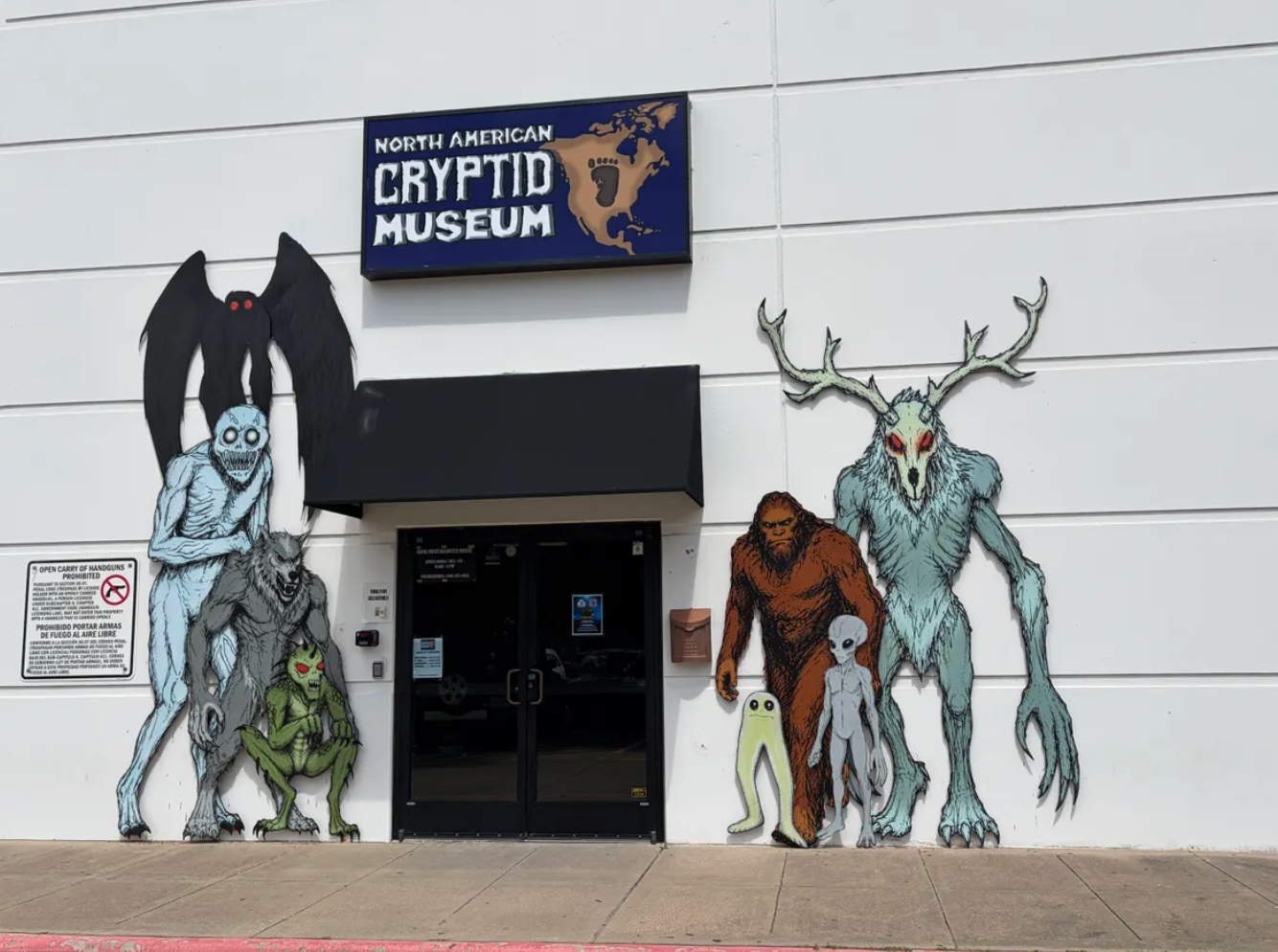
2. North American Cryptid Museum — Plano, Texas: the newest addition to the cryptid museum landscape
NEW — OPENED JUNE 2026
What You’ll Find: A permanent immersive walk-through museum featuring life-sized recreations of cryptids from all 50 U.S. states, plus Canada, Mexico, and Puerto Rico. Located inside Dark Hour Haunted House.
The Experience: This isn’t a research-focused institution—the owner describes it as a celebration of “pop cryptids” rather than serious cryptozoology. Visitors encounter Bigfoot, Mothman, the Chupacabra, and regional legends through immersive sets and detailed recreations based on eyewitness accounts. The museum blends theatrical presentation with folklore storytelling.
Visitor Info:
- Address: 701 Taylor Drive, Plano, TX 75074
- Hours: 11am-6pm (varies by date; check website)
- Admission: $16-$46.95 depending on package
- Grand Opening: June 6, 2026
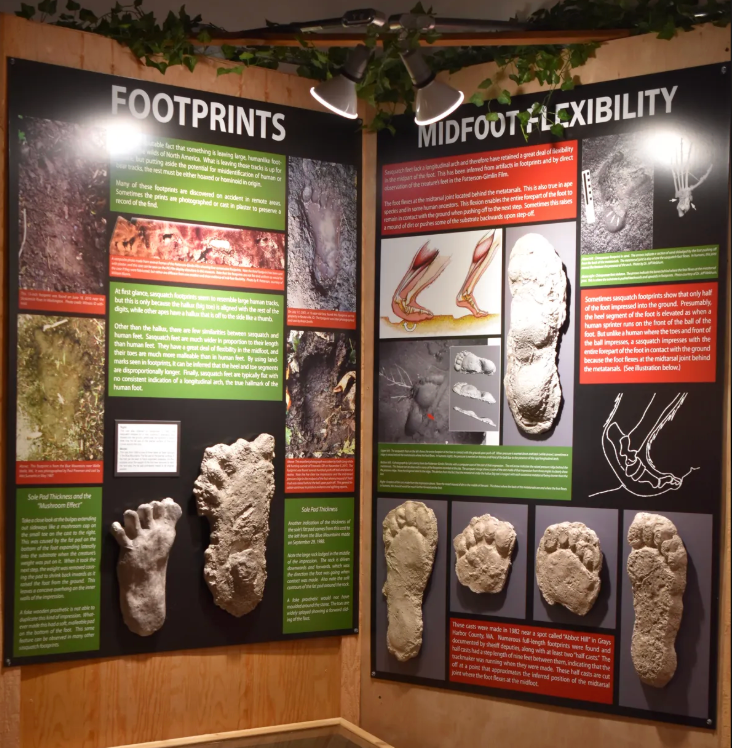
3. North American Bigfoot Center — Boring, Oregon: the evidence-based approach
What You’ll Find: Founded by Cliff Barackman of “Finding Bigfoot” fame, this museum serves as the epicenter of evidence-based Bigfoot research in North America.
The Experience: Unlike some cryptid attractions that lean into kitsch, the North American Bigfoot Center takes a more scientific approach. Staff members are all involved in research at some level. Exhibits include eyewitness accounts preserved in newspaper articles and memoirs, plaster casts of alleged footprints, anatomical reconstructions, infrared and standard photographs, film footage, and audio recordings.
The centerpiece is “Murphy,” a life-sized Sasquatch replica popular for family photos.
Visitor Info:
- Address: 31297 SE, US-26, Boring, OR
- Note: Founded by Cliff Barackman, known for TV’s “Finding Bigfoot”
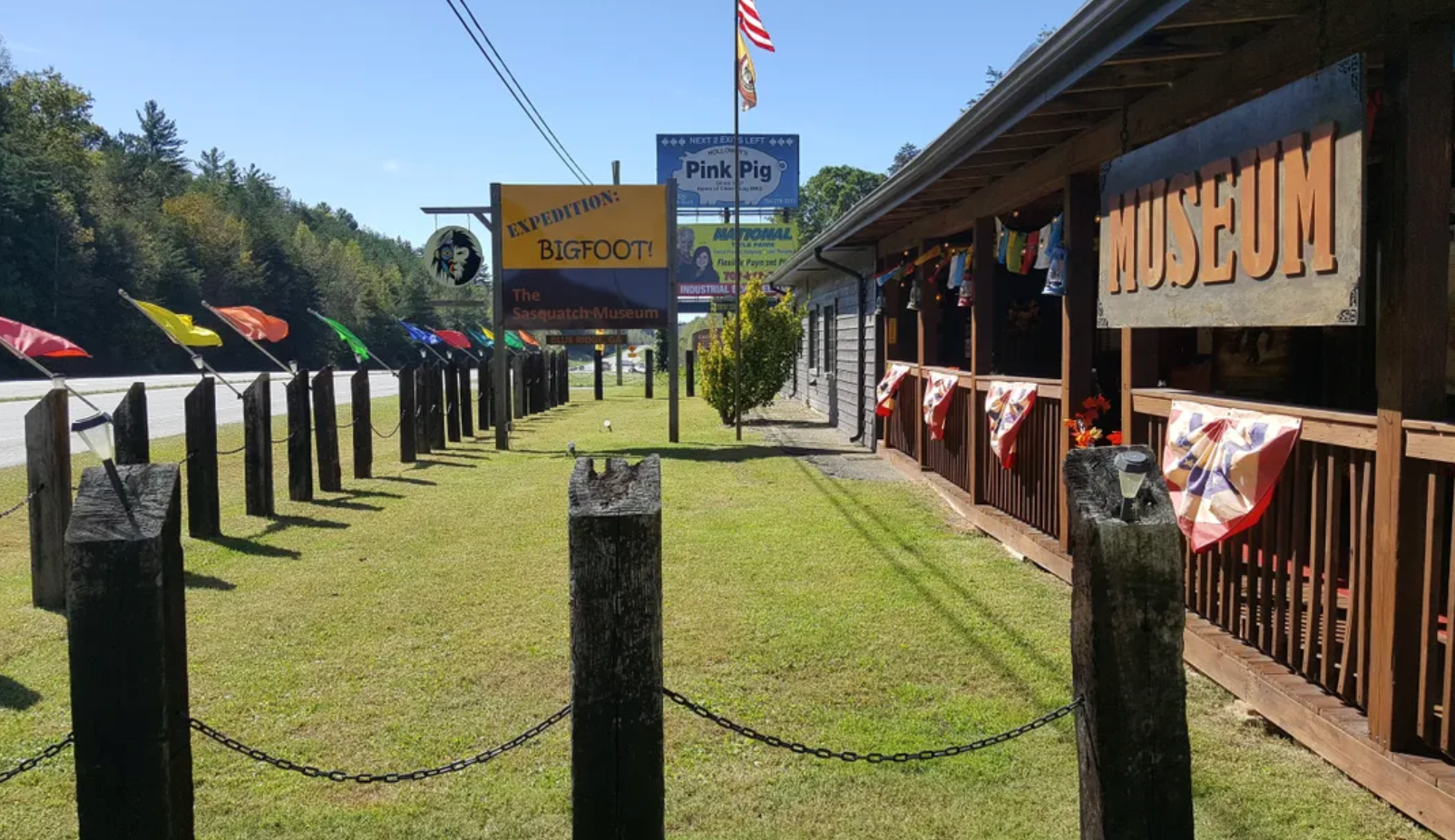
4. Expedition Bigfoot (The Sasquatch Museum) — Cherry Log, Georgia: the largest collection
What You’ll Find: A 4,000-square-foot museum claiming the largest collection of Bigfoot artifacts in any museum anywhere.
The Experience: Owners David and Malinda Bakara have assembled newspaper articles documenting sightings across decades, sketches, casts of handprints and footprints gathered by researchers from around the world—and one particularly unusual item: a cast of a butt-print allegedly from a Yeti. Free cookies for visitors.
Visitor Info:
- Address: Cherry Log, GA (off Highway 515)
- Hours: Check website
- Don’t Miss: The comprehensive footprint cast collection, the largest permanent display of its kind
Additional Bigfoot Destinations
Mothman Country: Point Pleasant, West Virginia’s Winged Terror
West Virginia is home to so many high-quality cryptids that it deserves its own paranormal trail. But Mothman remains the state’s most famous resident—an inexplicable figure that, according to some, may have tried to warn residents of Point Pleasant of an impending bridge collapse.
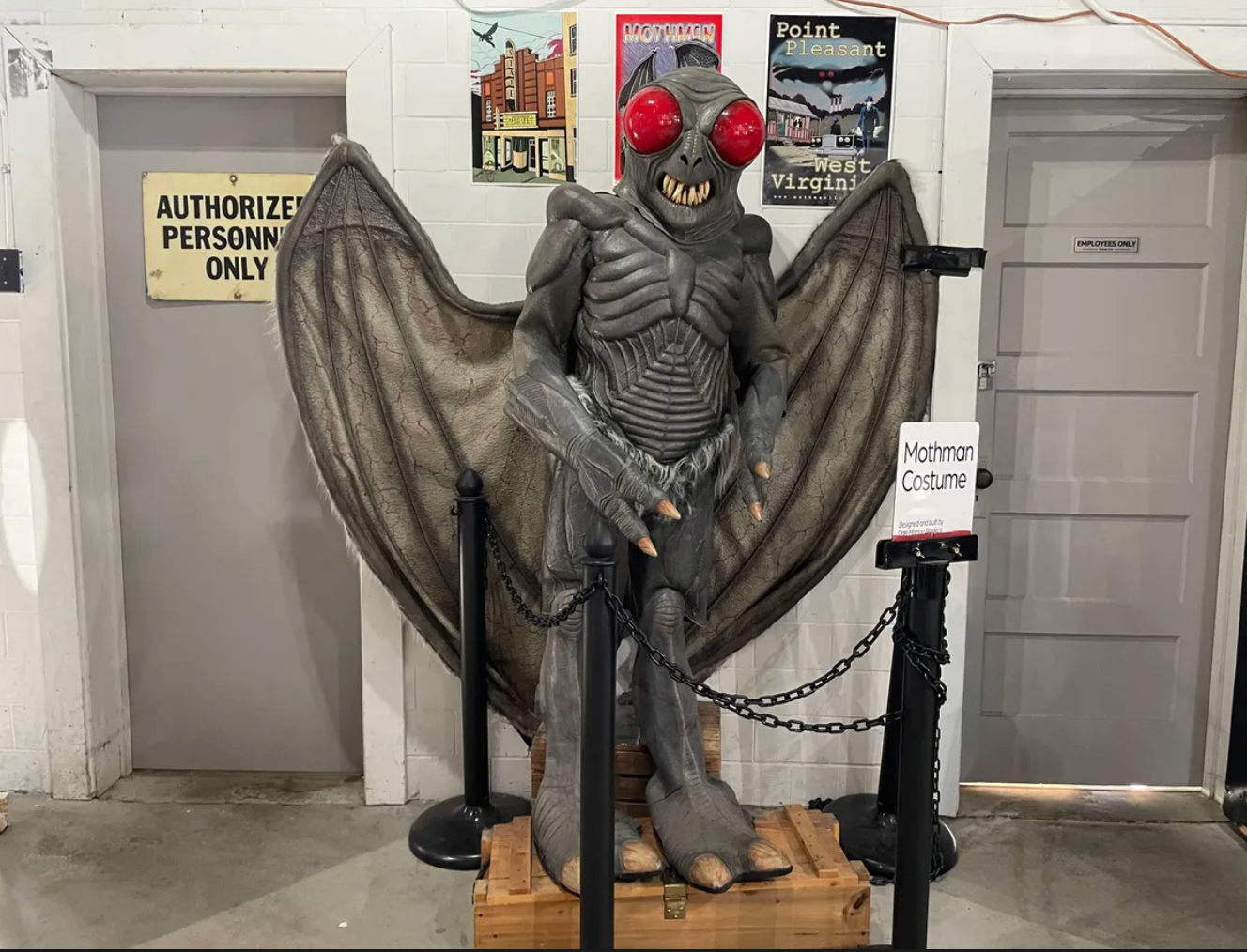
1. Mothman Museum — Point Pleasant, West Virginia: the definitive collection
What You’ll Find: The only public collection devoted almost exclusively to the mysterious insect-like creature with glowing red eyes and massive wings that plagued Point Pleasant between 1966 and 1967.
The Legend: In November 1966, numerous residents began reporting sightings of a vaguely humanoid creature with glowing red eyes and wings spanning up to 10 feet. Those who saw the creature from their cars reported that its eyes shone red like bicycle reflectors when their headlights hit it. Sightings continued until December 1967, when the Silver Bridge collapsed during rush hour, killing 46 people. After the tragedy, Mothman sightings ceased—leading to speculation about connections between the creature and the disaster.
The sightings had all been near the TNT area, a World War II munitions factory, leading some to surmise that the Mothman was a military experiment or an alien visitor. The mystery was never solved, though skeptics claim it may have simply been an owl. Nevertheless, the story inspired John Keel’s 1976 book “The Mothman Prophecies” and its 2002 film adaptation, and Point Pleasant now commemorates its cryptid with a museum, statue, and annual festival.
The Experience: Newspaper clippings from the original sightings, books, toys, memorabilia from Mothman’s multimedia appearances, and props from the 2002 film “The Mothman Prophecies” starring Richard Gere. The museum also features mini golf and an escape room.
Visitor Info:
- Address: 400 Main Street, Point Pleasant, WV 25550
- Hours: 10am-5pm daily (until 6pm Fri-Sat); closed Christmas, Easter, Thanksgiving, New Year’s Day
- Admission: $4.50 ages 11+; $1.50 ages 10 and under
- Annual Event: Mothman Festival, September 19-20, 2026 (free admission to festival; museum admission separate)
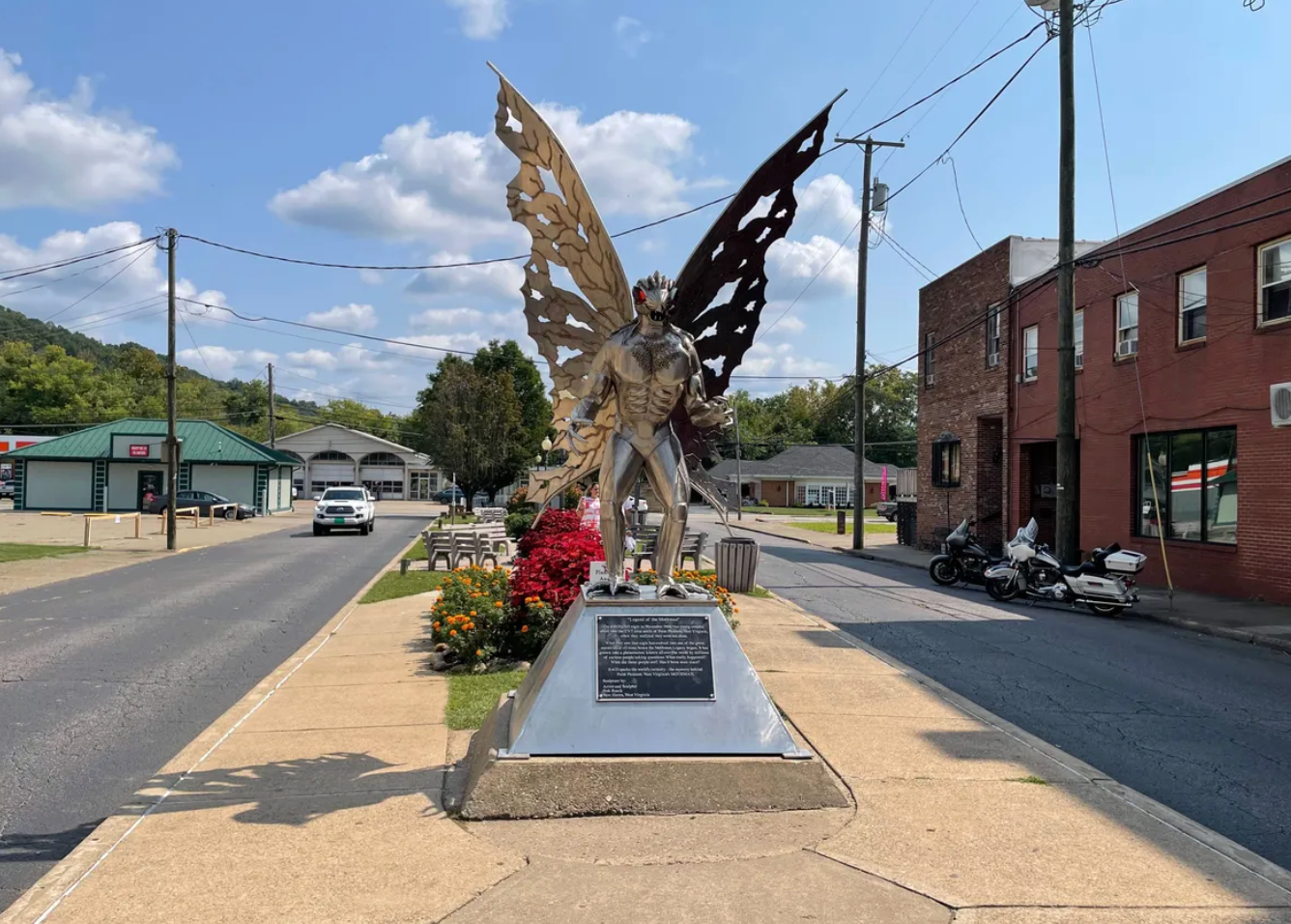
2. Mothman Statue — Point Pleasant, West Virginia: the photo opportunity
A 12-foot-tall polished steel Mothman statue stands in downtown Point Pleasant, ensuring the legend remains embedded in the cultural consciousness.
Visitor Info:
- Location: Downtown Point Pleasant, steps from the museum
- Access: Free, 24/7
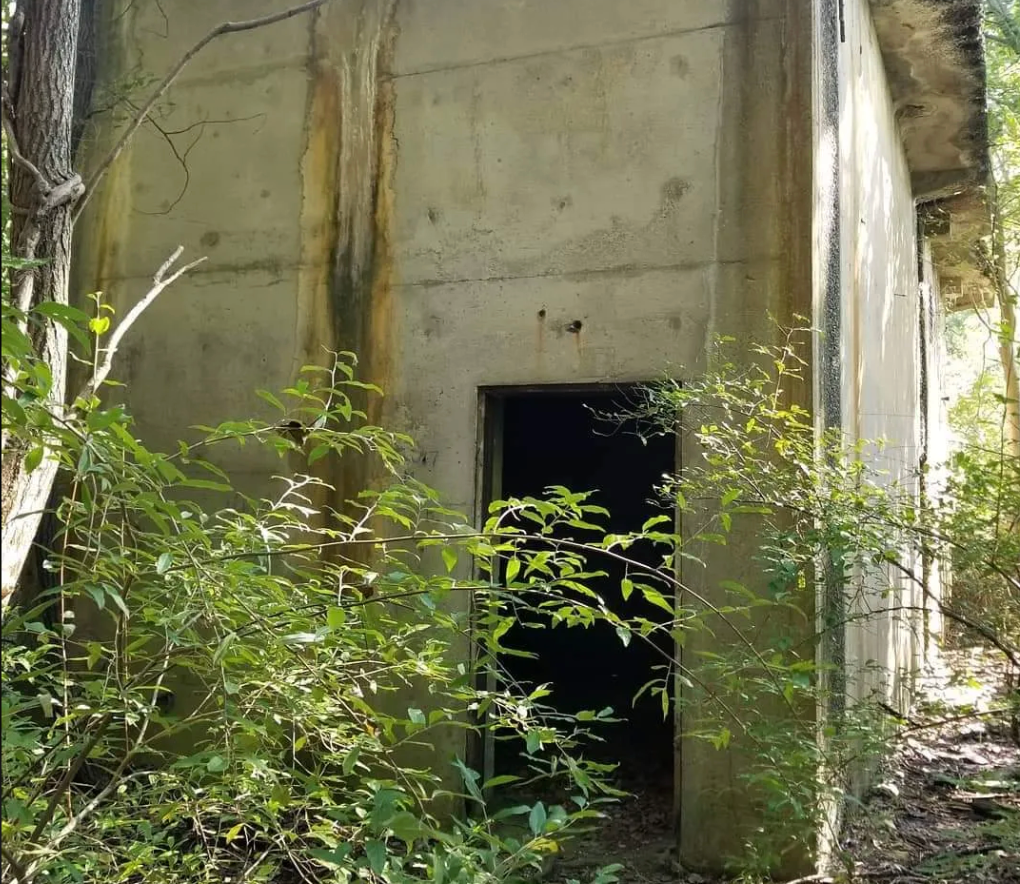
3. TNT Area — Point Pleasant, West Virginia: where the sightings began
What You’ll Find: Rows of World War II-era igloo-like bunkers where the first Mothman sightings were reported.
The Experience: The dilapidated laboratories and bunkers give the area exactly the ambiance a discerning monster would want. Some visitors claim to see the image of Mothman in cracks in the bunker walls.
Access Notes: The TNT Area became a Superfund site in 1983 and is still undergoing cleanup. Exercise caution when visiting.
Visitor Info:
- Location: 6 miles north of Point Pleasant on Route 62
- Access: Open to visitors, but be aware of contamination history
Regional Cryptid Hotspots
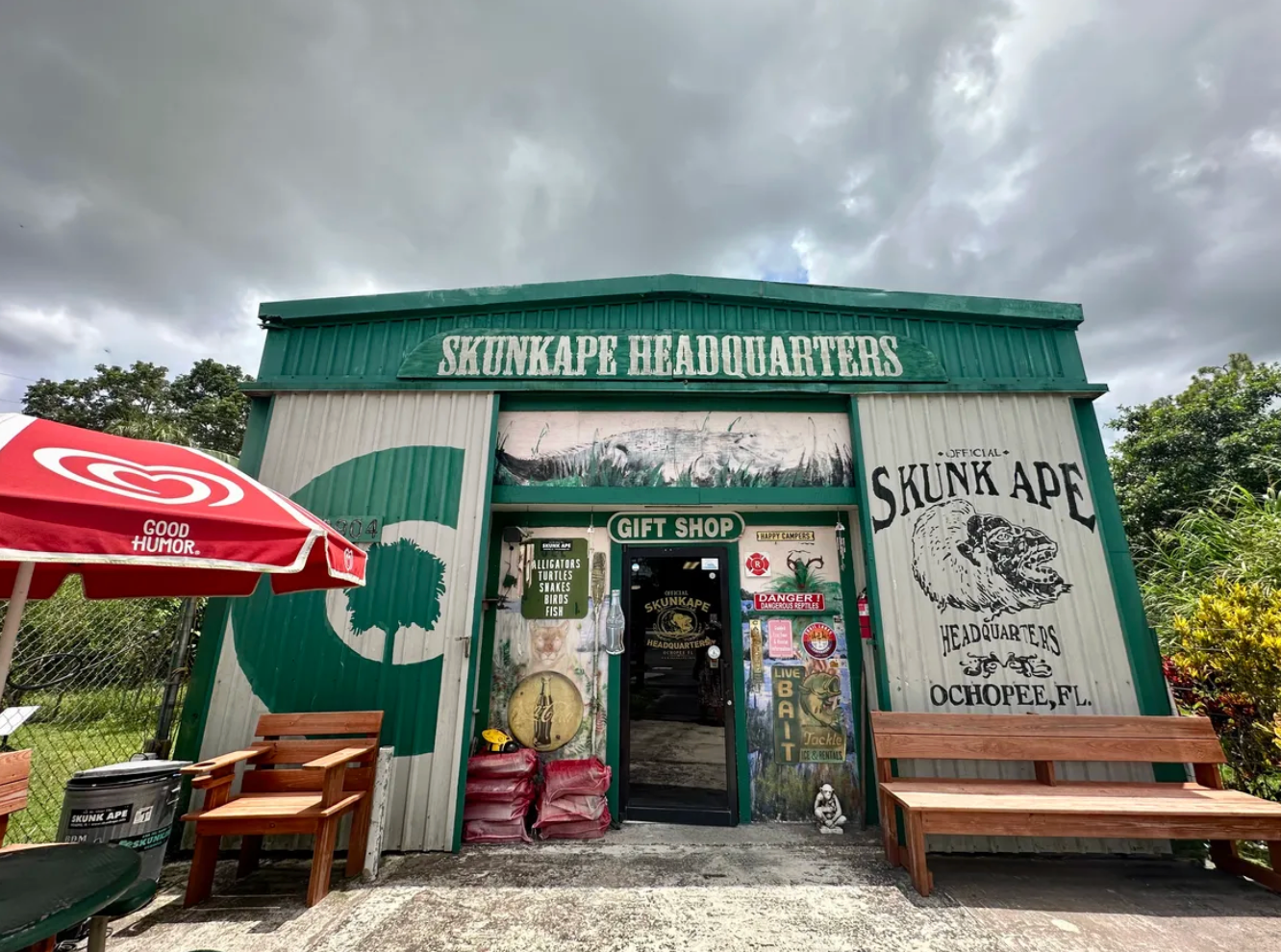
1. Skunk Ape Research Headquarters — Ochopee, Florida: the Everglades’ answer to Bigfoot
VOTED #1 ROADSIDE ATTRACTION IN FLORIDA, #2 IN THE U.S. (USA Today Readers’ Poll, 2024)
What You’ll Find: In the depths of the Everglades, Dave Shealy has dedicated his entire life to studying the elusive Skunk Ape, Florida’s malodorous answer to Bigfoot.
The Creature: The Skunk Ape earns its name from its distinctive odor—described as rotting garbage, methane, or simply skunks. Males reportedly stand 6-7 feet tall and weigh around 450 pounds. Both sexes are covered in long, reddish or black hair similar to orangutans or gorillas.
The Experience: The headquarters serves as museum, gift shop, petting zoo, and campground. Exhibits document Shealy’s research since his first Skunk Ape sighting at age 10 in 1974. His “Everglades Skunk Ape Research Field Guide” includes tips on baiting with lima beans and deer liver.
Visitor Info:
- Address: 40904 Tamiami Trail East, Ochopee, FL
- Hours: Daylight hours
- Admission: Small fee for museum; campground available
- Also Available: Boat tours, petting zoo, campground
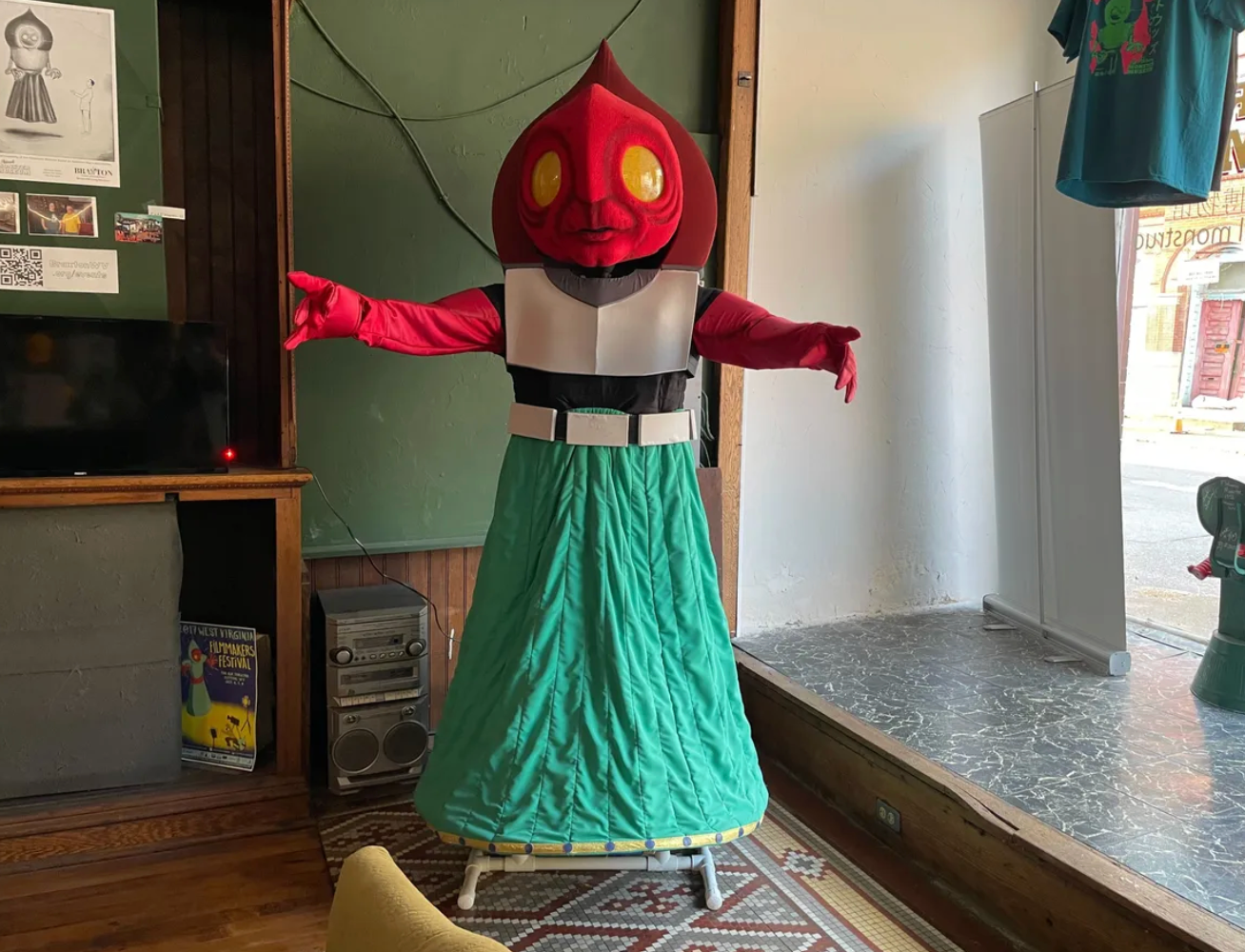
2. Flatwoods Monster Museum — Sutton, West Virginia: the alien encounter
What You’ll Find: Documentation of one of America’s strangest cryptid encounters—the September 12, 1952 sighting of a tall, man-like figure with a round, red face surrounded by a spade-shaped hood.
The Legend: Several Flatwoods residents saw a bright object land on a nearby farm. When a group investigated, they encountered a creature that hissed at them in anger. Also known as the Braxton County Monster or “Braxie.”
Visitor Info:
- Address: 208 Main Street, Sutton, WV (at Braxton County Visitors Center)
- Hours: Mon-Fri 9am-5pm, Sat-Sun 10am-4pm
- Admission: Free
- Don’t Miss: Giant Monster Chairs located around Flatwoods village on Highway 19
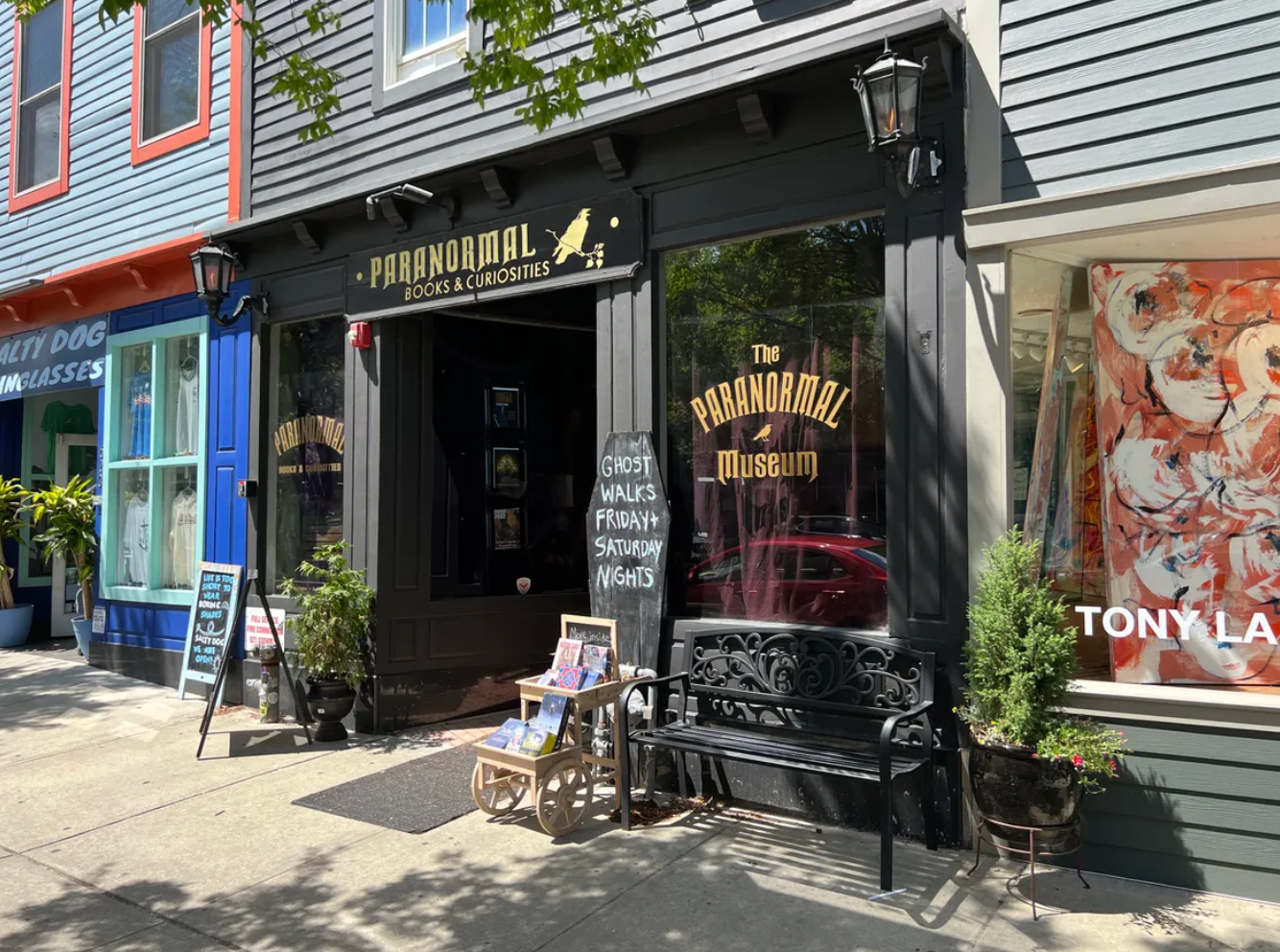
3. Paranormal Museum — Asbury Park, New Jersey: the Jersey Devil’s skull
What You’ll Find: A storefront museum honoring the Jersey Shore’s deep history of mystery, including the supposed skull of the Jersey Devil—the Northeast’s most famous cryptid.
The Legend: The Jersey Devil has haunted New Jersey folklore since the 18th century, but its legend exploded in January 1909 when hundreds of people across the Delaware Valley reported seeing an unknown creature flying over the Pine Barrens. Witnesses described something like a kangaroo with hooves and leathery bat wings that let out terrifying shrieks before disappearing into the sky.
The creature’s origin story varies by telling, but the most popular version holds that a Mrs. Leeds of the Pine Barrens, upon learning she was pregnant with her 13th child, cursed the baby. When born, it transformed into a devil-like creature with bat wings, hooves, and a forked tail, then flew up the chimney and into legend.
During that single week in January 1909, the Jersey Devil was reported in more than 30 towns across New Jersey, Pennsylvania, and Delaware. Schools closed. Workers refused to leave their homes. Armed posses hunted the Pine Barrens. The Philadelphia Zoo offered a $10,000 reward for capture. Then, as suddenly as it began, the hysteria ended.
The Experience: The Paranormal Museum has curated oddities since 2008, including the Hand of Glory (a candle holder supposedly made from a severed hand), haunted dolls, and the crown jewel—a skull thought to be that of the Jersey Devil. Part of Paranormal Books & Curiosities.
Visitor Info:
- Address: 621 Cookman Ave, Asbury Park, NJ
- Also Available: Ghost tours of Asbury Park’s haunted sites, including the SS Morro Castle shipwreck and Asbury Lanes bowling alley
Related: For more Jersey Devil lore, explore the Pine Barrens themselves—the million-acre forest where the creature allegedly still roams.
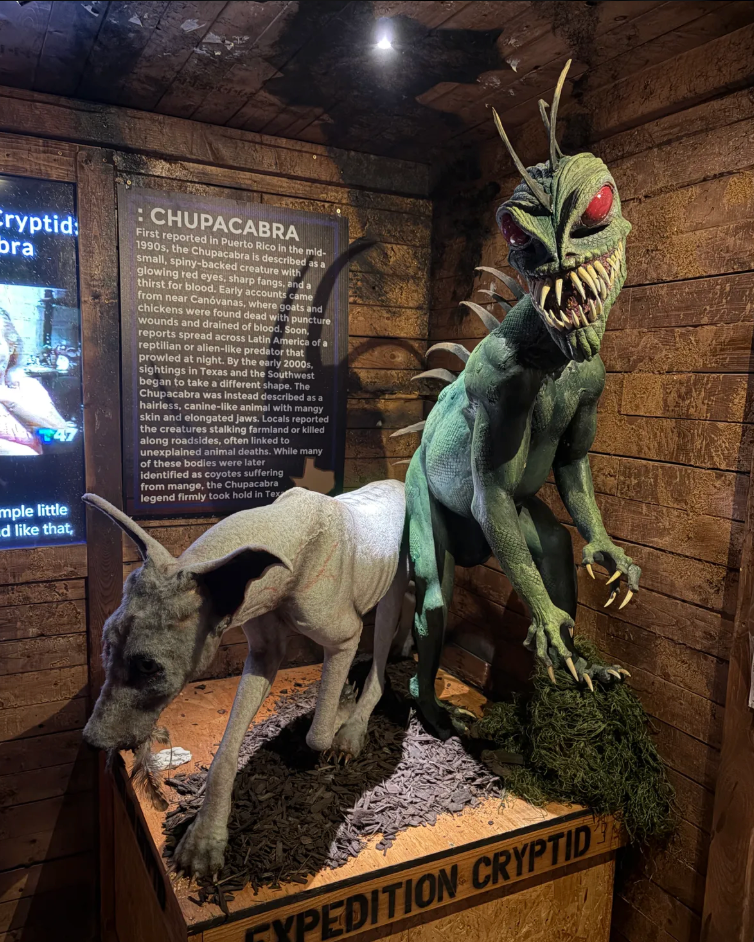
4. The Chupacabra — Puerto Rico, Texas, and the American Southwest
High-Volume Search Alert: The Chupacabra is one of the most-searched cryptids in the Americas, especially among Hispanic audiences and in the Southwest.
The Legend: First reported in Puerto Rico in March 1995, the chupacabra (“goat-sucker” in Spanish) rocketed to the forefront of the cryptid canon. The creature allegedly attacks livestock and drains their blood, leaving puncture wounds but no other damage. Physical descriptions vary dramatically: in Puerto Rico and Latin America, it’s described as a reptilian, alien-like creature with spines down its back; in Texas and the Southwest, it appears more dog-like.
Where to Experience It:
- North American Cryptid Museum — Plano, TX: The new Texas museum features the Chupacabra prominently, fitting given the creature’s strong association with Texas border regions.
- Six Flags Fiesta Texas — San Antonio, TX: The “Chupacabra” roller coaster honors the legend (though this is a thrill ride, not a museum).
- Puerto Rico: While no dedicated museum exists, the original sighting location in Canóvanas and the island’s general cryptid culture make it a pilgrimage site for believers.
Why It Matters: The Chupacabra is notable as one of the few major cryptids with a precisely documented origin—we know exactly when and where the legend began. Some researchers trace the original description to the alien creature in the 1995 film “Species,” suggesting the witness may have conflated a film image with a real sighting.
Lake Monsters: Serpents of the Deep
Lake monsters occupy a unique place in cryptid lore. Unlike the remote Himalayas or deep ocean trenches, lakes are part of everyday life—places for commerce, recreation, and sports. Yet their depths remain unknown, a foreign terrain where anything might lurk. To see a strange animal breaking the surface of a lake is to feel the eerie presence of another realm breaking through from the unknowable world below.
These plesiosaur-like creatures are said to dwell in numerous lakes worldwide, from Scotland’s Loch Ness to Argentina’s Nahuelito to America’s own Tahoe Tessie and Lake Champlain’s Champ. Eyewitnesses rarely describe them as threatening or dangerous. Instead, witnesses seem to marvel at these creatures’ sudden presence, the way they erupt out of the stillness into our field of vision.
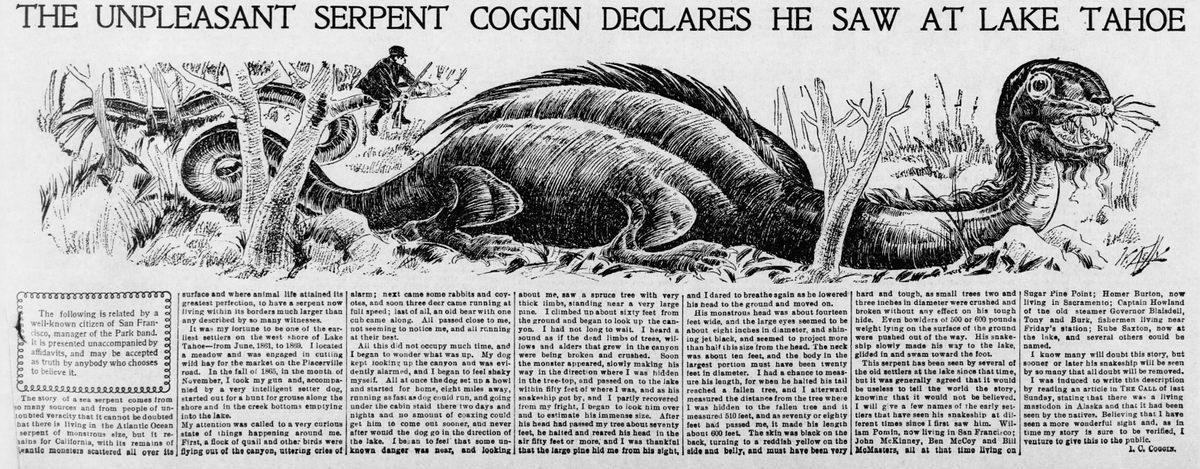
Tahoe Tessie — Lake Tahoe, California/Nevada
Rumored to haunt the depths of Lake Tahoe, which drops more than 1,600 feet between California and Nevada, Tessie first came into discussion in the mid-1800s, though her roots may go back thousands of years to Washoe oral traditions about water spirits. Today, Tessie’s Disneyfied, dinosaur-like image adorns T-shirts and children’s coloring books—but dismissing Tessie as a mere marketing ploy oversimplifies a long history associating Lake Tahoe with the unknown.
Notable Lake Monster Destinations
Canadian Aboriginals in the Okanagan area believed a terrible monster named Naitaka lived at the lake’s bottom and carried chickens and small animals to drop as sacrifice when crossing. Records of Ogopogo go back to 1872, with a major wave of 30-car witness reports in 1926—several years before the Loch Ness monster gained widespread media attention.
Regional Legends Worth Knowing
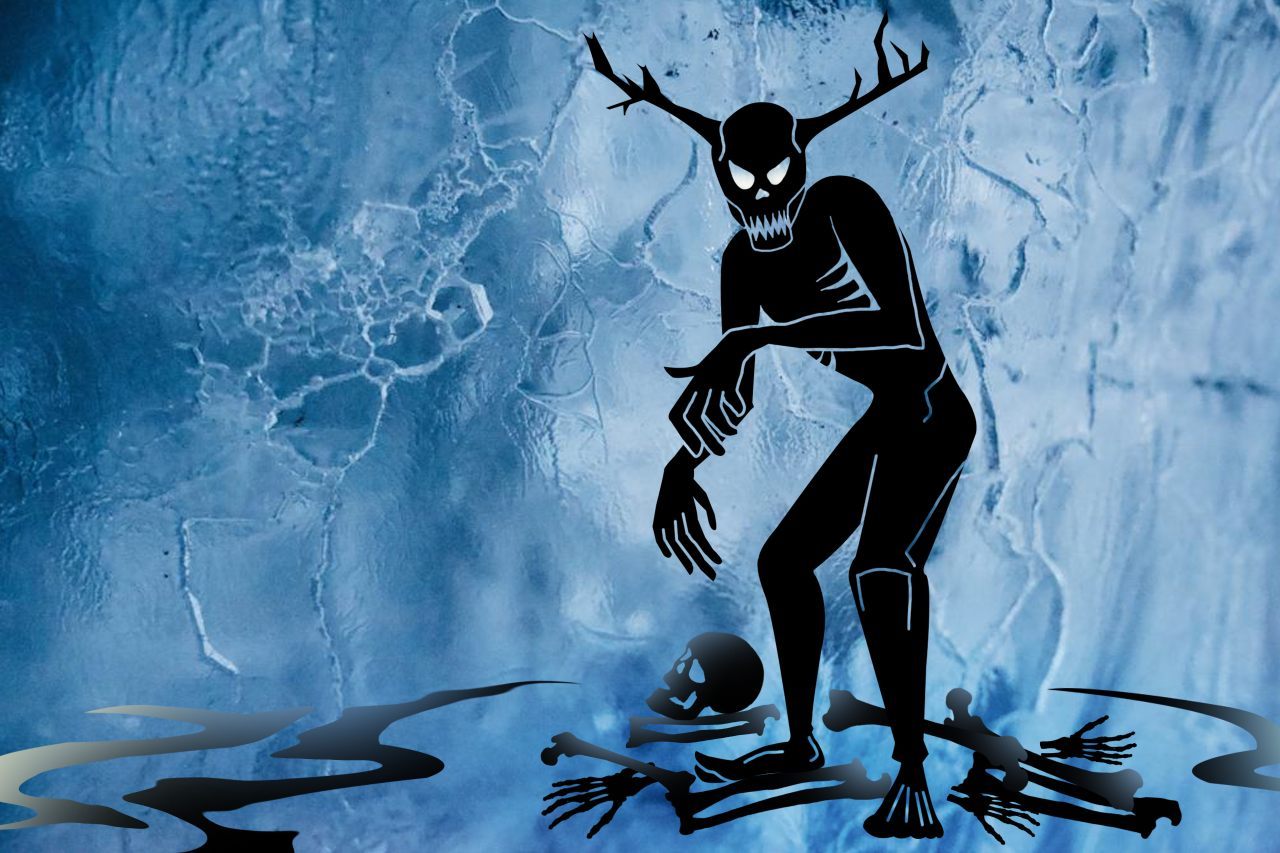
1. The Wendigo — Great Lakes and Northern United States
The legend of the Wendigo originated with the Algonquin in what is now Canada and the northern United States. According to the Ojibwe People’s Dictionary, it began as a “winter cannibal monster”—three of the most terrifying words in any language. The Wendigo has metamorphosed over centuries, but all incarnations remain frightening because of what it represents: hunger, desperation, and the darkness of the coldest winter.
While the Wendigo doesn’t have dedicated museums, its legend is preserved in Native American cultural centers throughout the Great Lakes region. The creature appears in exhibitions exploring indigenous folklore and reminds visitors that some cryptids carry deeper cultural significance than mere monster stories.
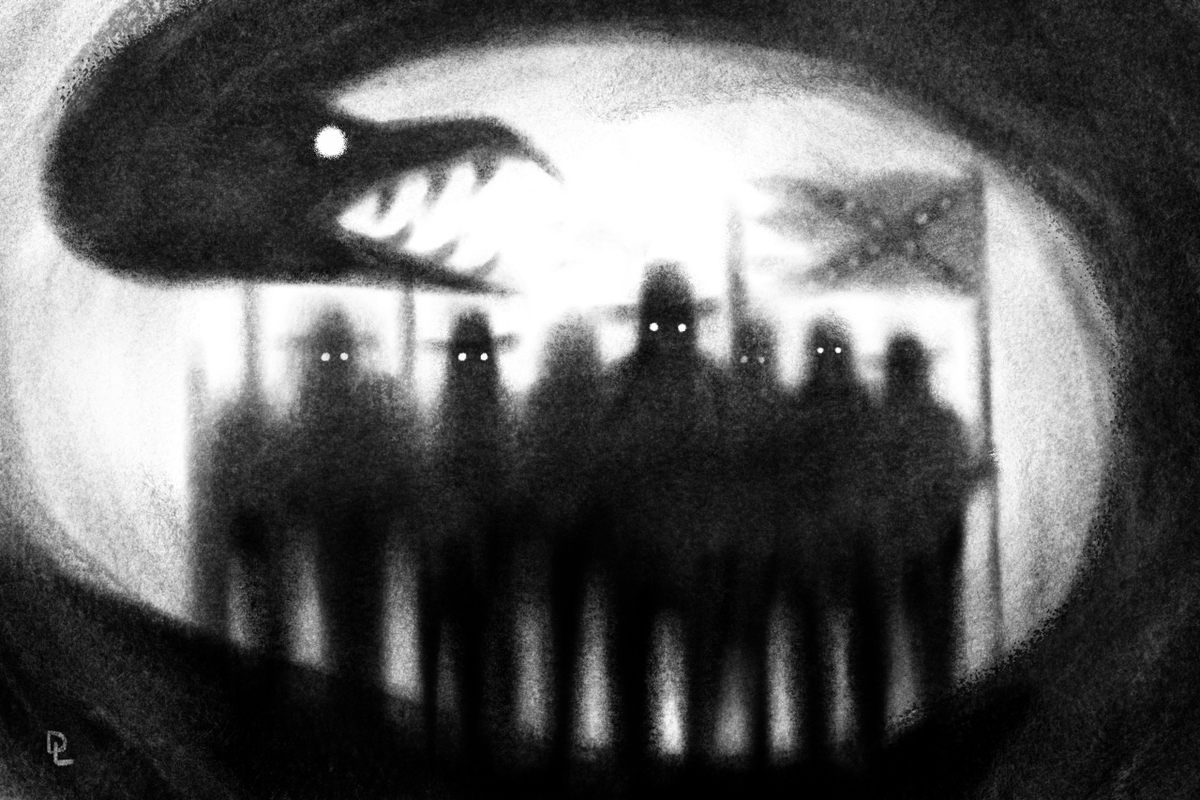
2. The Snallygaster — Frederick County, Maryland
Unlike many cryptids with indigenous origins, the Snallygaster’s beginnings are easy to trace. Following the Jersey Devil frenzy of early 1909, Maryland journalists wanted their own monster. The Valley Register ran stories about a winged creature with enormous wings, a long pointed bill, claws like steel hooks, and an eye in the center of its forehead.
The Snallygaster proved malleable enough to adapt with the times. In 1932, reports suggested it was drawn to moonshine stills. The Register announced the Snallygaster had fallen into a 2,500-gallon vat of backwoods liquor after being overcome by fumes. Dragon Distillery in Frederick now sells “Snallygaster Rye” in honor of this legend.
Sarah Cooper operates a traveling American Snallygaster Museum that appears at various festivals and conventions, working toward a permanent site devoted to Western Maryland’s strange cryptid.
Beyond the U.S.: International Cryptid Destinations
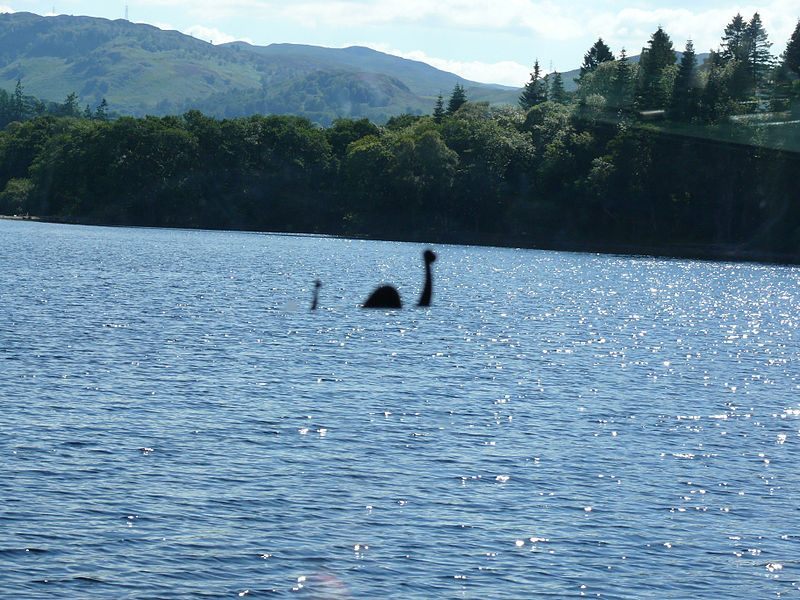
1. Loch Ness Centre — Drumnadrochit, Scotland: the world’s most famous monster
REOPENED 2023 AFTER £1.5 MILLION RENOVATION
What You’ll Find: A one-hour immersive experience taking visitors through 500 million years of history, exploring the myths and scientific research surrounding the Loch Ness Monster through eyewitness accounts, rare artifacts, and interactive exhibits.
The Legend: The first recorded sighting that sparked modern Nessie-mania occurred in 1933, when Aldie Mackay, manager of the old Drumnadrochit Hotel, spotted something strange in the waters. Her account in the local paper went global and transformed Loch Ness into the world’s most famous monster-hunting destination. Over 1,000 eyewitness accounts have been recorded since.
The Experience: The Centre is housed in a historic 19th-century building—the very site where Mackay worked when she made her sighting. Seven themed zones explore Scottish myths and legends, the scientific search for truth, and real people’s witness statements. Rated 5 Stars by Visit Scotland.
Visitor Info:
- Address: A82, Drumnadrochit, Highlands, Scotland, IV63 6TU
- Hours: Check website for seasonal hours
- Also Available: Boat cruises on Loch Ness aboard the research vessel Deepscan, café and restaurant, gift shop
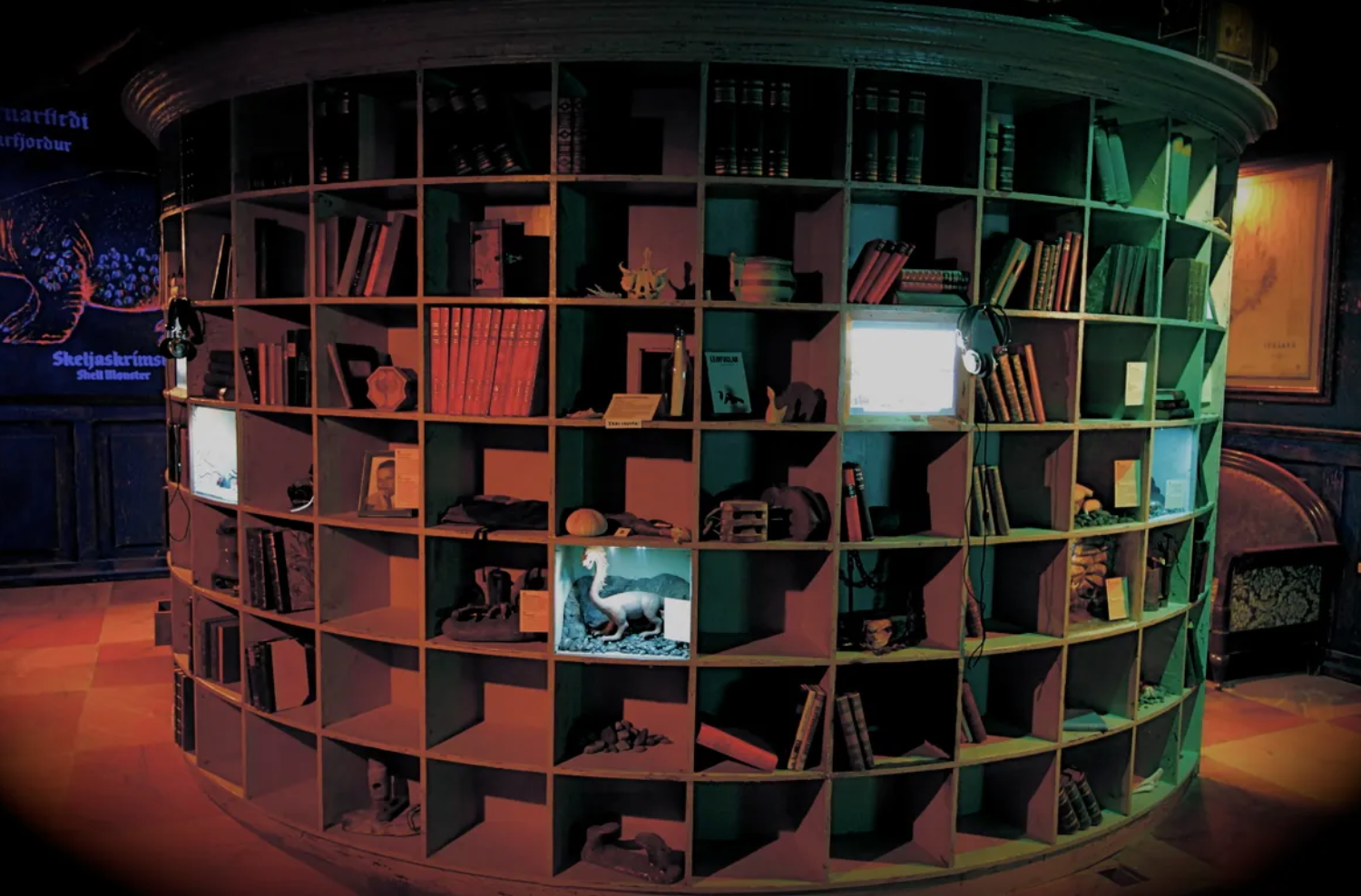
2. Icelandic Sea Monster Museum — Bíldudalur, Iceland
What You’ll Find: Using videos, displays, and multimedia, Skrímslasetrið explores Iceland’s sea monster history through oral accounts of those who encountered them.
The Experience: Interactive tables let visitors explore maps of Iceland’s coast with pop-up stories. Four basic monster types are endemic to Iceland’s waters: the fjörulalli (Shore Laddie), hafmaður (Sea Man), skeljaskrímsli (Shell Monster), and faxaskrímsli (Combed Monster).
Visitor Info:
- Address: Strandgata 7, 465 Bíldudalur, Iceland
- Hours: Every day 10am-6pm
- Also Available: Concerts, cocktails, and pizza nights.
3. Nahuel Huapi Lake — Bariloche, Argentina: Patagonia’s Loch Ness
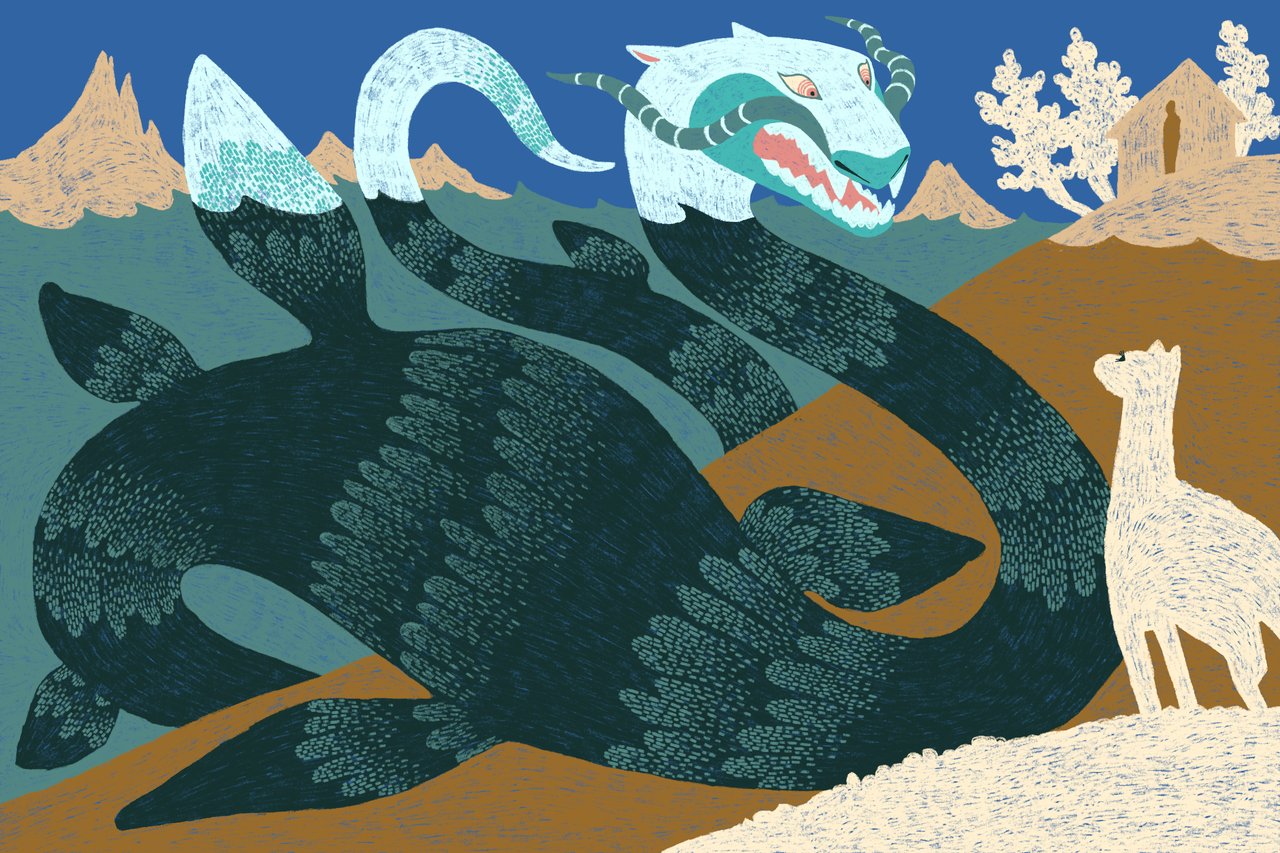
What You’ll Find: Argentina’s answer to the Loch Ness Monster, Nahuelito, is San Carlos de Bariloche’s most emblematic symbol. The plesiosaur-like creature’s image appears throughout the small Patagonian city.
The Legend: The Tehuelche people, who have lived in Patagonia for millennia, shared stories of a huge creature swimming beneath the surface of Nahuel Huapi Lake. Known as El Cuero to the Tehuelche, the monster was said to resemble a giant stingray with a sucker-like mouth. In the 20th century, as interest in paleontology grew, the creature morphed into a plesiosaur-like form similar to Nessie.
Why Visit: Bariloche is already a major entry point for tourists to Patagonia. The Nahuelito legend adds a cryptid layer to an already spectacular landscape of Andes Mountains, glistening rivers, and beech and cypress forests.
Planning Your Cryptid Journey
Suggested Road Trips
West Virginia Cryptid Triangle (2-3 days):
- Mothman Museum and TNT Area — Point Pleasant
- Flatwoods Monster Museum — Sutton
- West Virginia Bigfoot Museum — Sutton
East Coast Mystery Tour (5-7 days):
- International Cryptozoology Museum — Bangor, ME
- Paranormal Museum — Asbury Park, NJ
- Skunk Ape Research Headquarters — Ochopee, FL
Pacific Northwest Bigfoot Trail (3-4 days):
- North American Bigfoot Center — Boring, OR
- North Fork Survivors — Toutle, WA
- Ape Canyon, WA (site of the famous 1924 Bigfoot attack)
Annual Events Worth Planning Around
Tips for Visiting
Verify before you go. Hours and admission change without notice. All information in this guide is current as of August 2026.
Respect the environment. Many cryptid habitats are in sensitive ecological areas. The TNT Area is a Superfund site, the Everglades are fragile, and various Bigfoot territories are protected forests.
Talk to the experts. Museum curators and researchers like Dave Shealy and Cliff Barackman have dedicated their lives to these mysteries. Their passion and knowledge make the experience richer.
Why These Places Matter
Whether cryptids exist or not almost misses the point. These destinations represent something fundamental about human nature: our need for mystery, our desire to believe that the world holds more than we can see, and our capacity to build community around shared stories.
Cryptids come from all kinds of sources—misunderstandings of natural phenomena, tall tales, and sometimes, sheer human ingenuity. They can become a mascot for the place that claims them, a weird source of pride for the people who live there. Can you imagine Point Pleasant without its Mothman? Ochopee without its Skunk Ape? These creatures have become inseparable from local identity.
The museums, statues, and research centers dedicated to cryptids serve multiple purposes. They preserve regional folklore that might otherwise fade from memory. They support local tourism economies—Point Pleasant’s Mothman Festival draws thousands of visitors each September, and the Skunk Ape Research Headquarters was voted the #1 roadside attraction in Florida. And they create spaces where imagination is welcomed rather than dismissed.
The search for monsters is not just a diversion and hobby; it’s also a kind of hope—a belief against all odds that our world still holds secrets waiting to be discovered. In an age where satellite imagery maps every inch of Earth and scientific consensus seems to leave little room for the unknown, cryptid destinations offer permission to wonder.
As you visit these places, you’re not just learning about alleged monsters—you’re participating in a tradition as old as storytelling itself: gathering to share tales of the things that might be lurking just beyond the firelight. You’re experiencing how communities choose to remember and celebrate the mysterious, the unexplained, and the wonderfully weird parts of their history.
So pack your camera, bring your sense of humor, and prepare for adventure. The truth may be out there—but the journey is definitely worth taking.
All Atlas Obscura links verified as of August 2026. Hours and admission subject to change; always verify before visiting.
Related Atlas Obscura Content: