Reaching the end of the Kokoda Track in PNG (Papua New Guinea) was something I’ll never forget. It was an incredible experience, challenging, exhausting, but definitely memorable and one I’d recommend to anyone (although some may need training beforehand!).
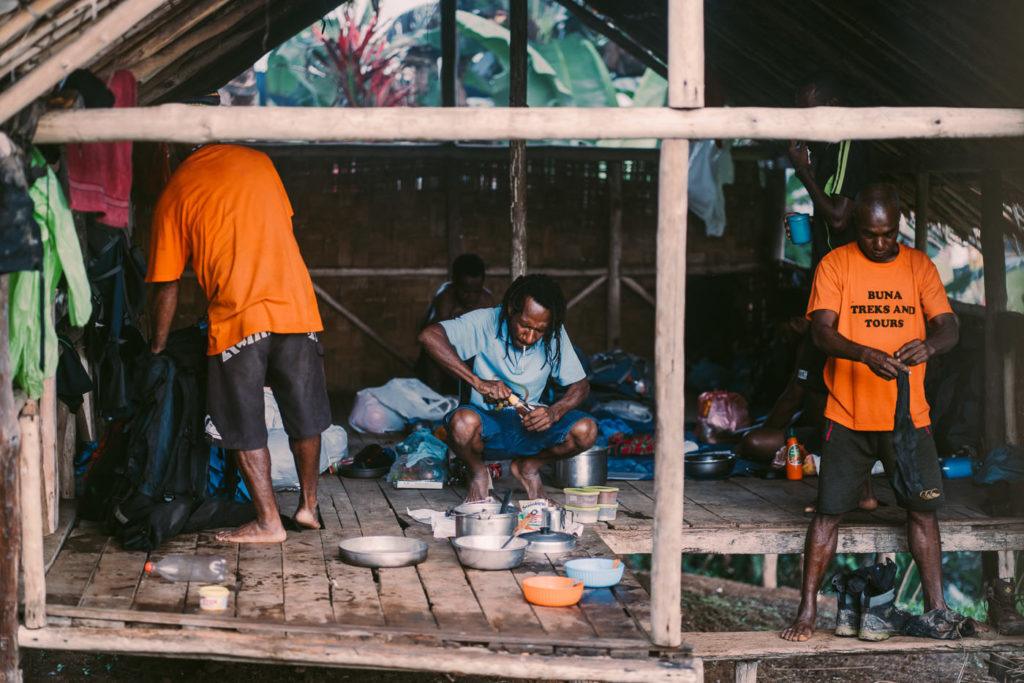
I completed the track back in 2019 with my mate Josh, writing an in-depth guide that covers each day of the trip and a useful little packing list at the end. We went with a company called Buna Treks & Tours, 100% locally-owned and operated, with the entire trip organized by the PNG Tourism Promotion Authority. They made every single one of those 96km a joy to trek, and it felt good to know we were with local guides who really knew the area inside and out.
In this guide

I’ve had a lot of good feedback on that guide, which has been fantastic, but there’s one aspect I didn’t really touch on: money. And it’s something that I have some personal experience with, as I started running out of cash towards the end of my trip despite thinking I had plenty.
I’ve also received a fair few questions on the practicalities of cash when you’re in the country, so hopefully this guide covers everything you need to know before you fly out of Australia.

The bulk of your expenses will come before your trip, when you pay for the trek itself via bank transfer or credit/debit card. Going for a (nearly) all-inclusive trek company gives you peace of mind; the locals know what they’re doing, and the cost is actually better than trying to DIY parts of the trip.
Depending on the trek company you choose, you can expect to see the following included:
- Guides for the entire trip. Some companies have Australian guides, but a few are primarily local, which is my preference.
- Airport transfers, taking you to your initial accommodation in Port Moresby.
- Accommodation, including upon arrival. The quality of your hotel will depend on your package price, but everything is paid for ahead of time.
- Fresh and packed food for the duration of the trek.
- Cooking and eating equipment, which keeps your personal pack light.
- Tents and huts for your entire trek.
- Satellite phone in case of emergencies.
As you can see, that covers pretty much everything. That’s a plus, of course, but it does mean that some trekkers get caught out. Because almost everything is covered, they’ll forget to think about the stuff that’s not part of that initial outlay. And once they arrive in PNG, they’re out of luck.
We’re increasingly not used to this in Australia: cash. For most transactions, we use a card or something like Apple Pay. Younger, Gen Z Australians probably don’t even know who is on the $50 note (FYI: it’s David Unaipon and Edith Cowan).
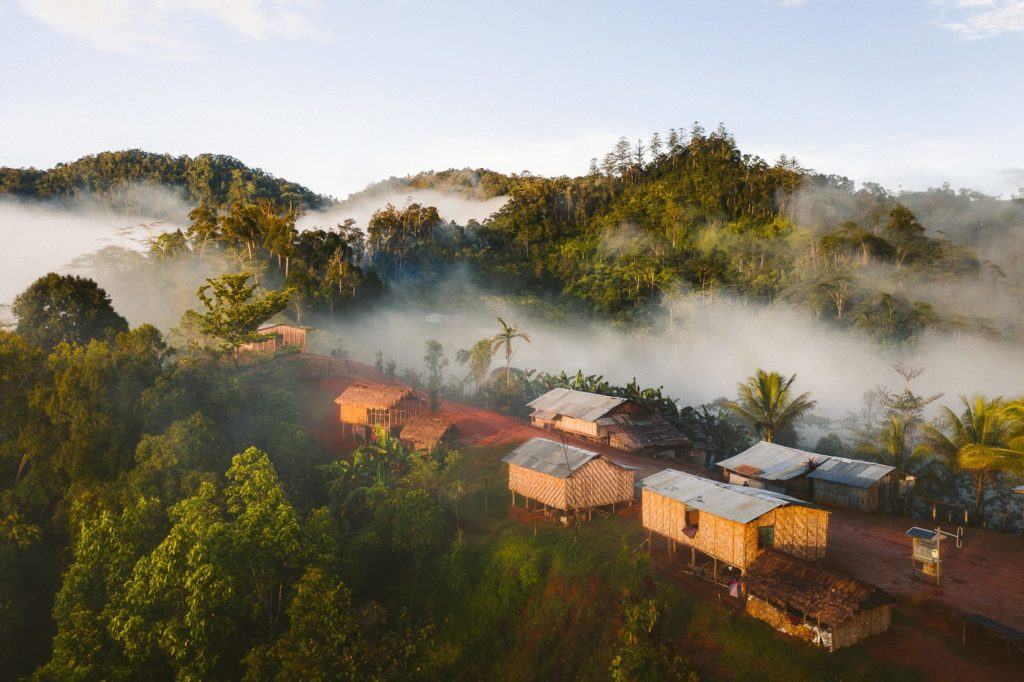
In Papua New Guinea, the situation is flipped. Around 80-90% of all daily transactions use cash, the Papua New Guinea Kina (PGK). The urban vs. rural divide pushes that number even higher once you leave the towns and cities.
Formal banking, the way we know it, is used less, with only 25% of adults in the country relying on banks; that number falls to around 10-15% in villages and rural areas. There’s a lot of advertising for electronic payment systems, but cash is still the most common payment method.
Cash in PNG
My main recommendation is to get your foreign currency in Australia before flying out, and this is especially relevant for PNG’s Kina. You don’t want to be sorting this out once you arrive in Port Moresby, as the process can be a little stressful.
Give yourself some lead time, too. Kina isn’t a currency most places keep sitting in the drawer, so it gets ordered in. You can order online for collection at a Post Office, or place the order in store. Either way, allow a business day or two, longer if you’re regional. Sort it out about a week before you fly, and that’s one less thing to worry about.
The other key thing: ask about small denominations when you place the order. K100 notes are notoriously difficult to use once you’re in the country, and you’ll get far more mileage out of K10s and K20s.
Cash will be your main mode of payment in Papua New Guinea, so please bear that in mind. When I say it’ll be difficult to pay by card, it’s not an exaggeration. It’s highly likely you will make your first cash purchase at the airport.
Some places will accept USD and AUD, but they’re usually the same places that accept cards anyway (e.g. hotels and major retail stores). Additionally, the exchange rate you’ll be offered will be worse; paying by USD is definitely a bad deal, so I really do not recommend it.
Debit/Credit Cards in PNG
In PNG, cards are your backup. There are no ATMs between Owers’ Corner and Kokoda, the villages and vendors along the track deal in cash only. Whatever’s in your pocket when you leave Port Moresby is what you’ve got.
Of course, always have a couple of bank cards ready to go, just in case. I usually keep one in my day pack, and another in my main backpack. You can use these for the hotel and for emergencies.
Several Australian banks offer cards with no FX fees on international transactions. ING and Up Bank are two names that come up often, but do your own research. For example, some companies let you use your card without a fee when making a direct payment, but will charge you for cash withdrawals.
One word of warning, however: some accounts only work with a short list of countries, and PNG tends not to feature. Check carefully before you decide to use it when you’re abroad.
There are also multi-currency accounts like Wise, which aren’t traditional banks but give you a card that works much the same way.
Now I’m going to get a little more specific, giving you an idea of how much money you’ll need. Port Moresby is the primary transit location for all tour companies that operate in the country. It’s not a budget-friendly destination like Thailand or Vietnam.
Port Moresby relies on a lot of imported goods, and safety measures make up a bulk of the costs. For most people, I’d suggest going to venues that are marked safe for tourists, especially if you travel alone.
Budget 200-500 PGK per day. At the time of writing, that’s roughly A$70 to A$180. You can survive at the bottom of that range, but it won’t leave you with many options, and most people I’ve spoken to land nearer the top of it once a couple of meals out and a taxi or two are factored in.
Would I recommend adding an extra day or two in Port Moresby, in addition to the ‘transit days’ that tour companies tend to factor in? To be honest, it’s something that most people can go without. Hotels are expensive, and the additional value is limited.
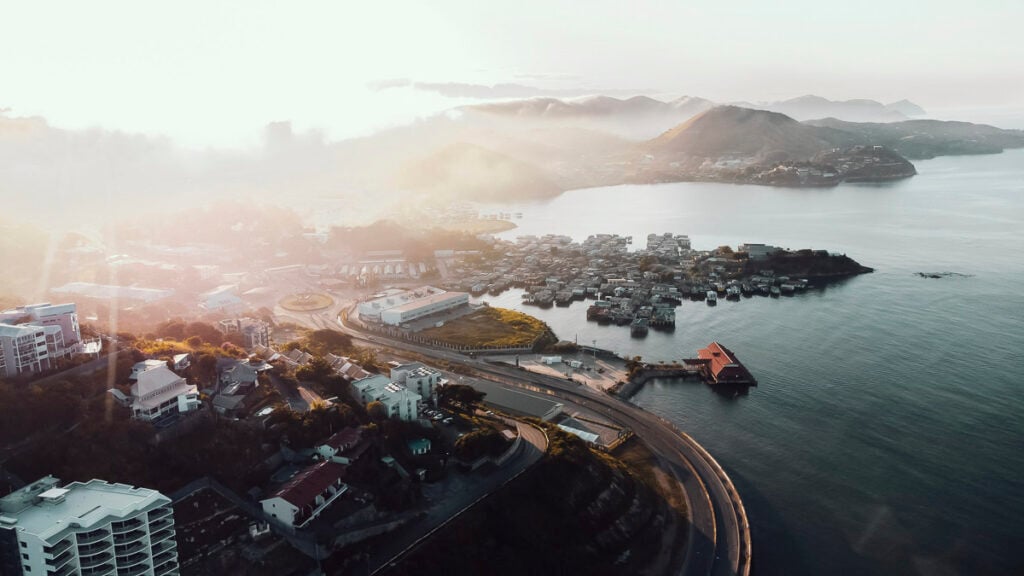
Don’t count on being able to get more cash once you’re on the trail. There are no cash machines between Owers’ Corner and Kokoda, so keep that in mind when you’re changing currencies. Whatever you’ve started your journey with, that’s what you’ve got to play with.
Even though trekking companies will include everything you need, you will probably still want to carry additional cash. Otherwise, you’ll be annoyed when others on the trek buy a trinket or two along the way, or enjoy some local food from vendors in villages along the track.
Overall, around 400 PGK should be enough for the entire trip, in terms of spending money. Most things will cost 10-20 PGK, whether it’s for that sweet can of Coke or some delicious fresh fruit.
Then, there’s tipping. Expect around 200 PGK, but it varies depending on the tour operator. Check their website FAQ or send them an email; there’s usually a recommended amount. It’s optional, but the guides do work very hard, and I felt it was a well-deserved extra.
So, that’s around 600 PGK to have more than plenty for the trail itself, plus the 200-500 per day in Port Moresby. If you’re someone who likes to buy a lot of souvenirs, lean toward the higher end of the estimate.
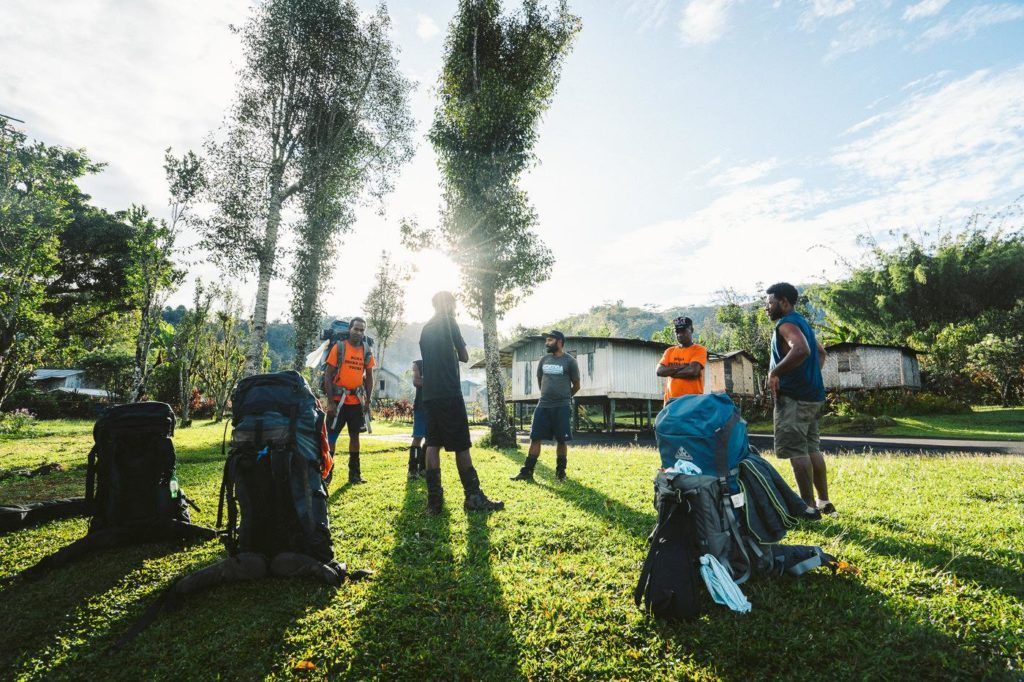
I already mentioned it earlier in the guide, but it’s important enough to repeat as my send-off: get the smaller denominations. Flag it when you order, not when you’re already standing at a counter in Port Moresby wondering how to break a K100.
The bigger bank notes will be as good as having no cash at all. Many places don’t take them, and they become difficult to ‘break’ into smaller, usable denominations.
The cash you take with you is just as important as the packing list I put together in my original post. Spend time planning it properly, buy your cash in advance, well before you arrive in Papua New Guinea.
You don’t want to be part of that stressed-out group of tourists, trust me, frantically trying to buy cash at the airport, or panicking once they realize the local ATMs are once again out of action.