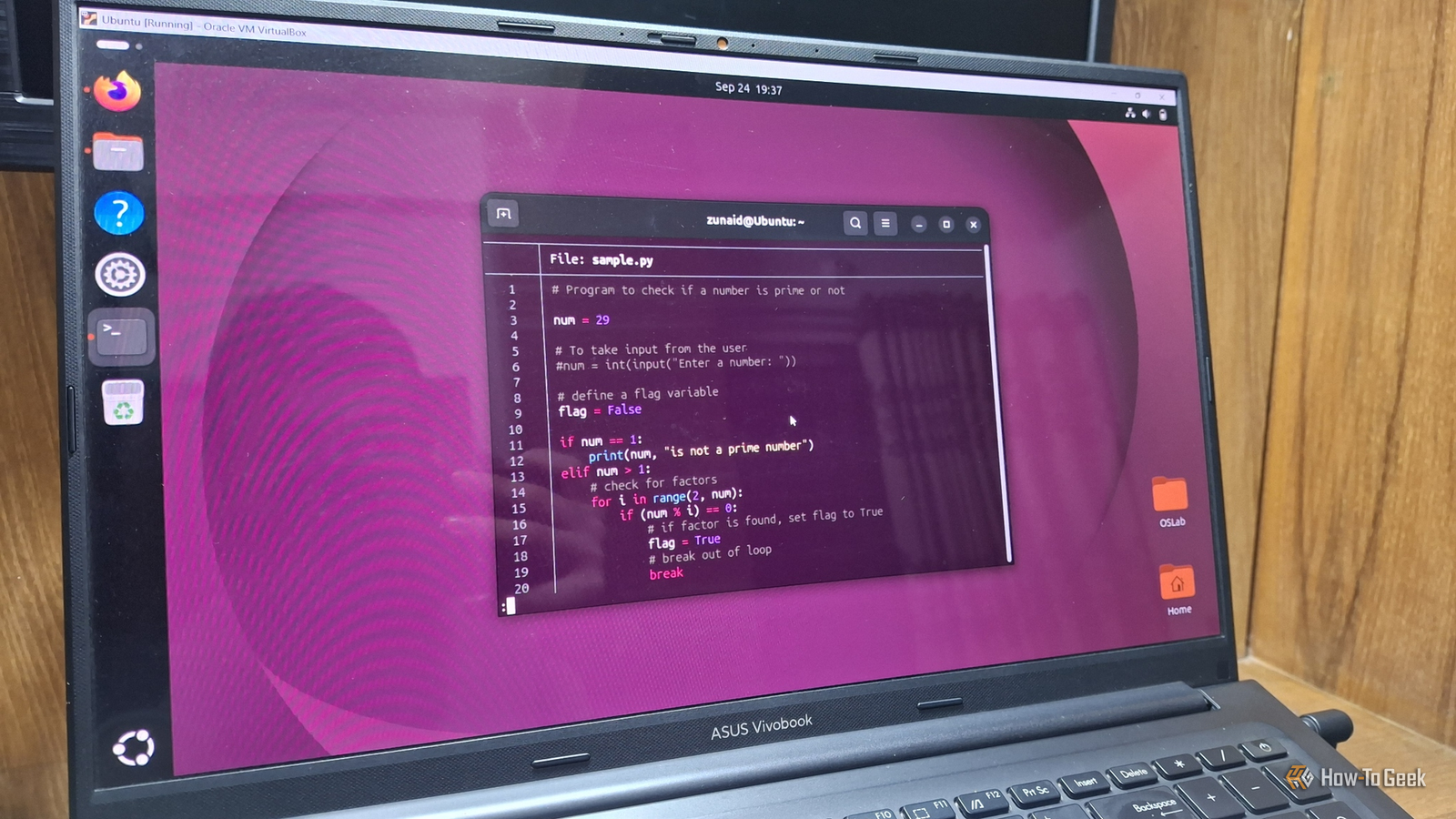
I never disliked working in the Linux terminal. In fact, I always look around for different terminal tricks to save time and make me more productive. I also like to customize the terminal to make it look stunning. Out of so many ways to upgrade the terminal, these are the tools I chose to get the best of both worlds.
Ghostty makes the terminal window itself worth opening
Built-in themes, bundled Nerd Fonts, and a ping when your long job finishes
Ghostty is a fast and feature-rich terminal emulator developed by Mitchell Hashimoto. It promises to give you a native feeling regardless of the desktop environment you choose. When it got some hype, I gave it a try and was impressed.
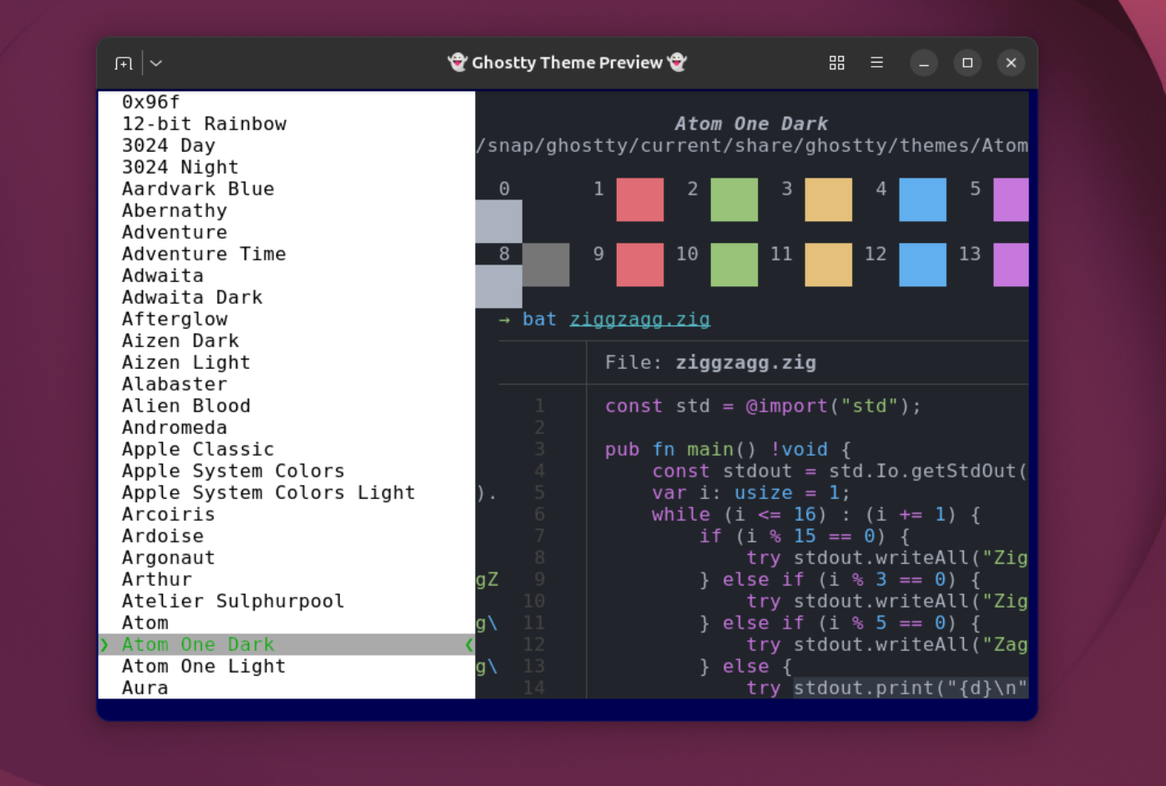
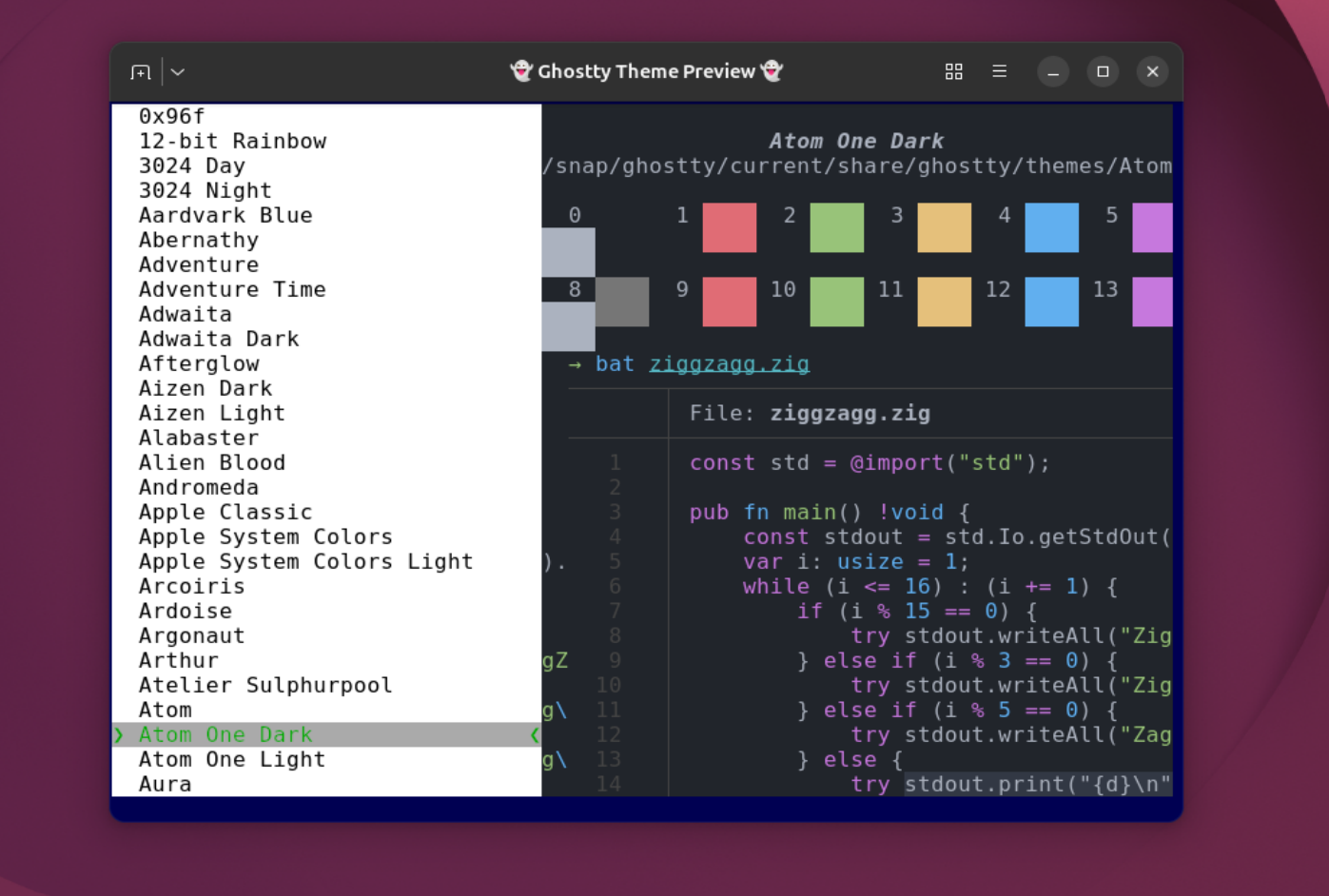
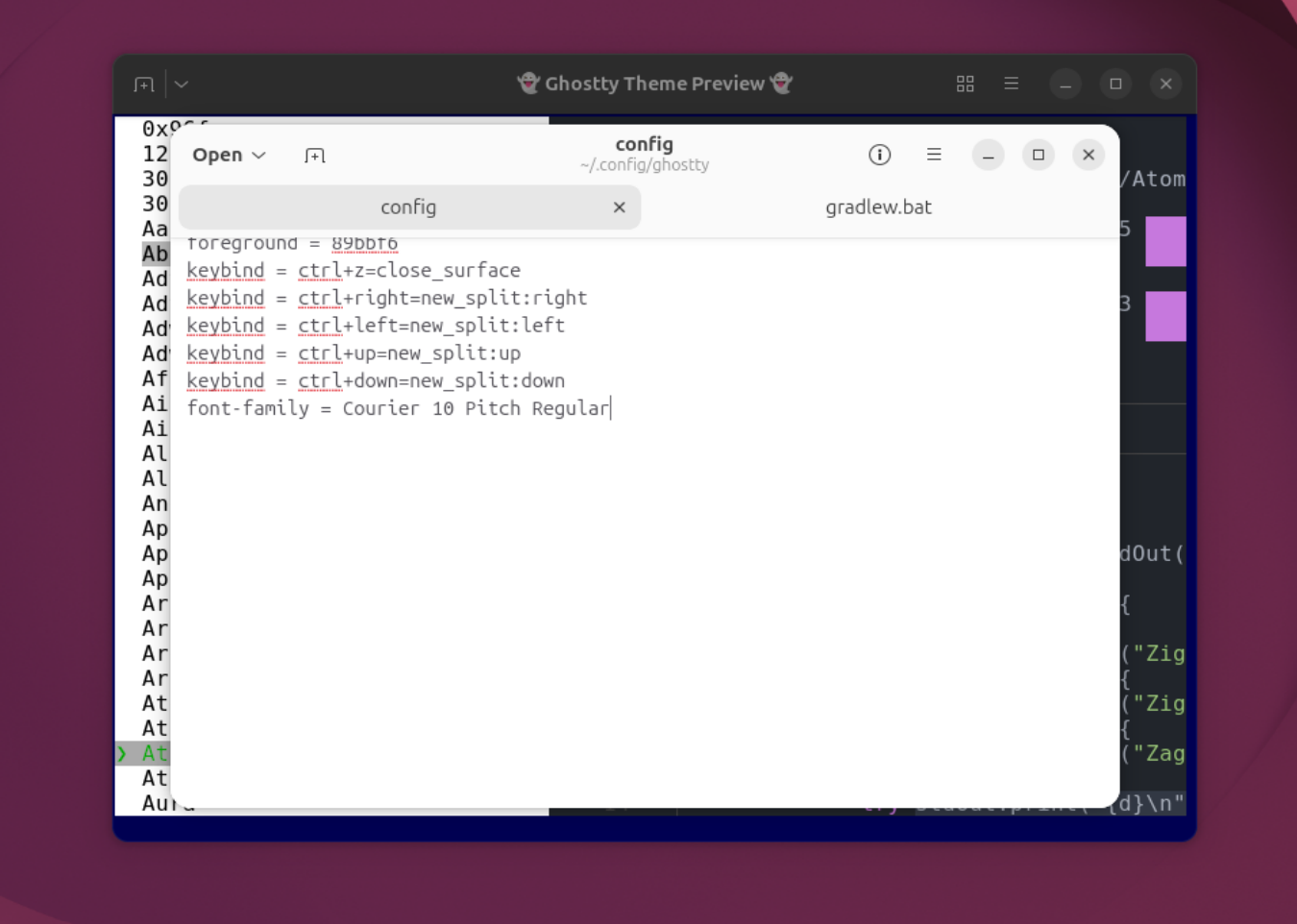
It ships with hundreds of color themes and ghostty +list-themes lets you preview them live. It even bundles Nerd Fonts, so the icons in the next upgrades just work. Installing Ghostty, playing with different themes, and customizing it to my liking instantly upgraded my terminal’s appearance.
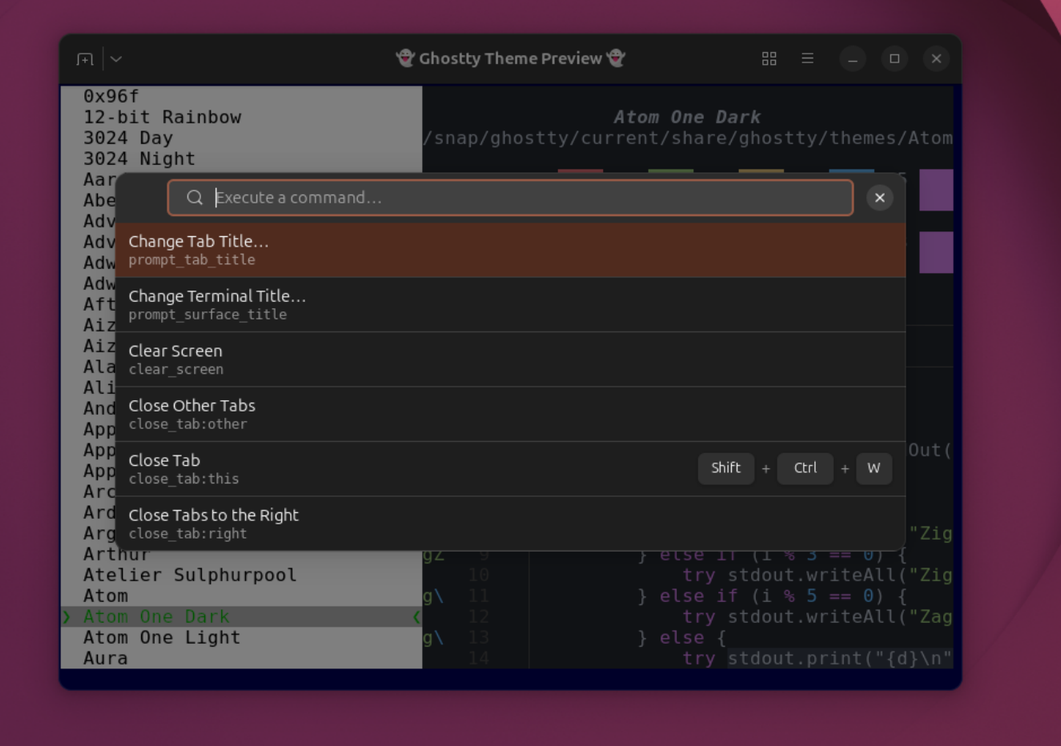
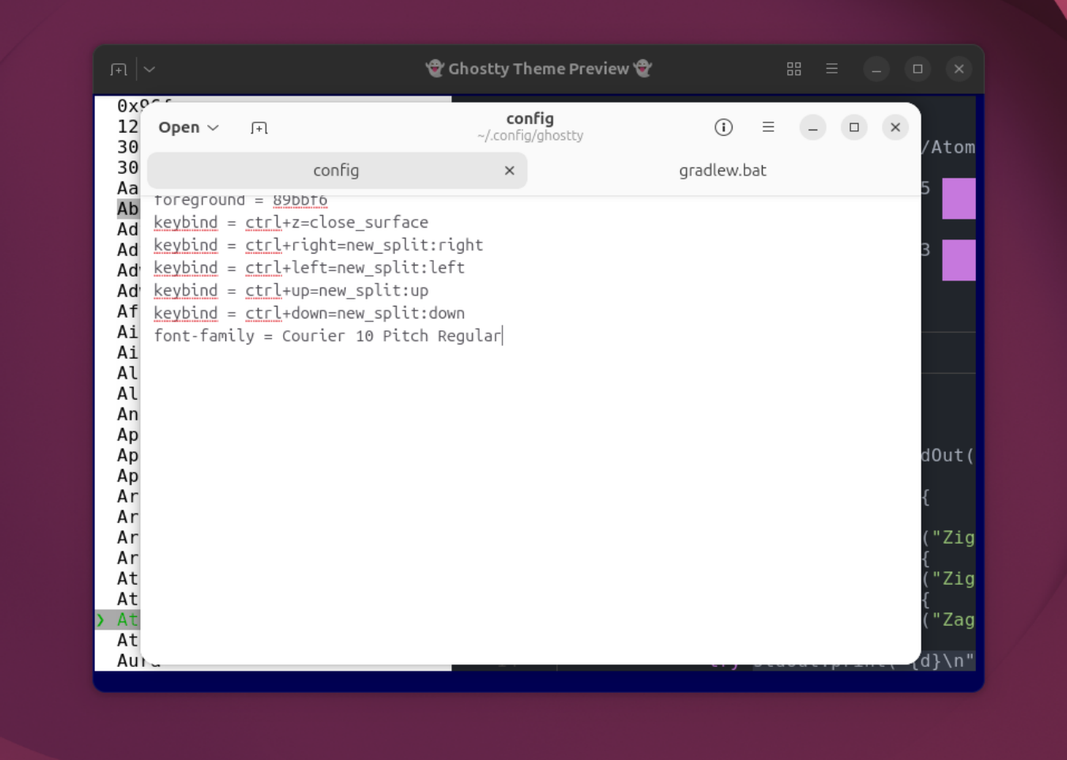
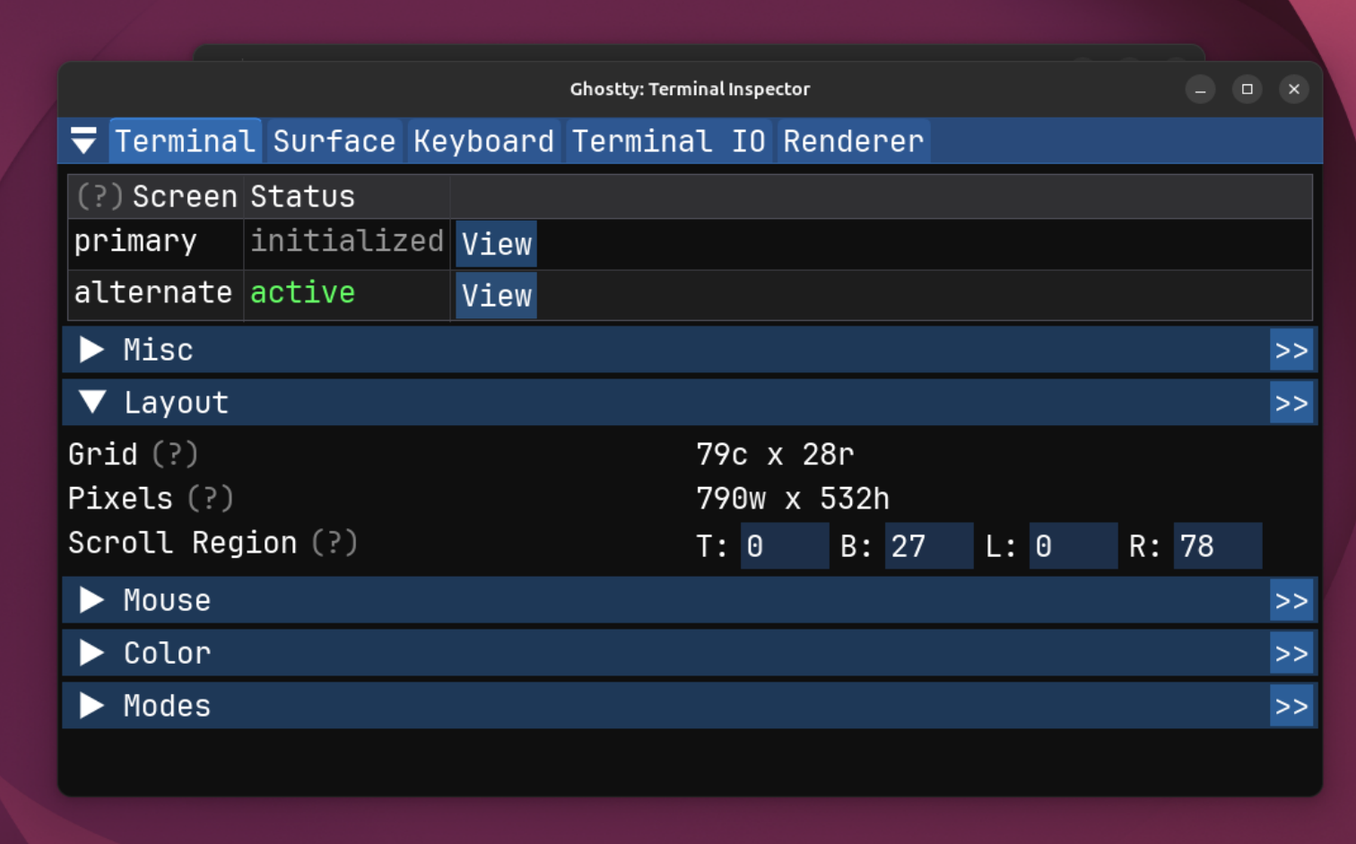
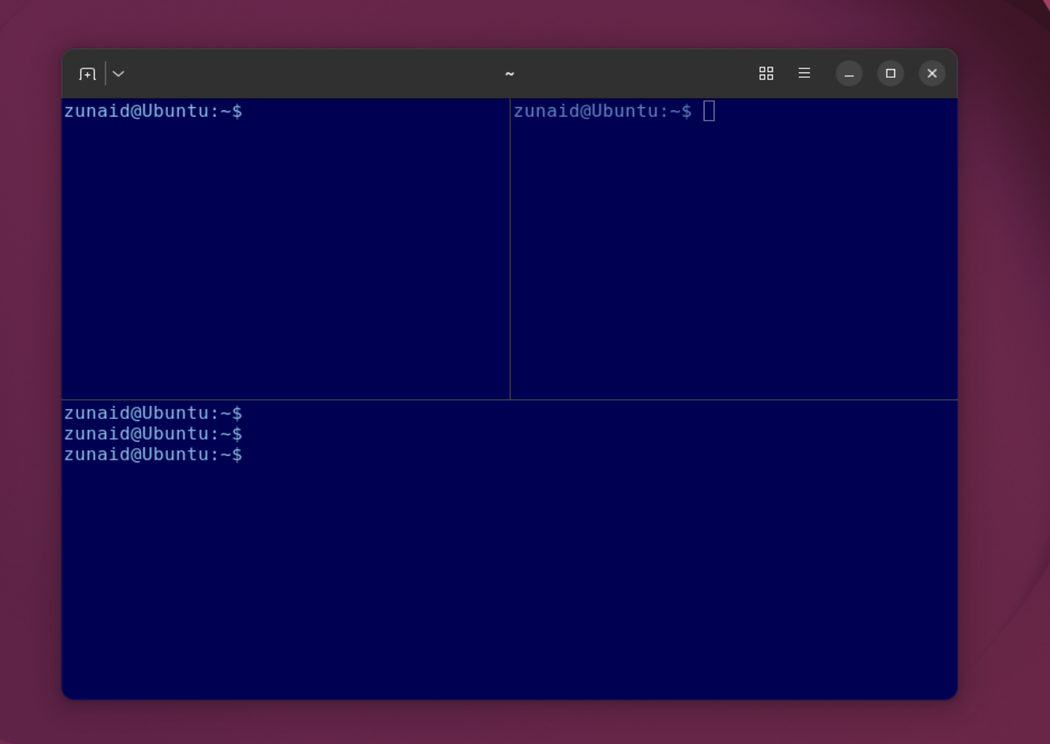
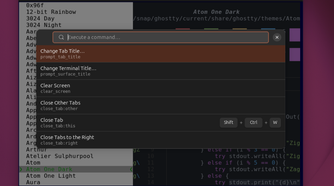
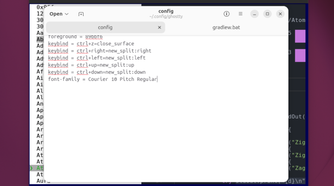
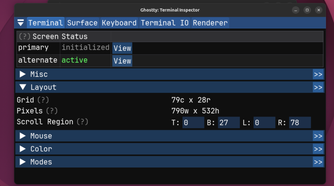
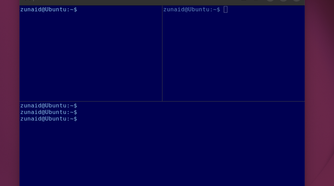
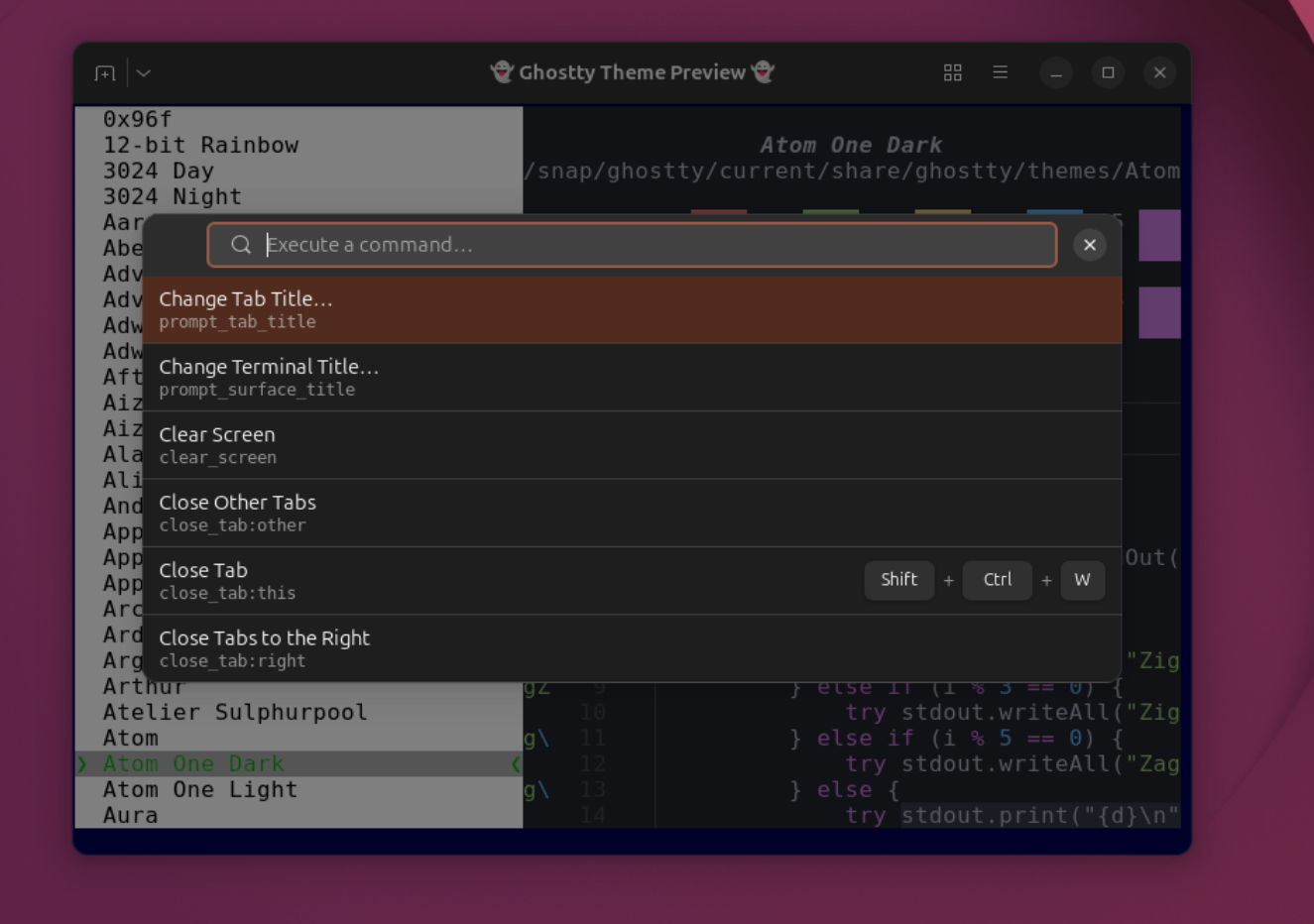
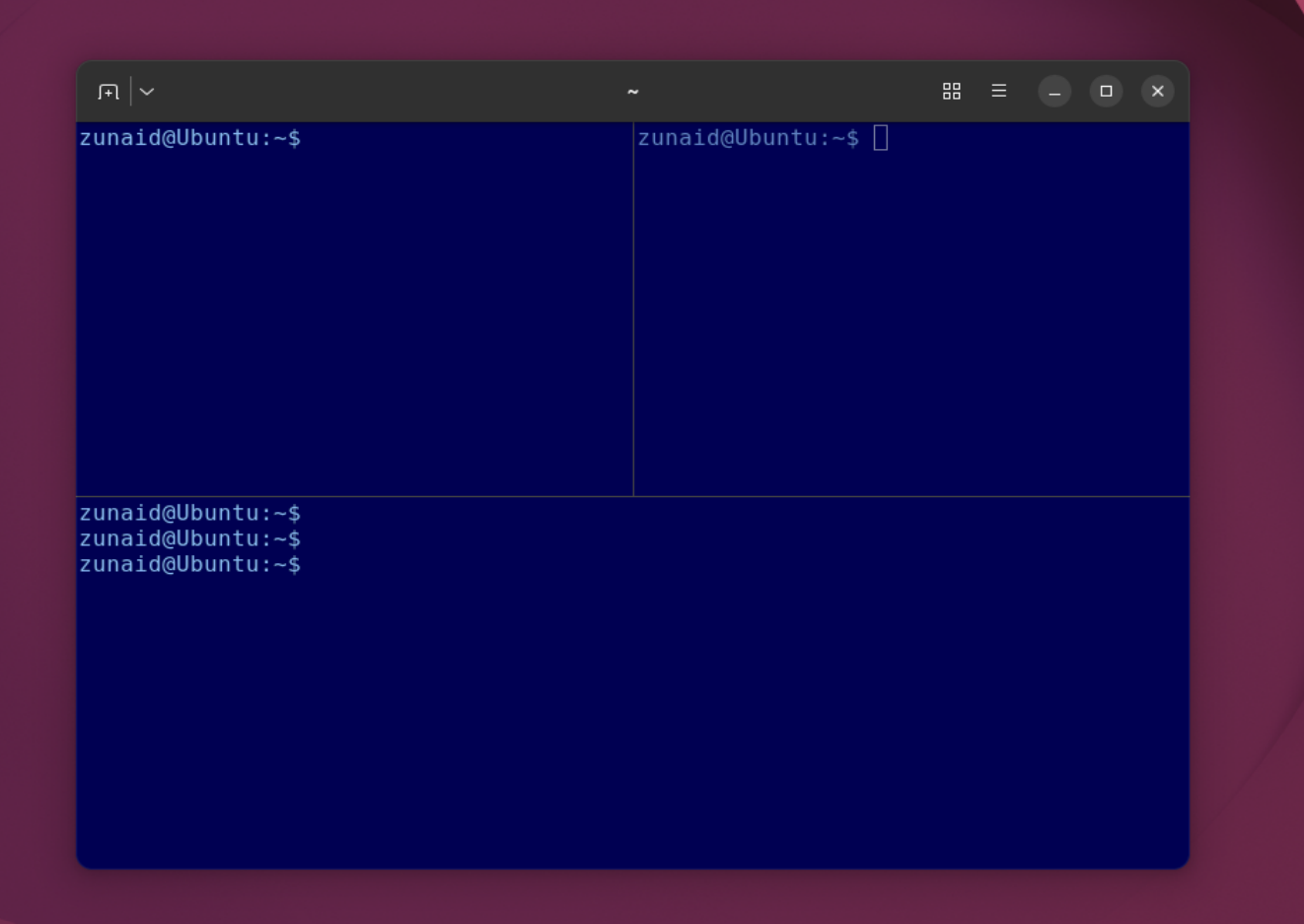
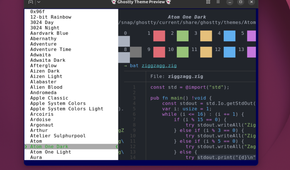
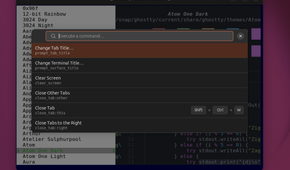
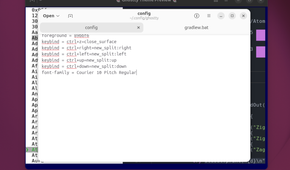
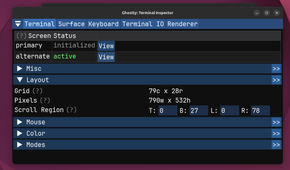
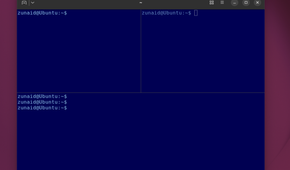
Version 1.3.0 brought some interesting features, and one of my favorites is notifications when a command finishes. When I’m multitasking, I often forget that I’m running a command in a terminal window. This wastes a lot of my time since I planned to run another command depending on the output I got from the previous one. That’s another upgrade in terms of productivity.
Starship turns a plain prompt into a live dashboard
Git branch, exit status, and command timing at a glance, with one-line presets
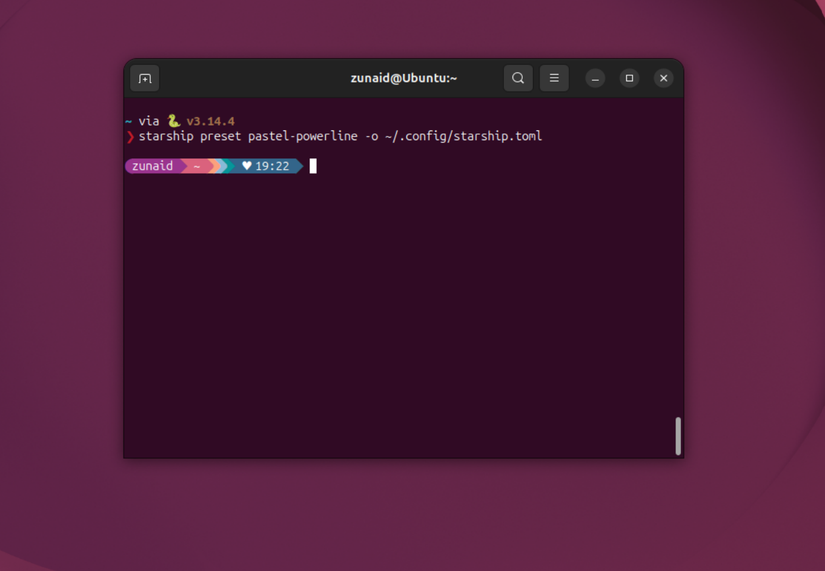
If you don’t like the shell prompt on your terminal, Starship takes care of that. It’s a fast shell prompt editor that supports all shells. It has endless customization opportunities you can take advantage of.
Your configurations live in a TOML file. Starship builds your prompt from small blocks called modules. There’s one for Git, one for command timing, and dozens more for languages like Python and Rust. You can also hide modules you don’t need, create your own color palettes, or split the prompt across two lines.
If you feel lost in the configuration sea, then Starship has just the solution for you: presets. These are community-made configuration files you can download and use for yourself if you don’t want to spend time coming up with your own. I tried a few presets and settled on Pastel Powerline.
eza and bat add color and icons to the commands you run most
Your ls and cat, but readable at a glance
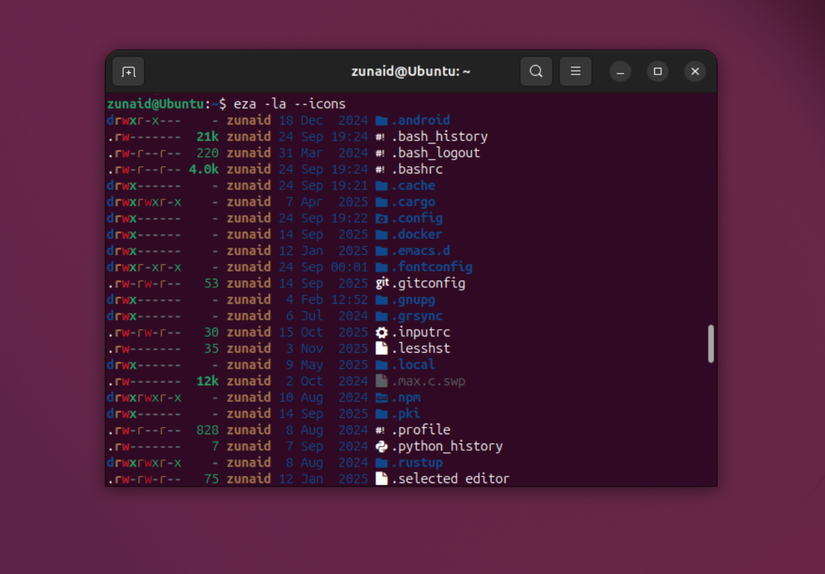
eza is a modern ls with file icons, colors, and Git status. bat does the same for cat, adding syntax highlighting and line numbers. So, reading a text file in the terminal doesn’t feel daunting anymore.
I personally prefer colors and modern looks in the terminal. So, these two go hand in hand for that. You can even create aliases for these commands in case you’re used to running the default ones all the time. Here’s an example for eza:
alias ls='eza --icons'
alias ll='eza -la --icons --git'
With these two, you can replace two of your most-used Linux commands with powerful alternatives. They make your terminal visually appear nicer and make your work easier.
zoxide and fzf let you jump anywhere in a few keystrokes
No need to type long paths
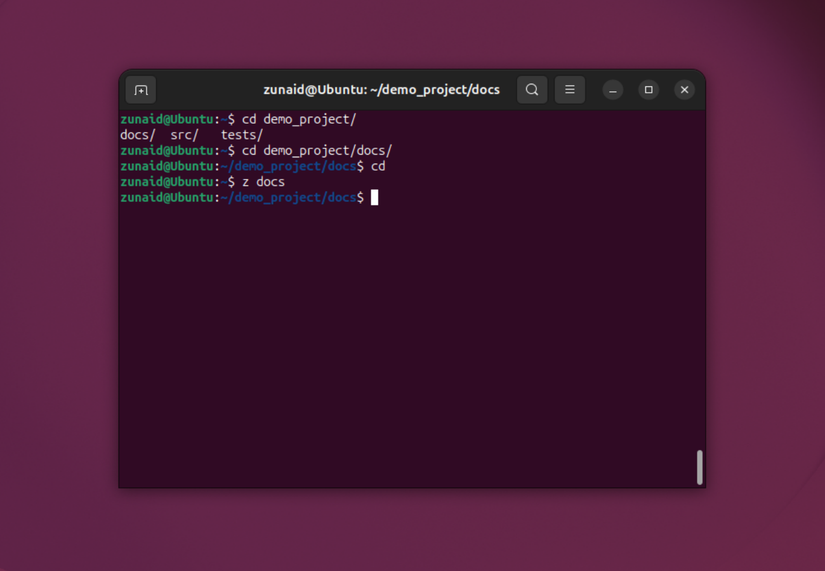
Typing cd ~/Projects/webdev/testproj/src every time you want to visit a deep folder can get frustrating. zoxide learns the folders you visit, so z src jumps straight there. All you have to do is add it to your shell configuration file.
fzf, the fuzzy finder, adds three handy shortcuts once you turn on its shell integration:
- Ctrl + R fuzzy-searches your command history, even with half-remembered words.
- Ctrl + T drops a file path into your command.
- Alt + C jumps into any folder below you.
Better yet, you can just type zi, and zoxide shows every matching folder in an fzf menu. That’s how these Linux tools increase your command-line productivity and make it more enjoyable to use.
Atuin remembers every command you run
A searchable history database that survives new terminals
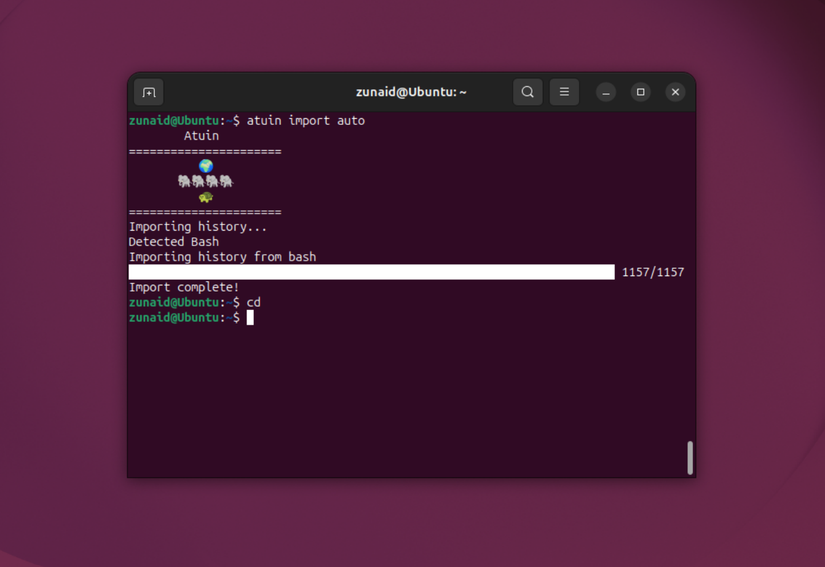
The default shell history is a plain text file. It never records where you ran a command or whether it worked. That’s where Atuin comes in. It saves every command to a local SQLite database with that context attached. You can press Ctrl + R for a full-screen search that can even filter by the current folder.
If you want to bring your old history along, simply run atuin import auto. On top of that, it has optional encrypted sync, which keeps your history identical across computers. You can choose their server, host it yourself, or opt out of sync totally. That’s a great way to supercharge your history command.
For advanced users, Atuin has two modes: filter and search. Filter mode helps you find the command Atuin searches for. Search mode enables you to match the search query. Both modes have their sub-modes, which you can switch between easily.
A terminal with superpowers
You still do the same work in the terminal. But with these upgrades, the experience feels refreshing. It not only looks better, but is also more intuitive. Once the terminal stops feeling like a chore, you may even find a few Linux TUI apps worth leaving open all day.