Smartwatches with sapphire glass, long battery life, offline navigation, and cellular connectivity usually come with premium prices. Vivo is trying to change that equation with the Watch 6.
Price: 999 yuan (About $149)
Where to Buy: Vivo
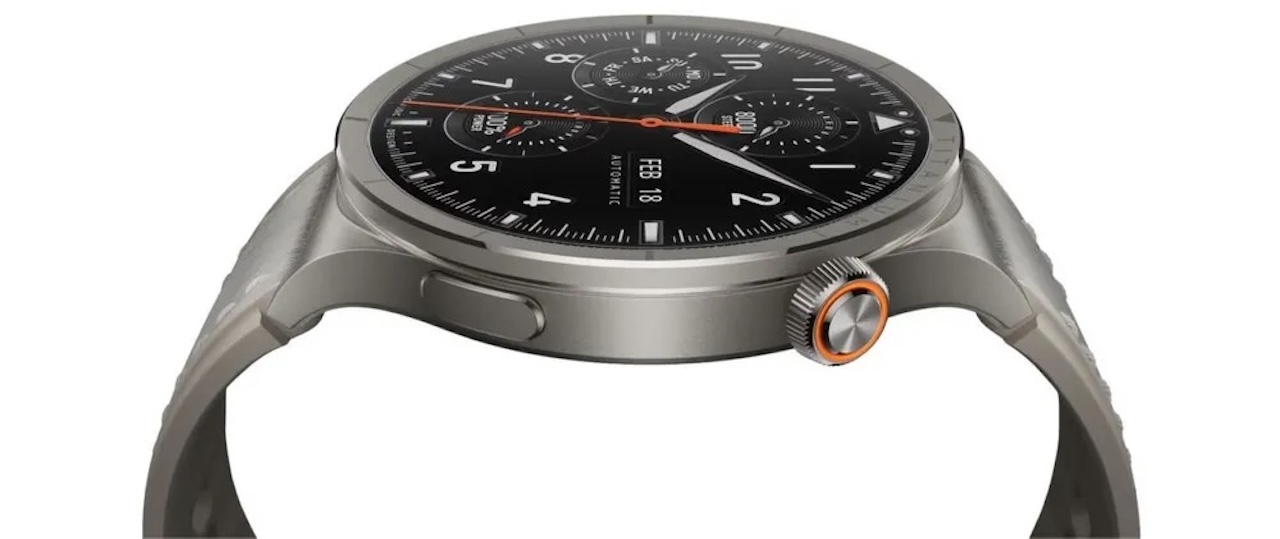
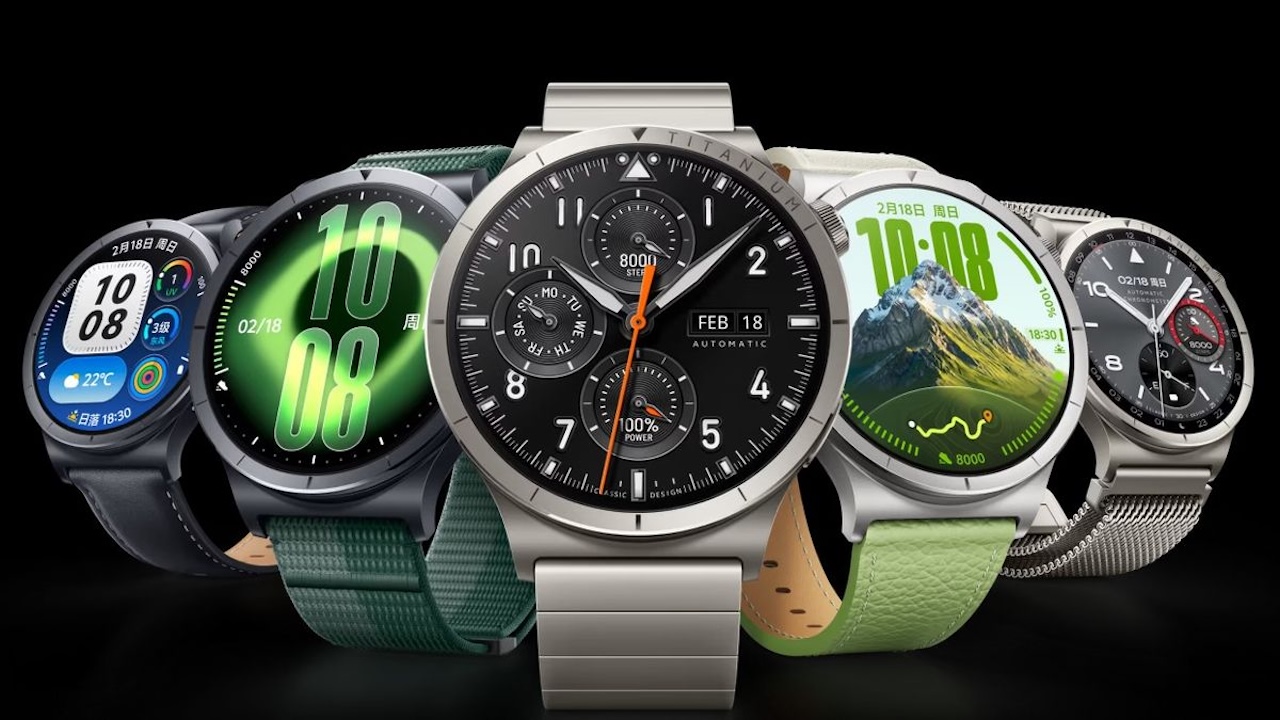
Starting at 999 yuan in China, the Vivo Watch 6 offers sapphire glass on every model alongside dual-band satellite positioning, expanded exercise tools, optional eSIM connectivity, and battery life Vivo claims can reach up to 21 days. A lighter titanium version is also available. The hardware looks unusually strong for the price, although the headline specifications need context, and buyers outside China face an important availability limitation.
Sapphire Glass Comes Standard
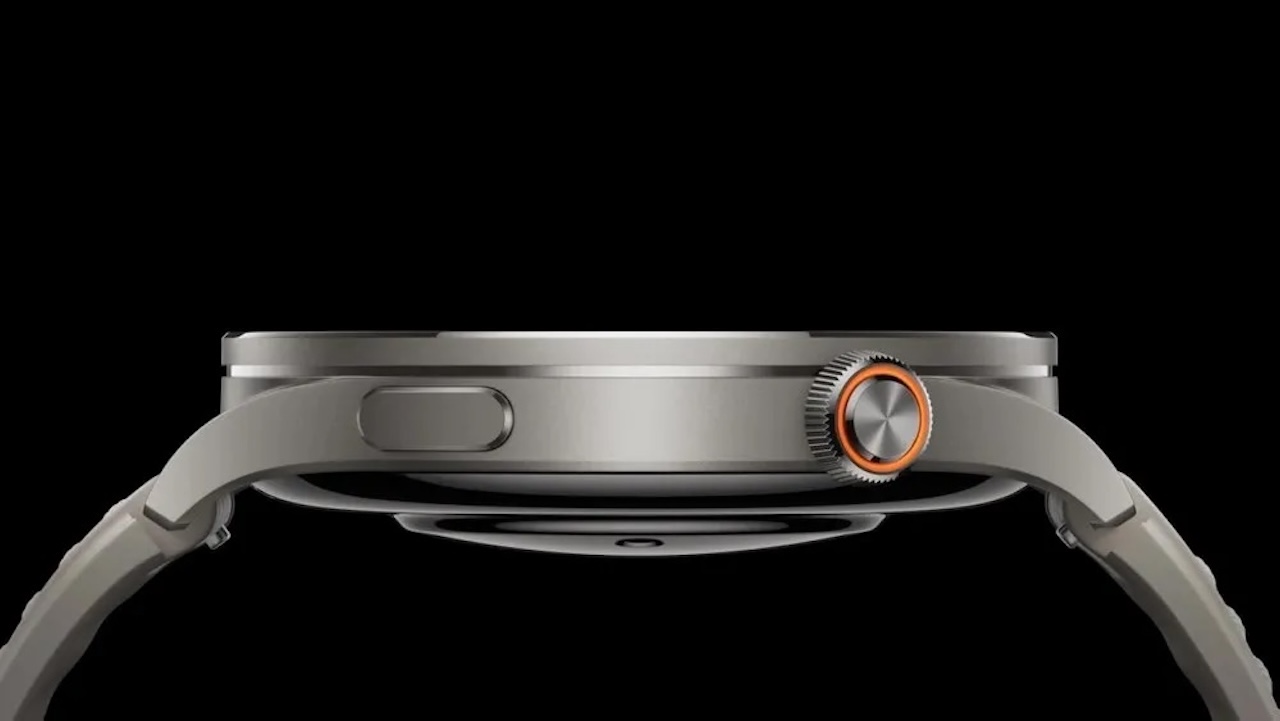
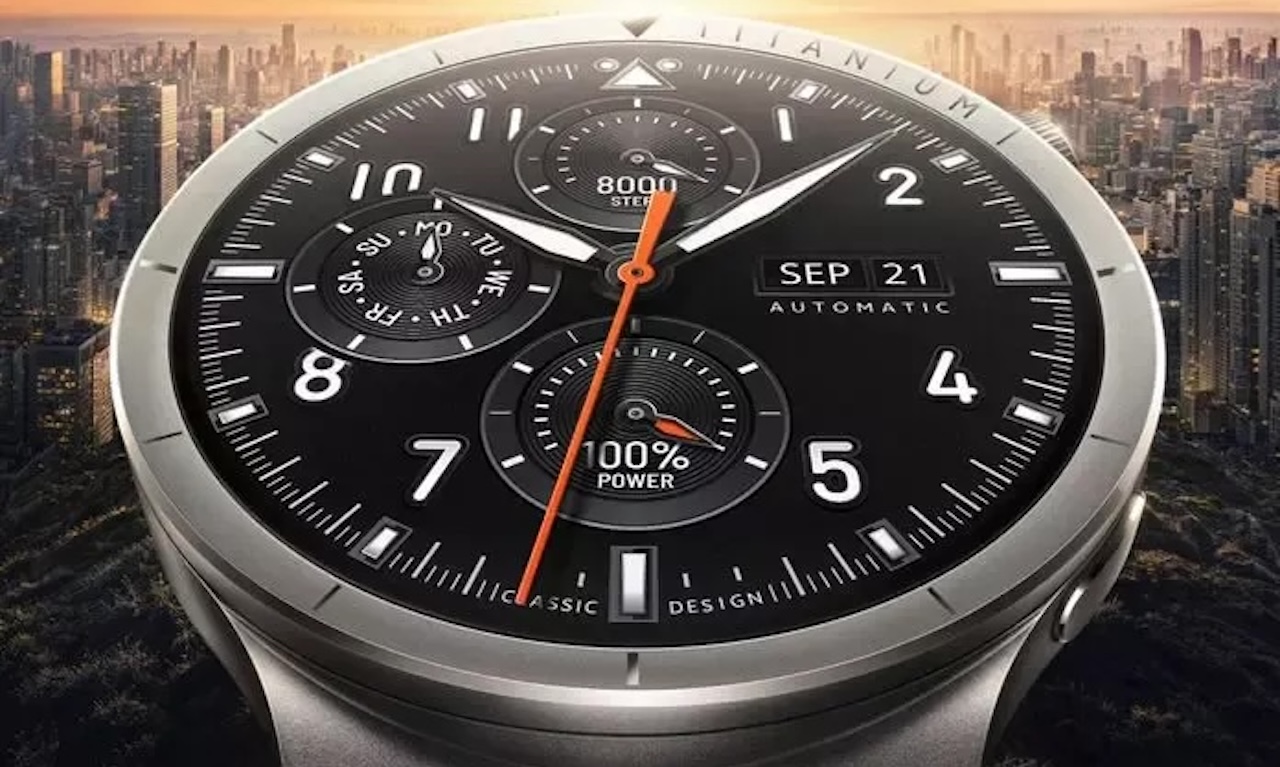
Every Vivo Watch 6 uses synthetic sapphire glass rather than reserving it for the most expensive model. Sapphire is highly scratch-resistant, which should make it well suited to everyday wear, although long-term durability still needs independent testing.
Underneath is a 1.47-inch AMOLED display running at up to 60Hz. Vivo advertises a peak brightness of 3,500 nits, but that figure applies to a 30% portion of the display during certain outdoor exercise modes. It should not be interpreted as sustained full-screen brightness.
The stainless steel versions weigh about 44 grams without the strap. The titanium eSIM model uses a TC4 titanium-alloy frame and drops the weight to roughly 37 grams. The case measures 9.5mm thick, excluding the sensor area, while Vivo lists both IP68 and 5ATM water-resistance ratings.
The 21-Day Battery Claim Needs Context
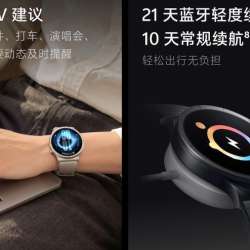
The headline 21-day battery figure represents light use rather than what every buyer should expect. Vivo rates the Bluetooth Watch 6 for up to 21 days under its defined light-use scenario, while its regular-use estimate is 10 days. Turning on the always-on display reduces the company’s estimate to six days.
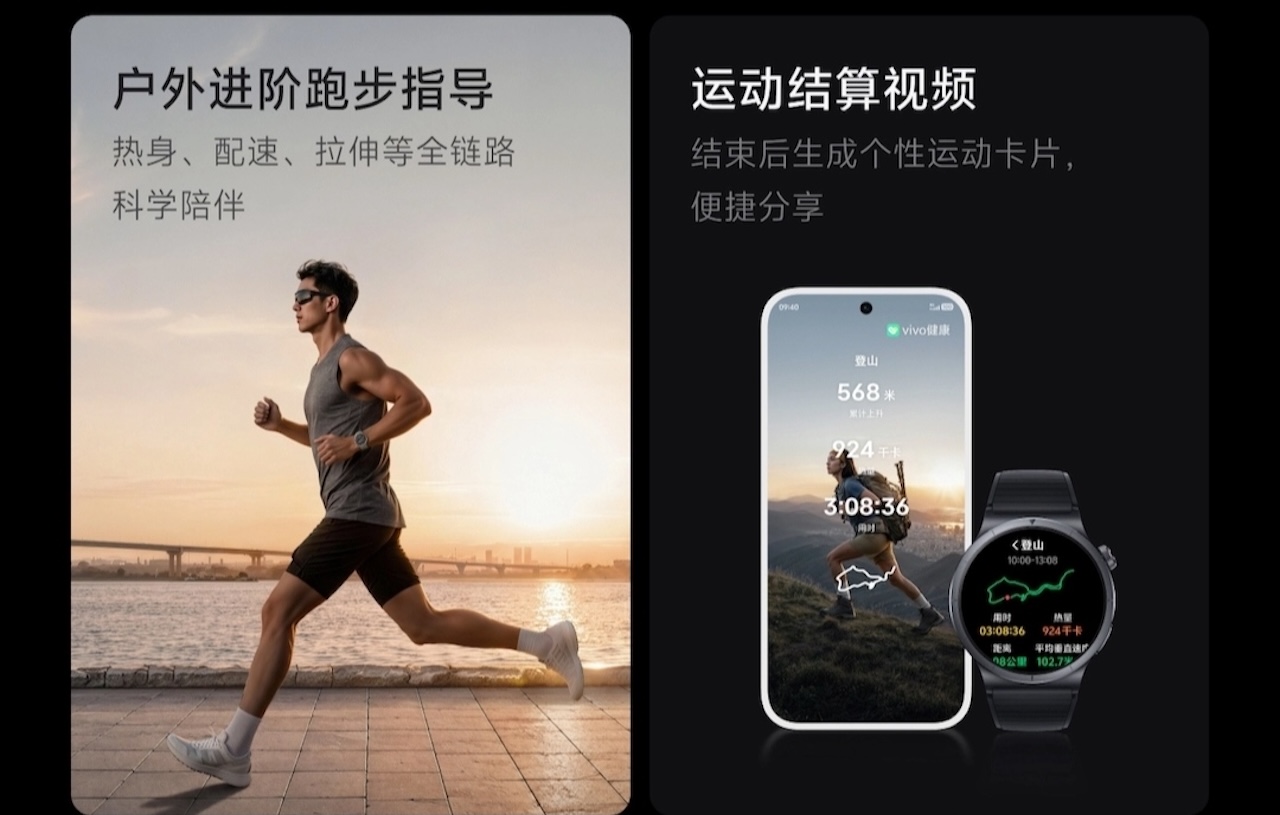 Cellular connectivity changes the calculation further. Vivo claims seven days for the eSIM model when using number sharing and four days when operating independently over cellular.
Those figures are Vivo laboratory estimates rather than independent battery tests. GPS workouts, notifications, health monitoring, cellular use, and display settings can affect real-world endurance. Vivo also says a complete charge takes approximately two hours under its specified test conditions.
Vivo Is Taking Running More Seriously
The Watch 6 is positioned as a “light outdoor” smartwatch rather than a dedicated adventure watch, but Vivo has expanded its exercise and navigation capabilities. It includes dual-frequency, five-system GNSS, a barometer, offline maps, route navigation, and track-back navigation.
Some navigation features require a future OTA update, so buyers should not assume every advertised function will be available immediately.
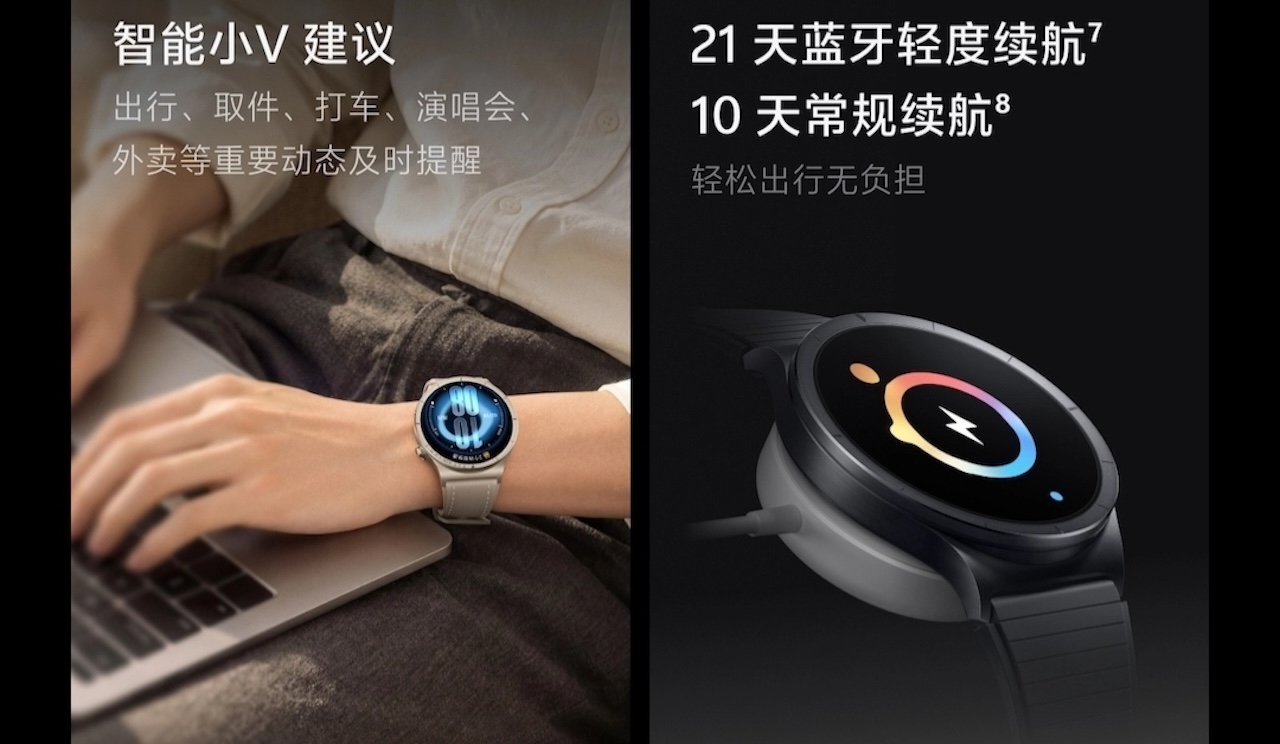 Running receives particular attention. The Watch 6 can provide running-form analysis, post-workout stretching guidance, voice feedback, and additional training information. Cycling features include gradient data, accumulated climbing and descending, and cycling-specific heart-rate zones.
Vivo says its upgraded heart-rate system achieved 97.2% average accuracy across its testing scenarios when compared with a professional heart-rate strap. That figure comes from Vivo’s own laboratory testing, not independent validation. Wrist-based optical sensors can also be affected by movement, fit, skin contact, and exercise type.
Health Tracking Goes Beyond the Basics
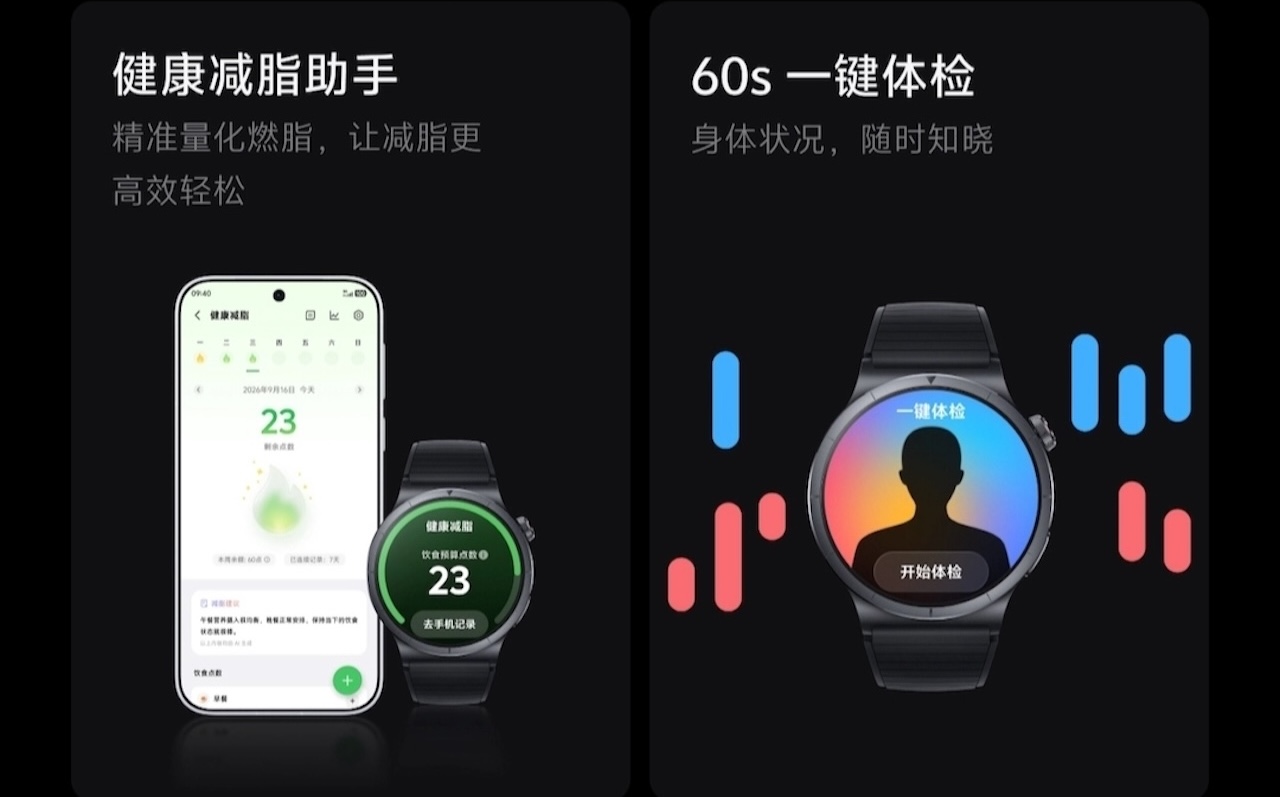
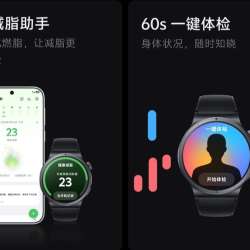
The Watch 6 uses an eight-channel heart-rate sensor and 16-channel blood-oxygen system. It supports continuous heart-rate monitoring, blood-oxygen tracking, sleep information, and other wellness features. A 60-second health check can collect multiple measurements into one overview, although access to the complete feature requires participation in Vivo’s relevant health research programs.
 The watch can also analyze pulse-wave data for signs associated with atrial fibrillation and premature beats. Vivo’s pulse-wave premature-beat and AFib analysis software has received Class II medical-device registration from China’s Guangdong Medical Products Administration.
That registration applies to the specific software rather than every health feature on the Watch 6. Vivo also states that its alerts are for reference rather than clinical diagnosis, so the watch should not be considered a replacement for professional medical evaluation.
BlueOS 4.0 Comes With an Ecosystem Tradeoff
The Watch 6 runs Vivo’s BlueOS 4.0 rather than Google’s Wear OS. It supports NFC, music, calls, messaging, and Vivo’s smart-assistant features, while the eSIM versions can handle calls independently when supported by compatible carriers.
 The bigger issue for international buyers is that Vivo has announced the Watch 6 for China, not as a global product. Sales begin there on September 28, with the Bluetooth model priced at 999 yuan, the stainless steel eSIM version at 1,399 yuan, and the titanium eSIM model at 1,999 yuan. Vivo has not announced international pricing or availability.
Third-party importers may eventually offer the Chinese model, but that is different from an official international release. Region-dependent features such as eSIM activation, NFC payments, AI services, health functions, apps, and other BlueOS services may have compatibility or availability restrictions outside China. Warranty and after-sales support may also depend on where the watch was purchased.
Until Vivo announces a global version, buyers outside China should treat the Watch 6 primarily as a China-market device rather than assume every advertised feature will work in their country.
Should You Buy the Vivo Watch 6?
For buyers in China, the Vivo Watch 6 makes a strong case for anyone who wants longer battery life and better materials without immediately moving into premium smartwatch pricing. The 999-yuan Bluetooth version is particularly interesting because sapphire glass comes standard while Vivo still claims up to 10 days of regular use. Runners and cyclists gain more detailed training features, while buyers who want phone-free calls can consider the eSIM versions.
For everyone else, the buying decision is less straightforward. Importing the Watch 6 for its hardware may be tempting, but the potential loss of region-dependent services weakens much of the appeal of its eSIM and smart features.

Price: 999 yuan (About $149)
Where to Buy: Vivo
If Vivo eventually launches the Watch 6 internationally with local eSIM, payment, health, and software support, its combination of sapphire glass, long claimed battery life, offline navigation, exercise tracking, and optional cellular connectivity could make it worth watching. Until then, the Watch 6 is best viewed as a compelling China-market smartwatch rather than a direct global alternative to watches that can be officially purchased and supported locally.
Sign up for our newsletter today.
No ads, no spam, just links to our latest articles!