Credit: Cory Gunther / How-To Geek
Android phone makers are offering less RAM in their latest devices to keep costs down. Now, Google is calling on Android app makers to limit the performance hit. As of February 2027, Android apps on the Play Store will have to meet “bad behavior thresholds” to stay on Google’s good side.
An updated policy requires that apps have tighter reins on dynamic memory usage (such as private storage and swap memory), bitmap images, and app bundle optimization. New developer tools will help creators track bloat, flag memory-related crashes, and improve code efficiency.

Google Pixel 11 Pro
Brand
SoC
Google Tensor G6
Apps that cross the thresholds after February might see “reduced app visibility and publishing capabilities” on the Play Store, Google says. They might not be banned, but they might have reduced exposure. Google expects the thresholds to “adapt over time” as it better understands what Android app developers need.
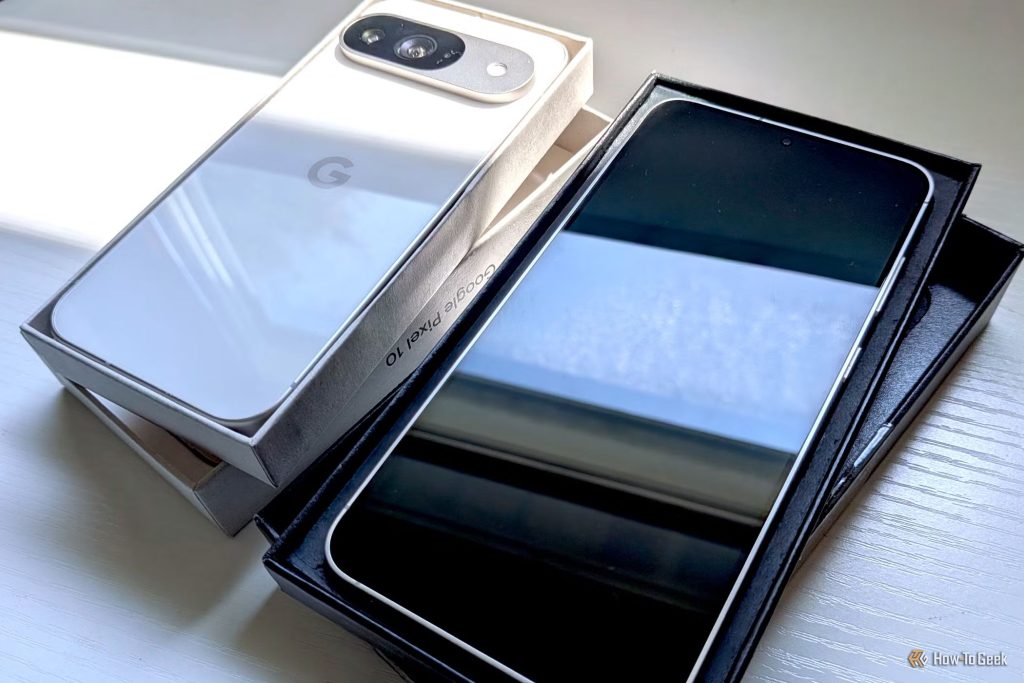
The move is unsurprising. Even Google has trimmed memory to keep prices in check, dropping from 16GB of RAM in all Pixel 10 Pro phones to 12GB in the Pixel 11 Pro series. Asking developers to reduce their memory footprint improves the perceived performance and will help Android brands sell more devices.
The catch, as you might guess, is that app writers are now under pressure to fine-tune their software, with targets potentially shifting over time. This could improve Android’s overall experience by reducing the number of poorly-optimized apps, but might strain smaller developers that don’t always have the time to refine their code.
It’s getting easier to migrate apps between Android devices
You won’t have to sign in so often
Alongside the memory usage demands, Google will also require that Android apps make it easier to migrate between devices.
As of April 2027, Android apps will have to support the Zero-Tap Sign-In standard to automatically restore your signed-in state when you switch to a new device. You won’t have to log in to quite so many apps when you buy a new phone.
Games are exempt from the migration requirement so far, but there will be guidance and custom solutions for “complex” sign-ins coming in 2027. Your favorite online title might let you immediately resume playing.
Again, Google is hoping to spur Android device sales. Many people dread phone upgrades as they can involve signing in to and restoring apps long after the initial startup. If Google can ease that pain, you might be more willing to purchase a new handset knowing that you won’t have to reenter (and remember) a fluurry passwords just to get started.