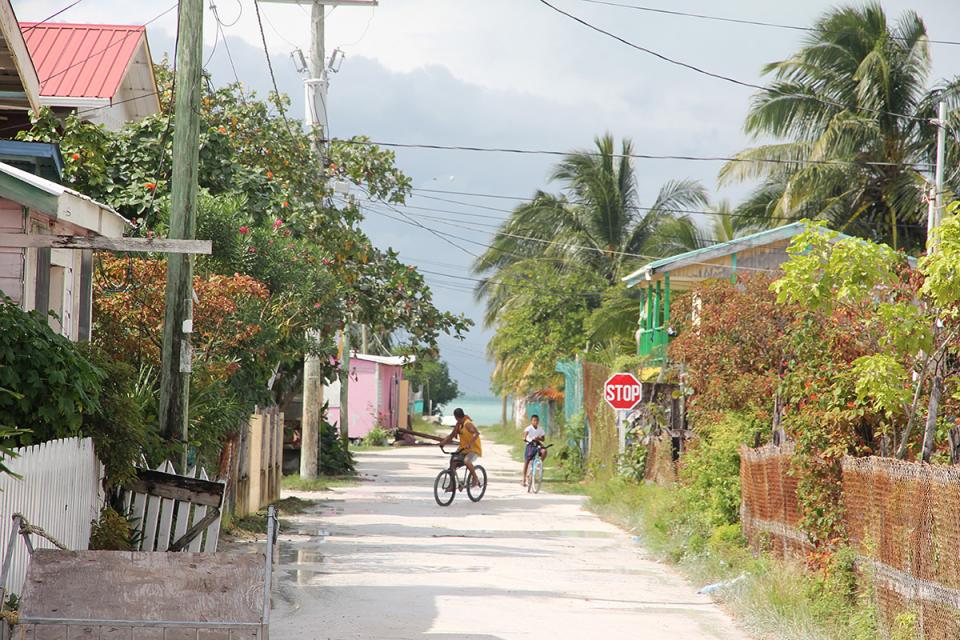
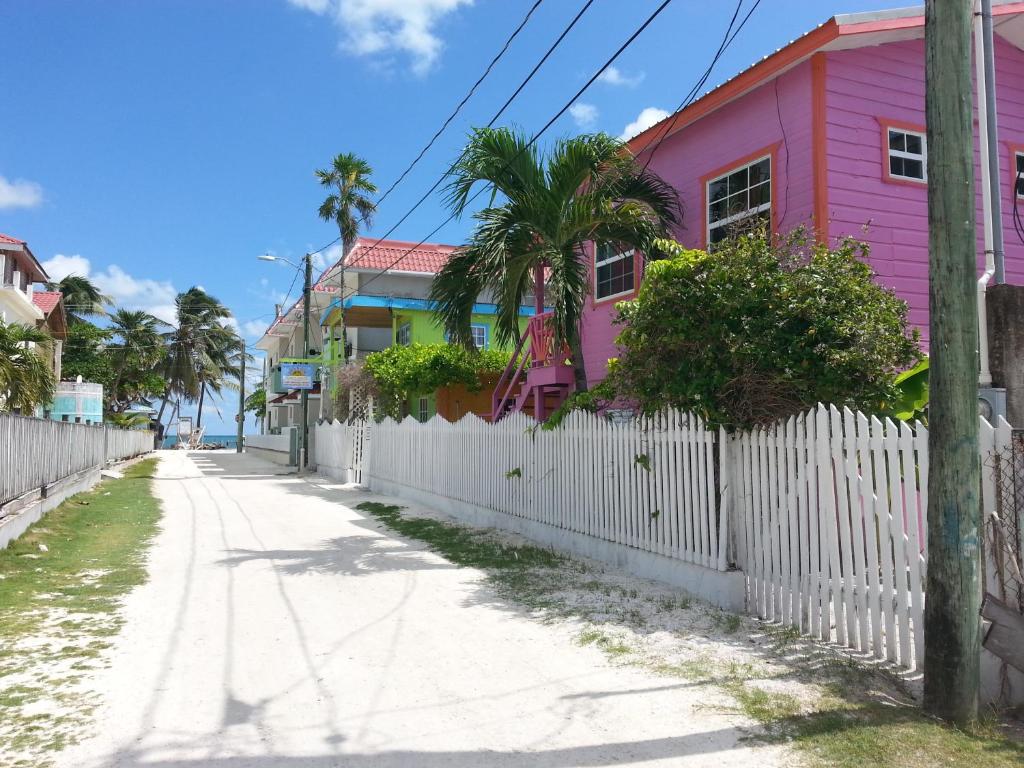
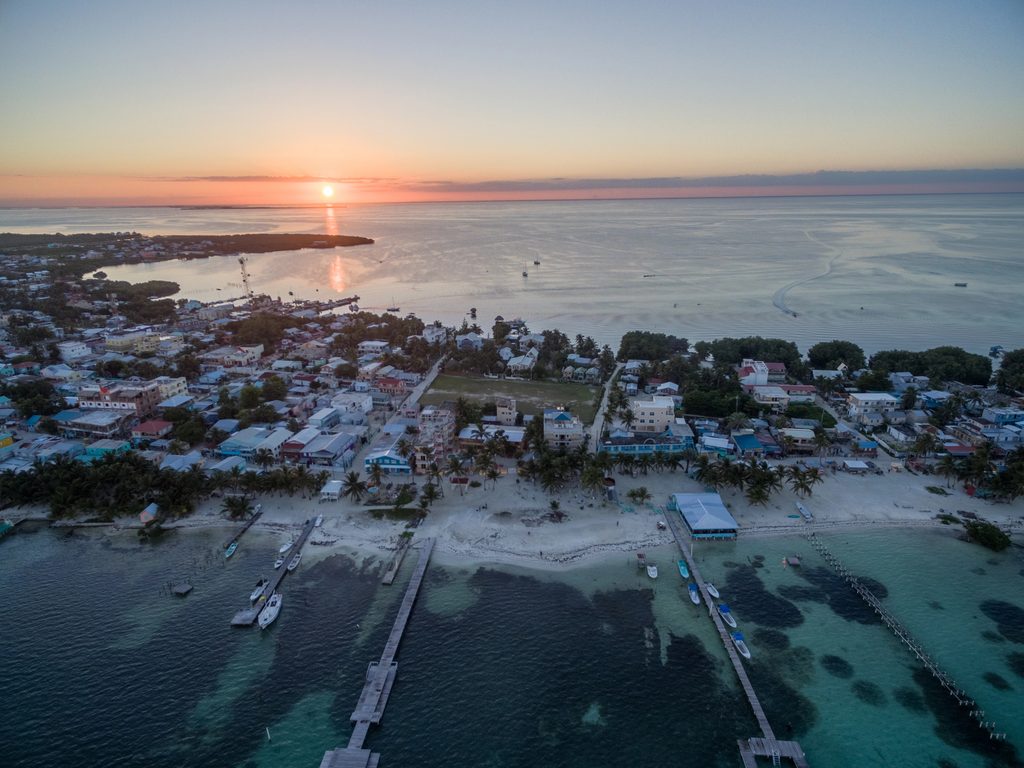
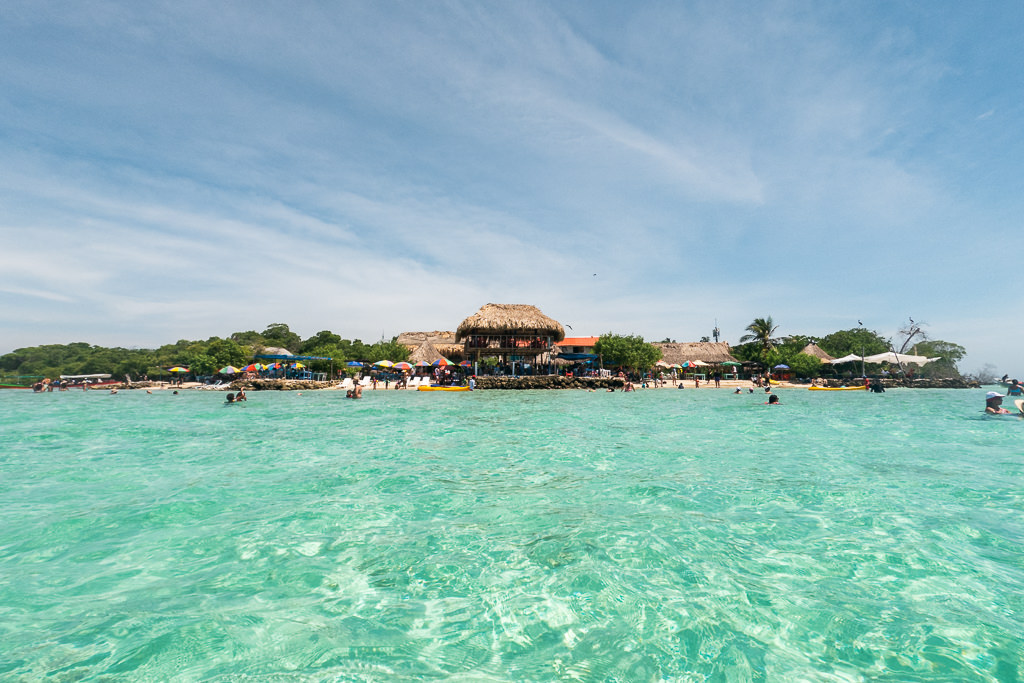
As our boat rocked its way into a small snorkelling bay on Isla Grande, ‘La Playita’, Pablo Escobar’s alleged Caribbean hideaway, came into view from behind towering palms. I hadn’t come to The Rosario Islands for its infamous and contested connection to Colombia’s most controversial figure (in fact, I hadn’t heard anything about it) – but our guide was certainly keen to show it off.
While she told stories of sunken smuggler planes and secluded narco empires surrounded by nothing but coral reefs, blue sky and even bluer waters – I started to see why these islands on the edge of the world were claiming a legendary stake in Colombia’s contemporary history.
I didn’t question her tales and returned to my accommodation with an appreciation for The Rosario’s mysterious, but slightly dubious, secret.
Las Islas del Rosarios are a protected national coral reef park, made up of 27 individual islets, sitting just an hour off the coast of Cartagena.

They are a truly tropical escape and during my time in the city, I spent four days on the islandssnorkelling, partying and learning about the (uncertain) local history and indigenous island communities.
The Rosarios are a getaway for both Colombian tourists and international travellers alike, and if you’ve stayed in Cartagena, you’ve definitely been offered a day trip or boat tour.
If you’re planning a Colombian adventure or a Cartagena city break, and aren’t sure whether to visit The Rosario Islands, what to do there, or whether they are just a day trip or worthy of a longer stay – look no further than this destination guide.

Islands outline & map
Officially known as the ‘The Natural Coral National Park of the Rosarios & San Bernardo Islands’ – some of the Rosario islands aren’t really islands at all. In fact, Isla Barú, famous for the crystal waters and white sand of its Playa Blanca beach, is a peninsula connected to mainland Colombia via a bridge. This is one spot you can reach either by boat or by bus from Cartagena.
Most day trips, and the majority of resorts and hostels, surround Isla Grande – an hour by boat from Cartagena and the hub of tourist activity.
There is also the party island of Cholón to the east and the San Bernardo islands, including Tintipan, to the south (see map below)
I might be biased after spending my days on Isla Grande, but this central island is perhaps the best Rosario basecamp for activity access, getting a real feel for the island’s Caribbean flavour and has (slightly) more infrastructure than neighbouring islets.
Above: The main cluster of pins nearest to Cartagena are the core Rosario Islands. The pins further south are the San Bernardo Islands — more distant but also less crowded. If you’re staying in the main Rosario Islands, you can still visit the San Bernardo Islands on a day trip, or vice versa.
How to get there
Even before you reach the Rosarios, the journey to the islands is a memorable one.
Leaving the marina in Cartagena, you cruise the city’s skyscraper barrio of Bocagrande, the island of Tierra Bomba, and pass through historic city walls and idyllic fishing villages before heading out into an endless expanse of the Caribbean Sea.
The ride to the islands is not for the faint-hearted – after growing up sailing on the windy British coast, even I was left clinging onto my backpack for dear life for 45+ minutes of any journey.
Most trips leave early in the morning to avoid high winds and strong currents and return before sunset. It is nearly impossible to get to the islands at night, so plan accordingly for any arrival in Cartagena.

Like much of the Caribbean, December- April is The Rosario Island’s dry season and offers better water visibility and smoother crossings. I visited a few days before Christmas, and while the winds were strong on the way there, the water a striking aquamarine colour with barely a cloud in the sky.
Colombian tourists tend to visit the islands nearer to the holidays, so be aware that this is an exceptionally busy period.
Day trips & group tours: the standard route
Tours leave from Cartagena’s marina (Muelle de la Bodeguita) from around 8-9 am and can be booked directly with vendors at the port or online and through city-based accommodation.
The port is well-organised and many separate tour companies operate from the marina. Vendors often have designated ticket booths which are slightly more official than buying a tour with someone on the streets nearby.
What to expect:
- Group size: 20–40 per boat; premium catamarans 10–15.
- Cost: ~Approximate — rates updated daily for the boat. Lunch, port tax, and park entry usually extra — confirm before paying.
- Comfort: basic. Bench seating, a wet and bumpy crossing, no shade on some boats.
- Best for: solo and budget travellers happy with a fixed schedule and shared beaches.
1. Guided island-hopping tour: If you actually want to get off the boat and experience different islands and beach clubs. It includes 3 island/beach stops, plus lunch. The exact route depends on the ticket:
- Eco: Rosario Island + Grande Island + Marina Island/Oceanarium
- VIP: Islabela + an island resort + Mantas Beach Club
- Party: Barú/Marina Island + Grande Island + Cholón
2. Catamaran cruise around the Rosario Islands: If you’d rather spend the day sailing, swimming and snorkelling than rushing between islands. It’s a spacious 7.5-hour catamaran trip with two swim/snorkel stops, lunch prepared onboard and drinks but no island or beach stops.
Private trips: the premium route
You can charter speed boats and private trips from vendors at the marina throughout the day, including straight-forward transfers to hostels and hotels.
It is quite difficult to book a return journey when visiting the islands without a tour, so taking a boat owner’s WhatsApp number or pre-arranging with a hostel or hotel is your best bet.
(For Isla Barú, a taxi to the peninsula is around an hour from Cartagena’s centre and tourist shuttle buses and specific Playa Blanca tours do run from the marina area. Public buses service the island, but you might have to change a few times!)
What to expect:
- Group size: speedboats typically seat 6–12
- Cost: ~Approximate — rates updated daily for a full day’s charter, depending on boat size and season.
- Comfort: cushioned seating, shade, and space for bags; still a fast, choppy ride in open water.
- Works for: groups splitting the cost, families with young children, and anyone staying overnight on the islands who needs a specific pickup time.
Public boats: the independent/cheap route
You will need to head to Muelle de la Bodeguita to catch one of the ferries, the same marina the tours leave from. Boats to Isla Grande depart when they’re full rather than to a timetable, the crossing takes an hour or more.
The tickets for the ferry range from Approximate — rates updated daily. The last ferry from Cartagena to Isla Grande leaves at 09:00 in the morning, and the last ferry from Isla Grande to Cartagena leaves at 15:00. You can prebook tickets here.
This route is best for travellers staying more than a day on Isla Grande, and anyone who’d rather sort their own day than follow a fixed route.
book your ferry cartagena ➡ isla grande
Things to do on the Rosario Islands
If you aren’t a nature lover or a fan of getting your hair wet – it’s at this point I’d recommend staying on land. The Rosarios are teeming with unique marine life and offer countless opportunities to observe them.
Even if you prefer being shore or boatside, the islands are also home to pristine beaches, mangrove forests, community projects and of course – that infamous Pablo-adjacent history.
1. Snorkelling & Scuba-diving – with a sunken smuggler plane?
Getting amongst the coral reefs is the most popular activity on The Rosario Islands and can be easily done on a day trip. One of the best snorkelling and free diving sites is in Isla Grande – where you can catch a glimpse of Pablo’s supposed island mansion and swim above the wreckage of an alleged smuggler plane.
The site is shrouded in mystery — with many boldly claiming the plane was owned by Escobar and shot down by the Colombian authorities, spilling large quantities of ‘forbidden exports’ into the island’s waters.
During the nation’s internal conflicts, smuggler planes were shot down in the Colombian Caribbean, but the boring truth is that this plane was placed in the area as an artificial reef – perhaps seeing more tropical fish action than cartel operation. I was a little bit disheartened when I found out the legend was rather loose — but either way, it’s a unique diving experience (and you can always use your imagination!)


Snorkelling and scuba-trips leave from Cartagena but can also be arranged with vendors on the islands and through hostels and hotels.
The best sites are usually offshore, and the reefs make for calm conditions for beginner divers as well as a guaranteed chance of seeing exotic sea life. In just a forty-minute dive, I was lucky enough to spot sea turtles, eels and even baby dolphins in the distance.
Animal welfare note: There is an Oceanarium on The Rosario Islands, often advertised as ‘a chance to see marine life in their natural habitat’ or as a conservation centre. I’d suggest skipping the centre as we were quite shocked at the conditions that dolphins, seabirds and turtles were living in. The site is protested frequently by Colombian animal rights groups, so if that matters to you – it is perhaps best avoided.
If you’d just like to catch the highlights from your base in Cartagena, this full-day boat tour of the Rosario Islands covers most of what’s above in one go. It runs out through Cartagena Bay past the Bocachica forts, stops to snorkel the reefs, takes in the sunken plane off Isla Grande, and finishes with lunch and beach club time at Playa Blanca on Barú.
One thing to know before booking: You choose between snorkelling and the Oceanario. Snorkelling is the better pick.
2. The Orika Community and Mangrove Forest kayaking
Many people wonder if the Rosario Islands are still home to a native community. While some islands are uninhabited, fishing villages persevere on Isla Grande and smaller San Bernardo islets. If you love history, indigenous culture and immersive experiences, then a community tour with an Orika guide is an underrated Rosario gem.
The Orika community are the indigenous peoples of the Rosario Islands and use cultural experiences and mangrove tours to showcase their local practices.
We started with a lesson in the island’s Afro-Caribbean links, which moved into a cookery class, followed by a performance from community musicians.
In the afternoon, we kayaked the winding Mangrove forests learning about local fishing practices, how tourism has impacted the community and how the islanders are adapting. The community also offer evening tours into the Mangroves and along the coast to witness bioluminescent plankton.
This was one of my favourite experiences in the Rosario Islands because of how interesting the small community’s remote way of life is and the tranquillity of the Mangrove forests.

If you can’t get enough of cultural connection and local history – this tour was available through our accommodation (Secreto Hostel) and had visitors who’d travelled from Cartagena for the day, too. We had time in the afternoon to relax on one of Isla Grande’s better beaches, so if it sounds like your thing – you’ll still get to see an iconic Rosario beach on a day trip with a time crunch.
3. Beaches, boat parties & day-passes
When many Colombians hear ‘Las Islas del Rosarios’ they immediately think of boat parties, booze and beaches, and the islands are widely known as a Caribbean party destination or resort getaway.
Day-passes to beach clubs and resorts are common for both day trips and longer stays and can help avoid the hassle of vendors on public beaches.
One of the most popular islands for this is Isla del Pirata – a private tropical island and eco-hotel with day passe cover the pool, loungers and lunch at the restaurant.
Naturally, most hostels and hotels have private stretches of sand if you are staying on the islands for a while. If you’re on a strict budget, I’d suggest skipping just a day-pass tour as entry fees can be quite steep and you usually only get to experience a small part of the Islands.


If you don’t mind busy beaches, Playa Blanca on Isla Barú is your best bet for sun and sea without a paywall. It is very busy on weekends, but less intense off-season and during the week. You can lock your day pass via GetYourGuide.
There are also a few public beaches scattered around Isla Grande, although a lot of the prettiest playas are sadly owned by resorts and hotels.
Most beach-hopping day trips should include resort entry fees to any beaches you are taken to but enquire beforehand just in case!
Before we went to the Rosarios, a lot of people told us the real nightlife and party crowd resided nearer to the San Bernardo Islands and Isla Cholón. Hostels like La Casa en el Agua are infamous for day parties and backpacking hedonism, and Isla Cholón is known locally as an area where party boats gather, and music events are held.
While you can definitely still enjoy nightlife on Isla Grande and the neighbouring resorts – if you like to party hard these islands are a guaranteed good time.
Where to stay on the Rosario Islands
Paywalled beaches and resort culture can be off-putting for any budget backpacker or make-do traveller, and The Rosario Islands are not famous for cheap or non-luxury accommodation.
If you aren’t the all-inclusive type but you do want to dedicate more than a day to the islands – here are some more affordable recommendations.
1. Eco Hostel Arte y Adventura, Isla Grande
Located just a short distance from one of the island’s best public beaches, Playa Libre, – Eco Hostel is an affordable Isla Grande option.

The only way I can describe the site is ‘beach-shack basic’ and the owner prides himself on the simplicity and sustainability of the rustic property.
The hostel offers both traditional Rosario activities like boat trips and snorkelling tours, as well as yoga and art classes in a gorgeous natural setting. The site is small with just one dorm and a few private rooms – so not a super social experience, but a calm and restorative escape.
2. La Casa en el Agua, Tintipan Islands
Perhaps the most unique hostel on this list, La Casa is a floating island in its own right. Moored off the San Bernardo Islands, this is a sociable hostel with an atmosphere that attracts both international and domestic partygoers.
Days here rarely go to plan with all-day parties, deck-side bar sessions and dips off the dock. When you do come up for air – the hostel offers snorkelling, mangrove tours and boat trips into the Rosarios, as well as rentable kayaks, paddleboards and a chance to see bioluminescent plankton. Even staying just one night, my time at La Casa felt a lot longer with the number of activities available and the instant social buzz.


With a range of mixed dorms and privates – this lively hostel is perfect for solo travellers, and those who perhaps love their nightlife as much as their wildlife.
A word of warning, however, for digital nomads — La Casa has a ‘strictly no Wi-Fi’ policy and runs on solar energy, which they do say means charging ports and electricity aren’t always available. A truly unplugged experience!
3. Hotel Isla Azul, Isla Grande
When we arrived at Hostal Secreto (now Hotel Isla Azul), I was slightly nervous that I’d accidentally booked a resort. It’s a large complex — including a private beach, swimming pools and summer houses. Despite the luxury look, it serves budget travellers well with kitchen areas, dormitories, affordable tours and an on-site restaurant.
The Rosario Islands aren’t a major backpacking hub, but Secreto managed to be social enough. The Hostel also arranges transport to and from Cartagena, and despite dodgy middle-of-nowhere Wi-Fi, we couldn’t really fault our stay.
Editor’s Note: This property changed owners and is now known as Hotel Isla Azul. Private rooms start at Approximate — rates updated daily per night.
Daytrip vs. longer stay? My verdict
If I’m being honest – The Rosario Islands didn’t blow me away initially. However, when people ask me about my time in Colombia, I find myself inclined to let them in on the Island’s famous fables and the uniqueness of the wildlife and natural experiences I had there.
The Rosarios don’t pretend to have something for everyone (as much as some of the history is slightly forced!), so if you aren’t partial to the slow life or endless days underwater –I would argue it’s best left as a day trip.
In fact, my verdict on whether you should stay for multiple days or just the one depends entirely on how long you have in Cartagena, or Colombia, as a whole.
If you’re staying a while in Cartagena and around, the Rosario Islands are a fantastic weekend break or 3–4-night getaway and you can easily tick each islet off the list.
If you’re short on time here or on your Colombia trip in general, I’d suggest a daytrip with multi-island stops, or a mix of beach and snorkelling activities. If you’re staying in Cartagena for at least several days it probably warrants a trip, and if you are a passionate diver or love marine life, you could even dedicate a day to the islands on a shorter city-break.
No matter what you think of The Rosario Islands, their bold claim to Escobar-enthused fame, beautiful coral reefs and beaches and welcoming island community easily make them an intriguing and worthwhile destination. They truly represent the laidback, beach vibes of Colombia’s Northern coast and if you can forgive them a few historical white lies – I wouldn’t skip the trip.