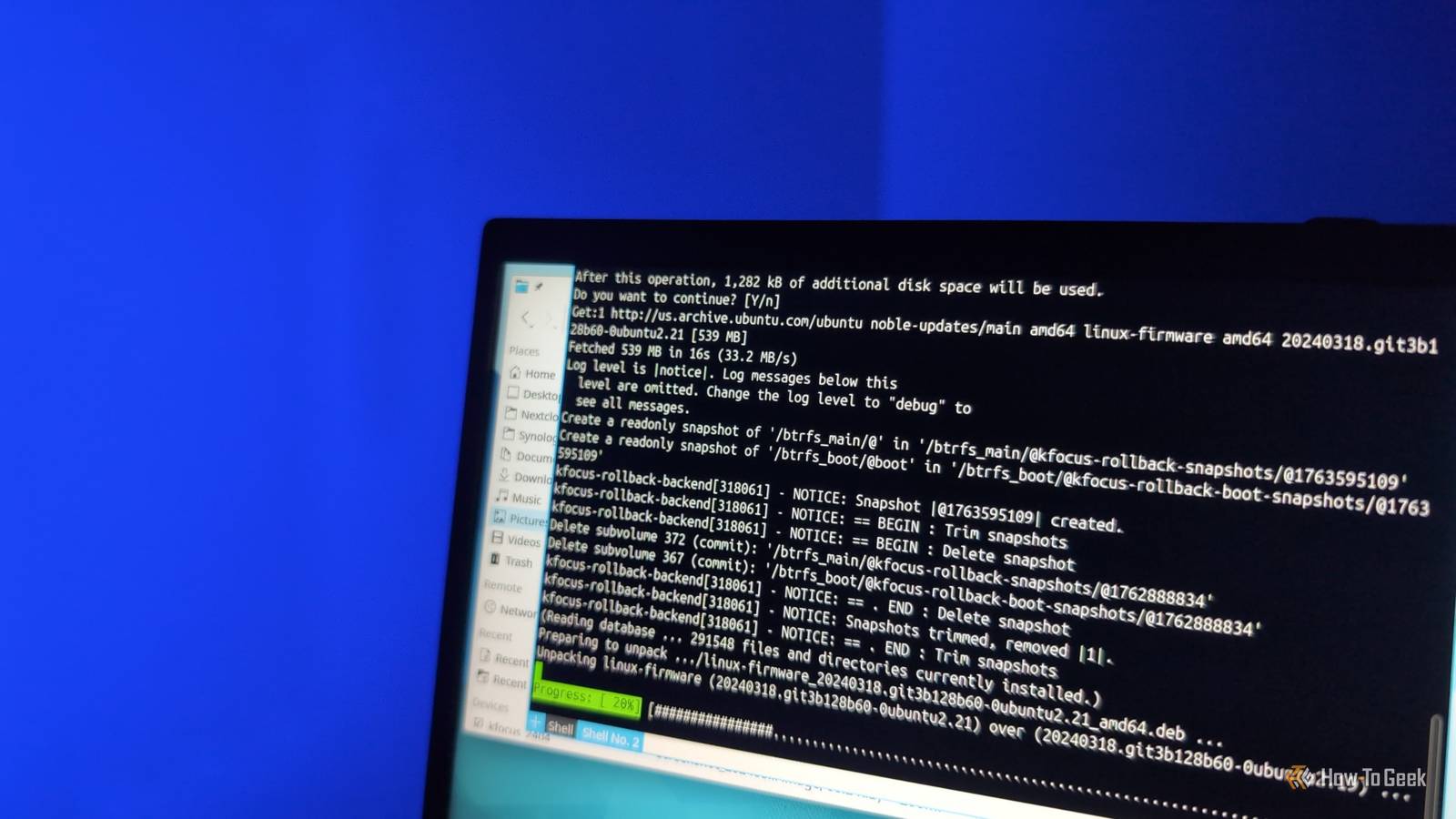
 Credit: Jordan Gloor / How-To Geek
I’ve used Linux seriously for over 20 years. I love it, but as with a lot of things I like it’s not necessarily for everyone. Still, more people are talking about Linux, and looking to switch to it, more than ever. Over the years of using Linux, here are the users I believe would get the most out of Linux.
People who want to learn about computers
Linux is a hands-on computing lab
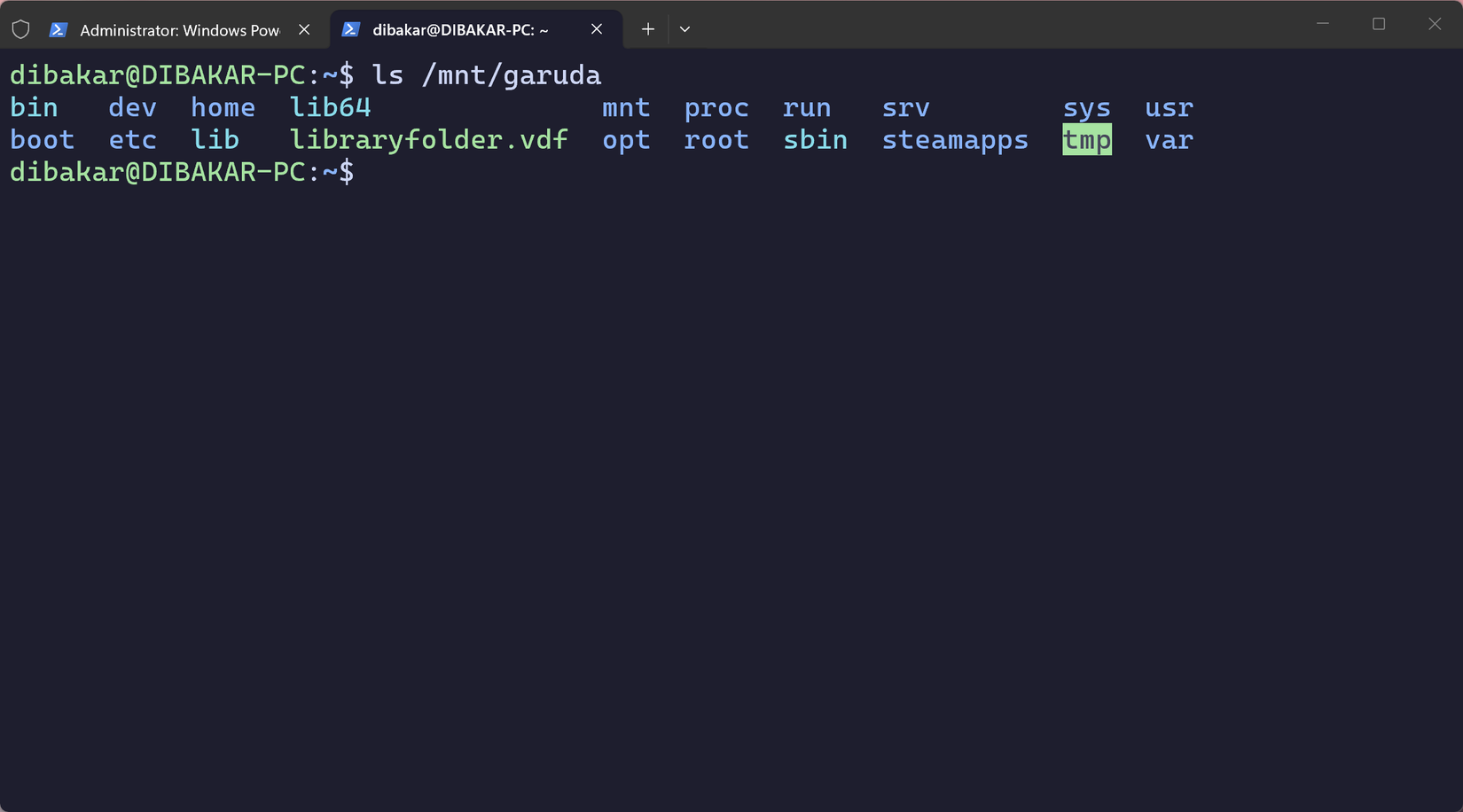
If you really want to learn how computers work and don’t want to be “just” a user, Linux is a good place to start. Linux builds on the tradition of Unix as the lingua franca of computer science. It’s not just an operating system among programmers and technical people, but may be closer to literature.
Whether you’re looking for a career in computers or are just curious, it’s the choice of technical people for a reason. Almost all the servers on the internet run Linux, so if you’re considering a career in IT, it’s worth learning about Linux on that basis alone.
Linux and Unix culture is also just plain fun and a refreshing change from the standard Microsoft-based business IT culture. There’s always something new to discover.
Programmers and technical people
Linux gives them the tools to get their work done
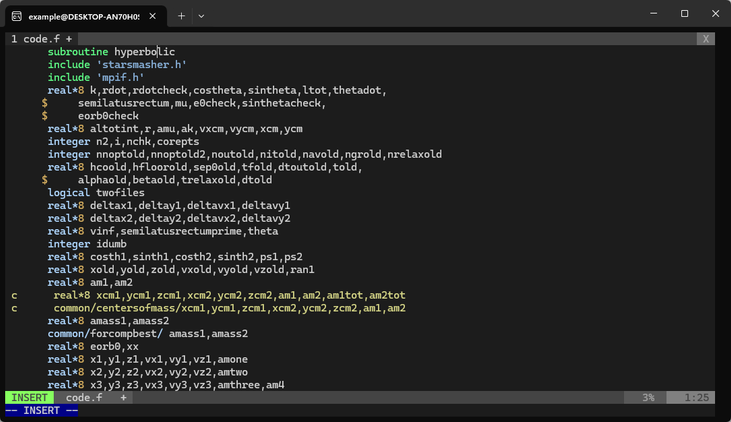
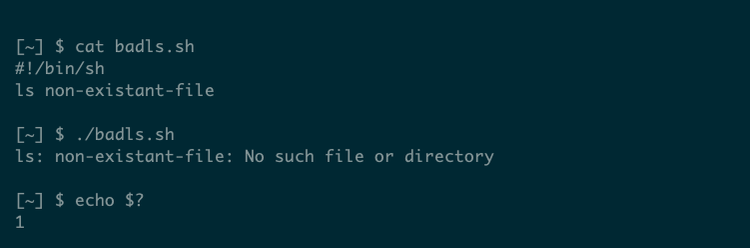
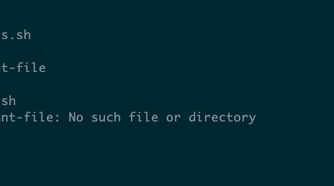
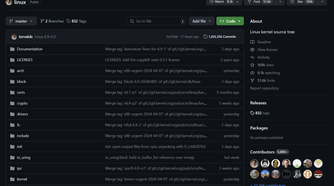
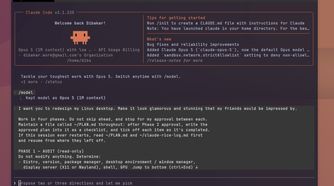
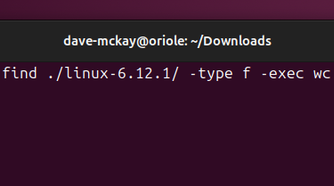
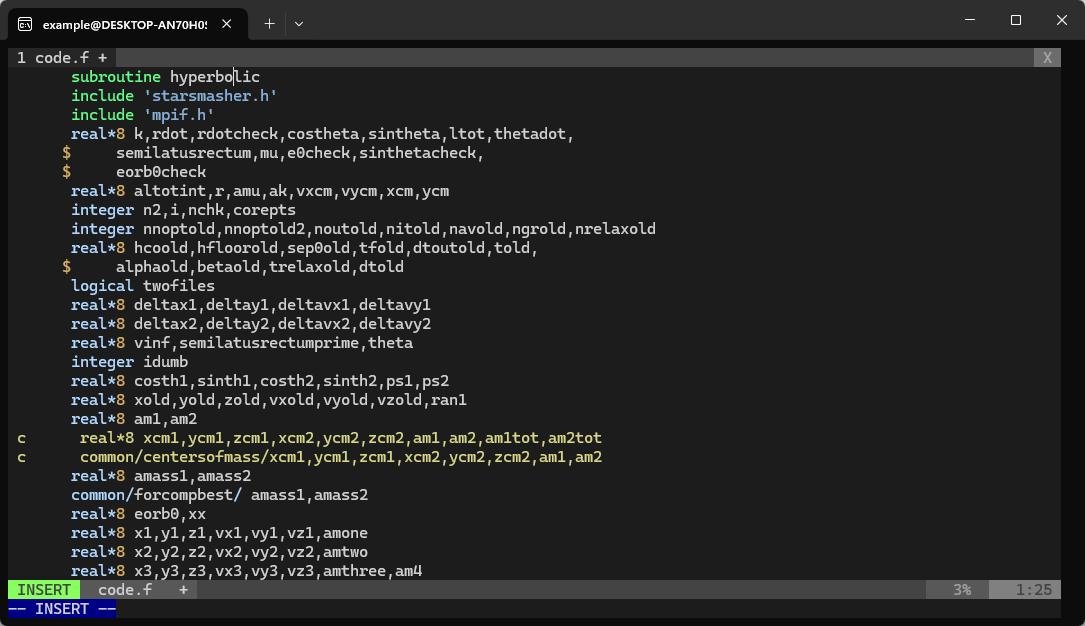
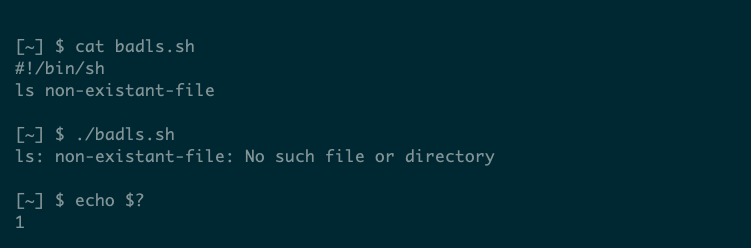
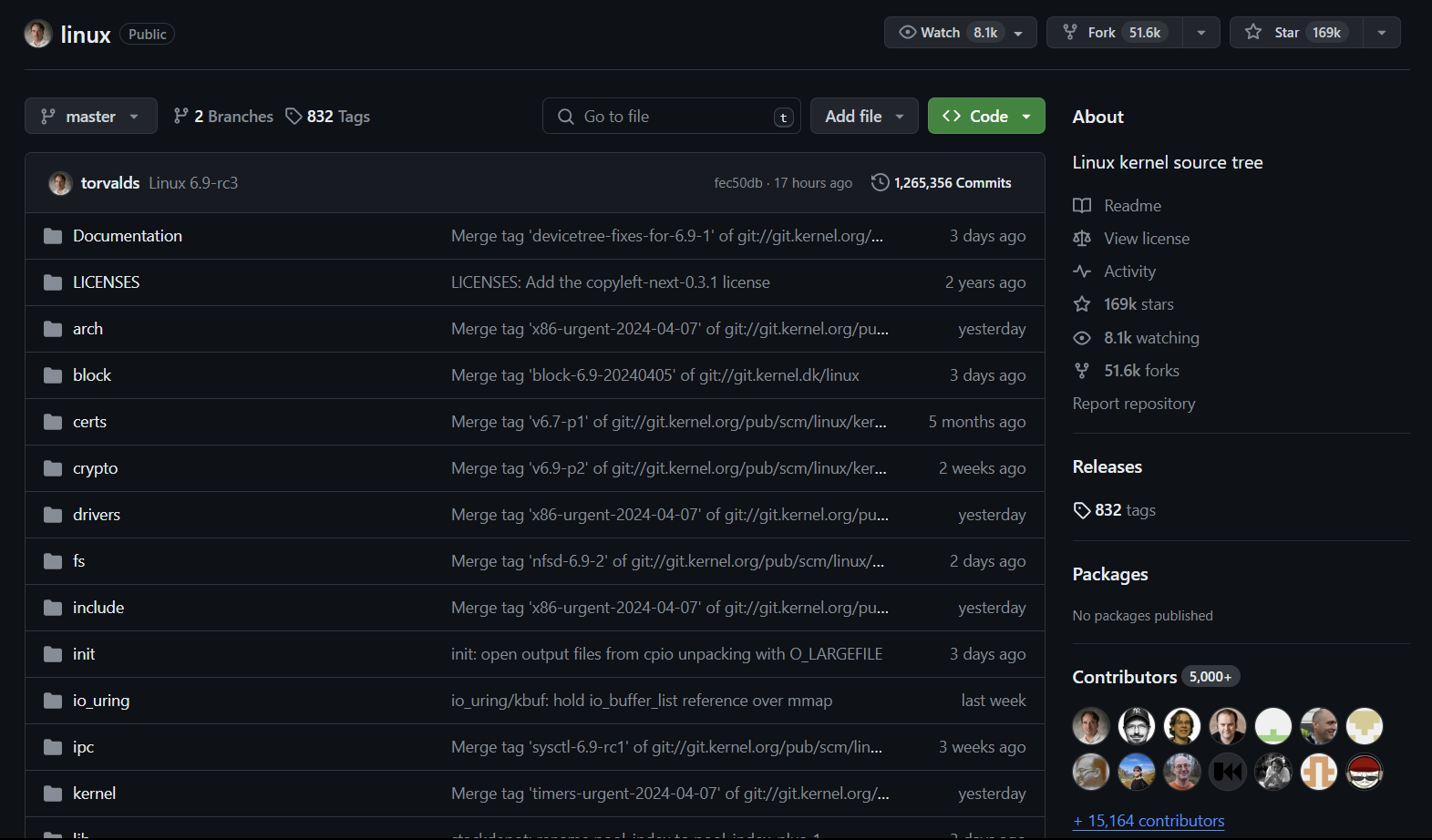
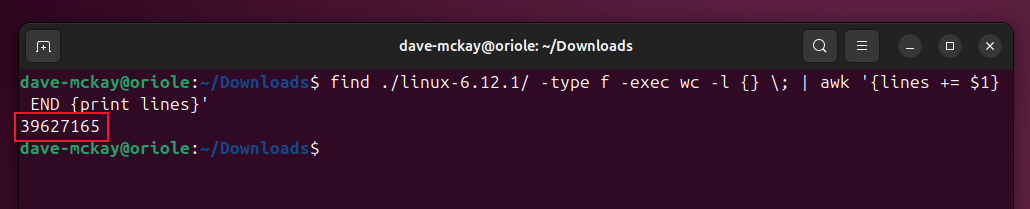
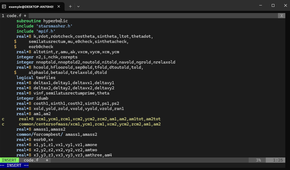
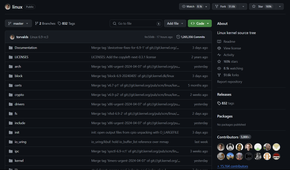
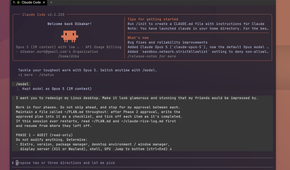
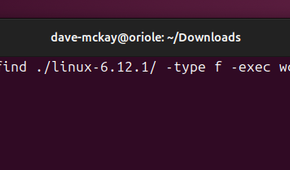
The main reason for programmers and technical people to adopt Linux, if they haven’t already, is that it contains the tools they need to get their work done. Editors, compilers, and other programming tools often come preinstalled on many Linux distributions. If they aren’t, it usually only takes a few package manager commands to install them.
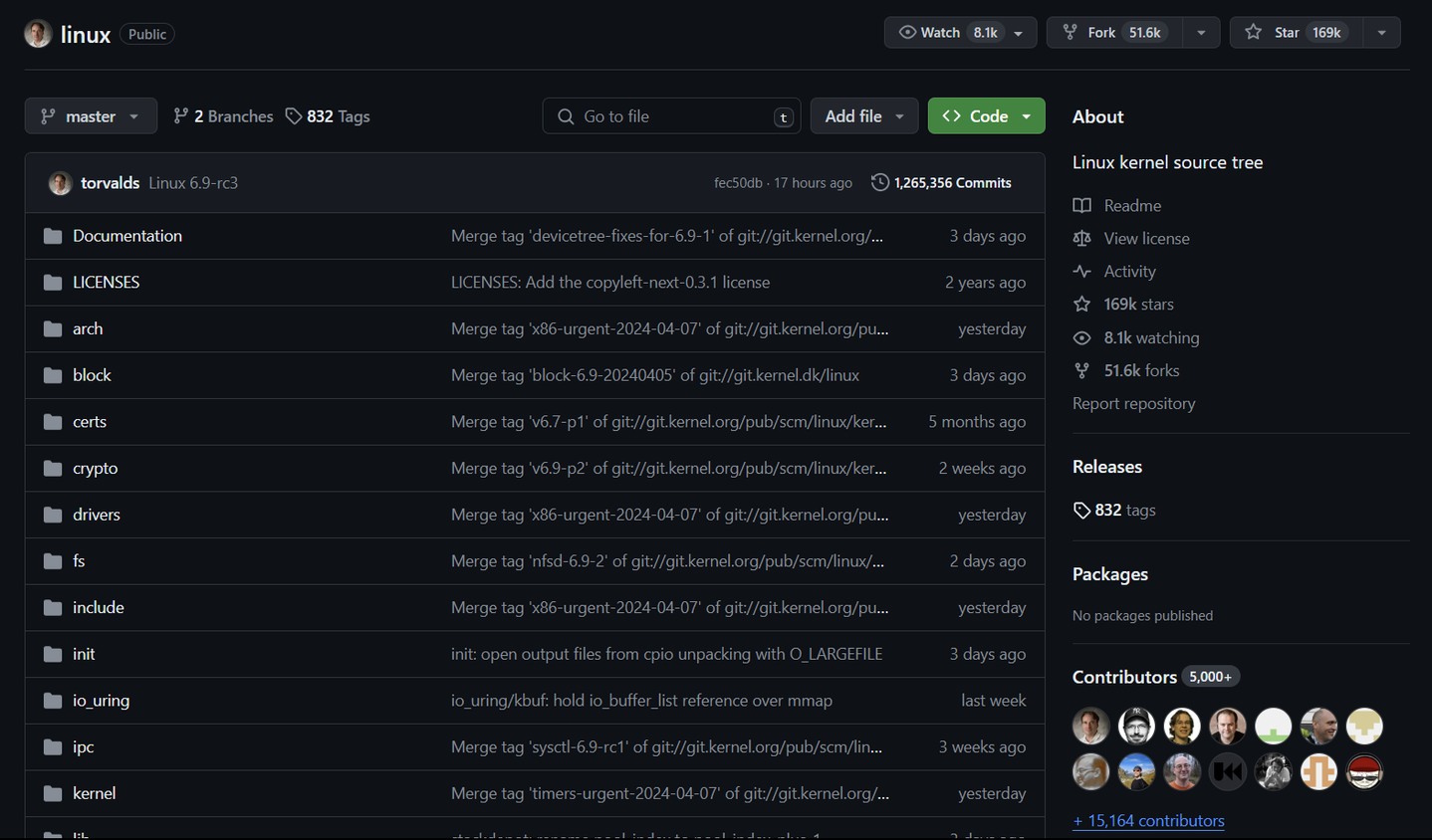
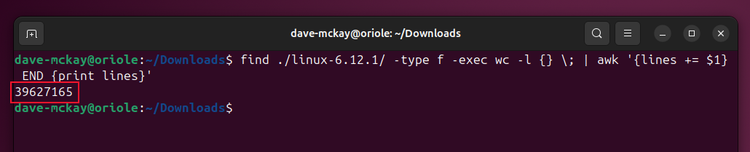
Programmers also appreciate the open source code. Developers are a frustrated lot. Confront them with a piece of software, and their first urge is to fix it. The only practical way to do that is through source code. This is the blueprint or recipe of a program that tells a programmer how it works.
If one thing annoys programmers, it’s not being able to fix things because the code is proprietary. Linux and other open source programs let the best programmers submit their own contributions so anyone can benefit from them.
People who want to make use of older machines
Keep that old PC out of the dumpster
Another group of people who benefit from Linux is people who want to make use of underpowered or older hardware. This could date back to the original Unix, which was developed for a Digital PDP-7 minicomputer that was considered outdated at Bell Labs in 1969. Ken Thompson and Dennis Ritchie could hardly have believed that they would ignite a revolution in computing as they implemented a basic operating system to play a game, or rather, a “simulation” called Space Travel.
The tradition continues today. Linux is popular among people who want to revive older machines that might have stopped getting updates from Apple or Microsoft. This includes people who want to avoid installing Windows 11 after Windows 10’s end of life. There are user-friendly distros designed for lightweight machines such as Xubuntu, or they could try installing something like Debian with a lightweight desktop such as Xfce.
ChromeOS Flex is a variant of ChromeOS that caters to this market. It’s obviously more polished than a standard Linux distro, but it’s worth a look if you want to repurpose an old PC for a basic web surfing, email, or productivity machine and don’t want to shell out for a dedicated Chromebook.
Tinkerers
Linux is a geek’s playground
 Credit: David J. Buck / How-To Geek
While Linux is already popular with professional programmers, it has a lot to offer to people who are…less professional. These people could be called “geeks,” “techies,” or “hackers.” These people seem to have a natural affinity for Linux.
One reason might be the community spirit that Linux seems to engender. Linux developers first came together to collaborate, sending patches over the internet. It was amazing to see whole operating systems appear from people who may never have met in person.
Again, this is something that the Linux community largely inherited from the broader Unix culture. As Joel Spolsky pointed out, when Unix first developed, there was no such thing as end-user software. If you wanted a program, you had to write it yourself. This carried over to the early personal computer era of the late 1970s and early 1980s.
A lot of this has to do with Linux’s popularity among professional work and server deployments. Before Linux became so ubiquitious in data centers, it first lived on the desks of academic computer scientists and in the bedrooms, garages, and dens of computer hobbyists. These are people who had the time and inclination to explore their systems.
People who want to be independent
An OS for computing mavericks
 Credit: Linux Mint
Anyone who uses Linux seriously seems to be different from the typical computer user. Some people just hate Microsoft. Others want to increase their technical knowledge.
Linux seems to instill a sense of self-confidence in its users. When I first successfully got a Linux system to install and boot from the hard drive, I felt an ego boost. Even in the 2000s, getting Linux to work was a major accomplishment and a geek “rite of passage.” Linux distributions seem to play much nicer with modern machines.
Using Linux means that you don’t have to depend on a major corporation for updates to your software.
Want to take your computing to the next level? Consider Linux
While some users might be better off sticking to macOS or Windows, there are plenty of people who would benefit from switching to Linux. If you want to be more than an end user and tap your computer’s potential, Linux might be a good choice for you.