“Ecotourism” has become an increasingly popular way to travel over the past decade, and Vietnam’s booming tourism industry has capitalised on it by offering plenty of ecotourism opportunities.
In a country that is so naturally gifted with diverse natural geography and lush greenery, that should be no surprise, right? Unfortunately, almost none of the “ecotourism” in Vietnam is real ecotourism – most of it is just greenwashed mainstream tourism.
Vietnam’s REAL (Responsible Environmentalism and Localism) ecotourism opportunities may be few and far between, but they do exist if you know where to look.
The actual ecotourism hotspots are pretty well hidden, though, and I’m still discovering them even after 12 years of living and travelling in Vietnam.
In this guide, I’ve gathered four of the best ecotourism spots in the country so that nature-lovers can walk the walk, not just talk the talk like most Vietnamese travel agencies. I’ve included geographically diverse locations, from mountains to mangrove swamps, beaches to caves, and from North to South.

What is REAL ecotourism?
REAL ecotourism stands for “Responsible Environmentalism and Localism,” and it involves four tenets:
- Environmental conservation. The activities themselves should avoid disturbing local ecosystems.
- Environmental education. Travellers should learn how local ecosystems function and how they can help them to thrive.
- Local community benefit. That means spending money with local operators and vendors, and engaging in respectful cultural immersion.
- Low environmental impact. This includes travel methods as well as activities at the destination. The main considerations are a lower carbon footprint, waste reduction, and not contributing to overtourism when possible.
REAL ecotourism is not driving out to a secluded mountain resort with bamboo walls and then posting about it on Instagram, even if you do include #NatureLover #EarthVibes.


Instead, an example of genuine ecotourism is Oxalis Adventure in Central Vietnam.
They run multi-day treks and cave expeditions into Phong Nha-Ke Bang National Park, including access to Son Doong, the world’s largest cave. Many of Oxalis’ guides are former loggers now working to protect nature instead, following strict “leave no trace” principles. The tourism income helps support hundreds of local jobs, but also funds tree-planting initiatives and local education.
Oxalis Adventure even fought successfully against plans to turn the wild and remote caves into a mass tourism attraction (plans for a cable car at Son Doong, the world’s largest cave, were thankfully abandoned in 2014).
So, when you take part in true ecotourism activities you get the benefit of an authentic nature experience while also benefiting the destination as well, making it a true win-win.
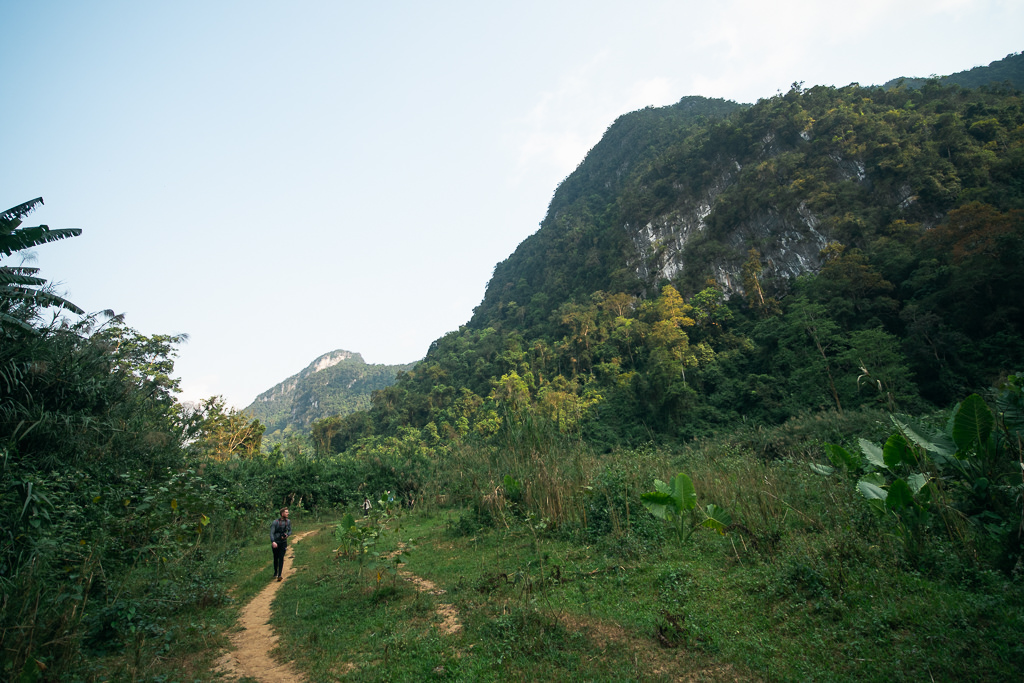
4 Best REAL ecotourism destinations in Vietnam
| Destination | 🧭 Area in Vietnam | Main ecosystem types | Best months for Ecotourism |
|---|---|---|---|
| Con Dao Island | Far South Vietnam | Protected islands & coral reefs | March-June |
| Cat Tien National Park | South Central Vietnam | Lowland tropical rainforest & wetlands | December-February |
| Phong Nha-Ke Bang National Park | Central Vietnam | Caves & tropical jungle | February-April |
| Ba Be Lake | Far North Vietnam | Mountainous forest & lake | October-November |
1. Con Dao Island

Over 80% of Con Dao is protected as a national park, and building is heavily restricted in that area. So unless you are in the island’s main town (a quiet borough that doesn’t disturb its natural surroundings), you feel like you’re in a totally natural setting.
Best of all, the locals are remarkably dedicated when it comes to environmental conservation, completely forgoing harmful activities like littering and disposable plastic use.
I can confidently say that Con Dao has the nicest beaches in Vietnam from a naturalist’s perspective, and the other ecosystem types like tropical forests, mangrove swamps, and coral reefs are similarly untouched.

How to get there
Take the ferry to Con Dao. Ferries run regularly from Tran De, a small town on the southern coast of Vietnam that is reachable by bus. The best months to take the ferry are April-July, as the water is calmest during those months.
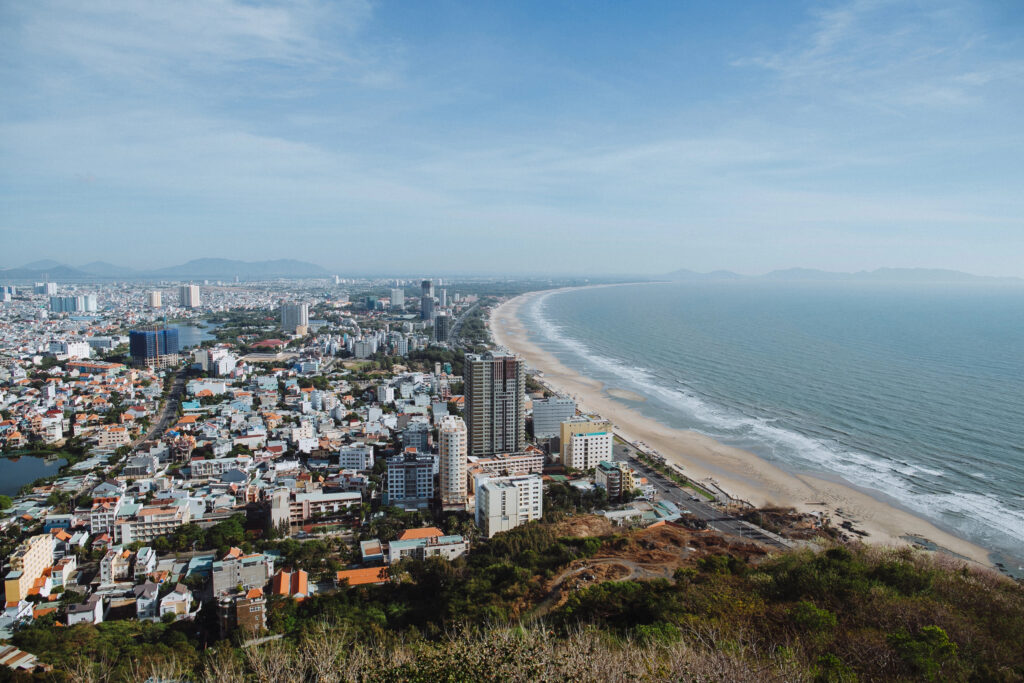
My full Con Dao guide isn’t entirely ecotourism-focused, but it does contain more detailed instructions on taking the ferry. Ferries also usually run from Vung Tau, a much more developed beach city two hours from Saigon.
Where to stay there
Three excellent accommodations on Con Dao that are islander-owned (promoting local community) and place an emphasis on sustainability are:
- Little Home Homestay ($15-20/night). The local woman who owns it embraces sustainable practices like composting. The downside is it’s located in the town centre, but the island’s developed area is so small that it’s only a 10-minute walk in either direction to an untouched beach or forest.
- Nature-Lover’s Chill Garden ($31/night). An Airbnb in a naturalistic mountain location run by a local couple of nature-lovers. As a bonus, the onsite restaurant is incredible and minimises food waste.
- Hotel Tram ($23/night). This accommodation is owned by the island’s national park service, and the friendly staff are actually rangers who work on island protection in the offices on the upper floor. It’s no surprise that everything about the hotel is sustainable, and the natural location is a plus.
Ecotourism activities
Typical beach activities that can disturb local ecosystems, like water sports, are basically banned on Con Dao. Instead, some of the activities ecotourists can seek out include:
- Turtle Conservation: There are lots of turtle hatching tours between June-December, but the best ones for ecotourists who want to see and learn more about the natural spectacle are the ones run by Con Dao’s park rangers, like this one. The rangers focus on educating guests about conservation and local ecosystems, and they let the turtles hatch and enter the water on their own rather than releasing them by hand. Ranger-led experiences are often pricy, but the added cost supports local conservation efforts.
- Cycle the Island Loop: Most guesthouses on Con Dao rent bicycles for $5/day, and the island’s western loop is a great route to experience multiple ecosystems from beach to forest to windswept rocky plain, as well as see some local wildlife. Read more about the best stops on the loop in my Con Dao travel guide.


- Forest hikes: The ranger service also leads hikes around the island, running the gamut from short strolls along the coast to steep jungle treks. You can book at the Con Dao ticket office, which has a small education centre about local sea turtles.
- Trash cleanup: Locals and visiting naturalists gather weekly to clean up trash on the island – although I don’t know where they’re finding it, because the island already seems spotless. You can join the community and find out when the next meeting is on the Trash2Art Facebook group.
2. Cat Tien National Park
Cat Tien is one of the last lowland tropical rainforests in Vietnam, and definitely the most biodiverse. The protected area is home to gibbons, crocodiles, civets, macaques, and hundreds of bird species that thrive in their natural habitat.
There are lots of family-run businesses or small tour operations in the park or the surrounding villages that work to educate visitors about the ecosystem in the REAL ecotourism spirit.

How to get there
The best cities from which to reach Cat Tien are HCMC and Da Lat. Phuong Trang runs a bus route between the two cities, and you can get off at the Tan Phu stop before taking a motorbike taxi the remaining 25km (15mi) to the park entrance.
My preferred method of getting to Cat Tien, though, is cycling. It still starts with the Phuong Trang Saigon-Da Lat bus route, but you can get off in the large town of Bao Loc, rent a bicycle, and head towards Cat Tien via QL20 and Madagui.
The route is one of the best in Vietnam, especially for nature-lovers; it descends gradually from the Central Highlands into southern Vietnam’s lowland rainforest, passing tea hills, coffee farms, and rural communities along the way.
Where to stay there
A few particularly ecotourism-friendly stays near Cat Tien are:
- Cat Tien Jungle Lodge ($43/night). Larger than a lot of the accommodations I recommend in this post, the lodge employs myriad sustainability practices like solar heating and biodynamic gardening. The lodge also promotes community-based tourism partnerships with nearby villages and several great cycling tours in the park.
- Forest Floor Lodge ($56/night). Located inside Cat Tien National Park, this lodge uses solar power, reclaimed materials, and elevated walkways designed to minimise environmental disturbance. It offers guided observations of wildlife in its natural habitat like gibbon tracking, birdwatching, Crocodile Lake trekking, and visits to local wildlife rescue centres.
explore more stays in cat tien

Ecotourism activities
- Wildlife observation: Lots of local organisers like Vietnature offer treks around Cat Tien that are focused on responsible exploration and naturalistic education. I have memories of some awesome wildlife sightings near the dirt roads of the park, including:
- Gibbons in the trees.
- Colourful birds perched on branches.
- Crocodiles in the wetlands spanned by wooden boardwalks.
- Wild boars and porcupines snuffling through the bush.
- Herons and cranes wading in marshes.
- Butterflies and other cool insects.
Vietnature Tour and other similar providers also offer nighttime treks and cycling adventures.


- Hiking: Even if you don’t want to go with a tour, Cat Tien’s ecosystems are so rich that you’re sure to stumble upon something interesting. My personal favourite walk there is the route along the boardwalk that winds between electric green and orange tea trees.
- Rowing through Wetlands: Taking a rowboat through the natural canals of Cat Tien with a park ranger is an amazing experience, mainly because all the water hyacinth on the water makes the boat look like it’s cutting through a solid landscape.
Water hyacinth is invasive but has also become a big part of the local community, with locals making handicrafts from it and some native species having adapted to its presence.

3. Phong Nha-Ke Bang National Park

Those in search of REAL ecotourism have to be more careful when choosing their activities at Phong Nha than at any other destination on this list.
That’s because, unlike the others, Phong Nha has a lot of more traditional tourist options that are often harmful to the area’s ecosystems. Stick with the activities mentioned below to avoid exploitative tourism or read our full guide to Phong Nha’s caves and adventures.
That being said, the massive cave system in Phong Nha-Ke Bang is once-in-a-lifetime. In fact, it’s home to Son Doong, the biggest cave in the world and Hang En, the third-largest. The deep jungle enveloping it is almost as stunning.

How to get there
Phong Nha is easy to access sustainably.
The first step is to take the train to the station in Dong Hoi, about an hour away from Phong Nha. Dong Hoi is my personal favourite small city in Vietnam, and it’s also one of the most eco-conscious. The part of the train route near Dong Hoi is gorgeous, especially the route between Da Nang and Dong Hoi.
From Dong Hoi, you can catch public bus B4 that goes directly to Phong Nha.
Where to stay there
A few ecotourism-friendly stays near Phong Nha-Ke Bang National Park:
- Chay Lap Farmstay ($50/night). This Farmstay was developed from an old farming village (rather than being a newly-built hotel), and it now expressly promotes “preserving local rural character” through low-impact activities like cycling and hiking.
- Phong Nha Ecolodge ($12/night). A good choice for budget travellers in Phong Nha who also want to explore sustainably. It’s focused on low-impact nature travel, with free bicycle rentals, trekking support, and local staff.
Browse +100 stays in phong nha
Ecotourism activities
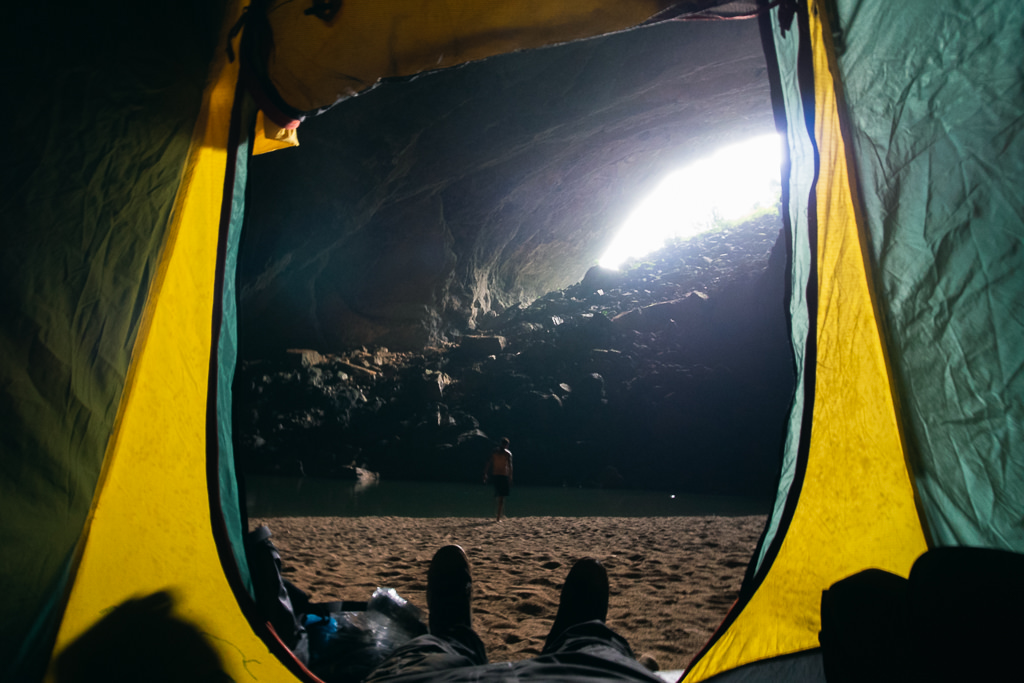
- Responsible caving: Cave systems are my favourite type of ecosystem since they’re so self-contained, and Phong Nha does caving ecotourism better than anywhere else I’ve been in Asia.
Park rangers partner with tour companies like the aforementioned Oxalis Adventure to organise caving expeditions that strictly limit group sizes to minimise environmental impact. Guides educate explorers about cave formation and how to best preserve the delicate cave ecosystem.


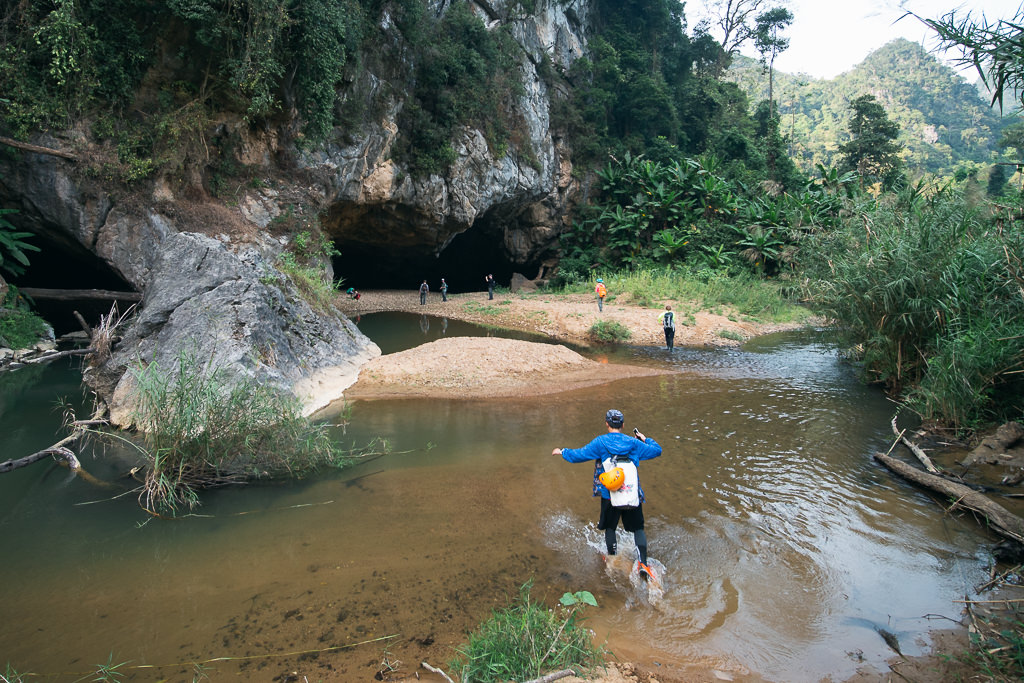
- Village cycling: Phong Nha-Ke Bang is surrounded by a lot of naturalistic villages separated by pretty rice paddies, and cycling between them is a picturesque way to immerse yourself in local communities.
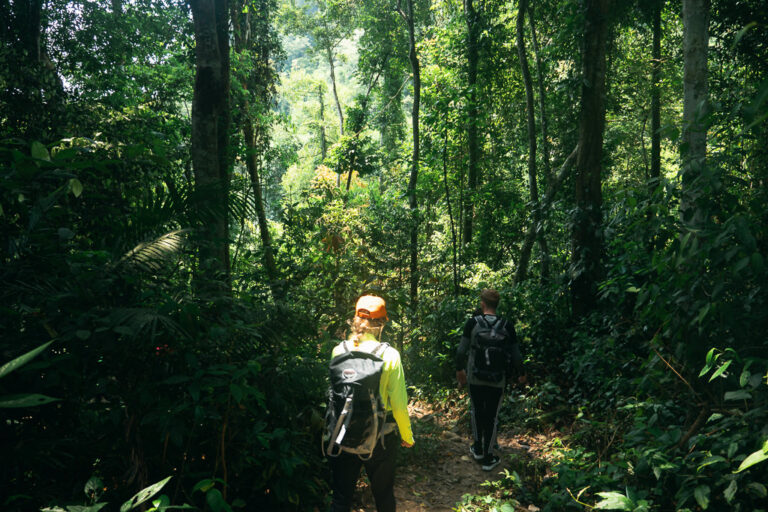
- Jungle camping: Backpacking through the jungle and sleeping under the stars on a low-impact, educational trip led by locals is almost the definition of REAL ecotourism. Oxalis also offers these multi-day jungle treks, and a cheaper but sustainable alternative is Jungle Boss Tours. All the tours have a strong emphasis on wildlife preservation.

4. Ba Be Lake
Way up north near the Chinese Border, Ba Be is a serene mountain lake in the centre of a hilly national park characterised by lush forests and limestone crags, and it’s easily the best eco-tourism destination in Northern Vietnam.
The local Tay ethnic minority is excellent at respecting the land around them and organising sustainable, educational tourist infrastructure for visitors. Best of all, they’ve mostly kept Ba Be out of the mainstream tourism spotlight.
If you’re based in Hanoi, you can join a 3-day guided tour to Ba Be and the magnificent Ban Gioc Waterfall. Book the tour on GetYourGuide, or read on to discover even more off-the-beaten-path experiences.

How to get there
The nearest train station to Ba Be Lake is Thai Nguyen, north of Hanoi.
The only real ecotourism-friendly travel from Thai Nguyen to Ba Be is the bus, which takes five hours. Book on 12go in advance, though, because there’s usually only one bus that runs the route each day.
Where to stay there
My top recommendation for ecotourist accommodation in Ba Be is definitely Mr Linh’s Homestay ($50/night).
Mr Linh works closely with Ba Be’s park rangers to organise sustainable tours and promote a “leave no trace” policy for tourists visiting the park, a philosophy also clearly visible in the operations of the homestay. Waste is kept to a minimum and the place only employs locals.
Since the homestay operators also organise eco-responsible tourist activities (more on them below), it also makes it easy to fill out your Ba Be itinerary.
A good budget option is Ba Be Farmstay ($17/night), which has a low footprint, local staff, and promotes low-impact tourism activities.

Ecotourism activities
- Kayaking: Lake kayaking has a solitary serenity to it that the moving waters of ocean and river kayaking can’t match, and the scenery around Ba Be Lake makes it even more of an unforgettable experience. Plus, gliding over the water in a kayak is the best way to see the lake’s ecosystems without disrupting them.
Mr Linh’s, which does a fantastic job adhering to REAL ecotourism principles, offers full-day kayaking tours on Ba Be Lake, but they also rent kayaks for $10/hour. I would recommend taking one out on the lake by yourself or with only your travel companions.
- Tat Ma and Dau Dang Waterfalls: Tat Ma Falls and Dau Dang Falls are two of the nicest waterfalls in Vietnam, and both are a few hours’ walk from Ba Be Lake. Unfortunately, they’re a few hours in opposite directions (Tat Ma to the south of the lake and Dau Dang to the north) so you can’t hit both of them during the same day.
Mr Linh’s Homestay rents sports bikes for $10/day, though, and the roads around the park are mostly in good condition, so cycling to both is a perfect way to spend a day while experiencing local ecosystems and immersing yourself in the local village culture.

- Trekking: Mr Linh’s also offers eco-friendly single-day and multi-day treks on which the guides educate the hikers about local biodiversity. Some of the treks go through the tropical evergreen limestone forest, and others focus on the large (though not as large as Phong Nha) cave system running under portions of the park.
Of course, you can also take the solo trekking route. To experience the area’s ecosystems at their most amazing, the 19km (12mi) and 6.5-hour Ba Be Lake trek is difficult but worth it for fit hikers.
How to get around more sustainably in Vietnam
Travelling using methods with a low carbon footprint goes hand-in-hand with REAL ecotourism. And, even though Vietnam is not the most ecotourism-friendly country in general, it has a lot of fantastic low-emission transport infrastructure for travellers to get around the country.
It should go without saying that plane travel is not eco-friendly. Shorter routes like domestic flights in Vietnam are even more harmful than most, because landing and takeoff consume a disproportionate amount of fuel relative to cruising.

My favourite low-emission method of long-distance travel in Vietnam is the train.
The North-South line that spans the country runs through all major cities and nearby most tourist hotspots, and gazing out the picture windows while chugging through the Vietnamese countryside is easily the most complete way to see the spectrum of natural beauty in Vietnam. Plus, train travel is the most fuel-efficient form of mass transit by far.
For more details, check out my full guide to train travel in Vietnam. To book tickets directly, use Vietnam Railway’s official portal.

Vietnam’s cross-country bus system is also fantastic, especially for those on a budget or those going to a location the train doesn’t service. Tickets are cheap, usually $10 for a 100-150km trip or $20-$30 for longer trips.
The buses themselves are comfortable, and most buses have reclining seats long enough for me to lie down comfortably, even at 181cm (5’11”).
From major cities, you can find a bus route that passes through virtually anywhere you want to go, even small towns. And, most importantly, bus travel is much more eco-friendly than private vehicles or flights. My favourite bus booking sites are Phuong Trang in Southern or Central Vietnam or Hoang Long in the North.
But the most “ecotourism-y” way to travel Vietnam is by bicycle. It has no carbon footprint at all, and biking through local communities and ecosystems is the best way to learn about them. That kind of immersion is, in my opinion, a big part of what ecotourism is all about. For each location discussed in this guide, I’ll recommend an ecotourism cycling option.
When to visit Vietnam for ecotourism
The best time to visit most of Vietnam as an eco-tourist is during rainy season.
In my guide on when to visit Vietnam that’s more aimed at mainstream tourism, I express my opinion that Vietnam’s rainy season is a “hidden gem” time to visit because:
- There are fewer crowds.
- Nature is greener and lusher.
- And the rain in Southeast Asia is not as uncomfortable as elsewhere. The tropical weather makes it feel warmer on the skin and showers usually last only an hour or two, and they often arrive at roughly the same time each day so it’s easy to plan around.

The benefits are even greater for ecotourists:
- The conditions are better for certain wildlife, including birds, amphibians, and insects.
- Reduced overtourism pressure. You won’t be contributing to huge crowds that strain natural ecosystems.
- You support local communities when they need it most, since rainy season is often a difficult economic time for villagers in rural areas.
- Nature generally flourishes during rain. Rushing rivers, greener forests, and verdant fields make ecosystem exploration even more amazing.
The problem is that Vietnam does not have a uniform rainy season, and some parts of Vietnam (namely, Central Vietnam) can experience flooding and other severe weather during the monsoon season.
For the optimal months to visit, ecotourists should adhere to the recommended months in the quick-reference table earlier in this post.
Want to keep traveling Vietnam this way? Browse our 30+ Vietnam guides, or head straight to our North vs South Vietnam guide and our alternative Vietnam itinerary for more of the country beyond the usual stops.