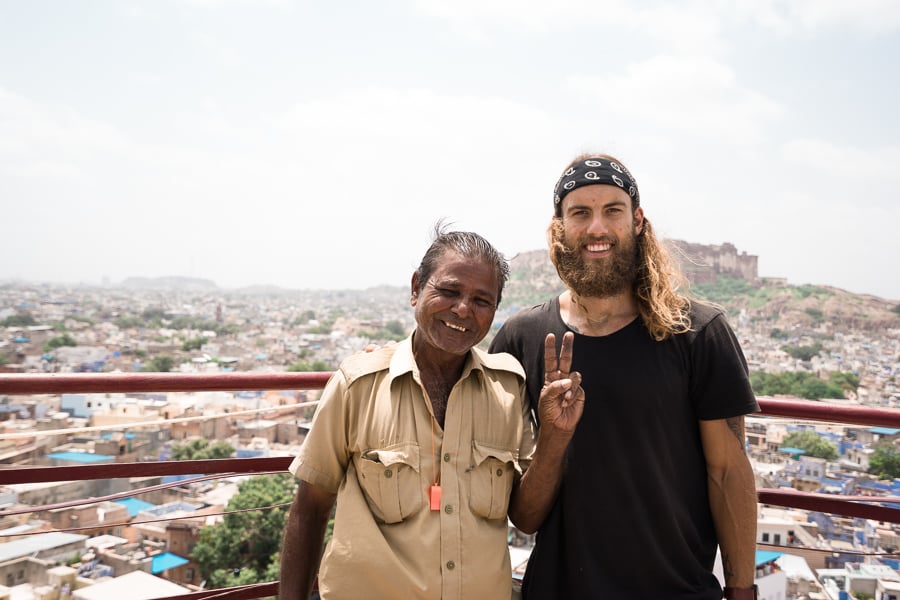
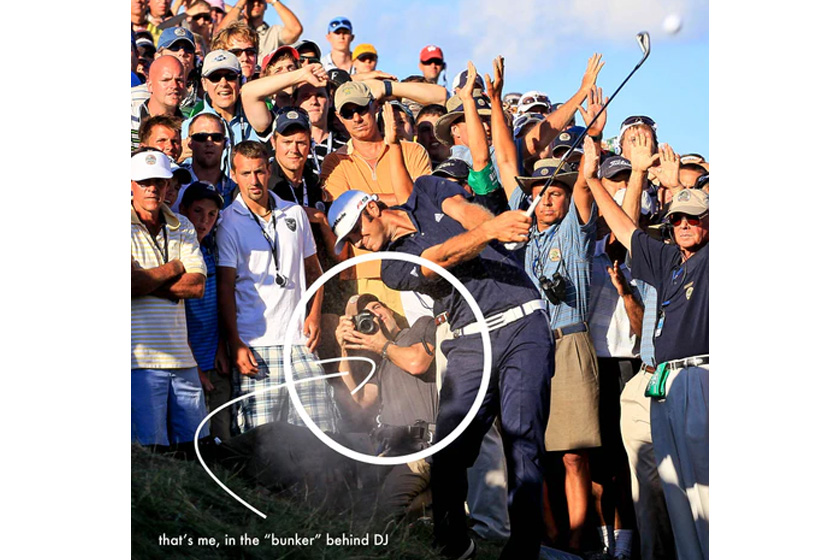
To understand how Allan Henry approaches soft goods, you have to see his view from the sidelines. Spending twenty years carrying heavy glass and dual bodies for USA Today creates a distinct, unromantic relationship with ergonomics. It is a world where an extra pound or a poorly positioned harness doesn’t just mean mild discomfort; it means physical fatigue that directly impacts your work during an eight-hour championship event.
When Allan transitioned from gear user to gear maker, he didn’t follow the traditional paths we’re used to. His initial backcountry-focused designs – the Adventure and the Athlete packs – set a new benchmark for marrying alpine-grade, custom-sized suspension systems with specialized camera storage. It was a formula that resonated deeply with the gear community, earning the Atlas Athlete Pack a Carry Award for Best Camera Bag.
When it came time to translate those heavy-duty, expandable wilderness principles down into a tighter, everyday carry ecosystem, Allan chose a path of deliberate deceleration. The Atlas One doesn’t share any real design DNA with those sprawling outdoor packs; it is an entirely new blueprint built from scratch. To test it, Allan initiated a 365-day variable test. He took a single, finished prototype and lived with it for a full year without changing a single stitch. He wanted to track how the panels settled, observe natural stress points over changing seasons, and let his own body adapt to the pattern before committing to further changes and a final production run.
Focus Groups Strip the Clutter Away
Every designer thinks they know exactly what their community wants until they put a new concept in front of them. When Allan began sketching out a travel and everyday carry lineup, he initially expected his core audience – users who bought Atlas for rugged, feature-heavy photography utility – to demand a highly complex array of specialized pockets, attachment points, and camera-centric components. To test his assumptions, Allan gathered focus groups of existing Atlas customers. The feedback that came back was a sharp reality check that completely reshaped his design path.
The community didn’t want more features or added complexity; instead, their universal demands boiled down to just two things: uncompromising comfort and flawless build quality. This feedback allowed Allan to aggressively cut away unnecessary clutter. He shifted his entire focus away from adding bells and whistles, and instead poured all his energy into optimizing the core touchpoints, refining the internal cleanliness, and sourcing manufacturing lines to ensure the build was pristine.
One Body, One Lens
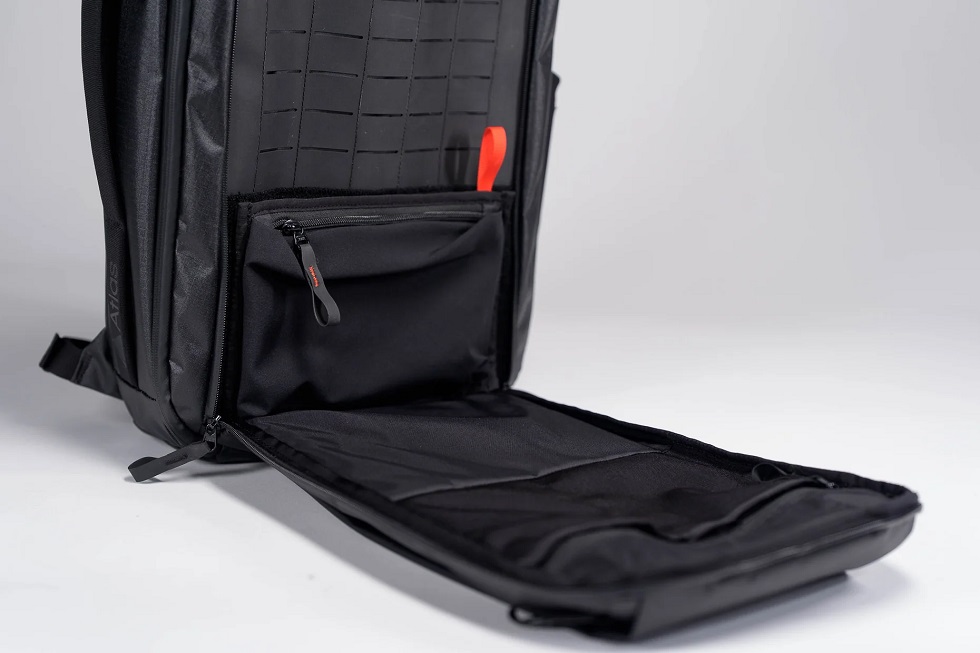
Most everyday carry or travel bags on the market are designed as general-purpose boxes. You throw your laptop, your tech pouches, and a camera insert inside, and you end up carrying a fair amount of loose, dead space. The Atlas One shifts this paradigm by focusing entirely on the geometry of a tight, real-world “One Body, One Lens” footprint. Rather than building a bag to hold an entire gear closet, Allan focused on a more intentional layout. The interior is lined wall-to-wall with premium Velex loop fabric, acting as an integrated, low-profile ecosystem that keeps your gear secure and stable without the need to play Tetris.
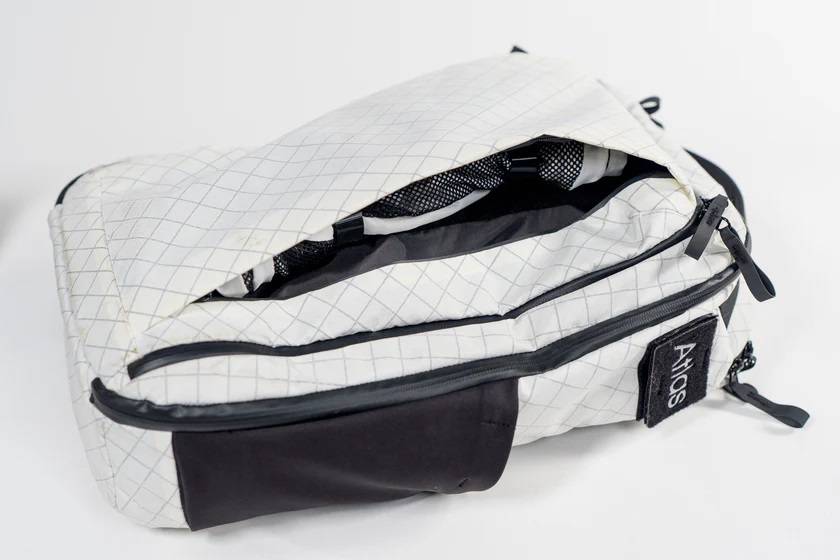
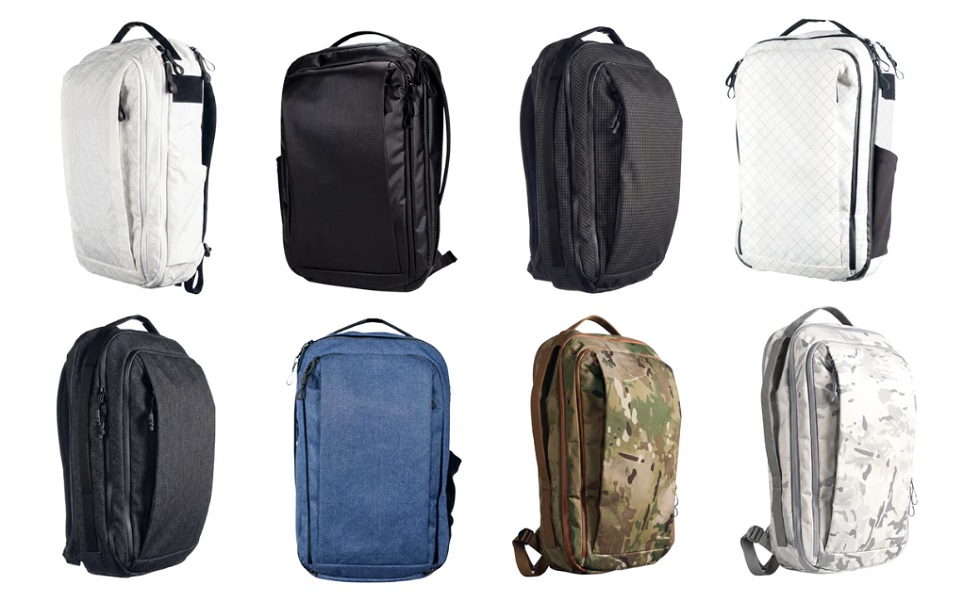
Allan varies the fabric paneling dynamically across the bag to alter its character, weight, and pliability – mixing lightweight ripstops on low-impact face panels with rugged, high-denier technical textiles on the base and hard-wearing perimeter walls. This allows the ultra-compressed Day Pack (20–25L) to flatten down to a mere 4.5 inches deep for compressed urban outings, while the deeper Getaway Pack (25–32L) adapts for multi-day travel, and the technical Mission Pack (27–30L) utilizes a built-in Origami Camera Core and a magnetic side door optimized for quick access to larger telephoto setups.
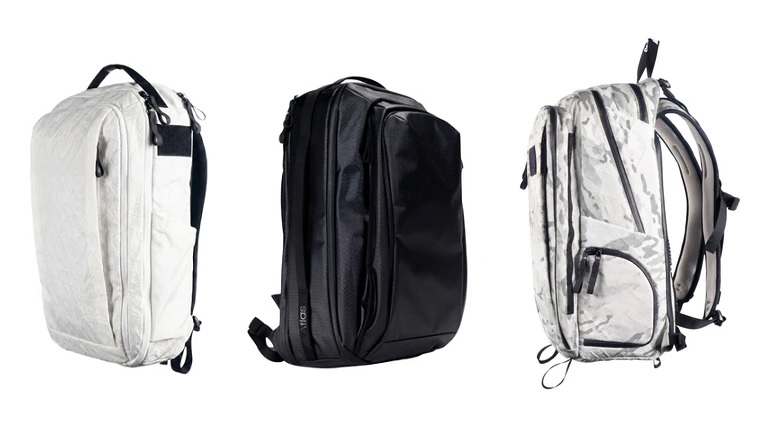
As Allan varies his fabric configurations from batch to batch based on what he’s enjoying at the moment, his size-agnostic pricing model reflects the technical complexity and cost of the textile, rather than the physical size of the box – he’s not charging for your lifestyle. Managing the entire lifecycle from initial prototyping to direct, small-batch production runs gives Atlas the agility of an independent design lab.
Design patience is easy to talk about, but brutal to execute when a project is waiting to launch. For Allan, the commitment to leaving the prototype completely unedited for an entire year was about uncovering the invisible flaws that standard testing windows miss. When you carry a bag every day across four distinct seasons, you move past the “honeymoon phase” of a new design. Allan tracked how various technical textiles handled continuous UV exposure, how the frameless, modified yoke shifted under different weight loads, and where dirt and friction naturally accumulated on the body panel. By resisting the urge to iterate after month two or month six, the final pattern adjustments weren’t based on reactionary tweaks; they were backed by a mountain of multi-seasonal data points that ensured the bag’s long-term durability.
Eye on the Ball
Ultimately, the story of Atlas Packs isn’t a corporate narrative about global retail distribution or mass-market scaling. It’s about a solo designer and industry professional who has consciously chosen to protect his creativity and results. Managing the entire lifecycle from initial prototyping to direct, small-batch production runs gives the Atlas brand the agility of an independent design laboratory. It represents a confident approach to making gear – one where the success of the brand is measured by its precision, its patience, and its connection to a deeply passionate community of gear enthusiasts.
The Atlas One system marks a pivotal shift for a brand that built its reputation in the backcountry and sidelines with tens of pounds of gear. By stepping away from the sprawling, technical architecture of the Athlete and Adventure packs, Allan Henry has proven that true minimalist design isn’t about doing less – it’s about caring more about the fundamentals that remain.
In an industry often obsessed with chasing scale and shelf space, Atlas Packs serves as a compelling proof of concept for the independent micro-brand. By prioritizing direct community feedback, taking time to stress-test, and treating the availability of textiles as a rotating canvas, Allan hasn’t just built a highly functional everyday carry system; he’s carved out a blueprint for modern, independent soft goods design. When you refuse to compromise on what your users want, your community will show up to support the vision.
The post How Atlas Packs Is Reimagining Everyday Camera Carry appeared first on Carryology.