It’s no secret that we have a soft spot for a good sling around here. We’ve built a couple of these loadouts in the past, and today we’re back with a fresh one.
The catch with a bag this small is that space is limited, so every piece has to really justify being carried on the daily. For this guide, we picked out 12 of our favorite pieces of EDC gear that do just that, mixing a few brand new releases with some longtime favorites of ours.
So without further ado, let’s get into some of our favorite sling EDC essentials on the market.
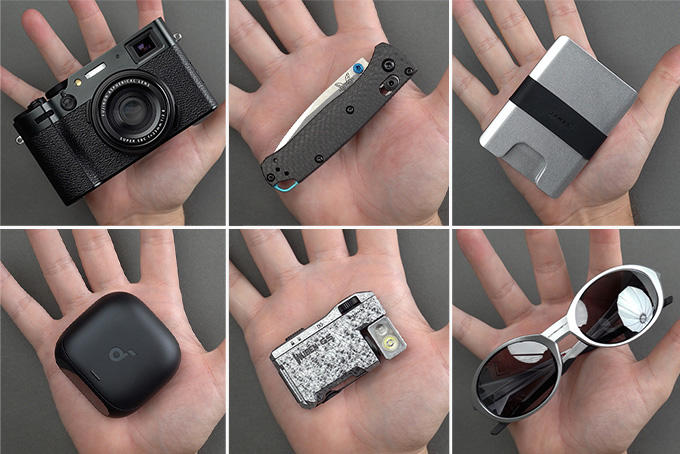
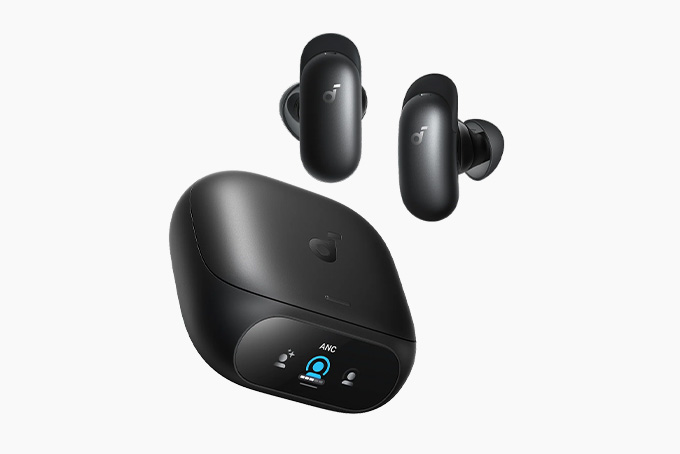
soundcore Liberty 5 Pro
Why It Made The Cut
- Guinness certified these as the World’s Clearest Earbuds for Calls, which is exactly why they get first dibs on the sling’s front pocket.
A few things are non-negotiable in any sling we pack, and earbuds sit near the top of that list. Making a run at that pocket this week is our sponsor: soundcore (Anker’s audio arm), with the Liberty 5 Pro.
The reason simply comes down to calls. The Liberty 5 Pro is a Guinness World Record holder, with the official title of World’s Clearest Earbuds for Calls. And unsurprisingly, it takes some serious hardware to achieve this.
A total of eight mics and two bone-conduction sensors feed Anker’s Thus AI chip, and all of it works behind the scenes to help separate your voice from whatever chaos is happening around you.
We’ve spent months using these, testing them in pretty much every work environment you can imagine. We’re talking calls next to espresso machines, on loud sidewalks here in LA, and in the studio mid-shoot. Nobody on the other end has ever noticed – and we’ve asked.
The noise cancellation here holds up its end as well. You get five strength levels plus an adaptive mode, and we have to say that Easy Chat is probably our favorite small trick. Simply start talking and the buds drop the music to let ambient noise through. Then, they fade it all back just a few seconds after you stop.
As for pure music, they’re also pretty solid, especially for the money. The stock tuning leans bass-heavy (which we personally loved), and the app’s Hear ID test builds a custom EQ around your actual hearing if you’d really like to optimize your experience.
Beyond that, these are just really easy buds to live with. They’re equipped with Bluetooth 6.1 with LDAC, multipoint across three devices, IP55 protection, and stabilizer fins that even kept them planted during our morning gym sessions.
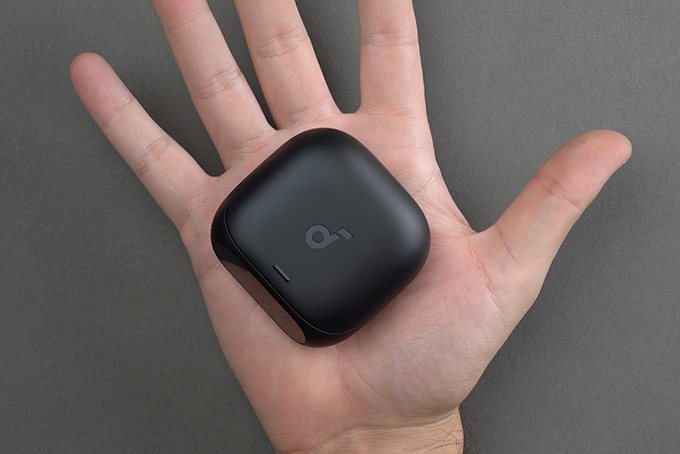
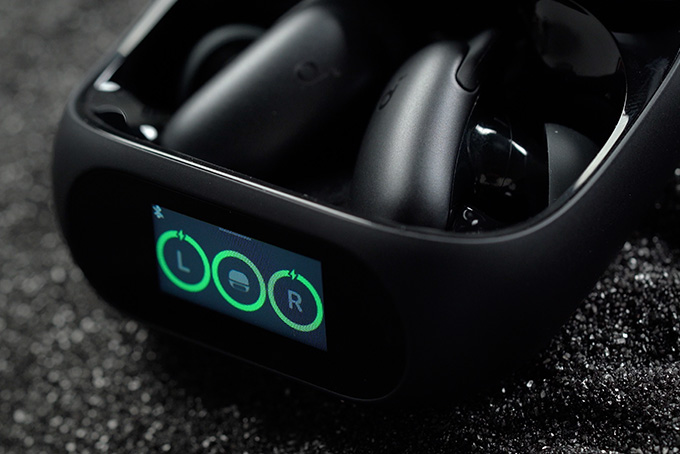
Battery runs 6.5 hours with ANC on and 28 with the slide-open case, which carries a little status screen for checking levels at a glance. It also charges wirelessly, and will get you a full four hours of playback from a just five-minute top-up.
And if you want more out of that case, there’s also the Liberty 5 Pro Max, which uses the same buds but adds a much larger screen and an AI note taker that records and transcribes your meetings.
The Liberty 5 Pro competes with every flagship in its $169 price range, and we’d argue it out-calls all of them. From November 19th through the 30th, they’re down to $129 for Black Friday, and if you’d rather judge the call quality for yourself, soundcore lets you try them free for 30 days first.
Microphones: 8 mics + 2 bone-conduction sensors
Battery Life: 6.5 hours (ANC on), 28 hours with case
Water Resistance: IP55
Connectivity: Bluetooth 6.1, LDAC, 3-device multipoint
LAMY pico Ballpoint Pen
Why It Made The Cut
- Closed, it’s a 93.5mm brass capsule with nothing to snag, and one press telescopes it into a pen you can actually write a page with.
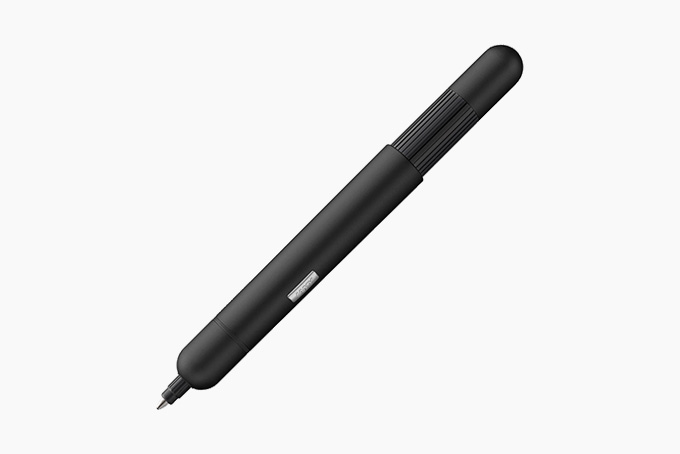
A pen might not be the first thing you think to pack, but we’re suckers for the analogue experience of hand writing notes. And lately, we’ve really been enjoying using the LAMY pico, a super pocketable pen that Franco Clivio designed for the brand back in 2001.
The magic of this little tool is all in the proportions. Closed, the pico is just 93.5mm long with no cap and nothing sticking out. Press one end and the body telescopes out to 124mm, so it’s long enough to hold like a regular pen between fingers.
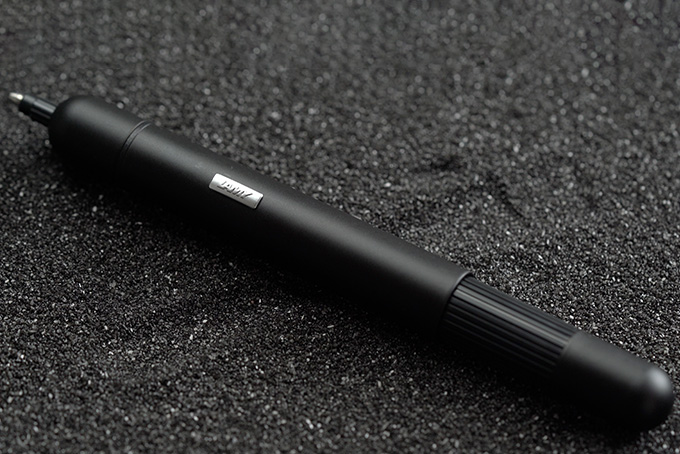
It’s not plastic either, which creates some nice heft for a pen this small. The body is actually brass under that matte black lacquer.
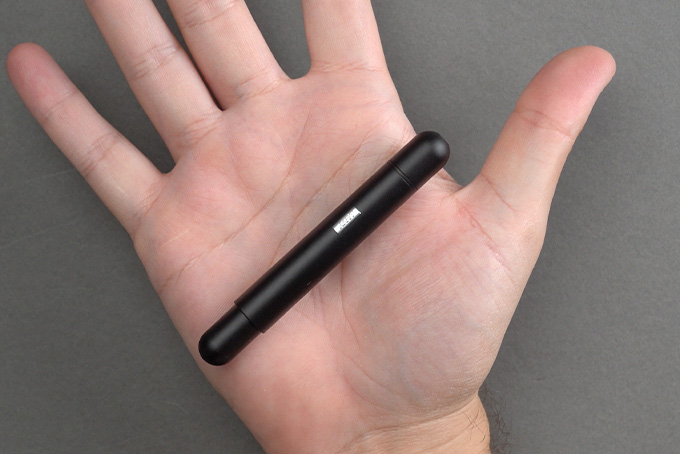
You’ll also notice there’s no clip, and that’s the dividing line for pen people. For some it’s a dealbreaker, since there’s nothing to hold it to a shirt pocket or a notebook cover, and they’re right if a pen lives on your person. The raised LAMY badge on the barrel does at least stop it from rolling off a desk. But inside a sling, that issue mostly goes away, because the pico just drops into one of the internal organizers and stays put.
For us, the real caveat is the refill. The pico takes LAMY’s proprietary M22, and while it writes well, you’re locked into it, so a favorite cartridge from another brand isn’t coming along.
Length: 93.5mm closed, 124mm open
Material: Brass, matte black lacquer
Refill: LAMY M22
Clip: None
Satechi OntheGo 7-in-1 Multiport Adapter
Why It Made The Cut
- Photos stuck on an SD card don’t do you much good, so this magnetic puck gives a MagSafe iPhone seven ports to work with.
Heading out with just a sling usually means the laptop is going to be staying home, and that naturally leaves your phone to cover for it. And that’s exactly why we included a hub in this loadout, because let’s be real, photos sitting on an SD card aren’t really much use until they’re on your phone.
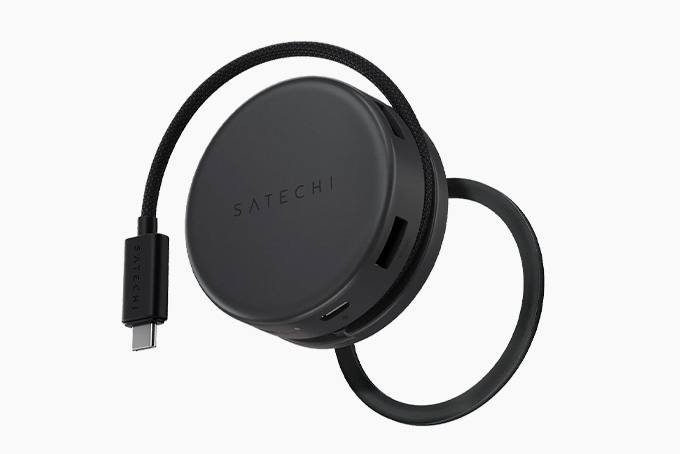
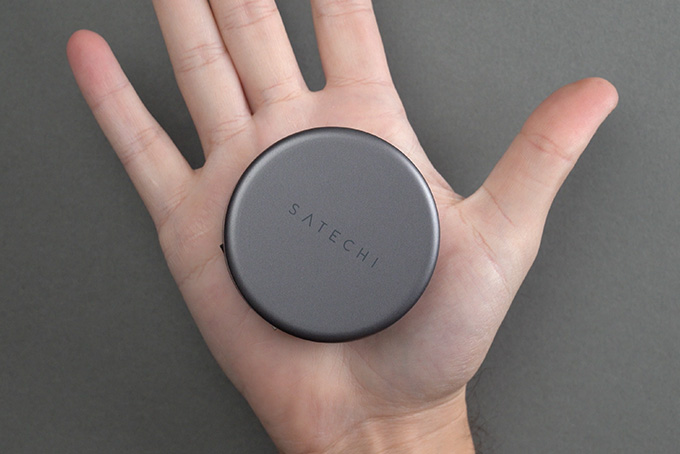
Our pick for the job is the Satechi OntheGo 7-in-1, a multiport adapter that at first glance doesn’t really look like your usual dongle. It’s a little disc that sticks magnetically to the back of a MagSafe iPhone (there’s an adhesive ring in the box for phones without magnets), with a braided USB-C cable of about five inches that wraps around the body when you’re done. By most accounts, we’ve found that the magnet keeps its grip even with HDMI, power and a card all plugged in.
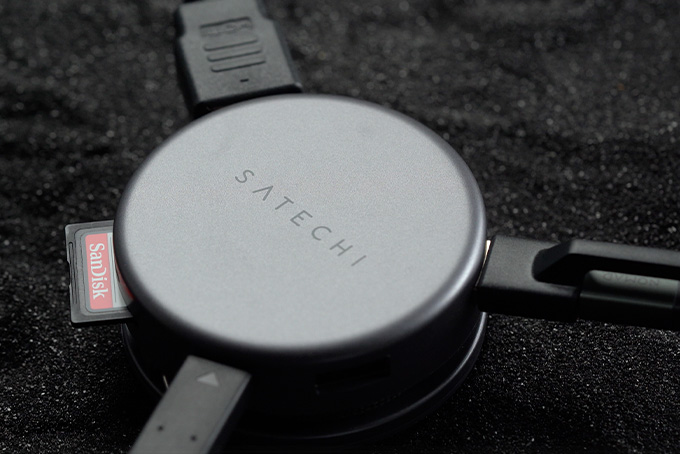
Plug it in and your phone gains SD and microSD readers, HDMI, Gigabit Ethernet and two USB-A ports, plus pass-through charging at up to 80 watts. Next to a regular stick-style hub, it’s definitely a bit thicker but it also takes up less overall area, so it still sits nicely in your pocket.
The port selection is where we’d push back here. The lone USB-C port only handles charging, which leaves the two USB-A ports to carry all of your data at a time when most new drives and accessories have moved to USB-C. In practice, that can mean having to pack an additional adapter for your adapter.
The card readers are the other sore spot. They’re UHS-I, which tops out around 104MB/s, so when you’re pulling a full day of big photo files off a card, that’s a wait you’ll probably end up feeling.
For getting a handful of favorites from a camera onto your phone over dinner though, it does exactly what we’d ask of it. If you need fast USB-C data, on the other hand, this is probably the wrong hub for the job.
Ports: SD, microSD, HDMI, Gigabit Ethernet, 2x USB-A, USB-C PD
Pass-Through Charging: Up to 80W
Card Readers: UHS-I (up to 104MB/s)
Mounting: Magnetic (MagSafe), adhesive ring included
The James Brand The Lowe
Why It Made The Cut
- After a decade of chasing its “own the pocket” mission, The James Brand finally made a wallet, and it’s a machined aluminum slab with no moving parts.
The James Brand might have gotten its start with a pocket knife, but if you’ve followed the brand for any amount of time, you know the plan was always bigger than blades. Since day one, the mission has been to “own the pocket,” and over the past decade that’s meant carabiners, pens, bit drivers, and plenty more.
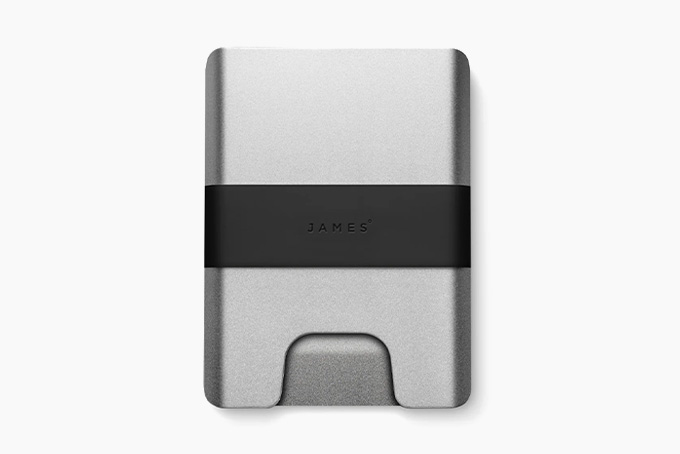
So when TJB released its very first wallet last September, it felt less like an unexpected left turn and more like the next logical step for the brand. The Lowe brings that clean, machined, slightly retro TJB look to the one thing just about everybody carries.
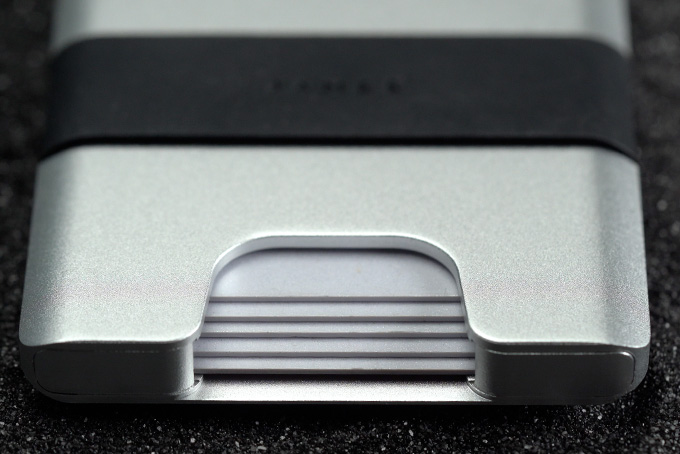
It’s a slab of CNC-machined aluminum with no moving parts. Inside is a set of rails that The James Brand calls Pinch-Tech, and they hold one to six cards at the same tension across the board. In layman’s, a lone license gets gripped just as firmly as a full stack.
To get your cards out, a thumb notch at the bottom and a ramp inside push them up and out. There’s also a silicone band that sits flush on the outside for cash, and the aluminum blocks RFID by design.
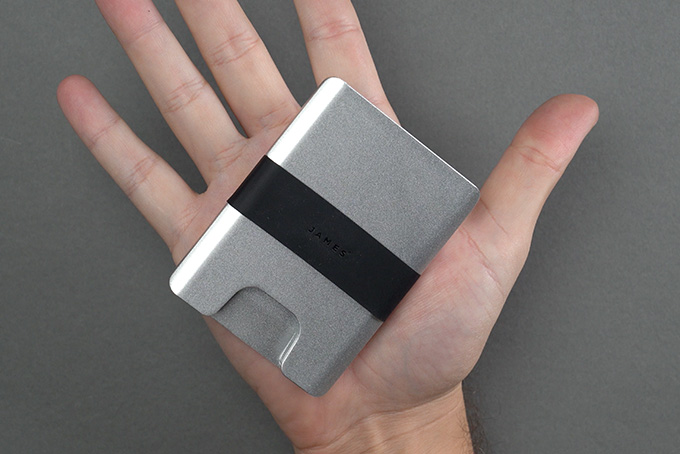
The catch here is that the whole stack slides out together and doesn’t really fan the way the product photos suggest. Unfortunately, that means reaching any card that isn’t on top can be a bit of a chore. Our advice is to keep your most-used card on top and treat six (non-embossed) cards as a hard ceiling. It’s also made in China, for those of you who keep track of that.
At about a third of an inch thick (0.34 inches), it takes up next to no room in the sling’s back pocket either. If your daily lineup is a license, a couple of cards and some folded cash, this is a stylish choice.
Capacity: 1 to 6 cards + cash
Material: 6063-T5 aluminum
Thickness: 0.34 in
Weight: 2.1 oz
RFID Blocking: Yes
Craighill Coachwhip Carabiner
Why It Made The Cut
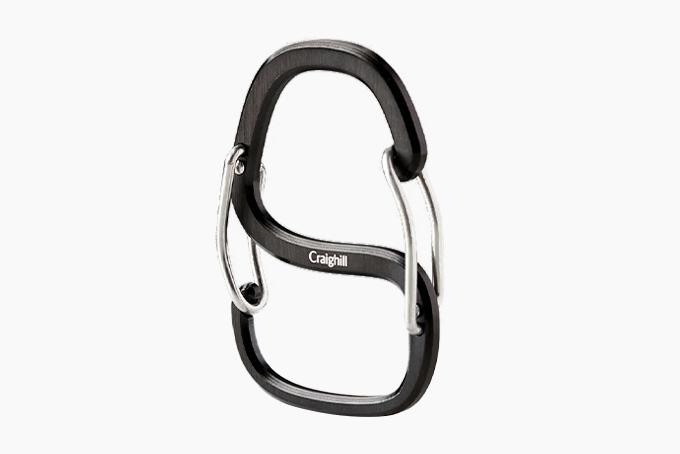
- Craighill named it after a snake for that S-curve, and the shape lets keys hook on and slide off without prying open a split ring.
Keys are the one thing that always seem to sink to the bottom of a bag, and while many bags do have a built-in key leash, we still prefer to always keep a carabiner in our packs. One we’ve been using more recently comes from Craighill. The Brooklyn studio just can’t help itself when it comes to the little details, which is a big part of why we like them as much as we do.
Case in point is the name. The coachwhip is a snake, and one look at the S-curve of this carabiner tells you exactly why Craighill borrowed it here.
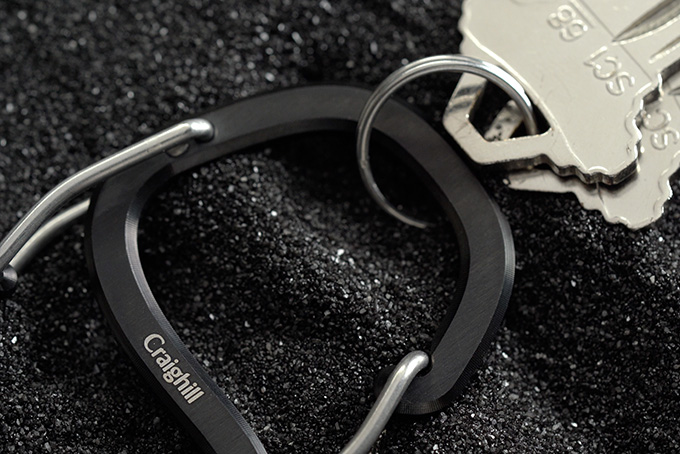
That shape isn’t only there for looks, either. The Coachwhip is CNC-milled from stainless steel, finished here in black, and the frame narrows toward the bottom so that keys can hook on and come off directly. There’s no split ring to pry open with your thumbnail. Up top, a wire gate clips onto a belt loop or a bag strap.
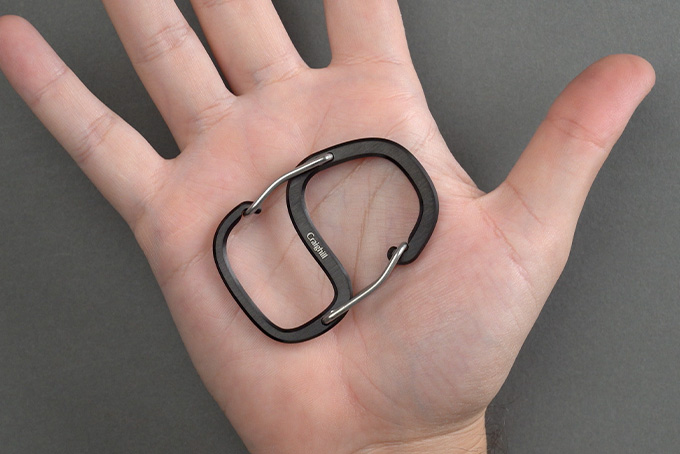
For sling duty, it’s about as low effort as carry gets. It weighs under an ounce (0.8 ounces) and can hang off the key leash inside the sling, which keeps your keys right where you can find them.
Alright, let’s talk about the $44. Craighill’s pricing starts an argument every time the brand’s name comes up, and even the people who own one and love it tend to mention the price. A Nite Ize S-Biner will hold your keys for a fraction of that, and you gain very little by spending more.
The extra money goes toward the machining, and toward the fact that somebody sat down and thought really hard about a key clip. Whether that’s worth the premium comes down to how much you care about the objects you handle every day.
Obviously, for us, we clearly do care. And for what it’s worth, so do places like SFMOMA, which sells the Coachwhip in its museum store. But, your mileage may vary.
Material: CNC-milled stainless steel
Finish: Vapor Black
Gate: Stainless steel wire gate
Benchmade Mini Bugout Carbon Fiber
Why It Made The Cut
- Picking a knife was easy, picking which Bugout wasn’t, so we went with carbon fiber and S90V in a folder that weighs about an ounce and a half.
When it comes to knives, there are a few opinions we firmly stand behind, and one of them is that Benchmade’s Bugout sits in the very top tier of everyday carry. So when it came time to pick a blade for the sling, the debate was never really which knife, it was which Bugout.
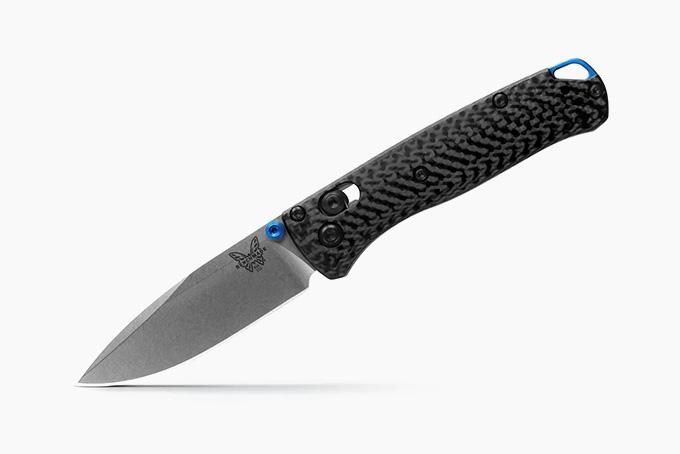
We ended up going small and fancy (leave it to us, we know). This is the Mini Bugout in carbon fiber (model 533-3), which trades the standard knife’s Grivory handle for carbon fiber scales and its S30V blade for S90V. A blue anodized backspacer and thumb studs are there to set it all off.
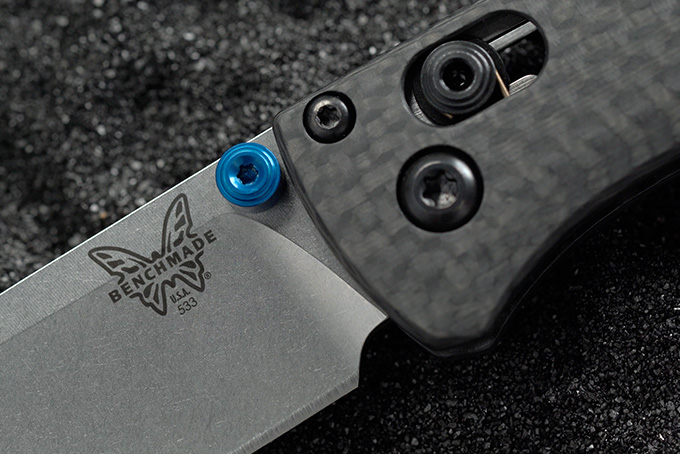
The blade measures just 2.82 inches, and staying under three makes it an easier carry in places with stricter knife laws. What tends to get people, though, is the weight. The whole knife comes in at about an ounce and a half, and that’s with a full AXIS lock and a deep-carry clip. It’s really impressive to handle in person as it’s feather light, but it also feels really well built at the same time.
At $325, this version costs more than double the standard Mini Bugout, and knife people already know the name for that gap: it’s called the butterfly tax. It stings because none of the extra money changes how the knife opens, locks or carries. But it does buy you nicer steel and a much nicer handle.
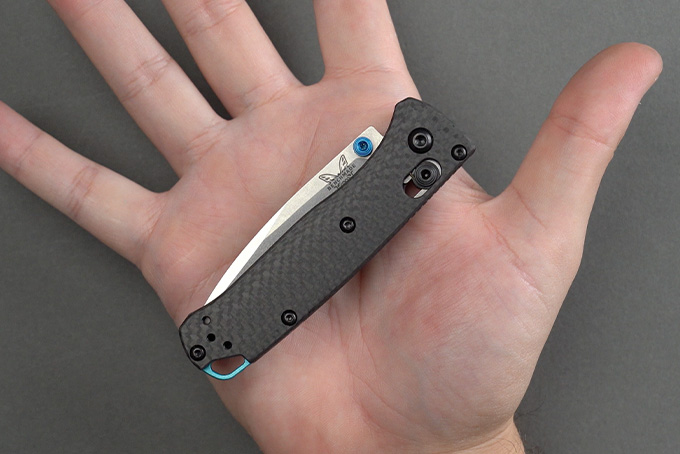
Owners across the board call this the best Mini Bugout that Benchmade makes, and yet we’d still probably tell most people to buy the Grivory one. The carbon fiber is for someone who already knows they love the knife and wants the best (and coolest) version.
One last thing. Fakes of this exact model are floating around discount marketplaces, so only buy it from an authorized Benchmade dealer.
Blade Length: 2.82 in
Blade Steel: CPM-S90V
Handle: Carbon fiber
Lock: AXIS
Weight: 1.5 oz
Timex Retroware Digital
Why It Made The Cut
- It looks like an ’80s reissue, but this curved-screen digital is a clean-sheet Timex that only landed in August.
Alright, so obviously a watch is probably never going to sit in your sling bag, especially something like an inexpensive Timex. But we love watches, and they’re a big part of both our brand coverage and daily carry around these parts – so here we are.
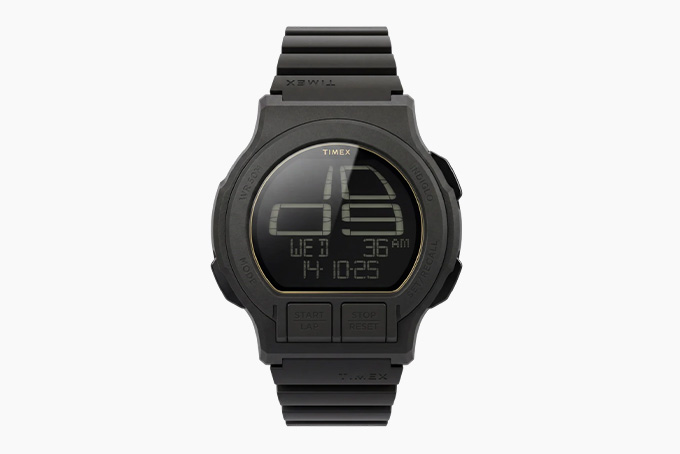
Now, at first glance, you’d be forgiven for assuming this little Timex is one of the brand’s reissues, since the curved screen and oversized digits look like they were lifted straight off an ’80s sport watch. But, the Retroware Digital is a clean-sheet design that actually just came out this past August (proving again that Timex just keeps killing it).
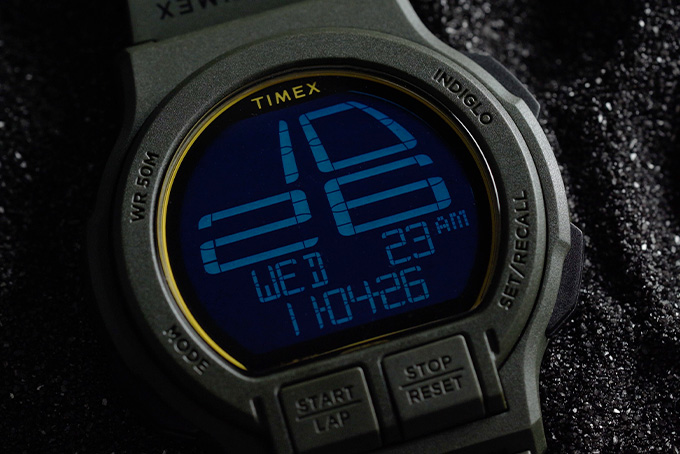
Everything here revolves around that display. The digits are huge and they bend right along with the screen, which looks fantastic. It also takes a day or so before your eyes can read it at a glance. Which, admittedly, is a funny problem for a digital watch to have, considering telling you the time instantly is kind of the whole job here.
As far as size goes, it’s less of a handful than it might sound. The resin case is 46mm across, but it’s thin and light, so it wears smaller than that number suggests. For reference, our producer wears it on a 6.75” wrist.
Timex kept the feature list short on purpose. You get a chronograph with two dedicated pushers on the front, a timer, an alarm, a calendar and, because it’s a Timex, you also get Indiglo. There are no smart features at all, but for a lot of people (ourselves included) that’s kind of the whole point.
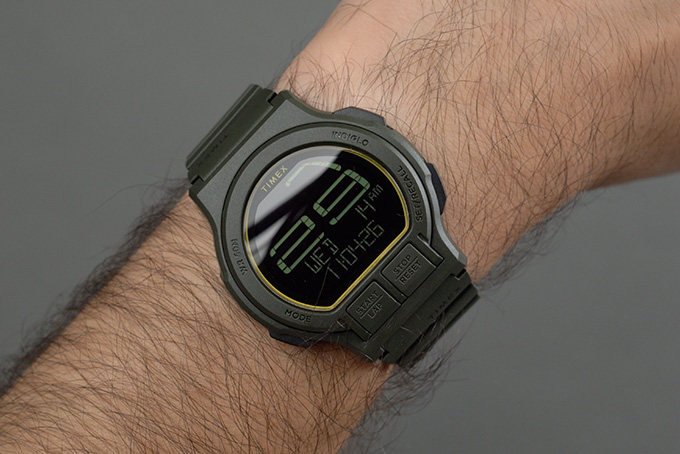
A few quick things just to note. Water resistance stops at 50 meters, which is on the lower end for a resin sport watch, and early owners say the tuck-under strap makes sizing a bit finicky depending on your wrist.
Whether those big numerals stay charming a few years from now is anyone’s guess, but this is a pretty low-stakes way to find out, and so far, we’re loving it.
Case Size: 46mm
Case Material: Resin
Movement: Quartz (digital)
Water Resistance: 50m
WUBEN G5
Why It Made The Cut
- A magnetic base and a rotating head let this $29 light stick to a fridge, a car or a knife blade and aim right where your hands are working.
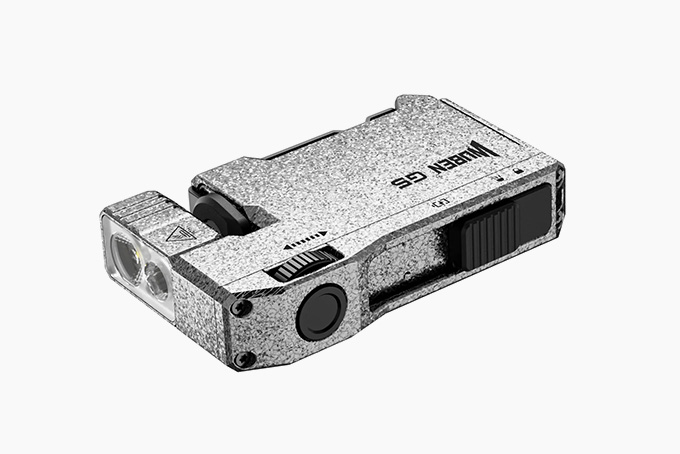
No loadout of ours is complete without a flashlight, and for the price, the WUBEN G5 is one of our favorite little pocket lights out there. We like it enough that we already own it in black and in several other colors.
For this loadout, we wanted to have a bit more fun with it, so we went with a finish WUBEN calls Ice Cracks. It’s a silver-grey body with a dark crackle pattern running across it, and it happens to match the silver Oakleys we’ve paired with later in this loadout.
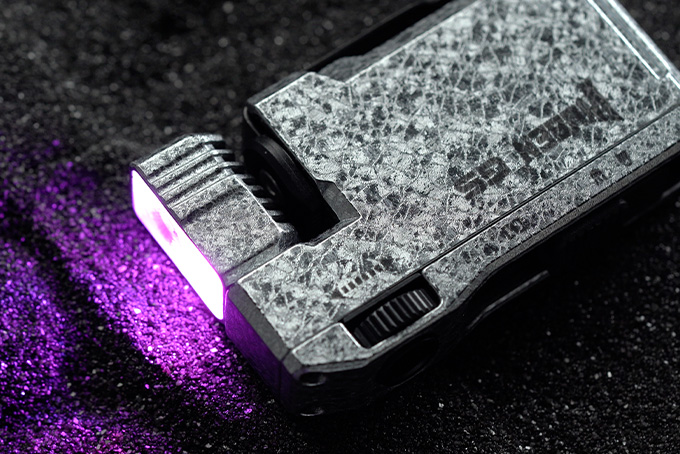
The G5 weighs 52 grams and puts out 400 lumens, but the numbers aren’t really the draw for this little pocket torch. What makes it special is a magnet in the base paired with a head that rotates. That lets you stick it to a fridge, the side of a car or even the flat of a knife blade, and then aim the beam at whatever your hands are doing.
The clip swivels too, so you can hang it off a hat brim as a makeshift headlamp. There’s also a small RGB side light that runs through the full color spectrum, and charging is handled over USB-C.
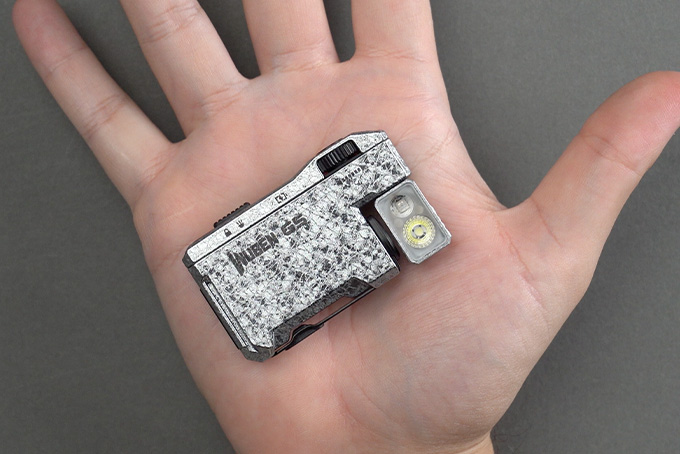
All of that does come at the cost of simplicity though. This is a tiny light with a slider, a side switch and a rotary wheel, and longtime owners (again, ourselves included) will tell you it can take some time before your thumb lands on the right mode without having to think about it. Compared to the one-function keychain lights it competes with, the G5 asks a little more of you up front, but you also get a whole lot more back.
But for a light that regularly sells close to $20, it’s pretty easy to see how we ended up with it in so many colors.
Max Output: 400 lumens
Beam Distance: 82m
Weight: 52g
Water Resistance: IP65
Charging: USB-C
Fujifilm X100VI
Why It Made The Cut
- Built-in film simulations and shareable recipes give you a film look straight out of the camera, and that’s why this one rides in our sling.
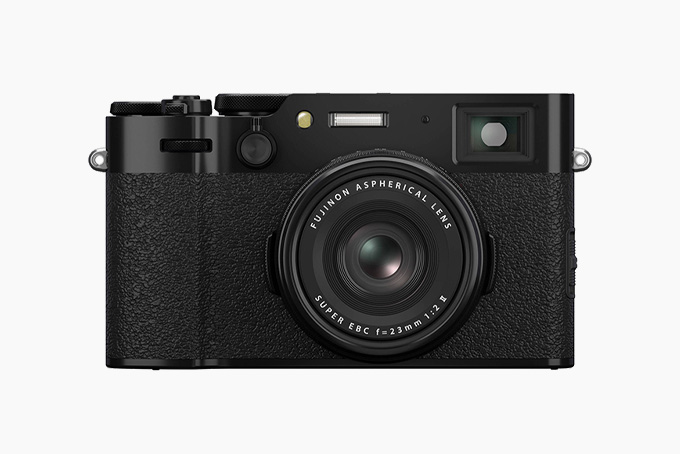
Next up is a camera, and yes, we know. At just under $1,800, the Fujifilm X100VI is nobody’s idea of an essential. You can leave it out of your sling, and your iPhone will take some great pictures. But for us, photography is not only a career path, it’s our personal passion and hobby. So a camera is something we love to carry daily.
When we started working on this sling loadout, we already knew which of our smaller cameras was going to end up in this sling.
The X100VI makes a lot of sense here because its lens is fixed. It’s a 23mm f/2, which works out to a classic 35mm field of view, so there’s no zoom and nothing else to pack. You also get a 40-megapixel sensor, which leaves you room to crop when your feet can’t get you any closer.
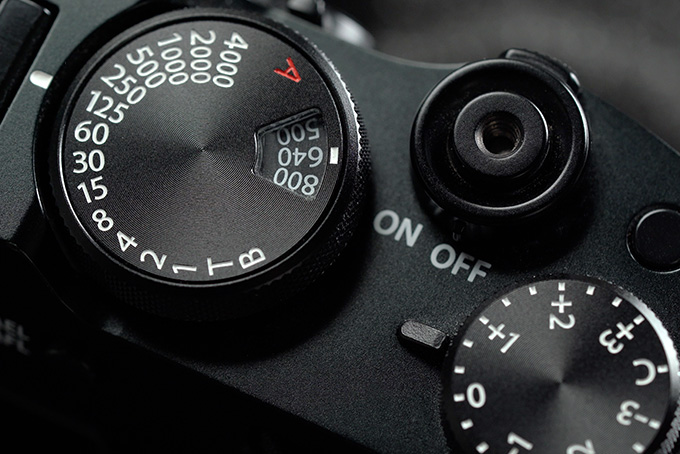
But the real reason people fall for this camera is Fujifilm’s film simulations. There are 20 of them built in, from Classic Chrome to the new REALA ACE, and they draw on the brand’s decades of making actual film. So instead of editing everything later, you’re getting that film look straight out of the camera.
Then there are recipes. Fuji shooters dial in a film simulation’s grain, color and tone settings to mimic specific film stocks, and then share them with each other online, so there are hundreds out there to try. You can save your favorites to the camera’s custom slots and switch looks on the fly. And honestly, that’s the reason it’s become our go-to camera.
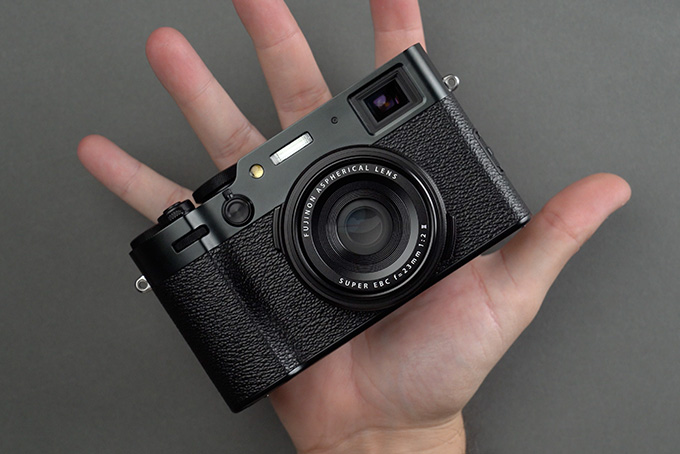
This is also the camera that sat on backorder for roughly two years, and it now costs $200 more than it did at launch.
We’ve also run into the power switch getting bumped on in our sling, so just something to keep tabs on.
Fujifilm has become something of the people’s champ in the camera world, and the X100VI is arguably the best example of why.
Sensor: 40MP APS-C
Lens: 23mm f/2 (35mm equivalent)
Film Simulations: 20
Viewfinder: Hybrid optical/electronic
Anker MagGo Power Bank 2 Pro
Why It Made The Cut
- Wireless charging runs warm, so Anker put an actual fan inside this 25-watt magnetic bank to help keep your phone cooler.
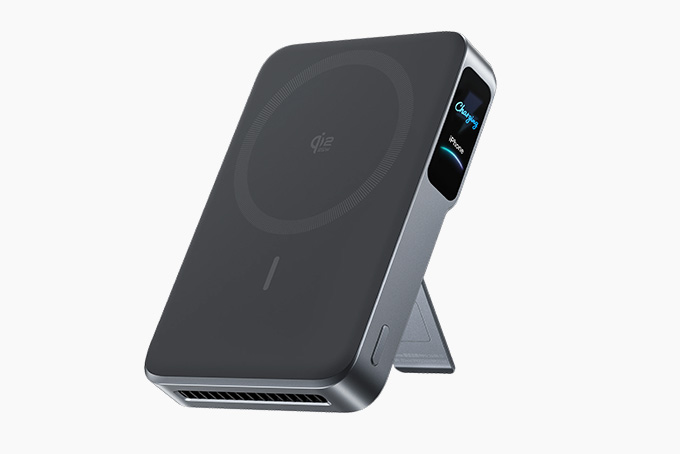
A dead phone is about the quickest way to ruin your day, so a power bank always gets a spot in our sling. This time around, it’s Anker’s MagGo Power Bank 2 Pro. Anyone who’s charged a phone wirelessly knows how warm things get back there, and Anker’s answer was to put an actual fan inside the power bank.
It’s a 10,000mAh bank that snaps on magnetically and charges at up to 25 watts over Qi2.2. While it charges, vents on both the top and bottom edges keep air moving, and Anker claims that holds temperatures under 96.8 degrees Fahrenheit.
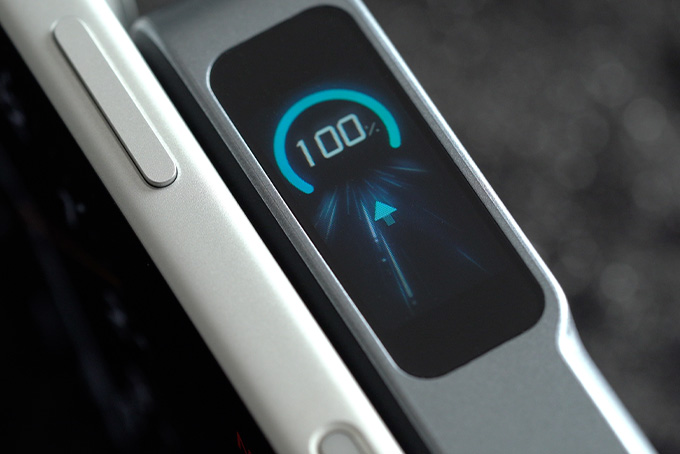
For the most part, we found the cooling does its job pretty well, but your phone will still end up getting warm. The fan is quiet but it’s not silent, and a double-press of the button shuts it off if you prefer.
There’s a kickstand that folds flush into the body and holds at any angle up to 80 degrees. You also get a small color display that reads out wattage, temperature and battery level, and it’ll even name the brand of phone it’s attached to.
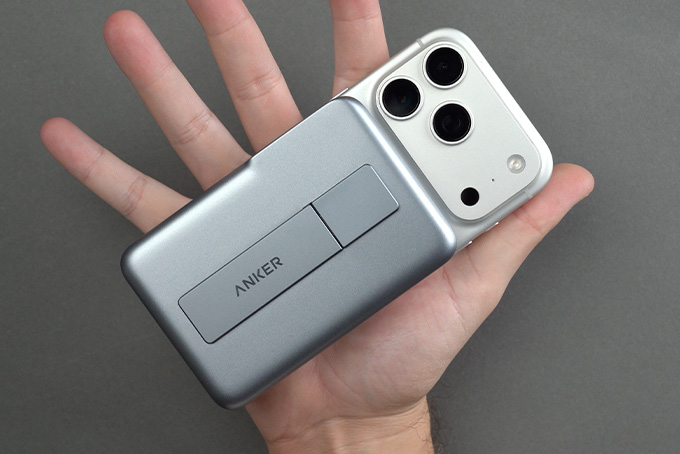
This little power bank isn’t going to be for everybody. Phones without Qi2 won’t charge wirelessly from it, which rules out anyone on an older Android, and the one-foot cable in the box is too short to reach much of anything. The sticking point for nearly everybody who’s tested one is the $109 price. If speed isn’t your priority, Anker’s Nano 5K is both slimmer and cheaper.
Still, the old knock on magnetic power banks has always been that they charge too slowly. A bank that can hold 25 watts finally answers that, and it’s the reason this guy got the nod over something thinner.
Capacity: 10,000mAh
Wireless Output: 25W (Qi2.2)
Wired Output: 45W USB-C
Display: Smart display
Weight: 7.7 oz
Oakley Eye Jacket Redux
Why It Made The Cut
- The 1994 wraparound is back in silver, and the Unobtainium-padded fit is what owners rave about most.
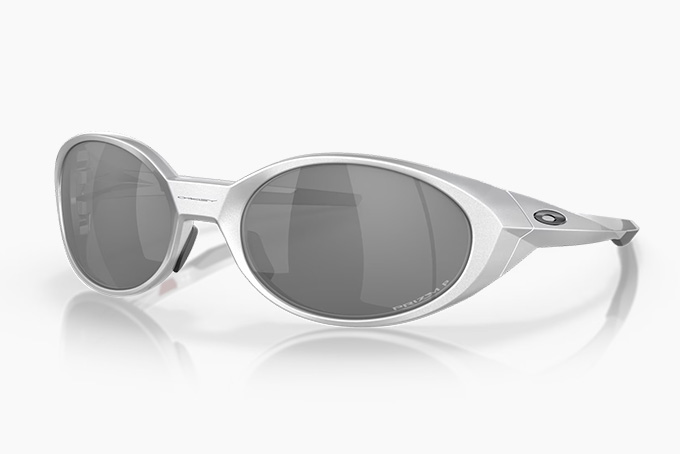
If you were paying attention back at the flashlight, you already know what color our sunglasses are going to be. This is the Oakley Eye Jacket Redux, and we’ll admit to some bias, since we already own several pairs of Eye Jackets. Even so, the silver frame with Prizm Black Polarized lenses is the combination that feels the most like the ‘90s to us – which tracks considering the originals came out in 1994.
The Redux is a reissue of that oval wraparound, which also happens to be the brand’s first sunglasses engineered on a computer. Purists will point out that the new shape isn’t a line-for-line copy, but that’s probably only going to matter for those people who owned the first run.
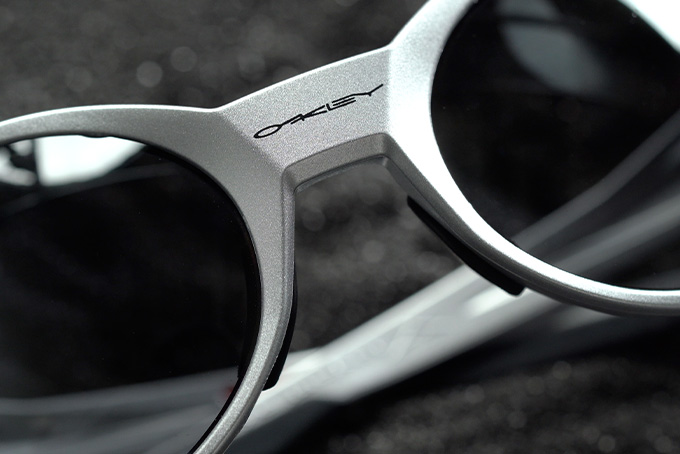
And while we love the looks of these sunglasses, fit is the thing people rave about the most. Unobtainium pads at the nose and temples keep the frame planted, and owners throw around phrases like “best-fitting Oakley ever.” Just know it’s cut narrow with a high bridge, so it suits small-to-medium faces better than wider ones.
The lenses are something to consider for daily wear. Prizm Black Polarized lets in only about 11% of available light, which is great at noon in a parking lot. But almost everywhere else it can be a bit of a problem, because the moment you walk into shade or a store, you’ll be pushing them up onto your head. If these are going to be your only pair, a non-polarized Prizm lens would probably be the easier one to live with.
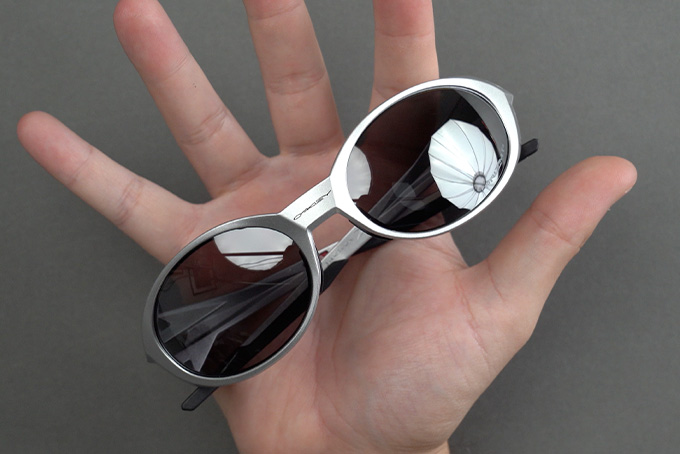
Even Oakley’s diehards will admit this revival is more about fashion than function. They also ship with just a microfiber bag, which is all the protection they’ll get in a sling so just keep that in mind.
Fashion-first or not, we think a silver wraparound sitting next to a crackle-finish flashlight is the best-looking corner of this loadout.
Frame: Silver, O Matter
Lens: Prizm Black Polarized (11% light transmission)
Fit: Narrow, high bridge
Aer Day Sling 4 Ultra
Why It Made The Cut
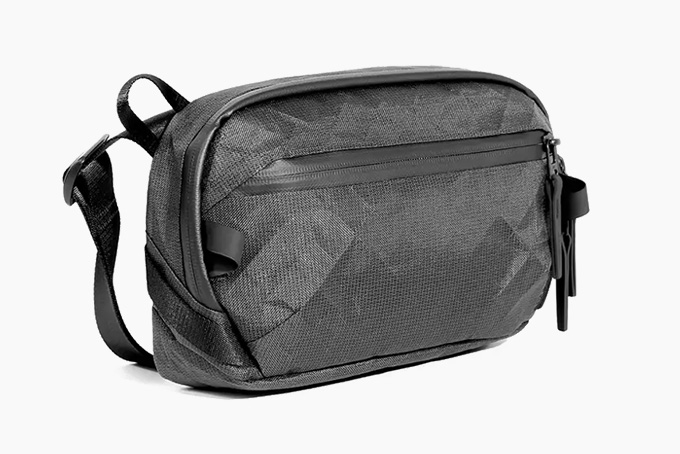
- Aer actually shrank the Day Sling this time, and the trimmer 2.5-liter Ultra wears closer to the body than the version before it.
Alright, as you’ve probably guessed, we’re closing out with the actual sling we’re using to haul all of this gear. And seeing that a loadout is only as good as its bag, we decided to go with one of the higher end picks from the crew at Aer. We’ve been covering the brand since its launch in 2014, and have been around for every revision of the Day Sling since.
Aer has never been one to start over. Each generation just fixes a bit more than the last, and this fourth one feels like a pretty solid payoff in the pack’s evolution. The biggest change is that the bag actually got smaller – which definitely threw us off when we first got our hands on it.
The Day Sling 3 Ultra held 3 liters and this one trims that down to 2.5, and hey, we know that sounds like a step backwards, but on the body it does wear much better now. It’s noticeably closer and trimmer, and we do prefer it from an aesthetics perspective.
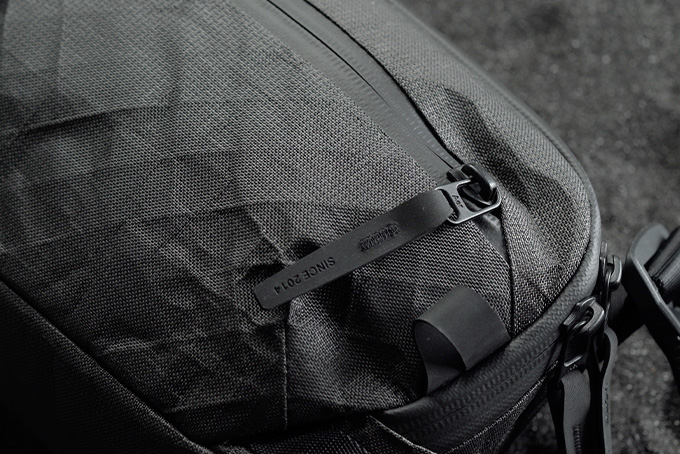
And you can probably guess which version we went with, since our weakness for over-engineered gear is pretty well documented at this point (see also: the carbon fiber Bugout). The Ultra’s shell is Ultra400X from Challenge Sailcloth, which is lighter and more weatherproof than ballistic nylon (but the standard Day Sling 4 is still a great bag, and it’ll save you $40).
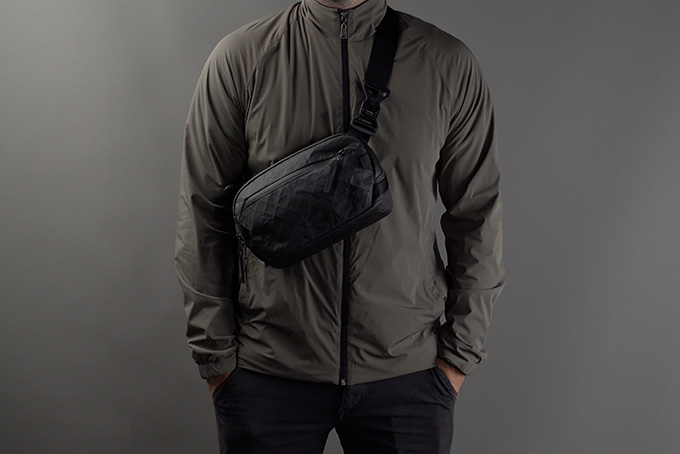
Inside, you’ll find a set of front organizers and a removable key leash, plus a padded sleeve that takes tablets up to 8.3 inches. And yes, before you ask, an iPad mini does fit. Aer even built in a hidden pocket especially for an AirTag.
If we had just one complaint, it’s that the Day Sling 3’s grab handle is gone. Honestly, we’d probably have kept it. At well under a pound (0.69 pounds), the Day Sling remains one of our favorite bags for everyday carry, and the Ultra is still the one our heart lusts after.
Capacity: 2.5L
Dimensions: 9.5 x 6 x 3 in
Weight: 0.69 lbs
Material: Ultra400X by Challenge Sailcloth
Tablet Sleeve: Up to 8.3 in