Credit:
Lucas Gouveia/How-To Geek
Linux isn’t really just one operating system. It’s the bones of an operating system, in the form of the Linux kernel, but everything beyond that is up for debate.
Two Linux distros can be so similar to use, that you wonder why they both have to exist in the first place, or they can be so different that you question whether you actually know how to use Linux at all. With so many distros to choose from, what are even the chances you happen to be using the best one for you? While incessant distro-hopping can be pointless and unhealthy, if you’re seeing the signs that your current distro is harshing your melllow, maybe it’s time to move on buuuuddy. Sorry, I’ve been watching Pauly Shore movies.
You’re constantly searching for tutorials just to do basic tasks
RTFM: Read The Fudging Manual
-
 Credit: Rich Hein/HowToGeek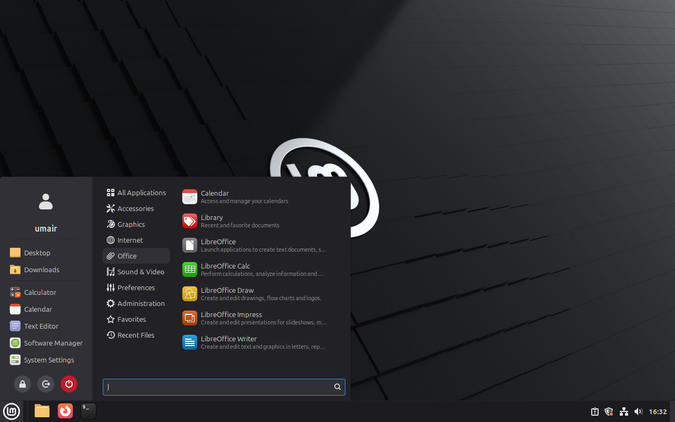

-
-
 Credit: Rich Hein/HowToGeek
 -
-
-
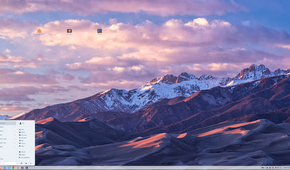

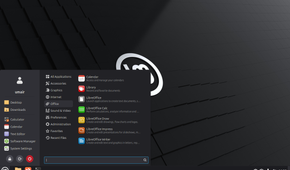
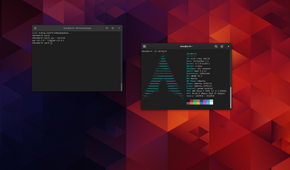
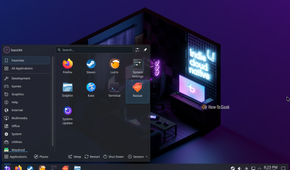
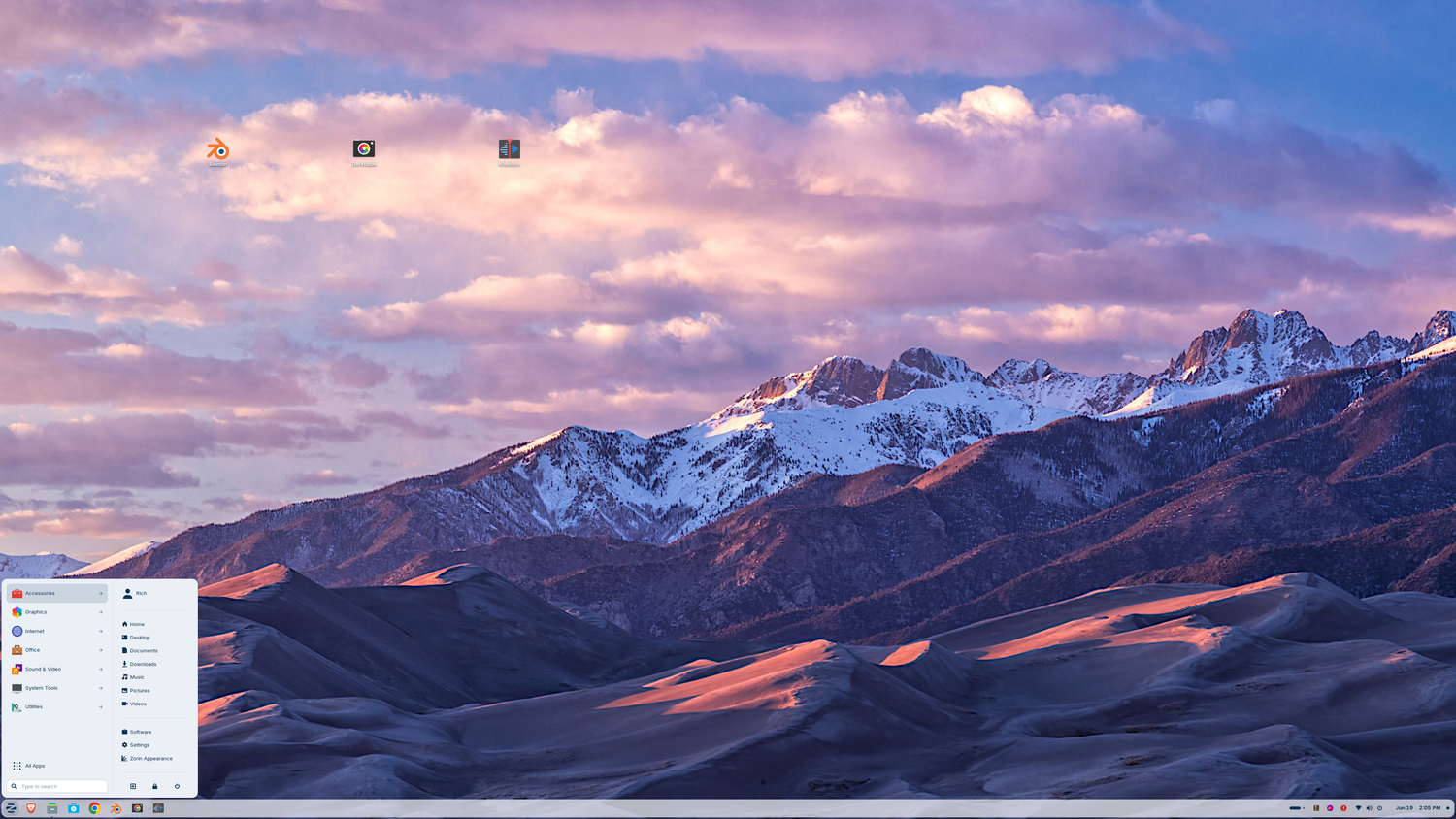
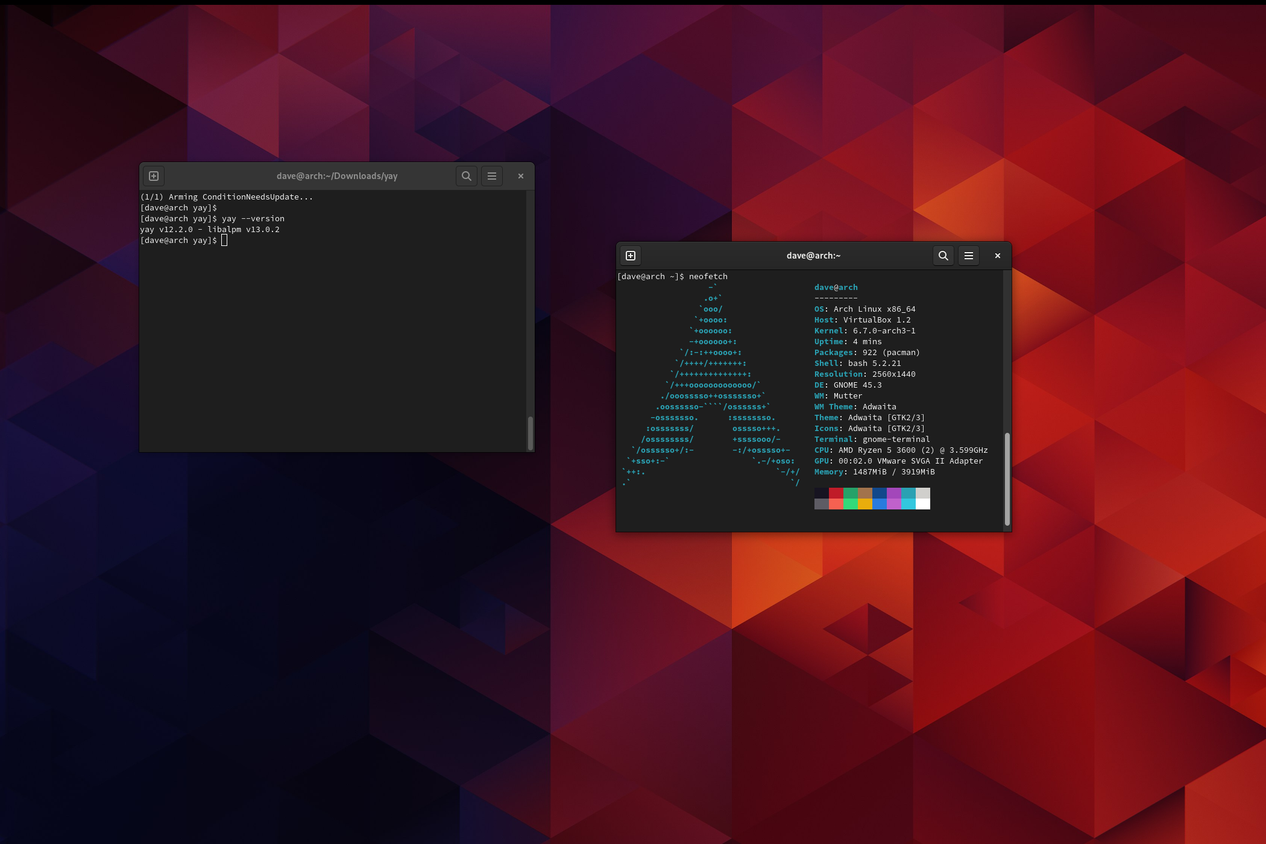
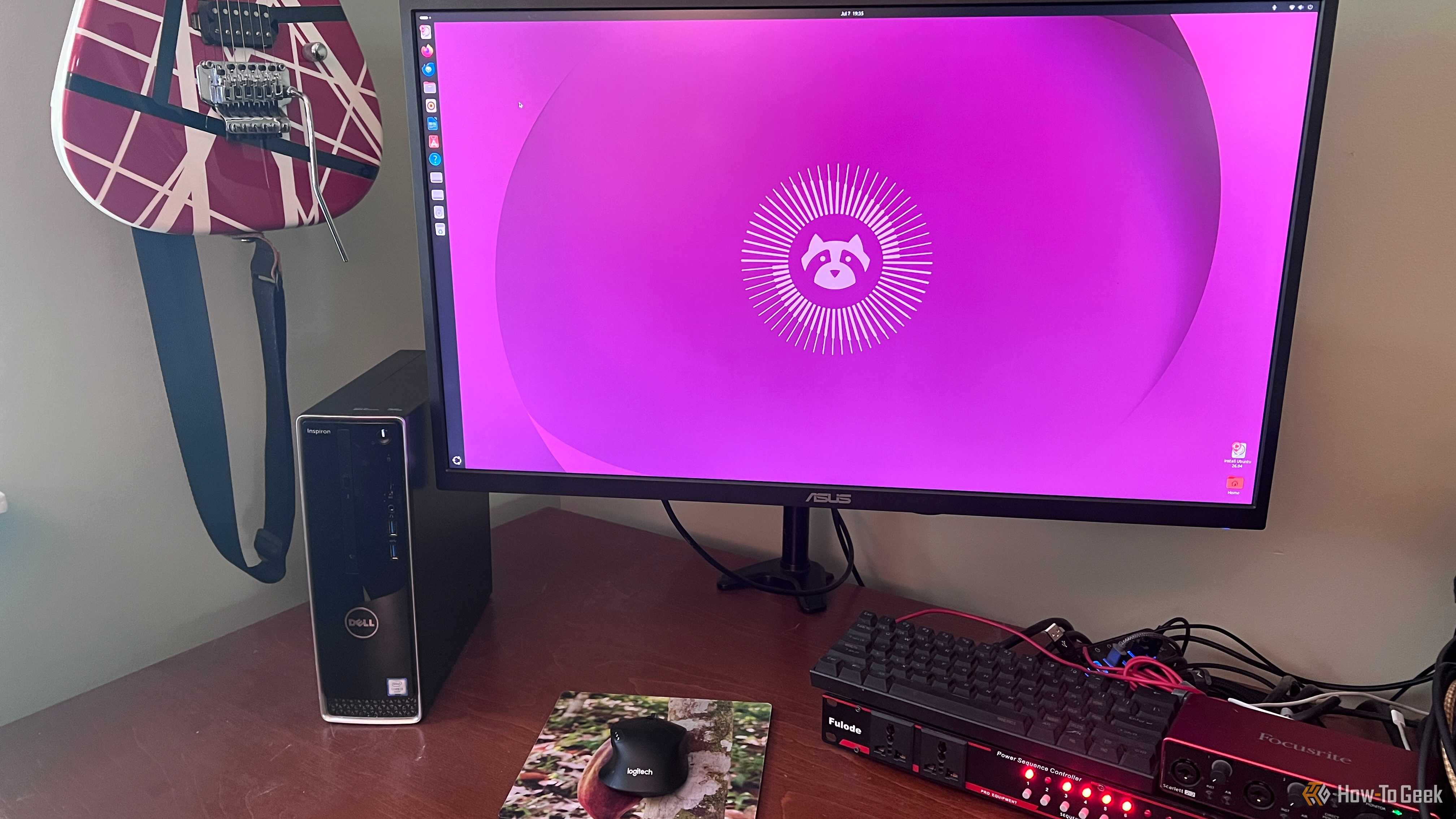
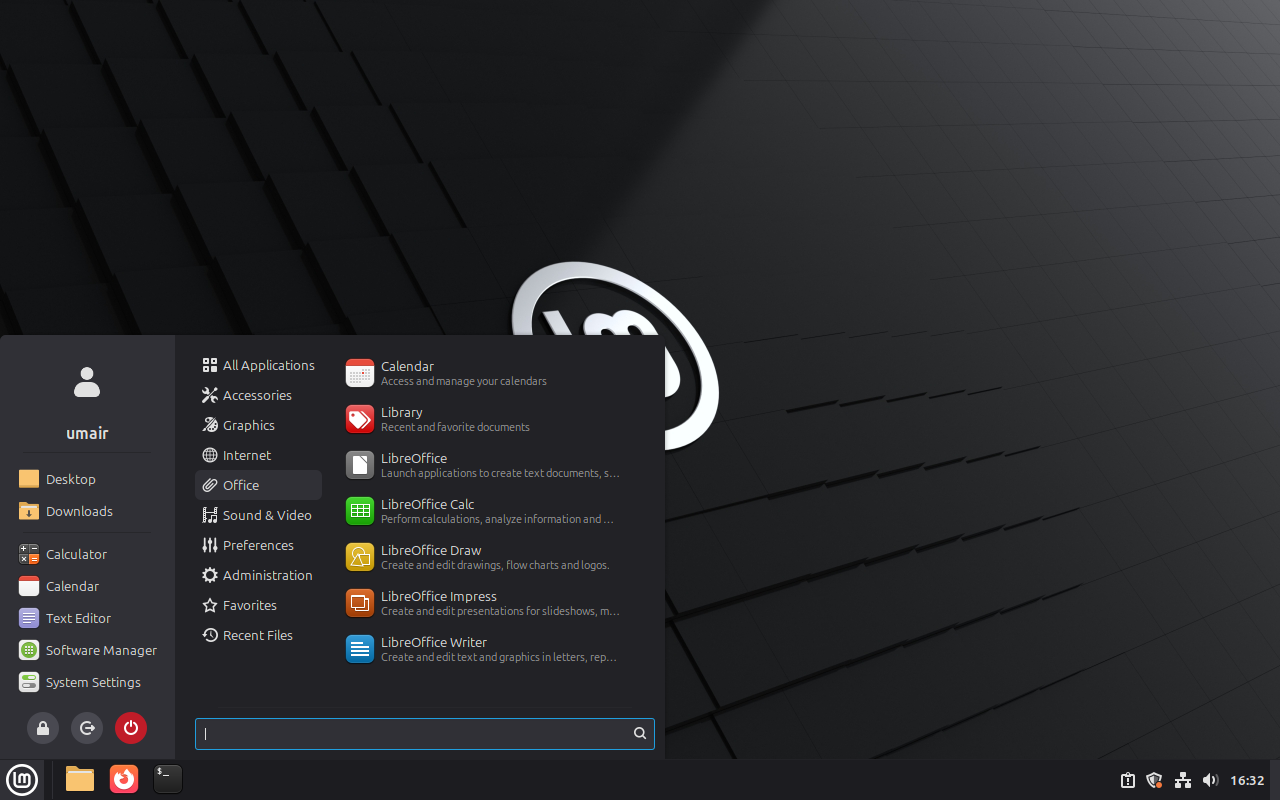
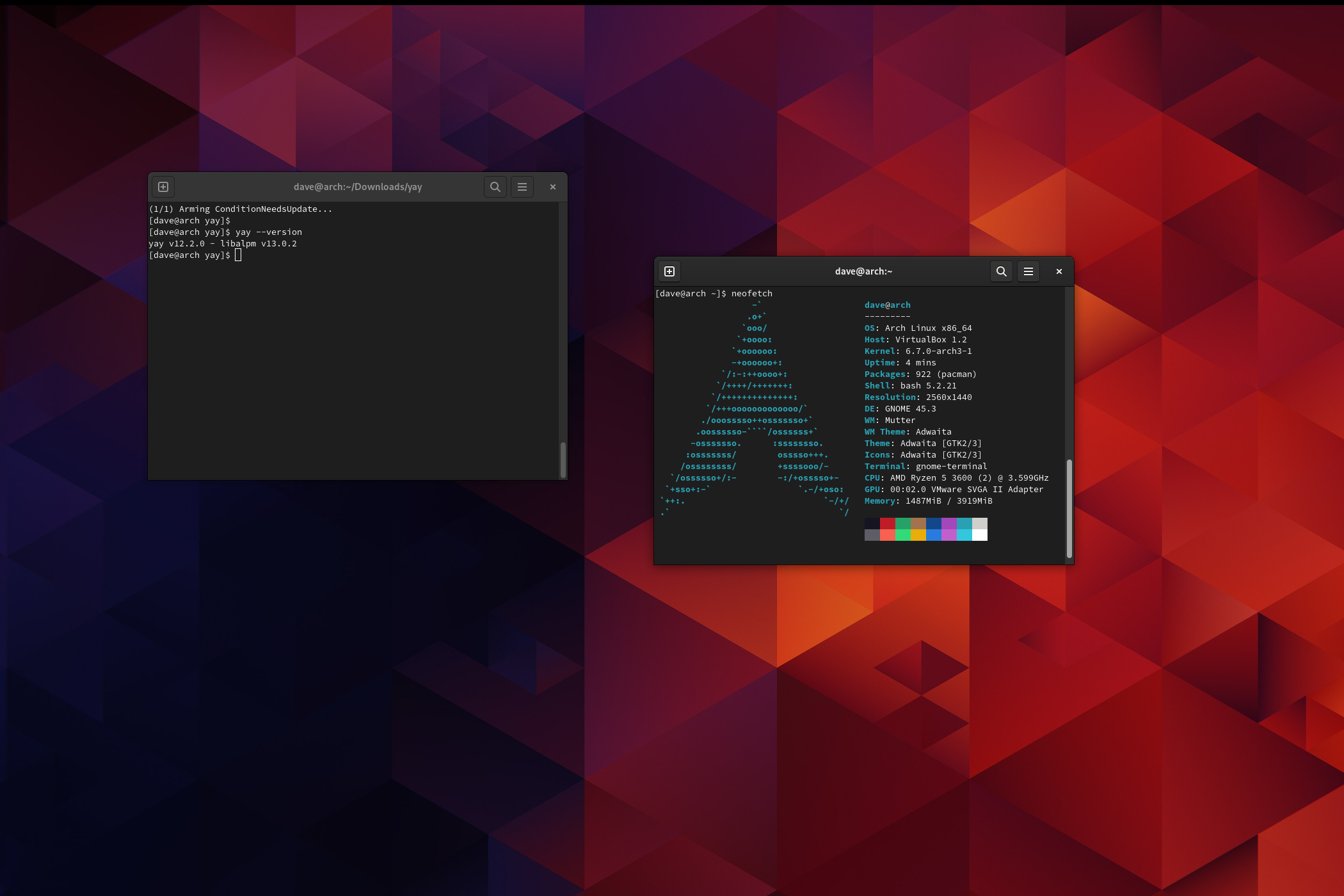
I’ve written before that there isn’t really something like a beginner distro, but if you’re using one of those “BTW” Linux distros that don’t have much mainstream traction, it’s likely you’re always trying to figure out how to do everything.
If you’re constantly stuck in niche forums looking through posts from five years ago because you need to install software that’s not in any of your repos, and you don’t know how, or you need to do something with a hardware driver, but no one seems to know what the deal is with “Edgy Linux No One’s Head Of” then maybe just use Ubuntu, Mint, or Zorin. Distros that have millions of users and where anything you might ever have wanted to do has already been done, documented, and is available as a YouTube tutorial narrated by a person smarter than us all, but with an unintelligible accent.
You spend more time customizing than actually using your PC
Just one more tweak
 Credit: Dibakar Ghosh | How-to Geek
Now, this is only a bad sign if what you want is a functional computer that can help you achieve a separate goal. If your hobby is Linux and messing with it all day, then there’s nothing to see here folks. However, if you’re constantly interrupting what you’re trying to do in order to make just one more tweak to the UI, or you’ve changed your desktop environment, and then changed it back repeatedly, maybe you should look for a distro that’s closer to what you need out of the box.
I’ve seen it more times than I can count over the years, where someone is “still setting everything up” months after installing their OS. If you just can’t reach a point where things are stable, and you can just do your work every day, you’re not in the right place.
Your needs have changed since you first installed Linux
Growing pains
 Credit: Patrick Campanale / How-To Geek
Operating systems like Windows and macOS have a pretty tough job. They have to be everything to everyone. While there might be a few different editions of Windows that have small specific differences, overall it’s a lowest-common-denominator deal. It’s one of the reasons Windows isn’t great, but this approach has its strengths.
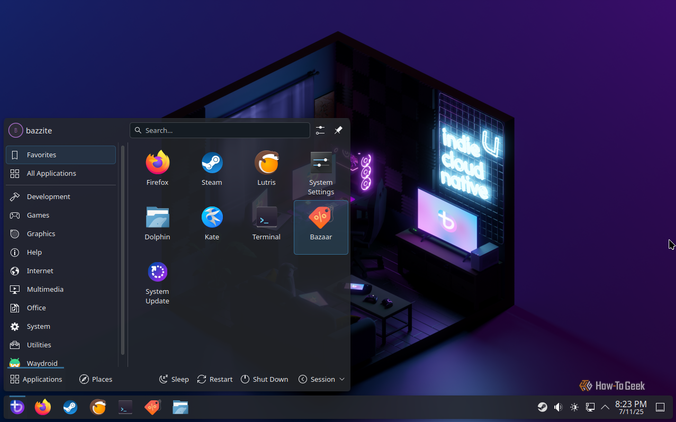
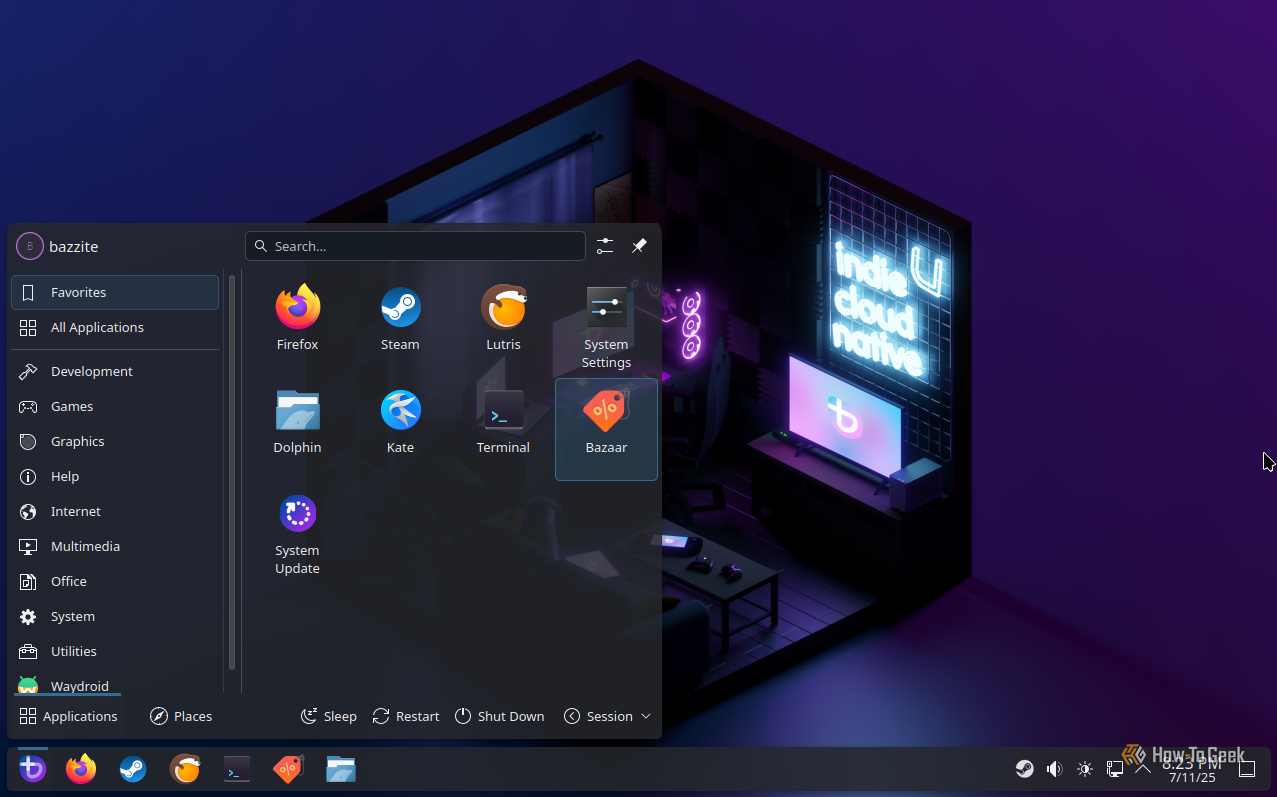
With Linux, you can have distros that cater strongly to specific audiences like gamers, coders, homelabbers, and so on. The energy and focus of the distro developers go towards those users and less emphasis is given to anything else. This isn’t a bad thing, it’s just that if you were one type of user when you picked your distro, but have since developed different needs, you might have to look somewhere else.
You’re only sticking with it because everyone says you should
Peer pressure is never a good reason
 Credit: Lucas Gouveia/How-To Geek
Look, we all know how tribalistic people get about literally anything, and if you want Linux users at each other’s throats, just ask them which is the best distro and why. Each person’s choice of distro is like hooking their identity to a sports team (perhaps even verging on religious fervor in some cases) and so it’s easy to get sucked into an echo chamber of other people telling you to stick with the distro you’re using. Even if you hate it.
But that’s never a rational reason to use any piece of software. Just because a lot of people are yelling in your ear doesn’t mean it’s right for you. So take a step back, and actually look at what you need from your OS, then measure your current distro up against those needs as objectively as you can. Without running to Reddit and asking “should I change distros?”
You no longer agree with the distro’s philosophy
We have such a glut of distros, both major and minor, because people can’t agree on one central philosophy. Say what you want about Windows, but at least it has one main goal, even if that goal is to extract as many nickels and dimes from you as possible. You have to respect it in a weird way. It’s awful, but it’s consistently awful.
Different distros have varying approaches to things like security, privacy, software support, licensing models, and really any niche Linux community sticking point you can think of. Minor disagreement? We’ll just schism into two almost identical distros, with one tiny difference. But that does mean your opinion on the philosophy of a distro can change, or that the distro itself can change in a direction you don’t agree with. At which point you’re probably going to want membership in the new sect.