Wiltshire doesn’t quite fit anywhere. It leans into the Cotswolds on one side and the West Country on the other, and yet it never reads as either. Chalk downs roll into clipped parkland, parkland gives way to a village so pretty it looks like someone built it for a film set (several have, actually). It’s an odd, layered county, and most people drive straight through it on the way to Bath without stopping. That’s a mistake. Passepartout Homes, explains why.
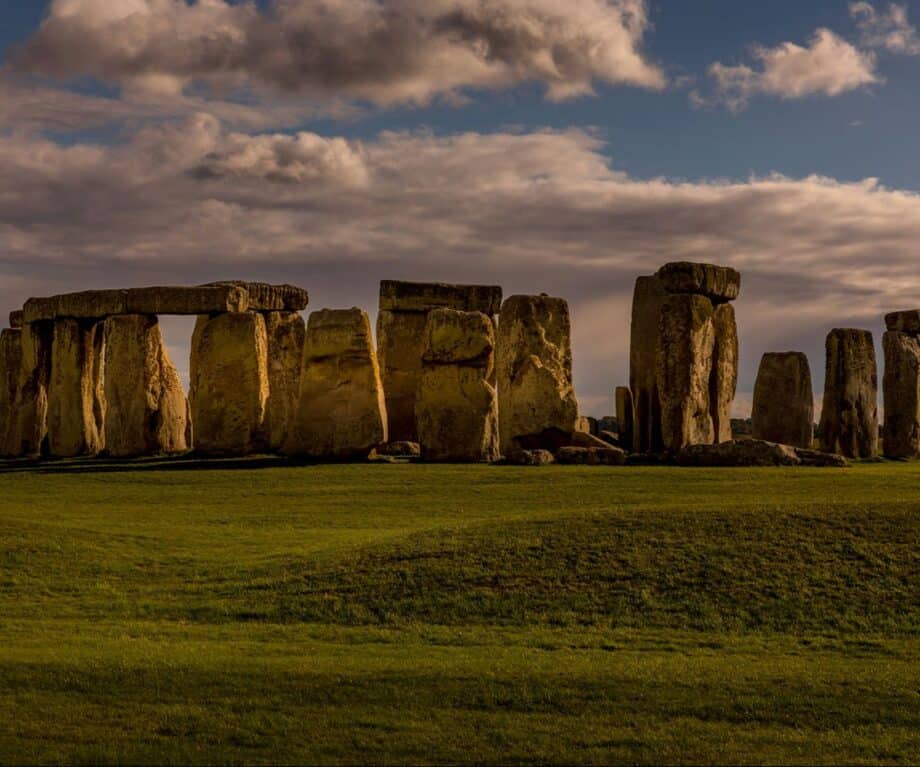
Most people have already “done” Stonehenge, usually on a school trip, usually in the rain, usually from behind a rope with a coach idling somewhere nearby. Worth going back. The stones are older than almost anything else standing in Britain — parts of the site are pushing 5,000 years old — and there’s still no consensus on exactly why it was built, which is more unsettling in person than it sounds on paper. You can’t touch the stones anymore, but English Heritage has done a genuinely good job with the visitor centre, so the history lands rather than just the gift shop. If you want to go further than most visitors bother to, book the Stonehenge Explorer Tour ahead of time. It’s a small group, led by someone who actually knows the landscape, and it takes you out to Woodhenge and Durrington Walls, two sites most people have never even heard of.
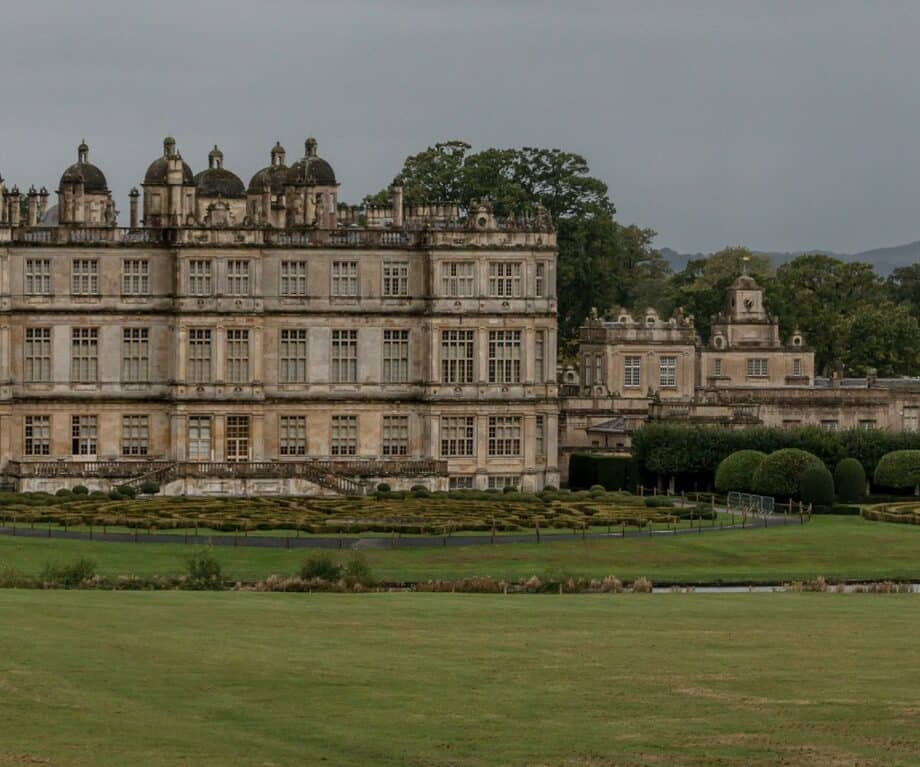
Give Longleat a full day. Don’t try to squeeze it into a morning between other things, because it doesn’t work that way. The house is one of the best surviving examples of Elizabethan architecture anywhere in England, and the grounds — Capability Brown, no less — swallow whole afternoons without you noticing the time going. It was the first stately home in Britain to charge admission, and the first to open a drive-through safari park, which still pulls its weight as a proper attraction rather than a bolt-on for the kids. The estate has passed down to Ceawlin Thynn, the 8th Marquess of Bath now, and his wife Emma has become something of a public figure in her own right — a bit more visible, a bit more modern, though the place has been in the same family since the 1500s and still feels like it.
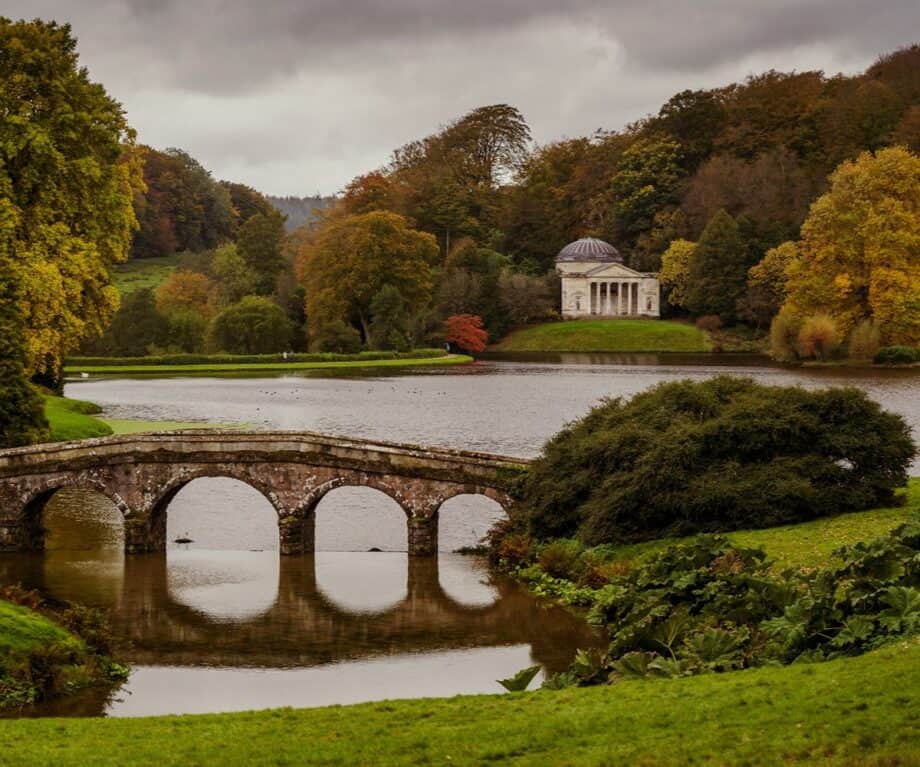
Where Longleat is grand, Stourhead is staged, in the best sense. There’s a Palladian house, and it’s worth seeing, but the garden is really why people come. It was designed as a sequence of views — you walk around the lake and the Pantheon appears, then the grotto, almost choreographed. Peacocks wander around as though they know they’re part of the effect. Indoors, there’s a proper collection too: a Regency library, Chippendale furniture, portraits worth pausing in front of rather than walking past.
🌟 Luxury hotel deals from Booking
🏡 Vacation rentals from VRBO
✈️ Flights from KIWI
🛫 Private jets from Private Jet Finder
🅿️ Airport parking from ParkVia
🛋️ Airport lounges from Priority Pass
🚖 Airport taxis from Welcome Pickups
🚗 Car rentals from Discover Cars
🚐 Luxury RV rentals from RVshare
🚢 Cruises from Cruise Direct
🛥️ Ferries from Direct Ferries
🎫 Attractions tickets from Tiqets
🏞️ Tours from Viator or GetYourGuide
🛡️ Travel insurance from Safety Wing
🏥 Medical insurance from World Nomads
🧳 Luggage from Case Luggage
🛅 Luggage storage from Stasher
📚 Travel guides from Lonely Planet
📕 eBooks from Kindle Unlimited
🎧 Audiobooks from Audible
🎬 Movies from Prime Video UK
🎵 Music from Amazon Music UK
💶 Travel currency from Wise
📱 SIMs from SimOptions
🌐 VPNs from ExpressVPN or NordVPN
🛂 Visas from iVisa
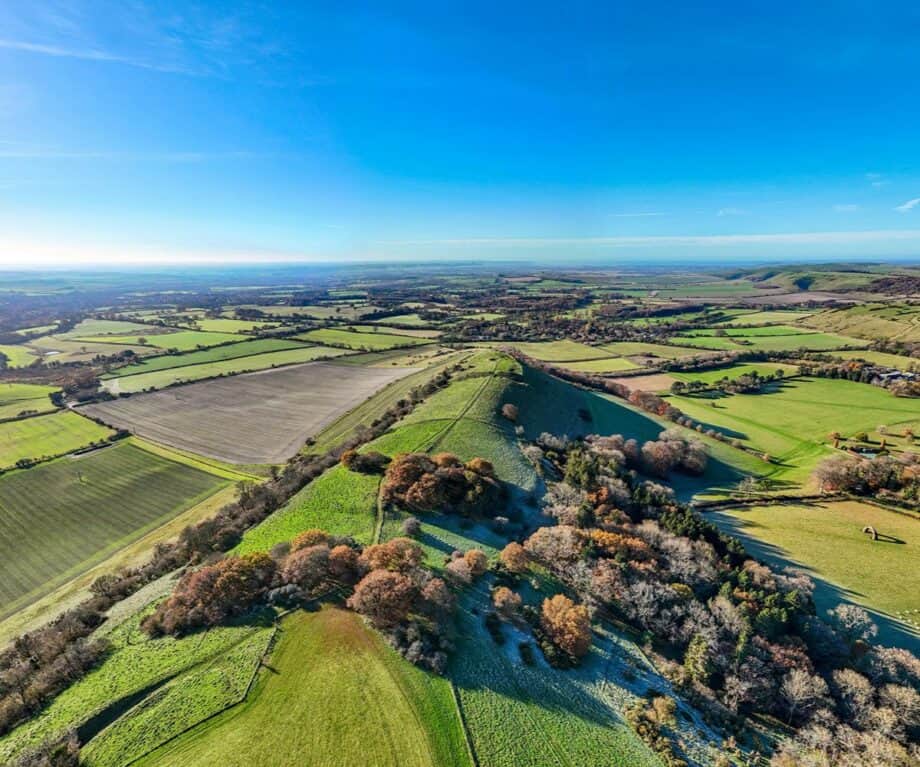
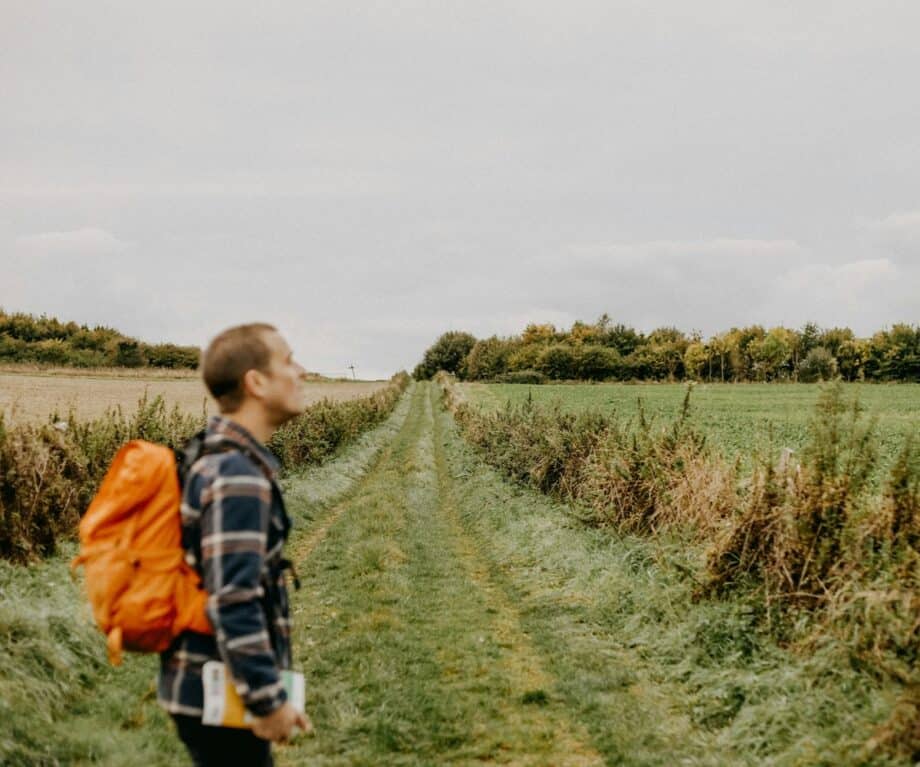
Nobody talks about Wiltshire as a walking county, which is a shame, because it is one. The Wessex Ridgeway and the Avon Valley Path both run for miles through farmland that stays quiet even in August. Closer to town, the Kennet & Avon Canal is an easy, unhurried walk, with a pub or a tea room turning up more or less exactly when you start wanting one. For something with more of a climb, Bratton Hill gets you views over the Westbury White Horse — the chalk figure cut into the hillside — and the remains of an Iron Age fort. Or, if you’d rather stay closer to civilisation, there’s a loop around Malmesbury along the River Avon that takes in St Aldhelm’s Mead and the Abbey House Gardens, both easy to miss if you don’t know to look.
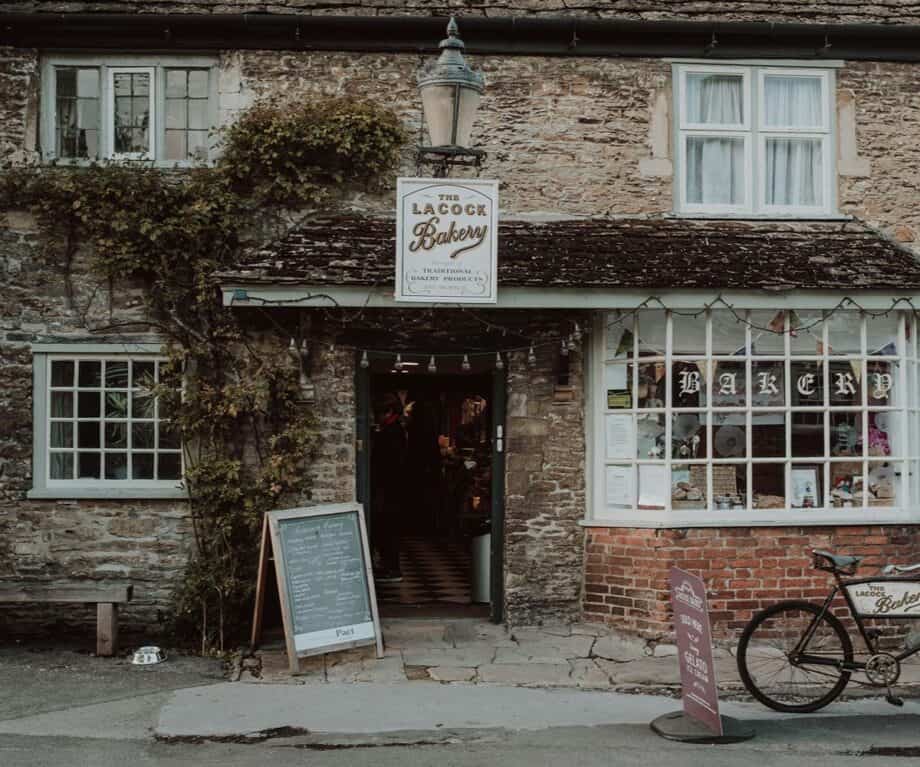
You need at least one afternoon just wandering, and Wiltshire gives you two good options for it. Castle Combe is the obvious one — golden stone, a couple of pubs, no cars allowed through, the whole thing almost too pretty to be real, which is presumably why film crews keep turning up. Lacock is the quieter, more interesting choice. It’s barely changed in decades, it has its own abbey, and the Fox Talbot Museum there marks the actual birthplace of photography.
We can help put a Wiltshire trip together or fold it into a longer route through the Cotswolds and the West Country.
Did you enjoy this article?
Receive similar content direct to your inbox.