This article contains affiliate links. We may receive compensation if you make a purchase using one of these links at no additional cost to you. See our Disclaimers and Terms of Use for more information.
Starting with pad thai and pho, discover the dishes not to miss when you travel to Southeast Asia. Some Southeast Asian foods are famous around the world while others are unique to their home countries. The best ones are impossible to resist.
Southeast Asian food is a collection of diverse, flavor-forward cuisines built on a balance of sweet, sour, salty, spicy and umami tastes. Spanning 11 countries including Thailand, Vietnam, Cambodia, Indonesia, Malaysia and the Philippines, the region’s food relies on fresh local ingredients: fish sauce, coconut milk, lemongrass, galangal and an abundance of rice. The most famous dishes include pho, pad thai, nasi goreng, banh mi and khao soi. Since most food is served at street stalls and night markets for the equivalent of a few dollars, Southeast Asia is one of the best food value destinations on the planet.
Eating is one of the best things to do in Southeast Asia. Sure, the region’s stunning temples and breathtaking beaches will stop you in your tracks. But, for food travelers like us, the tantalizing variety of flavorful Southeast Asian food is reason enough to fly halfway around the world.
🔓 Key Takeaways
- Southeast Asia is an exciting food destination. Its 11 countries combine local ingredients with centuries-old culinary traditions to create food notable for their sweet, sour, salty, spicy and umami flavors.
- The region’s most famous dishes include pho, pad thai, khao soi, amok and nasi goreng. Rice appears in many Southeast Asian dishes in some shape or form.
- Fresh ingredients, locally produced rice and vibrant street food are hallmarks of the Southeast Asian food set.
- Since many of the best Southeast Asian dishes are sold at street stalls, night markets and hole-in-the-wall eateries, you don’t have to spend a lot of money to eat the region’s most authentic and memorable dishes

The food in Southeast Asia is as varied as its 11 countries (Brunei, Cambodia, Indonesia, Laos, Malaysia, Myanmar, the Philippines, Singapore, Thailand, Timor-Leste and Vietnam). However, there are distinct food themes at play in the region starting with flavors and continuing with the way people eat.
Southeast Asian food is built on a five-flavor philosophy: sweet, sour, salty, spicy and umami. Fish sauce, shrimp paste and fermented condiments supply the salty-umami base. Tamarind, lime and rice vinegar provide sour elements. Chilies, galangal and fresh ginger bring the heat. Palm sugar, coconut milk and ripe tropical fruit round things out with sweetness.
Rice is the backbone of many Southeast Asian dishes. It grows on terraced hillsides from northern Thailand to the Indonesian archipelago. Rice plays a role in almost every meal, whether it’s steamed, fried, pressed into noodles or soaked in coconut milk for dessert.
Not a passing fad, street food is the primary way most people eat dishes that have been refined over generations. Locals and tourists do this at night markets, roadside stalls and hawker centers without spending a lot of baht, dong or rupiah.

While you could hypothetically plan a trip to all 11 Southeast Asian countries, that’s not a feasible option for most travelers. Instead, maybe you’ll backpack your way through Thailand or splurge on one or more luxury Cambodia tours. Or perhaps you’ll spend your vacation in an urban destination like Manila or Kuala Lumpur. With a combination of advance research and on-the-ground exploration, you can eat well whichever way you decide to go.
As for us, our first trip to Southeast Asia together was a revelation. Little did we know, when we arrived in Chiang Mai, that we’d spend many months in the region. That extended time gave us ample opportunity to try a variety of dishes at street stalls, night markets and hole-in-the-wall eateries. We happily ate many of those dishes while perched on tiny plastic chairs and with sweat dripping off our foreheads.
These are our favorite Southeast Asian foods and the ones you shouldn’t miss:
1. Pho
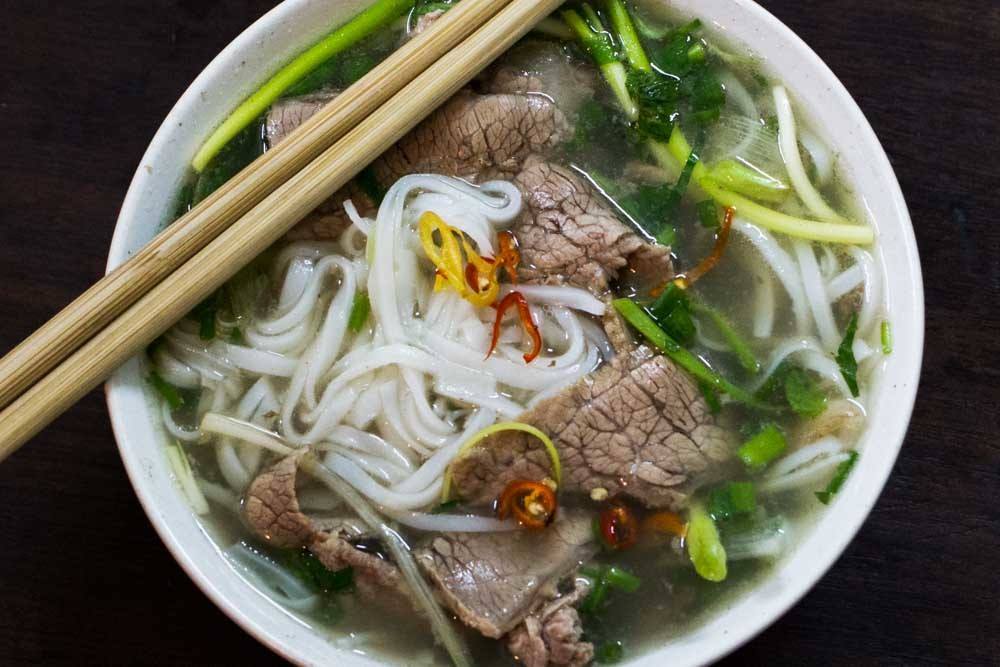
Eating pho in Vietnam is pure magic. The globally famous soup, named after flat, fettuccine-like pho noodles that fill the bowl, is so popular that vendors serve pho ga (chicken) and pho bo (beef) from large vats to queues of hungry pho fans from morning until night.
Pho is different depending on where you slurp it. In Hanoi, where pho was invented in the early 20th century, the French-influenced broth has clear flavors that develop during a low and slow simmering process. Pho served in Saigon has a richer, sweeter taste and often arrives with a range of condiments like hoisin and chili sauces as well as a variety of leafy green herbs like Thai basil, banana leaf and sawtooth coriander.
2. Pad Thai
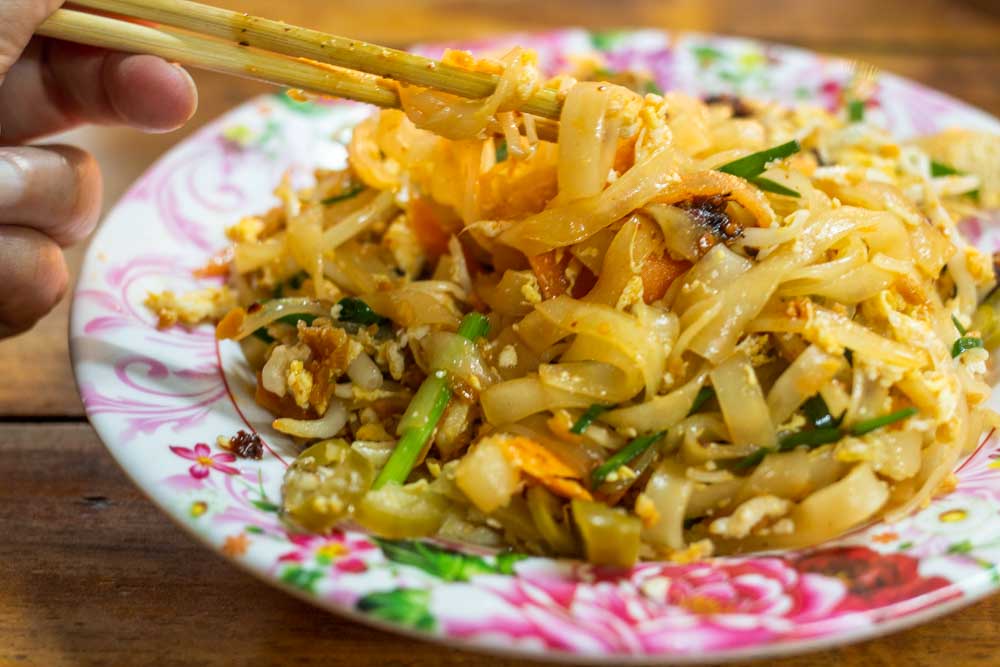
Pad thai is Thailand’s most famous food around the world. The value priced noodle dish is highly accessible thanks to familiar ingredients like stir fried rice noodles, fresh bean sprouts, eggs, firm tofu and peanuts.
Don’t underestimate pad thai based on its global popularity and low cost. It’s a solid dish to order at street stalls and in restaurants throughout Thailand. And, as a bonus, protein options like chicken, shrimp and tofu make it an attractive option for both vegetarian and carnivorous travelers.
3. Khao Soi
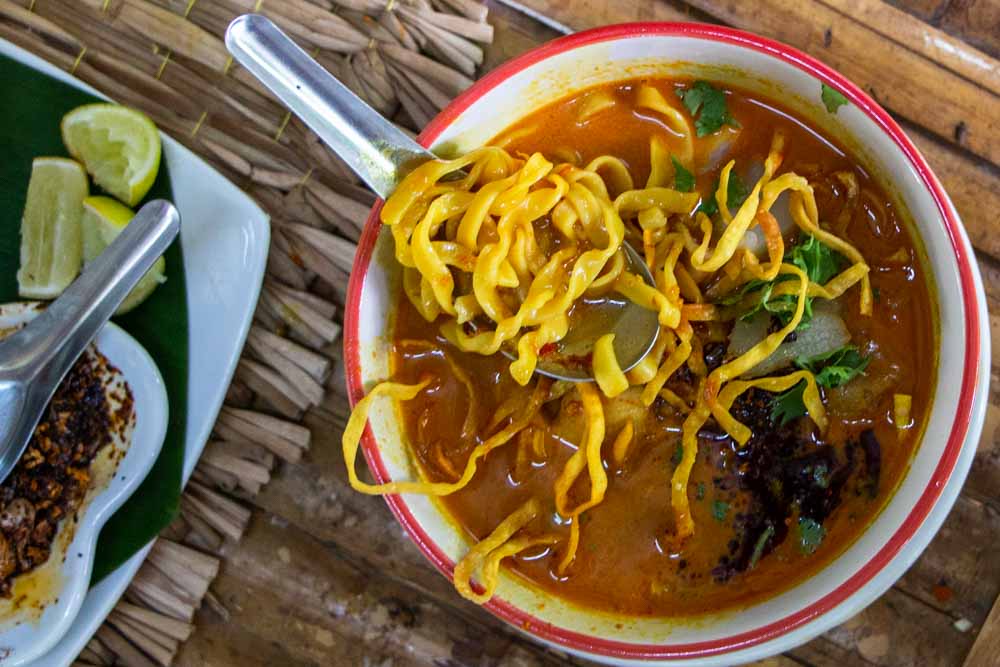
Khao soi isn’t just comfort food in a bowl. It’s also our favorite Southeast Asian dish. With Islamic Burmese roots dating back to the days of the Lanna Kingdom, the flavorful Thai dish is easy to find in northern Thai cities like Chiang Mai and Chiang Rai.
Thai cooks simmer khao soi curry broth for hours before serving the spicy noodle soup with lime wedges on the side. We’re so obsessed with khao soi that we took a Chiang Mai cooking class and learned how to prepare a tasty version with fresh and fried egg noodles, red curry and coconut milk.
4. Amok
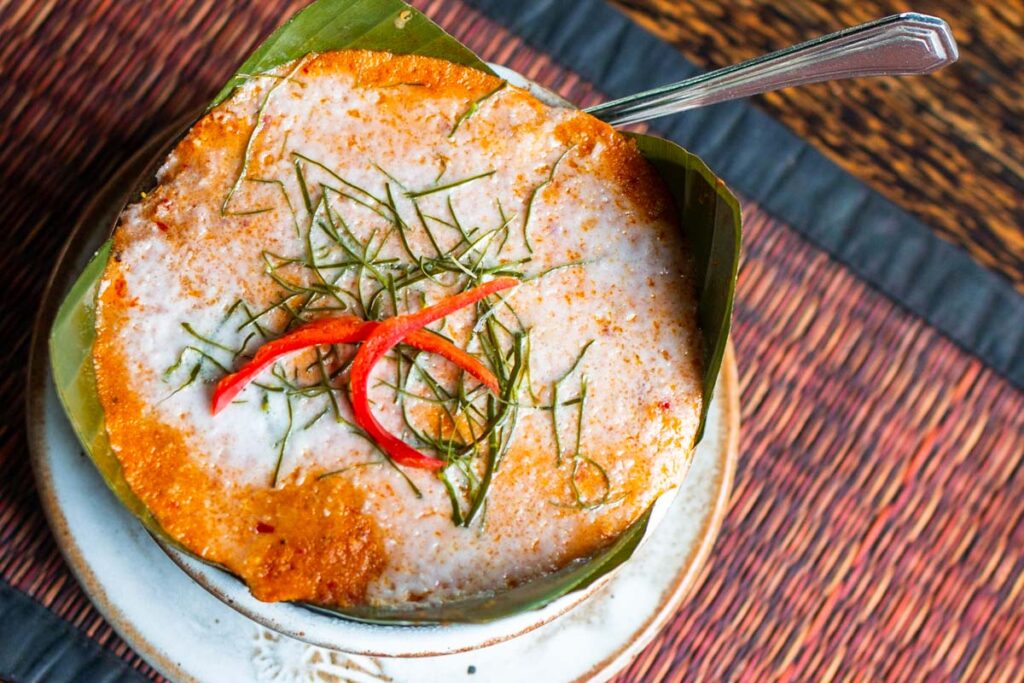
Amok is a Southeast Asian dish that’s both richly luxurious and comforting at the same time. It’s also a dish with a history that traces back to the Khmer Empire in Siem Reap as well as in the rest of Cambodia.
To prepare amok, Cambodians cook proteins casserole-style with broth and coconut milk in a molded banana leaf bowl. A light, creamy, almost pudding-like texture develops as the liquids evaporate and solidify. Chefs at Siem Reap’s Sugar Palm served us an excellent version with fresh water fish, prawns and tofu added to the mix.
5. Hainanese Chicken Rice
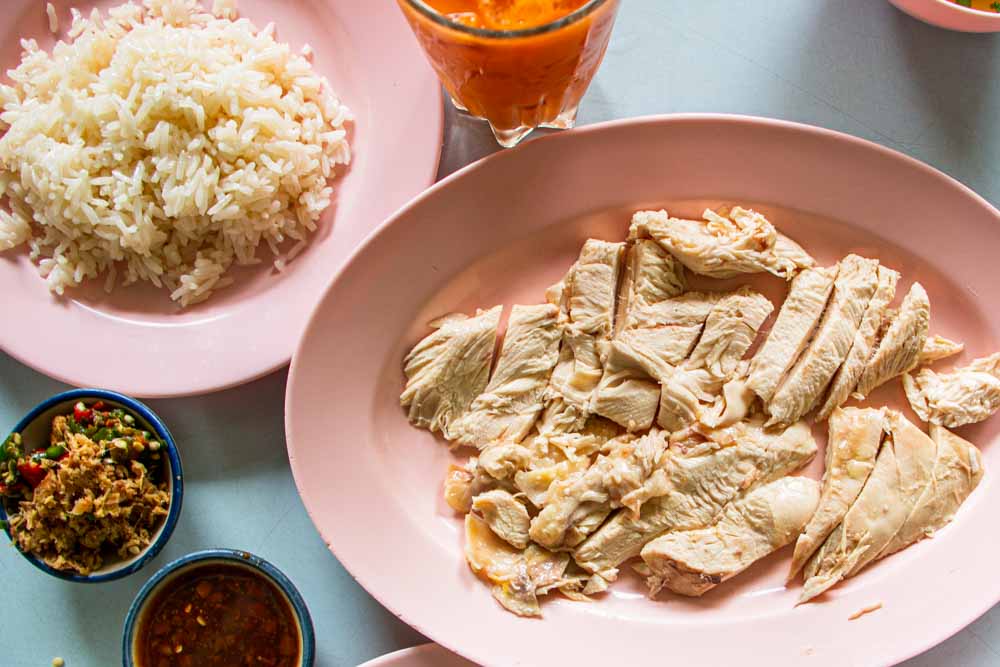
Believed to originate from the Chinese island of Hainan, ‘Hainanese’ chicken and rice pairs poached chicken with rice cooked in a rich chicken broth. Mindi first encountered the dish in Singapore where it’s considered a national dish and together we later ate tasty versions in both Vietnam and Thailand.
Thailand’s version, known as khao man gai, is a Bangkok street food staple. Most vendors serve the dish with sides of chicken soup and chili dipping sauce. The dish is called nasi ayam in Malaysia where the chicken is roasted rather than poached.
6. Banh Mi
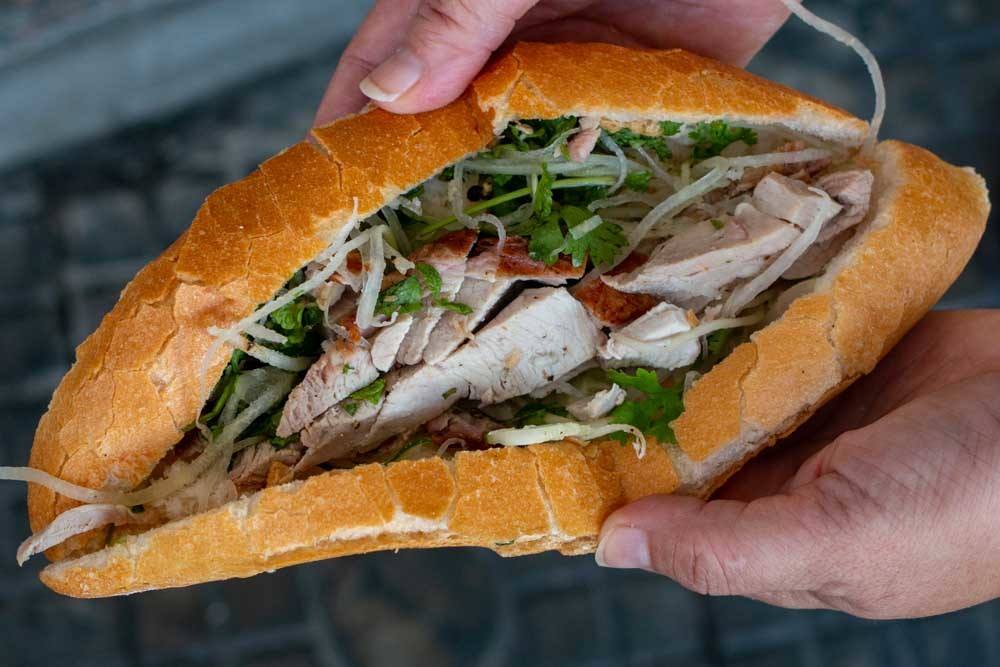
Banh mi is a tasty, cheap sandwich to eat on the go. It’s no wonder that the Vietnamese sandwich has become popular all over the world in recent years. Though the banh mi recipe originated in Saigon, we’ve eaten excellent banh mi sandwiches in central Vietnam cities like Da Nang and Hoi An.
Most banh mi vendors sell the popular snack food from mobile metal food carts, though some established vendors have permanent stores. Regardless of the cart or store, Vietnamese locals typically fill their baguettes with a range of meats, paté, cucumbers plus savory extras like char siu and chicken when they eat banh mi sandwiches.
7. Nasi Goreng

Indonesians didn’t invent the concept of frying rice. That honor probably goes to China. However, Indonesians have made the dish their own. They call it nasi goreng when they serve the funky rice dish in cities like Jakarta and Surabaya.
One of six national Indonesian dishes, nasi goreng differentiates itself from other global fried rice dishes with the inclusion of kecap manis (sweet soy sauce) and terasi (shrimp paste). Adding proteins like shrimp, chicken and fried eggs turns this Southeast Asian dish into a go-to meal in the multi-island country from Bali to Borneo.
8. Filipino Fried Chicken
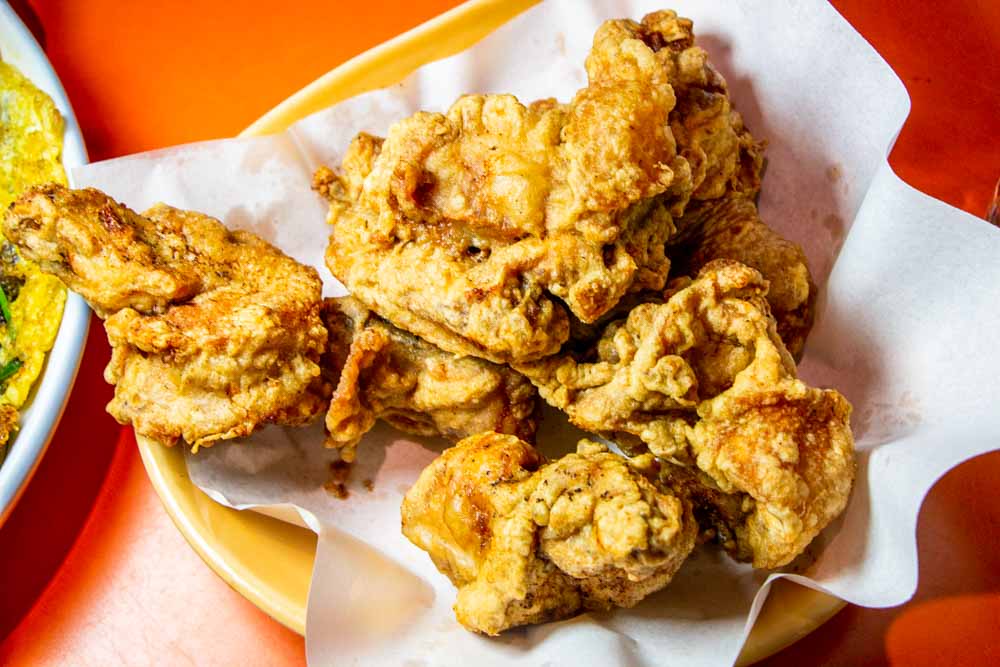
Filipinos give South Koreans a run for their money when it comes to GBD (i.e. golden brown delicious) poultry. Filipinos love crispy, spicy fried chicken so much that Jollibee generates a crowd whenever it opens in cities like New York and Rome.
Filipino expats adore the chain’s ‘crispylicious’ and ‘juicylicious’ Chickenjoy version of fried chicken. However, we ate our favorite version at a local Manila restaurant. Pairing the crispy, juicy fowl with an oyster omelet created a winning combination.
9. Tom Yum

We don’t know Tom but we agree that his soup is yum. All jokes aside, while there is no Tom, there is plenty of yum in this globally popular Thai dish. Tom actually refers to the boiling process used to make this dish.
Traditional tom yum soup contains typical Thai ingredients like kaffir lime leaves, lemongrass, Thai chilies and galangal (i.e. Thai ginger). Adding prawns upgrades tom yum to tom yum goong, an upgrade we love when we travel through Thailand.
10. Bun Cha
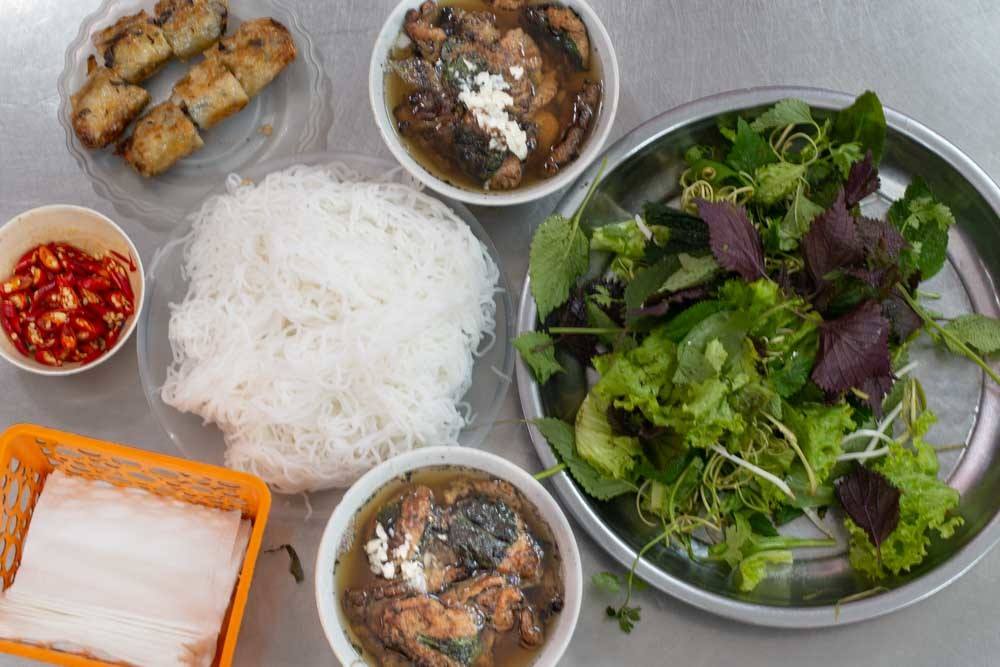
Bun cha hit the international radar in 2016 when Barack Obama and Anthony Bourdain rolled up their sleeves at Bún Chả Hương Liên in Hanoi. They both loved the experience of dipping rice vermicelli noodles into a grilled combination of ground and whole pork drenched in nuoc cham, a light, sweet and savory sauce made with fish sauce, palm sugar, chili, garlic and lime juice. We ate bun cha at the same spot two years later and felt the same.
Lettuce, purple and green Vietnamese shiso (called tía tô), cilantro, bean sprouts and banana blossoms provide bun cha’s finishing touch. Adding a side of nem (i.e. crispy spring rolls) turns the Vietnamese dish into a Vietnamese feast.
11. Green Curry
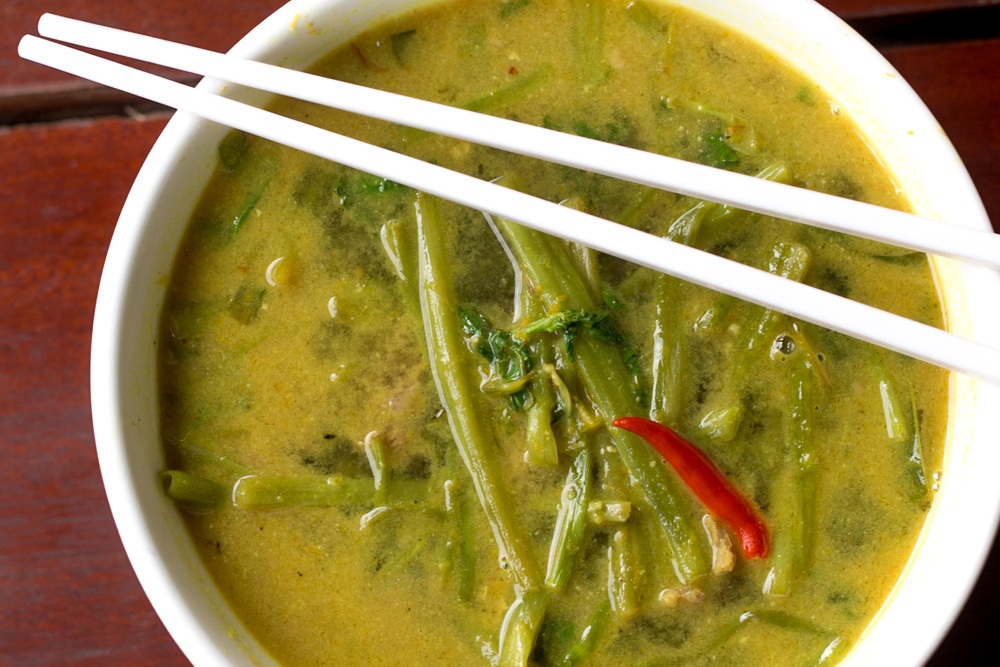
Green curry is the most popular Thai curry but it’s not the only curry to eat in Thailand. You can also eat red curry, yellow curry, massaman curry and panang curry. All five curries are made with coconut milk, garlic, ginger, lemongrass and curry paste. Green and red curries are spicy while yellow curry is relatively mild. Massaman and panang curries skew mild and thick compared to their colorfully named counterparts.
Green curry is our favorite thanks to the addition of green chilies which provide both kick and color. As previously noted, we’re also big fans of khao soi (see above) which is technically a curry too.
12. Mango Sticky Rice
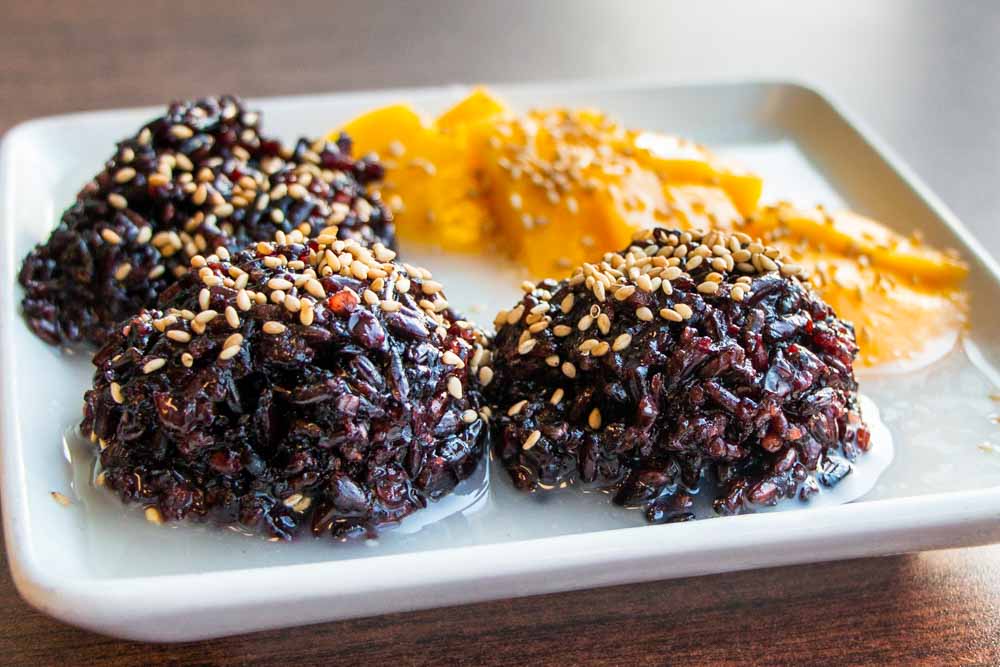
Mango sticky rice is proof that all Southeast Asian dishes aren’t savory. And, while most people think of it as a Thai dish, the dessert is also popular in Cambodia, Laos, Malaysia and the Philippines.
Fresh mango and glutinous rice are the main ingredients in the mango sticky rice recipe. Sweet coconut milk and a sprinkling of fried mung beans contribute to the dessert’s textures and flavor.
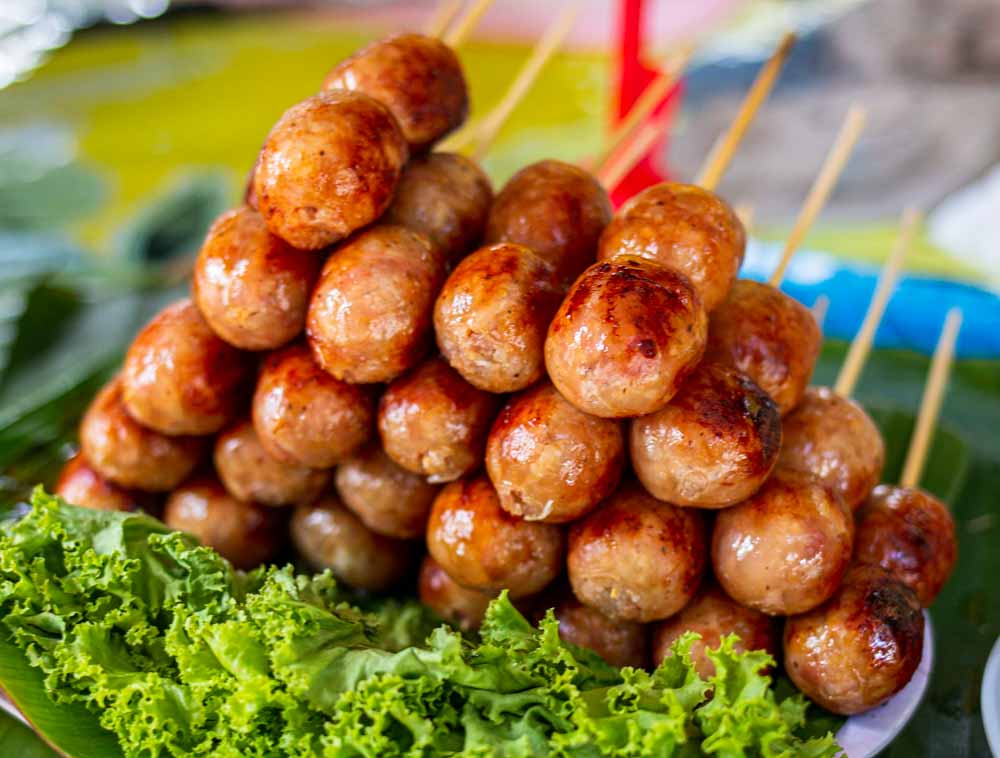
Beyond our personal top 12, the following Southeast Asian dishes justify your attention:
- Adobo: Adobo is a popular Filipino braising style that involves a marinade made with garlic, soy sauce and vinegar. The resulting dish is the unofficial dish of the Philippines.
- Laksa: Two versions of this spicy noodle dish are easy to find in Malaysia and Singapore. Curry laksa is rich and coconut-based while asam laksa is sour and tamarind-driven.
- Satay: This skewered grilled meat dish is popular in Indonesia, Malaysia, Singapore and Thailand. Its peanut dipping sauce is the dish’s star attraction.
💡 Frequently Asked Questions
The most popular Southeast Asian dishes include pho (Vietnam), pad thai (Thailand), nasi goreng (Indonesia), banh mi (Vietnam), khao soi (Thailand), amok (Cambodia), satay (Malaysia, Indonesia and Thailand), laksa (Malaysia and Singapore), mango sticky rice (Thailand) and Hainanese chicken rice (Singapore). Pho and pad thai are the most globally recognized, though khao soi is making a strong case for international fame.
Although some Southeast Asian dishes are spicy, many aren’t piquant by western standards. Dishes like Hainanese chicken rice, mango sticky rice and banh mi aren’t spicy at all, making them ideal for heat-sensitive travelers. Plus, most street stalls will adjust the spice level upon request.
Pad thai, banh mi and Hainanese chicken rice are great culinary entry points for first-time visitors. All three are widely available, affordable, not overwhelmingly spicy and are made with recognizable ingredients. Tom yum and green curry are ideal for those looking to amp up the heat. Finally, mango sticky rice provides a sweet introduction to Southeast Asia’s desserts.
Thailand and Vietnam consistently rank as the top food destinations in Southeast Asia. Thailand offers the widest variety of street foods while Vietnam excels in fresh, herb-forward dishes. Cambodia, Indonesia, Singapore and Malaysia are close behind, each with distinct national dishes that are popular with dedicated food travelers.
Street food in Southeast Asia is generally safe to eat and, in many cases, represents the freshest and most authentic cooking in the region. We recommend eating at popular stalls where you can watch the food preparation.
🧭 Southeast Asia Travel Checklist
🎥 Video Recap
🥢 More Asian Food
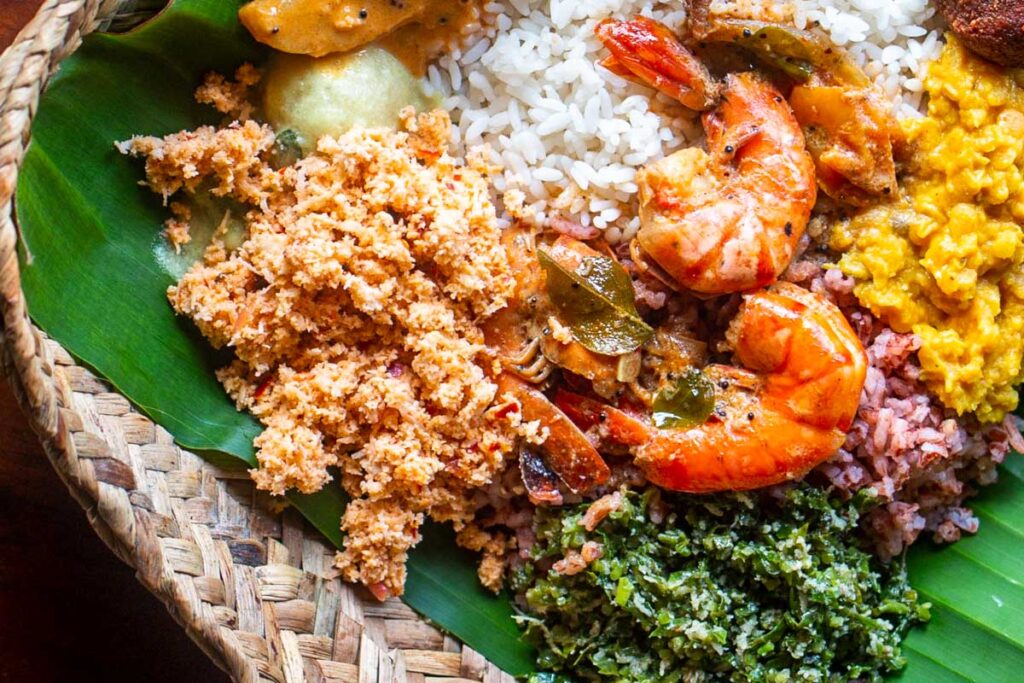
The Best Food in Asia: 41 Asian Dishes That Will Rock Your World
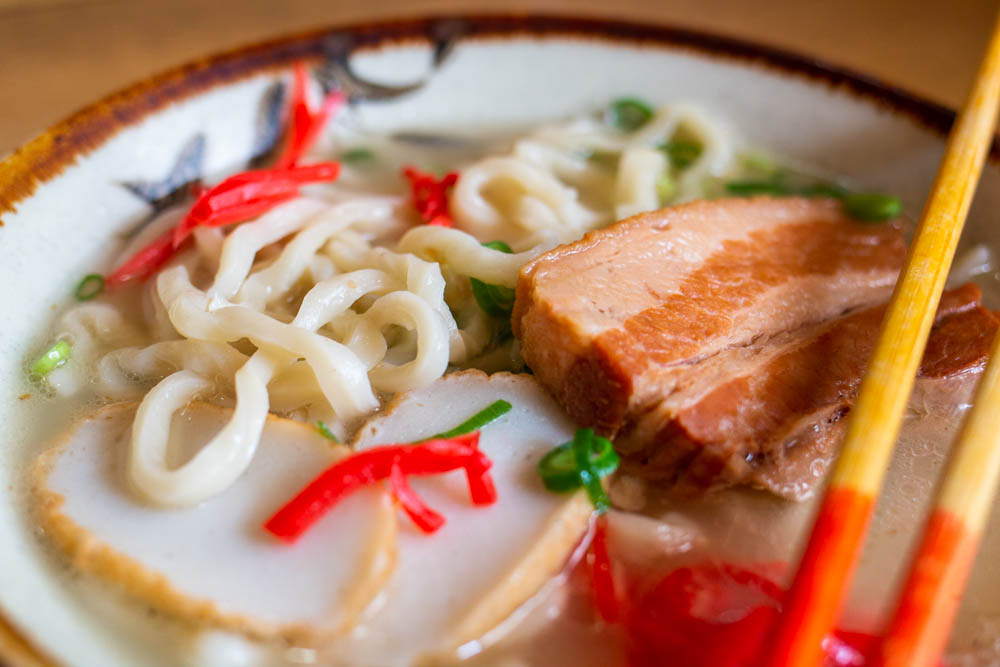
Japanese Food Guide: 37 Must-Try Dishes and Drinks
Thai Food Guide: 24 Must-Try Dishes and Drinks
Vietnam Food Guide: 10 Must-Try Dishes
Article Updates
We update our articles regularly. Some updates are major while others are minor link changes and spelling corrections. Let us know if you see anything that needs to be updated in this article.
Funding
We purchased and ate the food featured in this article.
📍 Pin This Article
 Pin
Pin Pin
Pin