Credit: Nissan
Hybrid SUVs dominate the conversation whenever fuel economy comes up, but they’re no longer the only way to keep running costs under control. Advances in turbocharging, engine efficiency, and lightweight platforms mean there are now several crossovers that comfortably clear the 30 MPG mark without any form of electrification.
Better yet, these models avoid the higher purchase prices that often come with hybrid powertrains. If you’re looking to minimize fuel bills while keeping ownership simple, these five SUVs prove you don’t need batteries or electric motors to achieve impressive efficiency.
In order to give you the most up-to-date and accurate information possible, the data used to compile this article was sourced from various manufacturer websites and other authoritative sources, such as the EPA. Models are ranked from least efficient to most efficient, based on their highest achieved EPA rating.
5
2026 Volkswagen Taos
Combined fuel economy: 31 MPG
-
 Credit: Volkswagen
 -
 Credit: Volkswagen
 -
 Credit: Volkswagen
 -
 Credit: Volkswagen
 -
 Credit: Volkswagen


-
 Credit: Volkswagen
 -
 Credit: Volkswagen
 -
 Credit: Volkswagen
 -
 Credit: Volkswagen
 -
 Credit: Volkswagen
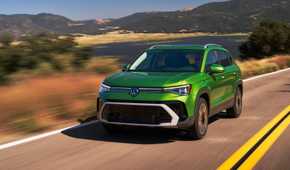
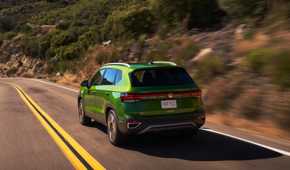



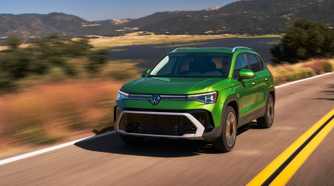
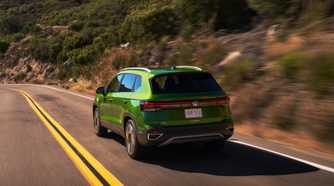
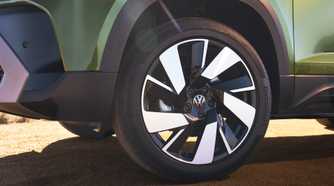
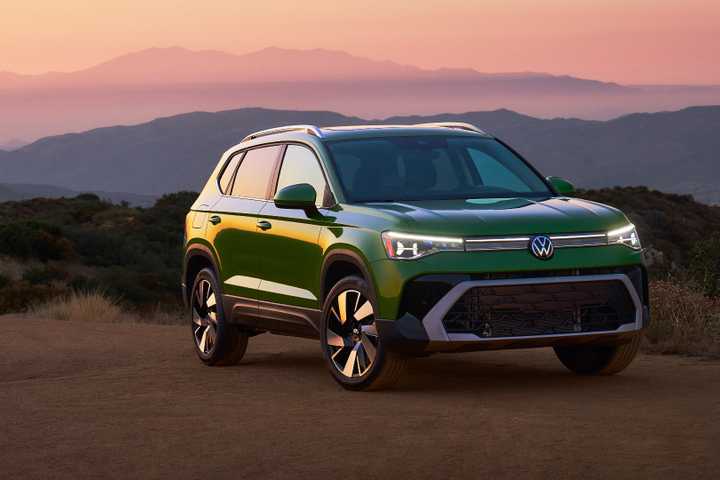
If you miss the standard Golf hatchback, you might want to take a look at the Taos. The small German crossover often flies under the radar, but we think it has quite a lot to offer. While it costs a little more than the average subcompact SUV, it does offer more space than average, and it has a little more power under its belt. Despite its zippy performance, it still sips fuel.
More fun to drive than most of its rivals

Base Trim Engine
1.5L I4 ICE
Base Trim Transmission
8-speed automatic
Base Trim Drivetrain
Front-Wheel Drive
Base Trim Horsepower
174 HP @5500 RPM
Base Trim Torque
184 lb.-ft. @ 1750 RPM
Base Trim Fuel Economy (city/highway/combined)
28/36/31 MPG
Make
Volkswagen
Model
Taos
Segment
Subcompact SUV

Every Taos comes with a turbocharged four-cylinder under the hood that makes 174 horses. It sends this power to the front wheels through a traditional eight-speed automatic. All-wheel drive is available, but it takes its toll on efficiency, with those models being rated for 28 miles per gallon combined. This is because all-wheel drive models have a more sophisticated multilink rear suspension.
Pros
- More spacious than its rivals
- Upscale interior design
- More fun to drive than you’d expect
Cons
- More expensive than the average small SUV
- Doesn’t accelerate as quickly as you’d think
- The larger Tiguan isn’t that much more expensive
4
2026 Hyundai Venue
Combined fuel economy: 31 MPG
-
 Credit: Hyundai
 -
 Credit: Hyundai
 -
 Credit: Hyundai
 -
 Credit: Hyundai
 -
 Credit: Hyundai


-
 Credit: Hyundai
 -
 Credit: Hyundai
 -
 Credit: Hyundai
 -
 Credit: Hyundai
 -
 Credit: Hyundai


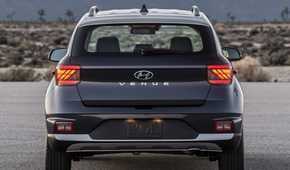
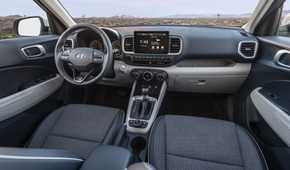

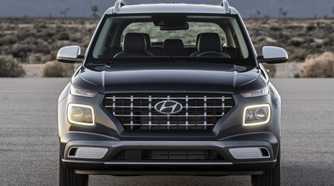
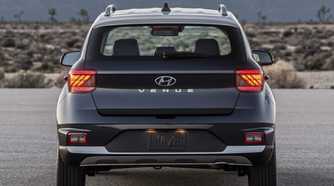
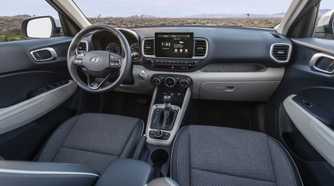
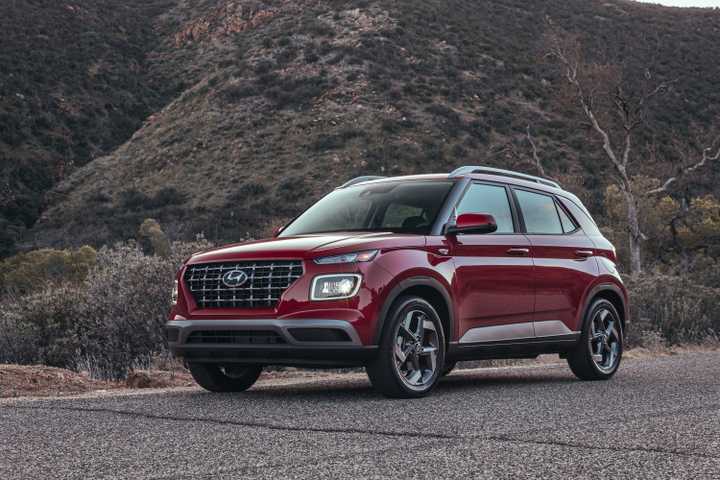
Starting at $20,550, the 2026 Hyundai Venue is actually the most affordable new vehicle that you can get. For the price that you pay, the Korean automaker also throws in quite a lot of standard features. It is a little more cramped than its rivals, and there are a lot of cheap plastics that give away its budget-oriented ideology, but this is all easy to justify when you consider how affordable it is.
The Venue focuses on simple efficiency

Base Trim Engine
1.6L Smartstream I4 ICE
Base Trim Transmission
2-speed Smartstream IVT CVT
Base Trim Drivetrain
Front-Wheel Drive
Base Trim Horsepower
121 HP @6300 RPM
Base Trim Torque
113 lb.-ft. @ 4500 RPM
Base Trim Fuel Economy (city/highway/combined)
29/32/31 MPG
Make
Hyundai
Model
Venue
Segment
Subcompact SUV
Hyundai keeps things very simple with the Venue. Its little four-cylinder engine produces a measly 121 horsepower. It’s enough for zipping around town, but it feels quite lethargic on the highway. The automaker doesn’t offer all-wheel drive as an option, with power being sent exclusively to the front wheels. The Venue also comes exclusively with a continuously variable transmission.
Pros
- The cheapest new car on the market
- Tons of standard features for the price
- Quite practical for its size
Cons
- Not built for the highway
- No optional all-wheel drive
- Lots of low-rent materials used throughout
3
2026 Chevrolet Trailblazer
Combined fuel economy: 31 MPG
-
 Credit: Chevrolet
 -
 Credit: Chevrolet
 -
 Credit: Chevrolet
 -
 Credit: Chevrolet
 -
 Credit: Chevrolet



-
 Credit: Chevrolet
 -
 Credit: Chevrolet
 -
 Credit: Chevrolet
 -
 Credit: Chevrolet
 -
 Credit: Chevrolet

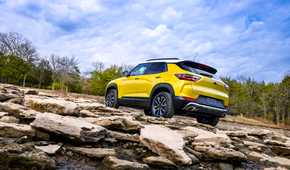
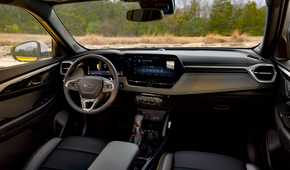

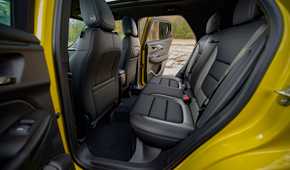
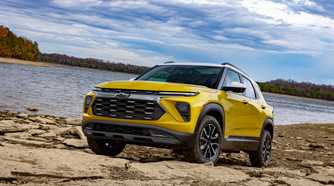
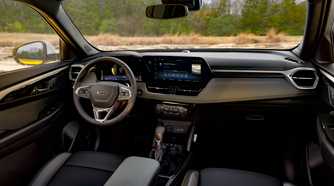
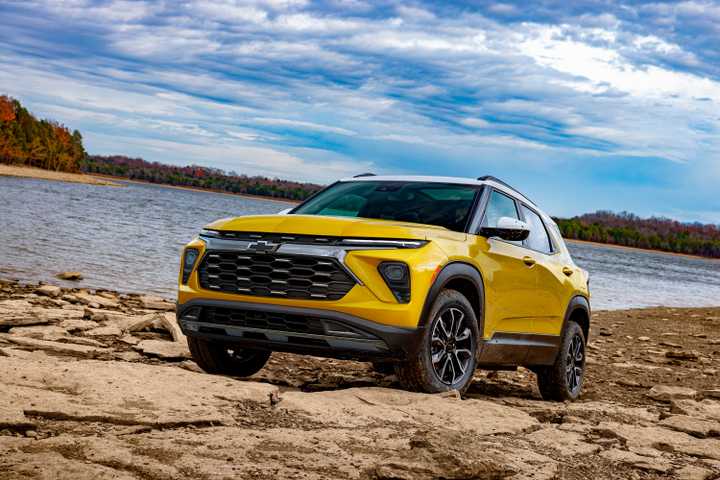
Don’t let its name fool you, the Chevrolet Trailblazer is definitely not built to conquer any trails. In fact, it is a bit of an odd inclusion in the Chevy lineup, especially when you consider that its similarly sized and equipped sibling, the Trax, costs thousands less. Overall, the Trailblazer is a reasonable option that checks the right boxes, but it fails to stand out from the crowd.
Perfectly adequate
Base Trim Engine
1.2L ECOTEC I3 ICE
Base Trim Transmission
CVT
Base Trim Drivetrain
Front-Wheel Drive
Base Trim Horsepower
137 HP @5000 RPM
Base Trim Torque
162 lb.-ft. @ 2500 RPM
Base Trim Fuel Economy (city/highway/combined)
29/33/31 MPG
Base Trim Battery Type
Lead acid battery
Make
Chevrolet
Model
Trailblazer
The Trailblazer is one of the few vehicles left on the market that still makes use of a three-cylinder engine. Chevy actually offers two options, with the first being a 1.2-liter turbocharged unit that makes 137 horsepower, sending power exclusively to the front wheels through a CVT. A 1.3-liter turbocharged three-pot is optional and comes with a nine-speed automatic instead, with all-wheel drive being optional. Models with the 1.3-liter unit and front-wheel drive are the most efficient. All-wheel drive drops its efficiency rating down to 27 miles per gallon.
Pros
- Reasonably spacious inside
- Really nice infotainment system
- All-wheel drive is offered as an option
Cons
- Neither engine is particularly perky
- Dull to drive
- The ride is far too harsh
2
2026 Nissan Rogue
Combined fuel economy: 32 MPG
-
 Credit: NetCarShow.com
 -
 Credit: NetCarShow.com
 -
 Credit: NetCarShow.com
 -
 Credit: NetCarShow.com
 -
 Credit: NetCarShow.com



-
 Credit: NetCarShow.com
 -
 Credit: NetCarShow.com
 -
 Credit: NetCarShow.com
 -
 Credit: NetCarShow.com
 -
 Credit: NetCarShow.com
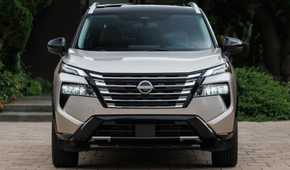
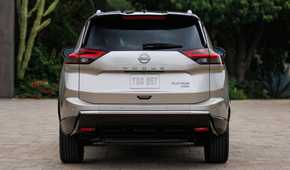



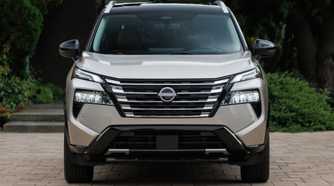
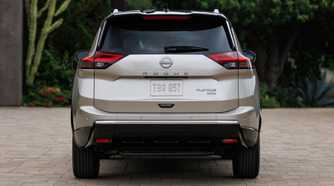
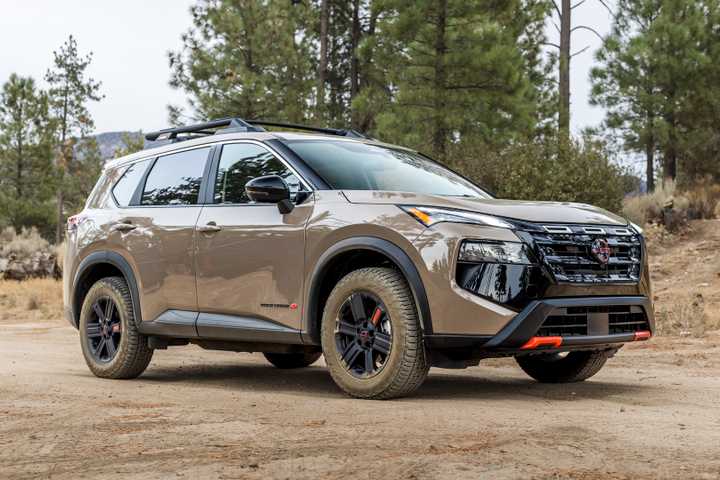
The Nissan Rogue is a unique entry on this list, as it is much bigger than the other options. It competes in the compact SUV segment, up against the likes of the Honda CR-V and Toyota RAV4. While it isn’t going to blow you away with entertaining driving dynamics, we are impressed with just how plush it feels for the money that you pay.
A fairly perky three-cylinder powers the Rogue

Base Trim Engine
VC-Turbo 1.5L ICE
Base Trim Transmission
2-speed CVT
Base Trim Drivetrain
Front-Wheel Drive
Base Trim Horsepower
201 HP @5600 RPM
Base Trim Torque
225 lb.-ft. @ 2800 RPM
Base Trim Fuel Economy (city/highway/combined)
30/37/33 MPG
Base Trim Battery Type
Lead acid battery
Make
Nissan
Model
Rogue
Nissan makes use of a 1.5-liter turbocharged three-cylinder engine in the Rogue, which is especially rare in its segment. It makes 201 horsepower, which is enough to get it moving with a reasonable amount of urgency when needed. Front-wheel drive is standard on all models, except the rugged Rock Creek trim, though all-wheel drive is optional across the board. Even all-wheel drive models are rated for 31 miles per gallon combined, with the Rock Creek dropping to 29 miles per gallon thanks to its chunkier tires.
Pros
- Very compliant ride quality
- The most efficient non-hybrid in its segment
- Top trims feel downright luxurious
Cons
- Not especially fun to drive
- Infotainment system feels outdated
- It can sound quite gruff under acceleration
1
2026 Toyota Corolla Cross
Combined fuel economy: 32 MPG
-
 Credit: Toyota
 -
 Credit: Toyota
 -
 Credit: Toyota
 -
 Credit: Toyota
 -
 Credit: Toyota

-
 Credit: Toyota
 -
 Credit: Toyota
 -
 Credit: Toyota
 -
 Credit: Toyota
 -
 Credit: Toyota
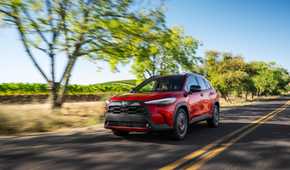

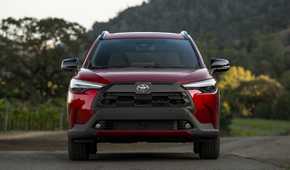
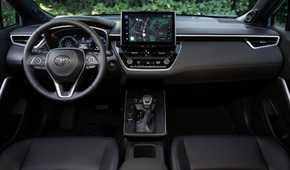

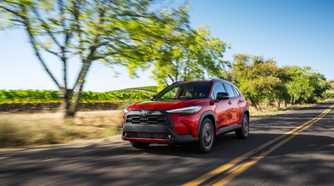
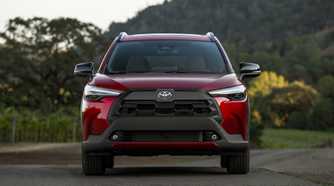
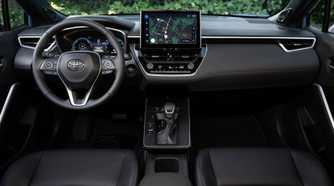
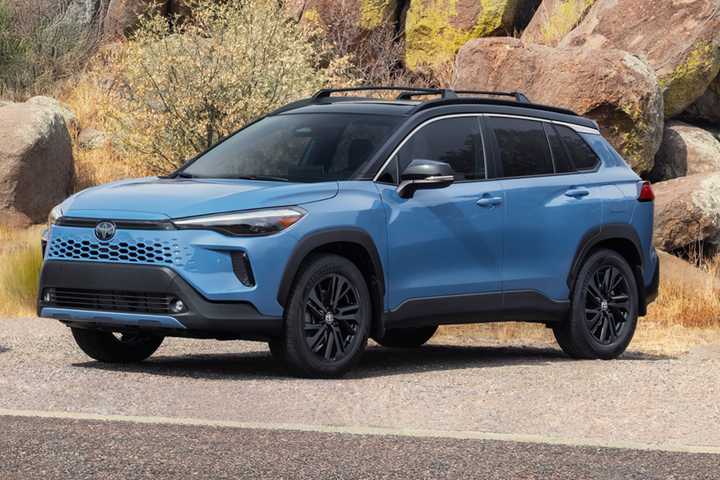
Toyota has built its reputation by delivering simple yet sturdy vehicles that are easy on your budget. The Corolla Cross is the embodiment of this ideology. While the Japanese automaker does offer a hybrid variant, the non-hybrid is so impressively efficient that we can see why a lot of buyers would opt for it instead. It may not be flashy or loaded with innovative tech, but it will get you from A to B without any complaint.
Toyota makes use of simple and proven engineering

Base Trim Engine
2.0L Inline 4
Base Trim Transmission
CVT
Base Trim Drivetrain
Front-Wheel Drive
Base Trim Horsepower
169 HP @6600 RPM
Base Trim Torque
151 lb.-ft. @ 4400 RPM
Make
Toyota
Model
Corolla Cross
Segment
Subcompact SUV
In terms of performance, the Corolla Cross is the definition of average. It features a stout naturally aspirated four-cylinder engine under the hood that produces 169 horsepower. Front-wheel drive is the standard setup, and it’s what you want to stick with if you’re aiming for the EPA rating of 32 miles per gallon combined. All-wheel drive is available, though, with these models achieving 30 miles per gallon.
Pros
- Tons of standard safety features
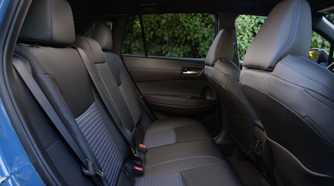
- Roomy and practical
- Strong reputation for reliability
Cons
- Mundane performance
- Vague handling
- Lack of style
You don’t have to go hybrid to save on your fuel bill
There is a strong case for a lot of buyers to go with a hybrid SUV. Sometimes spending the extra money up front means better long-term savings. However, there are also still plenty of cases to be made for ultra-efficient non-hybrid SUVs, like those listed above. If you’re someone who doesn’t do a lot of driving, or you like to trade in your car frequently, then sticking with the lower car payment and going with one of the options on our list makes a lot of sense.