Joe Maring / Android Authority
 Follow us on Google Discover
 Add us as preferred source
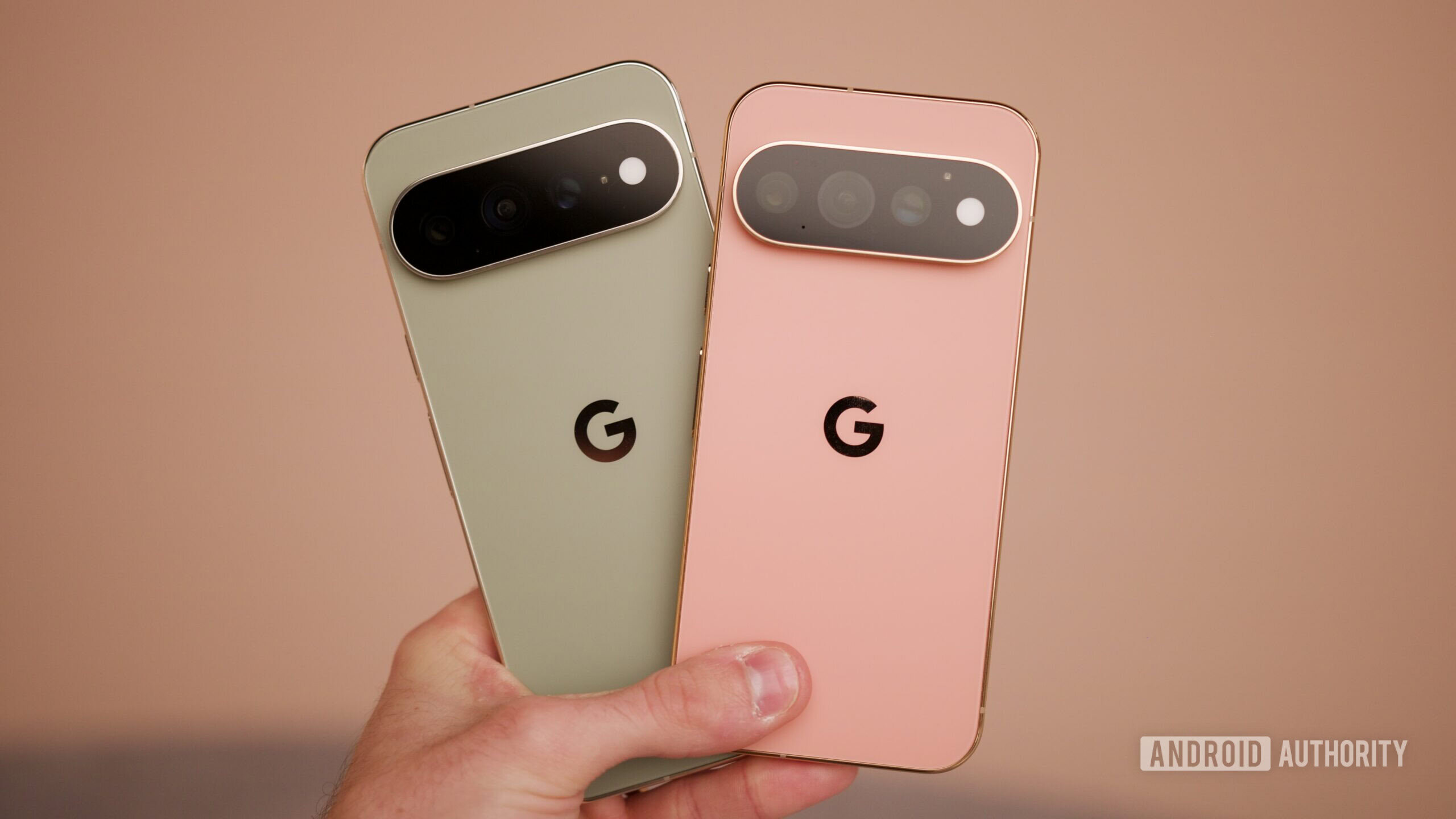
The Pixel 11 Pro announcement was frustrating for many reasons. I hated that Google raised the price of its flagship phones while also reducing RAM on the Pro base models. While I don’t believe 12GB of RAM will noticeably hinder the user experience, it’s disappointing to pay more for less — regardless of the circumstances.
Unfortunately, there is more to the Pixel 11 Pro than meets the eye. The phone outlines precisely how Google plans to get you to upgrade more frequently, and it has nothing to do with actually needing to buy a new device.
The company doesn’t rely on specs to sell smartphones, because that’s not its target audience for the Pixel. However, there’s another reason it’s advantageous to downplay specs and performance on Pixels. Google’s about to get you to pay for new phones more frequently, and I’m afraid the plan might work.
Would you ever pay for AI on your older Pixel?
638 votes
Google wants to sell you on an experience, not hardware
Joe Maring / Android Authority
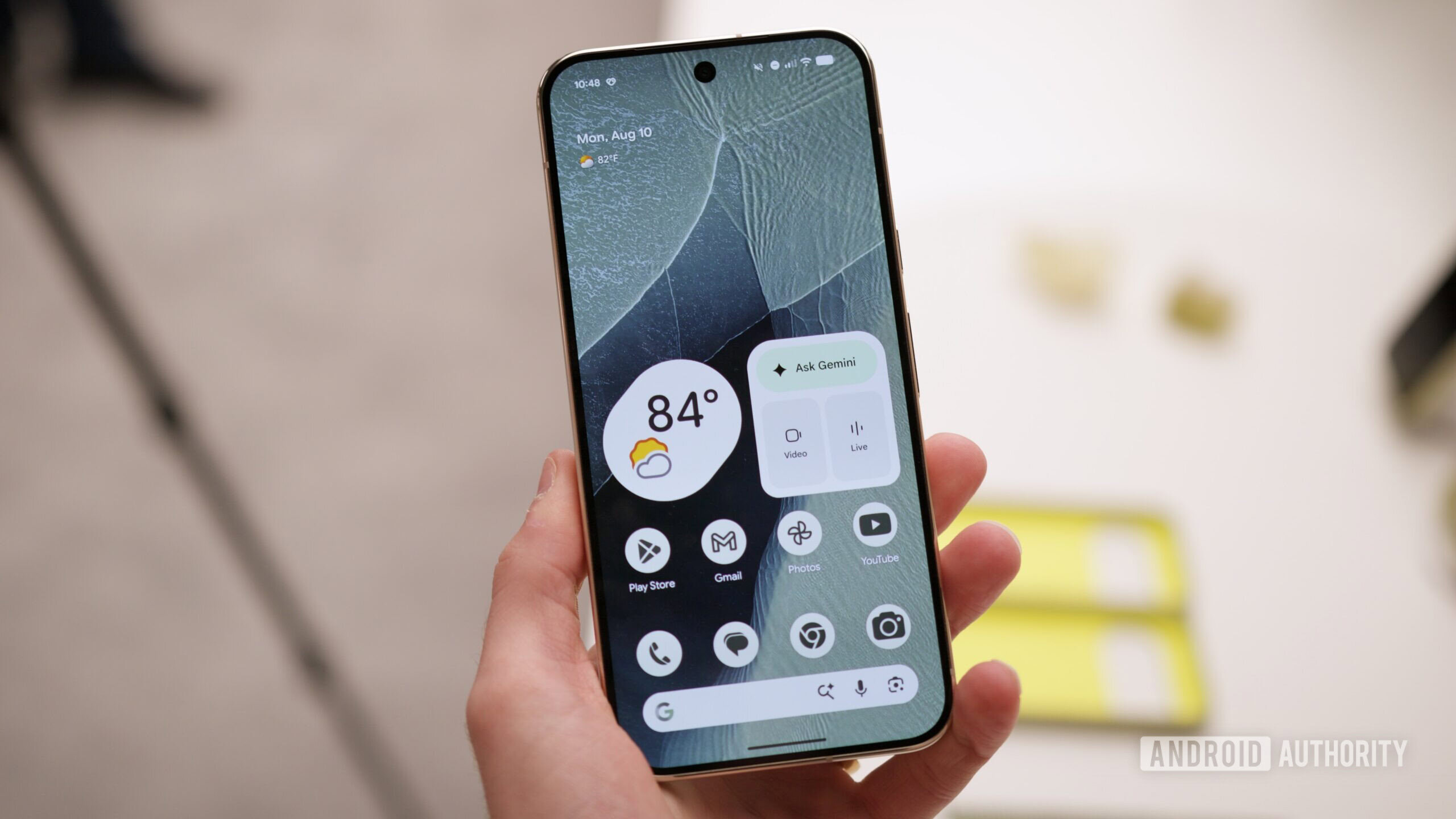
It wasn’t an accident that Google didn’t spend much time outlining the raw performance of its Tensor G6 chipset. However, the company highlighted the G6’s improved TPU performance and capabilities. Google Rambler is the perfect example. It will take your stream-of-consciousness rambling (how appropriate) and turn it into something clean enough to send to other people. The demos were impressive, and I can easily see how that would extend Google’s lead in text-to-speech.
Whenever I hear that a new feature is made possible by chipset improvements, I get a sinking feeling. It’s the perfect excuse for Google not to bring Rambler and other new features to older hardware. It’s not that much of a stretch, as we saw the company do the same thing last year with the Tensor G5 and Magic Cue.
Magic Cue wasn’t initially slated for older devices not powered by a Tensor G5, which was especially frustrating, given that we were sold on the promise that Tensor was built for AI. If Google’s own custom SoC couldn’t handle the company’s latest and greatest features less than a year later, what was the point of me spending all that money?
Unfortunately, this isn’t a strategy that’s exclusive to Google, and it’s going to become more prevalent as companies desperately search for ways to get you to upgrade.
Samsung tried this before with the Galaxy S24 Ultra
Stephen Radochia / Android Authority
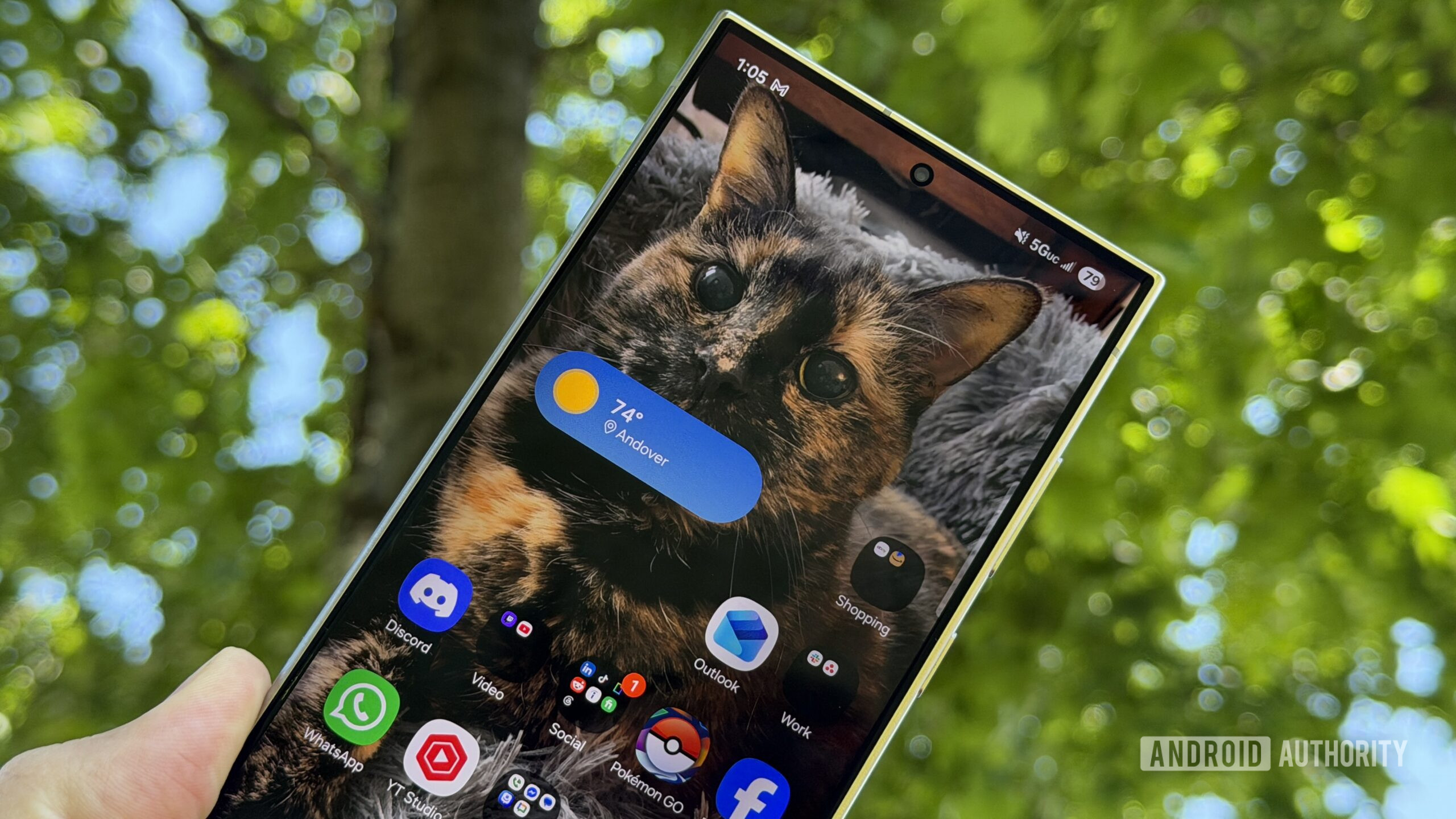
I remember how infuriated I was when Samsung tried this with the Galaxy S24 Ultra. The company initially claimed that Galaxy AI wouldn’t come to the S24 Ultra because the phone didn’t have a Snapdragon 8 Elite chipset. I couldn’t wrap my head around that. I understand that technology advances, and I wouldn’t expect my Super Nintendo to produce the graphics of my Nintendo 64, but we barely scratched the surface of what the Snapdragon 8 Gen 3 was capable of, and less than 12 months later, I’m being told it’s obsolete.
It makes sense, as companies scramble to find reasons to get you to buy new phones. Smartphones are more powerful than ever, and the needs of most users haven’t increased to meet the additional overhead. Instagram can only open so quickly, and it often takes years for current chipsets to start showing their age. More RAM and extended software support mean you can hang on to your phone longer without feeling like you’re missing out.
Camera improvements aren’t the draw they used to be either, as computational photography has taken over. It’s almost difficult to release a smartphone with a bad camera in 2026. Even the $160 Moto G Play (2026) has a capable shooter in decent enough lighting, so companies need to find another way to get your old phone out of your pocket.
Google has alternatives for older devices
Google has a workaround the company has used before. The Pixel 8 wasn’t supposed to get Gemini Nano due to RAM limitations, but it eventually received some AI functionality through the cloud. It was slow, less secure, and the results weren’t as good, but at least the option was there for people who enjoyed their Pixel 8 but were also interested in what Gemini Nano had to offer.
Cloud computing has improved, and we’ve seen Magic Cue and other advancements come to phones they weren’t originally slated for. I’m hoping Google doesn’t start making us pay for older phones to get newer software improvements. My wife loves using her Cricut, which makes users pay for firmware updates. The physical hardware remains the same, but the capabilities change. I wouldn’t put that past Google, forcing us into either a Google One subscription or some other package, or into a completely new phone if we want the latest Gemini functionality.
It used to be easy enough to dismiss any thoughts of paying for AI. There weren’t any compelling uses on smartphones, and the technology still felt a ways off. That’s not the case anymore. I can genuinely see something like Rambler appealing to a wider audience. You don’t have to know anything about Tensor chipsets or RAM to enjoy the benefits of an app that’ll let you spew your thoughts out and turn them into something coherent to send to others. It’s only a matter of time before Google defines the Pixel experience with AI you’ll actually want to use, and that’s when you’ll be compelled to upgrade way before you normally would have to.
Google may soften the blow with enticing trade-in offers or generous financing options, but we’re not far off from people feeling forced to lease their phones to always get the best features — and that’s more than a little depressing.
Follow
Thank you for being part of our community. Read our Comment Policy before posting.