
 Credit: Jerome Thomas / How-To Geek
Home networks are easy to ignore once you set them up to perfection. Before that, not so much.
But if you take the time to do it well, set up your router, connect your NAS, smart home hub, media server, printer, and whatever else you’ve got going, you expect it to stay exactly as you left it, right?
That’s not quite what happened to me, though. My internet connection was just peachy, but some of my most important devices kept becoming harder to find after network failures (which happen to everyone sometimes). The fix turned out to be a simple router setting.
Your key devices shouldn’t keep changing addresses
A tiny change can break half your network
When your router connects a device to your network, it gives that device a local IP address. That address is how the rest of your network knows where to find it, whether it’s a NAS full of backups, a media server streaming to your TV, or a smart home hub keeping automations alive.
The problem is that those addresses aren’t always as permanent as we’d like them to be. After a router reboot, power outage, lease renewal, or general random network meltdown, a device can end up with a different address. And suddenly, everything you so carefully built your network around is in jeopardy.
Suddenly, the shortcut, app, dashboard, or integration that used to find it just fine has no idea where it went.

DHCP reservations are the friendlier version of static IPs
Same address with less manual fiddling
 Credit: Rich Hein/HowToGeek.com
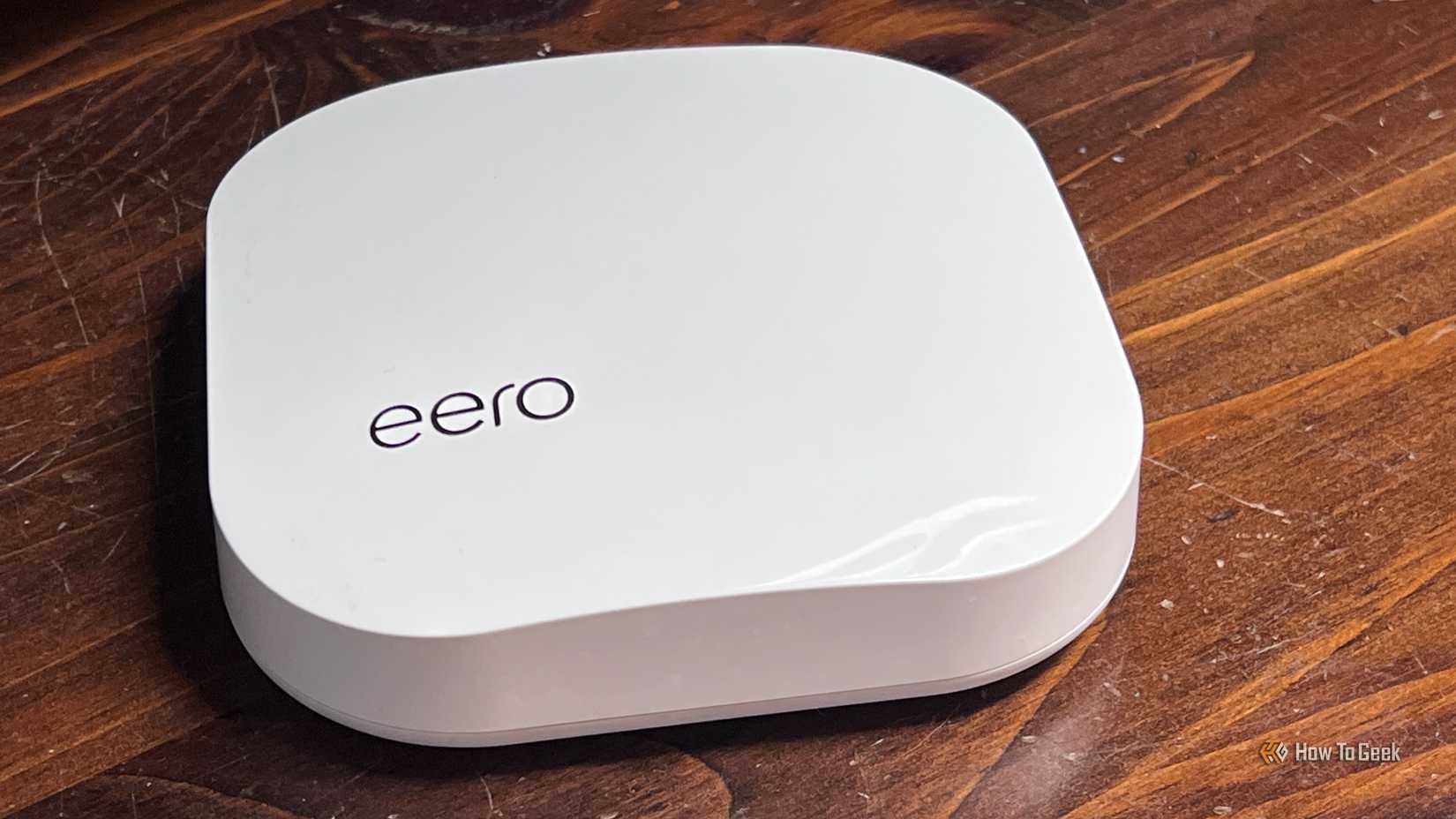
A DHCP reservation solves this without forcing you to configure every device by hand. Instead of setting a static IP address on the NAS, printer, or smart home hub itself, you tell your router to always give that device the same local IP address whenever it connects.
Think of it as basically a standing instruction for your router. The device will still keep asking for an address like normal, but the router’s going to immediately recognize it and hand it back the address you reserved. This gives you the ability to keep a stable, static IP address without much wiggle room for accidental network mishaps.
This is also why I prefer reservations over setting static IPs directly on each device. Everything stays managed from the router, so you can see what is reserved, change things later, and avoid guessing which addresses are already taken. That’s a win all around, right?
You’re setting up custom DNS wrong—and it’s breaking your network troubleshooting
Most people don’t need custom DNS settings on every device, and there’s a better way to approach it
These are the devices to reserve first
Anything you want to easily find later
 Credit: Patrick Campanale / How-To Geek
With all that said, it’s not an all-or-nothing situation. You actually don’t want to reserve an IP address for every single device in your home. Your phone, tablet, laptop, and random smart plugs can usually keep using whatever address the router gives them, because nothing else on your network is likely built around finding them in one specific place.
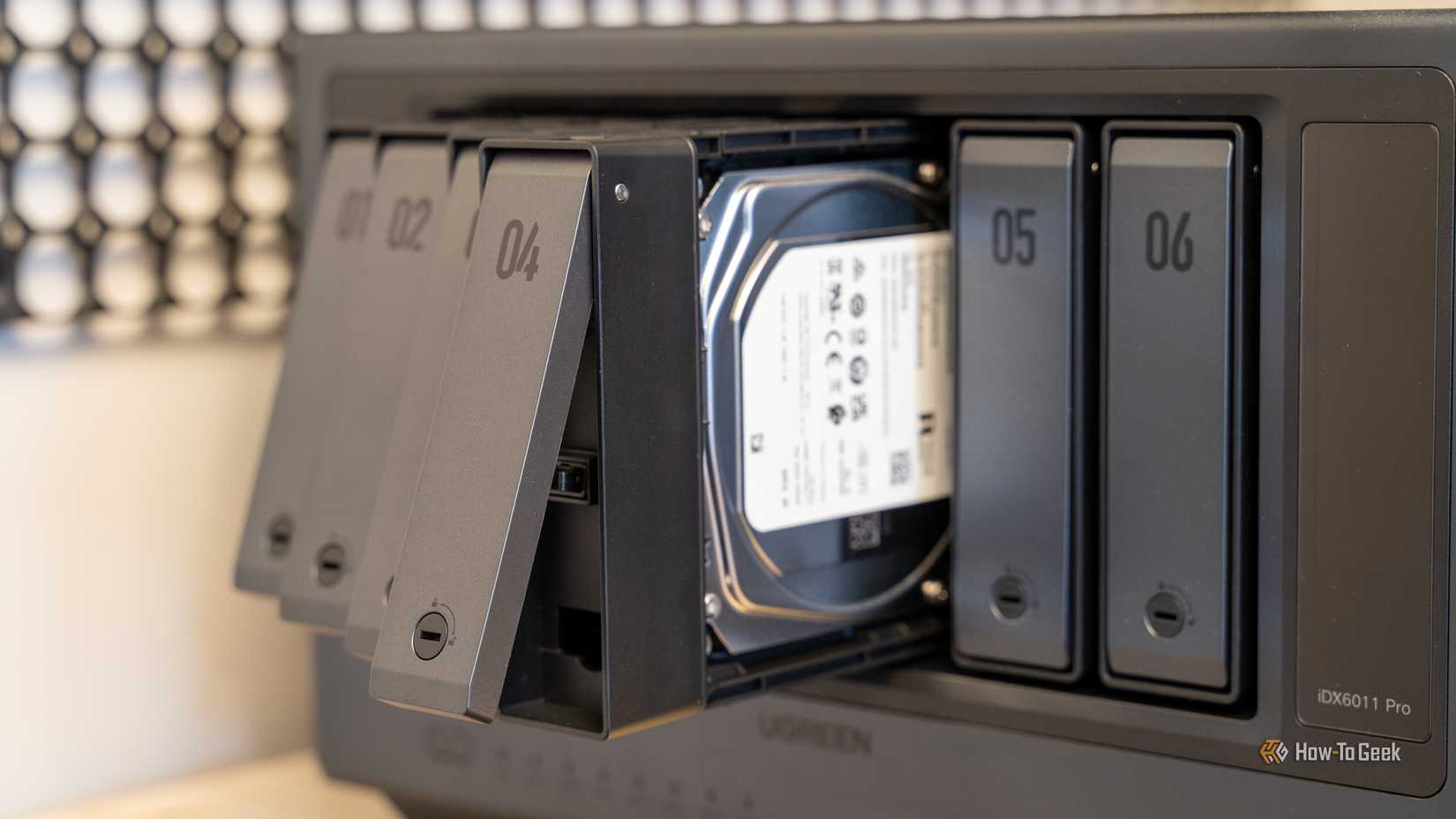
The devices that deserve reservations are the ones you expect to reach again and again. For me, that list starts with a NAS, a home media server, a printer, and any smart home hub that other devices or automations depend on. That all needs to go first.
You can also add things like Raspberry Pi projects, mini PCs, security camera systems, local DNS servers, access points, and anything with port forwarding rules attached to it.
Basically, if losing track of that device would break something important, well, it’s better if you don’t lose track of it – which is why a reserved address helps so much.
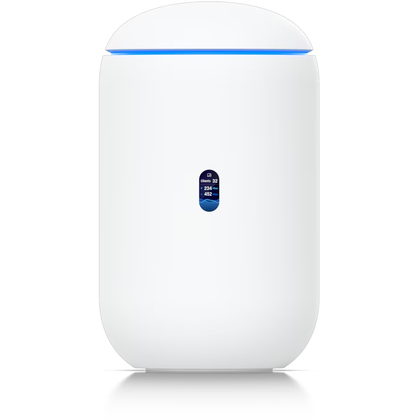
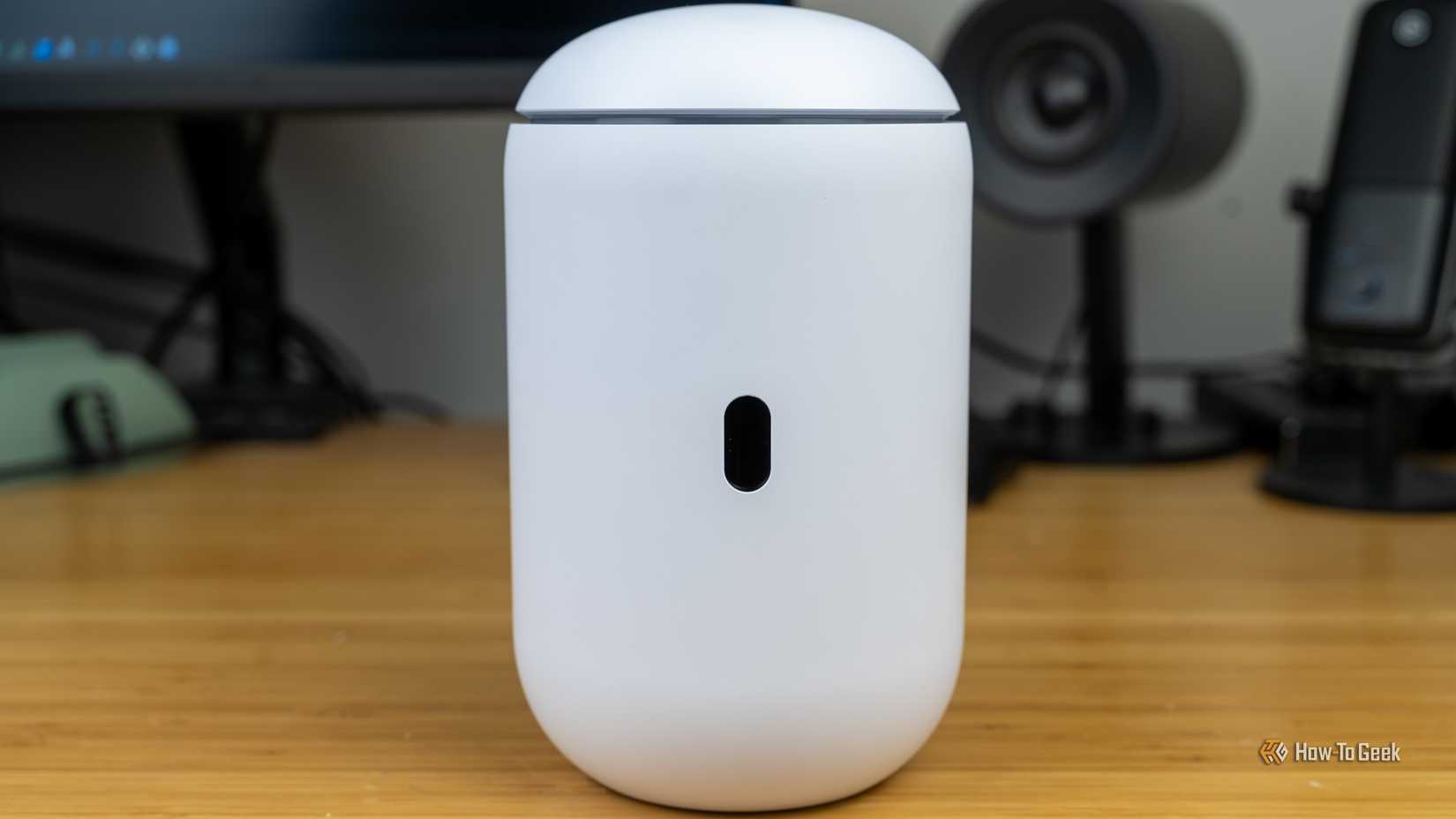
UniFi Dream Router 7

Brand
Unifi
Range
1,750 square feet
If you’re not too happy with your network, buying a new router can help. This Wi-Fi 7 router has everything a robust network needs.
Setting it up is easier than it sounds
And it’s worth the effort
 Credit: Patrick Campanale / How-To Geek
Time to roll up your sleeves and get this working on your end.
The exact process depends on your router, but the core idea is usually the same. Open your router’s app or web interface, find the list of connected devices, pick out the one(s) you care about, and look for something like DHCP reservation, address reservation, reserved IP, manual assignment, or static lease.
Once you find it, you can usually reserve the device’s current address or choose a specific one yourself. Just make sure you’re not assigning the same one to two different devices. Plus, give everything clear names once you’re there, because six months from now when you inevitably need it, you’ll be much happier to see something like “NAS” or “Printer” instead of a random string of letters and numbers.
Figuring it out now will pay off later
DHCP reservations can’t fix every network problem. For some, you’ll have to dig deep, mapping out Wi-Fi dead zones and optimizing your connection. But DHCP reservations can still remove one very annoying variable from future troubleshooting: checking whether those devices that you care about the most are still right where you last found them. For anything you rely on regularly, that small bit of setup is absolutely worth doing.
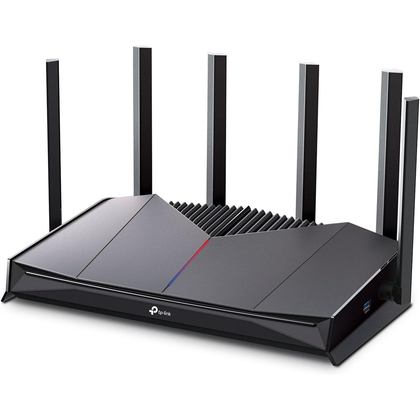
TP-Link Dual-Band BE6500 Gaming Router
$220
Save $40
Supported standards
802.11.be, 802.11ac, 802.11ax, 802.11g, 802.11n
The TP-Link Archer GE400 is a Wi-Fi 7 router, and it’s a great pick for home networks big and small.
Speeds
6500 Megabits Per Second





13