Credit: Patrick Campanale / How-To Geek
I run a NAS at home, and for a long time, I’ve been dragging and dropping files with almost zero wait time. So when my transfers started crawling for no obvious reason, I was pretty puzzled.
I checked all the usual suspects and came up empty. The fix that finally worked was not a new cable or a faster switch. It was carving out a dedicated backup VLAN and letting my backup traffic live in its own lane. Here is what was really going on, and why that one change made everything feel fast again.
My file transfers were crawling, and my own backups were the culprit
The call was coming from inside the house
-
 Credit: Patrick Campanale / How-To Geek
 -
 Credit: Patrick Campanale / How-To Geek
 -
 Credit: Patrick Campanale / How-To Geek
 -
 Credit: Hannah Stryker / How-To Geek
 -
 Credit: Patrick Campanale / How-To Geek

-
 Credit: Patrick Campanale / How-To Geek
 -
 Credit: Patrick Campanale / How-To Geek
 -
 Credit: Patrick Campanale / How-To Geek
 -
 Credit: Hannah Stryker / How-To Geek
 -
 Credit: Patrick Campanale / How-To Geek
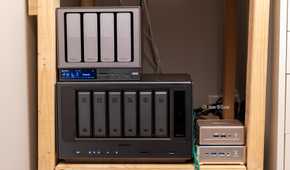
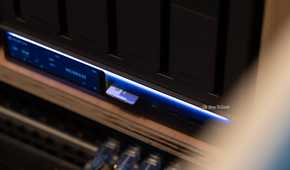
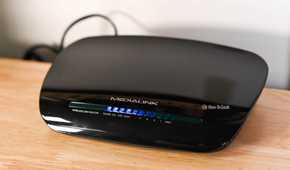

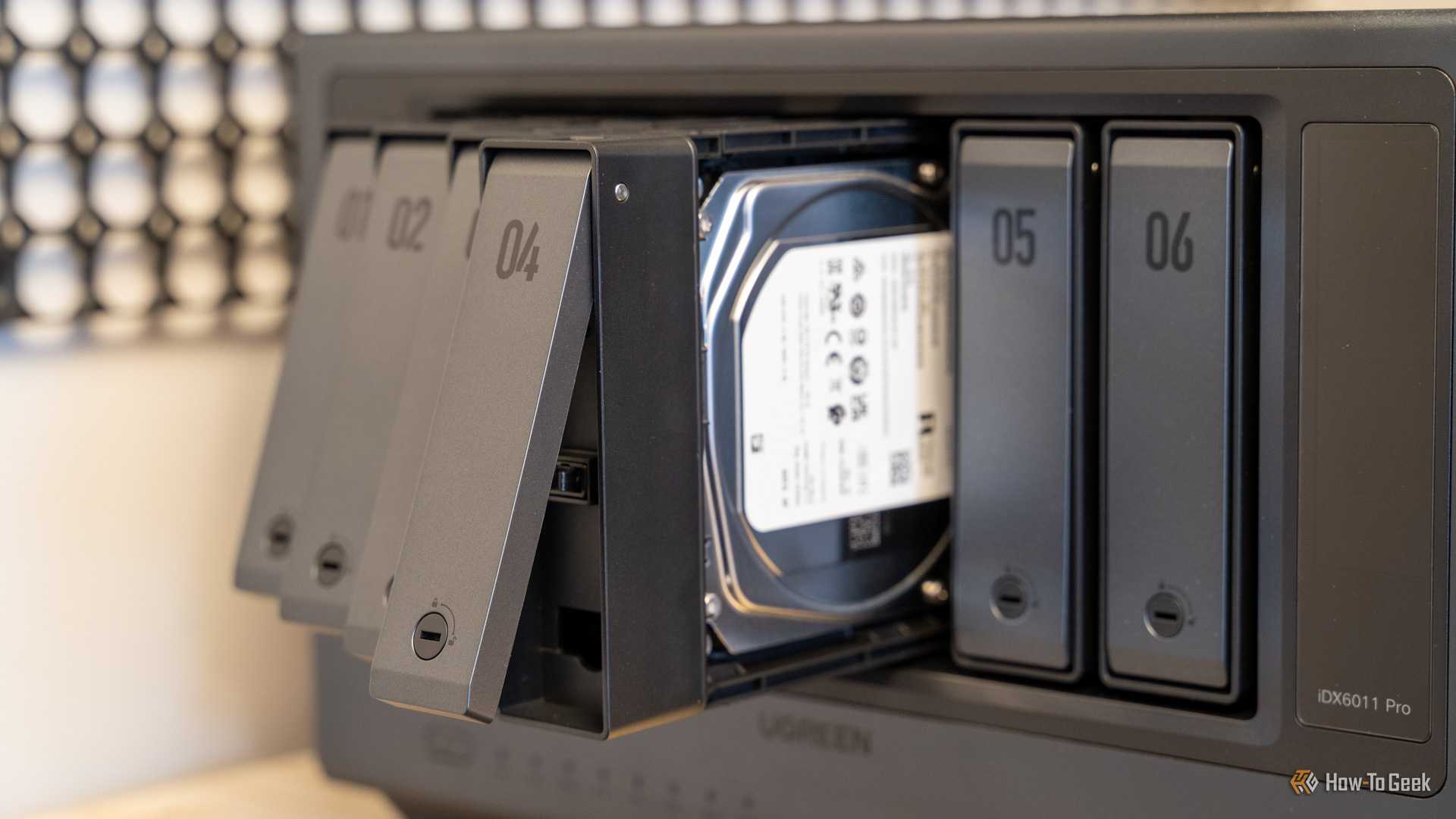
The problem was not my ISP (for once), a dying drive, or gremlins. It was me, or more precisely, all the automated backups I had quietly stacked up over the years. My PC was backing up to the NAS, the NAS was syncing to a second NAS, and a cloud sync job was chugging away in the background. Every one of those was fighting for the same network at the same time.
Backups are sneaky like that. They are huge, they run on a schedule you forgot you set, and they do not care that you are trying to pull a project folder off the NAS right this second. When a backup kicks off, it happily grabs every bit of bandwidth it can reach. That is the whole reason people love giving heavy devices their own isolated link, so those big transfers stop clogging up everything else.
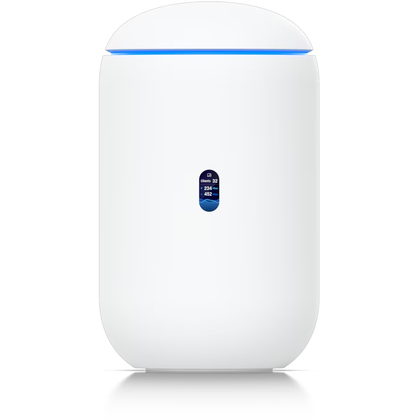
UniFi Dream Router 7

Brand
Unifi
Range
1,750 square feet
At the foundation of any secure, efficient network, you’ll find a trustworthy router. The Unifi Dream 7 is a fantastic pick.
Why the network, not the drive, was the real bottleneck
Your transfer is only as fast as the busiest link in the chain
 Credit: Adam Davidson / How-To Geek
A network transfer is basically a relay race. The sending drive, the cable, the switch, the receiving device, they all pass the baton, and the slowest hand sets the pace for the whole thing. Most slow-transfer guides zero in on tired cables, a mismatched adapter, or a mechanical drive that just cannot keep up–and those are all more likely culprits.
But if you rule them all out, there is one more bottleneck that no cable swap will ever fix: congestion. When everything sits on one flat network, all that background broadcast chatter and all that backup traffic share the exact same pipe. It does not matter that your gear is rated for gigabit if a backup job is already sitting on most of it.
Your live transfer just gets whatever scraps are left over, which is exactly why mine felt fast one minute and glacial the next. Once I watched the timing and realized my slowdowns lined up with my backup schedule, the whole mystery cracked open.
What a dedicated backup VLAN really does (and what it does not)
Spoiler: it is not a magic bandwidth machine
 Credit: Hannah Stryker / How-To Geek
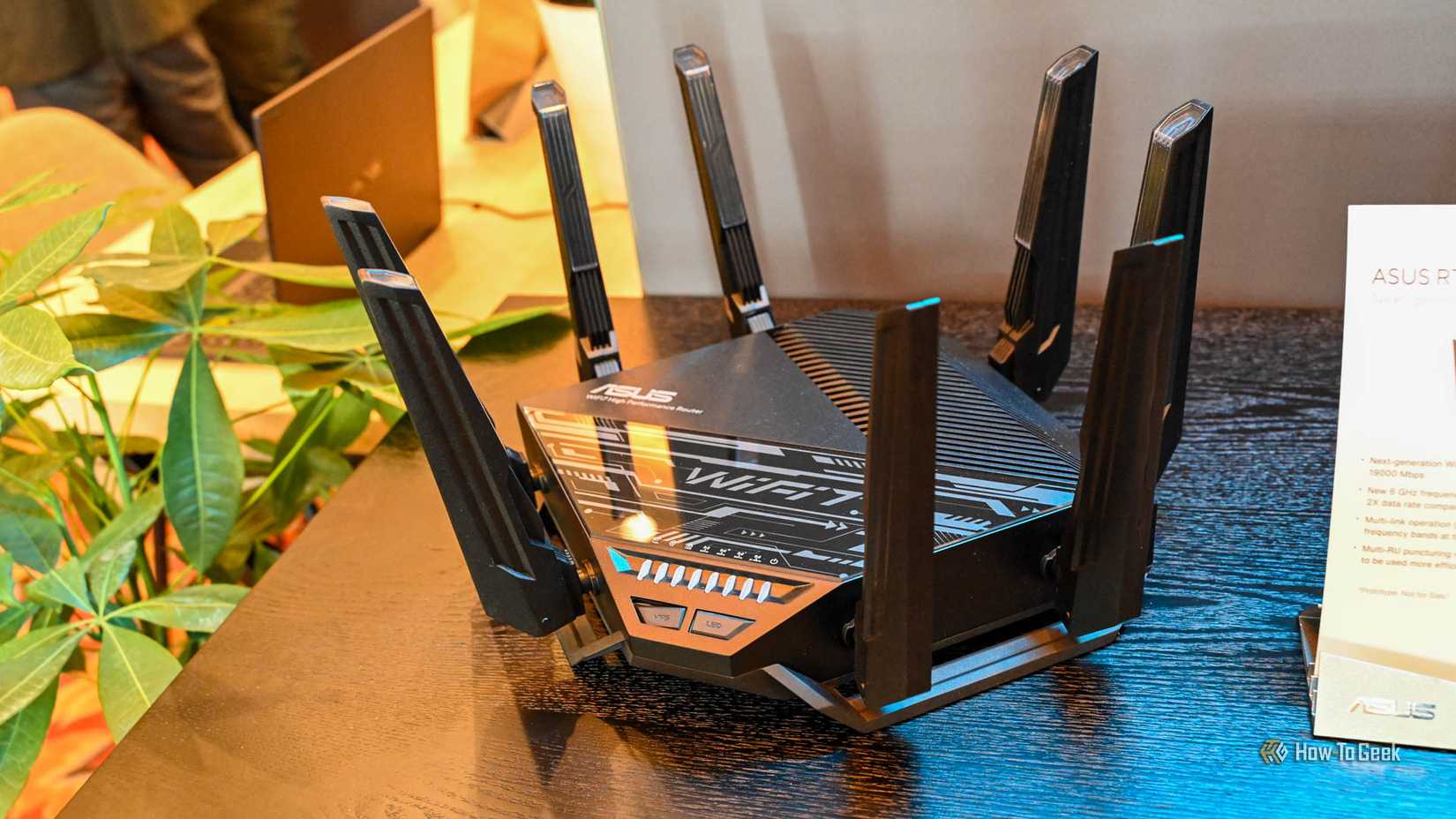
A VLAN is a logical lane painted onto the road you already have. If your backup VLAN and your regular traffic share the same physical switch and the same uplink, the VLAN by itself does not conjure up extra bandwidth. The hardware underneath is still finite, and pretending otherwise will just leave you confused.
So why did it help so much? Three reasons: first, splitting traffic into separate segments trims the broadcast noise every device has to wade through, so the network is calmer overall. Second, a backup VLAN hands you a clean way to grab that traffic and tell your router, “this stuff is low priority.” Quality of Service does not create bandwidth; it just decides who wins when the pipe is full, so my backups began politely waiting behind my live transfers instead of trampling them. Third, once your backup gear is neatly fenced off, it becomes easy to send it down a dedicated port or its own physical link, so it truly stops touching your everyday traffic at all.
How I set mine up without turning my house into a data center
You do not need a server rack to pull this off
 Credit: Ismar Hrnjicevic / How-To Geek
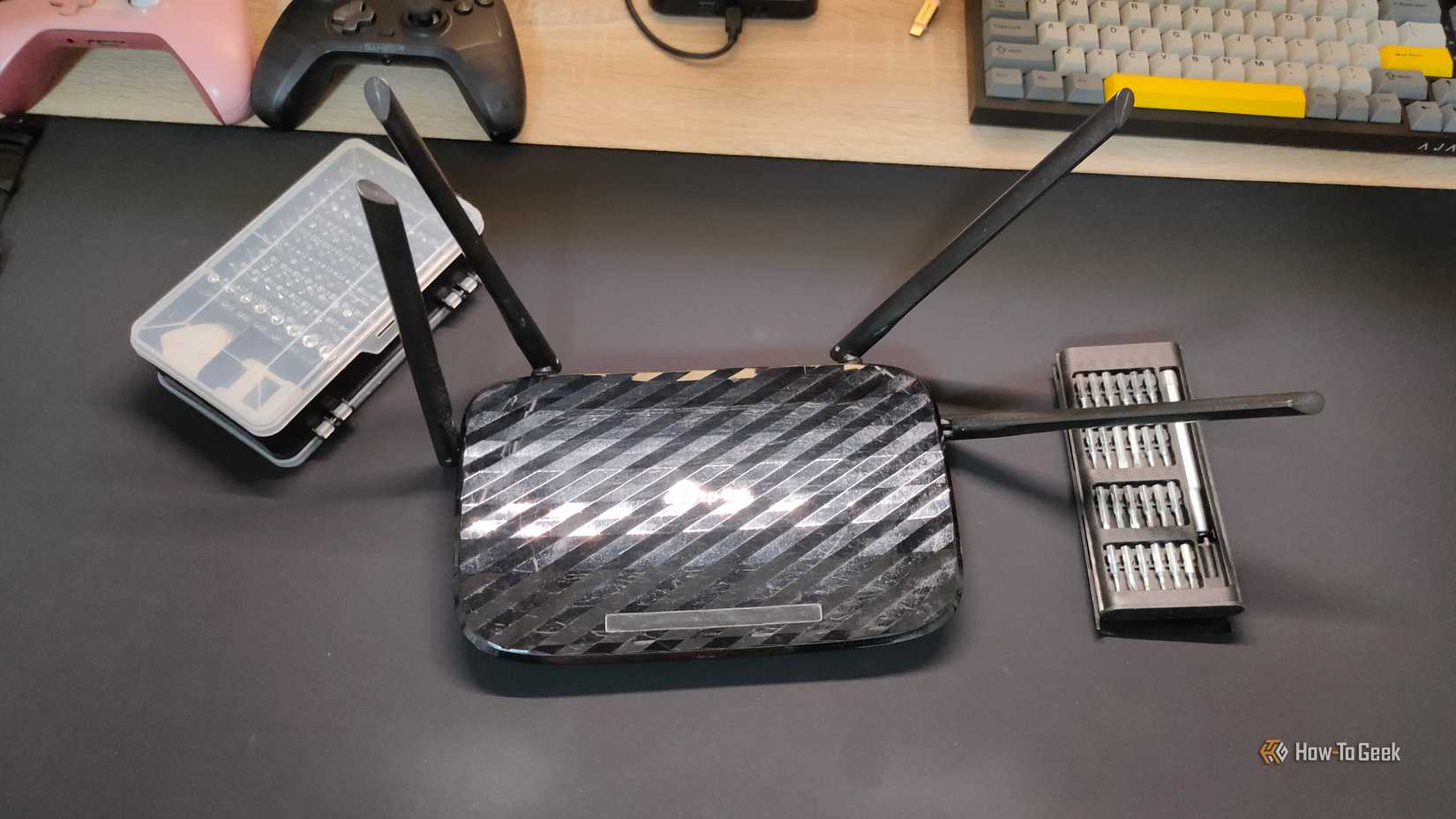
The only real requirement is a switch or router that speaks VLANs, and plenty of prosumer gear does now. I spun up a new network just for backups, dropped the NAS and my backup targets onto it, and gave that traffic its own port so it was not squeezing through the same link as my desktop. Then, I added a QoS rule to knock backup traffic down the priority list, and I moved the heaviest jobs to the middle of the night when nobody is around to care.
While I was already in the settings, I locked the segments down so devices on the backup VLAN cannot go wandering into the rest of my network. That is the same segmentation habit that keeps a compromised gadget from taking down the whole house, so you get a nice security bonus on top of the speed win. And, if you only have one problem-child device hogging the network, you do not even need a full VLAN. You can wall off a single device with a firewall rule and get most of the benefit for a fraction of the effort.
The payoff, plus one caveat
A little segmentation, a lot less frustration
 Credit: Bertel King / How-To Geek
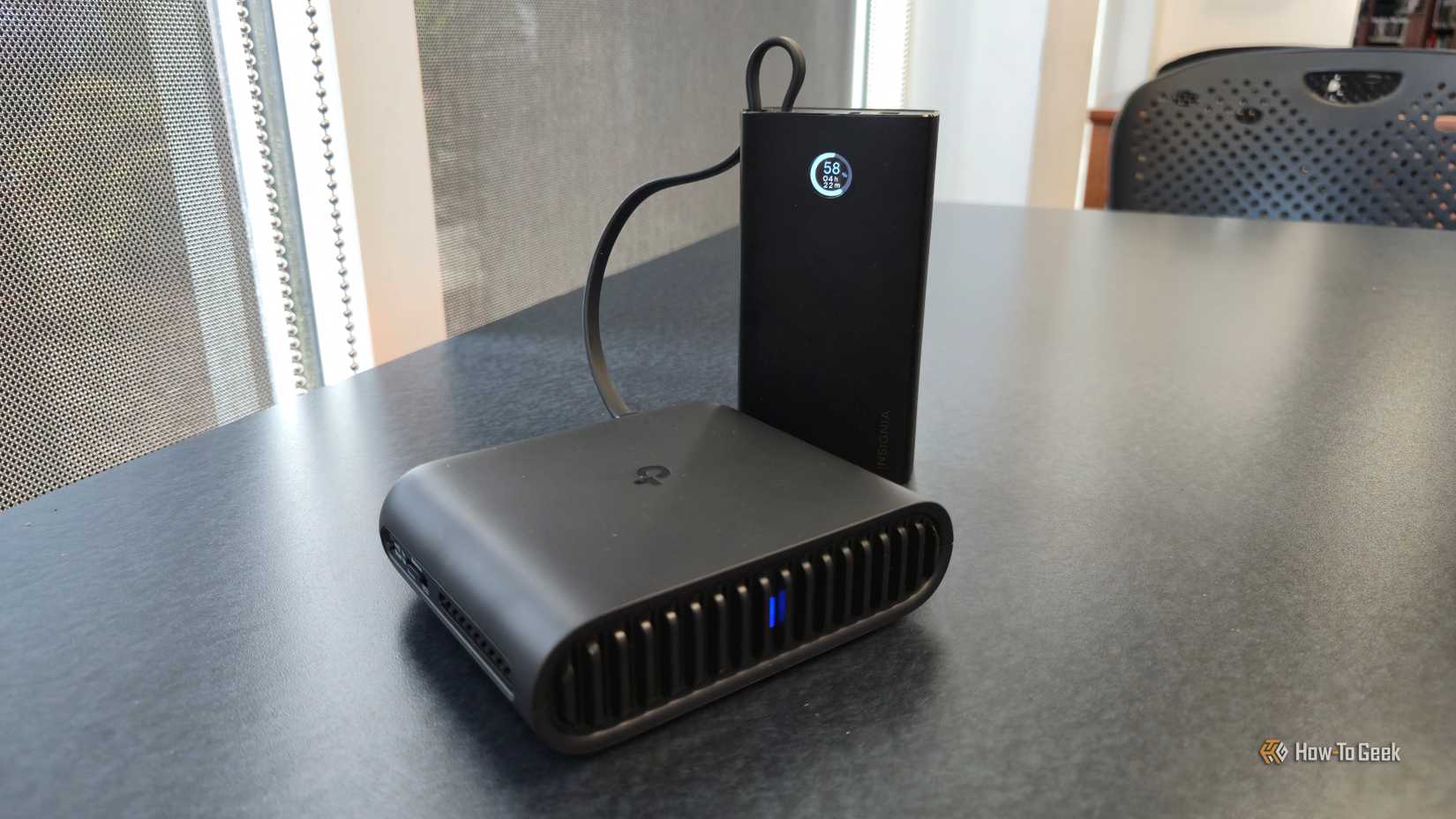
The difference was immediate and kind of ridiculous. Live file transfers snapped right back to the speeds I used to brag about, my backups kept running exactly as before, and the two stopped stepping on each other completely. I did not add a single gigabit of capacity to my setup, I just stopped letting my backups bully everything else off the road.
Would I do it again? In a heartbeat
Here is the caveat I promised:
It was the combination that fixed things, not the VLAN buzzword all on its own. The VLAN gave me the structure, QoS set the pecking order, a dedicated port gave backups their own path, and smart scheduling handled the rest. Stack those four together and slow transfers will vanish. So, if your network turns to molasses every time something is backing up, stop blaming your cables and give your backups a lane of their own. Future you, dragging a giant file across a snappy network, will be very glad you did.
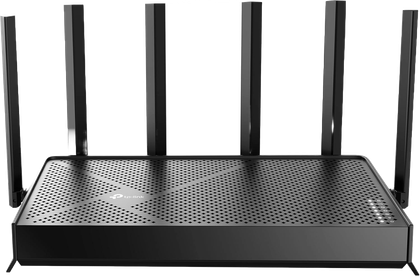
TP-Link Tri-Band BE9700 WiFi 7 Router
$250
Save $60
Brand
TP-Link
If you want a solid router at a cheaper price point, the TP-Link Archer BE600 is your pick.
Wi-Fi Bands
Tri-Band