As luxury markets around the world flounder, Turkey is seizing the opportunity to expand its global consumer base.
The fashion industry is still on the road to recovery and looking for its next big opportunity in the luxury sector. The Chinese market, which fuelled much of the sector’s pre-pandemic growth, remains sluggish, while the Gulf region is still grappling with the effects of the war in Iran. All of which means that companies are searching for untapped markets and new demographics that will reassure shareholders and boost stock prices. Relying solely on the robust US market was never a sustainable, long-term option.
So far, industry chatter has mostly circled around India: an underpenetrated yet complex market that will require time and deep investments to yield returns. In the meantime, Turkey – which is better known for its hospitality, cosmetics industry and manufacturing (including making fake luxury goods) – has emerged as the most promising new frontier. The nation is now attracting high-end tourism, building a local base of high-end-fashion shoppers and, along the way, reshaping its image as a prominent shopping hub. Its luxury market, valued at $3.4bn (€3m) last year, is estimated to reach $4.5bn (€3.9m) by 2034. “In a globally subdued luxury environment, companies are keen to find growth frontiers. Turkey, which hasn’t been a priority in the past, is a large economy worth exploring,” says Luca Solca, the managing director and global head of luxury goods research at Bernstein.
Many factors are contributing to this shift, starting with current international geopolitical relations. Unlike its European neighbours, Turkey maintains direct flight connections to Russia and grants visa-free entry to Russian and Iranian visitors, attracting high-spending tourists who might have otherwise flocked to Western Europe or the UAE. “The country is now seen as a safe zone in a region of on-and-off turmoil, encouraging people to direct their spending here,” says Defne Kocabiyikoglu, who runs independent fashion label Nackiyé with her sister Basak. She also points to Turkey’s “high standards of service” and the new Istanbul airport, which overtook Heathrow this month as the best-connected airport in the world, with 337 destinations.
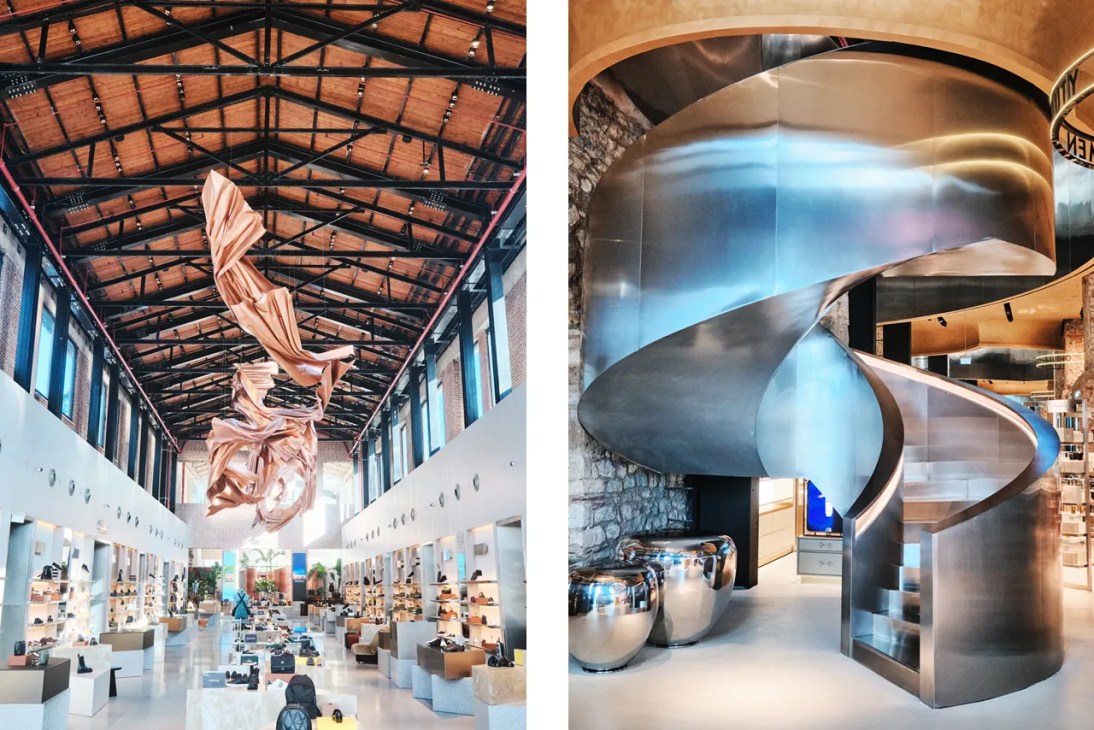
Florentia, a new retail outlet near the airport, is riding the wave. Once completed, it will offer more than 100,000 sq m of retail space, a luxury hotel, open-air entertainment and access to more than 200 international labels. Elsewhere, Turkish retailer Beymen has been raising the bar with new retail concepts, including a store in Tersane-i Âmire that was designed by OMA. “The scale of investment is perhaps the clearest indication of market growth,” says Demet Müftüoğlu Eşeli, curator and co-founder of editorial platform ’74Escape. “There are more international luxury names, larger flagships and increasingly ambitious department stores. We are moving beyond conventional retail and towards spaces that combine fashion with art, design, hospitality and culture.”
While tourist spending is one of the largest drivers of growth, residents have also demonstrated an increased appetite for luxury fashion. “Turkey has a large, highly connected consumer base,” says Müftüoğlu Eşeli. “Thanks to social media, global fashion brands have become part of the everyday cultural landscape. With that comes greater familiarity, aspiration and demand.”
European luxury houses will no doubt rush to meet this demand with more flagship openings and events. Last month, Cartier took a trip to Turkish island Büyükada, bringing together creatives from across the region to celebrate its new jewellery collections. The country also has the opportunity to elevate the “Made in Turkey” label, convince luxury groups to invest in its manufacturers and promote homegrown labels such as Nackiyé, which has already achieved global recognition and forged retail partnerships across Hong Kong, Japan and the US. The sector’s long-term vitality, however, will largely depend on continued political stability in a volatile region and whether the Turkish president, Recep Tayyip Erdoğan, can resolve ongoing tensions with Israel and Greece.
Natalie Theodosi is Monocle’s fashion editor at large. For more opinion, analysis and insight subscribe to Monocle today.