Credit: Goran Damnjanovic / How-To Geek
Linux on desktop systems is in a great place right now. Whatever desktop system you have, you can probably slap a Linux distro of your choice on it right now, and have few if any issues.
Install Linux on a random laptop, and things won’t always go well. While there are plenty of Linux-certified laptops out there, and hardware support is still better than it’s ever been, laptops lag significantly behind desktops when it comes to Linux compatibility.
Which makes it a little ironic that handheld PCs seem to have an easier time when you swap out the copy of Windows they come with for Linux. Why is that?
The same handheld can run better simply by replacing Windows with Linux
A little too compatible, if anything
-
 Credit: Andrew Heinzman / How-To Geek
 -
 Credit: Andrew Heinzman / How-To Geek
 -
 Credit: Andrew Heinzman / How-To Geek
 -
 Credit: Andrew Heinzman / How-To Geek
 -
 Credit: Andrew Heinzman / How-To Geek
 -
 Credit: Andrew Heinzman / How-To Geek


-
 Credit: Andrew Heinzman / How-To Geek
 -
 Credit: Andrew Heinzman / How-To Geek
 -
 Credit: Andrew Heinzman / How-To Geek
 -
 Credit: Andrew Heinzman / How-To Geek
 -
 Credit: Andrew Heinzman / How-To Geek
 -
 Credit: Andrew Heinzman / How-To Geek

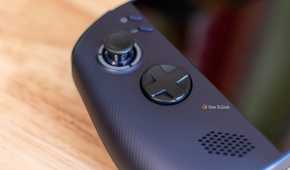

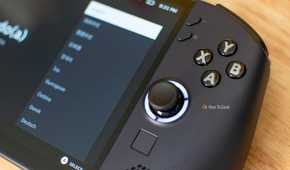
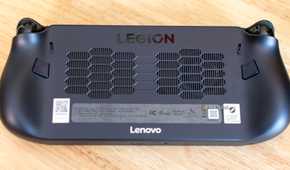
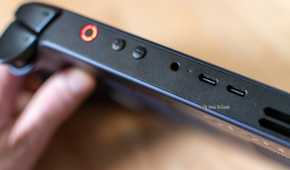
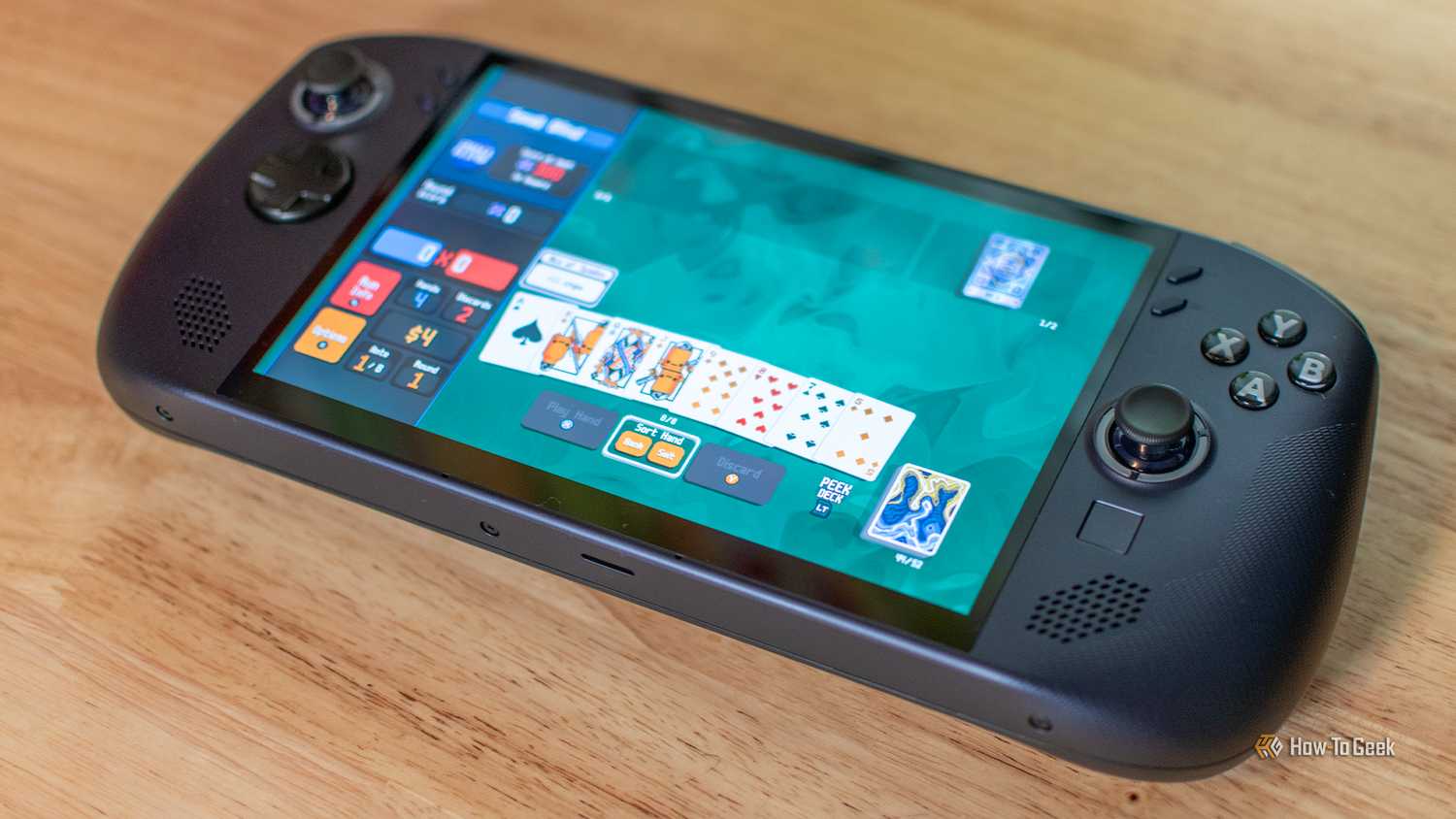
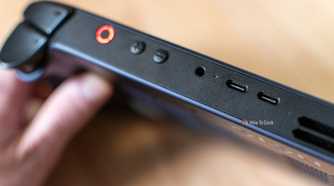
At this point, you’ve probably seen comparisons between handhelds like the Lenovo Legion Go family of handhelds offering better performance, battery life, and features when running Linux.
Even though Windows games run through a compatibility layer, somehow, on average, games work better and use less power. Pretty embarrassing for Microsoft! Of course, compatibility isn’t perfect across all games, and there are other caveats related to anti-cheat systems that only work on Windows, but when a game works on both OSes, the Linux version is doing better.
The same thing can be seen on desktop Linux, but when you have effectively unlimited power coming from the wall and aren’t trying to get the best performance per watt, the advantages diminish.
However, laptops do want that same power-to-performance advantage, but right now you’re not going to get that slick overall experience with laptops you do with handhelds.
Handheld Linux only has to understand a small collection of known hardware
It’s a bit like the Apple advantage
 Credit: Goran Damnjanovic / How-To Geek
Now, to be perfectly fair here, there’s a good reason Linux is working this well on handheld PCs. There just aren’t that many models out there, and they all run on pretty much the same hardware at this point. While Intel has a competing SoC, most of the popular PC handhelds run an AMD SoC and, thanks to work by AMD, Valve, and several other contributors, that hardware platform has become pretty well optimized for Linux.
At this point, only two notable handheld distros really matter. Namely, Bazzite and SteamOS, although quite a few alternatives are waiting in the wings. Both OSes are expanding desktop support, and they will work on laptops, but you need specific hardware because of these distros’ initially narrow scope.
Laptops hide their worst problems in firmware, power management, and proprietary utilities
A computer that runs worse when it’s turned off
 Credit: Jordan Gloor / How-To Geek
I don’t actually think the way Linux runs on laptops when they are on and working is the real issue. The problem comes when you want to suspend your laptop, or you have issues like MUX controls for dual-GPU systems. This is where model-specific tweaks are needed, and with so many laptop models and families out there, no one is going to do all that legwork while Linux still has such a small share of the desktop OS market.
Ironically, the same things that are a Linux weakness on laptops (and desktops, but they rarely come up) are actually a core advantage of handheld Linux over Windows. Devices like the Legion Go and Steam Deck have excellent power management and suspend functionality, while if you try to put a Windows handheld into sleep mode, you don’t know if everything will work correctly when you try to wake it up.
The Steam Deck proves Linux laptops do not have to be this inconsistent
I don’t want to be unreasonable here. I understand why Linux is doing so much better on handheld PCs than laptops, but ultimately, a handheld PC is just a laptop with a funny shape. The Steam Deck proves that with dedicated work and cooperation between hardware makers and distro developers, you can build a tightly knit solution that works even better than Windows when it comes to hardware features, power use, and performance.
Laptops are the most popular type of personal computer in the world. In 2009, when laptops first started outselling desktops annually, The Guardian framed it as “laptops took over the world.” Simply put, laptops are not a niche product, but distro developers treat laptops as if they were. At the same time, laptop makers aren’t incentivized to help with Linux compatibility the way they are with handhelds.
So it all comes together to create a situation where you either have to spin the wheel of disappointment as you try to put Linux on the laptop you already own, or you have to shell out for a laptop computer that has been specifically certified to be compatible with the Linux distros you’d like to run.