When GM announced it would drop Android Auto and Apple CarPlay from its vehicles, the decision felt entirely self-serving. The replacement, however, is still powered by Google’s Android Automotive platform. While I can appreciate the appeal of that approach, there are some key reasons why the company made the wrong call.
That’s not to say Google Built-In is a bad thing. Far from it. Having Google Maps, the Play Store, and vehicle-specific controls built directly into your car without connecting your phone is pretty cool. The problem is that these benefits didn’t require GM to abandon Android Auto altogether. Other automakers have offered both, so why couldn’t GM?
General Motors’ decision to ditch Android Auto was not particularly popular
It is still pretty controversial
 Credit: Chevrolet
In 2023, General Motors announced it would discontinue Android Auto and Apple CarPlay going forward. To say this decision met with some resistance would be an understatement. The brand has gone against the widely established norm, and still remains one of the only legacy automakers to take this anti-mirroring stance. Brands like Tesla and Rivian have never used Android Auto or Apple CarPlay, instead sticking to a closed ecosystem.
The brand claimed it would shift away from smartphone-mirroring software to enhance its native infotainment system with all the core functions you could want. This meant investing pretty heavily in Android Automotive, which, despite its name, is very different from Android Auto.
The difference between Android Auto and Android Automotive
Where does Google Built-In fit in?
-
 Credit: Cadillac
 -
 Credit: Cadillac
 -
 Credit: Cadillac
 -
 Credit: Cadillac
 -
 Credit: Cadillac


-
 Credit: Cadillac
 -
 Credit: Cadillac
 -
 Credit: Cadillac
 -
 Credit: Cadillac
 -
 Credit: Cadillac

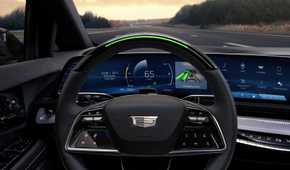
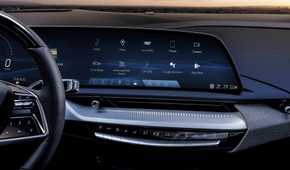

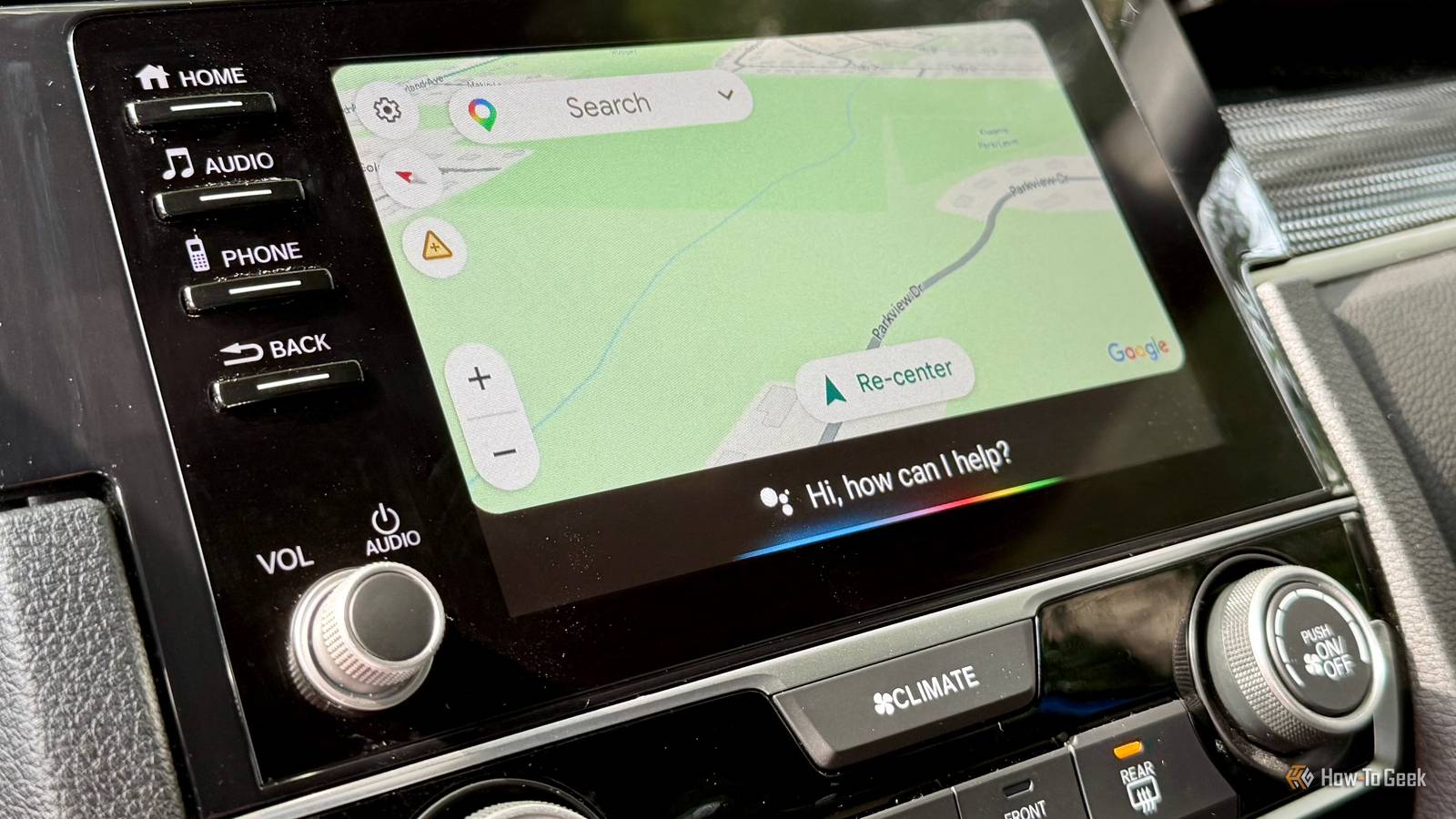
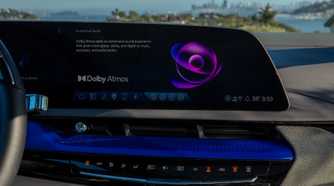
They may have very similar names, but Android Auto and Android Automotive are very different beasts. Android Auto is essentially a mirroring system. Your phone acts as a mini computer, with all the apps and functions running on your device and projected onto the car’s screen. It is pretty standardized and looks the same in every car.
Android Automotive, however, is an operating system built directly into your vehicle and linked to its hardware. This means every application runs natively, without needing you to connect your smartphone. This lets automakers keep their infotainment systems aligned with the vehicle’s overall design.
With Android Automotive, automakers can build their apps and tools from the ground up. Some, however, decide that’s too much work and instead opt to license software from Google. Cars marketed to run Google Built-In essentially run a version of Android Automotive with the full suite of Google apps, including the Play Store, Google Maps, and Gemini.
Many automakers use Android Automotive, keeping Android Auto smartphone mirroring in the mix. General Motors, however, specifically bars the use of Android Auto, meaning you have to use the integrated Google apps.
Android Auto is great, but built-in services can feel more convenient
There are pros and cons either way
 Credit: Chevrolet
General Motors’ decision to step back from Android Auto and Apple CarPlay, and instead offer a full suite of Google apps integrated into their vehicles might not make sense to some, but it comes with plenty of pros. Google Built-In offers much deeper integration with your vehicle than Android Auto. You can control the car’s hardware directly, controlling things like the heated seats, climate controls, and vehicle cameras. If you drive an EV, the OS can also read your battery status and plan routes around your charging needs.
Another big benefit in GM cars is that you get access to the Google Play Store, and you can download quite a few third-party apps directly onto your car’s infotainment system. This includes things like Spotify, Apple Music, and other music streaming apps. You can also use video streaming apps like YouTube, Disney+, Hulu, and AMC+. You can even play a couple of games when you’re parked, such as solitaire and chess.
There are reasons people prefer Android Auto
You don’t have to depend on your automaker
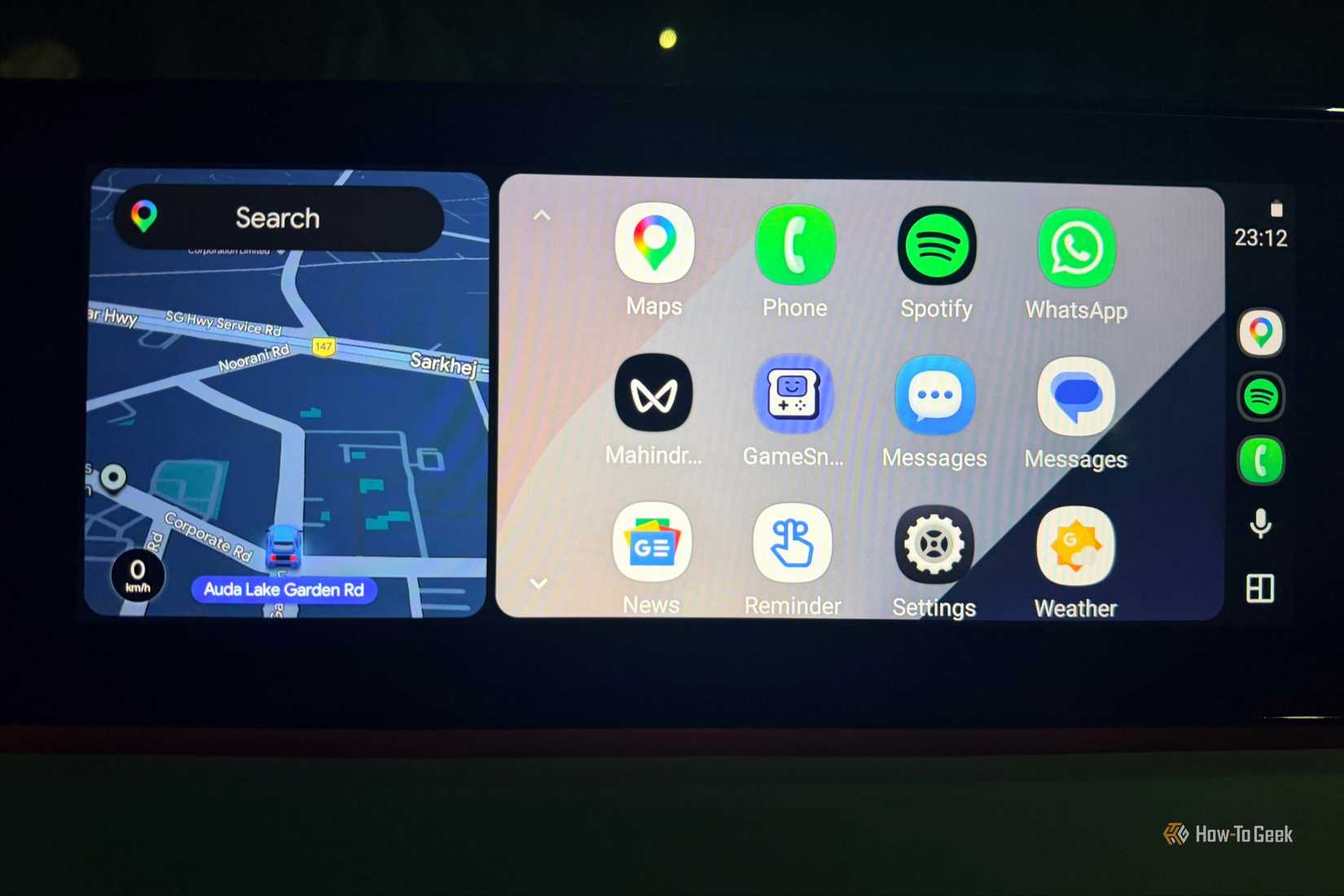
Android Automotive and Google Built-In aren’t inherently better than using Android Auto, though, and there are still plenty of reasons to be annoyed with GM. One reason is that they could have offered you a choice. Google Built-In and Android Auto aren’t mutually exclusive. Brands like Volvo and Honda let you mirror your smartphone or use the integrated suite of apps in the infotainment system. The choice by GM was strategic, and a clear bid to control your data as well as the interface design.
Another key benefit of Android Auto is that all of your apps and settings follow you from car to car because they’re on your phone. You also obviously don’t need to pay for a separate data subscription for your car.
Google Built-In isn’t bad, but Android Auto is still the people’s champion
General Motors made a pretty bold decision to force their buyers away from smartphone mirroring. Very few other automakers have made this decision, and it hasn’t exactly earned them any favor with the automotive world. Google Built-In offers plenty of advantages, including deep vehicle integration, but GM’s decision to ditch Android Auto was voluntary.