Credit: Bertel King / How-To Geek
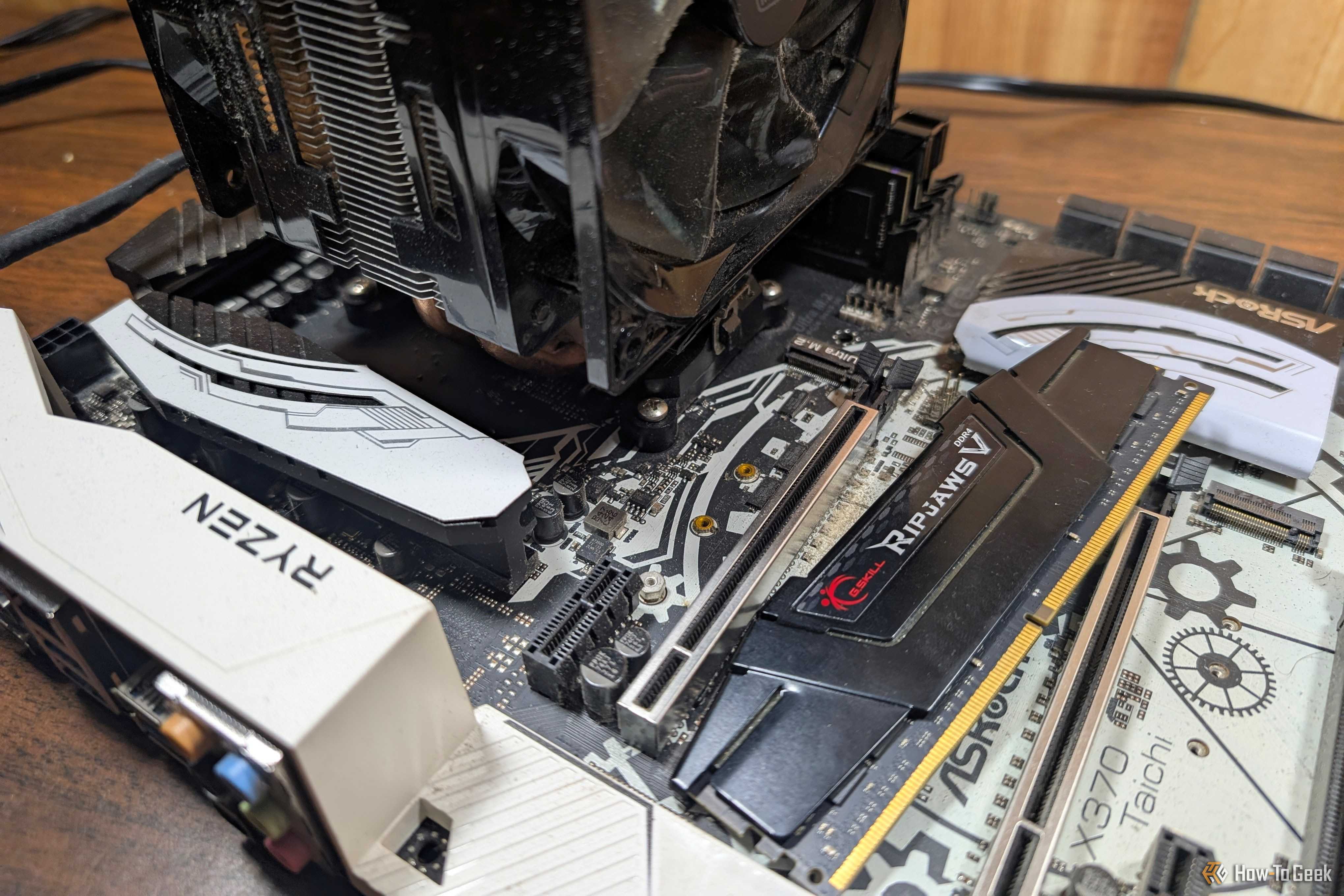
DDR5 RAM has been in short supply since the beginning of the year, and there’s little sign of that changing anytime soon. As a result, first-time PC builders have been turning to older and more affordable but still relevant DDR4 platforms. The problem? DDR4 isn’t exactly cheap anymore either. A budget 16GB 3200MHz kit currently costs around $120, while 32GB can set you back around $210 (for reference, I paid $93 for 32GB 6000MHz DDR5).
But if current trends continue, prices of DDR4 could climb potentially even higher, taking motherboards and CPUs with it. So, if you’ve already decided to bite the bullet and buy DDR4, which platform and CPU should you choose? Allow me to help you make that decision.
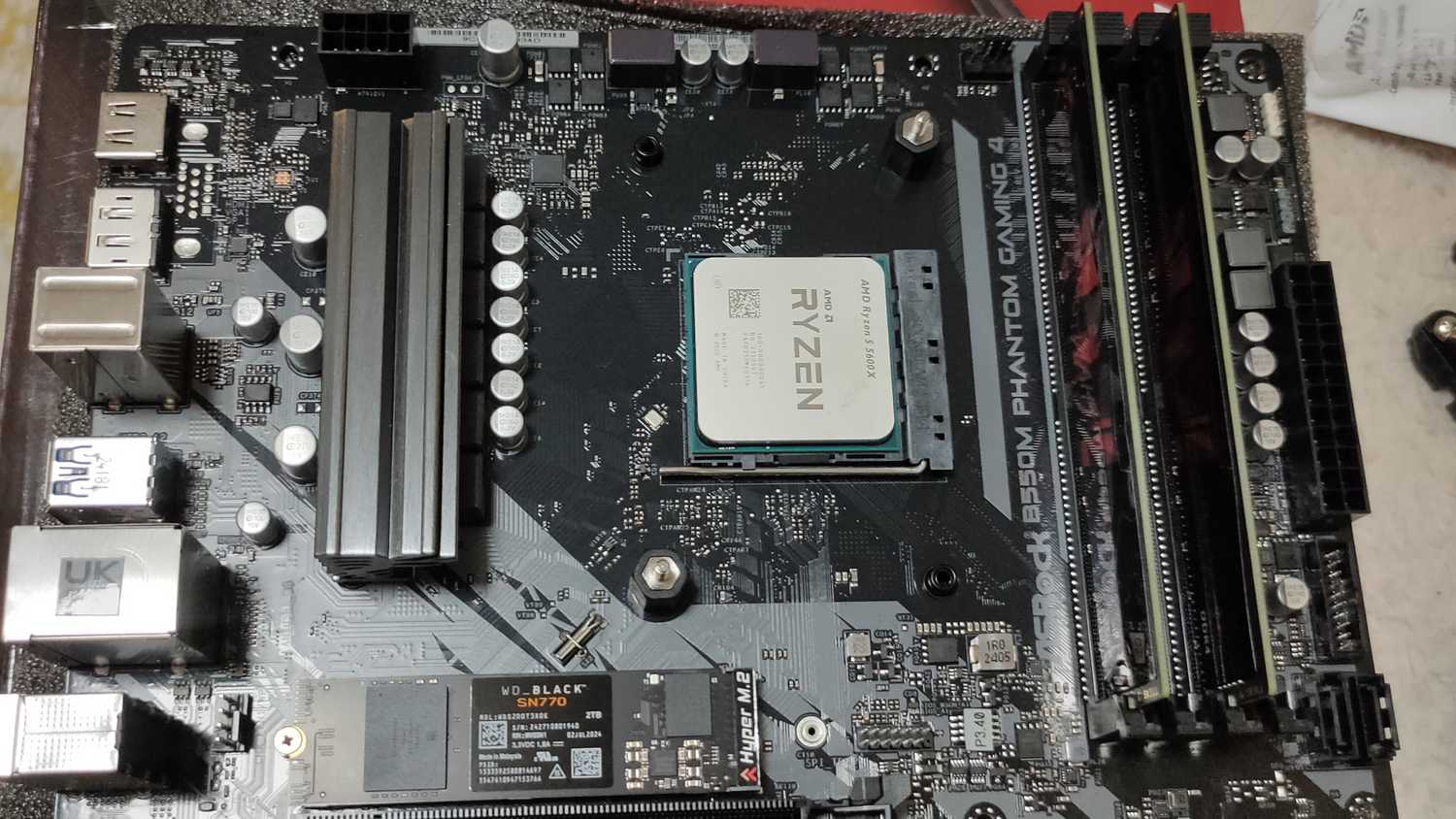
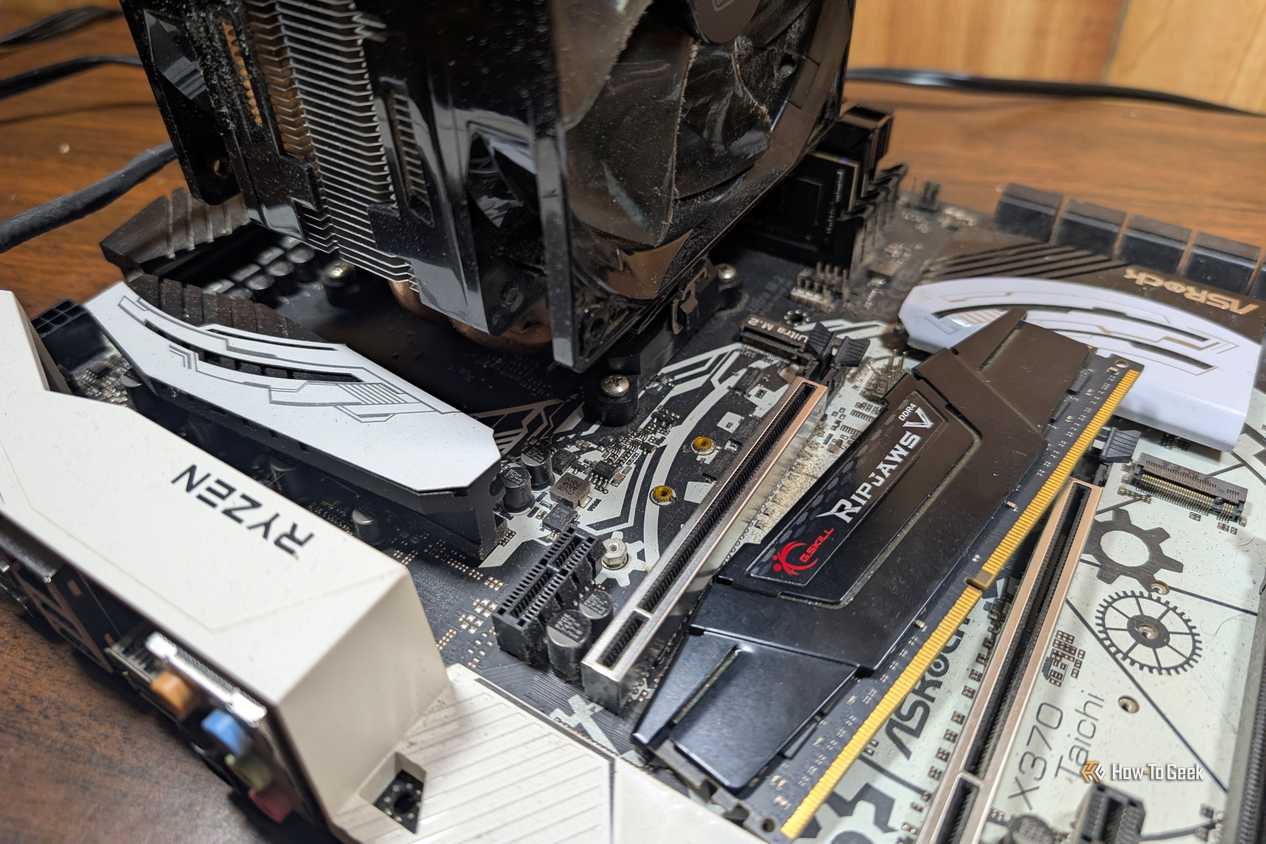
The AMD Ryzen 5 3600 is old, but it’s still a surprisingly complete budget package
There’s still life in this ancient chip
-
 Credit: Ismar Hrnjicevic / How-To Geek
 -
 Credit: Nick Lewis / How-To Geek
 -
 Credit: Ismar Hrnjicevic / How-To Geek
 -
 Credit: Patrick Campanale / How-To Geek
 -
 Credit: Patrick Campanale / How-To Geek
-
 Credit: Ismar Hrnjicevic / How-To Geek
 -
 Credit: Nick Lewis / How-To Geek
 -
 Credit: Ismar Hrnjicevic / How-To Geek
 -
 Credit: Patrick Campanale / How-To Geek
 -
 Credit: Patrick Campanale / How-To Geek
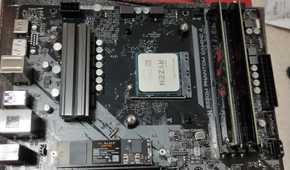
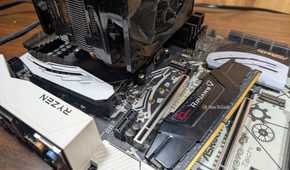
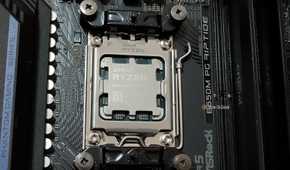
You might be surprised to see such an old CPU on this list, but 2019’s most popular CPU still remains relevant today. Whether you’re building a budget gaming rig, cheap office PC, or a desktop that can do it all, the AMD Ryzen 5 3600 is among the most inexpensive AM4 CPUs that still make sense.
RAM and graphics card prices have gone up significantly, so if you need to keep costs as low as possible and just need something half-decent to slot into the socket, the AMD Ryzen 5 3600 makes a lot of sense.
In fact, it makes more sense than a newer CPU many PC builders are flocking to—the Ryzen 5 5500. Performance is surprisingly comparable despite the 5500 being a newer chip, as the 3600 has twice the L3 cache at 32MB and supports PCIe 4.0 instead of 3.0, making it more broadly compatible with budget graphics cards that don’t utilize all 16 PCIe lanes.
The only problem with the Ryzen 5 3600 is availability. It’s an old chip, so you can mostly find it used or on gray markets. If you can help it, try not to pay more than $80 for it.
The Ryzen 7 3700X also deserves a mention, as it’s ever so slightly faster, especially in multi-threaded workloads. It might be easier to find, but it also costs a bit more, so think twice before buying.
The AMD Ryzen 5 5600 is the sweet spot for a budget AM4 build
A tough chip to beat
 Credit: Ismar Hrnjicevic / How-To Geek
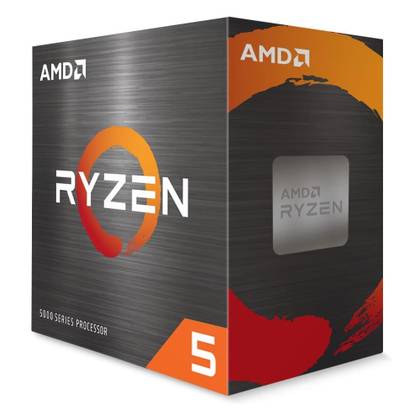
The AMD Ryzen 5 5600 is only one number above the aforementioned Ryzen 5 5500, but unlike that chip, the 5600 isn’t a cut-down version.
That’s why it costs almost twice as much, and people are gladly paying for it.
It’s a 6-core, 12-thread CPU built on Zen 3 with 32MB of L3 cache and PCIe 4.0 support. Once paired with the right B550 motherboard and 16GB, or ideally 32GB, of RAM, it makes for a formidable value-oriented combination.
The Ryzen 5 5600 often sits in the shadow of its slightly more powerful and pricier brother, the Ryzen 5 5600X, but they’re essentially the same chip. If you’re willing to overclock the Ryzen 5 5600 through PBO, you can get comparable performance to the binned 5600X.
AMD Ryzen 5 5600
Brand
AMD
CPU Model
5600
The AMD Ryzen 5 5600 packs tons of gaming performance inside its six cores and is the best budget Ryzen CPU on the market. Its multithreaded performance won’t impress anyone but for the price, it’s more than a decent peformer.
The Intel Core i5-12400F makes sense when the price is right
A bargain, but only at the right price
 Credit: Hannah Stryker / How-To Geek
It’s easy for any CPU list these days to become Ryzen-heavy because of AM4’s impeccable platform support, but some Intel chips can still make sense—especially if you can find a good deal on a used PC, bundle, or heavily discounted used CPU.
One such CPU is the Intel Core i5-12400F, which supports both DDR4 and DDR5 memory depending on the motherboard. For a budget build, you can pair it with an affordable B660 or B760 DDR4 motherboard.
Although the CPU’s LGA1700 socket offers a decent upgrade path through Intel’s 12th-, 13th-, and 14th-generation CPUs, I still wouldn’t pick it over the Ryzen 5 5600, as AM4’s upgrade path is a bit more flexible, especially for gamers because of 3D V-Cache. It makes the most sense if the CPU is noticeably cheaper.
The AMD Ryzen 7 5700X gives AM4 eight cores without a huge premium
Still a strong CPU for multi-threaded workloads
 Credit: Ismar Hrnjicevic / How-To Geek
While the AMD Ryzen 5 5600’s performance-per-dollar is hard to beat, the Ryzen 7 5700X can still be the better pick for some people. It has eight cores to the 5600’s six, and it shares the same 4.6GHz boost clock as the 5600X.
The extra cores help the 5700X with multi-threaded workloads like video transcoding, 3D rendering, and running VMs. It can also deliver more FPS in some CPU-heavy titles like Starfield.
The Ryzen 7 5800X also deserves a mention, though it tends to be quite a bit more expensive. Its main advantages are a slightly higher 4.7GHz boost clock and a 105W TDP compared to the 5700X’s 65W.

The Intel Core i5-14600KF is the high-performance DDR4 sweet spot
It’s already at the point of diminishing returns
 Credit: Hannah Stryker / How-To Geek
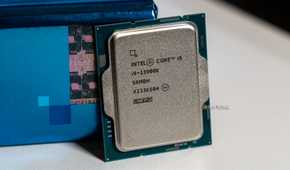
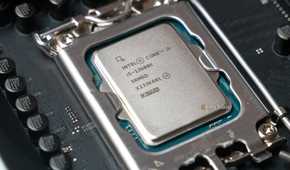
The Intel Core i5-14600KF came out in 2023, which makes it the most recent chip on this list. It performs essentially the same as the i5-14600K, but the “F” model lacks an integrated GPU, which considerably drives down the price.
It supports both DDR4 and DDR5, and it’s compatible with older LGA 1700 motherboards like the Z690 and B660 with a BIOS update, which makes it a pretty strong drop-in upgrade.
The 14600KF uses a hybrid architecture with six Performance cores, eight Efficiency cores, and a total of 20 threads, which helps it outperform comparable AMD chips in some multi-threaded workloads, while the raw performance of the performance cores helps it blast through games with ease.
Even with the bottleneck of DDR4, the 14600KF is a shockingly capable CPU that you can typically find for less than $250, making it a surprisingly strong value pick. And while it does support DDR5, I wouldn’t take that into account if you’re buying DDR4 today. By the time DDR5 prices go down, this will be an old chip anyway.
The only problem with Intel’s 14th-generation chips is that they run incredibly hot, so take the cost of a decent dual-tower air cooler or AIO into account if you pick this CPU.
The AMD Ryzen 7 5800X3D remains the ultimate AM4 gaming upgrade
Still the gaming king
 Credit: AMD
What other CPU could I end this list with than the recently re-released AMD Ryzen 7 5800X3D? The 10-year AM4 anniversary edition just dropped at an MSRP of $349, and despite the high price for what’s essentially a 4-year-old CPU, it still makes sense in the right context.
If you’ve already got an AM4 motherboard and the BIOS supports the Ryzen 7 5800X3D, it makes for a strong drop-in upgrade with performance comparable to many newer Ryzen chips.
Its 3D V-Cache gives it a meaningful edge in some CPU-bound games and esports titles, even over the Intel Core i5-14600KF. However, since it’s a dead-end upgrade, I’d only recommend it if you want the best DDR4 gaming PC possible and don’t mind spending extra to put off a full upgrade for another year or two.
DDR4 isn’t going anywhere for years to come
The current state of desktop PCs isn’t great, and much of it comes down to the memory shortage. DDR5 is getting increasingly expensive, while DDR4 isn’t the bargain it used to be, and it’s only getting worse.
Still, that doesn’t mean you should completely write off older platforms. AM4 and LGA1700 CPUs can still offer plenty of performance for the money, whether it’s for gaming, work, or a mix of both.