In a city where tourism is increasingly seen as a threat to local culture, Barcelona’s independent bookshops are thriving. Even as cinemas close and small music venues disappear, the city’s number of bookshops has climbed to 140, a 30 per cent increase since 2008. According to the Catalan Guild of Booksellers, new openings have far surpassed closures in recent years, though some have struggled to keep their doors open.
In 2024, the threatened closure of the historic Llibreria Sant Jordi triggered weeks of public mobilisation. While it ultimately shut, it reopened a year later with a gastronomic offering. The episode underscored deeper anxieties over skyrocketing rents, the declining use of Catalan and the strain that a tourism-driven economy places on local life. And yet, while more retailers stock titles in English and other languages, Catalan-language publishing is growing too. Barcelona’s new wave of bookshops has become a valuable refuge for locals and foreigners alike.
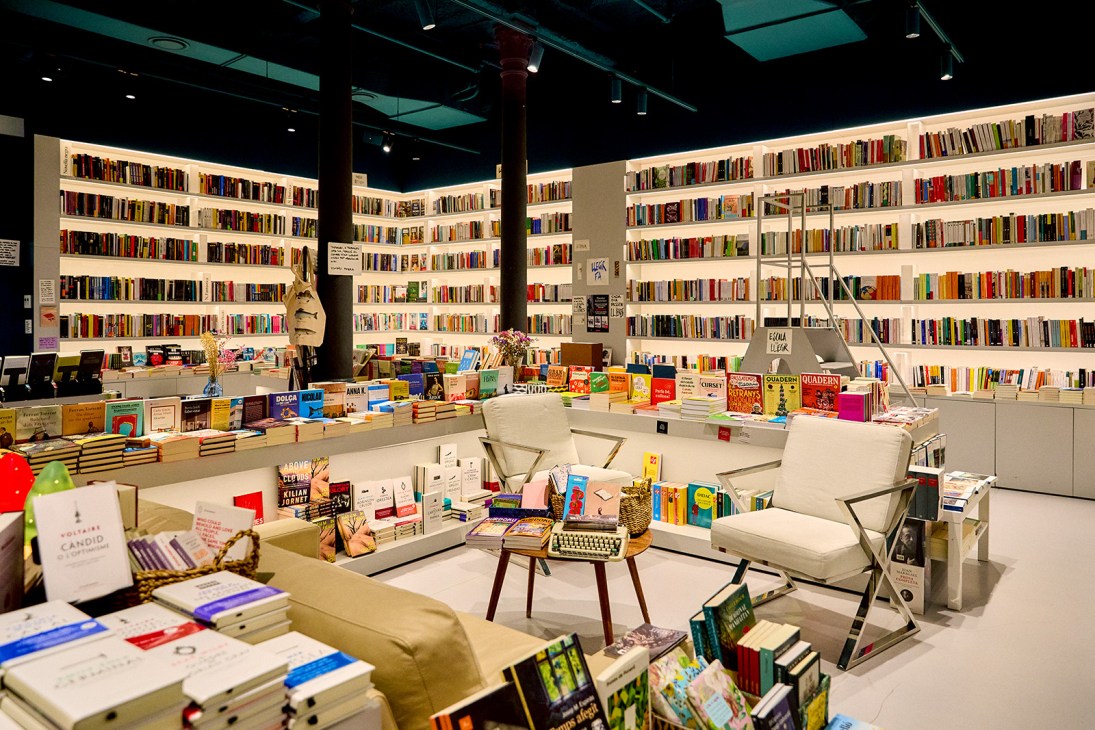
Since launching as a small shop in Gràcia in 1962, Ona slowly built a reputation for its selection of Catalan literature. A few years ago, second-generation owner Montse Úbeda teamed up with entrepreneur Tatxo Benet to expand the business and, upon opening a 900 sq m space on Carrer Pau Claris in 2020, Ona became the world’s largest bookshop dedicated to Catalan-language books.
The boutique also stocks a selection of Catalan literature translated into 15 languages, from English to Mandarin. “We stock 1,500 references by authors who write in Catalan that have been translated into other languages,” says Ona’s director, Iolanda Batallé. “It’s painstaking work because we have to go publisher to publisher but we’re very proud of it.”
Ona has grown fivefold over the past six years, hosting book clubs, talks and live music in its café space, as well as a busy schedule of events in its vast children’s section. “Most bookshops have only about 30 per cent of books in Catalan because Spanish takes over,” says Batallé. “Shops like Ona are very important for the growth of the Catalan publishing industry.”
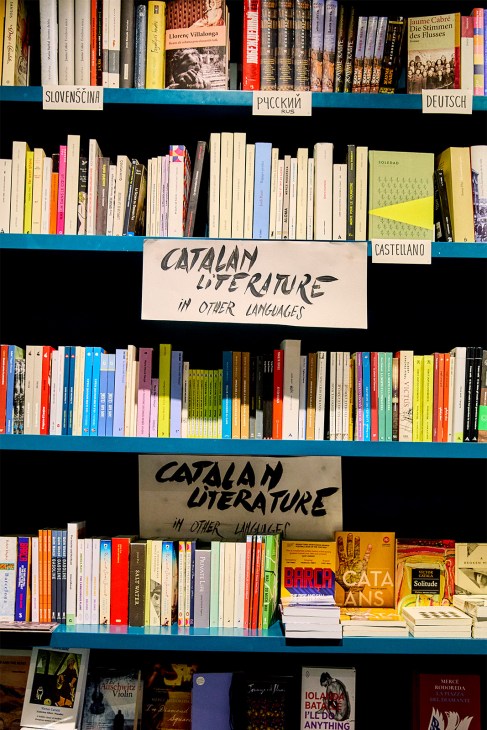
- Recommended novel: Ona director Iolanda Batallé is the author of I’ll Do Anything You Want, published in 2013
- Current bestsellers: Death in Spring and In Diamond Square by Mercè Rodoreda
- Catalogue: 53,000
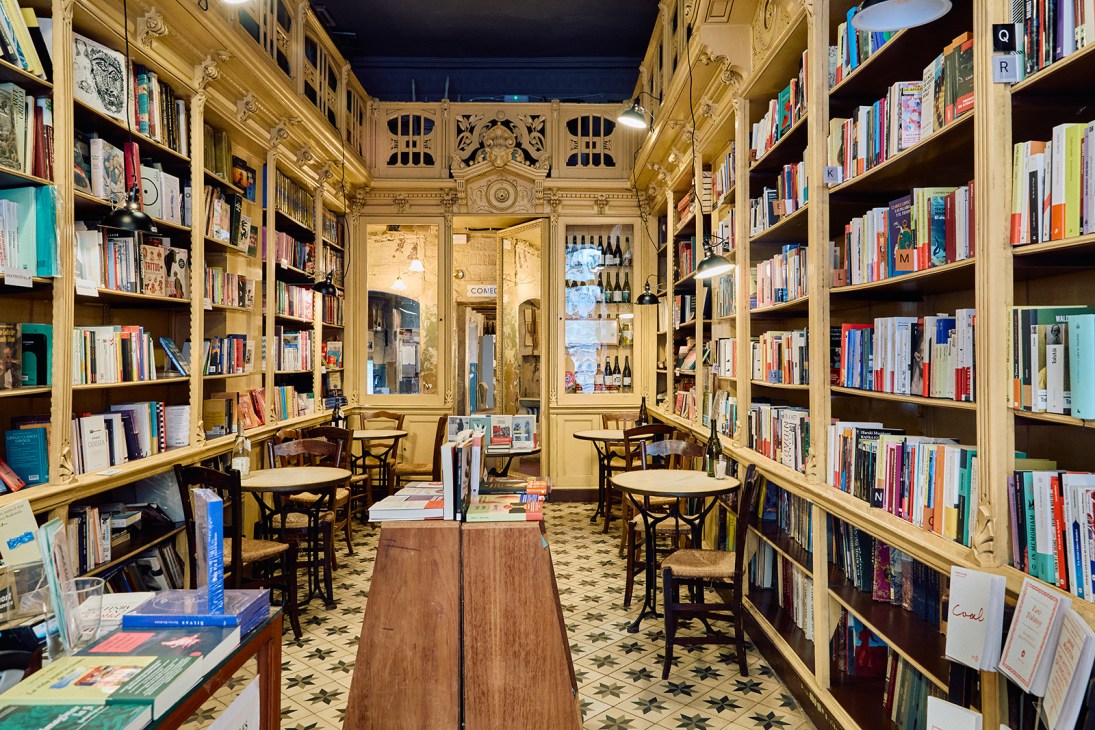
When the longtime owner of Llibreria Sant Jordi, Josep Morales, passed away in 2024, the historic bookshop in Barcelona’s Gothic Quarter announced that it would be closing its doors. After an appeal urging book lovers to buy its remaining stock, hundreds of people turned up to purchase discounted books on art, photography, design and illustration. The event morphed into a spontaneous tribute to a local business which – with its listed 19th-century wooden shopfront – had been a fixture of the street since the early 1980s.
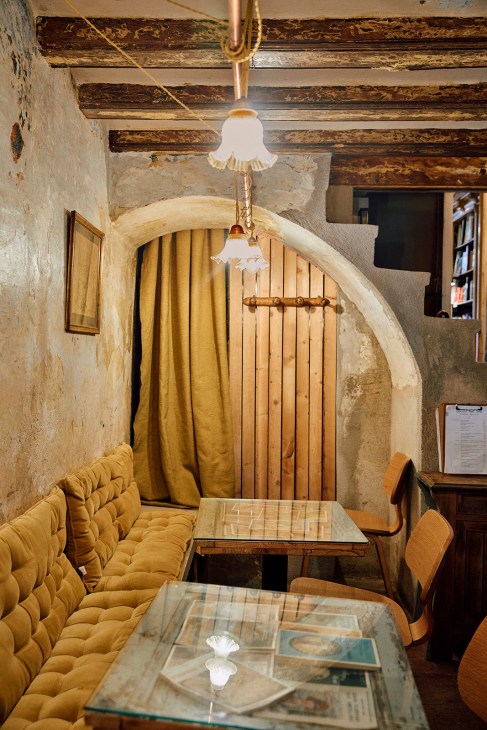
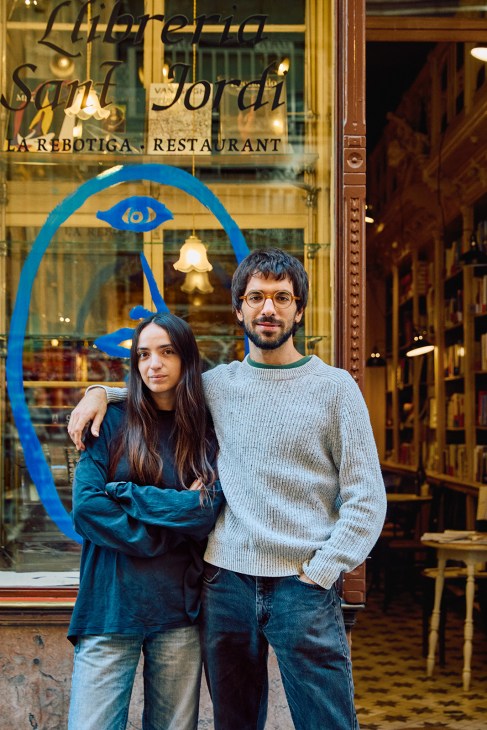
“The neighbours made it clear that they didn’t want yet another shop to close,” says Alba Biliotti, who now helps run the business under a new model. To the delight of locals, Llibreria Sant Jordi reopened its doors in December 2025 with most of its interiors unchanged. In the evenings after shoppers have left, the space transforms into a restaurant that hosts book clubs, literary discussions and dinners with authors. “Most people still come because it’s their local bookshop,” says Billiotti. “But now it has two different atmospheres. Some people come for dinner and walk out with a book, while others come to buy a book and end up staying for a drink.”
- Year of opening: 1983
- On the menu: Piquillo peppers stuffed with cod brandade and caramelised foie with Kalamata olives and fig jam
- Current bestseller: The Little Frog’s Guide to Self-Care by Maybell Eequay
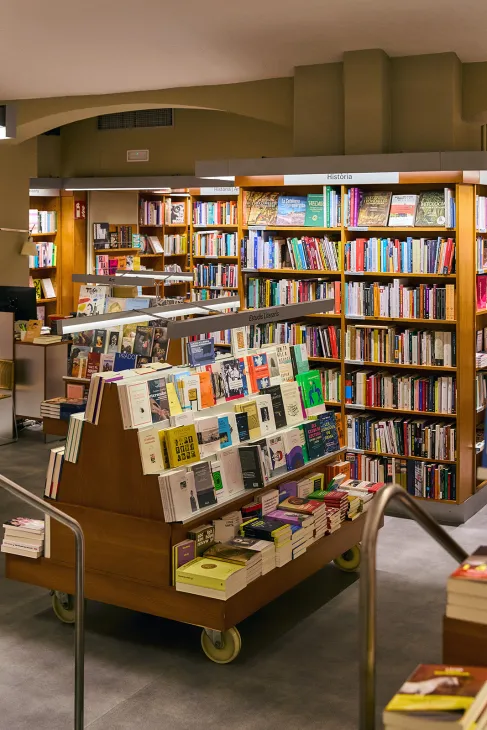
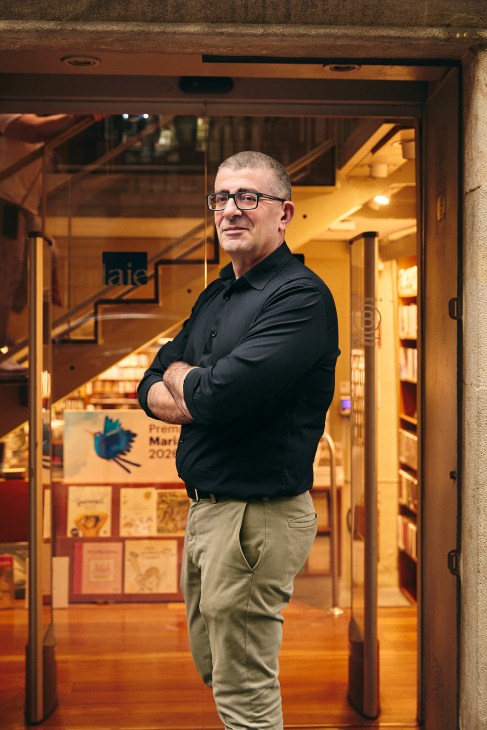
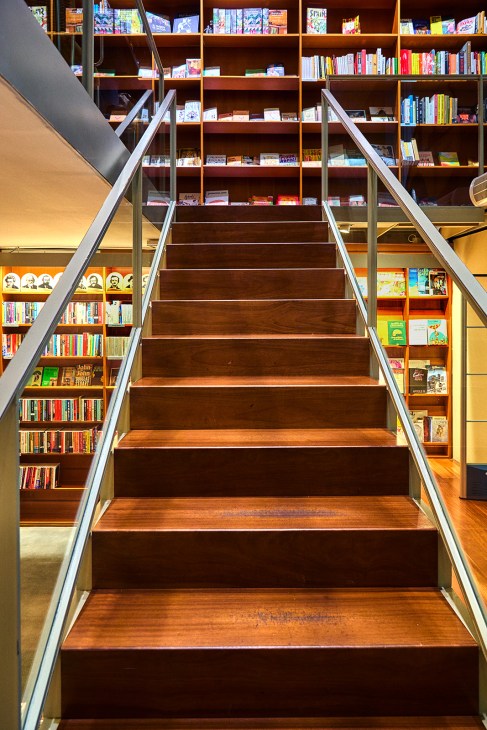
In 1980, four young women opened the doors of Laie on Barcelona’s Carrer de Pau Claris without much fanfare. “Back then it wasn’t customary to announce the opening of a bookshop; it wasn’t considered particularly newsworthy,” co-founder Conxita Guixà wrote for the shop’s 40th anniversary in 2020. “Perhaps three or four people came in during the first few hours.” Four decades later, Laie runs 35 outposts all over Spain, from Santiago de Compostela to Palma de Mallorca.
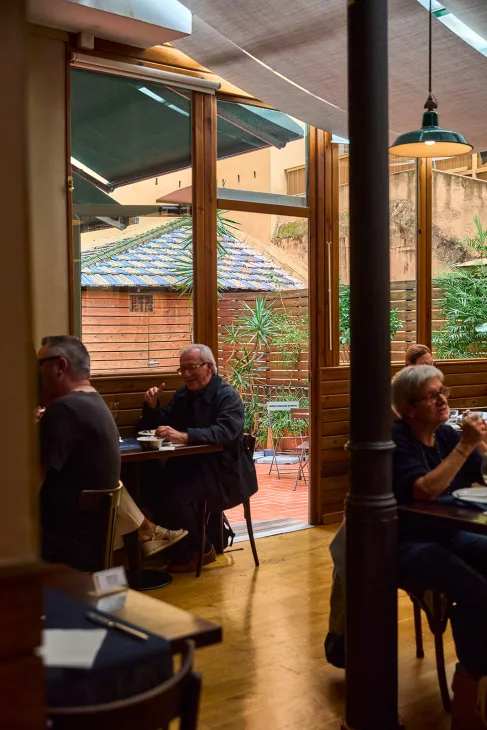
Fresh out of university, co-founders Conxita Guixà and Montse Moragas wanted to create a space dedicated to the humanities and critical thinking. It quickly became a meeting point for the city’s intellectuals, who would hide their favourite books in the wrong sections so that they could purchase them later. In the 1990s, a café and restaurant opened on the first floor. On any given day, you can still spot journalists, authors, playwrights and politicians conducting interviews or discussing book deals over a plate of ham croquetas or fish soup. “Gustavo Petro, the president of Colombia, walked in the other day and I had to act normal,” says literary director Damià Gallardo. “Laie has become a nerve centre of Barcelona’s culture; people have made it their own.”
- Year of opening: 1979
- First book ever sold: An anthology by the Greek poet Giorgos Seferis
- Current bestseller: La Bola by Daniel Verdú, which was recently presented at the bookshop
- Recommended novel by Damià Gallardo: What I Loved by Siri Hustvedt
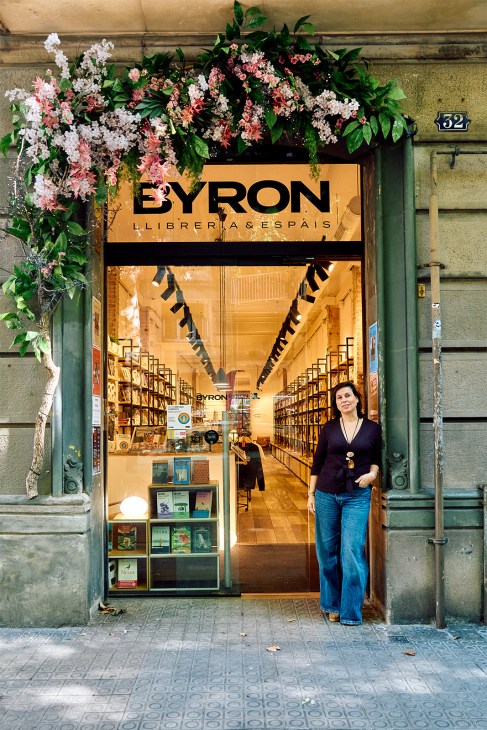
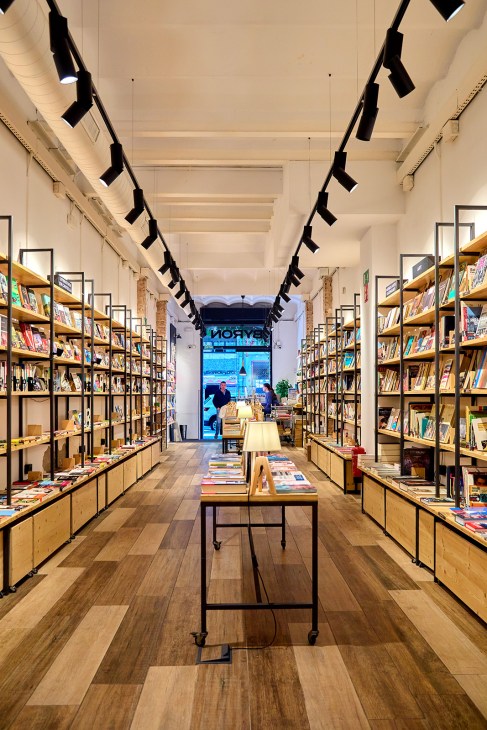
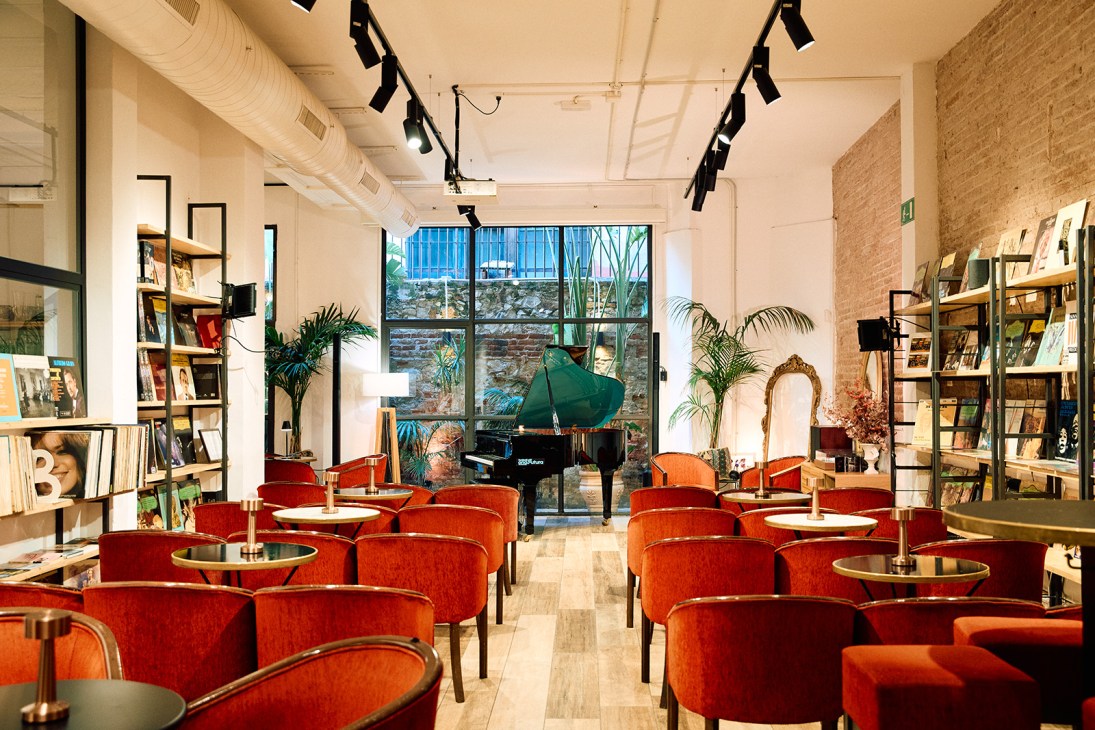
Huygens, a publisher dedicated to academic and educational titles, was planning to open its first bookshop in April 2020 when the coronavirus pandemic hit. When it finally opened months later, it was welcomed by locals who had rediscovered the pleasure of reading during Spain’s strict lockdowns. Founded by editor Mariana Sarrias, Llibreria Byron – named after the British poet – opened with a café, quiet reading nooks and a space for events, designed with the ambition of giving neighbourhood residents a place to reconnect. “We decided to call it a bookshop but right from the start, we wanted it to be more than that: a place where culture is brought to life, not just sold in the form of books,” says Sarrias.
Byron has a large children’s and young-adult section, and a packed calendar of community events. Every Friday a group of neighbours from El Raval gathers for a philosophical coffee hour to debate a variety of questions from the dangers of consumerism to the role of uncertainty in daily life. These discussions often take place around a walnut-panelled fireplace that Sarrias found in an antiques shop and had restored before placing it at the heart of the shop. Though it’s powered by electricity, it still fulfils its intended purpose: to create a cosy, welcoming atmosphere for people to get lost in a book. In the evenings, Byron makes space for music too. The café’s grand piano is used for everything from jazz performances to renditions of Puccini’s Madama Butterfly.
- Recommended book: A Man Asleep by Georges Perec
- Poetry book-club pick: Hardly Creatures: Poems by Rob Colgate
- Bestselling Spanish-language book: Insular by Franco Chiaravalloti
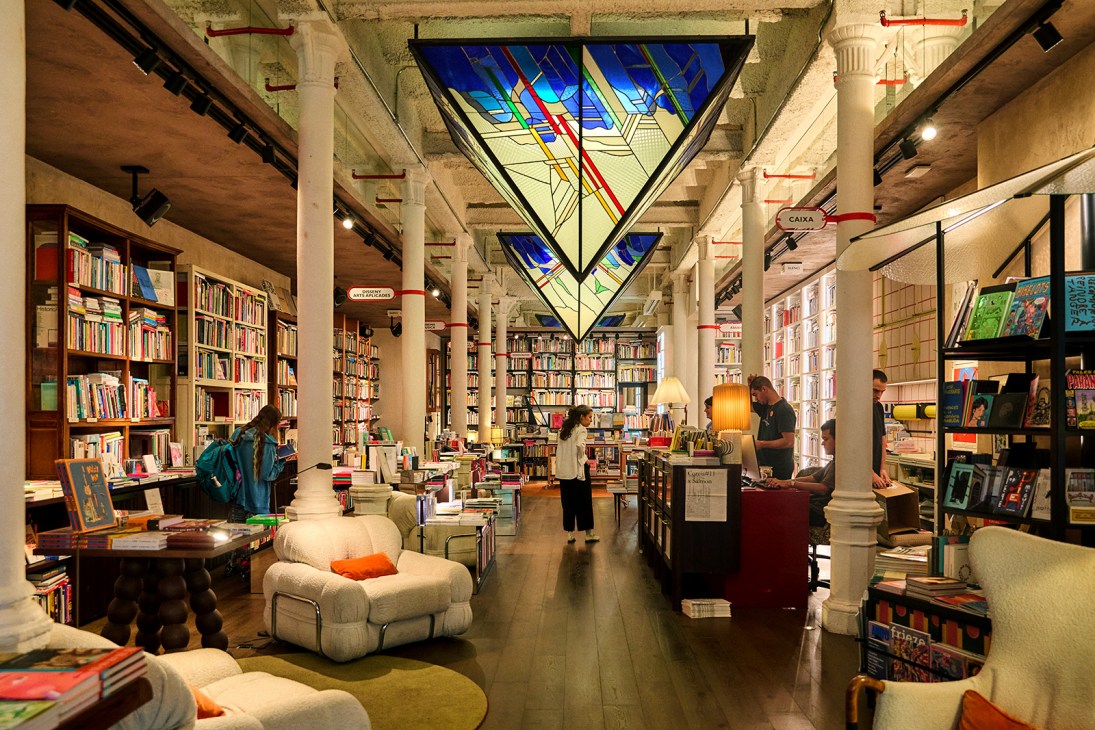
Llibreria Finestres (Catalan for “windows”) opened in 2021 inside a modernist building by architect Enric Sagnier. Just a few steps from Passeig de Gràcia, the shop was designed by Quintana Partners and is furnished with carpets, sofas, well-lit reading nooks and a fireplace. The retailer describes itself as “a bookshop for reading”, where patrons are invited to curl up with a book inside or linger on the terrace with a glass of vermut.
A second location opened shortly after the first, dedicating its venue to comic books as well as publications on illustration and art. Thanks to its success, the business’s expansion has continued: another outpost arrived in the coastal town of Palamós last summer and in May, Finestres Palestina, an outlet devoted to Palestinian culture and literature, opened in the Gràcia neighbourhood. Designed by Valencia-based Palestinian architect Malek Murad Mateu, the latest addition features bright green sculptural bookshelves, hand-woven rugs and an indoor fountain inlaid with a mosaic map of Palestine.
Run by the Finestres Foundation, the bookshop is also behind several literary awards and writers’ residencies. Its impressively multilingual selection includes titles in English, French, Italian, German, Portuguese, Galician and Basque, alongside Spanish and Catalan.
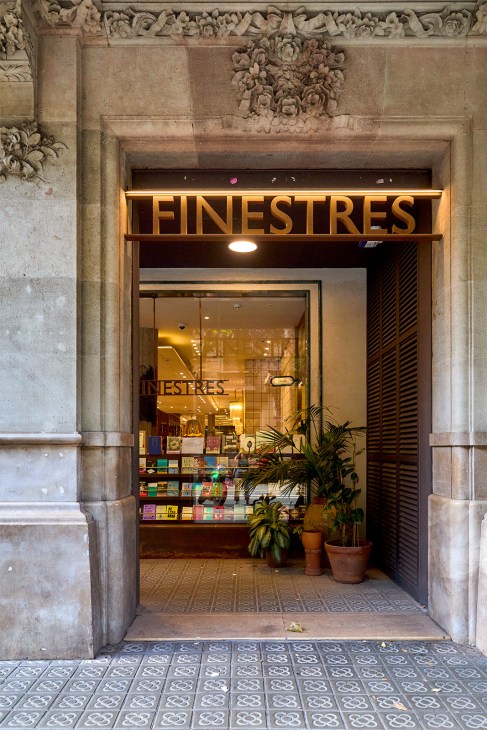
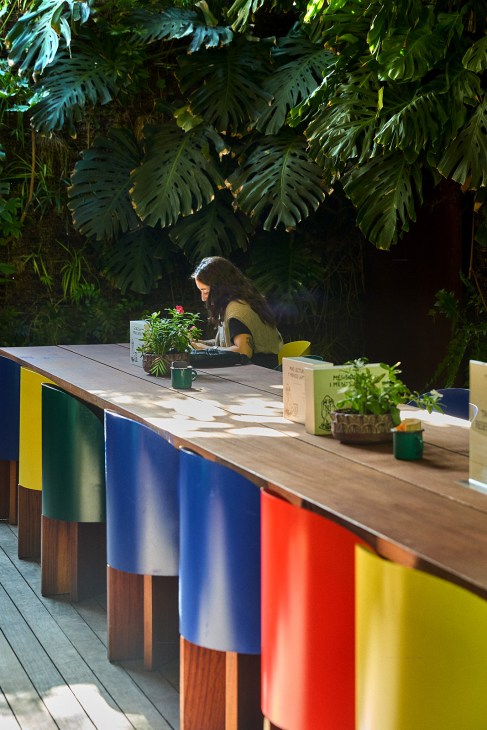
- Number of bookshops: 4
- Phones off: The poor signal inside the shop serves as an unexpected advantage, stopping notifications and incoming calls from interrupting your browsing session
- A line from its foundational manifesto: “We know that there are a lot of bookshops in the city. We also noticed that there are even more readers than bookshops.”
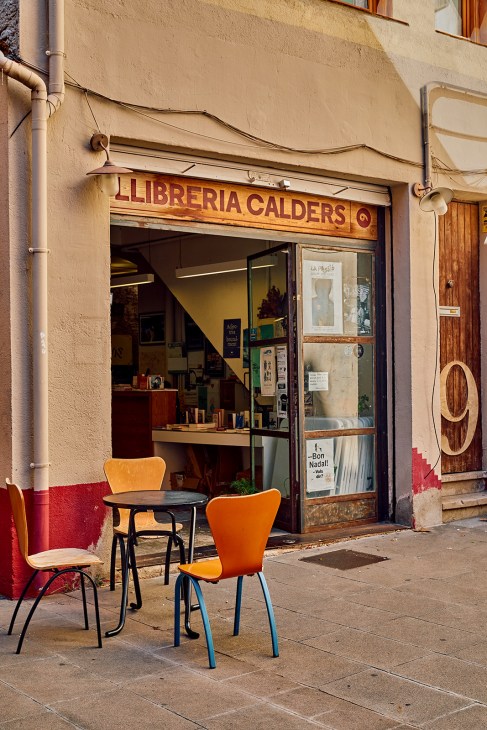
After several bookshops in Catalonia closed following the 2008 financial crisis, journalist and writer Isabel Sucunza and historian Abel Cutillas teamed up in 2014 to open a space to showcase the work of new small publishing houses. Named after Catalan writer Pere Calders, who lived in the Sant Antoni neighbourhood in his later years, Llibreria Calders occupies a former button factory in a small alley. It has gathered a loyal following for prioritising local authors over bestsellers. “At the time there were very few independent bookshops in Barcelona,” says Sucunza. “There also wasn’t a single one named after an author.”
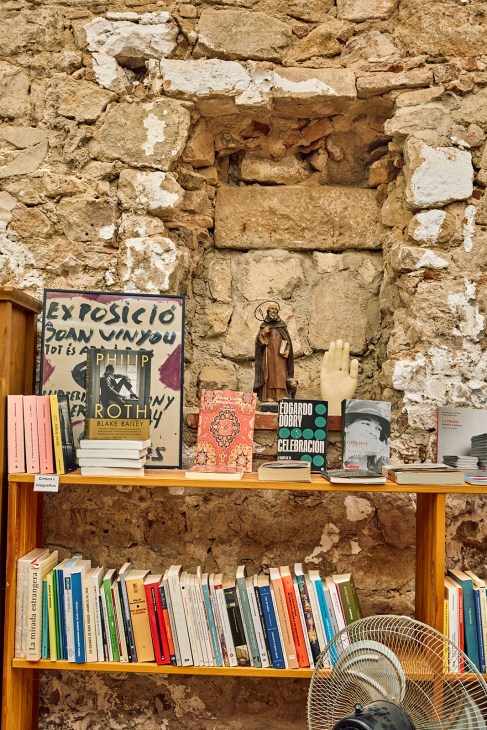
The space resembles a vast wine cellar, with dark bookcases set against bare stone walls. Customers seek it out for its well-stocked poetry section, as well as its selection of titles on theatre and dramatic theory. “Poetry wasn’t so central to the bookshop at first but as soon as we started hosting recitals, we noticed that there was a huge demand for it,” says Sucunza. Readers can continue to pay homage to one of Catalonia’s most famed writers at the nearby bar, Calders, which serves “dishes of exile” inspired by the author’s banishment to Mexico after the Spanish Civil War.
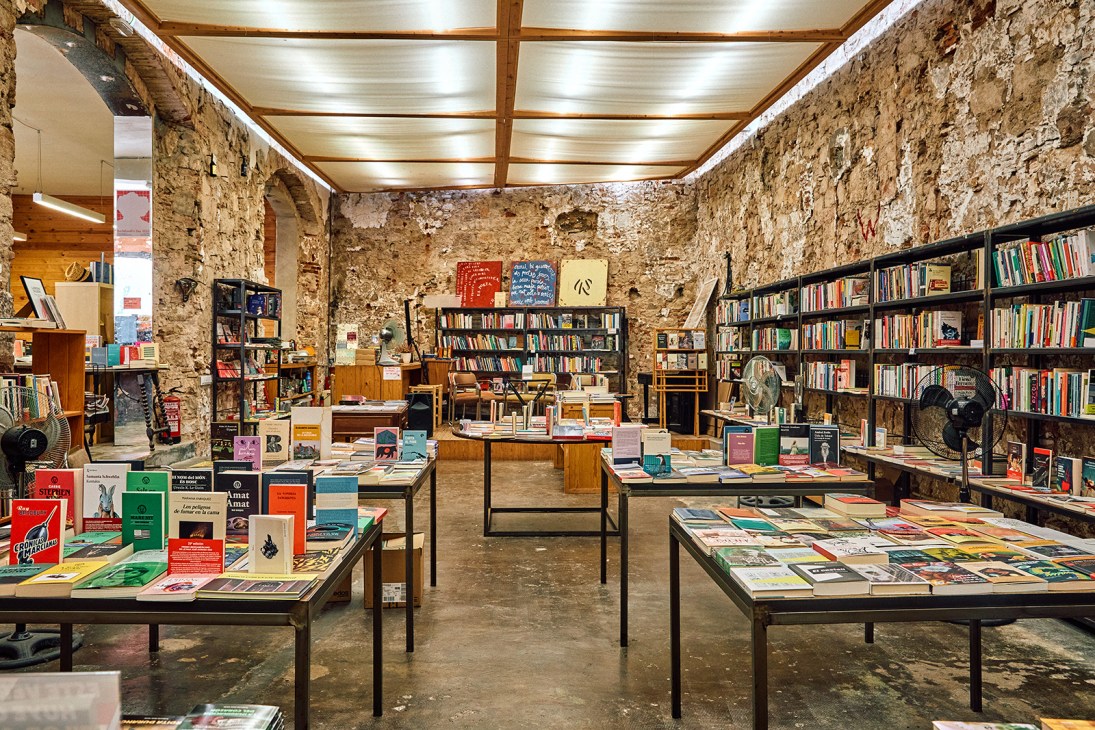
- Books recently presented at the bookshop: A new Catalan translation of Homer’s Odyssey by Pau Sabaté
- All-time favourite book: The Day of the Watusi by Francisco Casavella, a coming-of-age novel about Barcelona from the Spanish Transition to the eve of the 1992 Olympic Games
- Number of titles in stock: Between 10,000 and 12,000
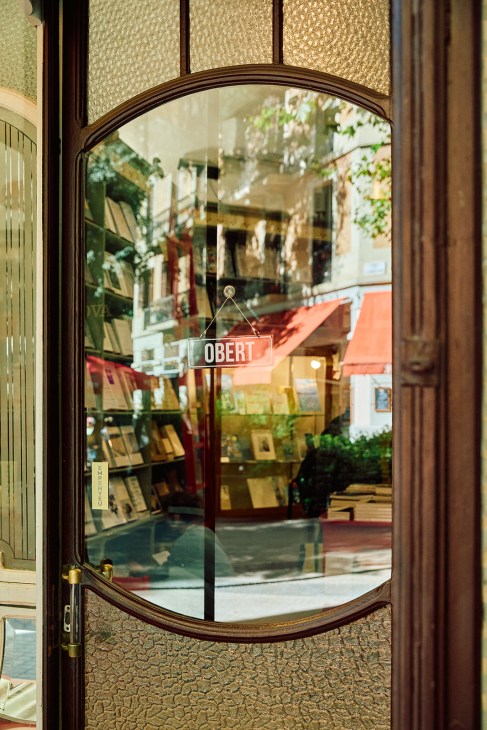
A bookshop that specialises in art publications occupies a former shoe boutique on the corner of a 19th-century building in Sant Antoni. When the space became available in 2020, it caught the eye of Lucía Bonet and Luis Cerveró, who had long dreamt of opening a dedicated outpost of their publishing house, Terranova.
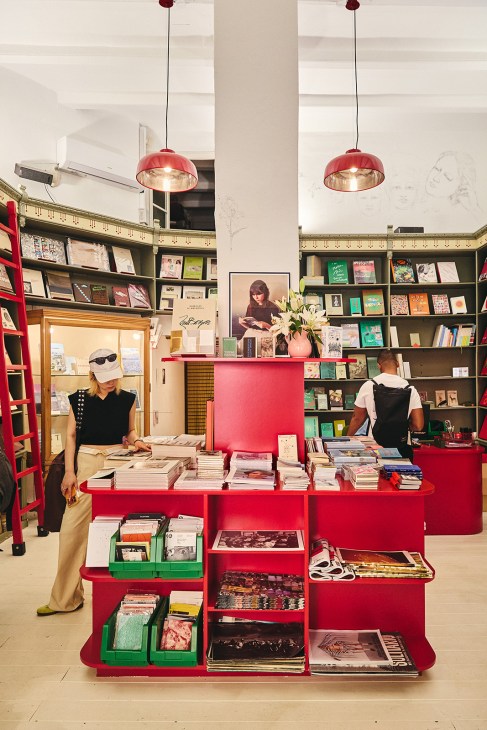
With the help of furniture design studio Owl, the pair restored the modernist listed building’s original features, including its tall ceilings and white wooden floorboards. The original bookshelves, which once stored shoe boxes, returned to their olive-green colour, while a custom-made central island that sits in the centre of the space was painted the same bright red as the Vico Magistretti Carimate chairs scattered throughout.
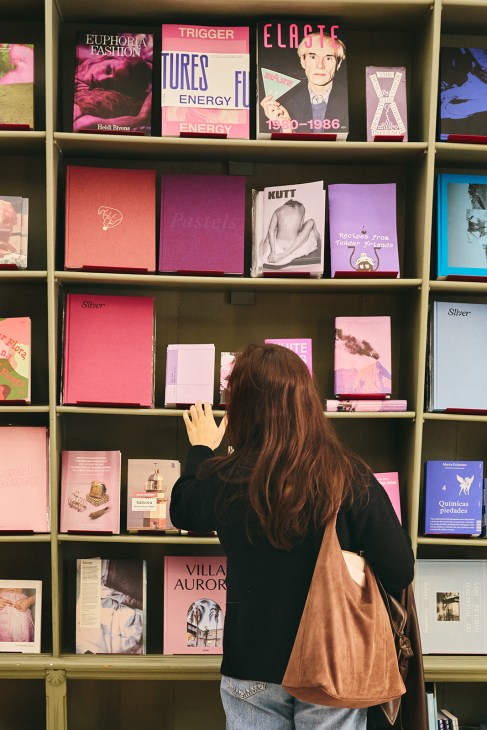
The shop features Terranova’s design-focused publications, alongside a broader selection of titles on art, fashion and design. Highlights include Servilletas, a book by photographer Felipe Hernández on napkins gathered from bars across Spain, and Sofia Coppola’s visual history of Chanel’s haute-couture designs.
Rather than sorting books by category, the duo has decided to arrange them randomly for customers to stumble upon as they browse. The shop hosts monthly exhibitions and houses a collection of rare books, which are available to view by appointment.
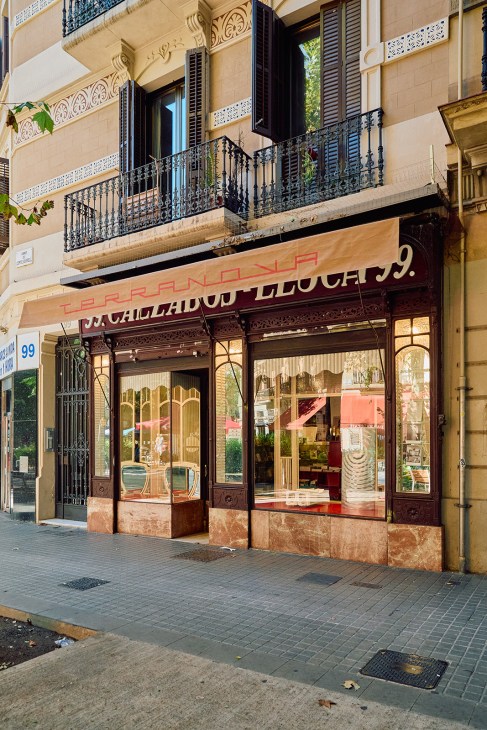
- Recent exhibitions: Madrid-based photographer Jesús Umbría Brito’s Familia Real, a series focusing on Spanish youth and counterculture
- Period covered by its rare-book collection: More than seven decades, from the 1950s to the present
- Year that publishing house Terranova was founded: 2014
With so many visitors regularly passing through the city, it’s perhaps not surprising that Barcelona is home to Europe’s biggest travel specialist bookshops. In 1979, Pep Bernadas founded Altaïr – named after one of the brightest stars in the night sky – in a small space in Barcelona’s El Raval neighbourhood, where he began to collect guidebooks. It quickly outgrew that first venue and, for the past 20 years, has occupied a vast space spanning three floors in the Eixample, where globetrotters can peruse an unparalleled selection of maps, travel guides and titles that cover every corner of the world. “The only country that we haven’t been able to get any books on is San Marino,” says Altaïr’s director, Elena Bernadas.
Books are organised by country in order of their proximity to Spain, from an extensive selection of publications on Barcelona all the way to a section on Oceania downstairs. Since 1992 the business has also housed a travel agency and an online magazine of the same name, both of which are centred on a “more anthropological than touristic” approach to travel. It is the bookshop, however, that plays the most important role in preparing for any trip. “We like to put together a curated reading list for our customers that includes guides but also fiction or poetry,” says Bernadas. “There are a million different ways to engage with Japanese culture, for example, so we try to find the titles that best reflect our customers’ specific interests.”
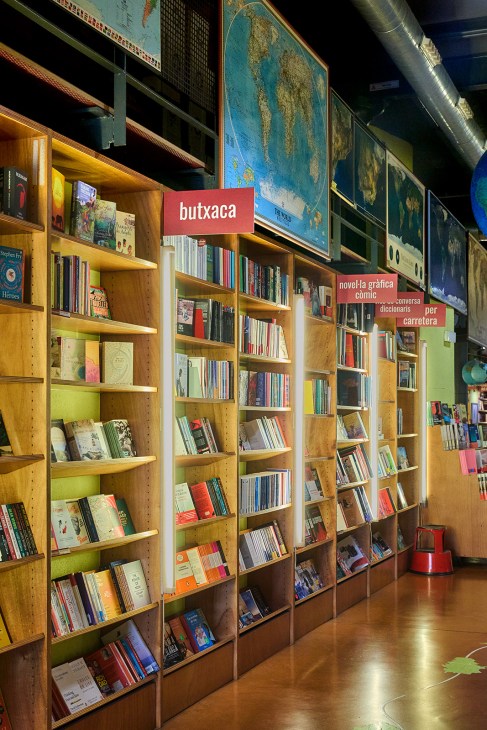
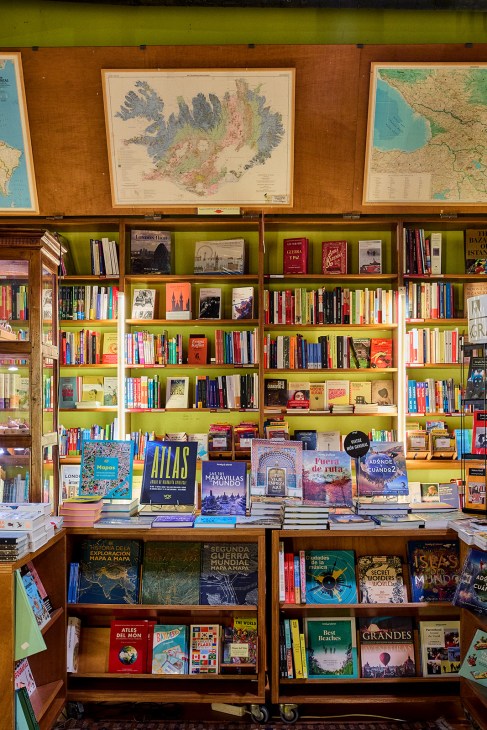
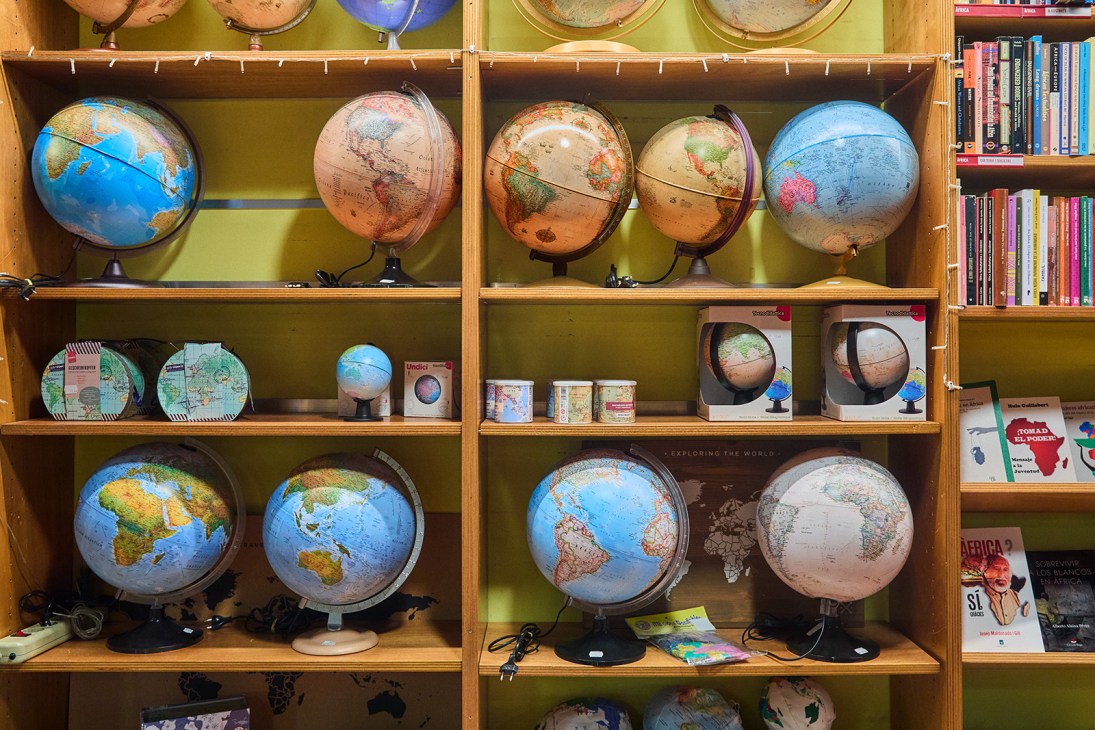
- Recommended book: The Innocent Anthropologist by Nigel Barley
- Number of maps in stock: 11,000
- Number of guidebooks in stock: 16,000
During his teenage years, Carles Armengol helped his parents’ business by serving tables at their restaurant in L’Hospitalet de Llobregat. When the establishment eventually closed in 2012 after 80 years in the family, Armengol began to write. His debut book, Collado: La maldición de una casa de comidas (Collado: The Curse of a Diner), was published in 2022 and explores his complicated feelings about the restaurant industry.
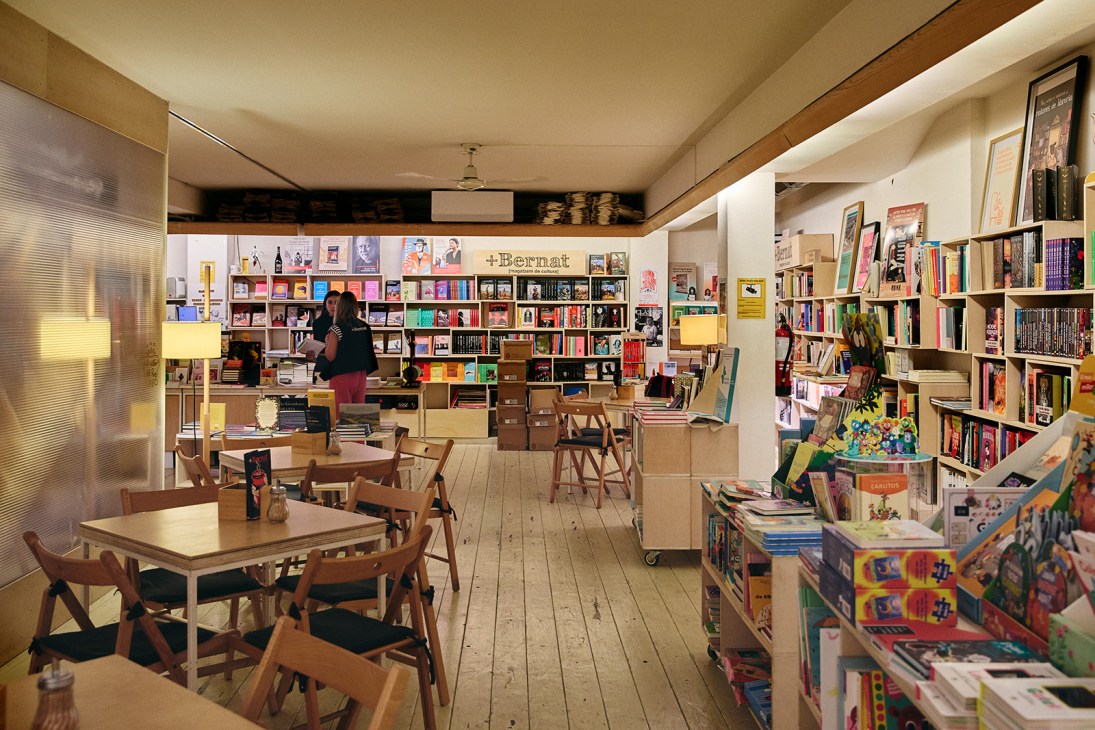
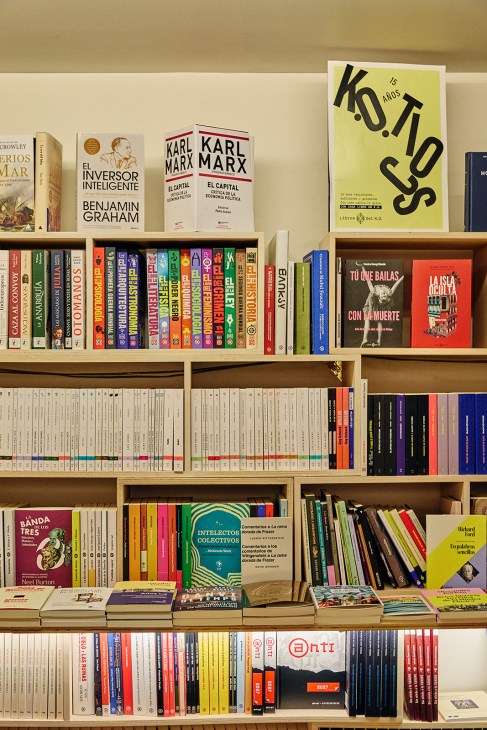
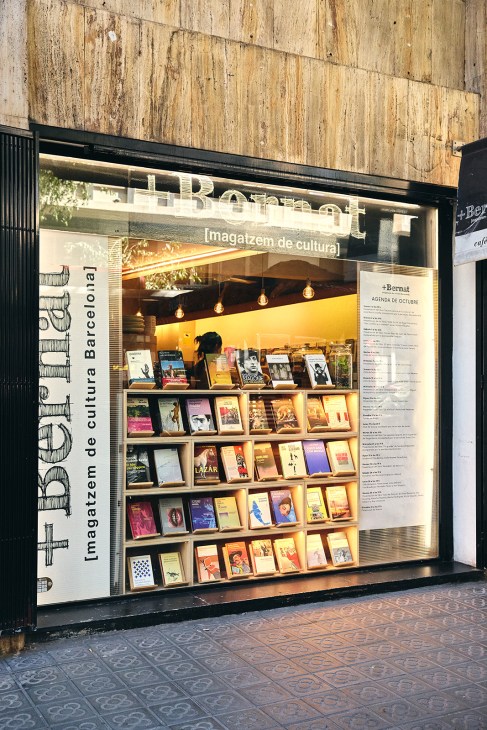
Today Armengol has brought his two passions – food and literature – into a single space. After he presented his novel at +Bernat, the bookshop’s owner, Montse Serrano, offered him the opportunity to open a café inside the shop. Today +Bernat describes itself as a place where “literature feeds you”. Walls lined with the latest releases surround tables where Armengol serves a simple lunch menu of classic Catalan dishes, such as fideu casserole or chickpea stew with calamari. He spends the rest of the day assembling sandwiches named after classics made with local produce, from Crime and Punishment (sobressada and Minorcan cheese, roast aubergine and honey) to Il Gattopardo (mortadella from Bologna with cashew pesto, scamorza and spinach). “A café and a bookshop are destined to work well together,” says Fernando Pelayo, who runs the bookshop while Armengol tends the bar. “They make each other stand out.”
- Recommended book: Beginning, Middle, End by Valeria Luiselli
- Bestselling sandwich: The Bikini (Barcelona’s iconic grilled ham-and-cheese sandwich). At +Bernat it is named Collado, after Armengol’s book
- Year that the bookshop first opened: 1978