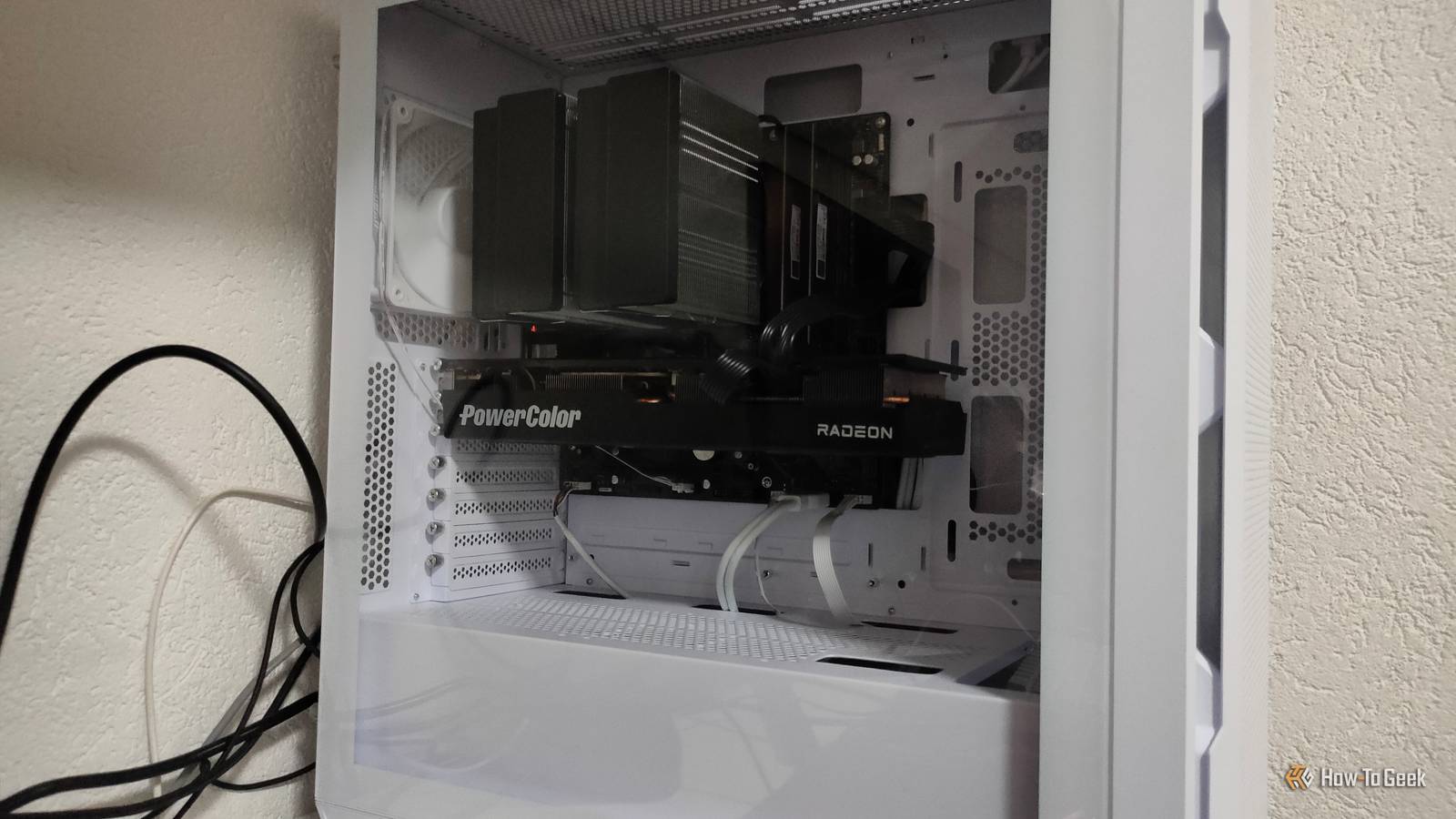
For most of my life, owning a PC meant having a tower case so big it made more sense to keep it on the floor. But with all the hardware stuffed in that box, it actually needed to be that size.
Then, at some point, I realized I was paying to enclose mostly air, and that all the hardware I would ever need would fit in much smaller cases. Yet if you look at photos posted on PC builder forums across the internet, or at pre-built computers for sale online, they’re all enormous, almost-empty fish tanks. Why?
The hardware that justified your full tower has moved out
Everything has shrunk except your case
My last full-tower PC contained three optical drives, and four hard drives. It even had a big metal front door you could use to hide those optical drives when you weren’t using them. It didn’t have a big window in the side panel because I’d gotten over that fad years earlier, but this was a bruiser of a case.
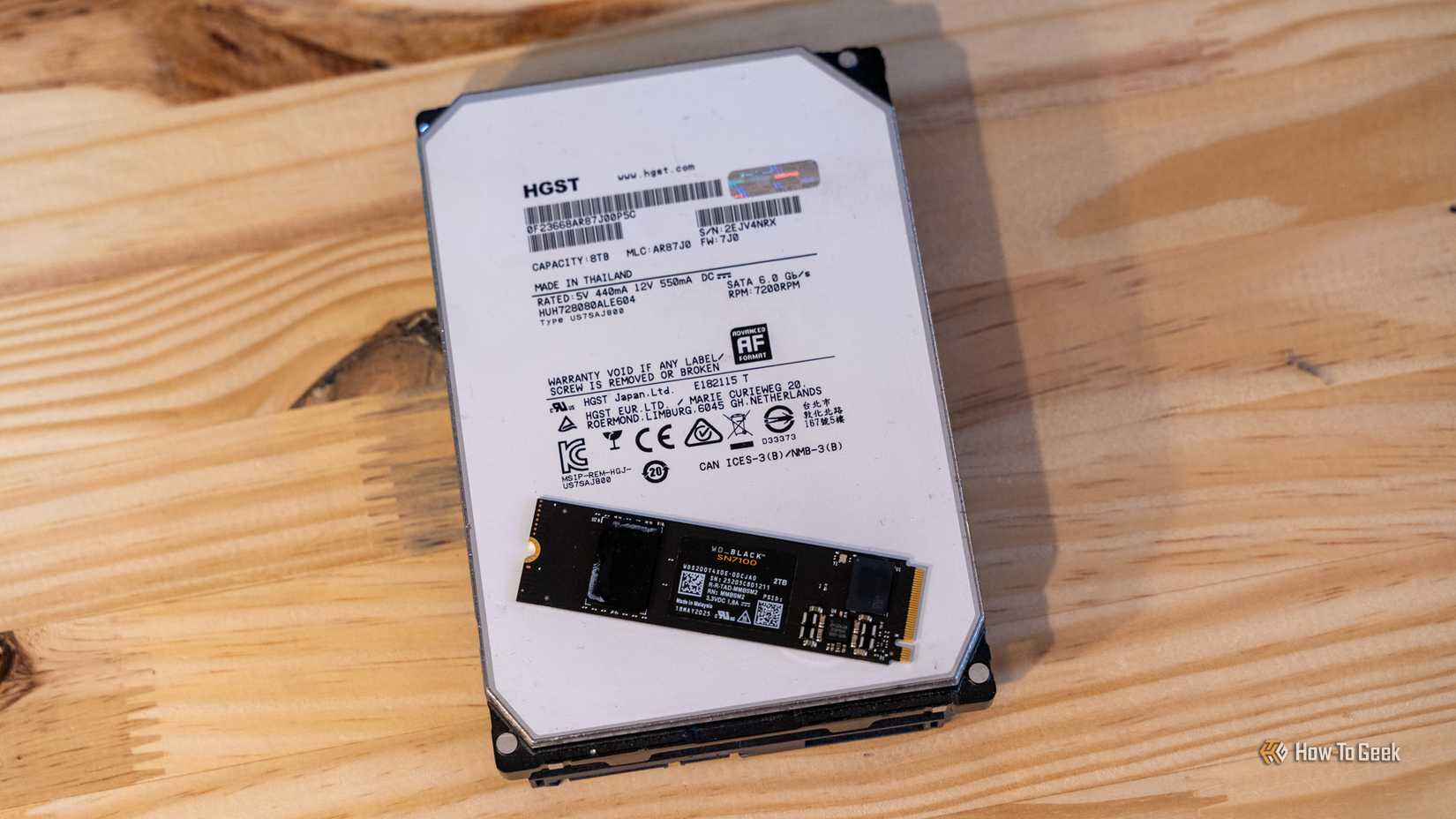
The next PC I built was a mini-ITX system because I suddenly had no optical drives, and every internal drive, except a single 1TB 2.5-inch hard drive, was a 2.5-inch SATA SSD.
I’m willing to bet 99% of you big tower lovers don’t have any full-size internal mechanical hard drives or optical drives either. In fact, modern big towers don’t even have room for them.
Your SSDs slot directly into your motherboard, and if you want more, that’s usually a single-slot PCIe card solution. Not exactly a space hog, now, is it?
Your enormous graphics card still doesn’t need an enormous tower
It can take care of itself
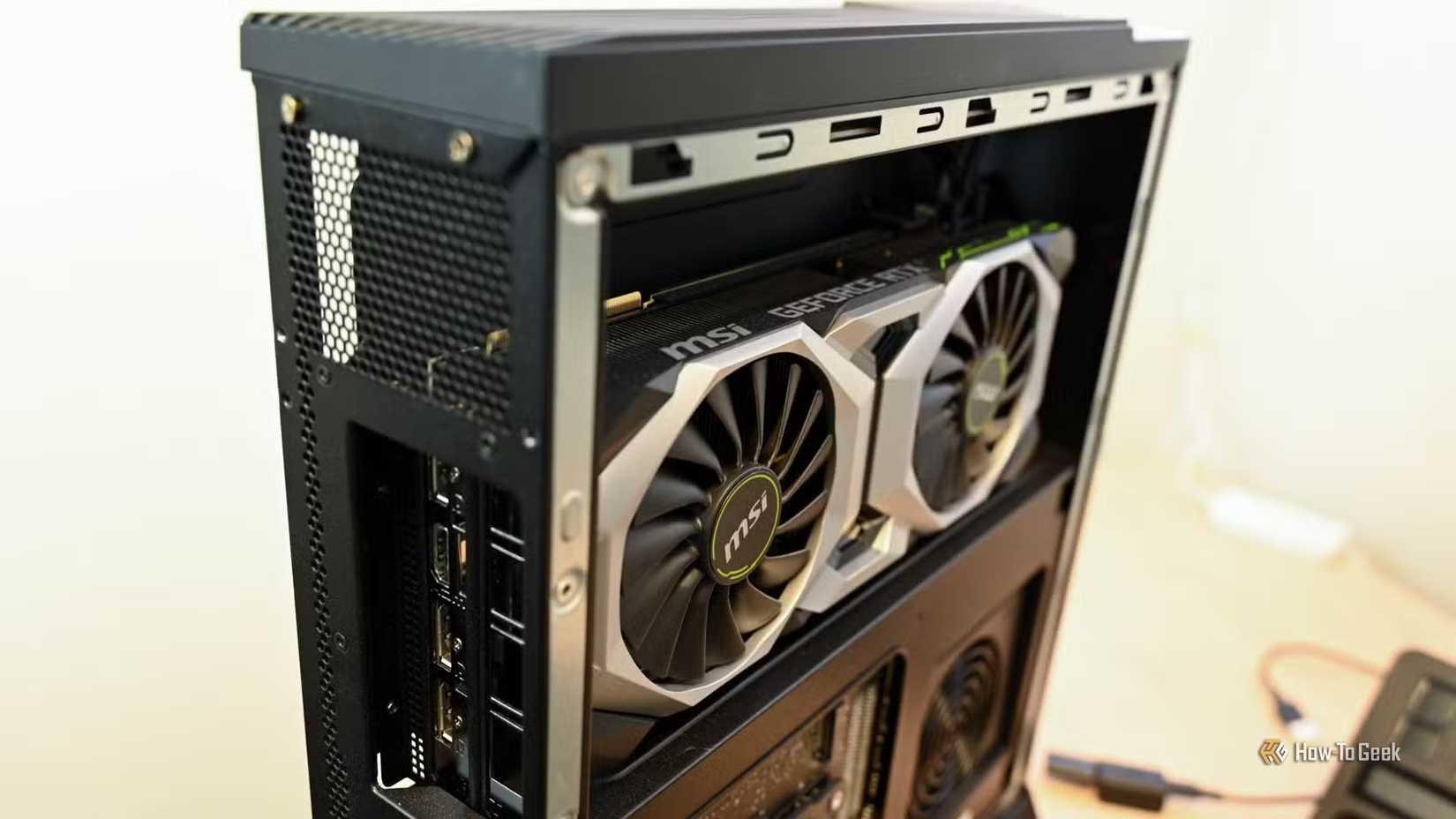
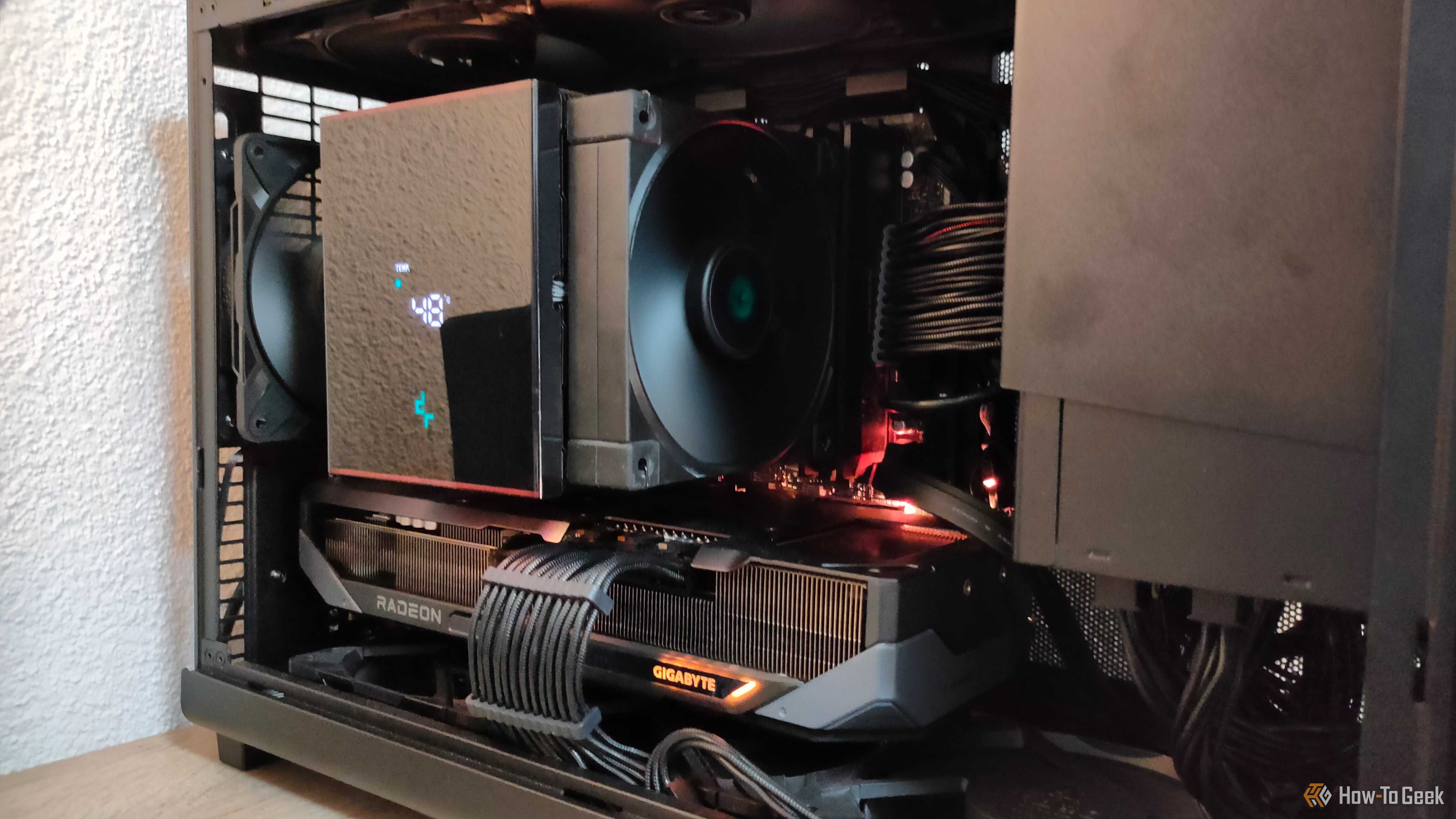
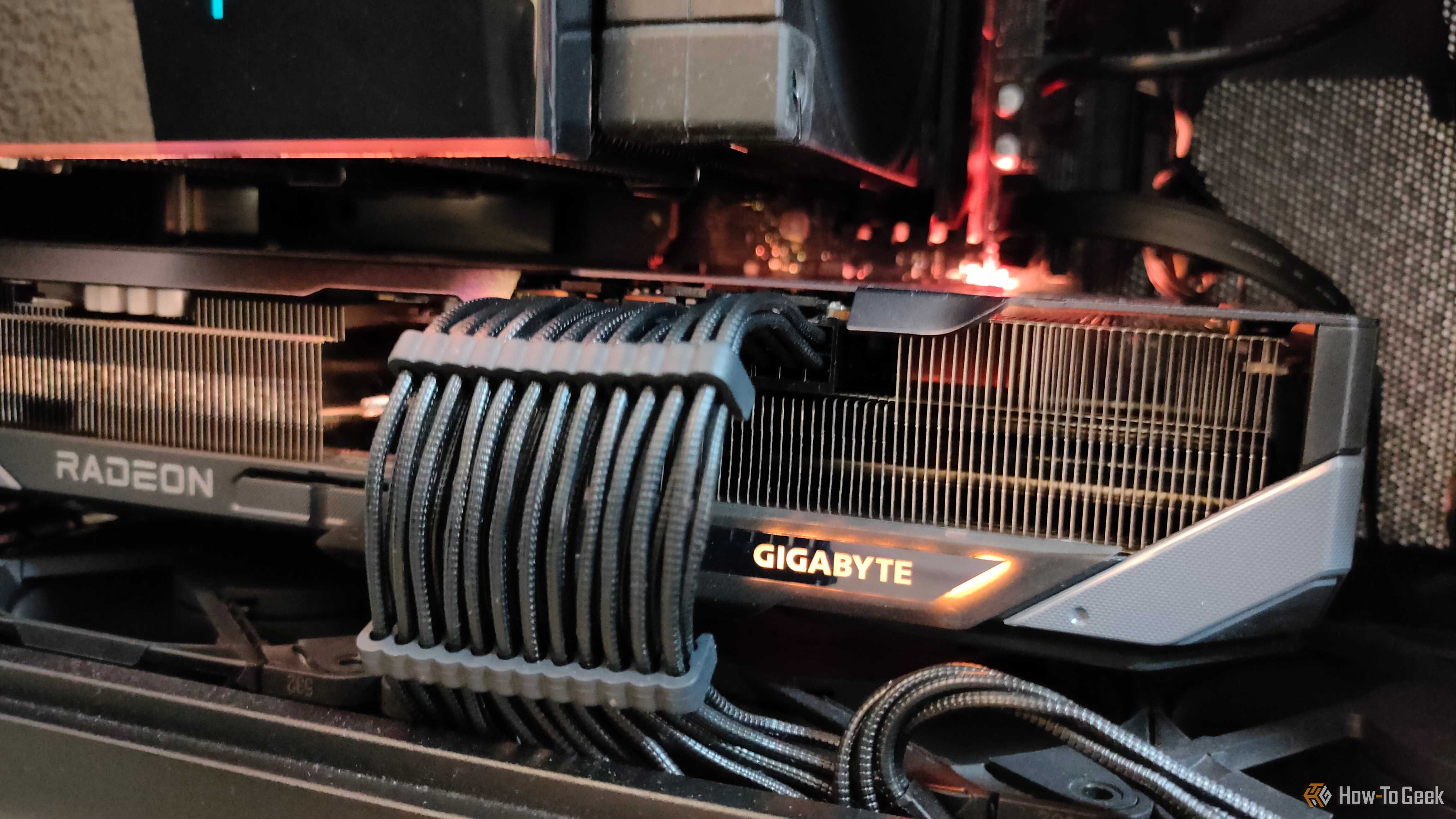
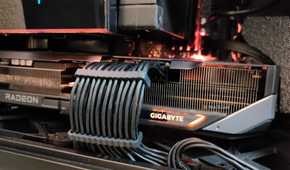
I think most people assume they need a big tower case when they use large graphics cards. Obviously, you need a case that fits the card you intend to buy. The thing is, even mini-ITX cases these days can accommodate full-size, multi-slot GPUs.
Not every case, obviously, but if you need to fit a triple-slot, one-foot graphics card, there are much smaller cases than a full ATX tower that will happily do the job. More importantly, big modern graphics cards are practically self-contained when it comes to cooling. Give them fresh air at the intake and don’t block the exhaust, and the card won’t care about the rest of the PC’s thermal state.
More empty space isn’t a cooling strategy
It’s about flow, not capacity
-
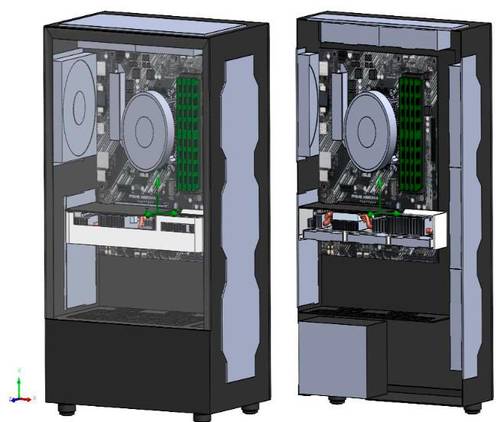 Credit: Retureta, Martínez, Franco, Barradas, & Sánchez
 -
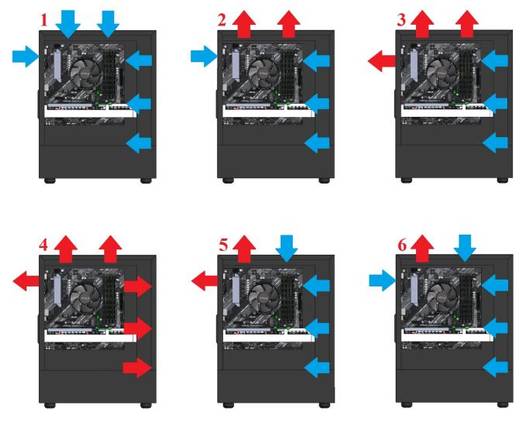 Credit: Retureta, Martínez, Franco, Barradas, & Sánchez
 -
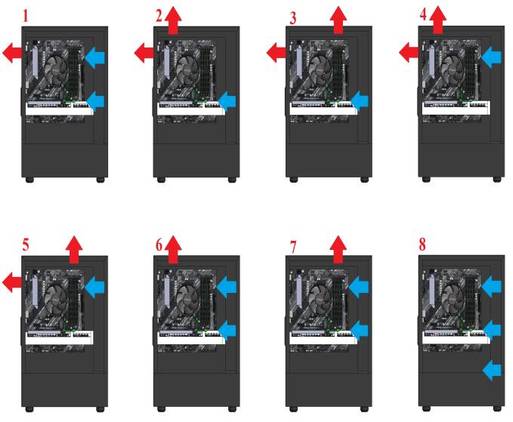 Credit: Retureta, Martínez, Franco, Barradas, & Sánchez
 -
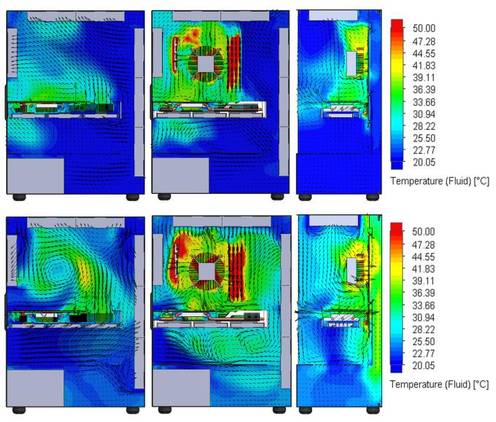 Credit: Retureta, Martínez, Franco, Barradas, & Sánchez
 -
 Credit: Retureta, Martínez, Franco, Barradas, & Sánchez
 -
 Credit: Retureta, Martínez, Franco, Barradas, & Sánchez
 -
 Credit: Retureta, Martínez, Franco, Barradas, & Sánchez
-
 Credit: Retureta, Martínez, Franco, Barradas, & Sánchez
 -
 Credit: Retureta, Martínez, Franco, Barradas, & Sánchez
 -
 Credit: Retureta, Martínez, Franco, Barradas, & Sánchez
 -
 Credit: Retureta, Martínez, Franco, Barradas, & Sánchez
 -
 Credit: Retureta, Martínez, Franco, Barradas, & Sánchez
 -
 Credit: Retureta, Martínez, Franco, Barradas, & Sánchez
 -
 Credit: Retureta, Martínez, Franco, Barradas, & Sánchez
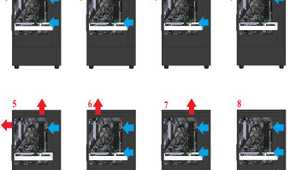
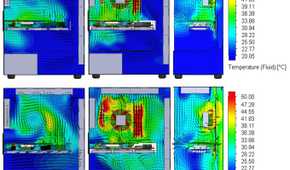
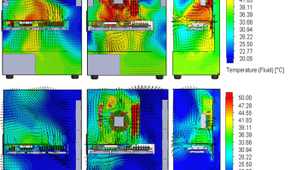
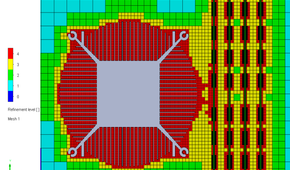
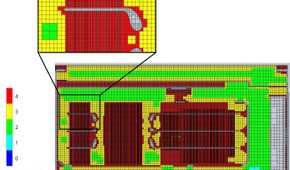
Actually, what about cooling? Surely a bigger case, with its larger air volume, would keep your components cooler?
Intuitively, that makes sense, but if you think about it for a second, the problems behind this assumption become clear. For one thing, it’s harder to design effective airflow for a larger case. You’re more likely to have pockets of stagnant air or vortices where fan airflow clashes.
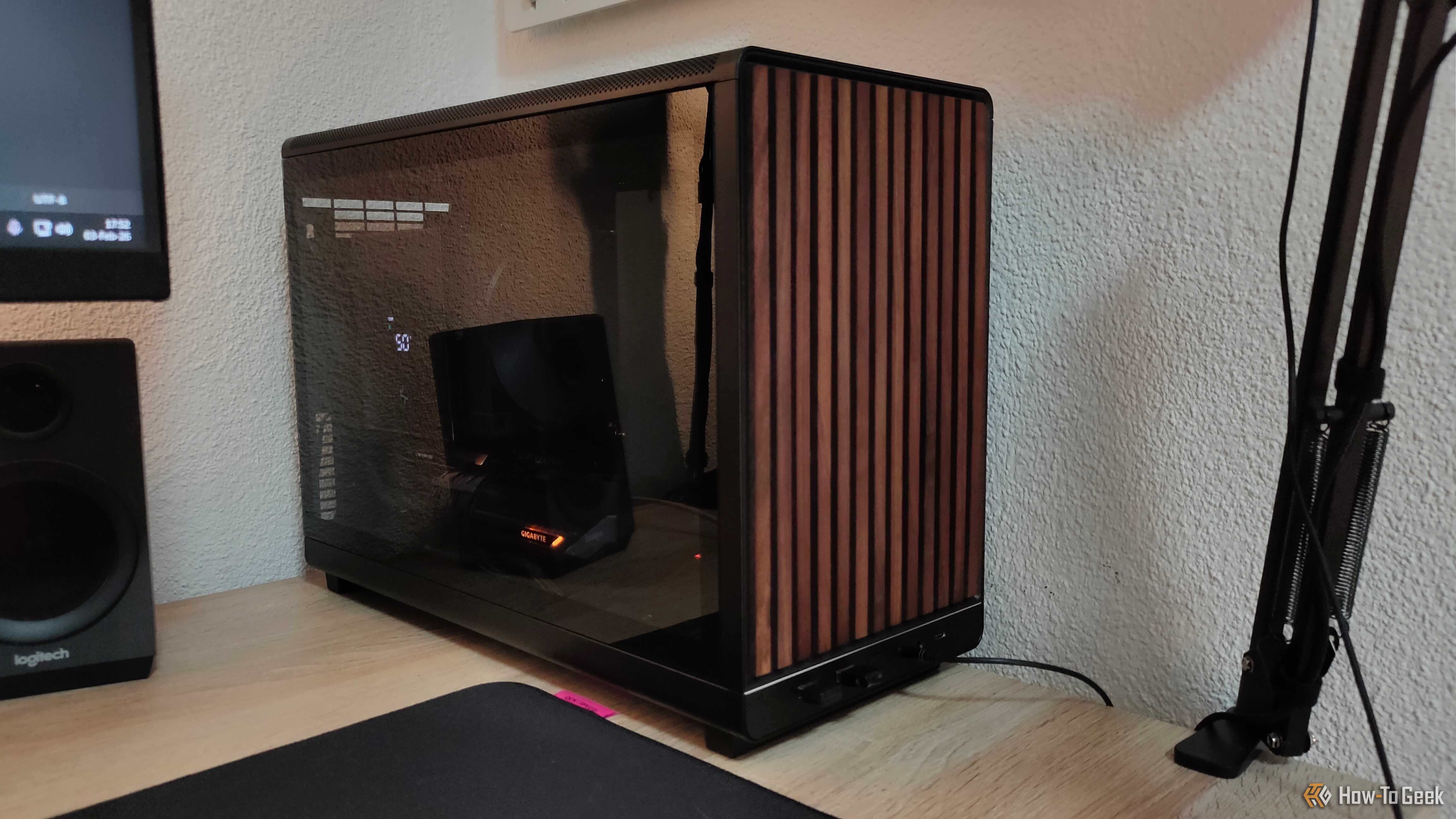
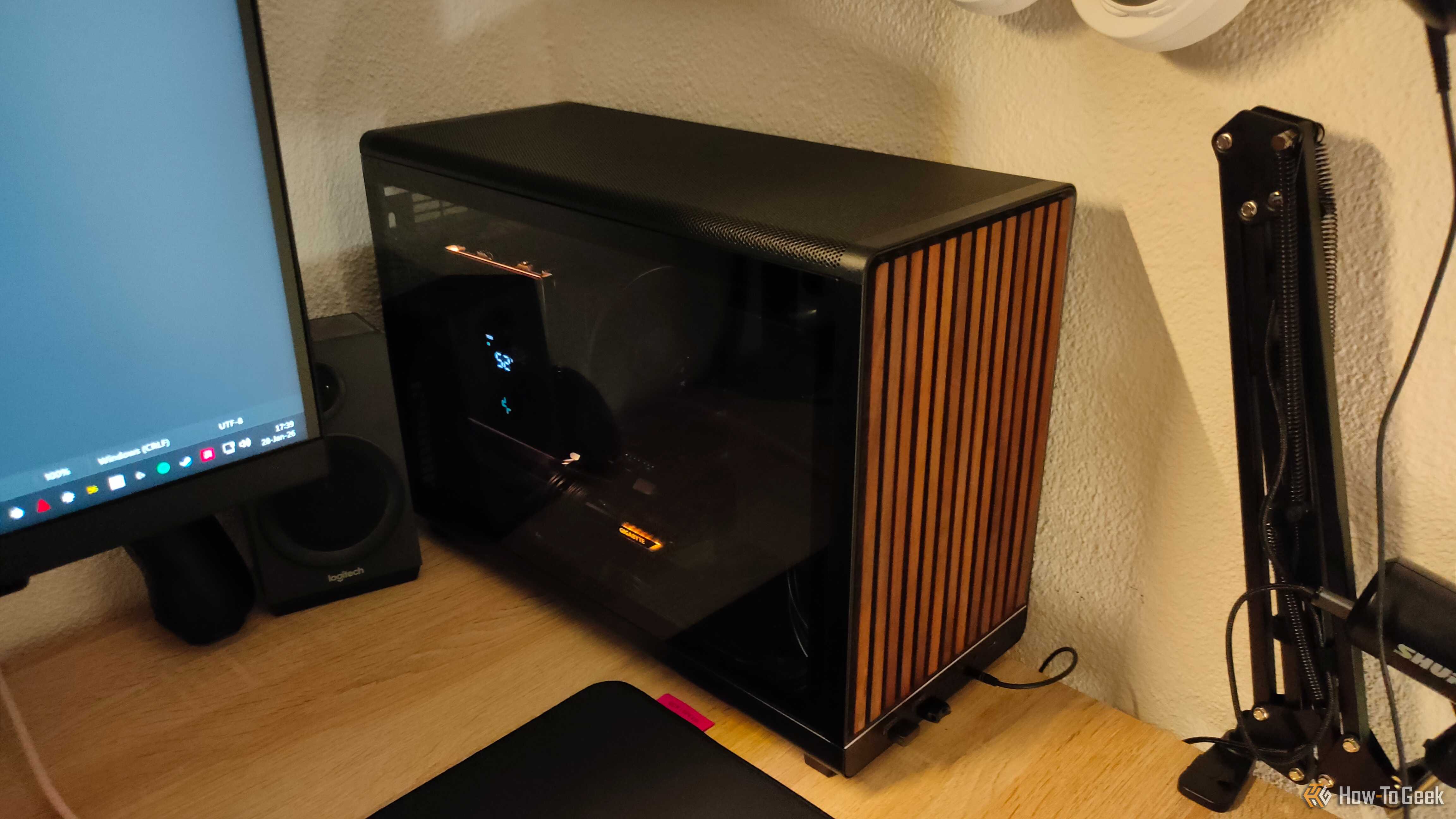
More importantly, and this is perhaps just my opinion, well-designed smaller cases can give your components easier access to fresh air from outside. In a compact ITX case, for example, your GPU will draw clean air directly from the side-panel vents and exhaust hot air out the back. As long as you’re not lazy with the cable management, small cases pose no airflow issues that will affect the vast majority of mainstream builds.
But you don’t have to go down to the extremes of an SFF or mITX case. Moving from a full ATX or mid-tower case to Micro-ATX yields a significant size reduction without real compromises on the cooling front. Again, it depends on the specific case model, your components, and your PC’s airflow design.
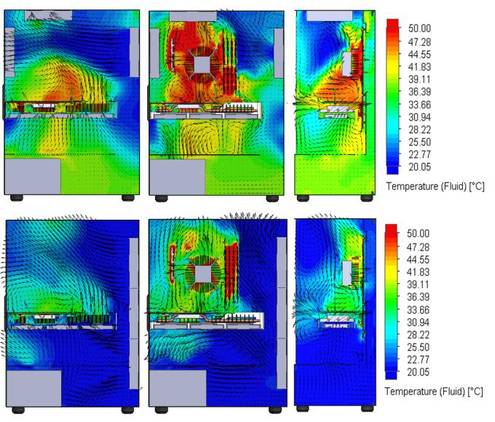
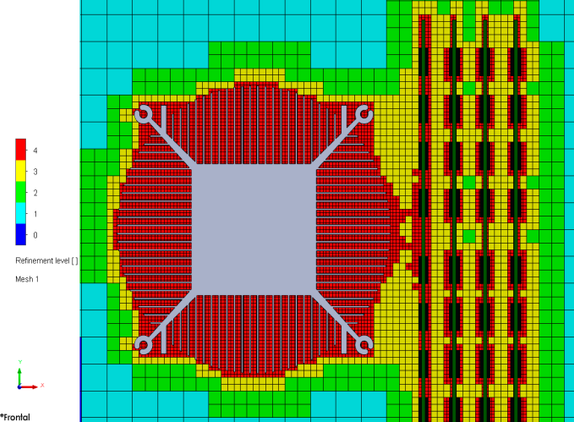
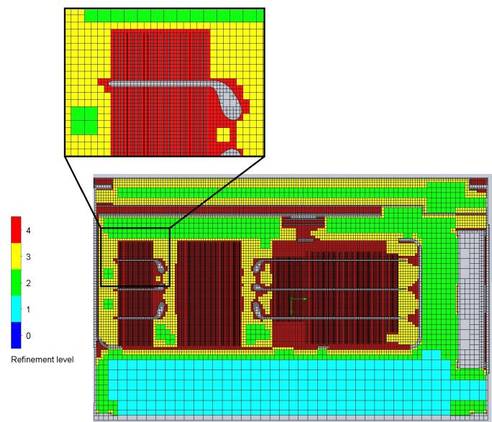
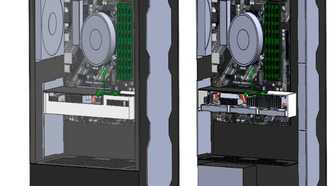
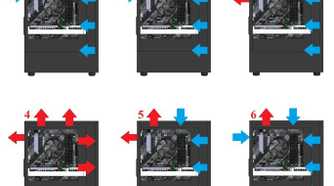
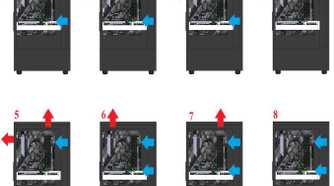
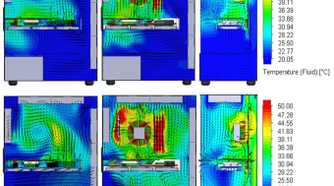
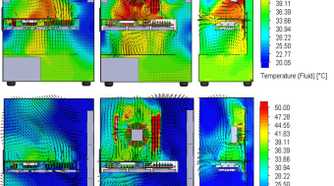
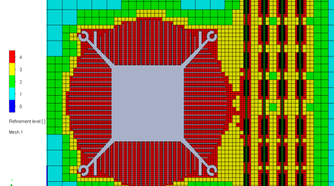
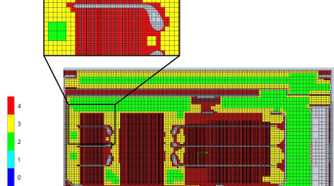
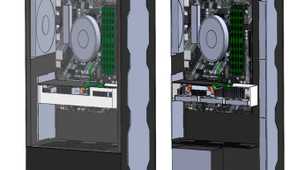
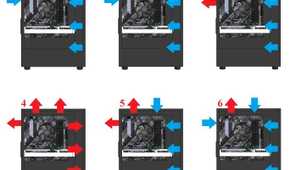
A 2025 research paper on airflow design in gaming desktops shows that your fan layout and airflow design matter far more than your case’s size or volume. As you can see in the images from the research paper above, simply changing the fan layout, without changing the case’s shape or size, can dramatically affect cooling performance.
“Room to upgrade” can become room you never use
Don’t buy based on wishful thinking
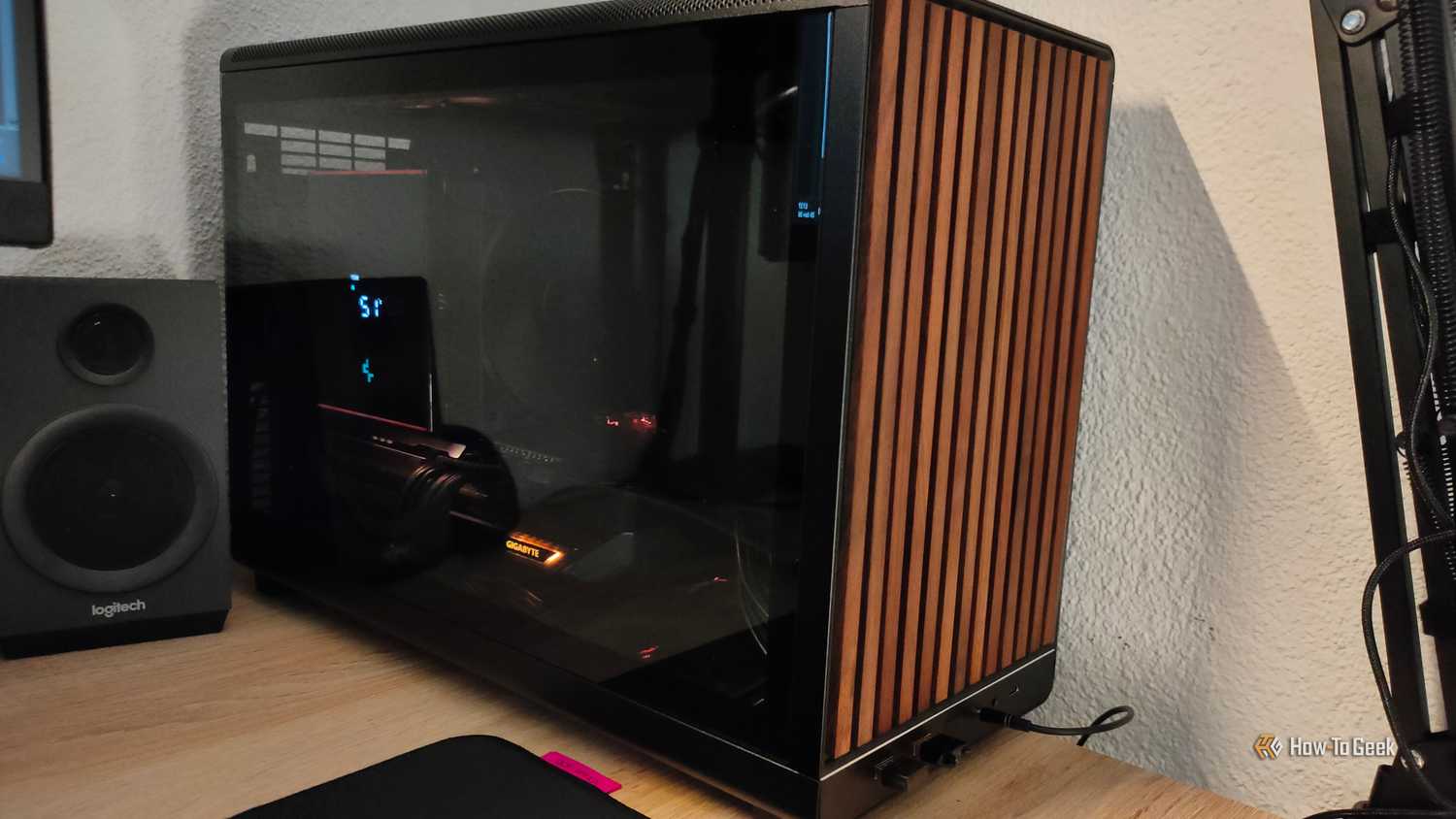
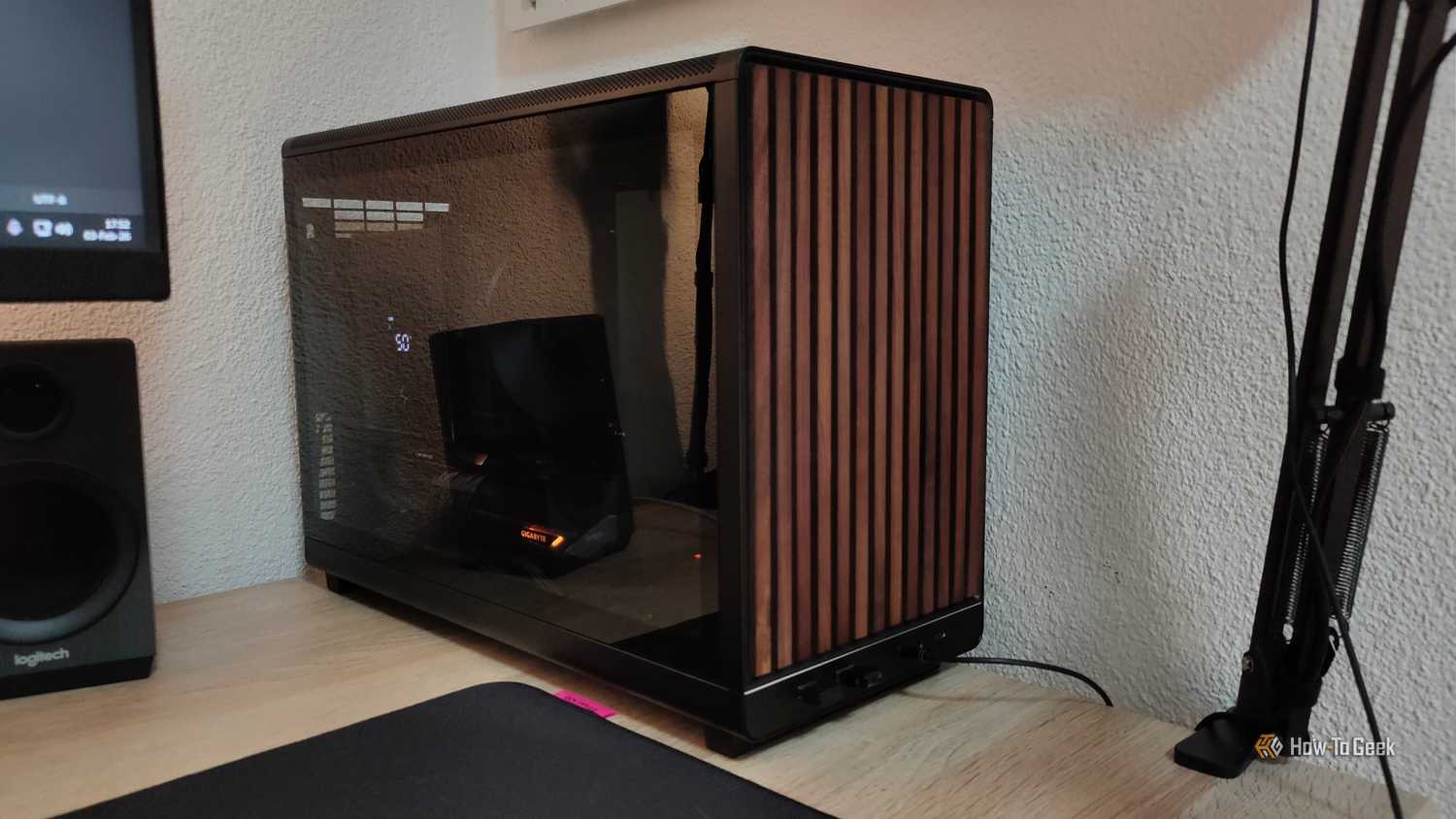
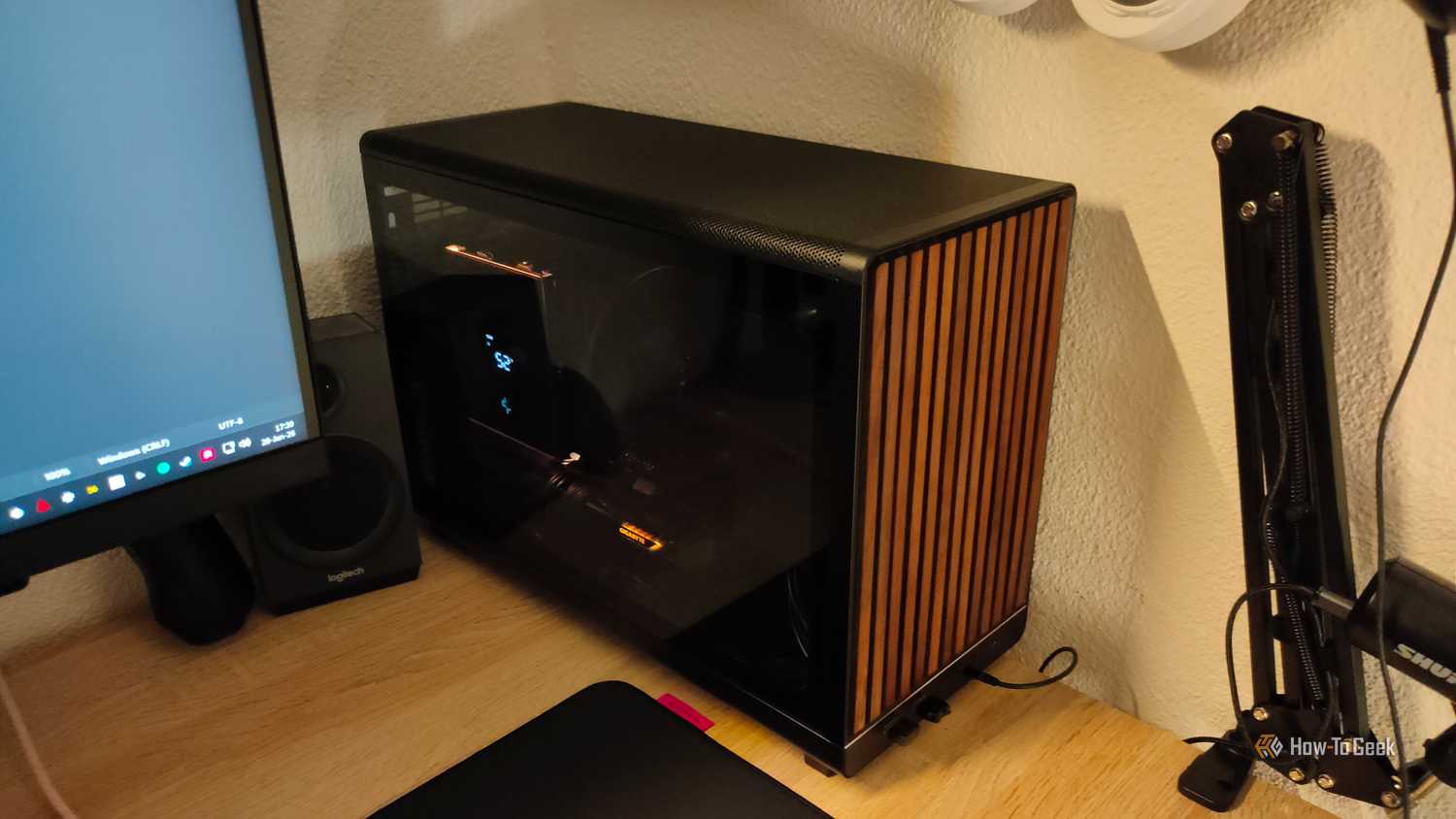
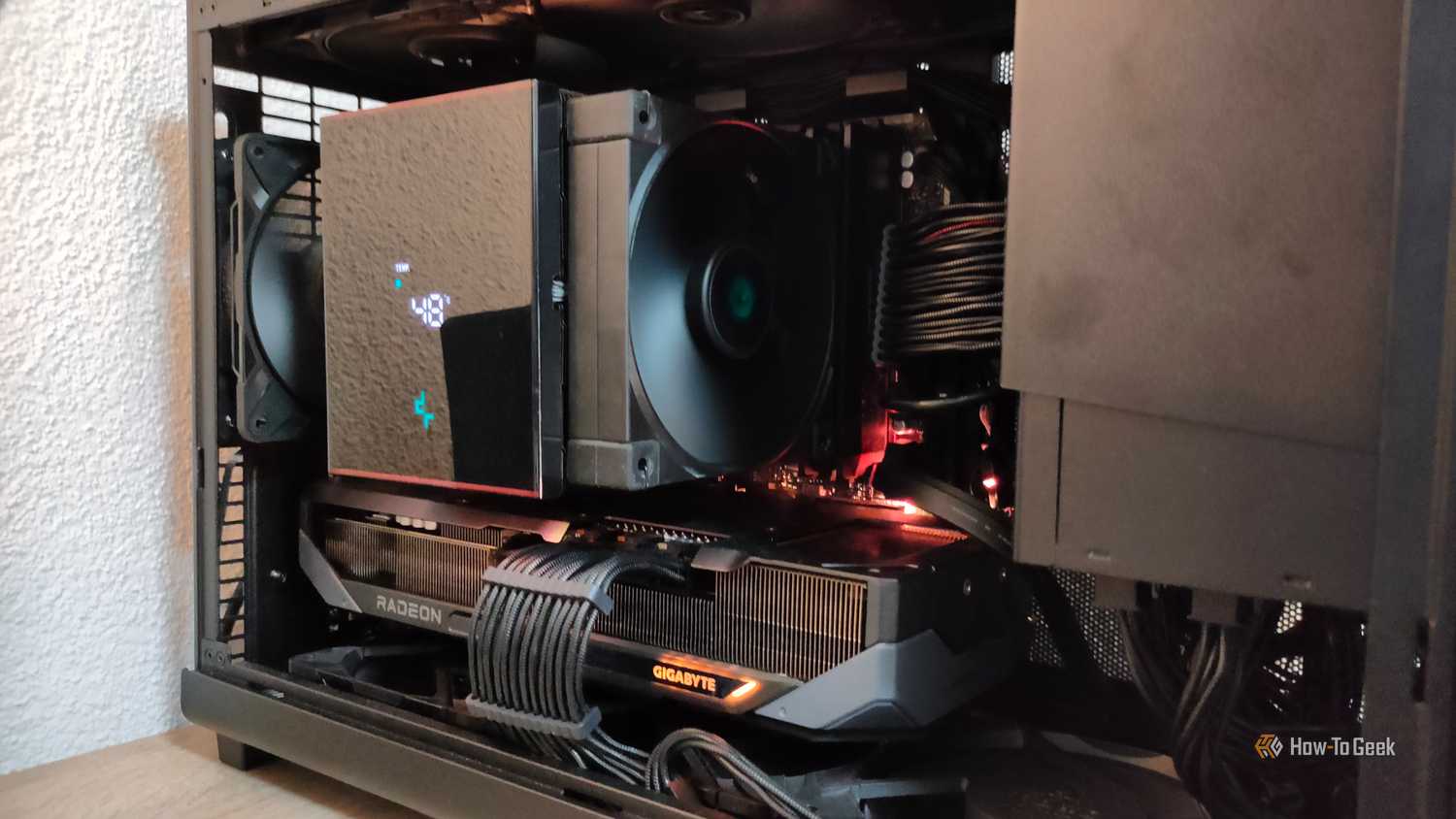
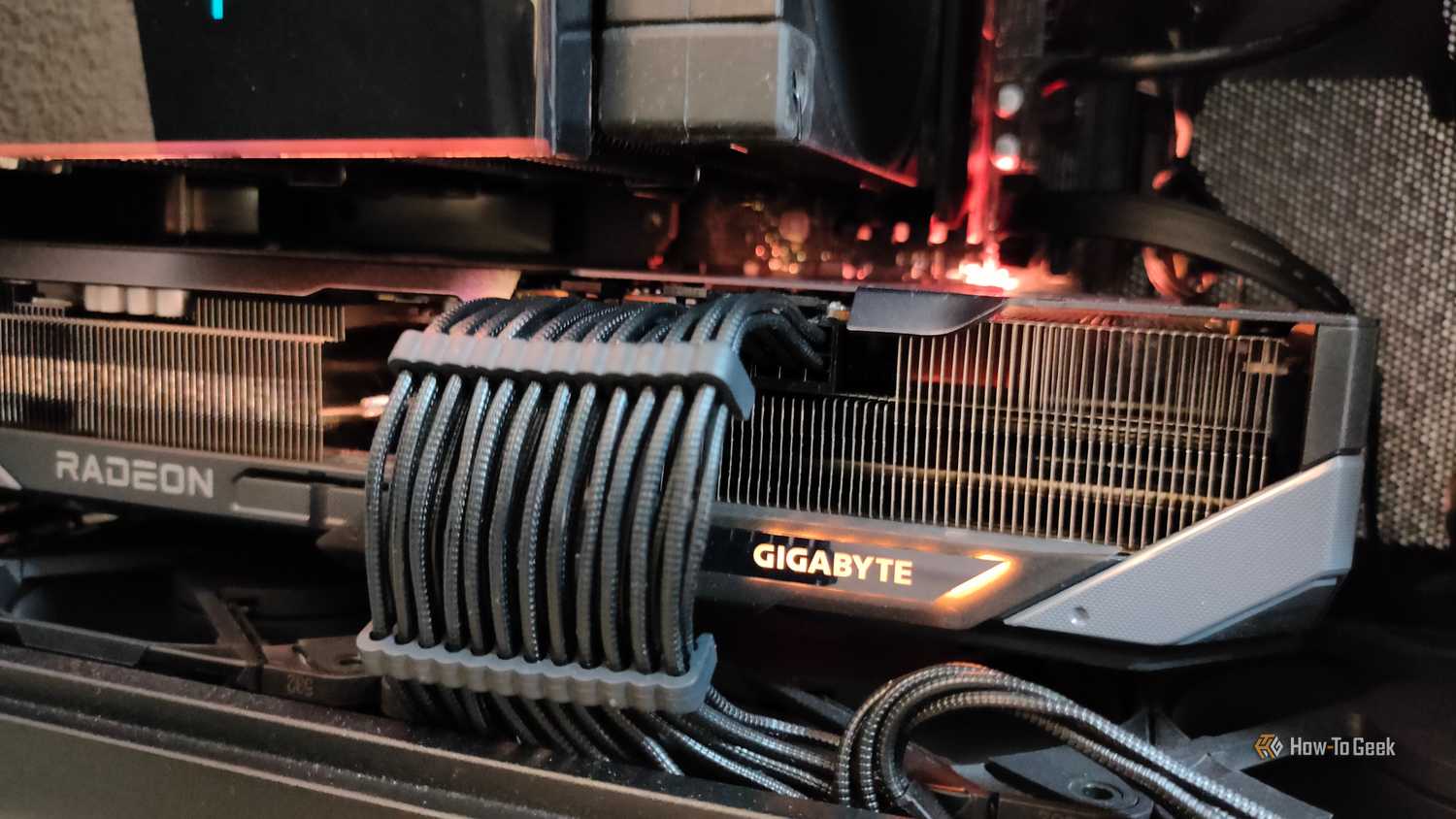
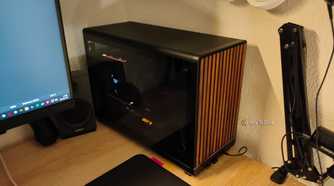
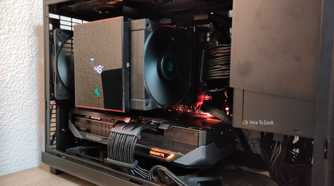
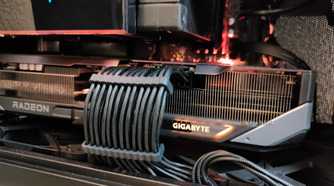
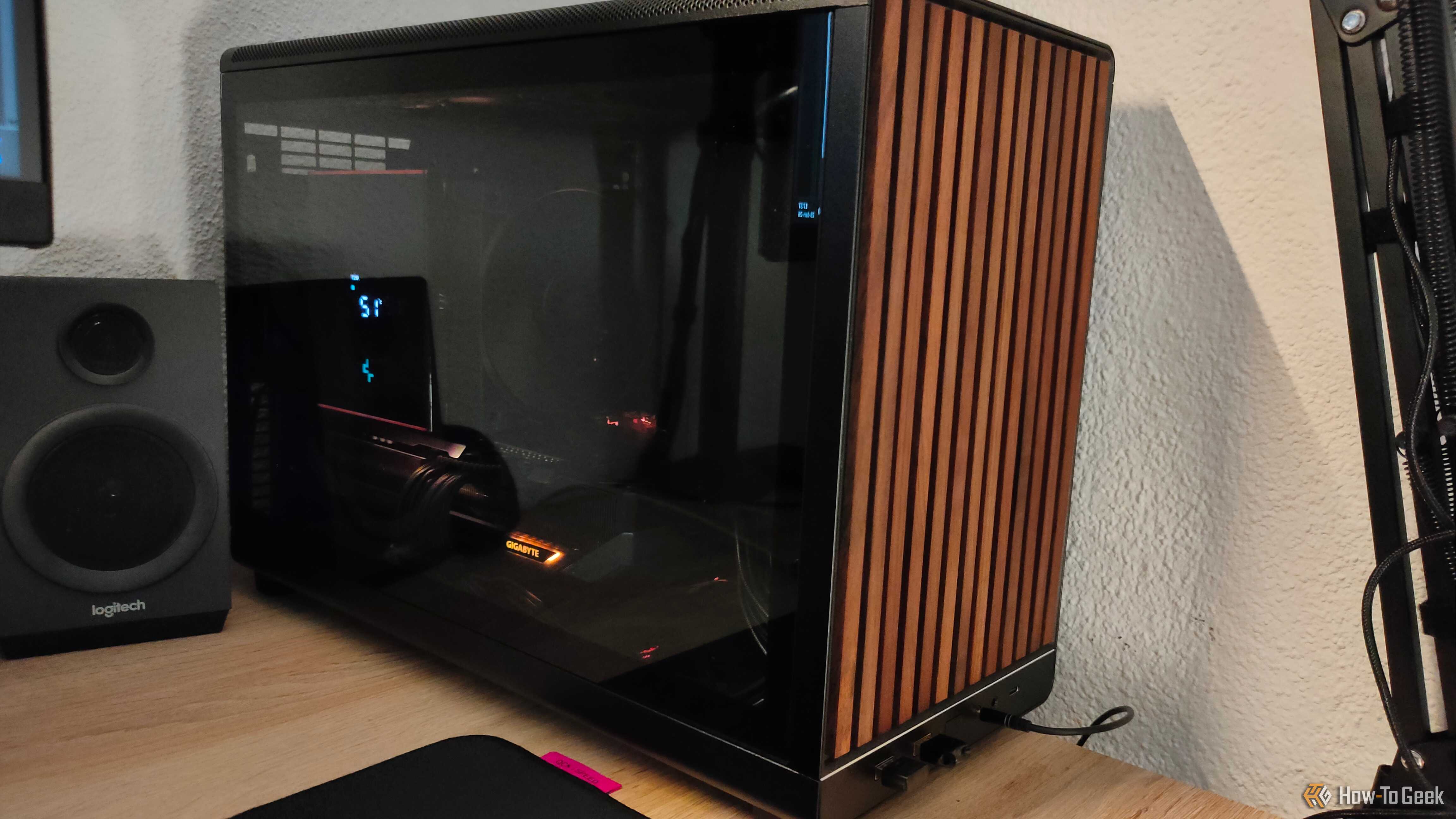
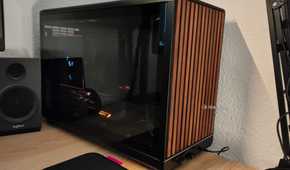
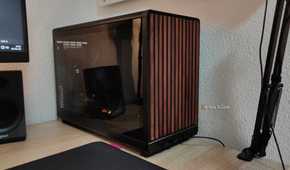
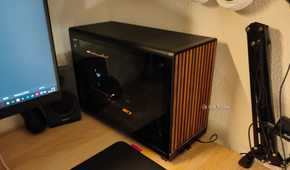
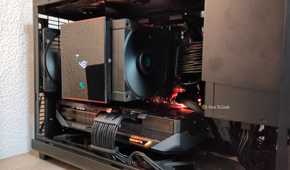
It’s human nature to have plans. So I bet some people buy a bigger case than they need because maybe some day they’ll want to expand their hardware to the point where it needs that extra space.
But this is like renting a two-story home on the off chance you’ll need the upper floor one day. In the meantime, you’re paying for an extra room you may never use. Which, in the case of a PC, means a bigger, heavier, noisier computer.
Considering that the case is one of the cheapest parts of a build, just buy the smaller, cheaper case now. If you end up needing a bigger case down the line, buy a bigger case and spend an hour or two transferring your components. Sell the old case, or maybe use it as an excuse to finally build a self-hosting server of some kind using random parts you have.
Full towers should be a deliberate choice
I want to be perfectly clear: I am not telling you what case you should buy. If you want a big, full ATX tower, you don’t need to justify it to anyone. If you like having truck nuts on your truck that never hauls anything heavier than a suburban mom’s weekly shopping, that’s your business.
What I am saying is you should think about why you’re buying a full ATX case when your computer can easily fit in an m-ATX chassis with no material compromises. If you know you’re going to build a big custom water loop, a multi-GPU workstation, or anything that will use what a full tower offers, then you obviously need it. If you’re just buying a full tower because that’s what everyone else does, it’s worth stopping for a second and considering whether that’s really in your best interest.