The sun was melting into the Caribbean and my pizza melting into a paper plate when Caye Caulker taught me its first lesson. After a long day of travelling from Chetumal, our sundown arrival called for an easy meal, and only after ordering did I realise my wallet was missing. It was over a mile away – on the bed in my hotel room. I got up, reluctant to skip the live music and evening beers at Southside Pizza, when the owner immediately gestured for me to sit back down.
‘You’re staying for a while, right? Don’t miss the sunset! Just come back with the money when you have it!’
When locals here say ‘Go Slow’ you should believe them.

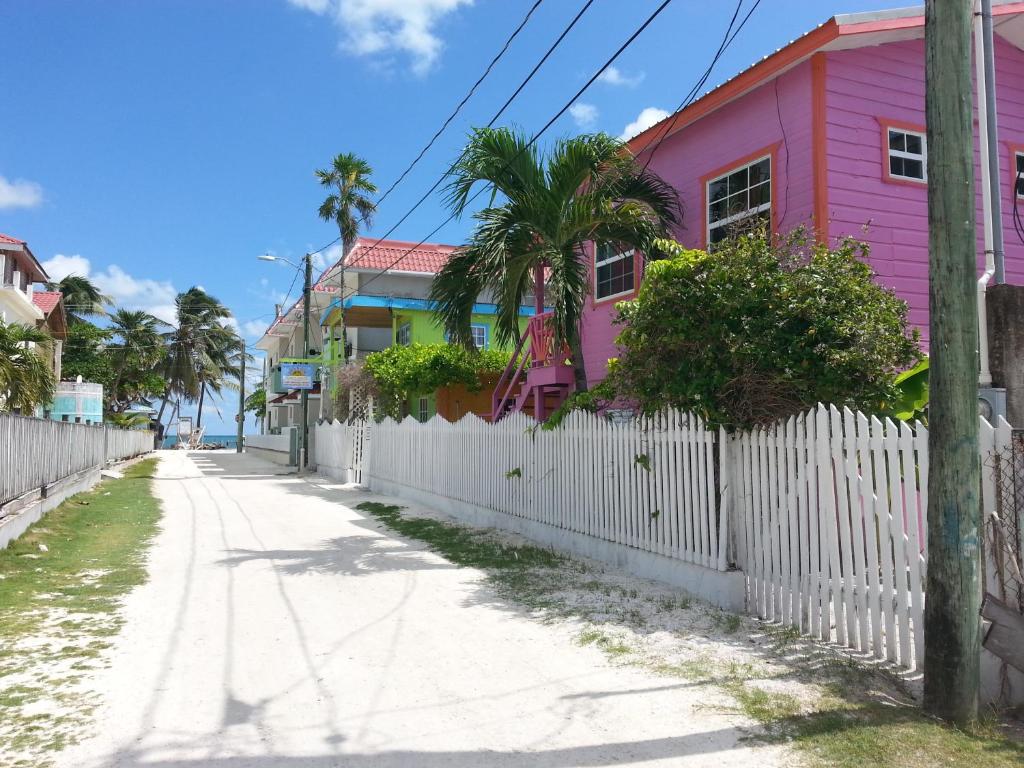
Caye Caulker is a sandy strip of reefs and reggae music on Belize’s Caribbean coast. The small island lies around an hour from Belize City by boat, and has become an established part of the Central American or Gringo Trail backpacking route.
For most travellers, Belize sticks out as an English-language enclave amongst strictly Spanish-speaking neighbours. This cultural contrast and the relaxed, Caribbean lifestyle on Caye Caulker are evident from the moment you arrive.
A bubble of blue sky and clear waters, the island’s proximity to sites of marine interest like the Hol Chan Reserve or the ‘Great Blue Hole’ attract leisurely snorkellers, experienced divers, and those who’d rather relax shoreside.
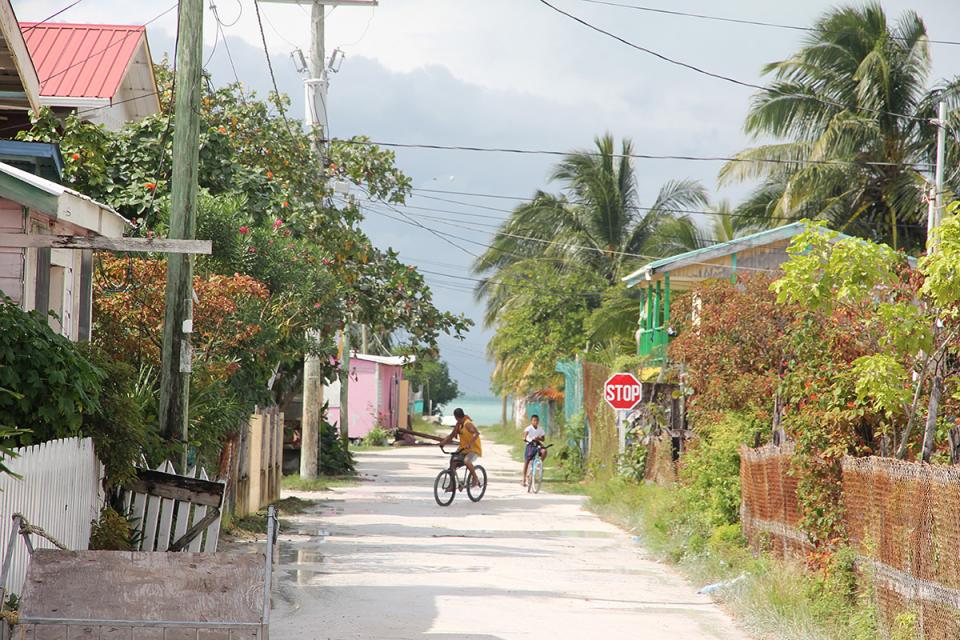
There are many things that make Caye Caulker unique – including the island’s mile-wide size and the complete absence of cars. Locals hitch rides on golf carts, cycle or simply walk around (a no brainer when an end-to-end walk of the South island is only thirty to forty minutes!)

From nearby San Pedro to Caye Caulker itself, Belize’s islands don’t just draw in budget travellers — they’re also popular for resort holidays and traditional Caribbean tourism.
A backpacker budget might not stretch as far in Belize in comparison to neighbouring nations, and I’ll admit that some of the best experiences on Caye Caulker do come with a heftier price tag. That being said, I’d keep the island on your itinerary as a distinctive slice of the Caribbean worlds away from Spanish-speaking, or Pacific Central America.
I spent three weeks living and volunteering on Caye Caulker, and occasionally day-tripping in mainland Belize. Breezy island life isn’t for everyone and how long you stay on the island really depends on the type of traveller you are. I’d recommend a minimum of three or four nights for a budget friendly adventure, but slower travellers could easily be charmed into a longer stay.


Regardless of how long you visit for, the island is well positioned for moving through Belize (we travelled from Caye Caulker to Guatemala in a day), and for travel to and from the eastern coast of Mexico.
If you’re considering Caye Caulker but want to know how to get there, the best experiences and activities on the island and the most affordable places to stay, then read on.
How to get there
On our multi-stop ferry crossing from Mexico, the captain of our ferry took an hour for a coffee break in the town of San Pedro. His confusion over the frustration of tired travellers was amusing, and our first introduction to the Caribbean concept of ‘island time’.
If you’re a type A traveller, the lack of obvious online information about getting to Caye Caulker could easily make you anxious.
After spending time on the island, I’d argue the ferry service is reliable — but you might have to go with the flow. Most people arrive by ferry, but domestic flights do operate a few times a day from Belize City. As you might expect, flights are almost always the most expensive option.
December to May is the dry season and increased tourist numbers naturally allow for more ferry and flight crossings. Poorer weather conditions and fewer travellers means that outside of these months, regular service definitely still occurs, but schedules may be reduced or less predictable.
By ferry
Ferries leave Belize City’s Water Taxi Terminal throughout the day, with the final crossing usually occurring at around 5:30-40pm. Two companies, Caribbean Sprinter and San Pedro Belize Express Water Taxi, operate out of the port but the experience and price is largely interchangeable.
You can book ahead online, although there are ‘internet processing fees’ of around $9, and tickets at the terminal are usually available in person. The ferry port is well organised, and when travelling beyond Belize City, finding a bus or tour outside was pretty straightforward.
The crossing takes around 40-60 minutes, and there’s a rooftop sundeck if you’re hoping for a good first glimpse of the island.
If you’re making your way from Mexico, the ferry to Caye Caulker leaves once a day at around 3-3:30 pm from Chetumal’s maritime port. I’d recommend arriving early as you have to pay port fees, go through Mexican border control, and fill out passenger forms long before you set sail.
Two operators, the San Pedro Belize Express Water Taxi and Water Jets International run this route on alternate days, but again, they are similar and you don’t need to lose sleep over who to book with. That being said, this route is sometimes sold out or has unavailable dates online so I’d pre-book or keep a close eye on the operator’s website.
The trip to San Pedro is around the two hour mark, and you must disembark here to officially enter Belize. Even if your immigration experience is quick, the ferry will likely still wait till 6:30 pm to travel the final 45-60 minutes to Caye Caulker.
The island’s ferry terminal is right in the centre of town, so most accommodation is usually a short walk or buggy drive away. A full guide to navigating the Chetumal to Caye Caulker border crossing, including whether it’s worth staying in Chetumal beforehand, can be found here.

By flight
Direct flights to Caye Caulker happen several times a day, shared between Maya Island Air and Tropic Air flight companies. Leaving from Philip S. W. Goldson International Airport in Belize City, they often connect to international and domestic flights.
The flight itself takes only 10-15 minutes, but on a clear day it offers breathtaking views of the island from above and the surrounding barrier reef. These flights are run by small airlines with even smaller planes, so if you aren’t a confident flyer the propeller aircraft might just make your stomach drop!
Caye Caulker’s airport is on the island’s southern tip and requires a 20-25 minute walk, or shorter golf cart ride, to the centre and main accommodation areas.

Aside from ferries being more budget-friendly, there is perhaps no ‘best’ way to travel to Caye Caulker. We arrived from Chetumal, and although the border bureaucracy and island hopping crossing seemed confusing at first, it ended up being a fairly simple travel day.
Best things to do: sea, shore and in-between
Perhaps you’d assume that a five-mile-long island wouldn’t exactly be teeming with things to do, but Caye Caulker’s experiences spill out into the sea, the sky, and everything in between.
Many travellers simply go for relaxing resort stays or good weather, but if you aren’t a fan of lounging around poolside, here are some activities you definitely don’t want to skip.
BY SEA (and sky?)
The appropriately named ‘Shark Ray Alley’ sits just a short boat ride from the island, and offers some of the most intimate encounters with marine life that Caye Caulker can provide.
Tours stop over a stretch of shallow water and allow guests to snorkel and swim in the proximity of rays and Nurse sharks. (If you don’t want to enter the water, observation-only trips exist, too.)


Tours are usually full or half day experiences, and our trip included snorkelling at a deeper reef with plenty of turtles, eels and tropical fish to spot.
Boats often circle the island, with the option to feed Tarpons – extending your hand over the boat and letting a giant fish grab the bait! If sharks aren’t your thing, manatee-related tours are also a hugely popular island activity.
Snorkelling and wildlife trips are easily the most sought-after Caye Caulker experience, and tour provider kiosks are dotted all over town and offered by the majority of accommodations. You can also reserve a range of tours online including the one below 👇
This tour includes 7 stops, from Hol Chan to Shark Ray Alley, with nurse sharks, rays, turtles, and discovering shipwreck along the way. Lunch is served onboard, and GoPro photos and videos are included, so you can take home some cool underwater footage.
Experienced and aspiring divers alike come to Caye Caulker for the Hol Chan Marine Reserve and the large barrier reef that surrounds the island. And around 2.5 hours away by boat, the giant marine sinkhole or ‘Great Blue Hole’ is a protected UNESCO World Heritage site (as part of the Belize Barrier Reef) and it’s a geological wonder that attracts visitors from all corners of the Caribbean.

There are a range of tour operators who provide PADI diving lessons, or take experienced divers out to deeper and more challenging sites.
If you’d rather see the Great Blue Hole from above (a popular tour considering the contrasts in blues and the clarity of the reef from above), you can book a flyover – a 20-30 minute plane ride from Belize City to enjoy this marine marvel from the sky.
ON SHORE
Did you know Caye Caulker is technically two islands? While most of the island’s population and tourist infrastructure reside on the South island, you can easily spend a day exploring the remote shores beyond The Split.

The short strip of water between the islands can be crossed via the informal local ferry, asking someone politely for a ride, or even by kayaking across if you can beat the current. Once on the island, there is a small selection of restaurants and hotels, including Bliss Beach Club – the perfect swimming spot to spend an afternoon with a cocktail or lounging in a hammock.
The North island isn’t exactly overflowing with activity, but it is the best place for free exploration and we could easily waste an afternoon cycling to mangrove forests, along coastal paths or weaving in and out of palm trees.
Belizean national history involves so much cultural fusion that you can eat your way around the world just by staying on Caye Caulker. Like much of the country, the island’s food scene thrives on family-run businesses and entrepreneurial street vendors.
Caye Caulker’s restaurant culture is relatively informal (Google Maps opening times are just a suggestion!) and many cafes and eateries are run out of family homes or small stalls.
You don’t need a saved list of restaurant recommendations for the island – just take a five-minute stroll and you’ll have dozens of proud chefs inviting you in for a bite.


Many restaurants and cafes, especially seafood and BBQ-style businesses, are completely outdoors and cook fresh to order. I always enjoyed the vibes at Chef Kareem’s Unbelizeable Lunch truck!
If you’re missing traditional Latin dishes, there are a range of Salvadorean, Cuban and Mexican restaurants in town (our favourite was La Cubana) all serving tacos, pupusas and other typical treats.
The island also has a surprising level of Asian influence and the amount of authentic Chinese takeaways definitely caught me off guard. And, if you’re really in need of a comfort meal, many expats run US-inspired burger and pizza bars.


Eating out on the island, even during a long stay, ended up being a surprisingly smart financial decision. Imported goods, especially branded products and snacks, can come with eye-watering prices (I remember buying an $8 packet of crisps!) so skipping the hostel kitchen for a meal out is often the more economic choice!
With so many dining options, choosing a beachy breakfast spot or dinner with a sunset view is a key part of any Caye Caulker itinerary.
IN-BETWEEN
You cannot go a day on Caye Caulker without catching word of what’s going on at The Split – the most popular swimming area and what I’d argue is the real heart of the island.
Despite the enticing waters, a lot of Caye Caulker’s coastline isn’t as swimmable as The Split and the diving platforms and deckchairs make any beach day more comfortable.
Surrounding bars and restaurants like the Lazy Lizard are always packed and primed for people watching, often with music events or interesting local characters. There are two piers in The Split area with roped off swimming sections and tables in the water so you can cool off with a cocktail.
A day out here is an iconic island activity!


Despite the hype for The Split, my favourite area of the island is a lot harder to find. On Caye Caulker’s western coast, there’s a smaller beach directly in front of the ‘Iguana Reef’ hotel that offers the best sunsets and one of the most magical animal encounters on the island.
In the early evening, dozens of stingrays swim up to the shoreline and skim the surface – providing a unique opportunity to see these marine creatures up close.
Even without stingray sightings, Iguana Reef’s beach area is the perfect place to grab drinks, relax in the sun or chill on the docks. And, the animal encounters don’t stop there as pelicans are particularly fond of the swimming spot (slightly terrifying when they surround your sunlounger – but a gorgeous bird nonetheless!)
Aside from organised boat trips or beach days, most of my favourite memories came from exploring the island’s streets and stalls without a plan or winding up at a karaoke bar or street party – days on Caye Caulker definitely don’t ask you to do much in the way of planning.
Where to stay in Caye Caulker
Caye Caulker attracts all kinds of travellers – from family groups in search of fancy hotels to backpackers who’d be happy with just a hammock. While Belize gets a bad rap for being more expensive in comparison to nearby backpacking hubs, there are still a range of affordable accommodation options on the island.
In fact, I would argue Caye Caulker’s size is an advantage for budget travellers. The five mile long island hardly has a range of distinct districts to choose from, and if you’re happy to walk or cycle, it doesn’t really matter where you end up come evening.


For much of my time on the island, I chose to live in cheaper accommodation nearer to the airport, occasionally treating myself to a boutique hotel night or time in a hostel in town.
One of my best-kept Caye Caulker secrets is that guesthouses, Airbnbs and private apartments can actually end up cheaper than budget hotel and hostel stays, so I’d definitely shop around before making a definite decision. I ended up spending $117 for a week in my own apartment, with the equivalent for a bed in a shared hostel room around $80 more expensive.
👉 For a full breakdown of Caye Caulker’s accommodation and easy links to my top picks, check out my island where to stay guide.
Where to go next?
Once you’re ready to leave Caye Caulker, you can travel further in Belize — or if you’re ready to cross the border, you have essentially two directions to go depending on where you came from.
- To Mexico: heading north is easy – Chetumal is your gateway to the cyan lagoons of Bacalar, or further into the Yucatán Peninsula and beyond. Check out our Mexico backpacking guide for details.
- To Guatemala: Flores, Guatemala is the natural next stop on the Central America backpacker trail, with the option to break up the journey with a night or two in San Ignacio in Belize to hit the Cayo District’s caves and Mayan sites before crossing the border.
There are no direct ferries to the Bay Islands, so if you wish to travel onwards to Honduras, you have to go overland via Guatemala.